
Insights & Updates
Automatic Carton Packer Keeps Jamming
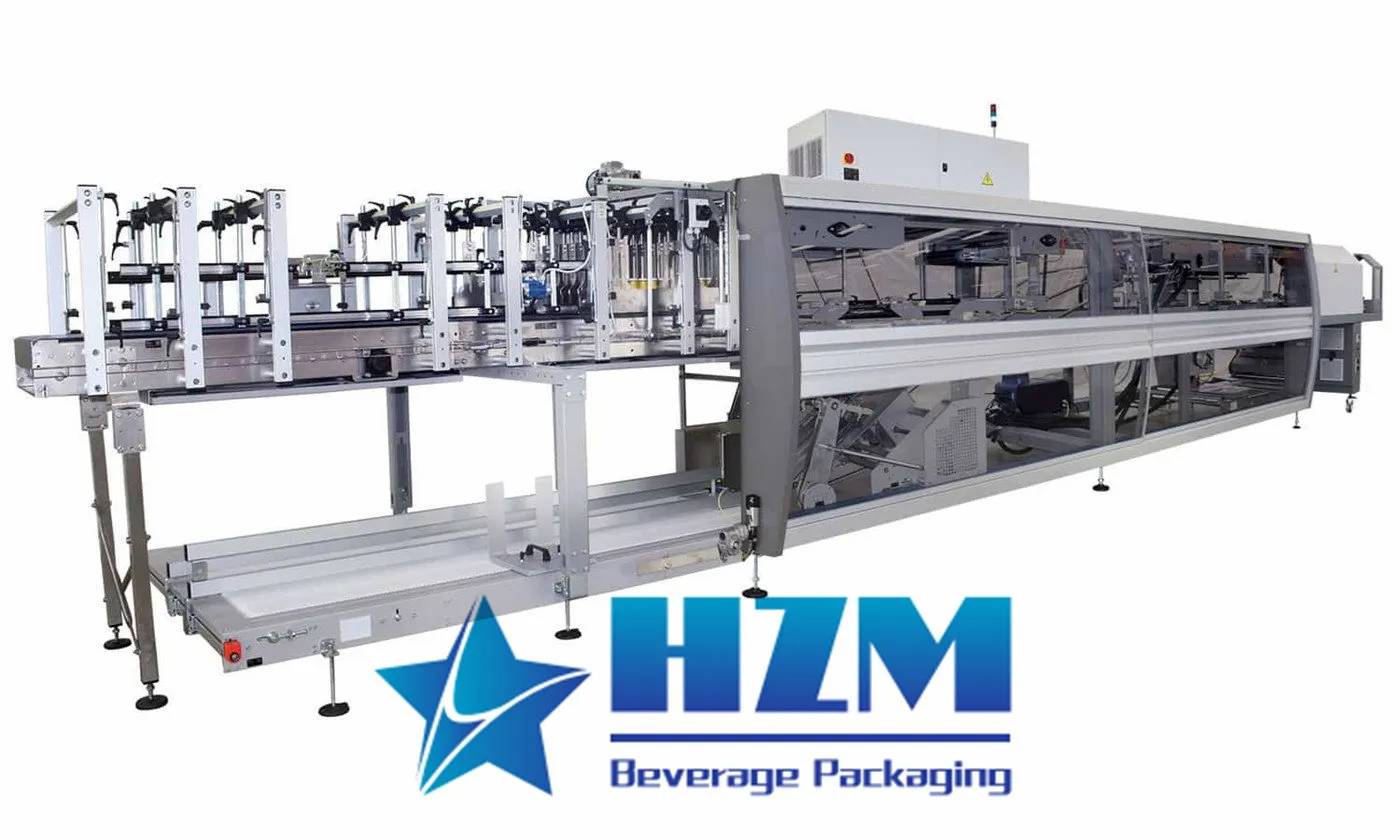
Repeated carton jams in an automatic case packer is easiest to solve while the original evidence is still available. Keep affected samples, record the operating state and resist making several adjustments at once.
Secondary-packaging defects often begin upstream with unstable container pitch or an incomplete group. Film, carton, heat, timing and compression then amplify the original variation. For this fault, the first distinction is between carton material out of condition and vacuum or pickup fault. The procedure below moves from non-invasive checks to controlled repair and restart.
Quick answer: Find the first carton or product that loses control. Check blank quality, magazine setup, vacuum pickup, erection timing, product grouping, guide clearances, adhesive or tape and compression timing.
What operators usually see
The failure pattern narrows the search more quickly than replacing parts. Mark samples and record which of these conditions are present: For this case, preserve evidence that shows whether carton blanks fail to open squarely.
- Carton blanks fail to open squarely
- Bottles collide with flaps during loading
- Jams cluster at one transfer or compression station
- The fault increases with humid carton stock
Make the equipment safe and protect the product
Use lockout/tagout before clearing a jam or entering the guarded packaging or palletizing cell. Allow heaters and sealing bars to cool, and secure suspended or robot-handled loads.
Record pack pattern, infeed pitch, film or carton batch, sealing temperature, tunnel-zone readings, air pressure, servo position and the station where the first abnormal condition appears. Explicitly record whether carton blanks fail to open squarely.
Most likely causes, in practical checking order
1. Carton material out of condition
Warp, moisture, poor scores or dimensional variation prevents repeatable erection To test this explanation without guessing, retain the first jammed carton and compare its scores and dimensions with an approved blank Record the result before moving to the next cause.
2. Vacuum or pickup fault
Cups, filters, hoses or timing fail to separate one blank cleanly A practical confirmation step is to check magazine guides, blank pressure and double-pick evidence. Compare the finding with a known-good run.
3. Product group incomplete or mis-pitched
The pack enters the case at the wrong shape or time Do not compensate for this condition in the recipe. First, measure vacuum at the pickup under real cycle demand Keep the original setting and measured result in the fault record.
4. Guide and flap timing error
Mechanical setup allows a flap to enter the product path Separate this cause from the others with one controlled check: verify product count, pitch and grouping before case loading Use the same product, format and speed for the comparison.
Step-by-step diagnostic procedure
The aim is to eliminate whole groups of causes with each check. Record actual values rather than “normal” or “looks good.”
- Retain the first jammed carton and compare its scores and dimensions with an approved blank
- Check magazine guides, blank pressure and double-pick evidence
- Measure vacuum at the pickup under real cycle demand
- Verify product count, pitch and grouping before case loading
- Slow-cycle the isolated machine and inspect flap and guide clearance
- Review servo or cam timing only after material and mechanics are proven
Corrective actions that address the root cause
A reset is not a repair. Complete the mechanical, process or controls work indicated by the evidence and document the as-left state.
- Condition or reject unsuitable cartons and reset the magazine
- Clean or replace vacuum components and correct pickup timing
- Repair upstream grouping and missing-product detection
- Align guides and restore verified flap and loading timing
How to verify the repair before full-speed production
Restart at reduced speed with normal production materials, then increase output in steps. The first acceptance check is: Confirm that repeated carton jams in an automatic case packer is absent for multiple consecutive cycles, not only for one sample. Review the alarm history and keep diagnostic product segregated until the site’s quality procedure releases it.
- Confirm that repeated carton jams in an automatic case packer is absent for multiple consecutive cycles, not only for one sample.
- Compare the repaired result for “Carton blanks fail to open squarely” with the approved quality limit and the last known-good baseline.
- Check adjacent stations and downstream package quality for side effects associated with carton material out of condition.
- For “Automatic Carton Packer Keeps Jamming”, record the final settings, measurements, parts used and restart authorization.
Prevent the problem from returning
The most effective preventive action is an observable limit with a named response, not a general instruction to “check regularly.”
- Control carton storage humidity
- Keep approved blank samples
- Trend vacuum and double picks
- Verify group completeness
- Use slow-cycle changeover sign-off
When to stop troubleshooting and call a specialist
Stop and contact the machine or component supplier when repeated carton jams in an automatic case packer cannot be isolated with non-invasive checks, when it returns after an approved repair, or when calibration requires protected service tools. Escalate immediately for a damaged pressure boundary, uncontrolled motion, food-safety risk, exposed conductor or repeated protective trip. Send the service engineer the fault history, photos, samples, trend data, recipe revision and work already completed.
Relevant equipment for this application
The site example most closely related to repeated carton jams in an automatic case packer is the Automatic Carton Packing Machine. Equipment selection should be checked against samples, quality limits, required sustained output and available utilities.
Frequently asked questions
What should be checked first when repeated carton jams in an automatic case packer?
Find the first carton or product that loses control. Check blank quality, magazine setup, vacuum pickup, erection timing, product grouping, guide clearances, adhesive or tape and compression timing. Preserve the original settings and take representative samples before repair work begins.
How can we distinguish carton material out of condition from vacuum or pickup fault?
Warp, moisture, poor scores or dimensional variation prevents repeatable erection In contrast, cups, filters, hoses or timing fail to separate one blank cleanly Compare the two mechanisms under the same operating condition by completing these checks: retain the first jammed carton and compare its scores and dimensions with an approved blank Then check magazine guides, blank pressure and double-pick evidence
Can production continue while repeated carton jams in an automatic case packer?
Only when the plant’s documented risk assessment and quality procedure allow it. For repeated carton jams in an automatic case packer, stop and segregate production when package integrity, sanitation, validated processing, pressure safety, electrical protection or an uncontrolled reject trend is involved.
What evidence will help the equipment supplier respond faster?
Provide the model and serial number, product and format, target speed, first fault, timestamps, photos or video, affected station pattern and maintenance history. For this issue, also include carton blanks fail to open squarely and the measured result from this check: review servo or cam timing only after material and mechanics are proven
Talk to our engineering team
Need help planning your packaging line?
Share your product, bottle and capacity requirements for a practical equipment recommendation.
Equipment
Automatic Carton Packing Machine
The automatic carton packing machine packs bottled and canned products from beer, beverage, bottled-water and food production lines into cartons.
Learn more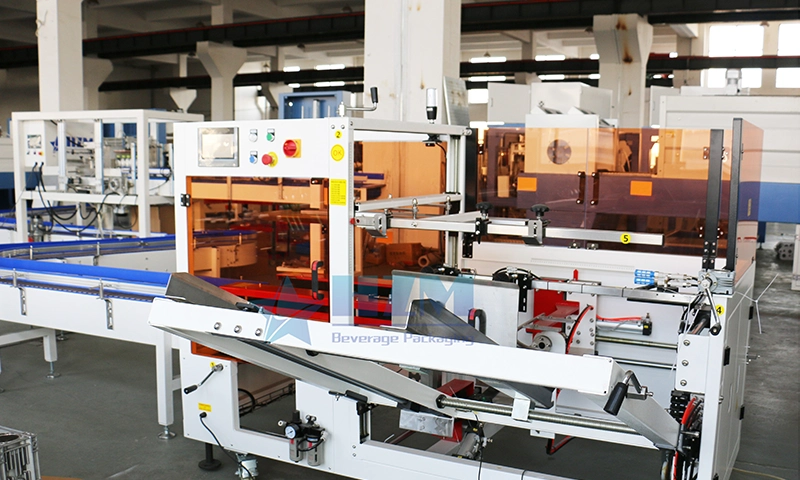
Equipment
Carton Package Machine
The carton packaging machine packs bottles and cans into cartons at the end of a filling line.
Learn more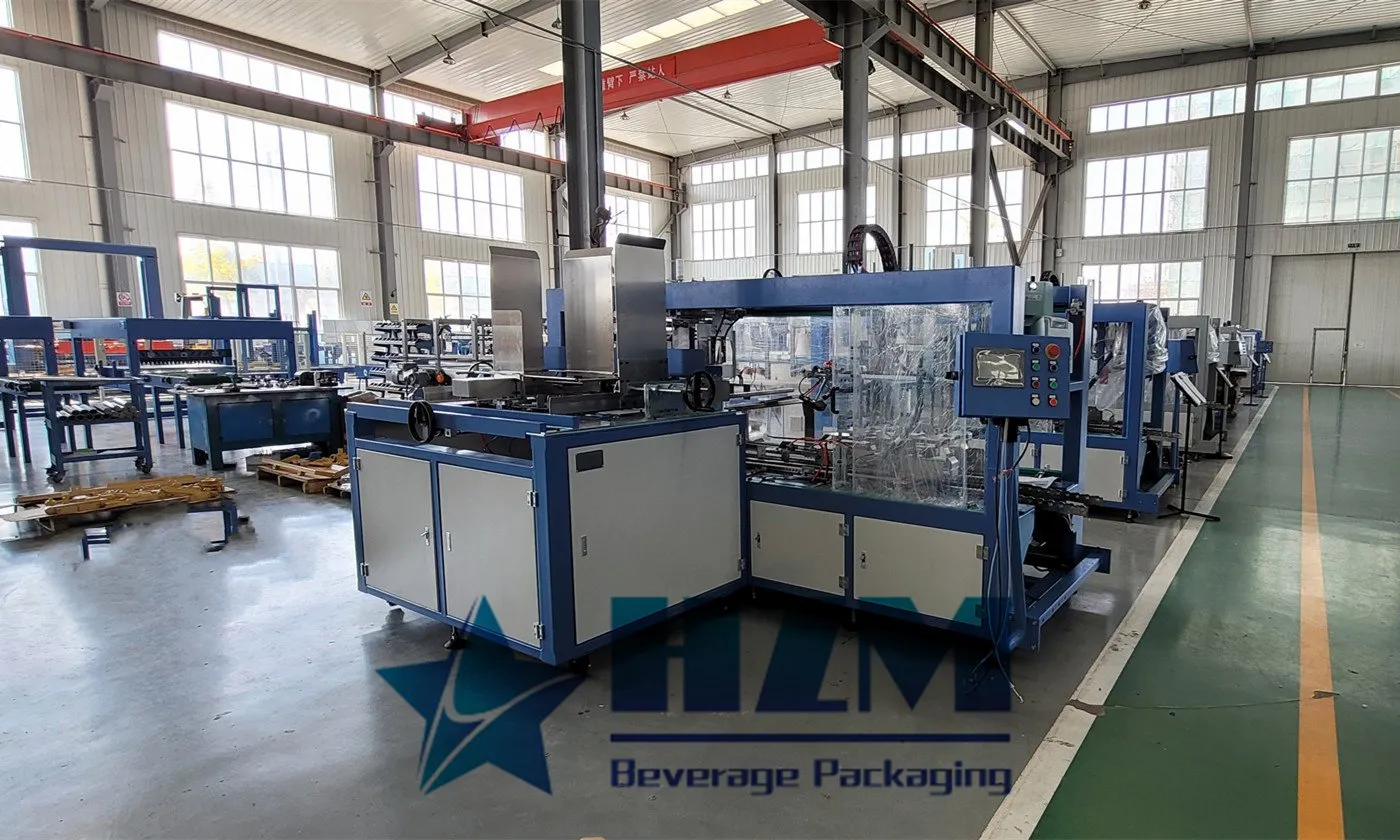
Equipment
Automatic Drop Type Carton Packing Machine
The automatic drop-type carton packing machine loads grouped products into cartons for beverage, bottled-water and food production lines.
Learn more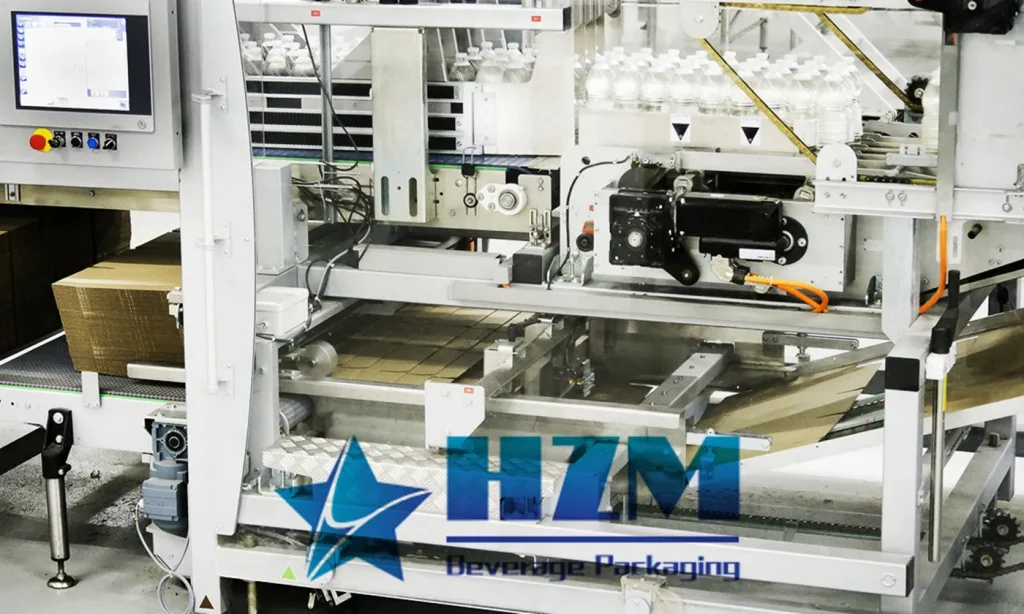
2023-08-10
Advantages and Applications of Automatic Carton Packaging Machines
An automatic carton packaging machine is an efficient and automated device used to place various products into cartons, followed by automatic sealing, packing, and stacking processes. This type of machine finds extensive application in the manufacturing and logistics sectors, as it enhances production efficiency, reduces labor costs, and ensures the safety of products during transportation and storage
Learn more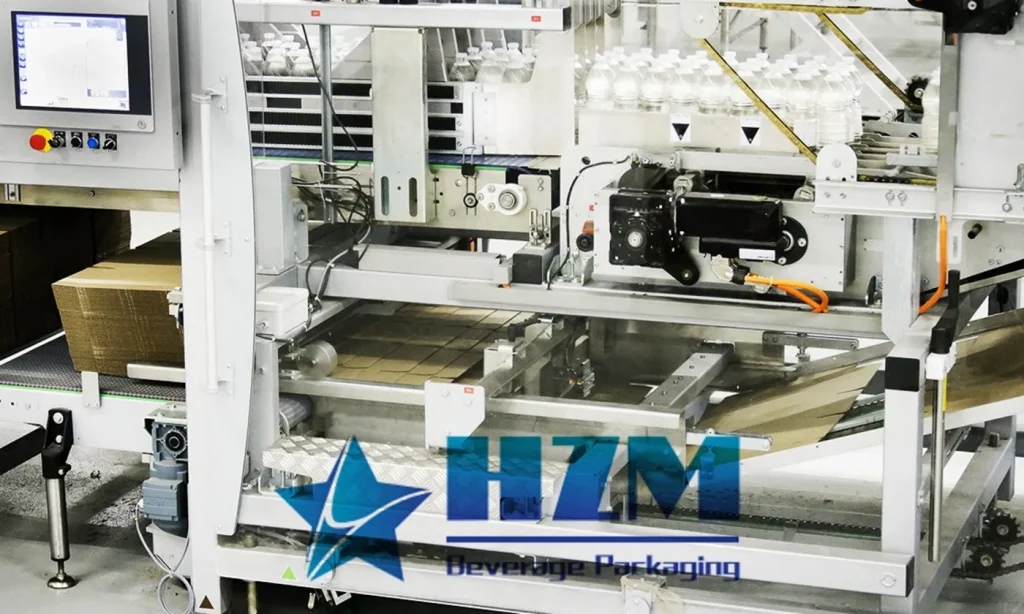
2023-09-04
Automatic Carton Packing Machine: Features and Working Principles
Automatic carton packing machines have revolutionized the packaging industry by offering efficiency, accuracy, and consistency in the packing process. These machines are employed across various industries, from food and beverages to pharmaceuticals and consumer goods.
Learn more2023-09-19
Common Faults and Solutions for Automatic Carton Packaging Machines
Troubleshooting automatic carton packaging machines requires experienced technicians for diagnosis and repair. Regular maintenance and upkeep can help reduce the occurrence of faults. In the event of a fault, it is best to take prompt action to minimize production line downtime and maintain production efficiency to the greatest extent possible.
Learn more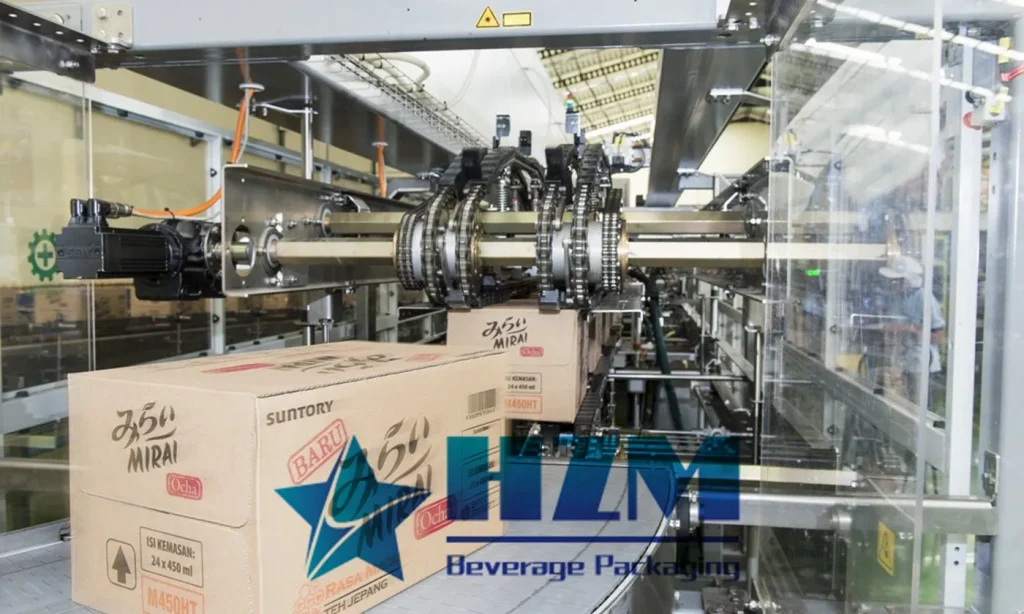
2023-09-23
How much does an automatic carton packaging machine cost?
These prices are for reference only and can vary based on factors such as purchase quantity, region, distribution channel, brand, model, specifications, features, and quality.
Learn more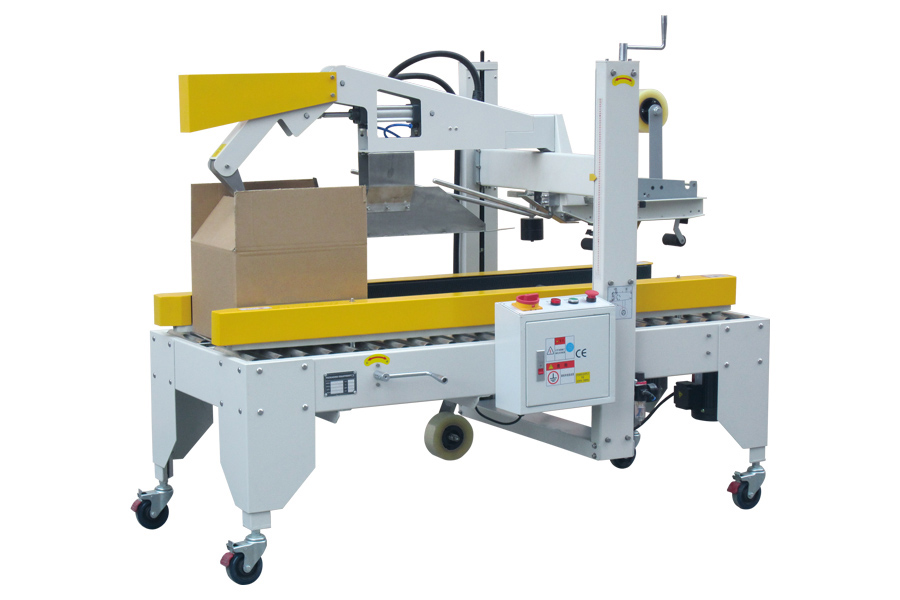
2024-12-20
What is Carton Packaging Machinery?
Carton packaging machinery refers to automated assembly line equipment designed for large-scale production, aimed at improving packaging efficiency and reducing labor costs.
Learn more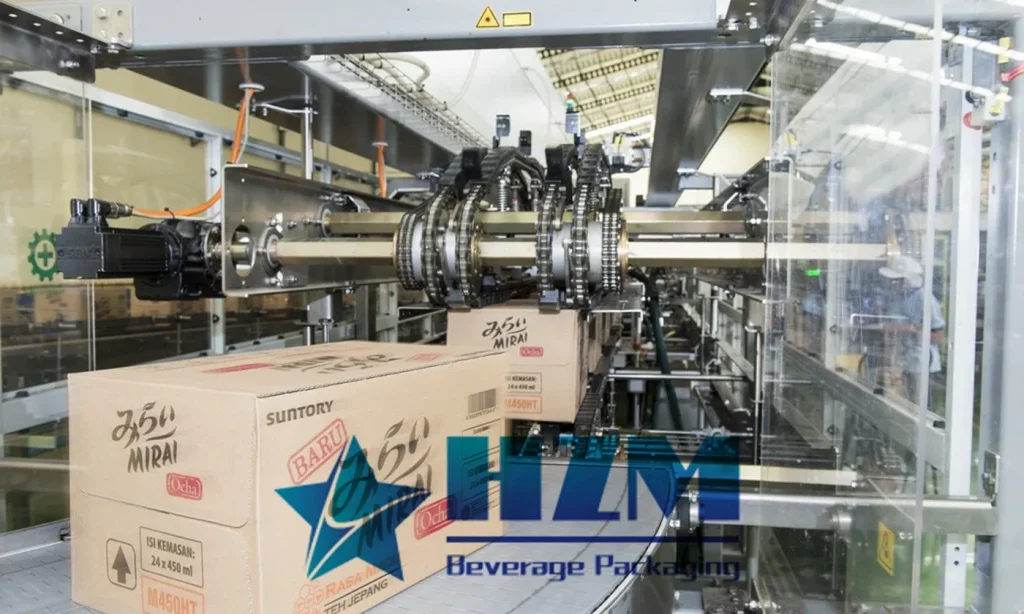
2023-12-31
Beverage Carton Packaging Machinery for Sale
Our beverage carton packaging machinery has the characteristics of high efficiency, stability, simple operation, and convenient maintenance. If you have beverage carton packaging needs, please contact us.
Learn more