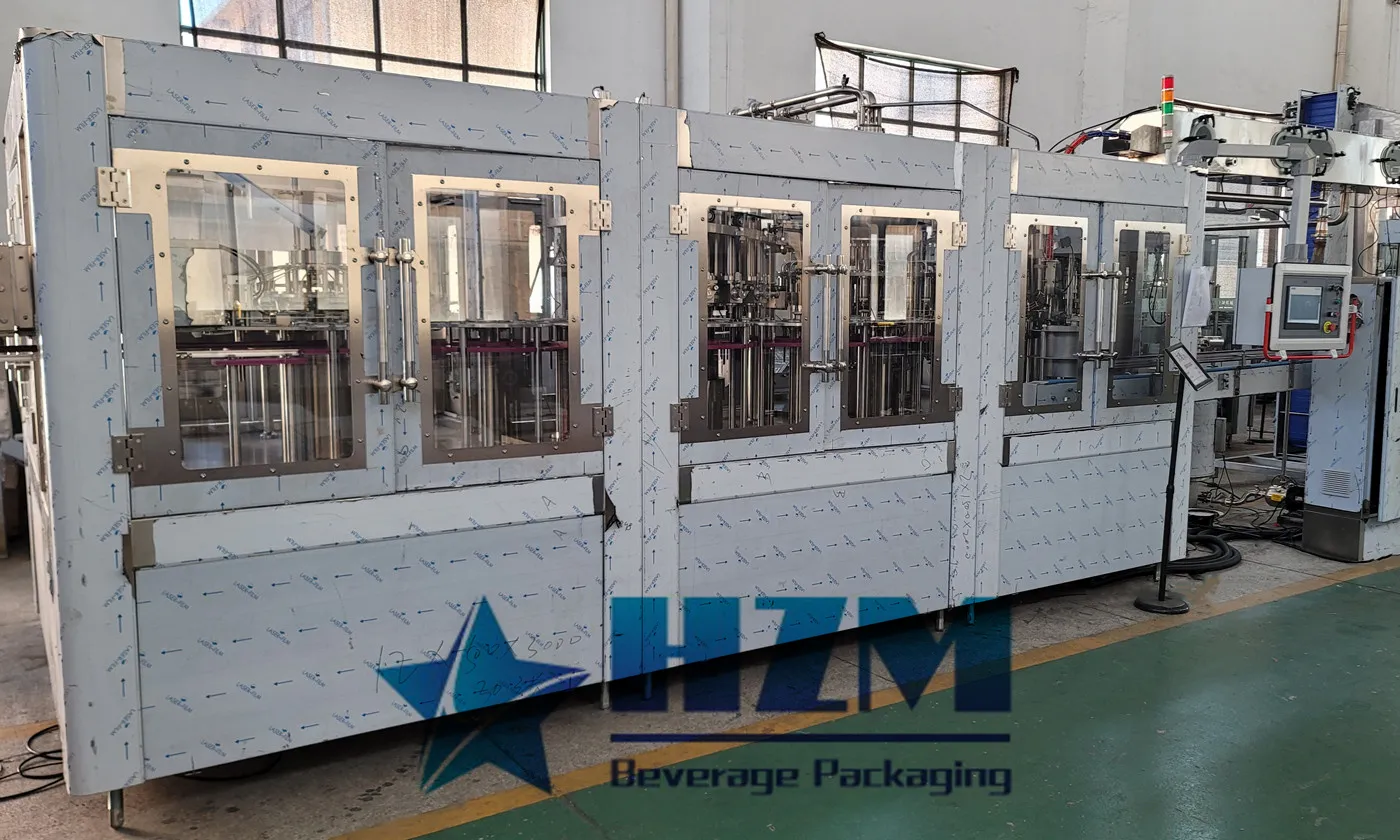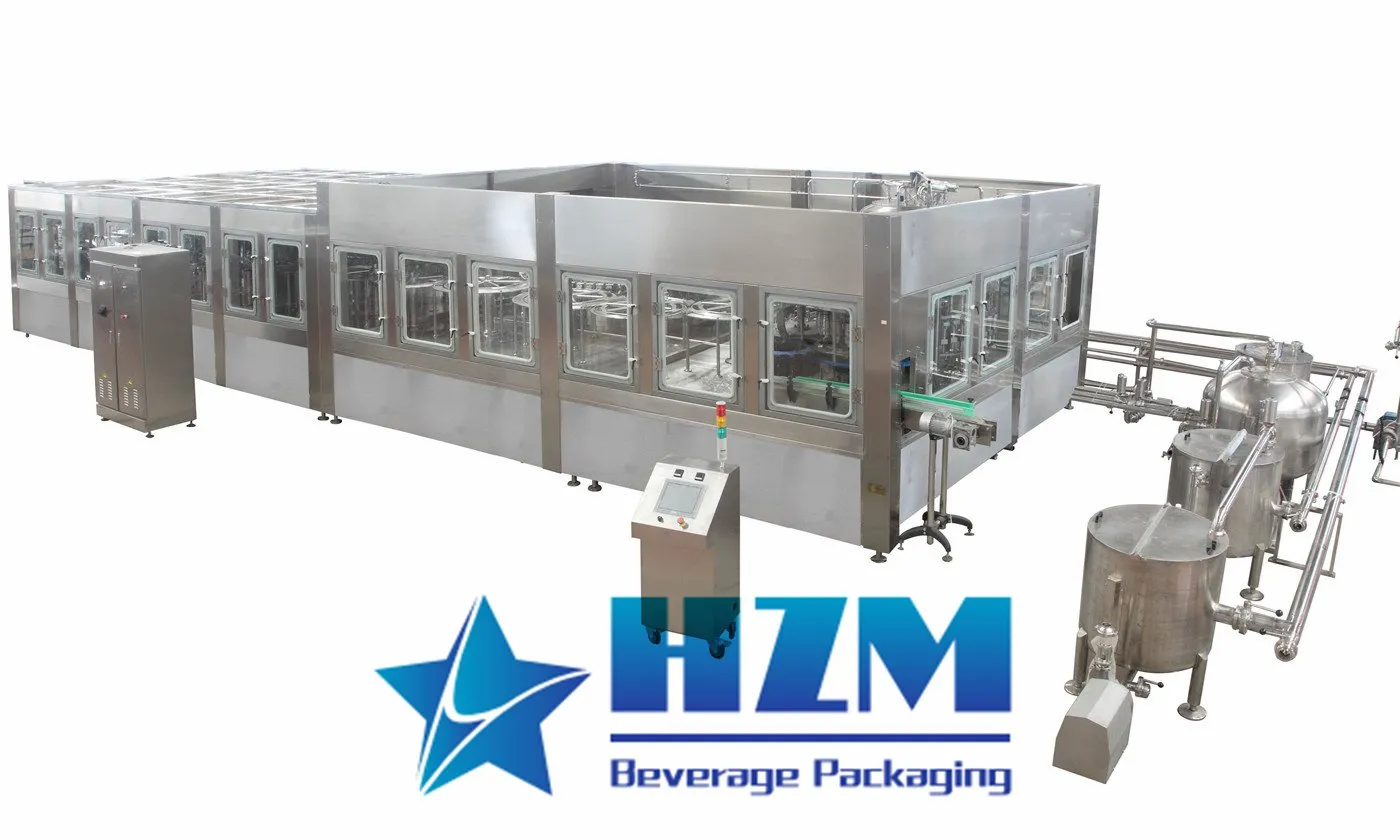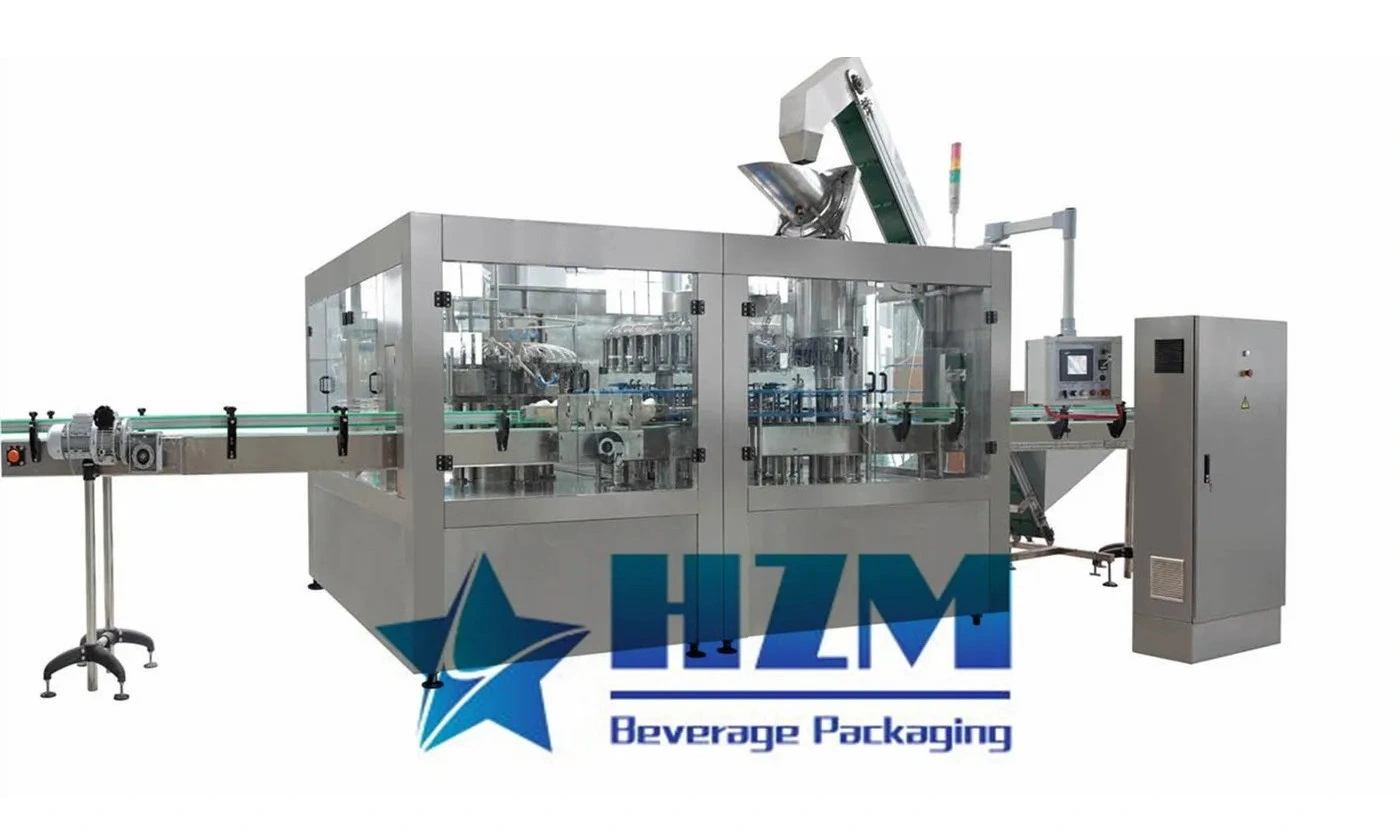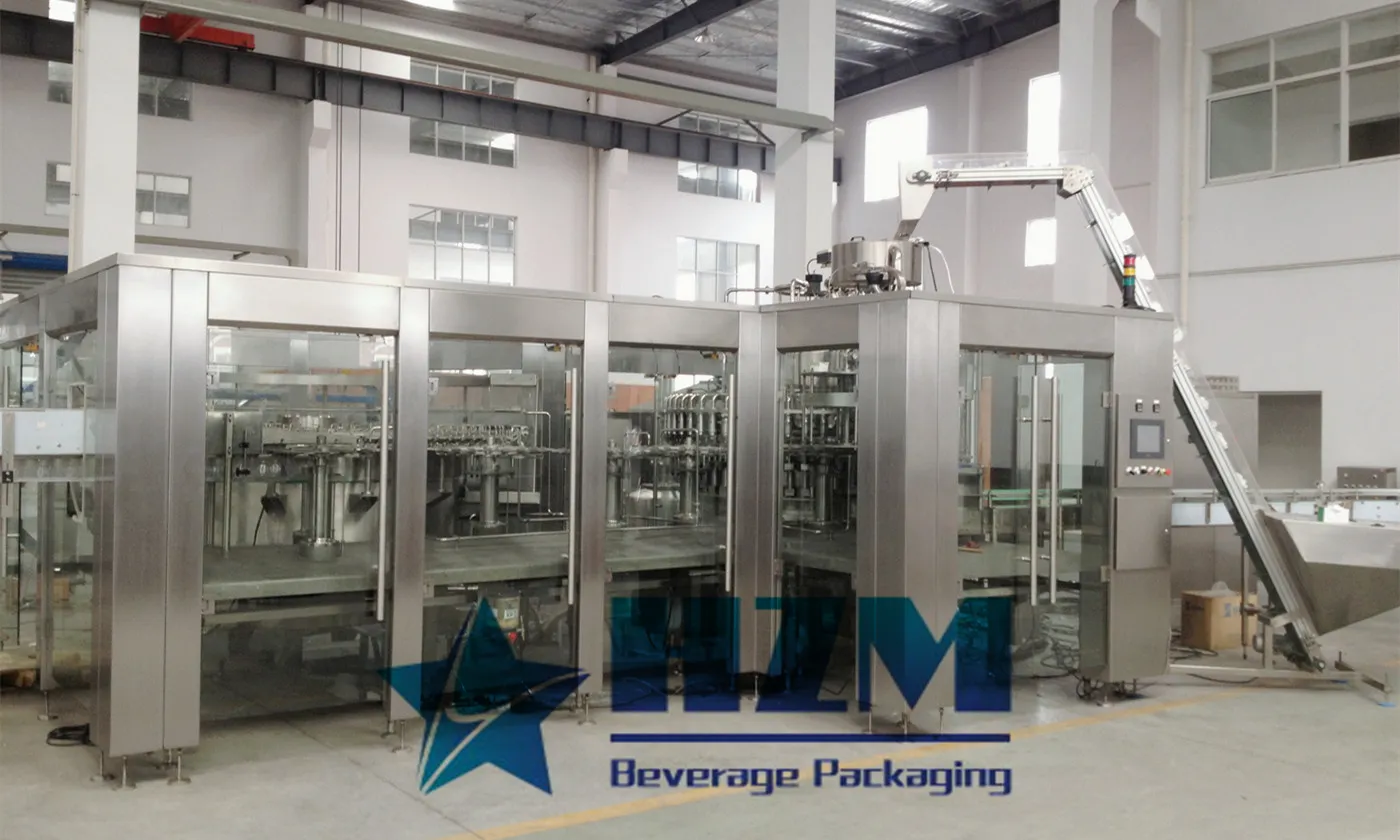
Equipment
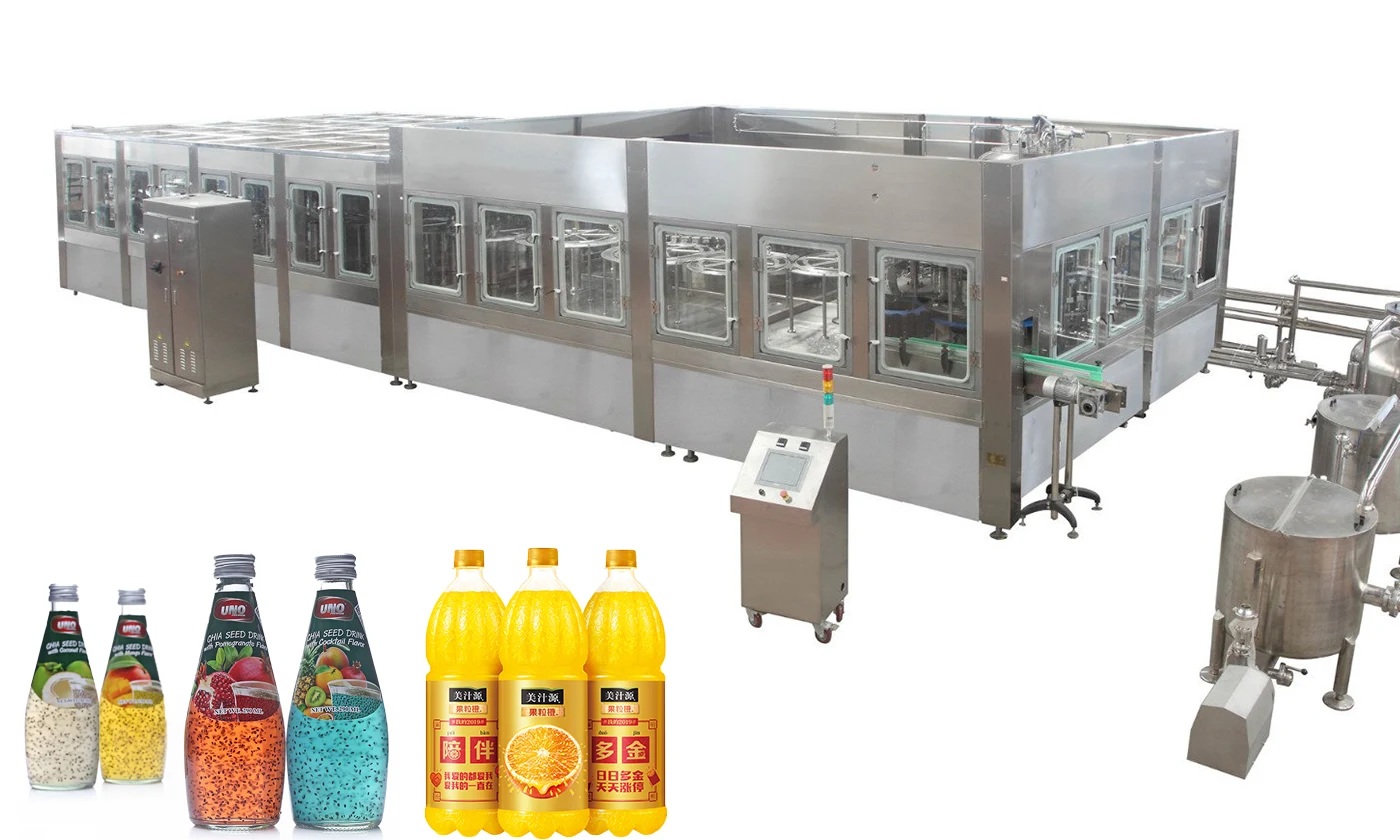
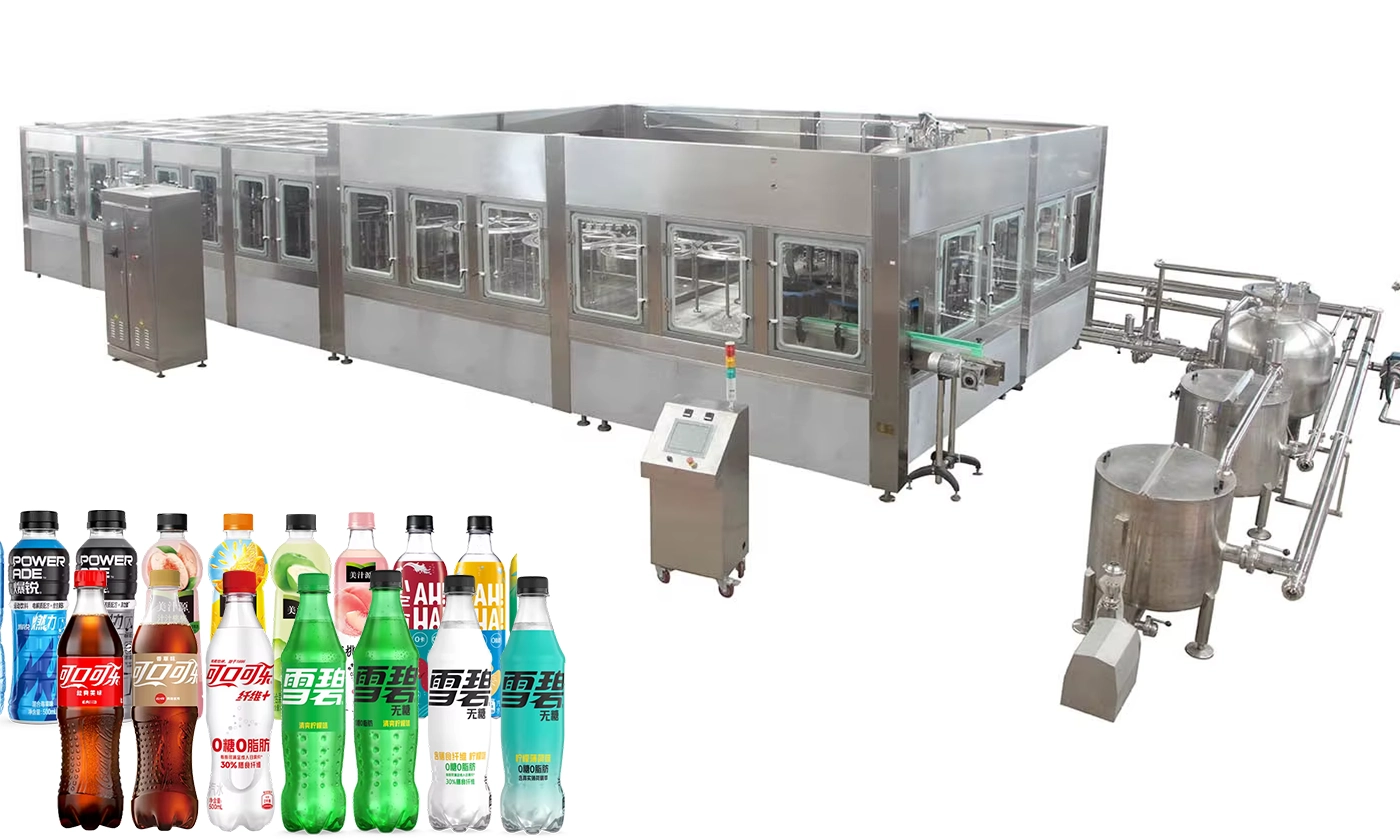
Beverage Filling Machine & Turnkey Filling Line for Juice, Soft Drinks and Cans
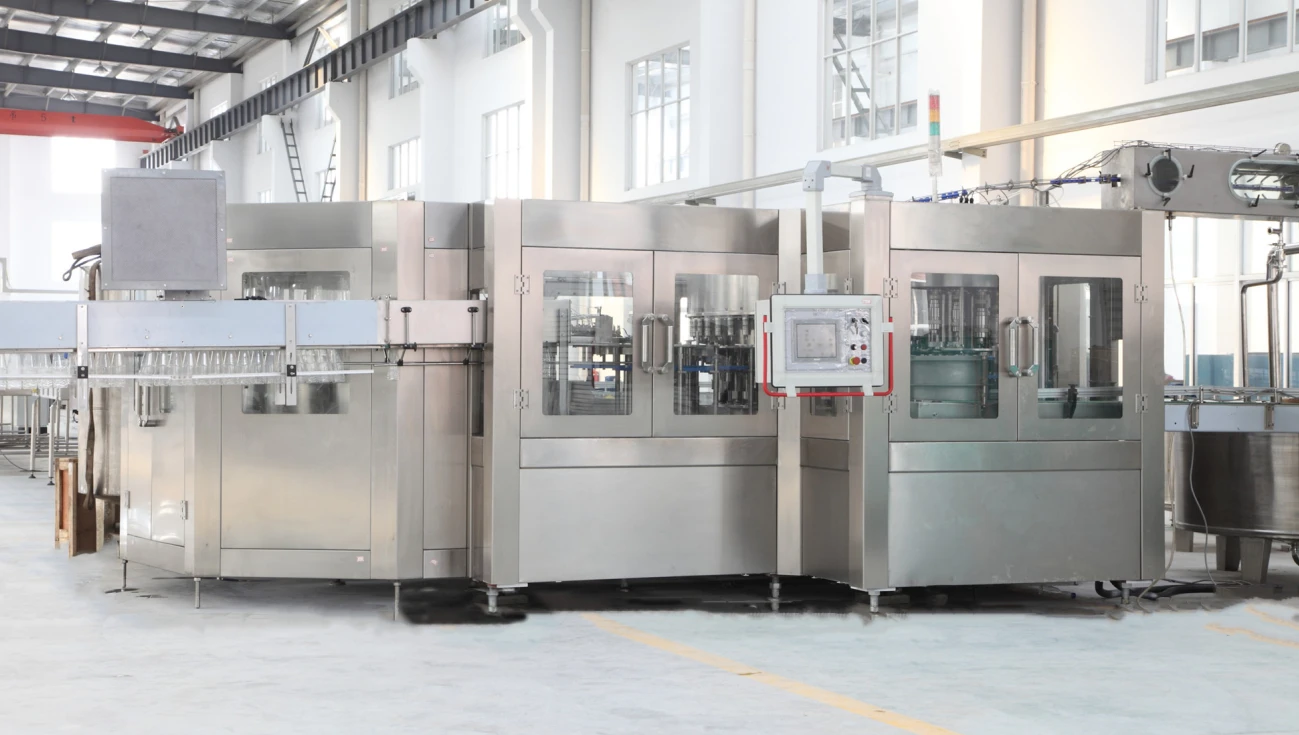
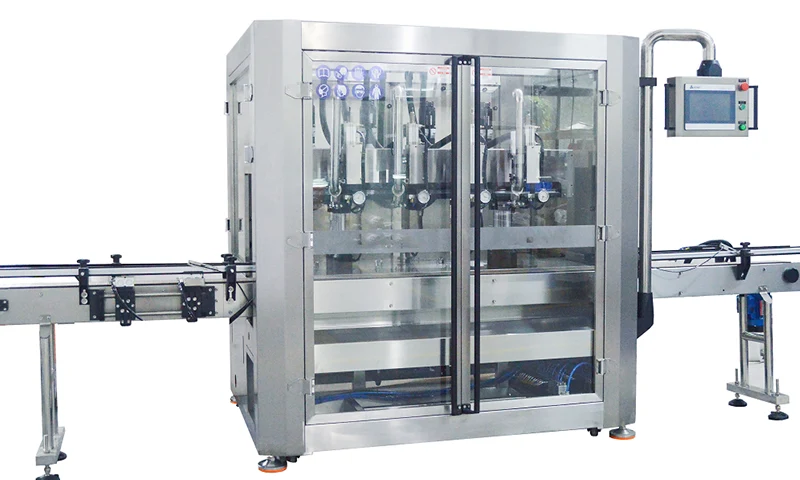
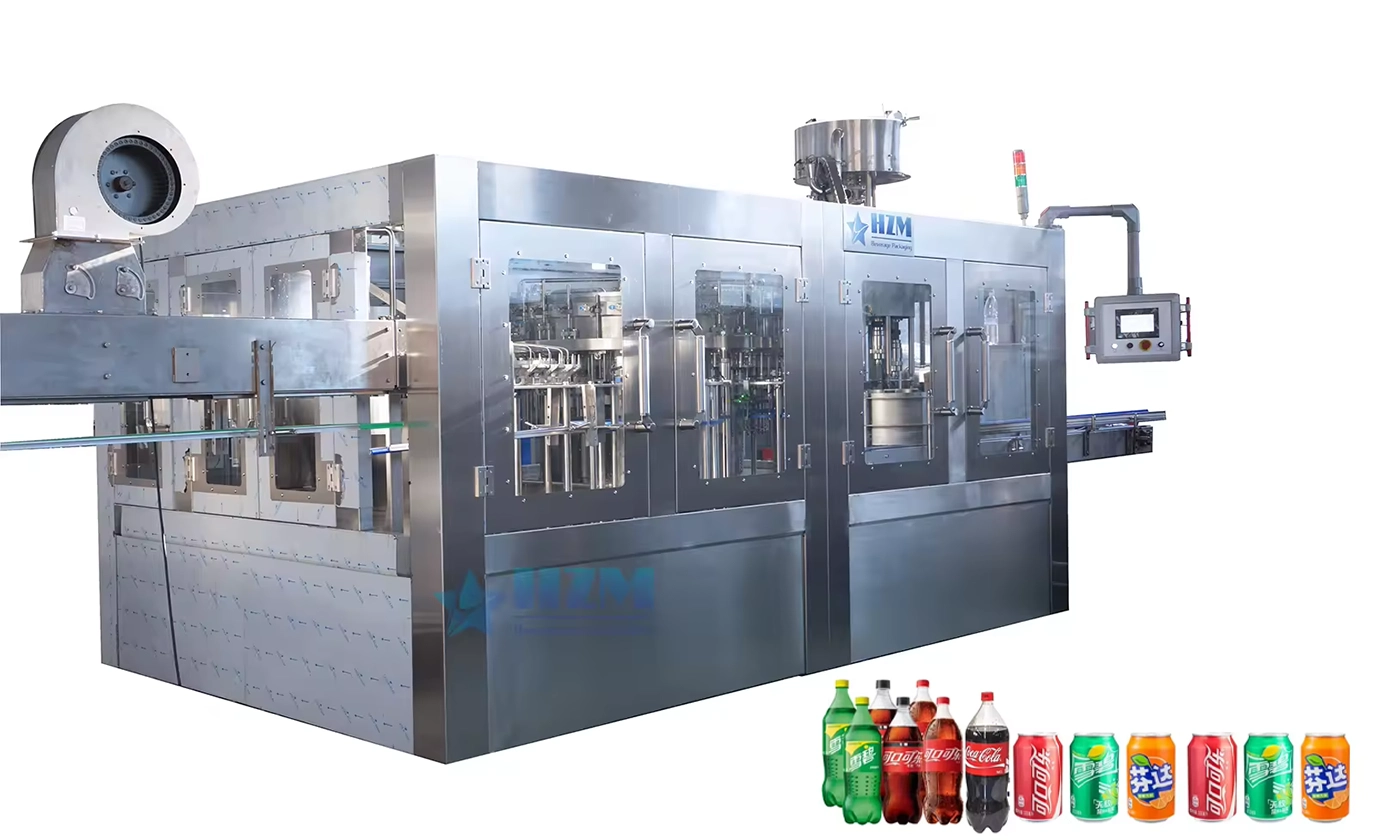
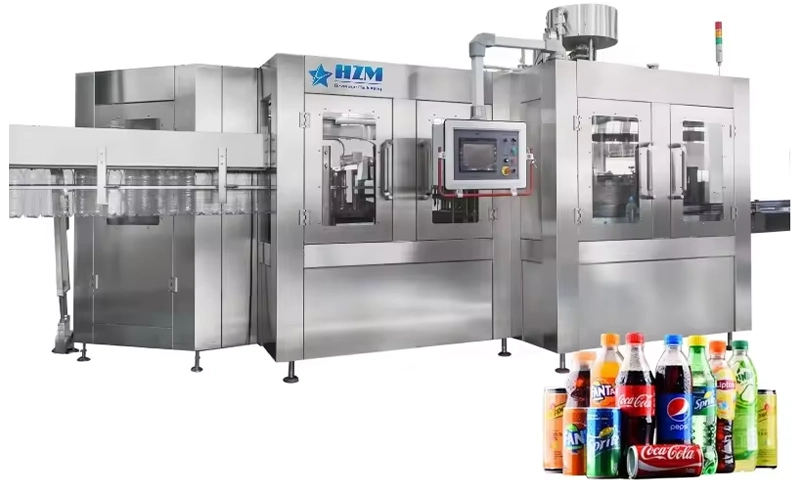
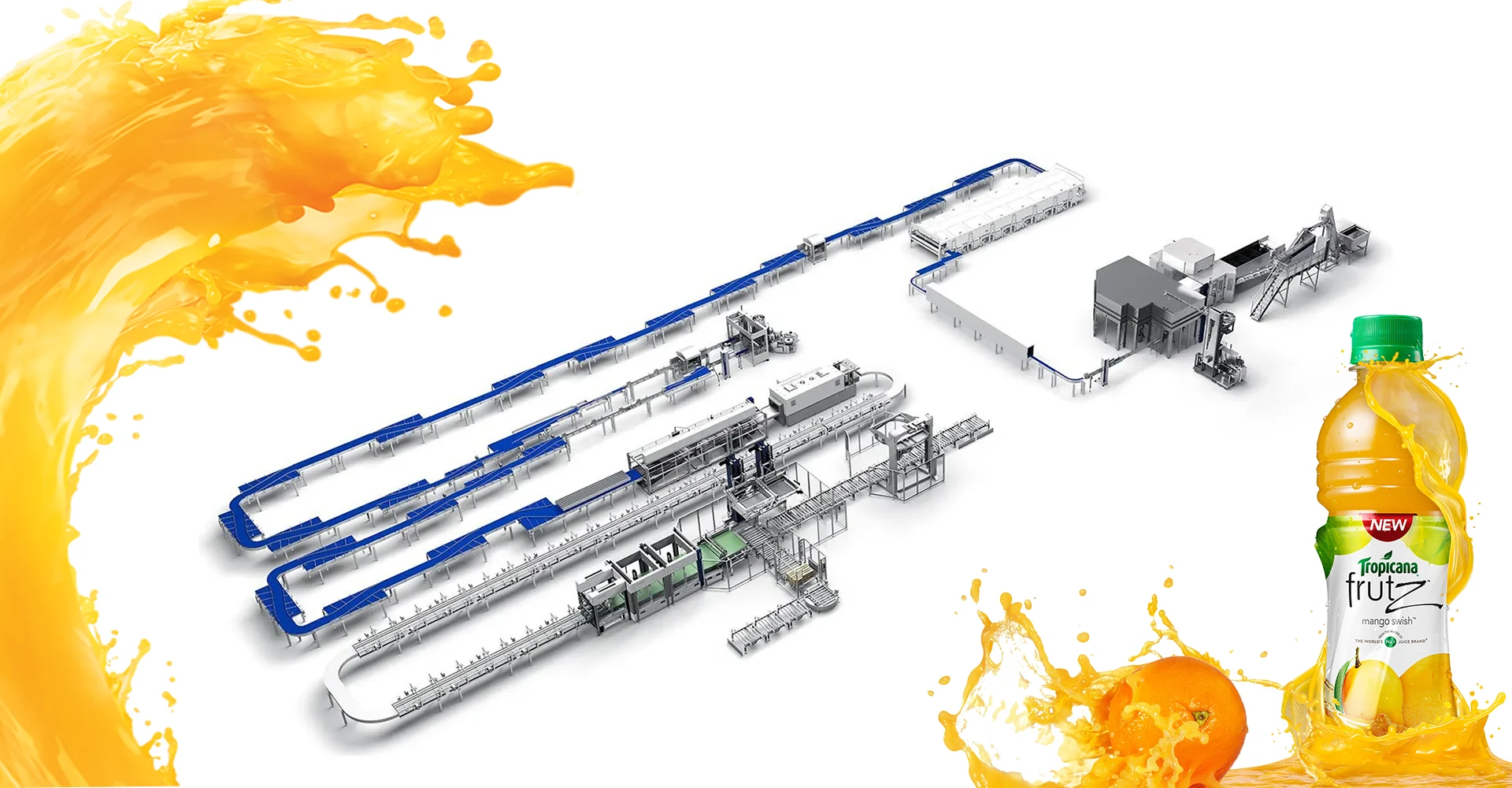
Beverage filling machines and turnkey lines for juice, soft drinks, water and beer in PET bottles, glass bottles or cans.
Learn more
HZM Machinery product range
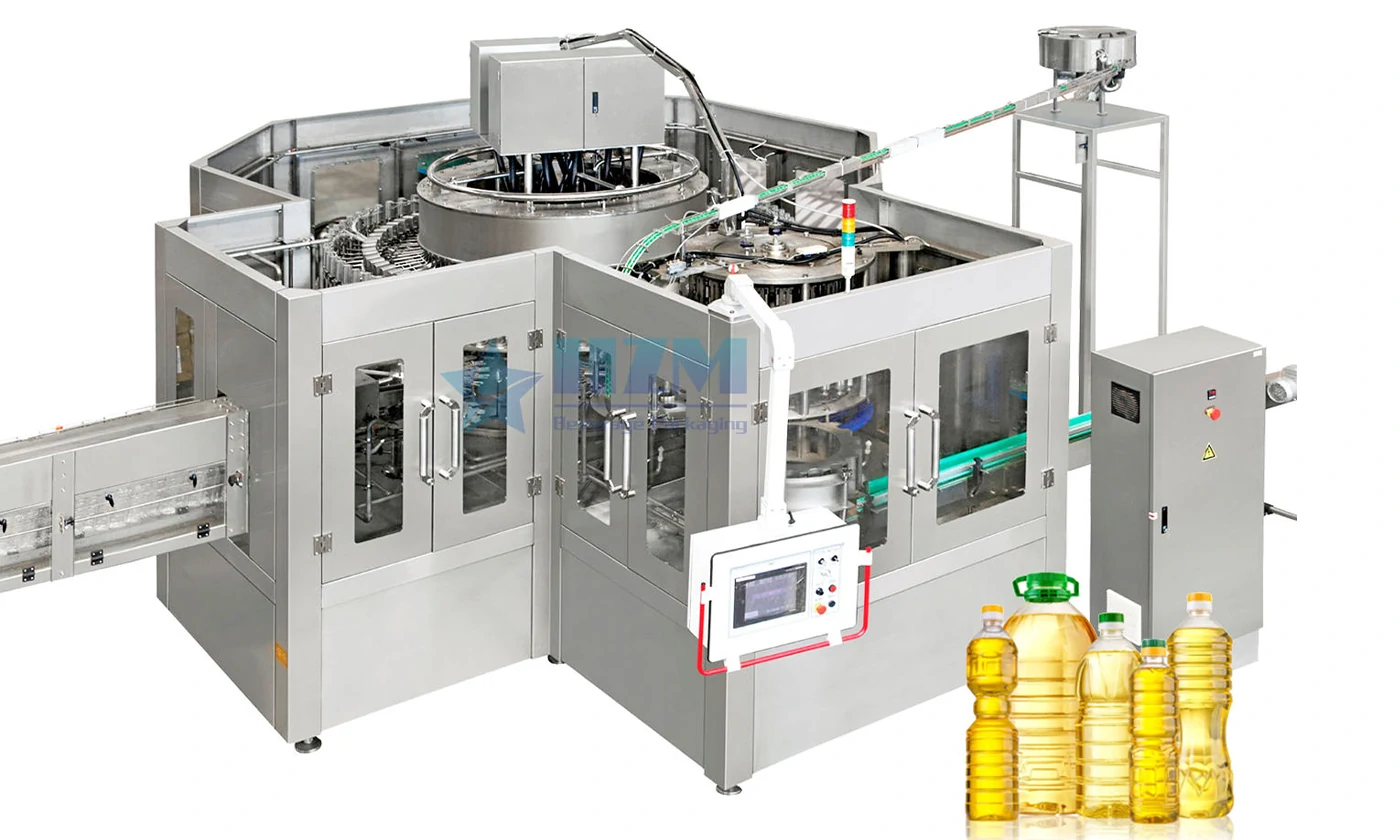
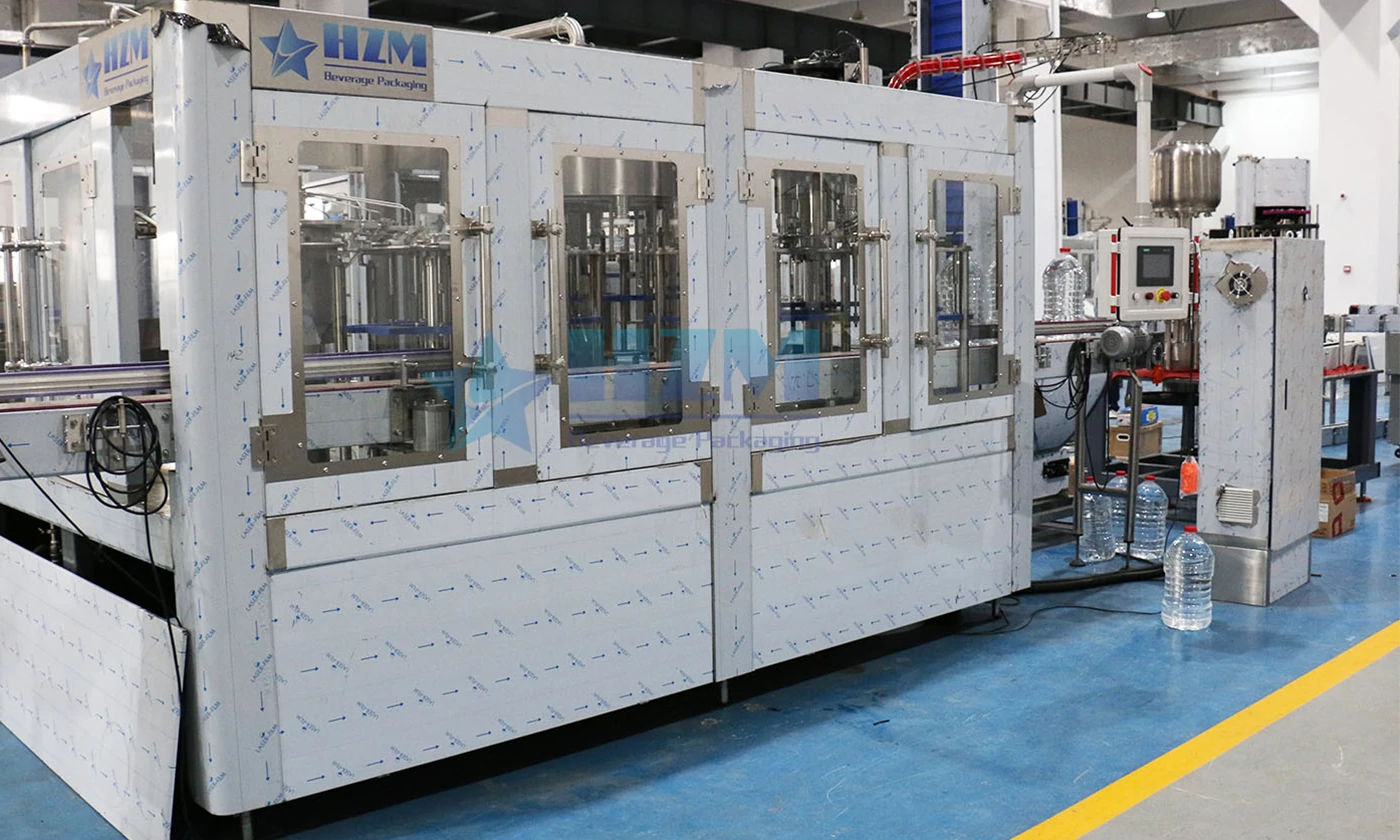
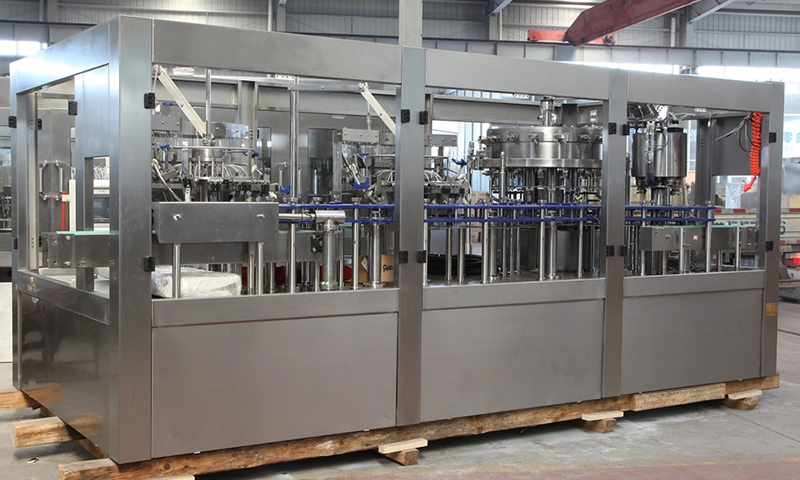
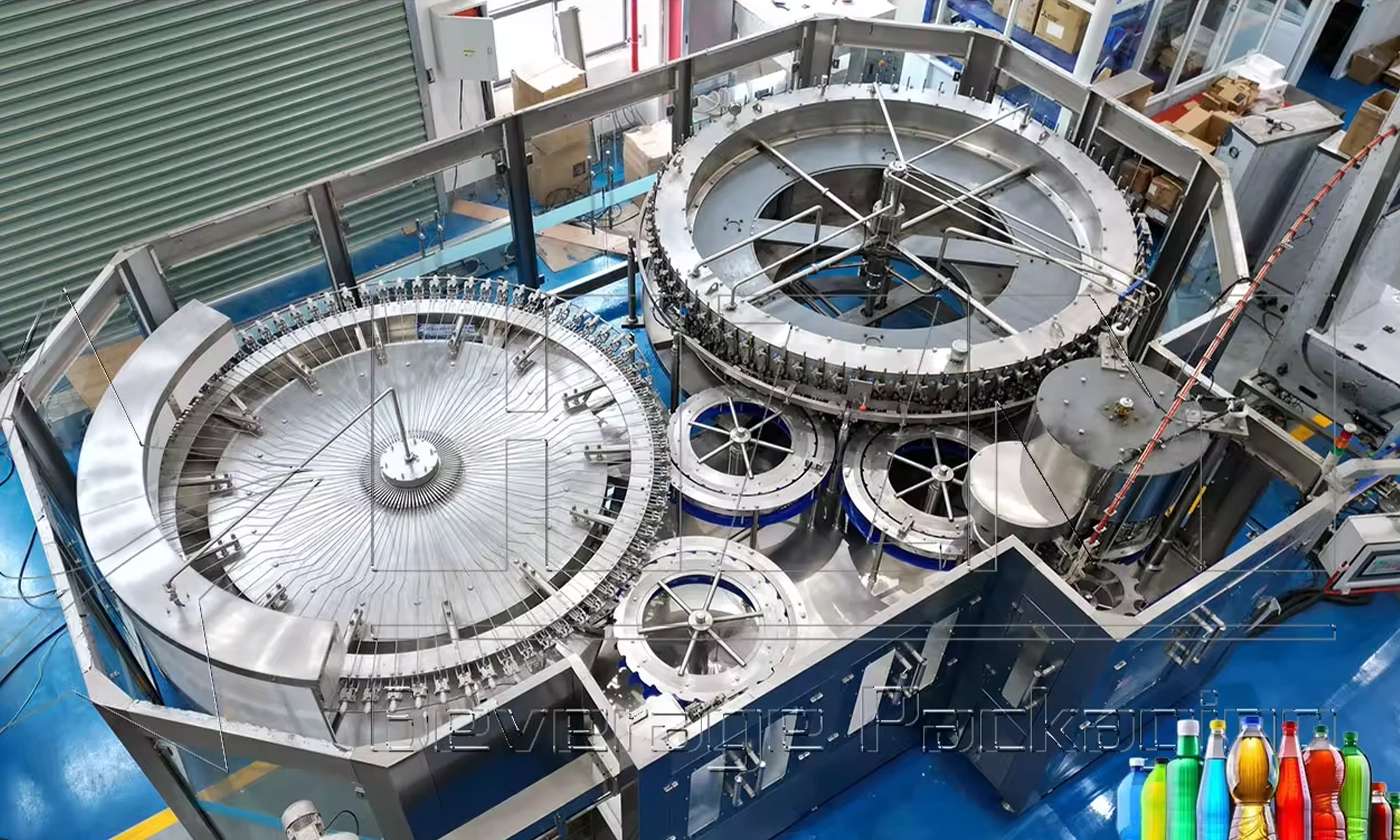
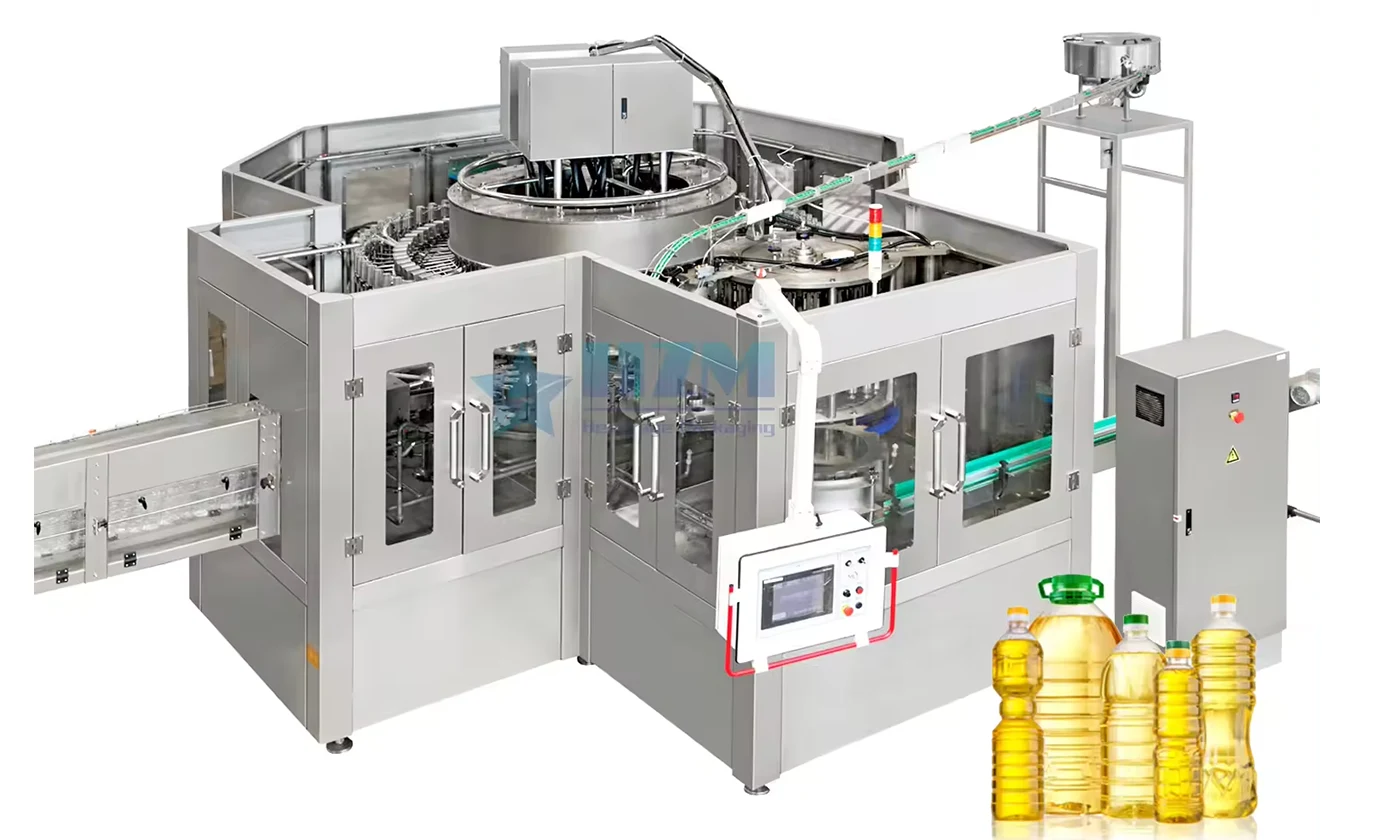
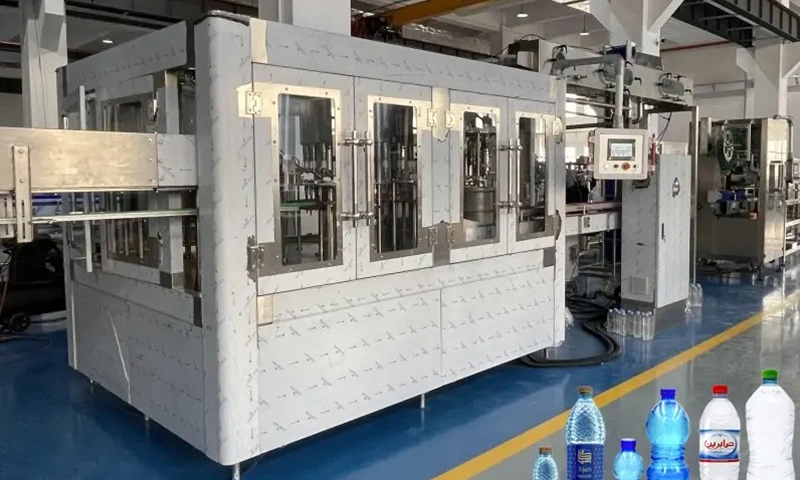
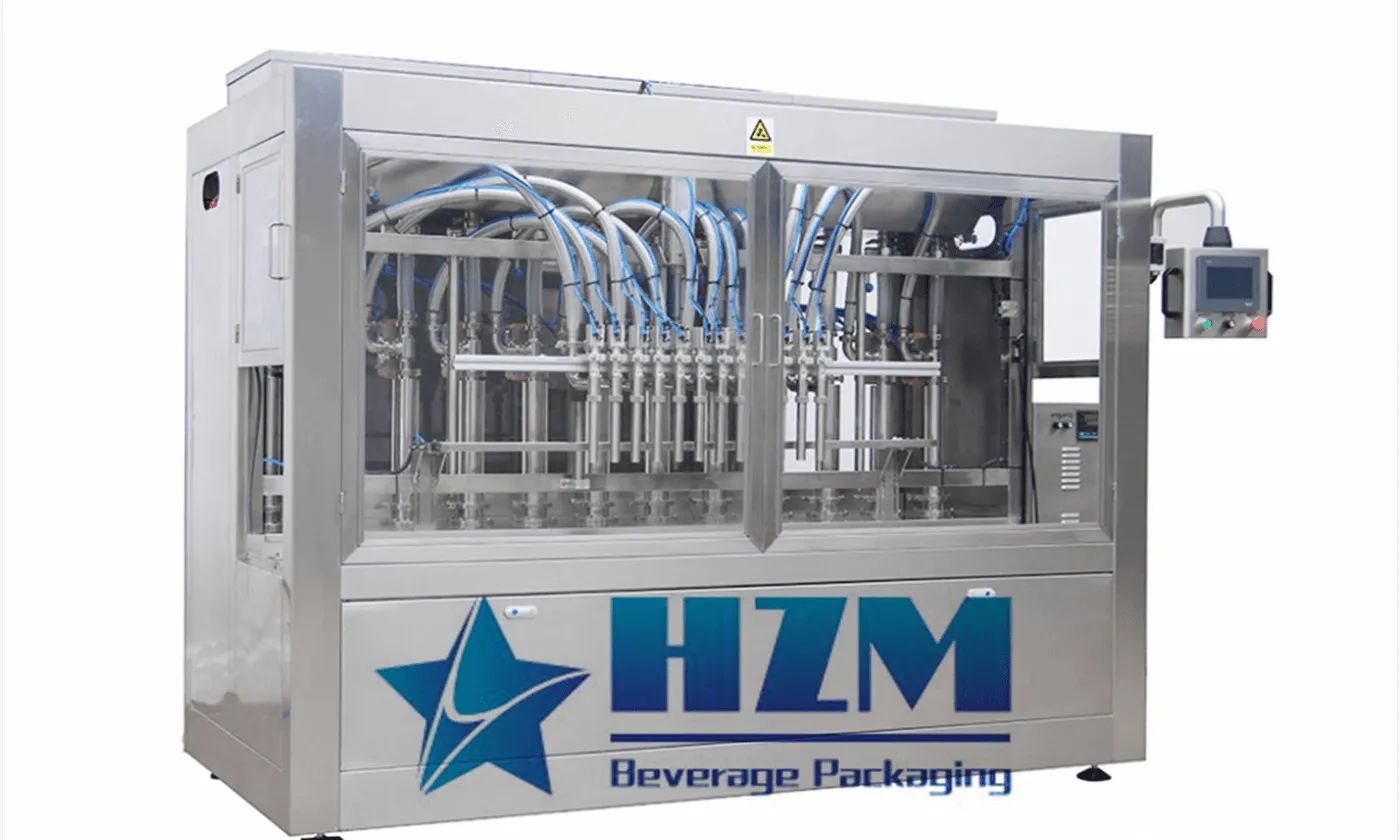
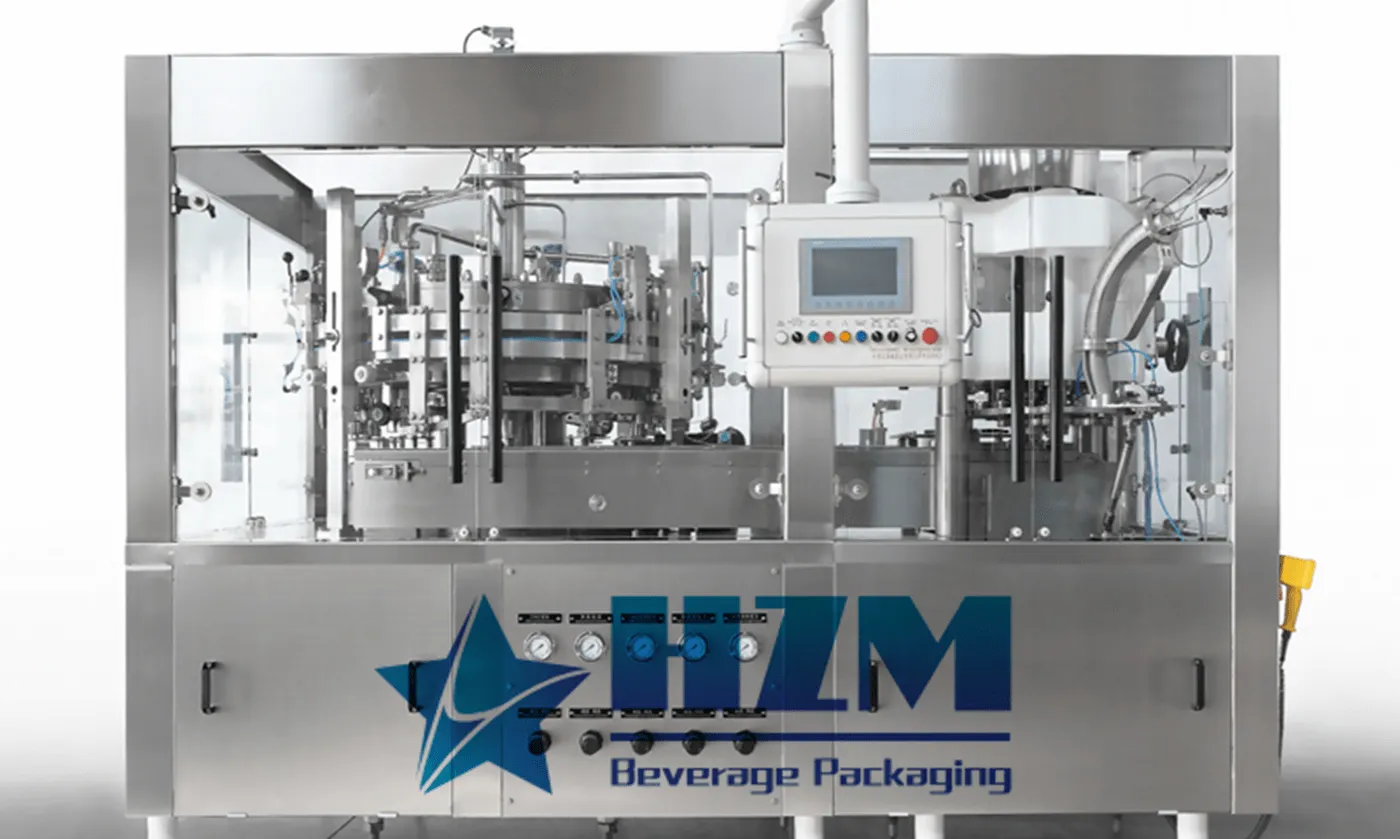
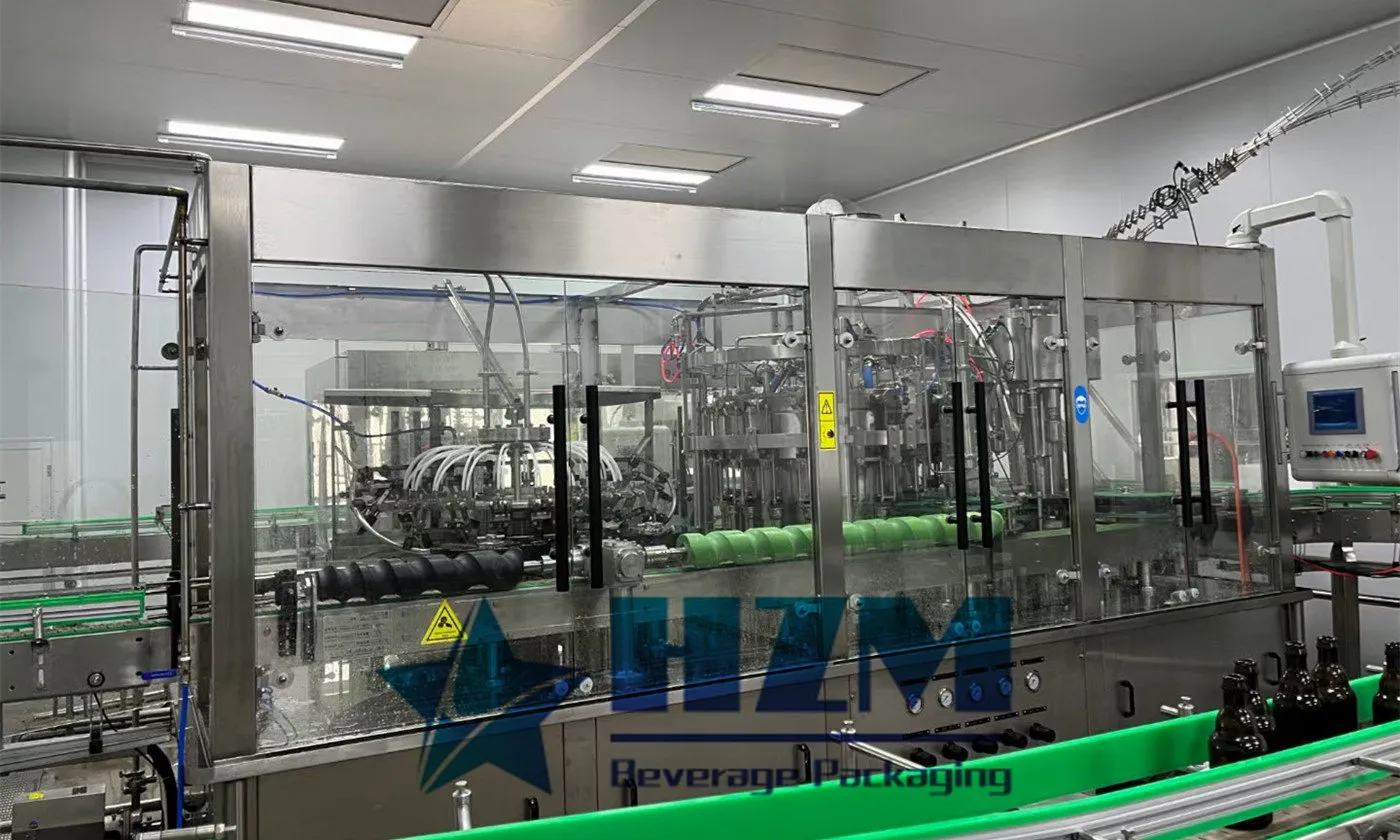
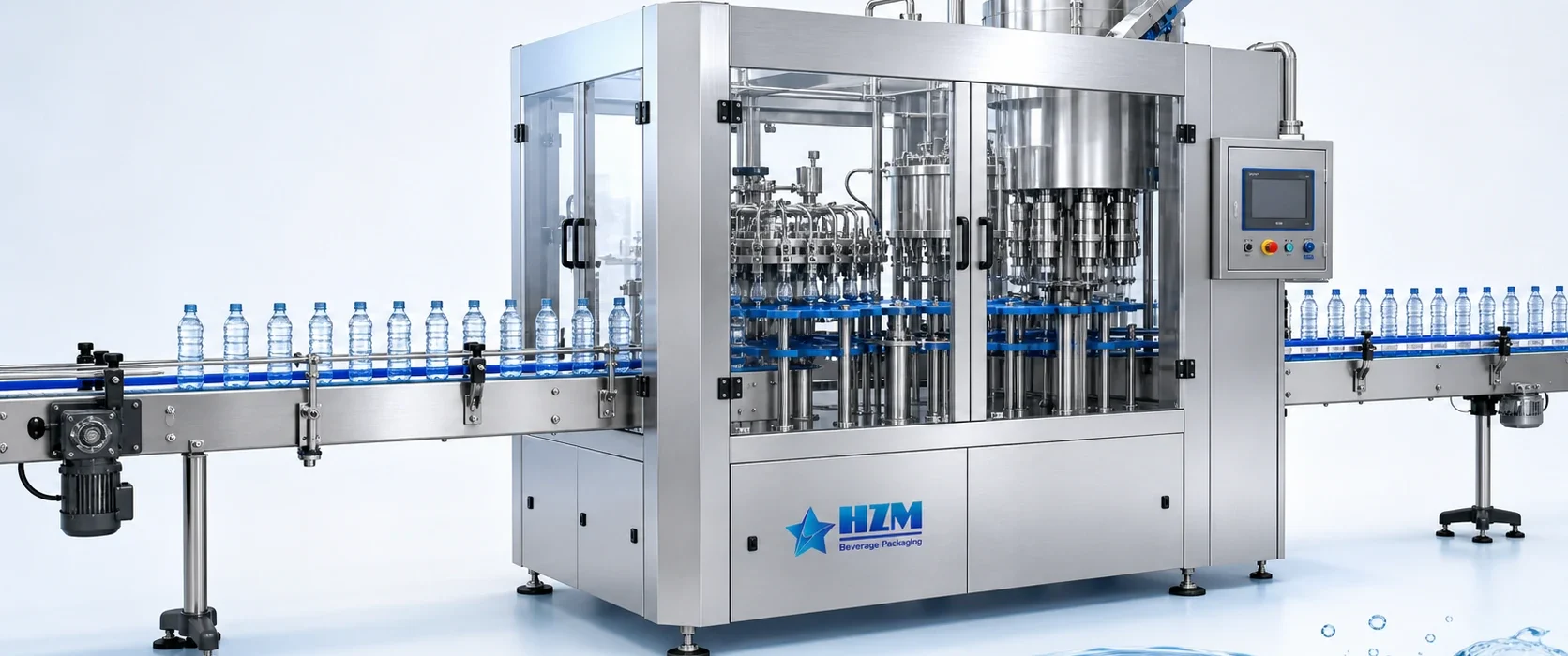
High-quality Liquid Filling Machines are widely used in industries such as mineral water, fruit juice, carbonated beverages, canned beverages, and edible oil.
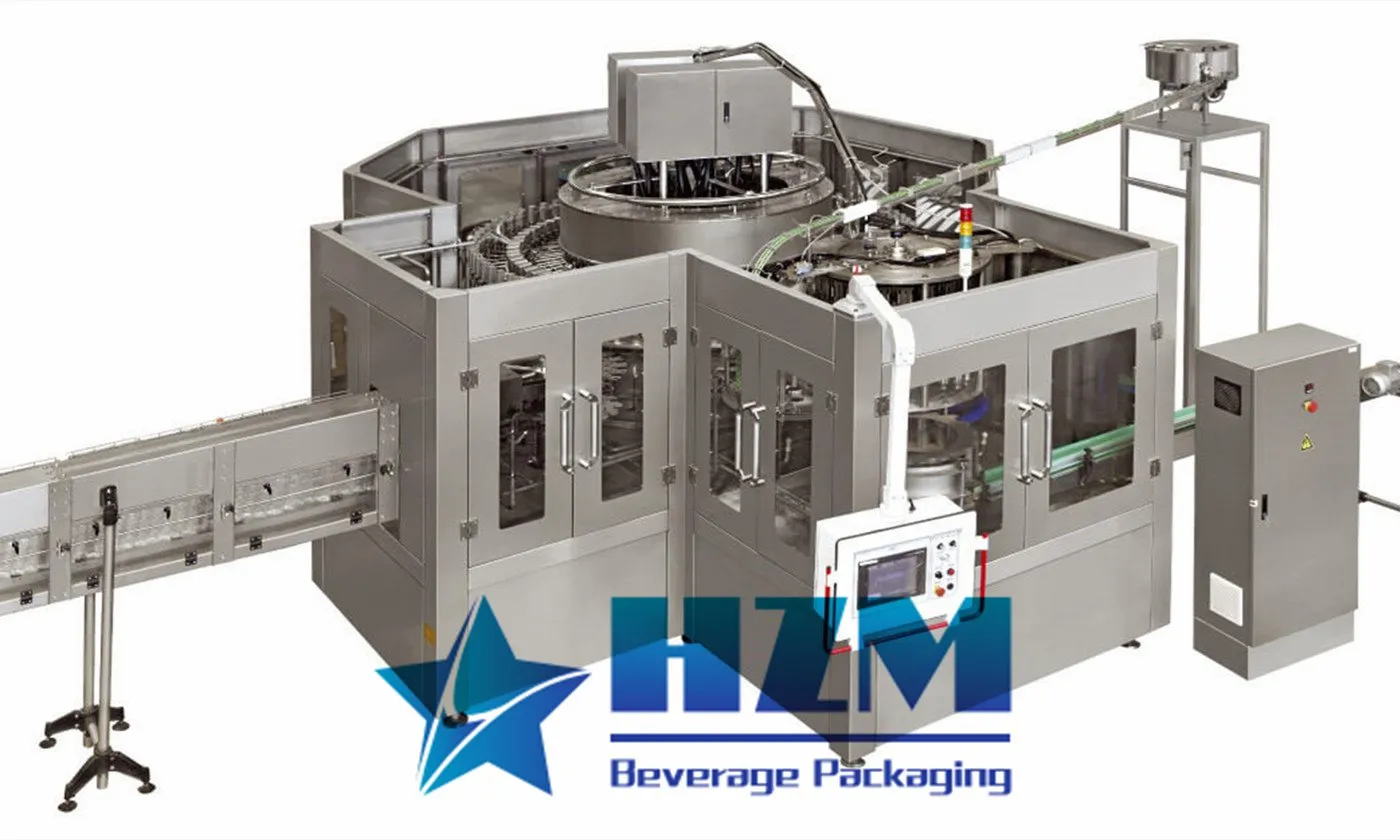
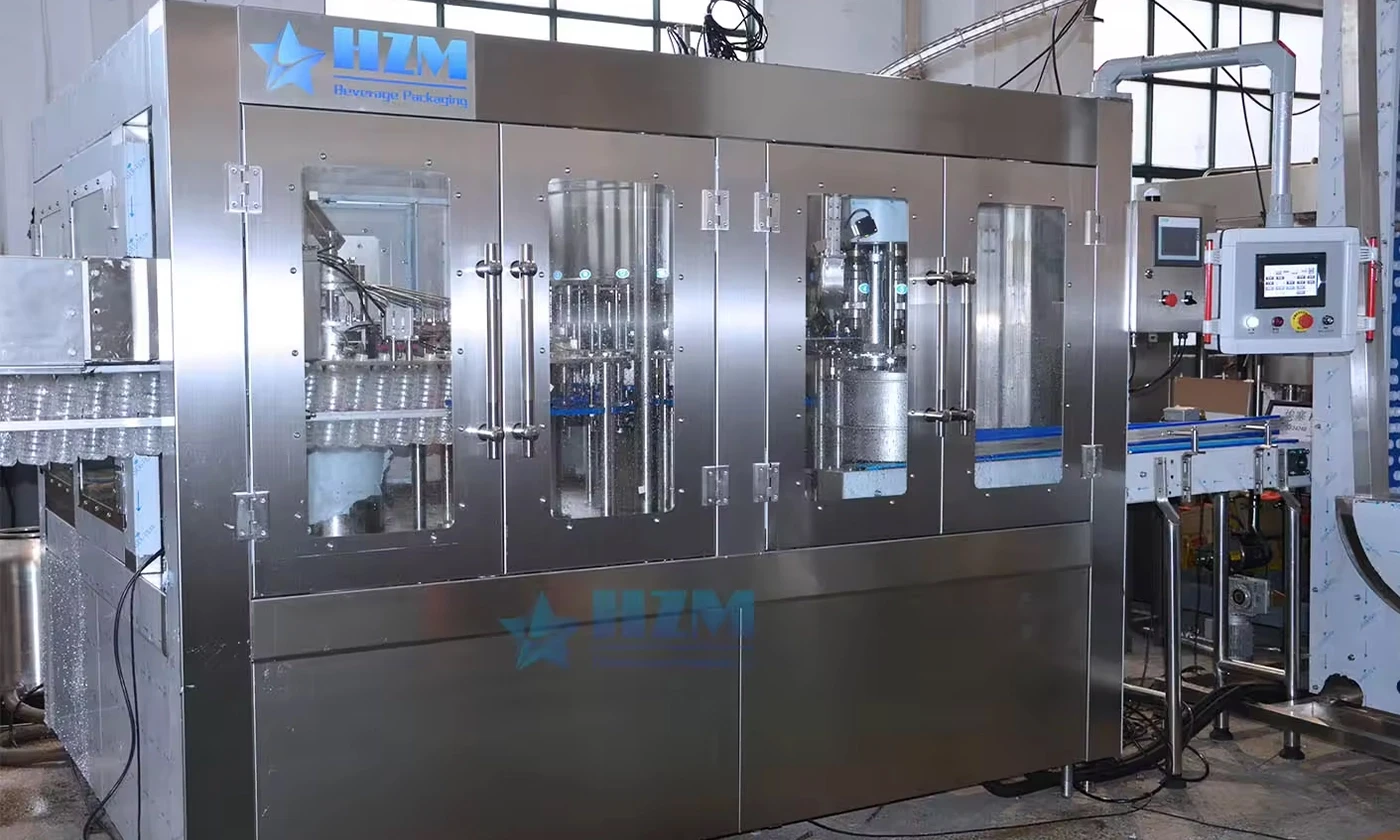
Liquid Filling machine a fully automatic multifunctional combined unit consisting washing, filling and capping.The filling machine has the advantages of unique design, compact structure, beautiful appearance, complete funtions, strong adaptability, convenient operation and easy maintenance,Filling machine a fully automatic multifunctional combined unit consisting washing, filling and capping.
Equipment
Beverage filling machines and turnkey lines for juice, soft drinks, water and beer in PET bottles, glass bottles or cans.
Learn moreEquipment
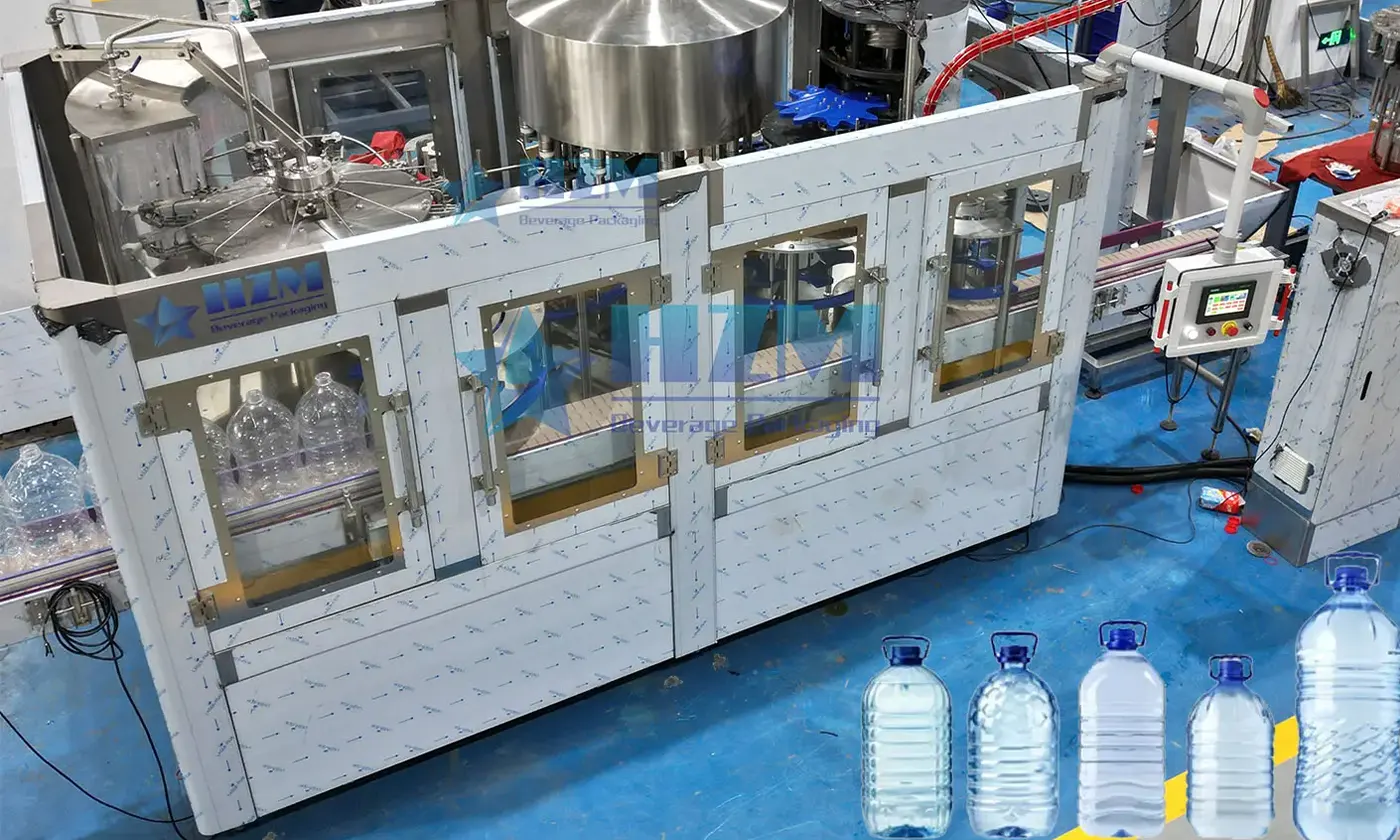
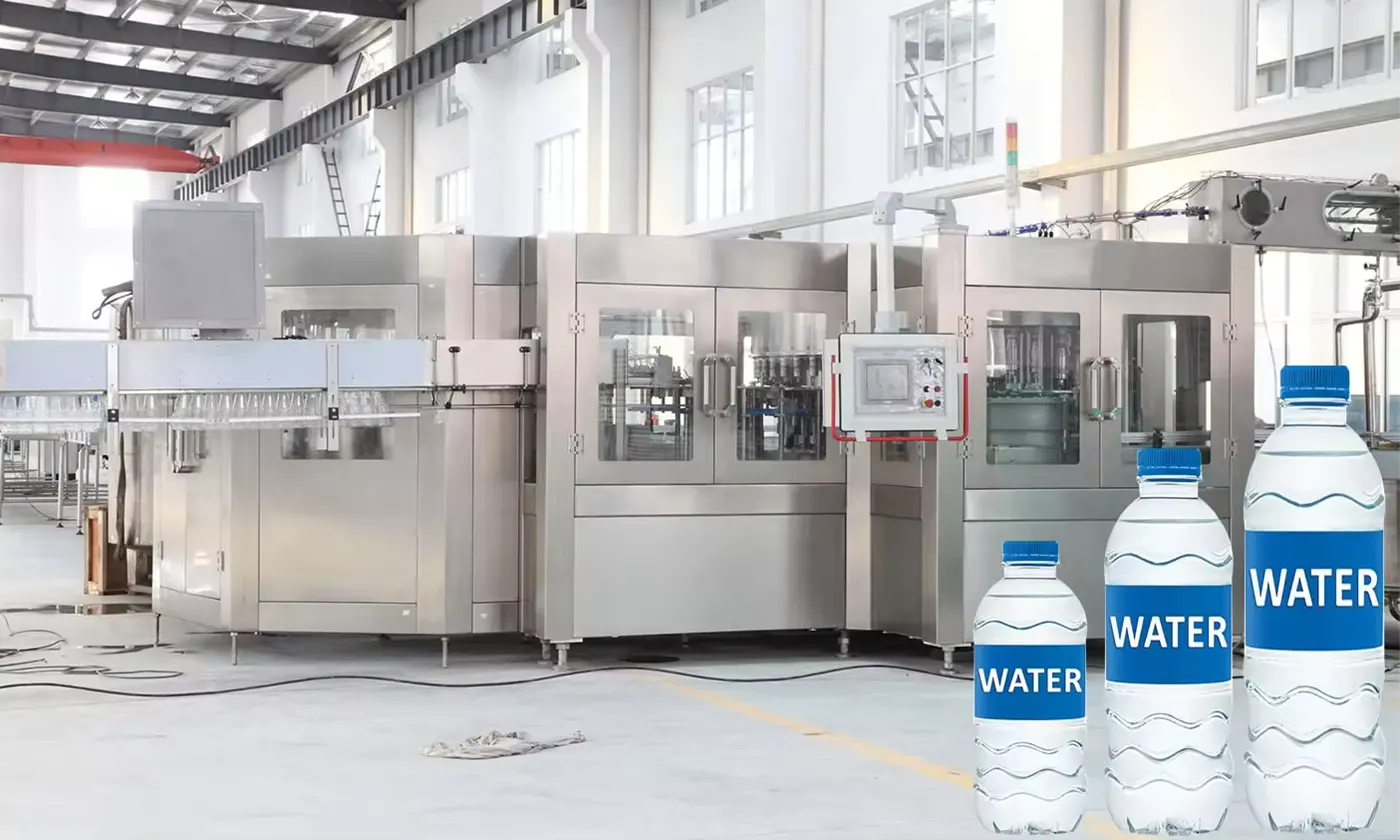
Bottled water filling machines and turnkey lines for purified and mineral water, with dedicated small-bottle, large-bottle and gallon-jar systems.
Learn moreEquipment
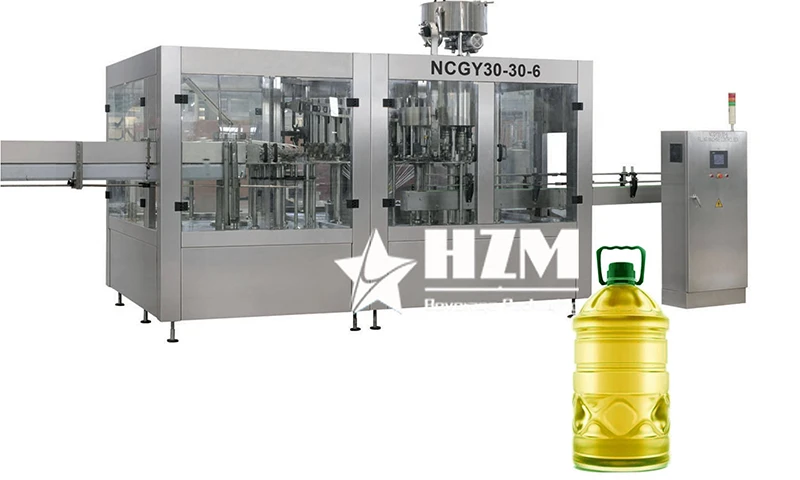
Automatic cooking oil filling and capping with GYH models from 3,500 to 10,000 bottles/hour at 500 ml.
Learn moreEquipment
The 2-in-1 monoblock fills and caps bottles of edible cooking oil in a continuous operation.
Learn moreEquipment
RSXGF12-12-5(110Π) automatic rinsing, filling and capping for 10 L water bottles at 1,100–1,200 bottles/hour.
Learn moreEquipment
3-in-1 PET water bottle rinsing, filling and capping at 20,000 bottles/hour for 500 ml bottles with PCO3025 necks.
Learn moreEquipment
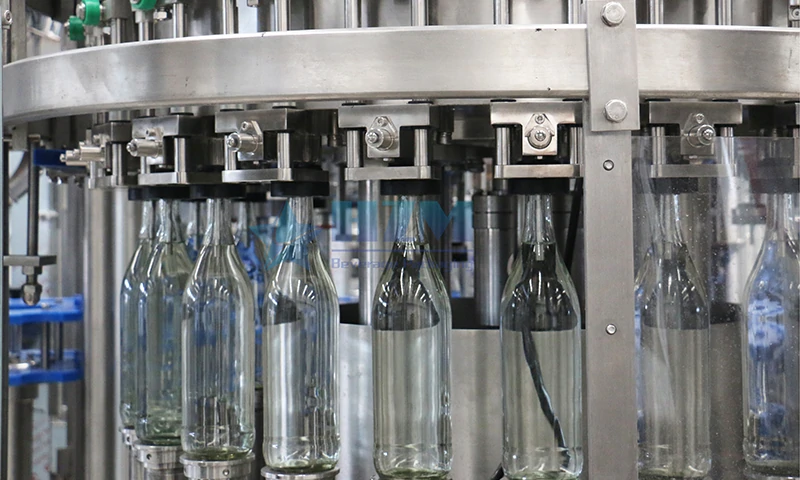
DXGF24-24-8-8 glass bottle isobaric filling for carbonated drinks, with rinsing and two capping stations.
Learn moreEquipment
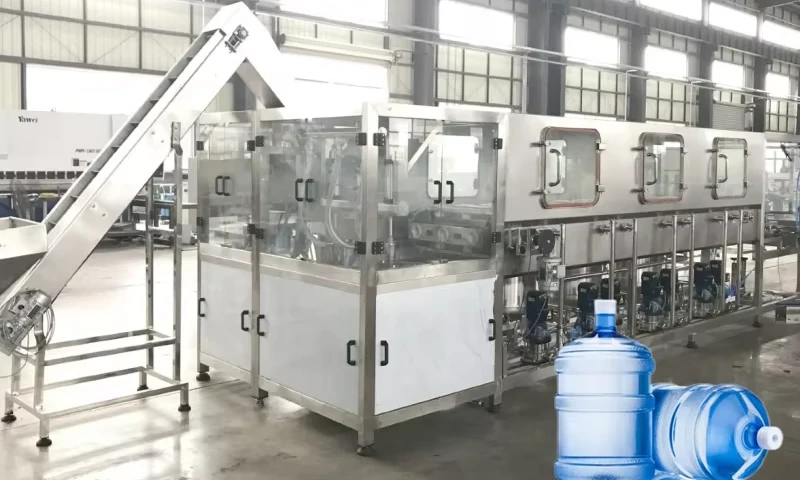
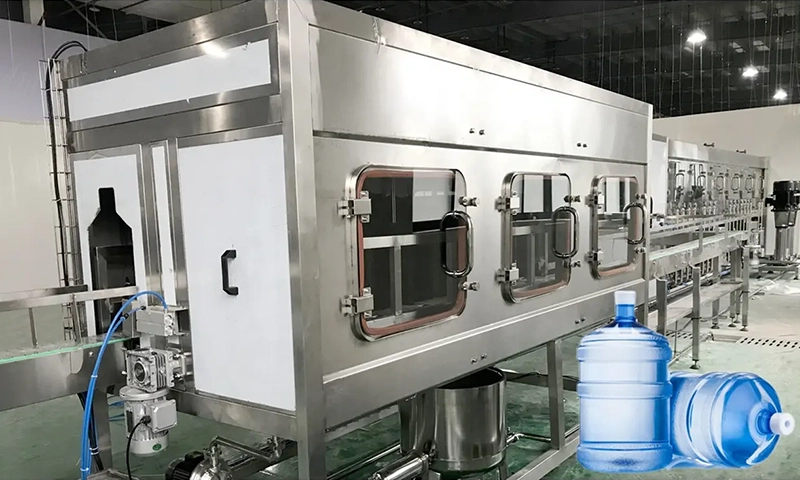
The automatic 3–5 gallon water filling line washes, fills and caps returnable jars for purified-water and mineral-water production.
Learn moreEquipment
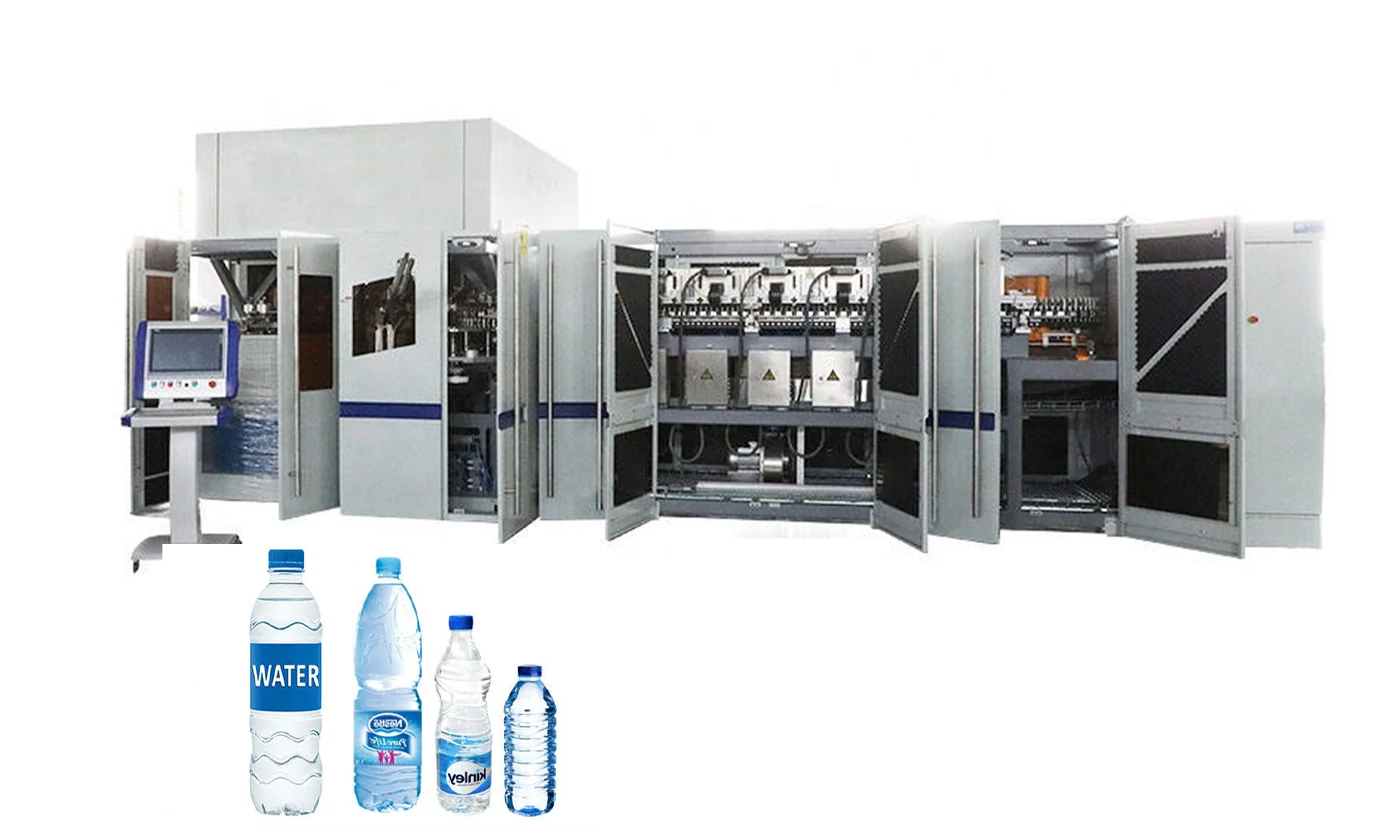
Automatic PET bottle blowing, filling and capping, with capacities of 12,000–48,000 bottles/hour at 500 ml and bottle volumes up to 2 L.
Learn moreEquipment
The PET bottle edible oil bottling line combines rotary oil filling and capping with bottle conveying and downstream packaging.
Learn moreEquipment
PET-bottled drinking-water production with automatic rinsing, filling and capping, plus water treatment and packaging equipment.
Learn moreEquipment
Packaged drinking-water filling with automatic rinsing and capping, from 5,000 to 42,000 bottles/hour at 500 ml.
Learn moreEquipment
PET bottle blowing, filling and capping in one combiblock for water and beverage production, from 12,000 to 48,000 bottles/hour at 500 ml.
Learn moreEquipment
Complete beverage filling lines for juice, water, soft drinks and beer, with bottle and can packaging options.
Learn moreEquipment
The linear laundry detergent filling machine uses servo-driven pistons to fill household liquids such as laundry detergent, fabric softener and hand soap.
Learn moreEquipment
The automatic servo piston filling line fills sauces and condiments such as ketchup, soy sauce and mayonnaise into bottles and other rigid containers.
Learn moreEquipment
DXGF40-40-10 rinsing, isobaric filling and capping for carbonated soft drinks, at 12,000–15,000 bottles/hour for 500 ml bottles.
Learn moreEquipment
Flowmeter water filling for 5 L PET bottles, with 12 rinsing heads, 12 filling heads and 4 capping heads.
Learn moreEquipment
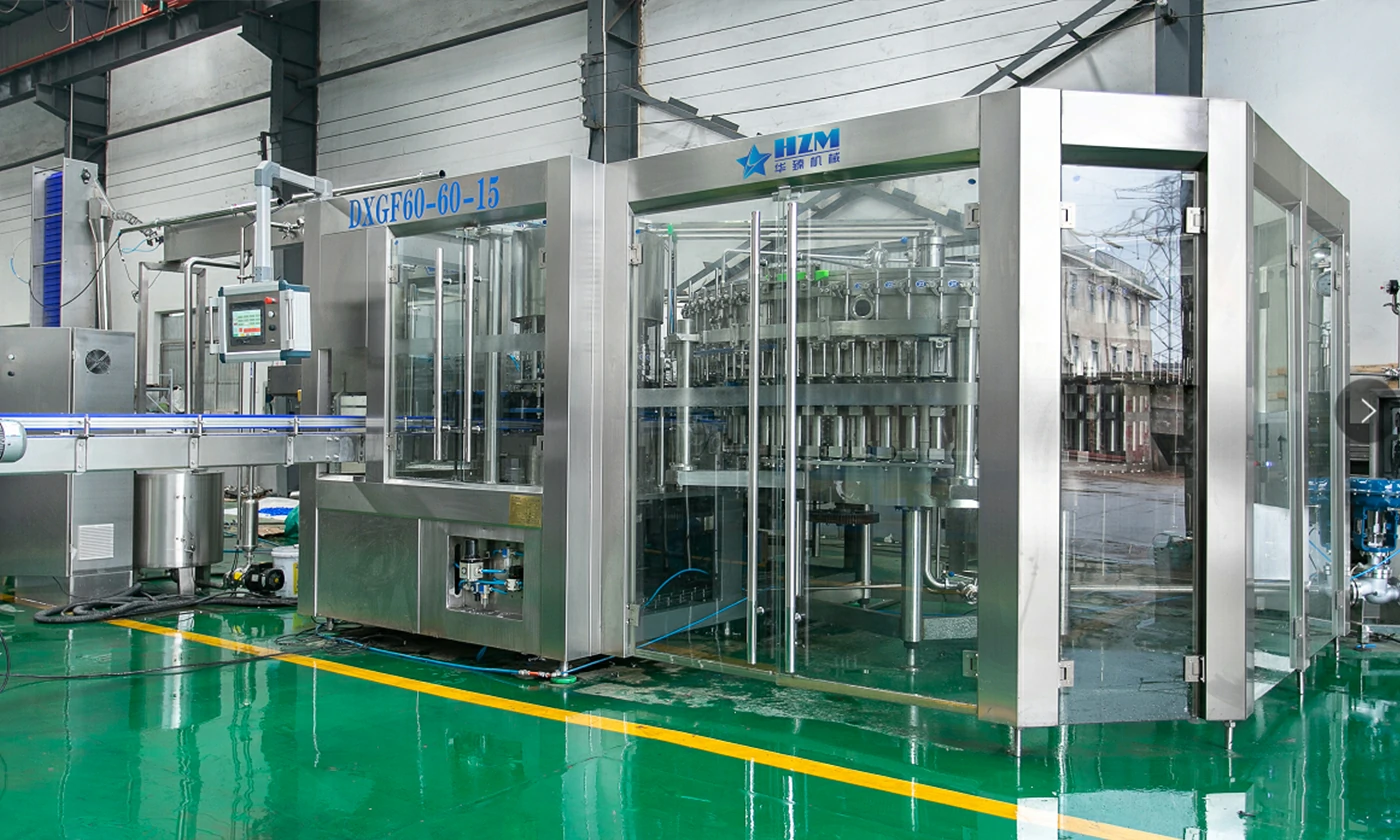
DXGF60-60-15 glass bottle rinsing, isobaric filling and capping for beer and beverages, at 18,000 bottles/hour for 500 ml bottles.
Learn moreEquipment
XGF12-12-4 rinsing, filling and capping for 5 L and 10 L water bottles, with stable outputs of 1,200 and 700 bottles/hour respectively.
Learn moreEquipment
DXGF14-12-5 glass bottle rinsing, isobaric filling and capping for carbonated drinks, at 2,000–3,000 bottles/hour for 750 ml bottles.
Learn moreEquipment
The 3-in-1 isobaric monoblock combines bottle rinsing, counter-pressure filling and capping for carbonated beverage production.
Learn moreEquipment
Rotary edible oil filling and capping with GYH models from 3,500 to 10,000 bottles/hour at 500 ml.
Learn moreEquipment
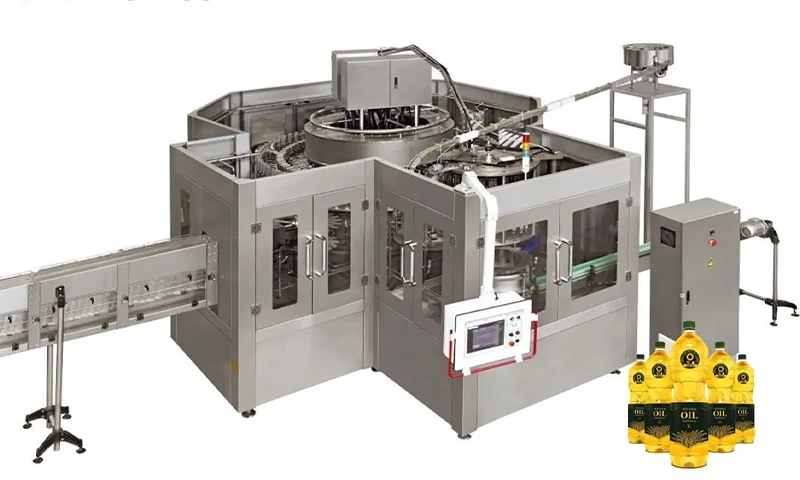
The automatic cooking oil filling machine fills and caps bottles of edible oil.
Learn moreEquipment
RXGGF16-16-5 pulp juice filling with separate pulp and liquid dosing, rinsing and capping at 5,000 bottles/hour for 250 ml bottles.
Learn moreEquipment
The monoblock filling machine brings bottle rinsing, filling and capping together in one continuous operation.
Learn moreEquipment
The PET bottle energy-drink filling machine combines bottle rinsing, liquid filling and capping in an automatic system.
Learn moreEquipment
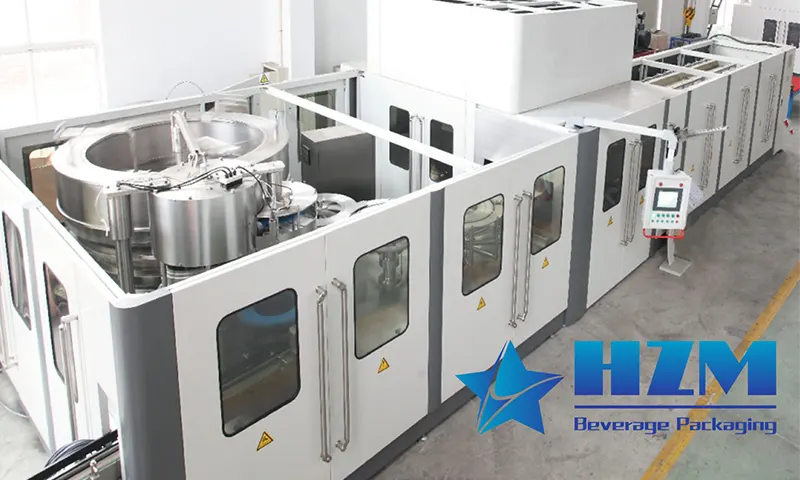
HZM monoblock machines combine bottle rinsing, filling and capping in a continuous operation.
Learn moreEquipment
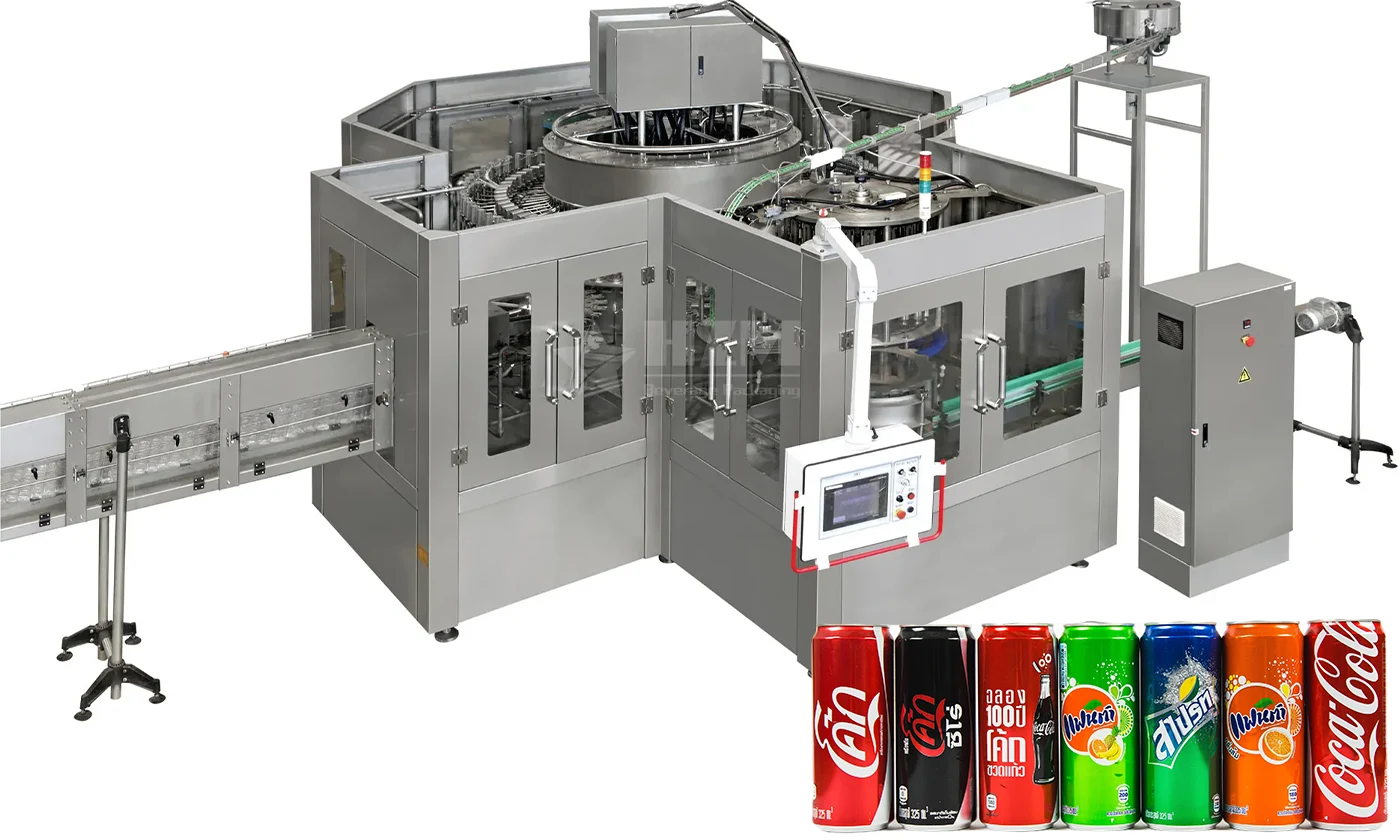
Carbonated soft drink rinsing, isobaric filling and capping, with DXGF models from 3,000 to 15,000 bottles/hour at 500 ml.
Learn moreEquipment
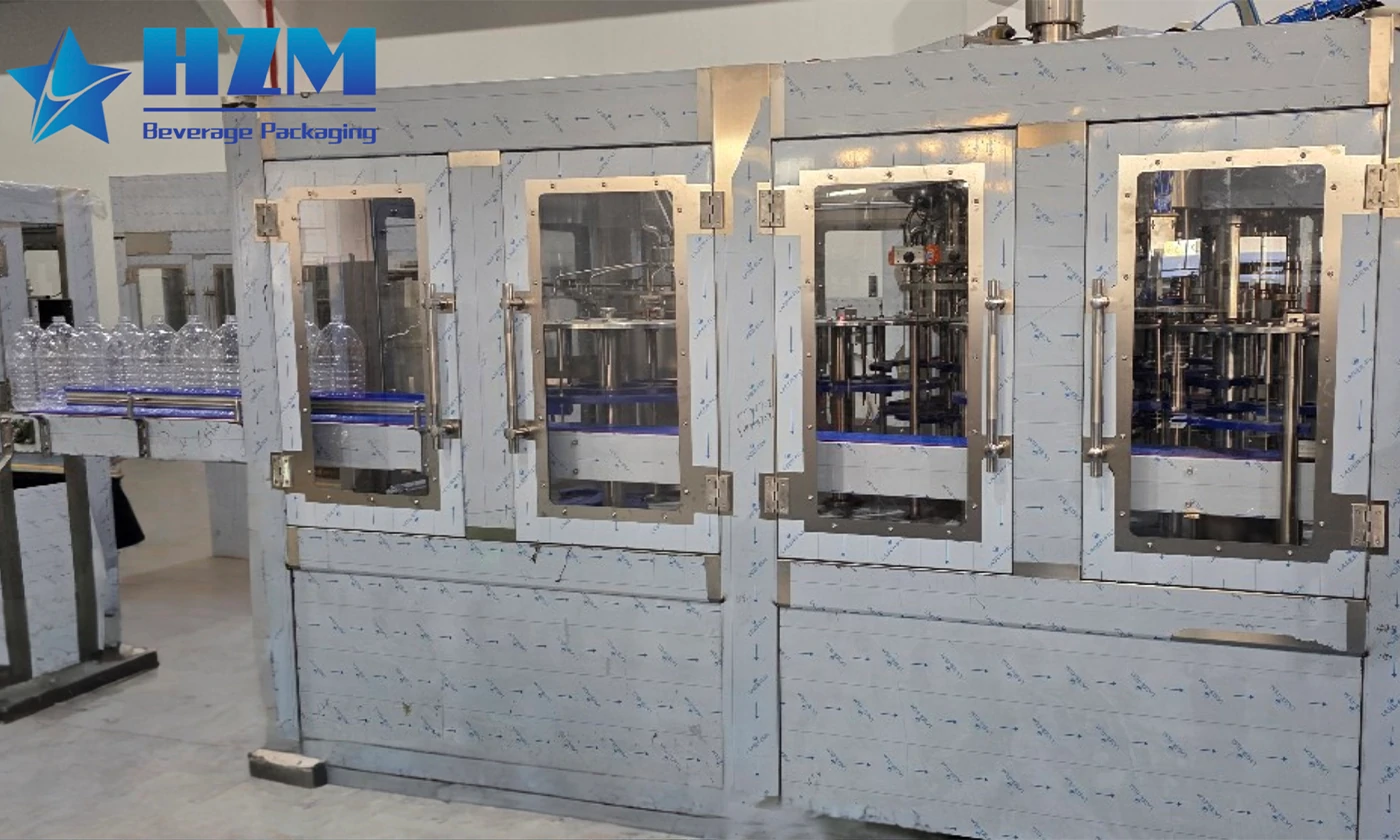
Large-bottle water rinsing, filling and capping with design outputs of 1,500 bottles/hour at 5 L, 1,000 at 7 L and 700 at 10 L.
Learn moreEquipment
This glass bottle carbonated beverage line combines bottle rinsing, isobaric filling and capping with conveying, labelling and packing.
Learn moreEquipment
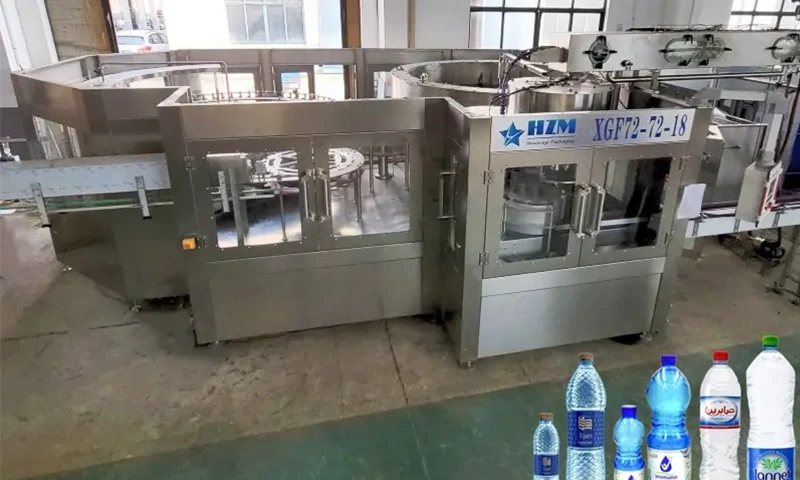
Small PET bottle pure-water filling with automatic rinsing and capping, from 5,000 to 18,000 bottles/hour at 500 ml.
Learn moreEquipment
Small PET bottle water filling with automatic rinsing and capping, from 5,000 to 18,000 bottles/hour at 500 ml.
Learn moreEquipment
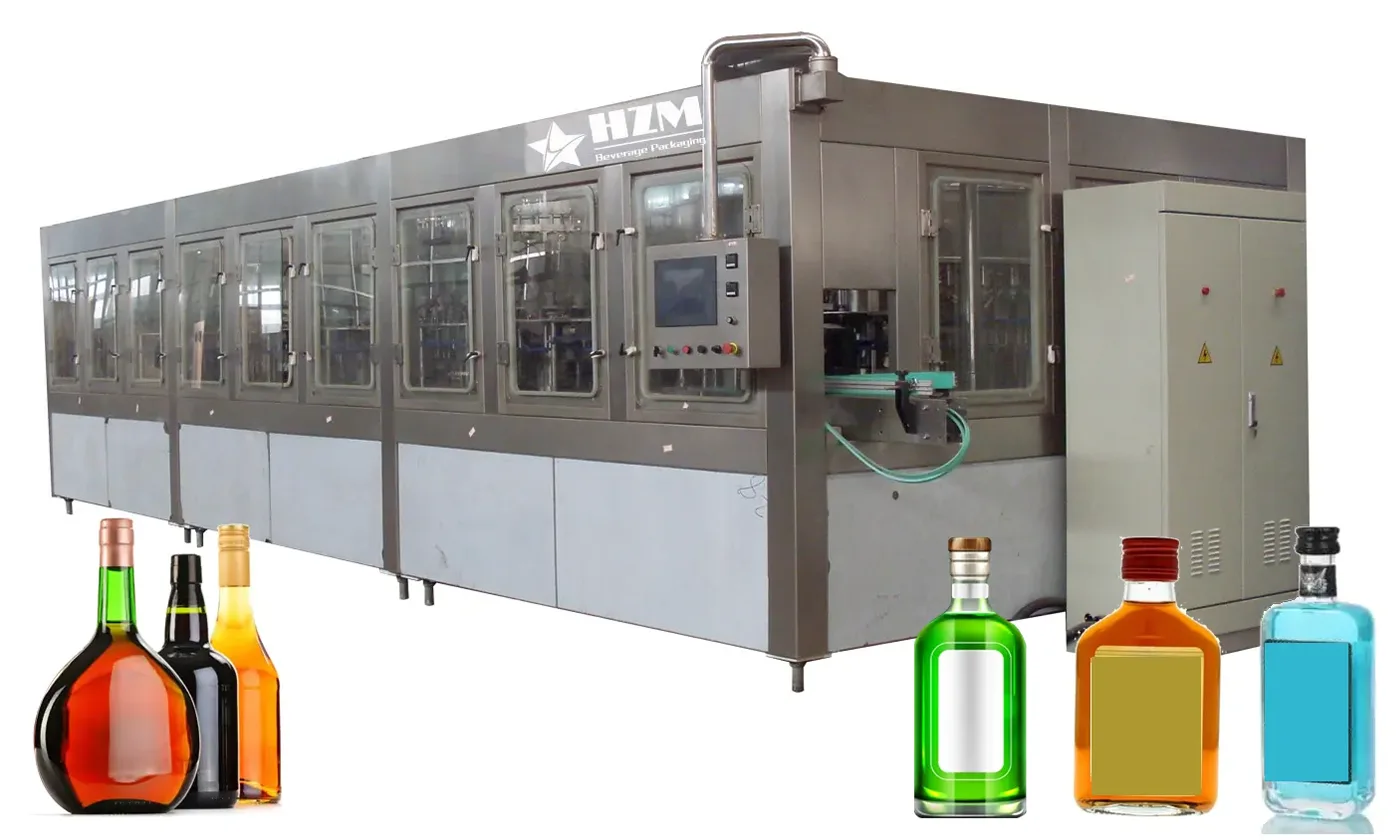
The glass-bottle filling machine combines rinsing, filling and capping for wine and compatible beverage products.
Learn moreEquipment
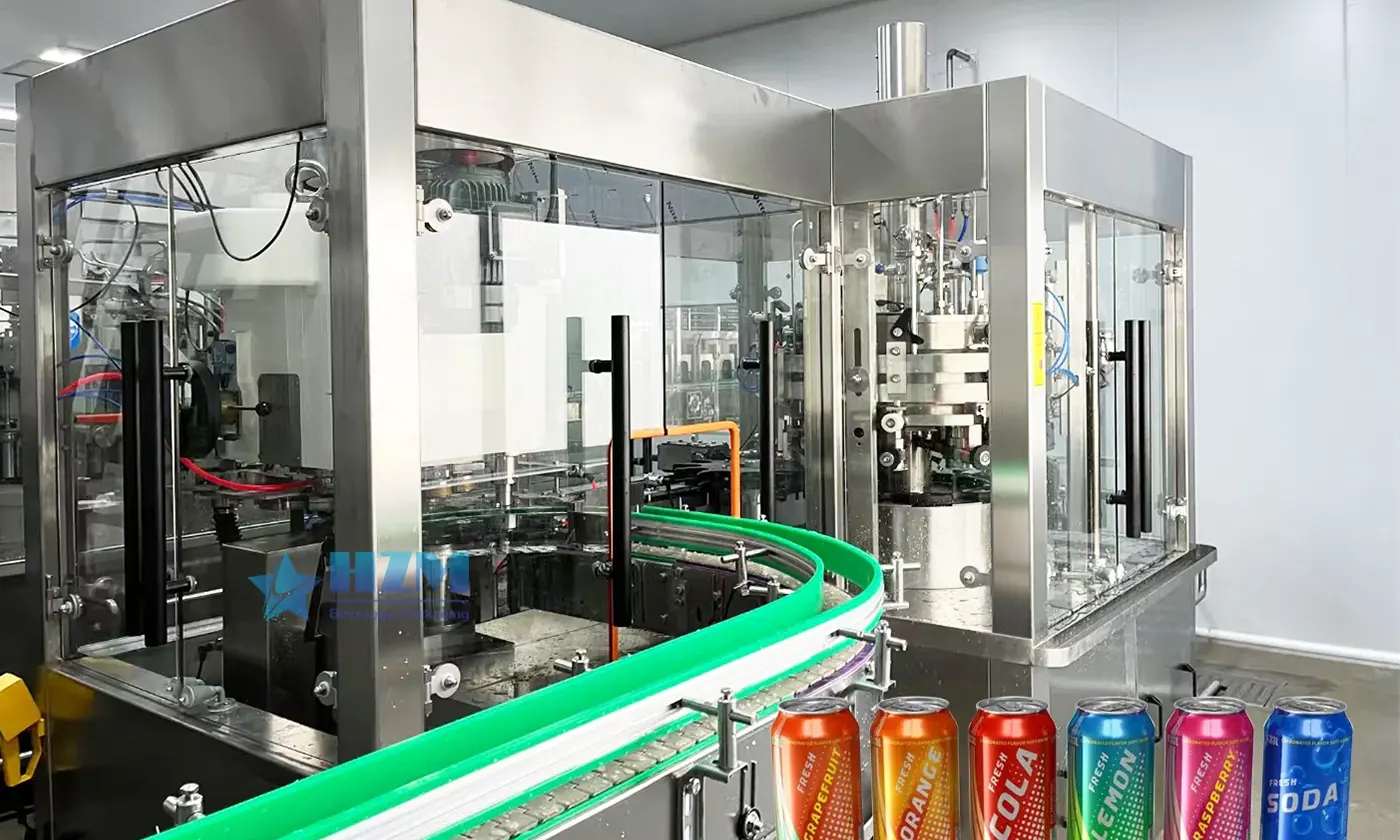
Beer can filling and seaming equipment for beverage canning lines, with CGS models from 6,000 to 36,000 cans/hour at 330 ml.
Learn moreEquipment
Automatic carbonated beverage can filling and seaming, with CGS capacities of 6,000–36,000 cans/hour at 330 ml.
Learn moreEquipment
Olive oil bottle filling and capping with GYH models from 3,500 to 10,000 bottles/hour at 500 ml.
Learn moreEquipment
Automatic washing, filling and capping for 3–5 gallon drinking-water jars, with de-capping and jar-washing line options.
Learn moreEquipment
The fully automatic beverage filling machine combines bottle rinsing, filling and capping.
Learn moreEquipment
PET bottle blowing, filling and capping for water and beverages, with capacities of 12,000–48,000 bottles/hour at 500 ml.
Learn moreEquipment
A 3-in-1 PET bottle rinsing, filling and capping machine for drinking water, from 5,000 to 18,000 bottles/hour at 500 ml.
Learn moreEquipment
Automatic mineral-water bottling with rinsing, filling and capping, from 5,000 to 18,000 bottles/hour at 500 ml.
Learn moreEquipment
The linear oil filling machine fills bottled edible oils and compatible liquid food products.
Learn moreEquipment
Automatic beverage can filling and seaming for carbonated soft drinks and beer, from 6,000 to 36,000 cans/hour at 330 ml.
Learn moreEquipment
Craft beer can filling and seaming with CGS models from 6,000 to 36,000 cans/hour at 330 ml.
Learn moreEquipment
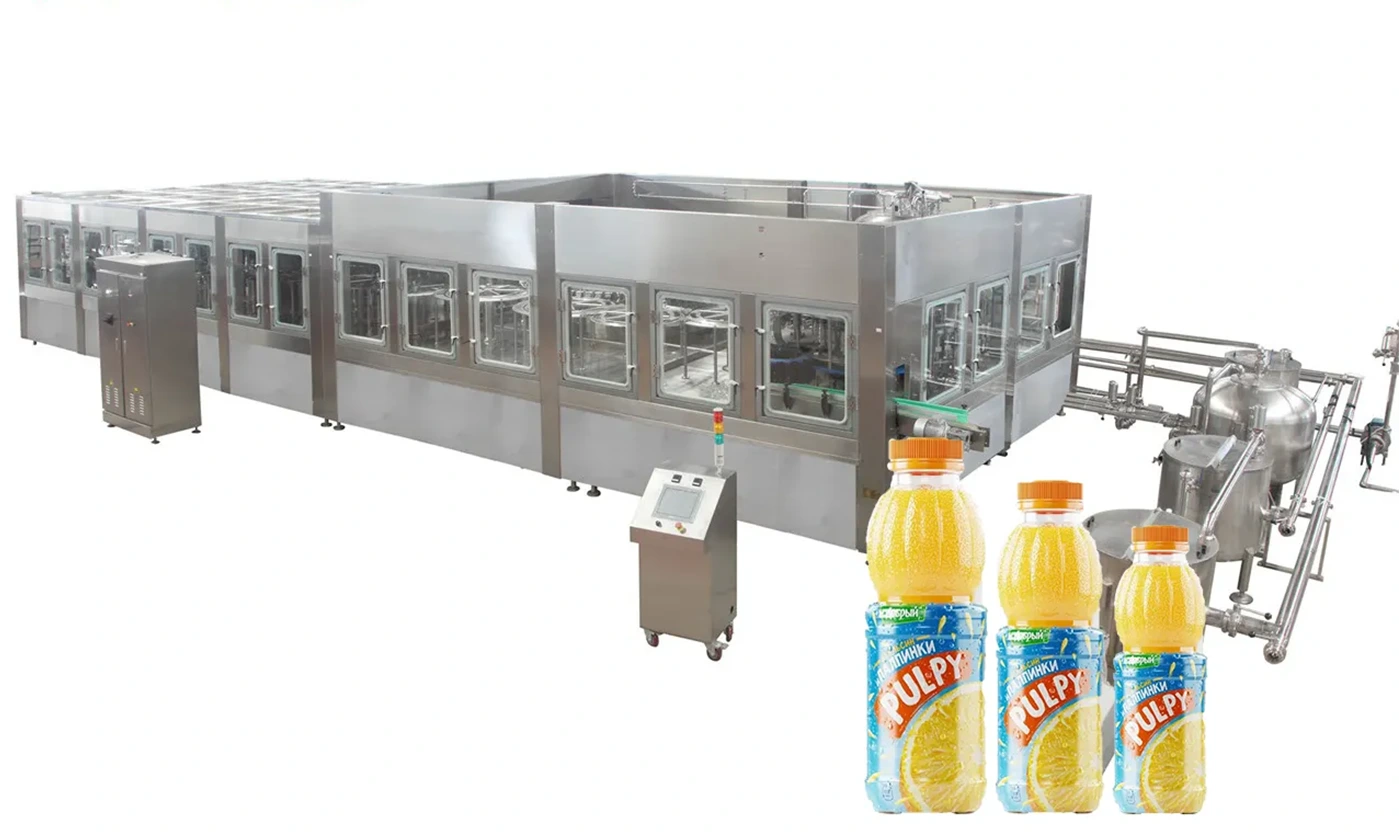
Pulp juice filling with separate pulp and liquid dosing, bottle rinsing and capping for beverages containing fruit particles.
Learn moreEquipment
Moderate-temperature juice filling with automatic bottle rinsing and capping, with XXGF models from 6,000 to 24,000 bottles/hour at 500 ml.
Learn moreEquipment
Glass bottle juice filling with rinsing and capping, for juice, tea and other still beverages.
Learn moreEquipment
Hot filling for juice and tea in heat-compatible PET bottles, with automatic rinsing, filling and capping.
Learn moreEquipment
PET bottle juice filling with automatic rinsing and capping, for juice, tea and still beverages.
Learn moreExplore high-quality beverage, water, and juice filling machines designed for efficient washing, filling, and capping. Our automatic filling systems ensure precision and reliability for bottled water, carbonated drinks, juices, edible oils, and more.
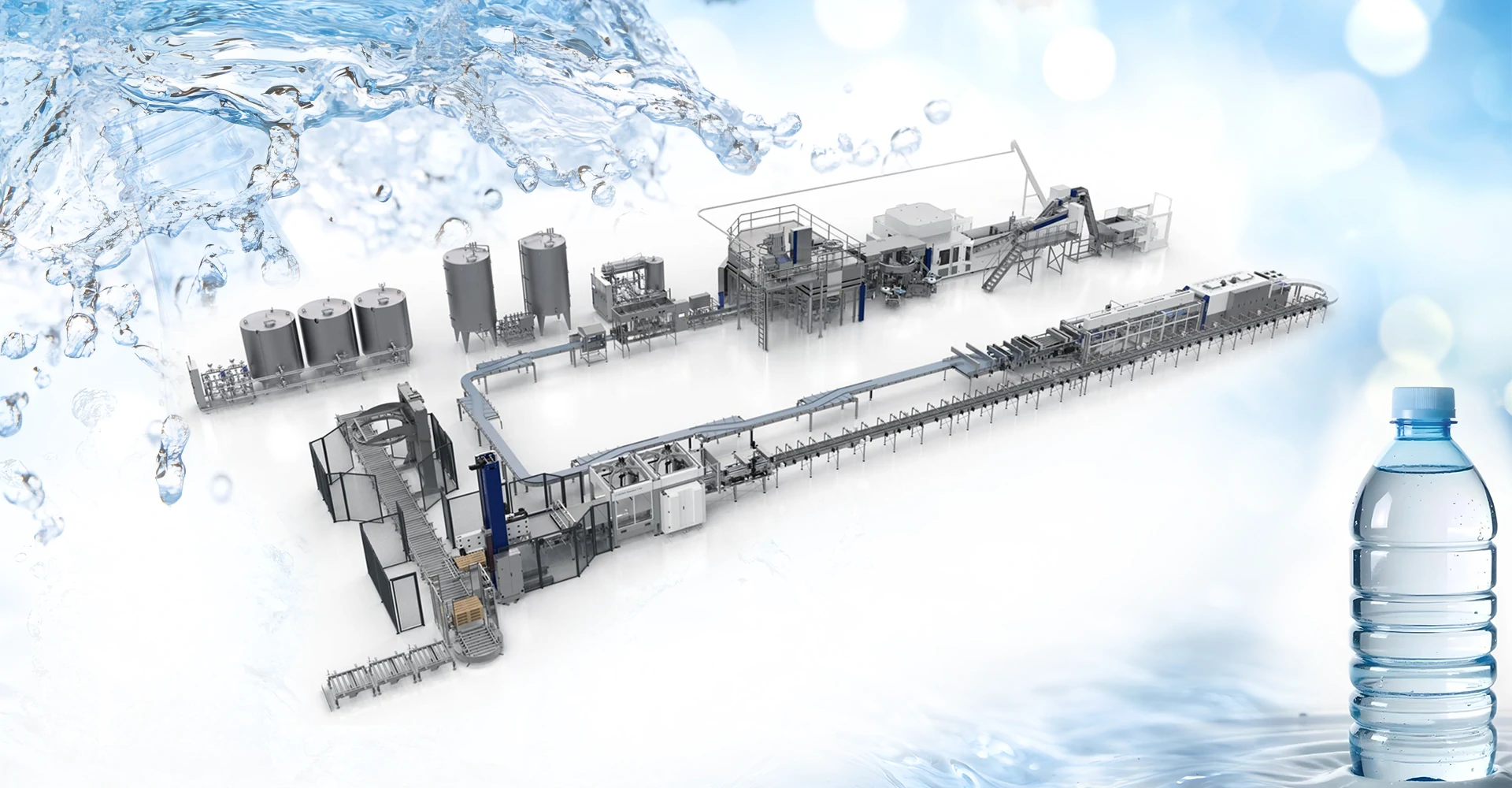
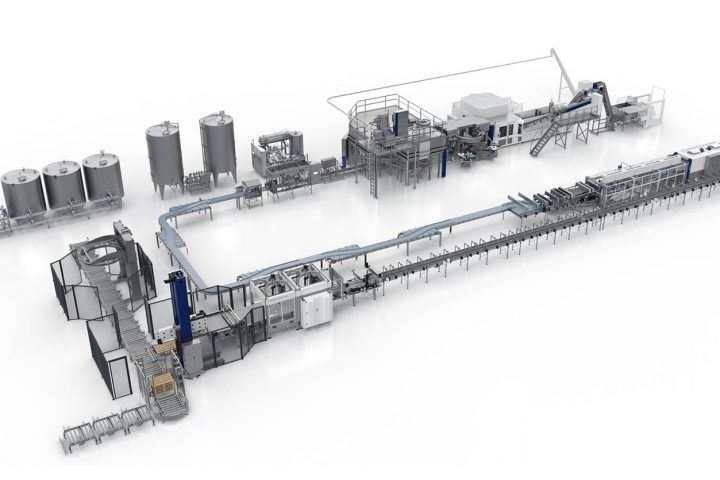
From individual machine to complete project
We are a comprehensive professional supplier of Water Filling Production Line integrating R&D, manufacturing and sales. We can…
Explore solution →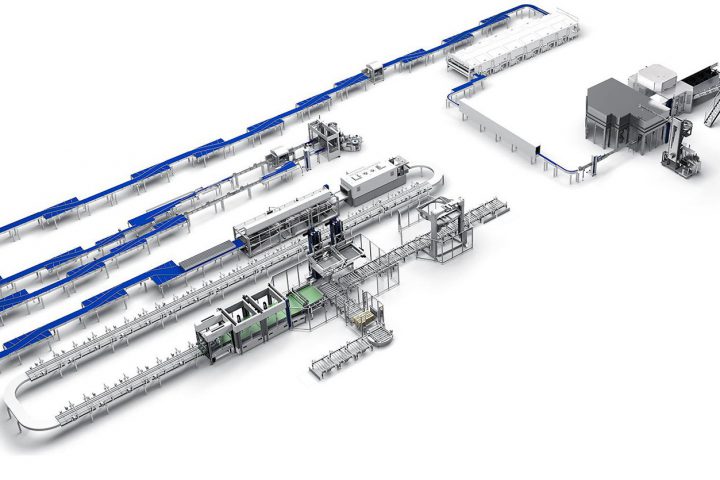
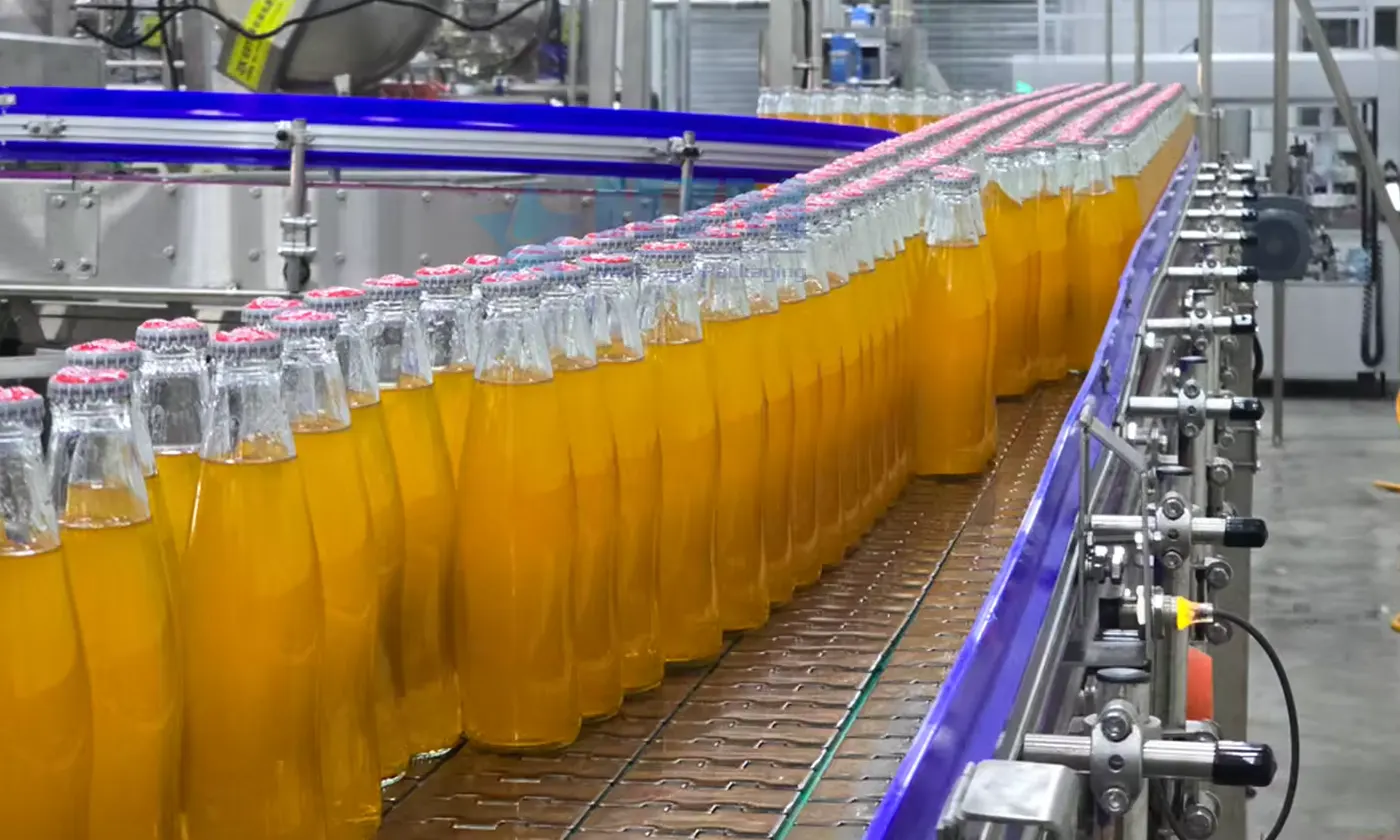
Juice Filling Production Line use for produce different kinds of bottle juice, juice with pulp, tea, energy drink…
Explore solution →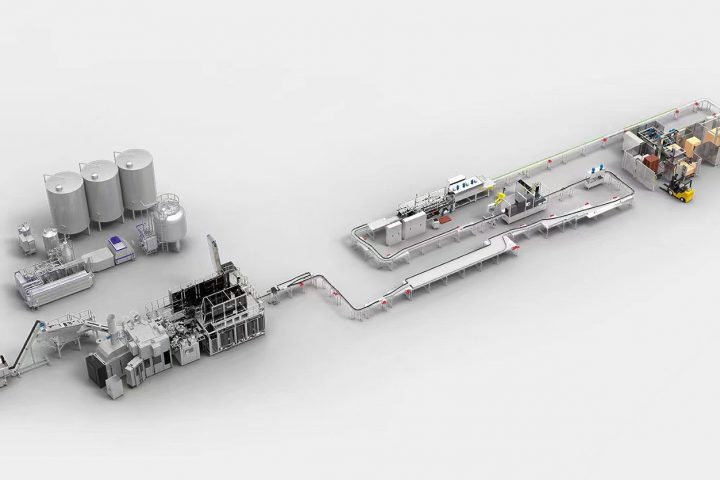
We are a comprehensive professional supplier of CSD (Carbonated Soft Drink) Filling Production Line integrating R&D, manufacturing and…
Explore solution →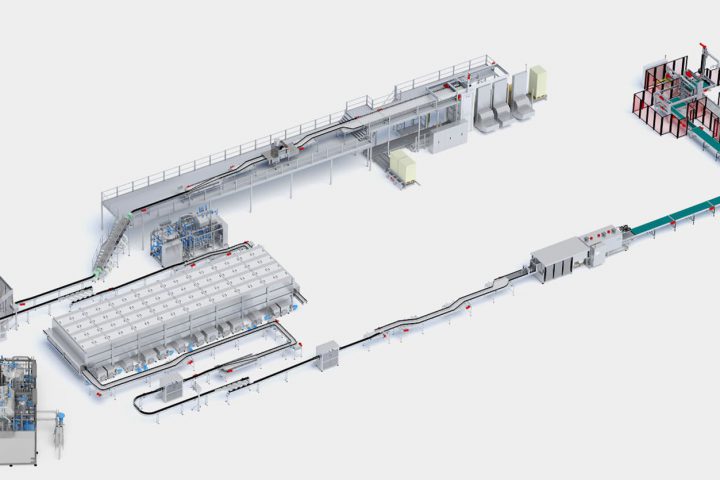
We are a comprehensive professional supplier of Cans Filling Line integrating R&D, manufacturing and sales. We can provide…
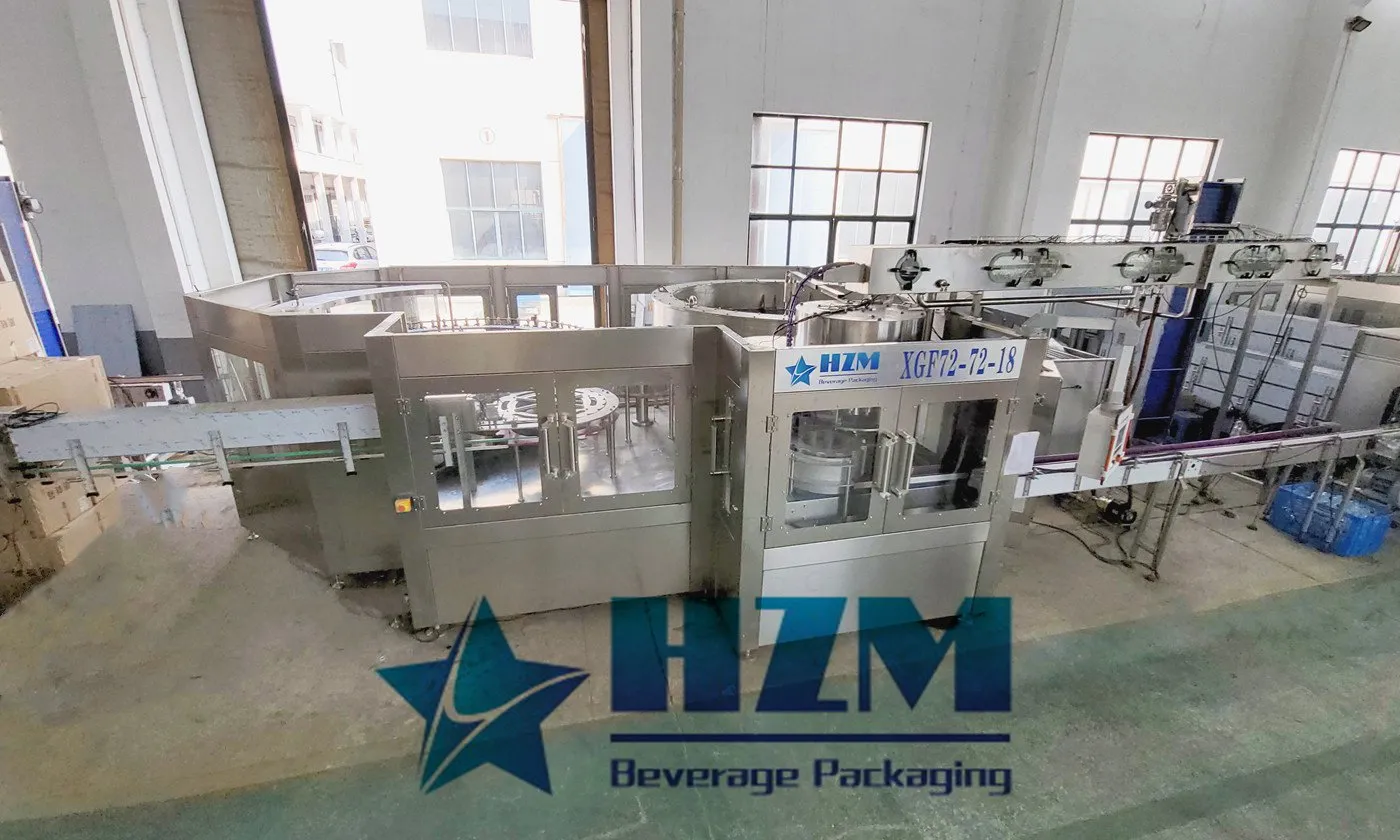
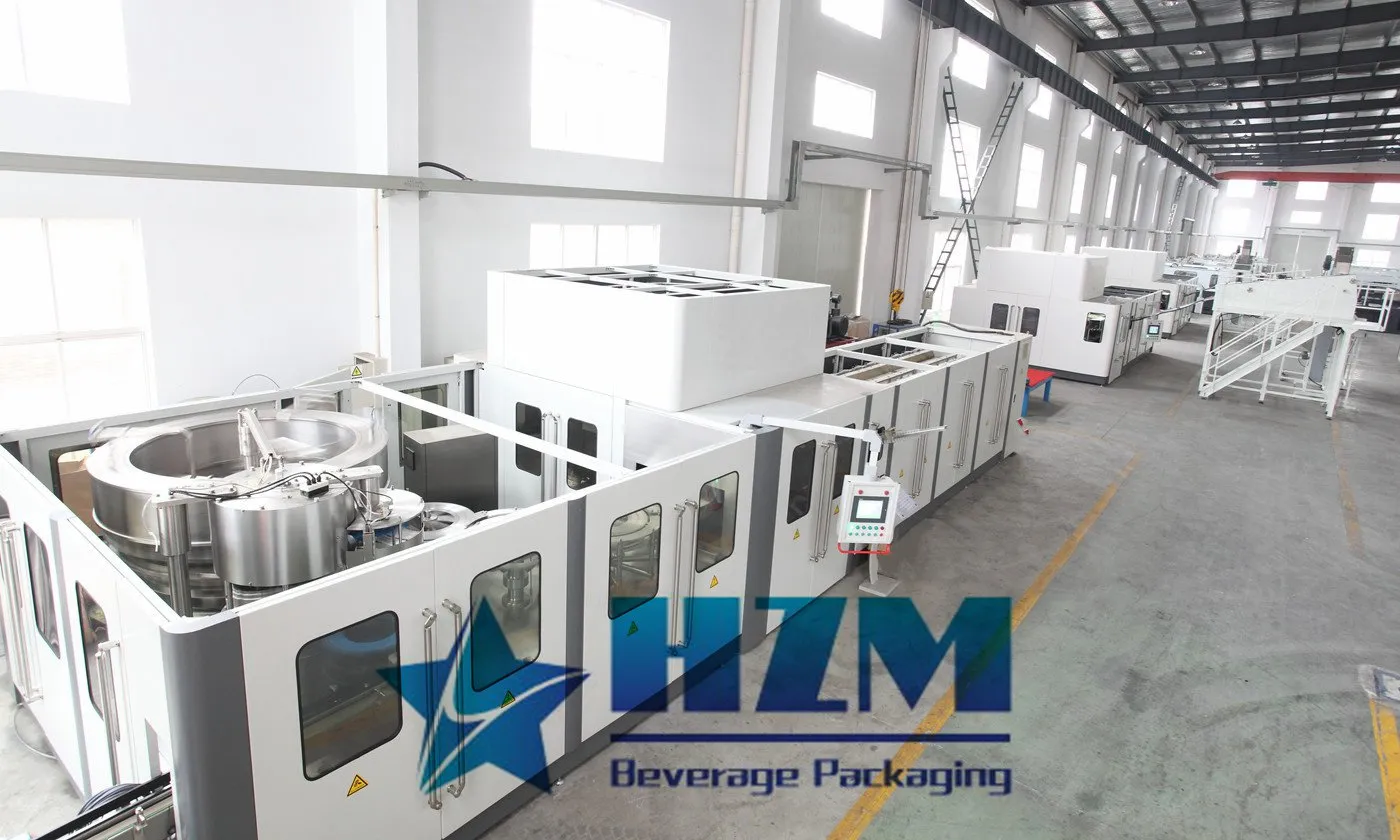
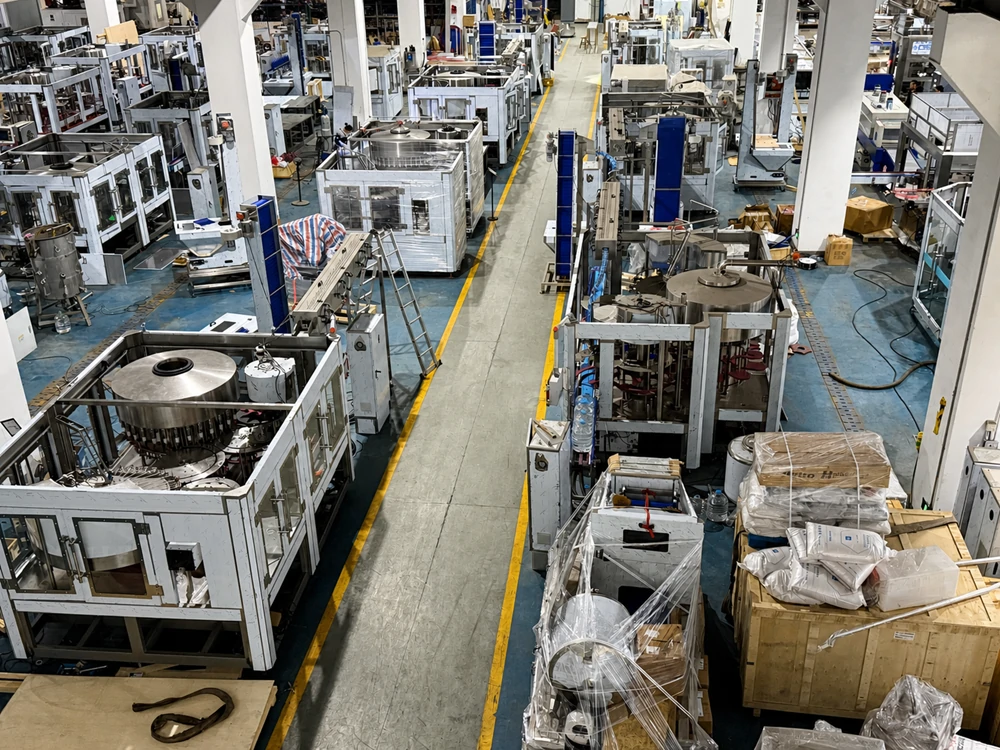
Explore solution →Manufacturing and factory testing
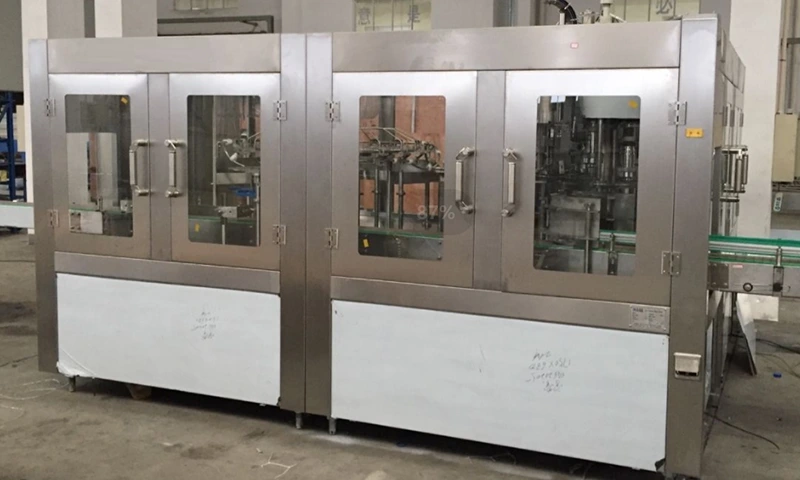
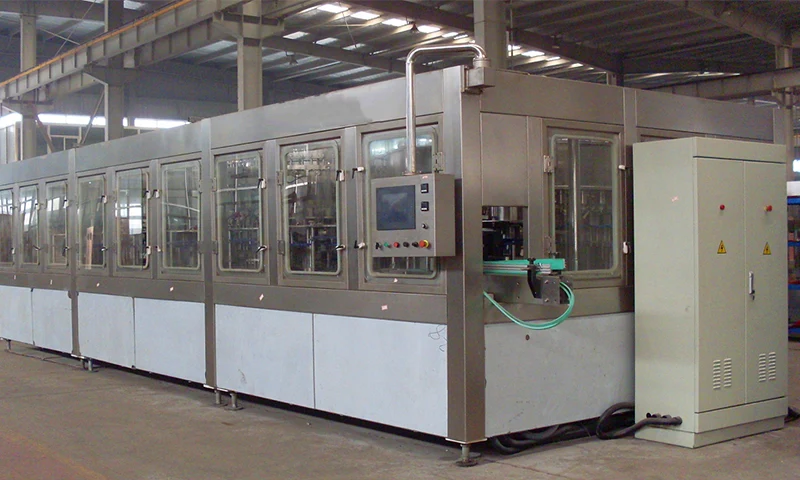
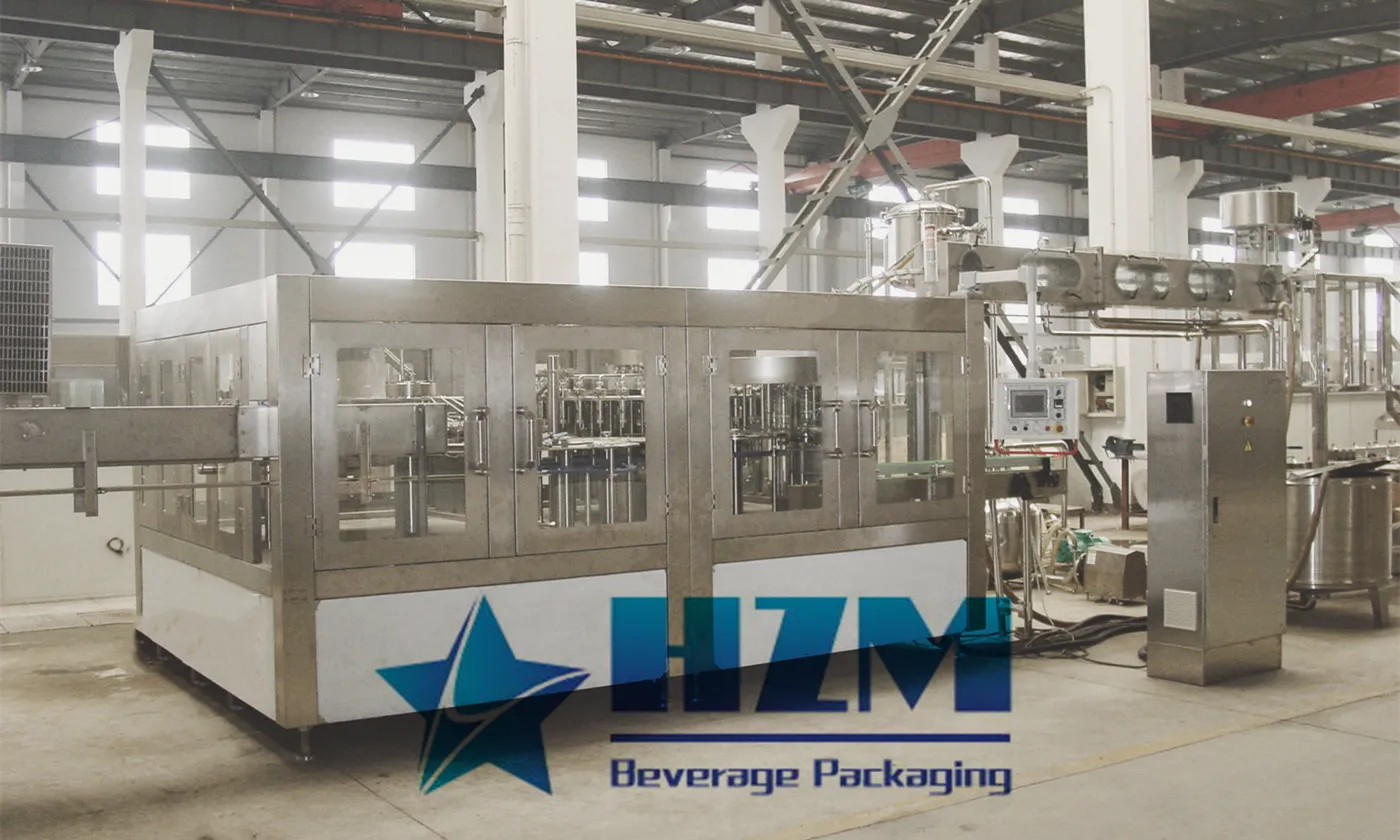
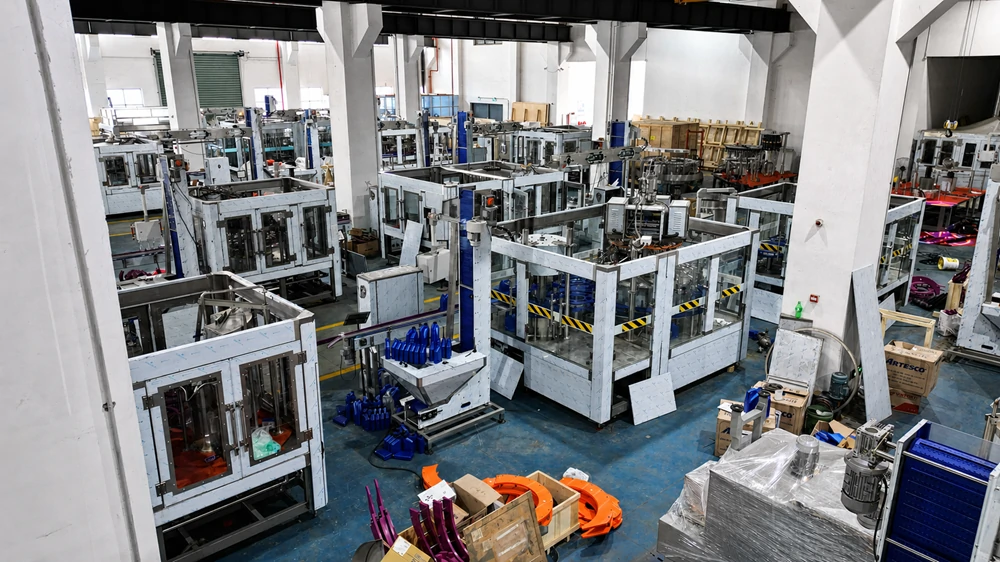
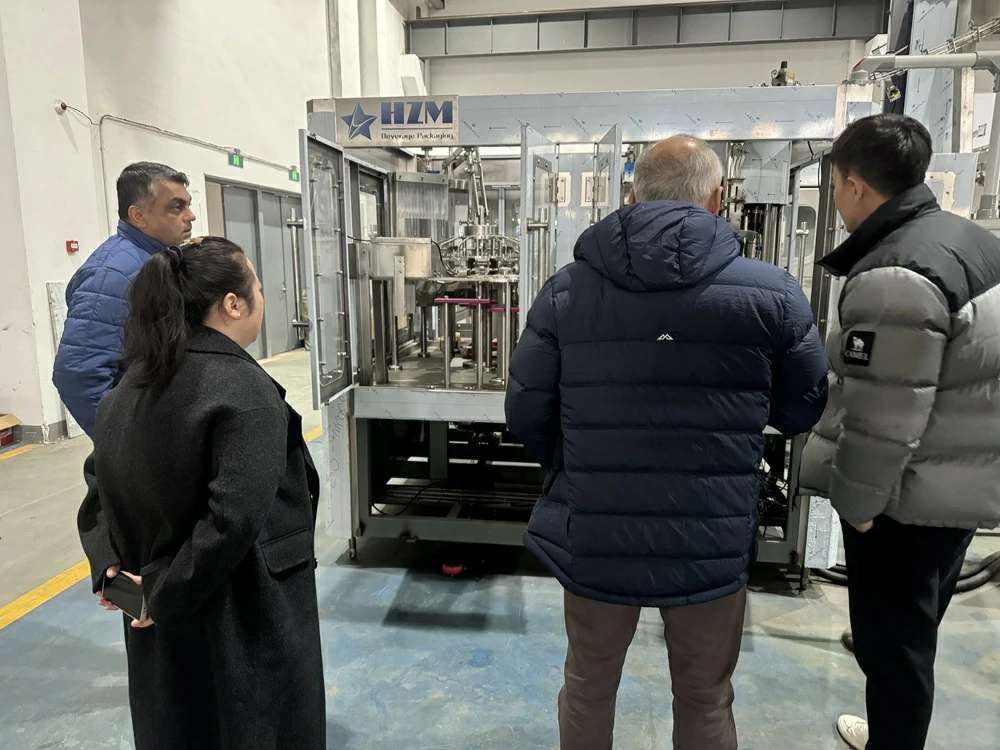
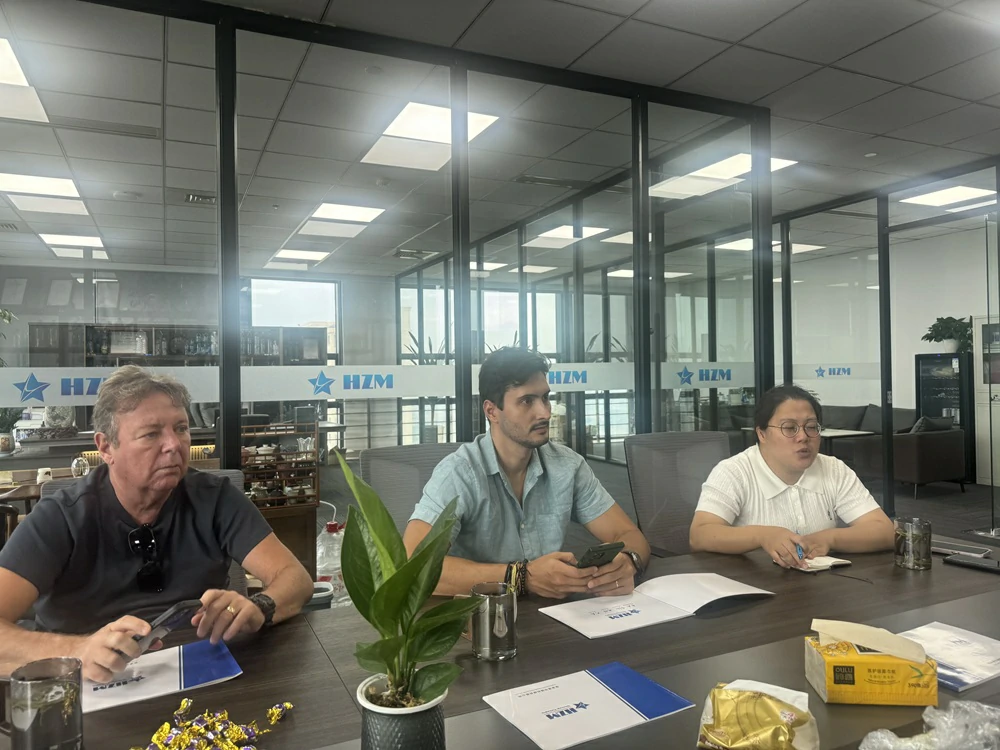
Review the production environment, machine assembly and testing capability behind an HZM equipment proposal.
Build your production line
Tell us your beverage, container, capacity and target market. Our engineering team will prepare a practical line proposal.