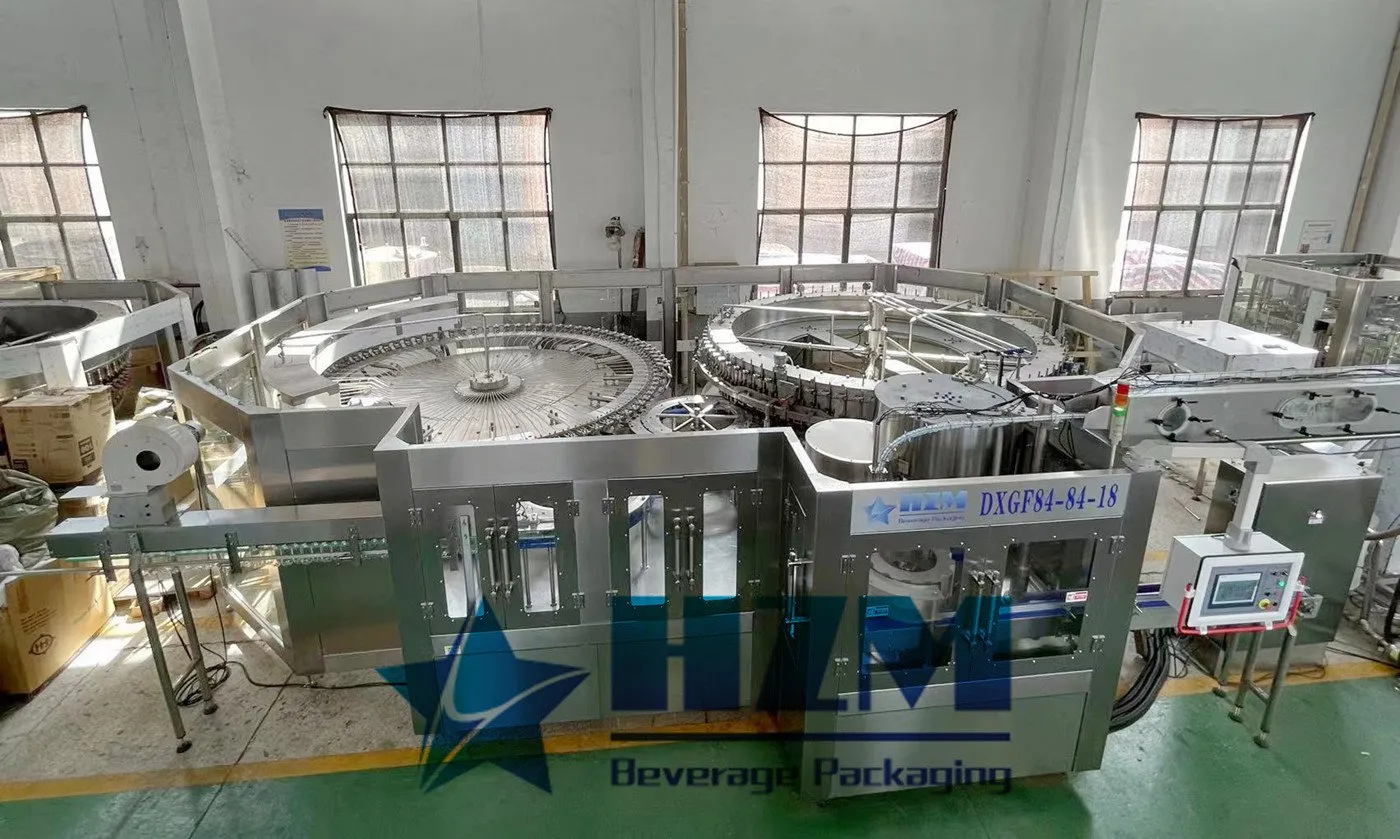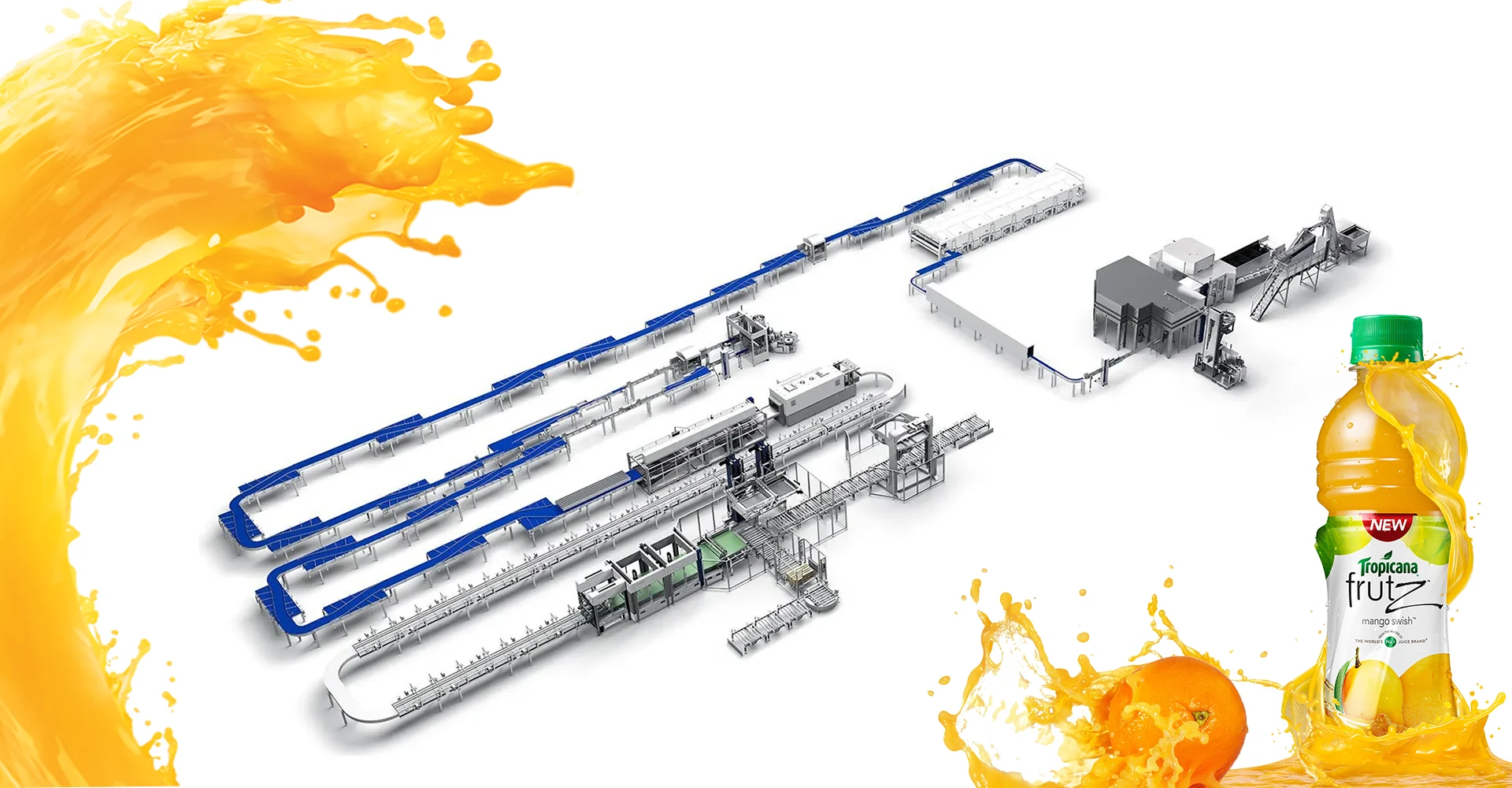
Equipment
Beverage Filling Machine & Turnkey Filling Line for Juice, Soft Drinks and Cans
Beverage filling machines and turnkey lines for juice, soft drinks, water and beer in PET bottles, glass bottles or cans.
Learn more
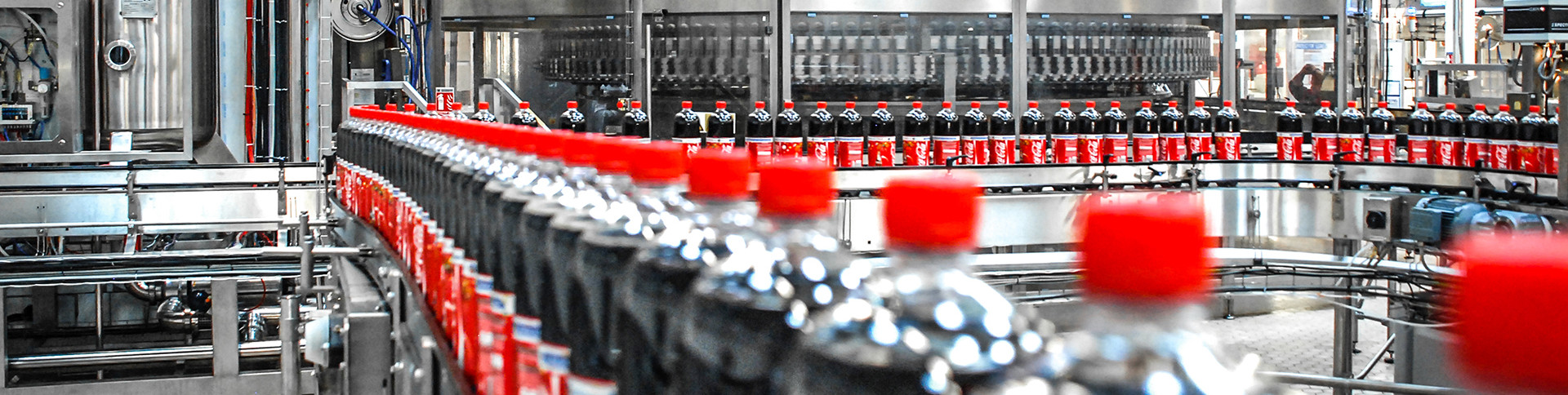
HZM Machinery product range
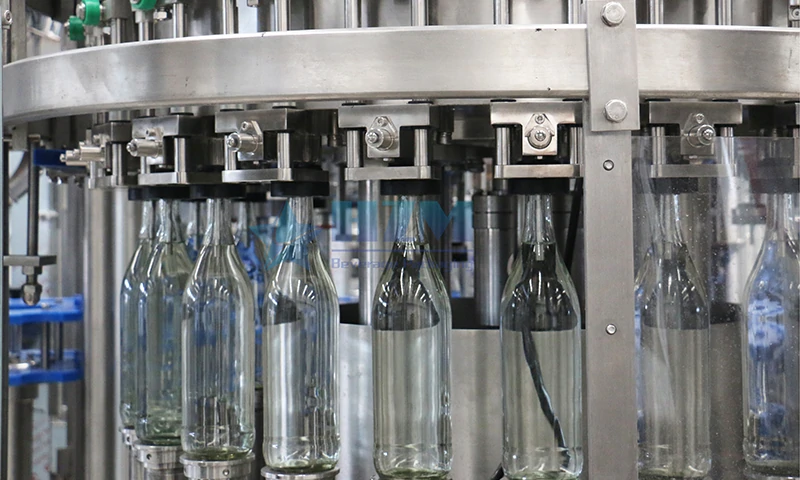
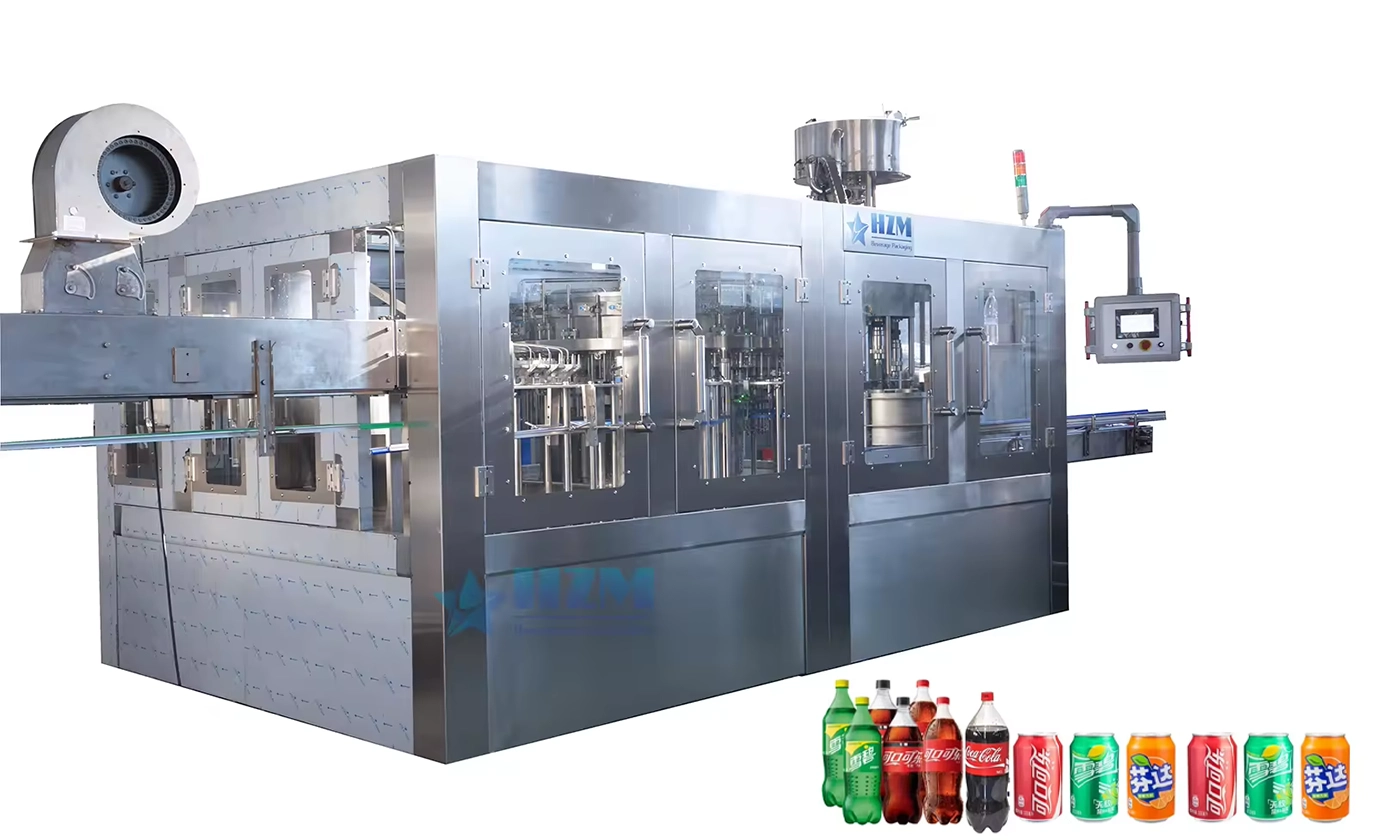
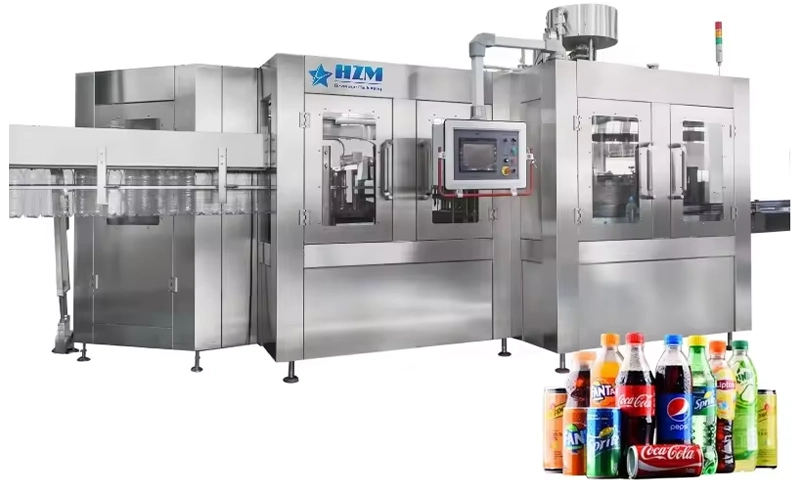
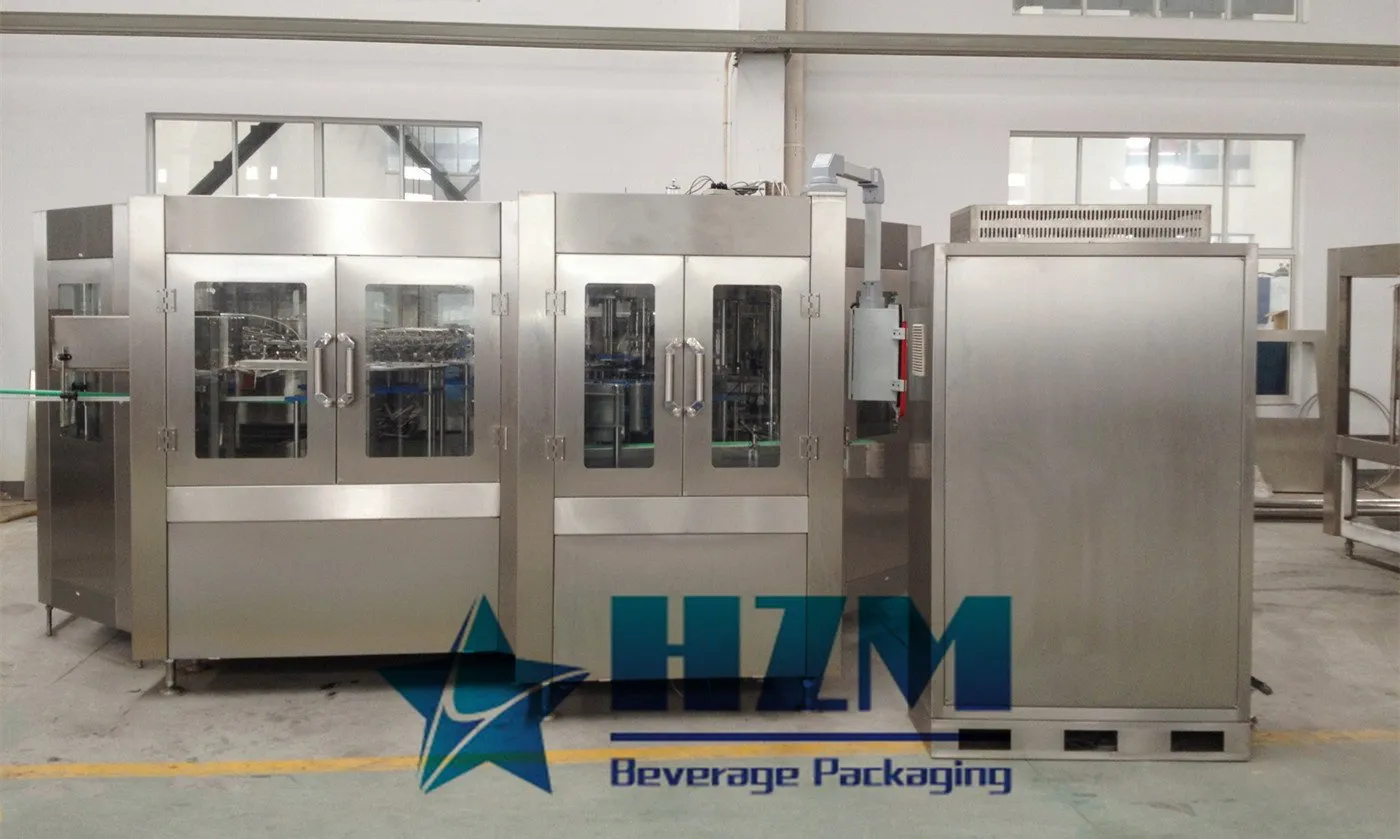
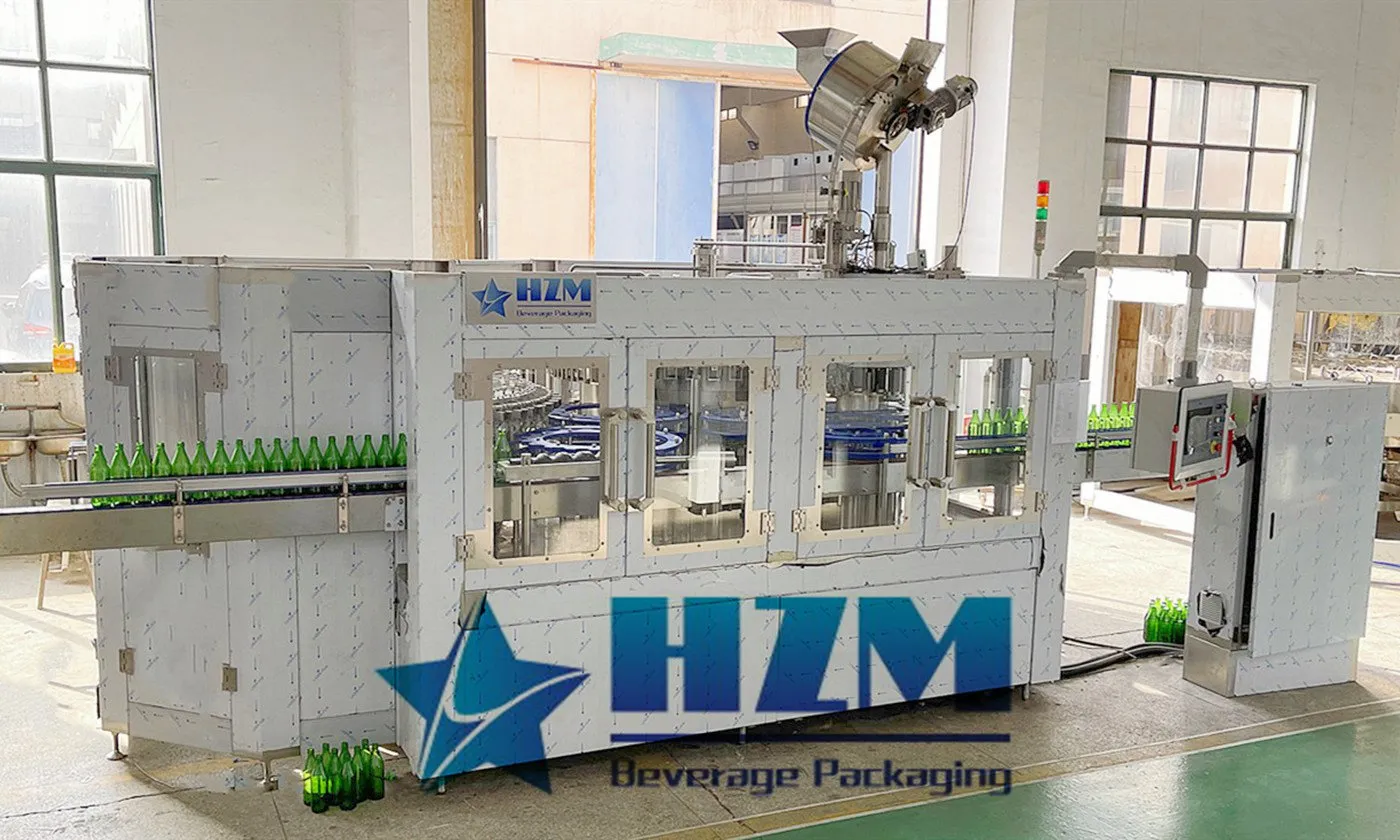
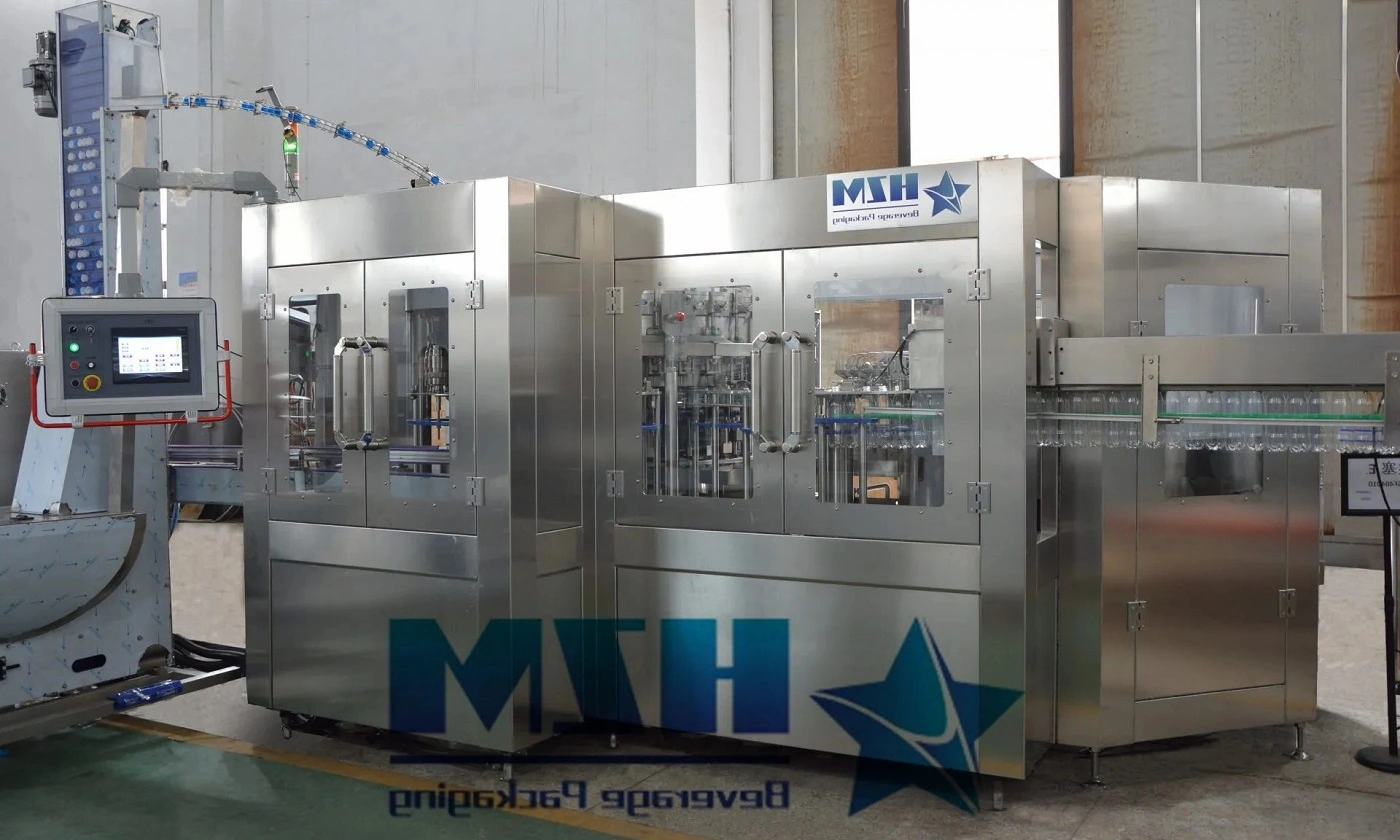
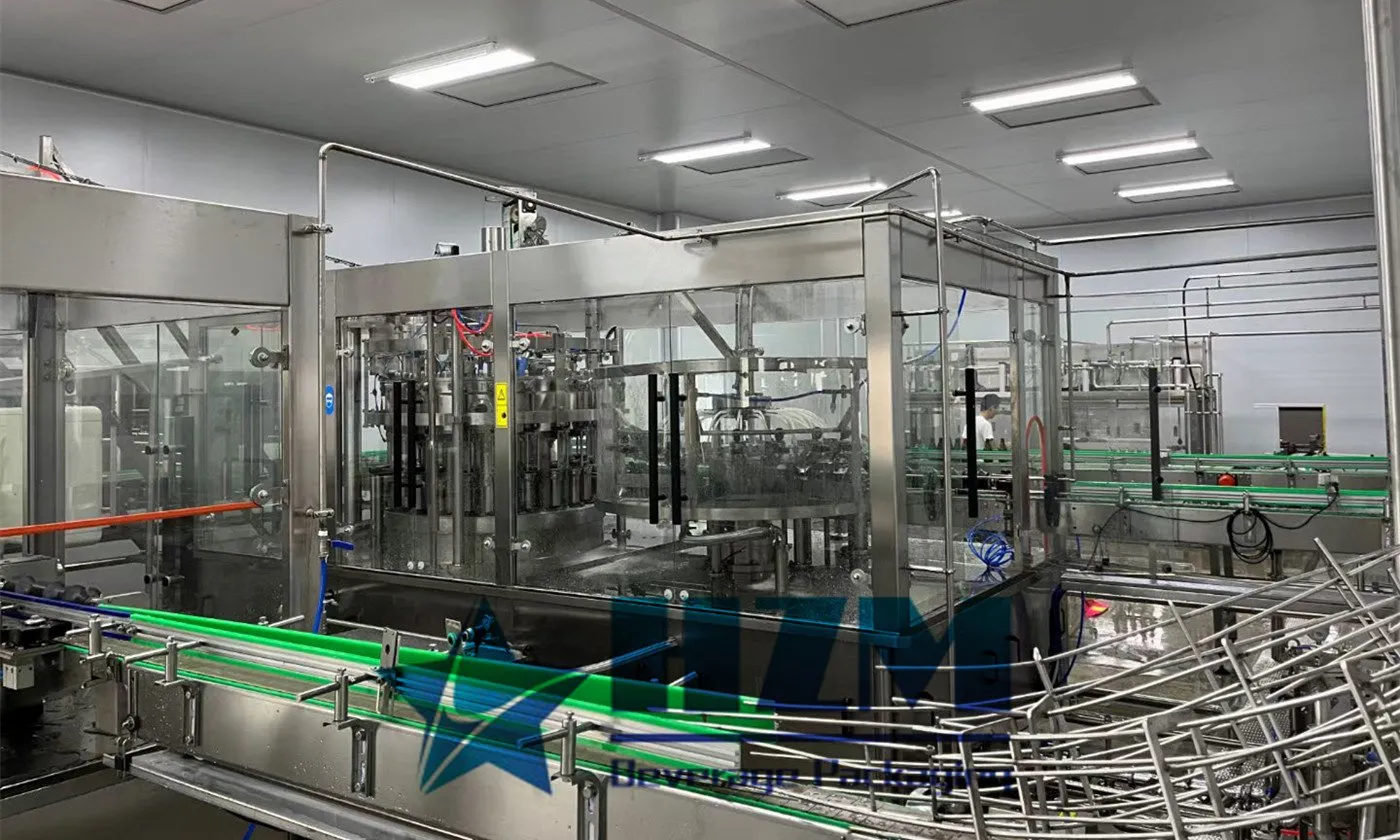
The Carbonated Beverage & Water Filling Machine adopts isobaric filling equipment that integrates cleaning, filling and capping. Based on the introduction, digestion and absorption of foreign advanced technology, according to the requirements of carbonated water filling process, it is an advanced filling equipment. It is mainly used for washing, filling and capping carbonated water such as soda, cola, sparkling wine and mineral water. With simple and reasonable structure, convenient and safe operation, stability and reliability, and convenient maintenance, it is the core equipment of large and medium-sized carbonated beverage plants.
HZM, as a professional carbonated beverage & Water bottling machine manufacturer and exporter in China, has several carbonated water bottle filling machine production lines with high quality service, giving you the best choice.
Equipment
Beverage filling machines and turnkey lines for juice, soft drinks, water and beer in PET bottles, glass bottles or cans.
Learn moreEquipment
DXGF24-24-8-8 glass bottle isobaric filling for carbonated drinks, with rinsing and two capping stations.
Learn moreEquipment
DXGF40-40-10 rinsing, isobaric filling and capping for carbonated soft drinks, at 12,000–15,000 bottles/hour for 500 ml bottles.
Learn moreEquipment
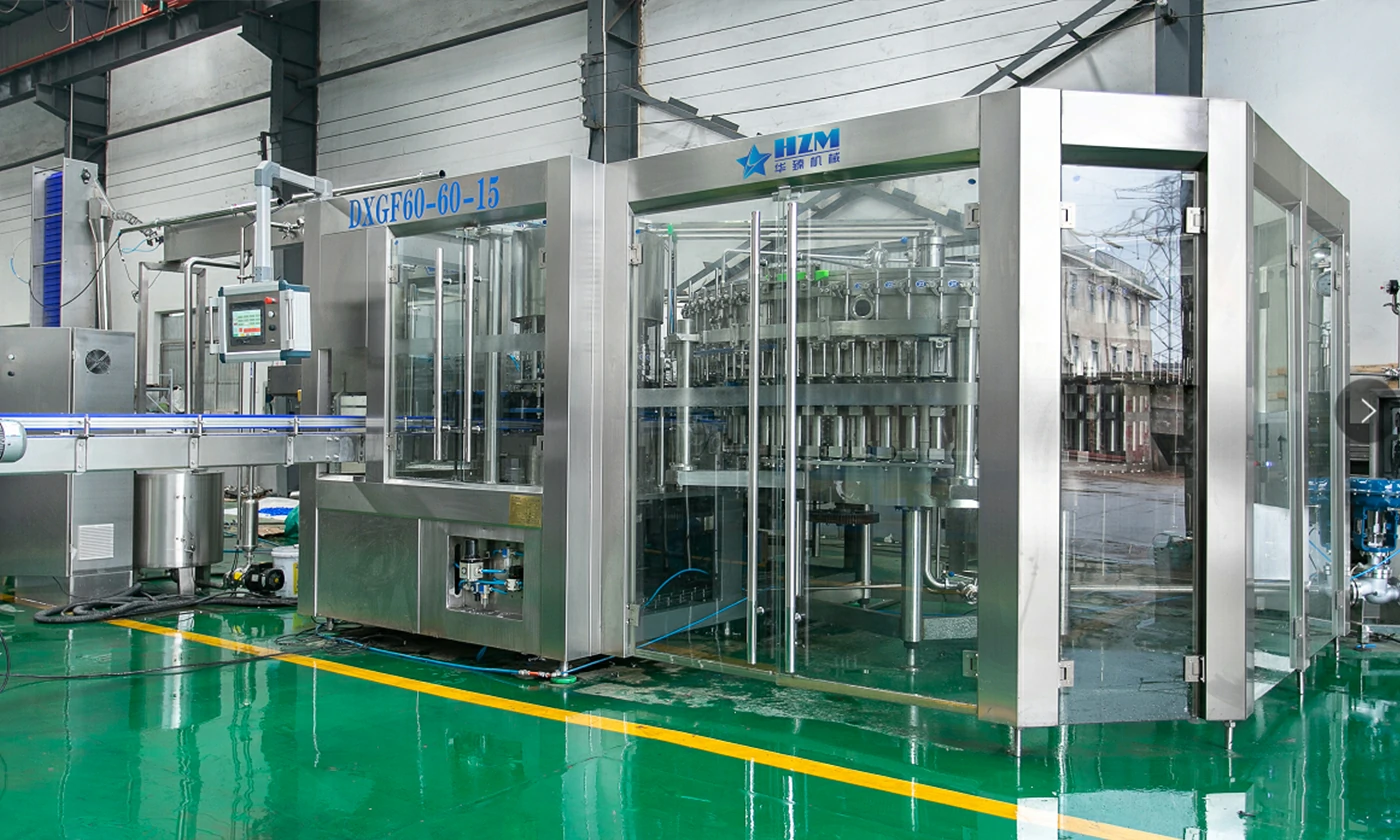
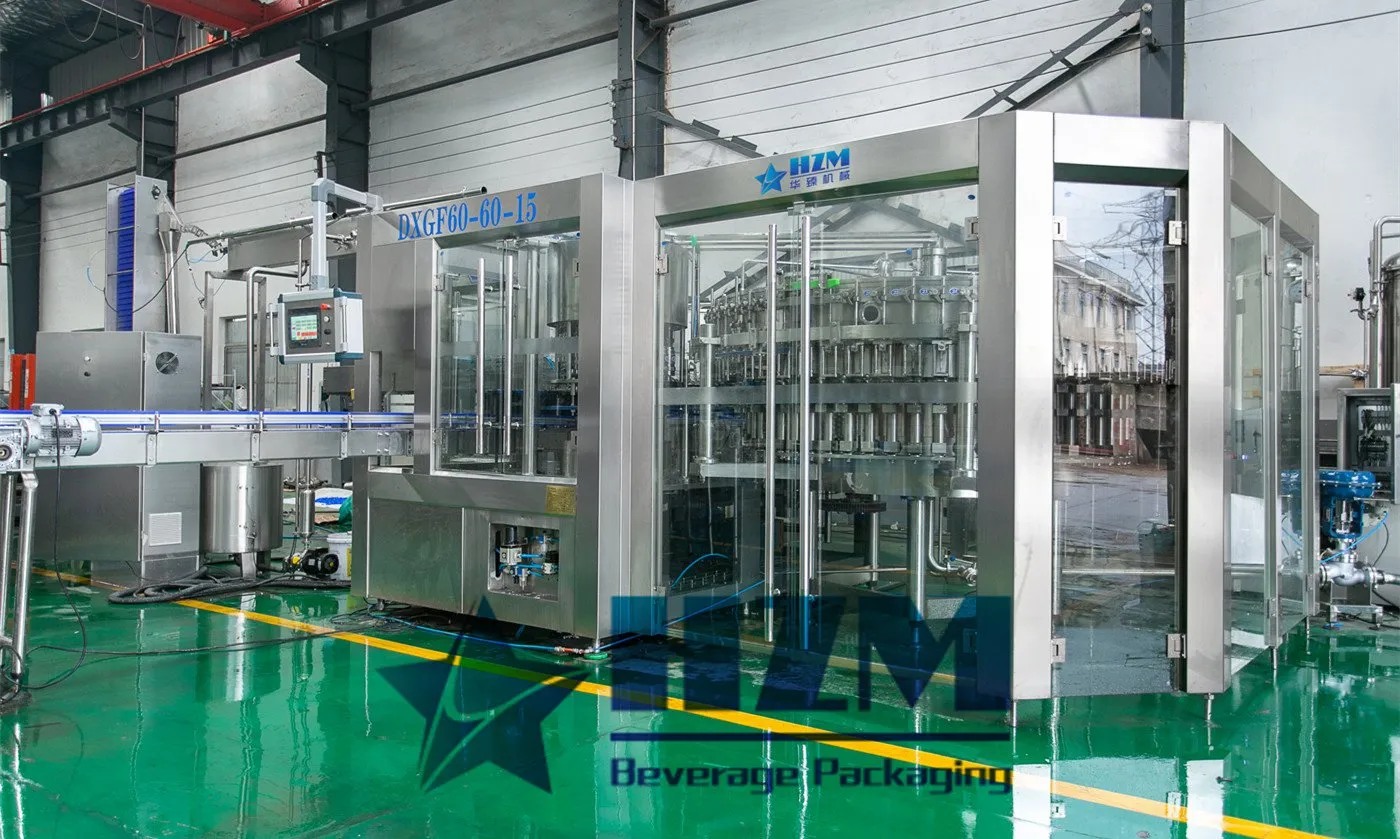
DXGF60-60-15 glass bottle rinsing, isobaric filling and capping for beer and beverages, at 18,000 bottles/hour for 500 ml bottles.
Learn moreEquipment
Carbonated soft drink rinsing, isobaric filling and capping, with DXGF models from 3,000 to 15,000 bottles/hour at 500 ml.
Learn moreEquipment
This glass bottle carbonated beverage line combines bottle rinsing, isobaric filling and capping with conveying, labelling and packing.
Learn moreEquipment
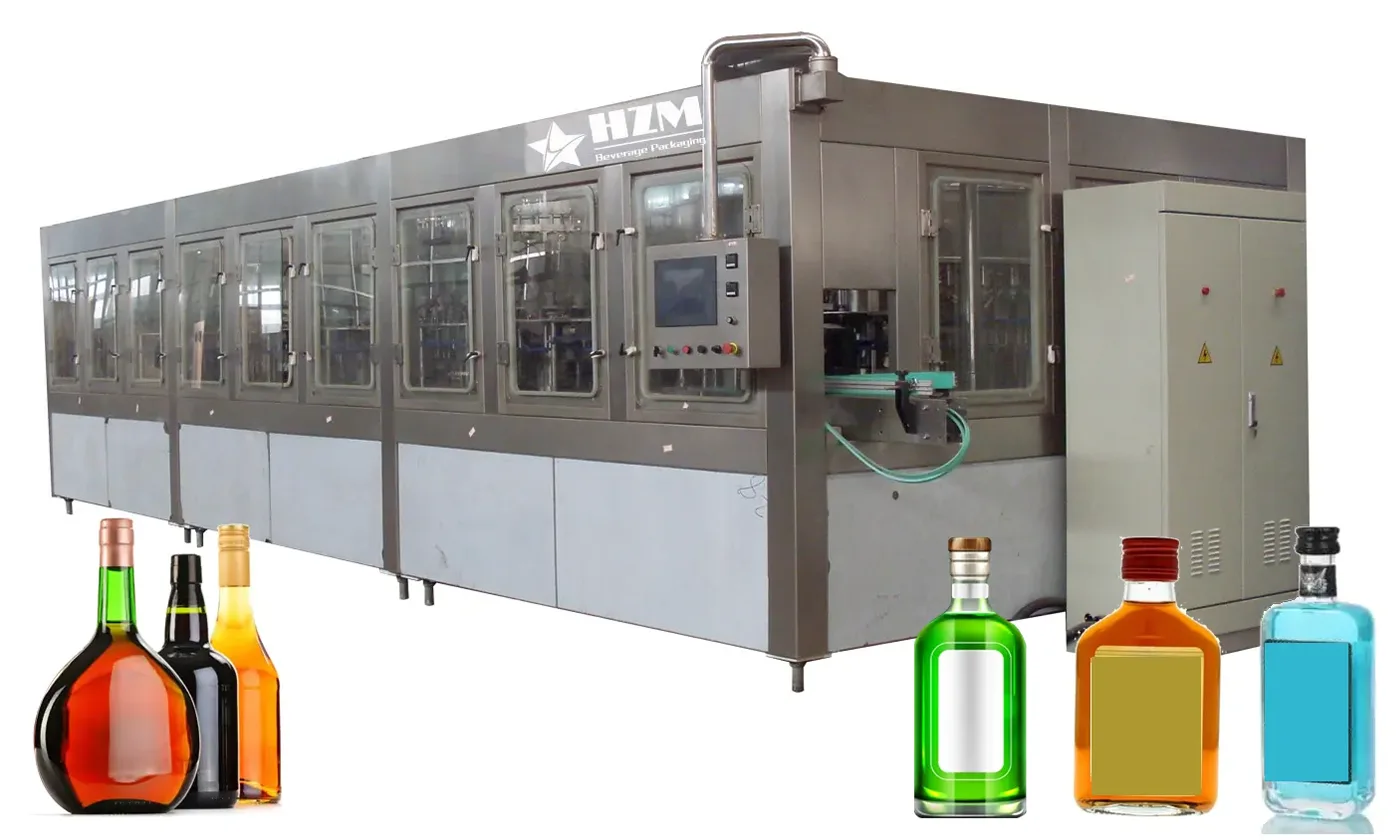
The glass-bottle filling machine combines rinsing, filling and capping for wine and compatible beverage products.
Learn moreEquipment
The fully automatic beverage filling machine combines bottle rinsing, filling and capping.
Learn moreEquipment
Automatic PET bottle rinsing, isobaric filling and capping for cola, soda water and other carbonated soft drinks.
Learn moreEquipment
Glass bottle filling for carbonated beverages, with isobaric filling and capacities of 2,000–20,000 bottles/hour at 500 ml.
Learn moreEquipment
PET bottle filling for soft drinks and sparkling water, combining rinsing, counter-pressure filling and capping.
Learn moreEquipment
CGS can filling and seaming for carbonated beverages, with capacities of 6,000–36,000 cans/hour at 330 ml.
Learn moreEquipment
Soda water filling equipment with bottle rinsing, isobaric filling and capping for PET-bottled sparkling water.
Learn moreEquipment
Carbonated drink rinsing, isobaric filling and capping for PET bottles, with capacities of 4,000–36,000 bottles/hour at 500 ml.
Learn moreEnhance your production line with advanced carbonated filling machines designed for soda, cola, sparkling water, and other carbonated beverages. Our isobaric filling system integrates washing, filling, and capping for maximum efficiency and reliability in large-scale beverage manufacturing. Trusted by leading carbonated beverage producers.
From individual machine to complete project
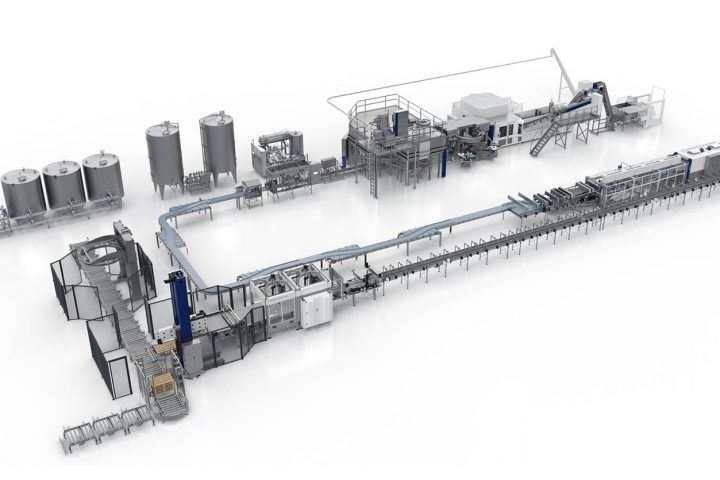
We are a comprehensive professional supplier of Water Filling Production Line integrating R&D, manufacturing and sales. We can…
Explore solution →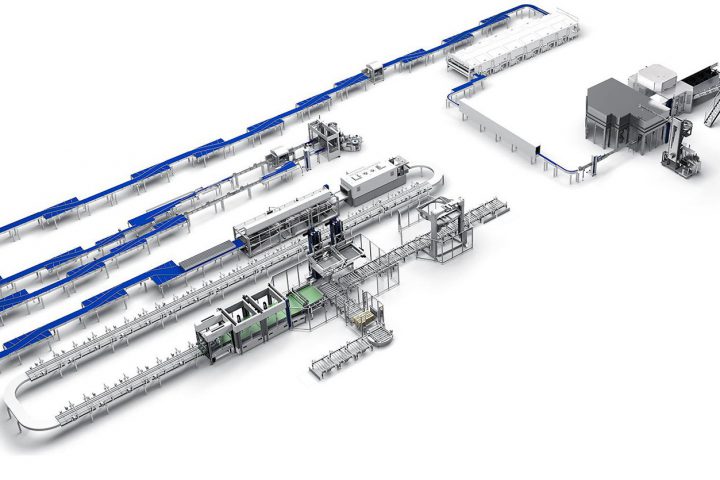
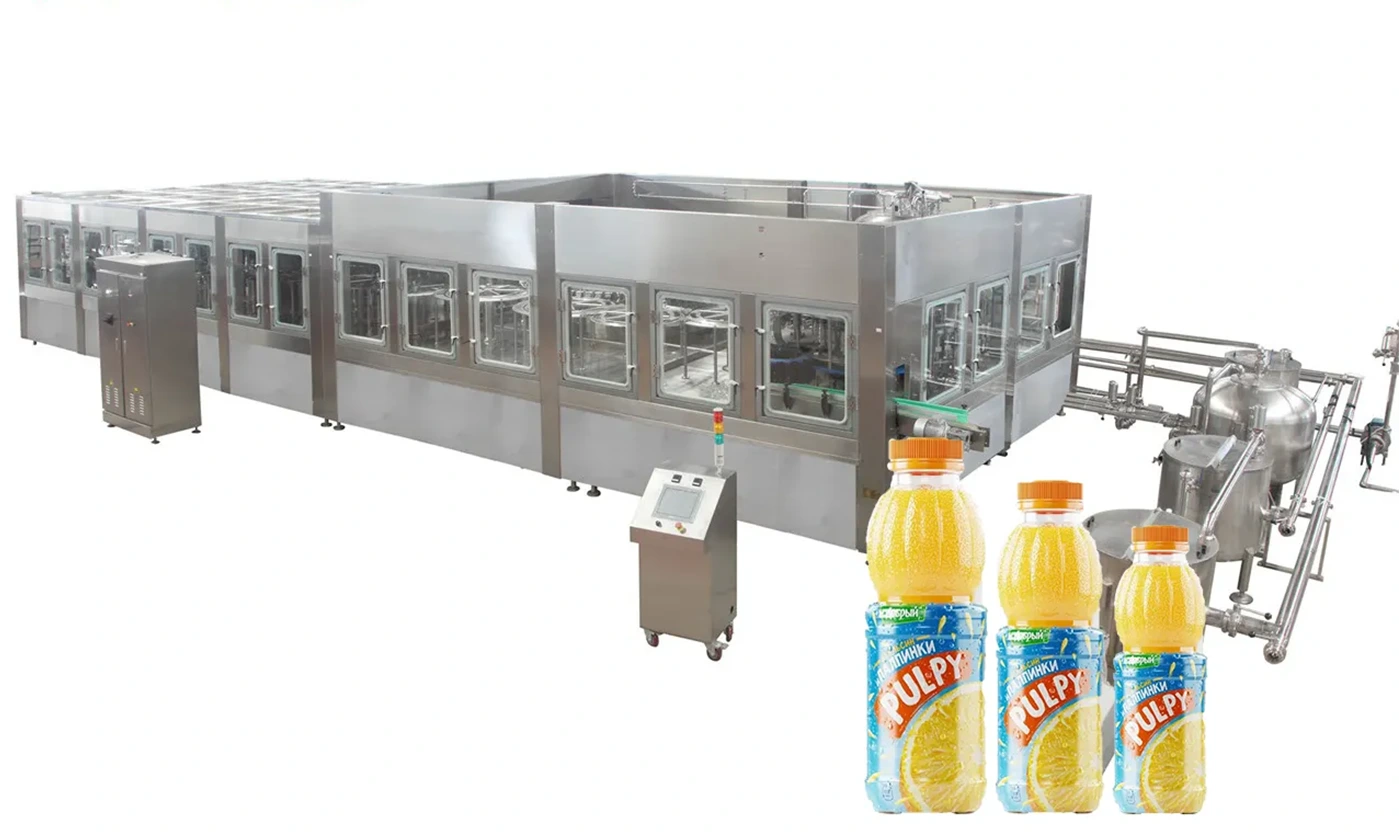
Juice Filling Production Line use for produce different kinds of bottle juice, juice with pulp, tea, energy drink…
Explore solution →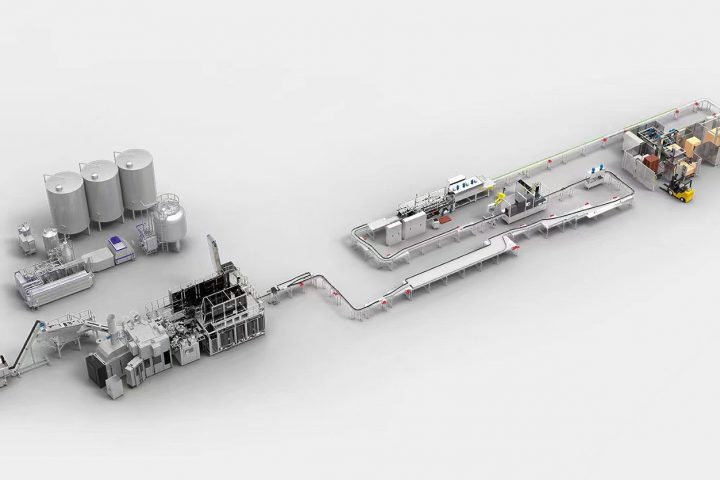
We are a comprehensive professional supplier of CSD (Carbonated Soft Drink) Filling Production Line integrating R&D, manufacturing and…
Explore solution →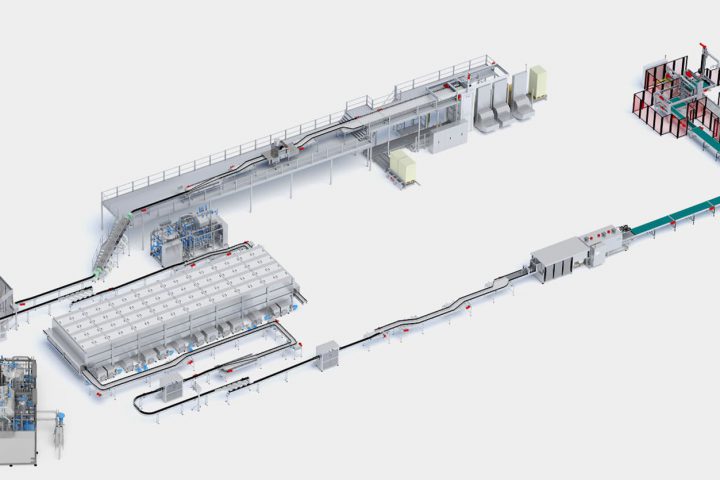
We are a comprehensive professional supplier of Cans Filling Line integrating R&D, manufacturing and sales. We can provide…
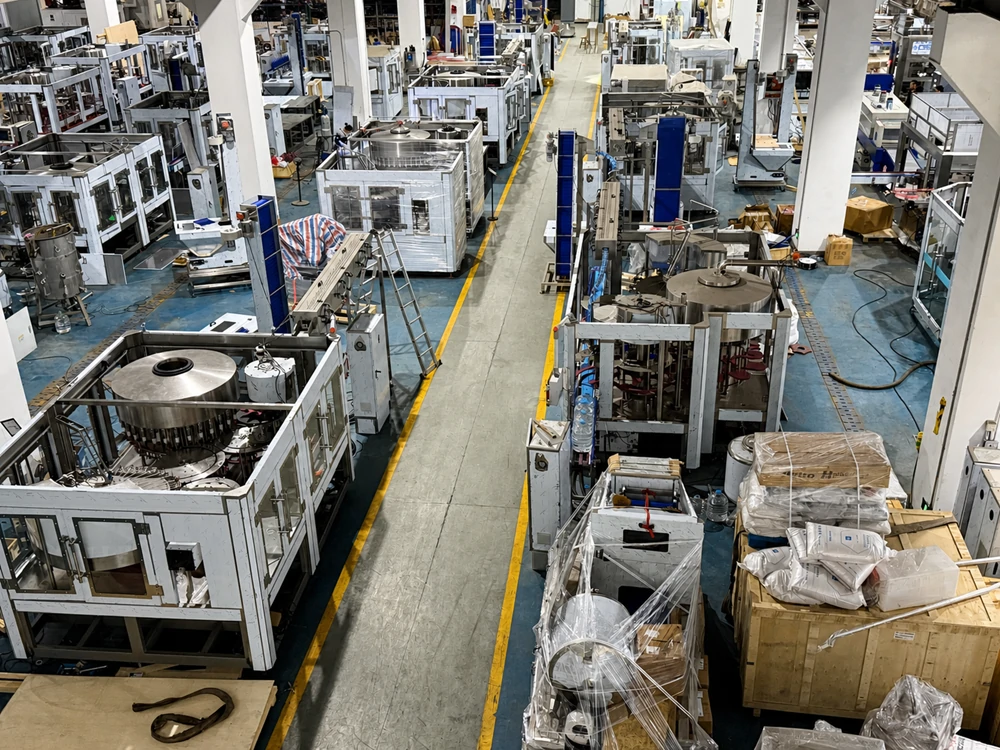
Explore solution →Manufacturing and factory testing
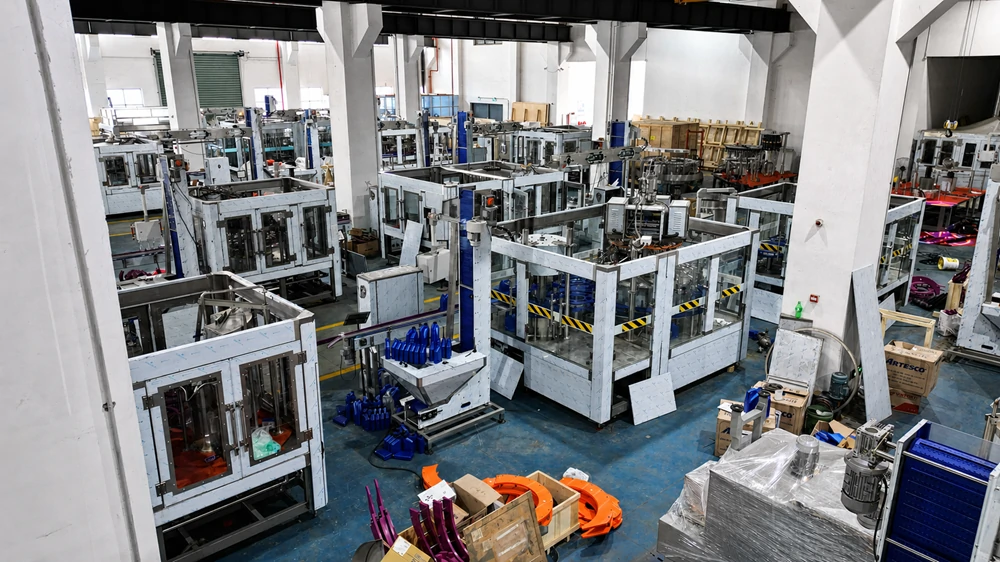
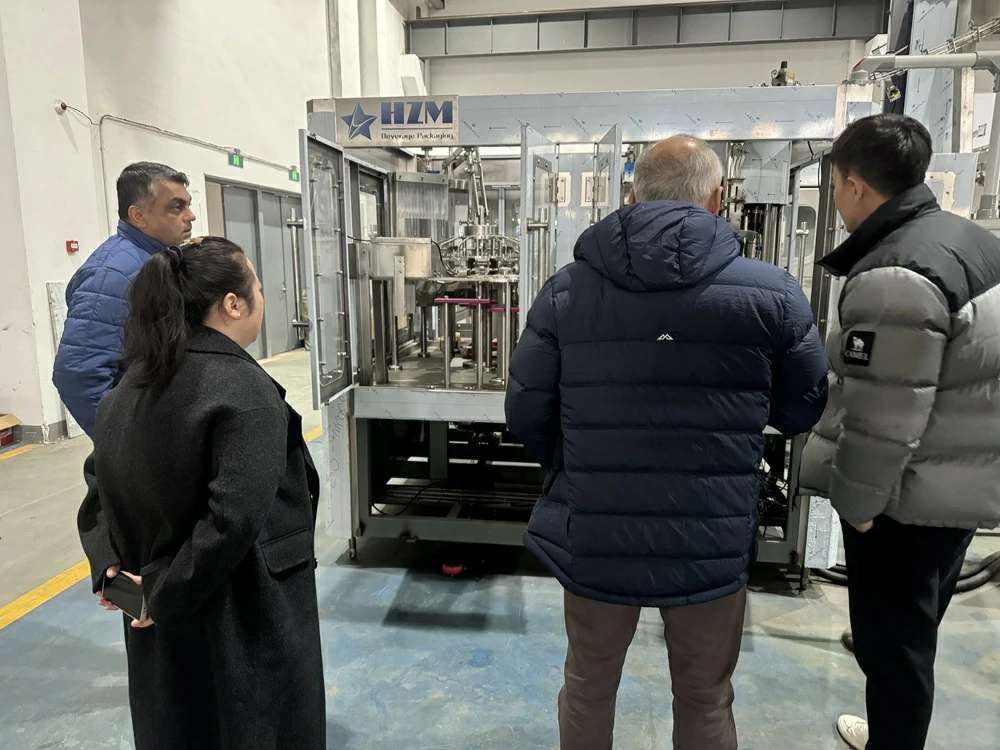
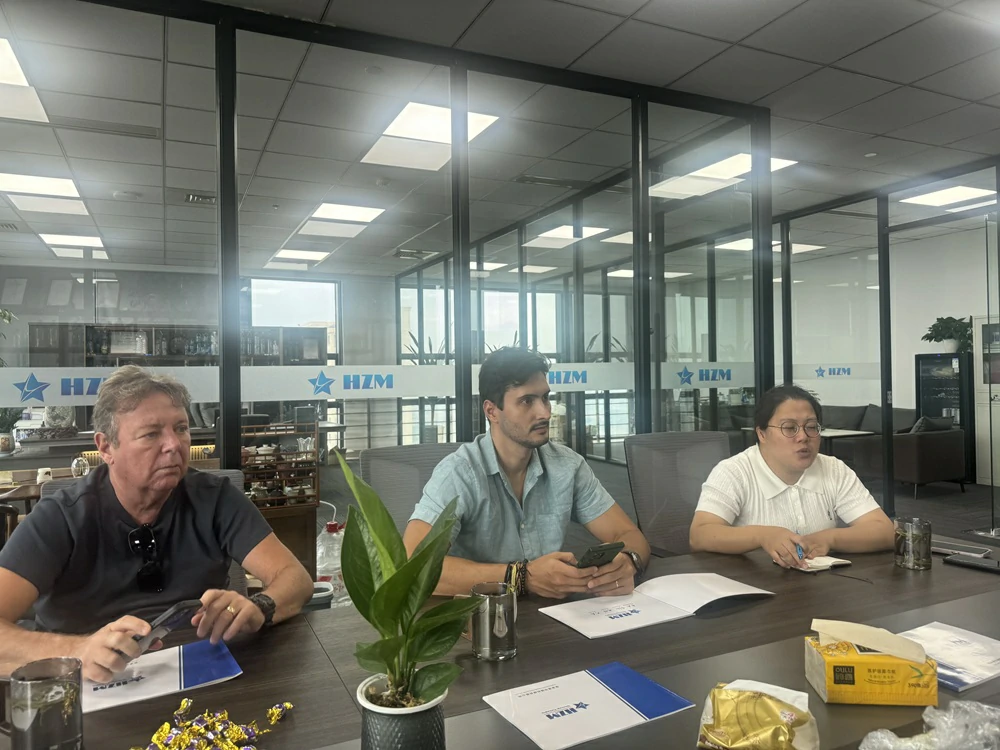
Review the production environment, machine assembly and testing capability behind an HZM equipment proposal.
Build your production line
Tell us your beverage, container, capacity and target market. Our engineering team will prepare a practical line proposal.