Equipment
Water Treatment System
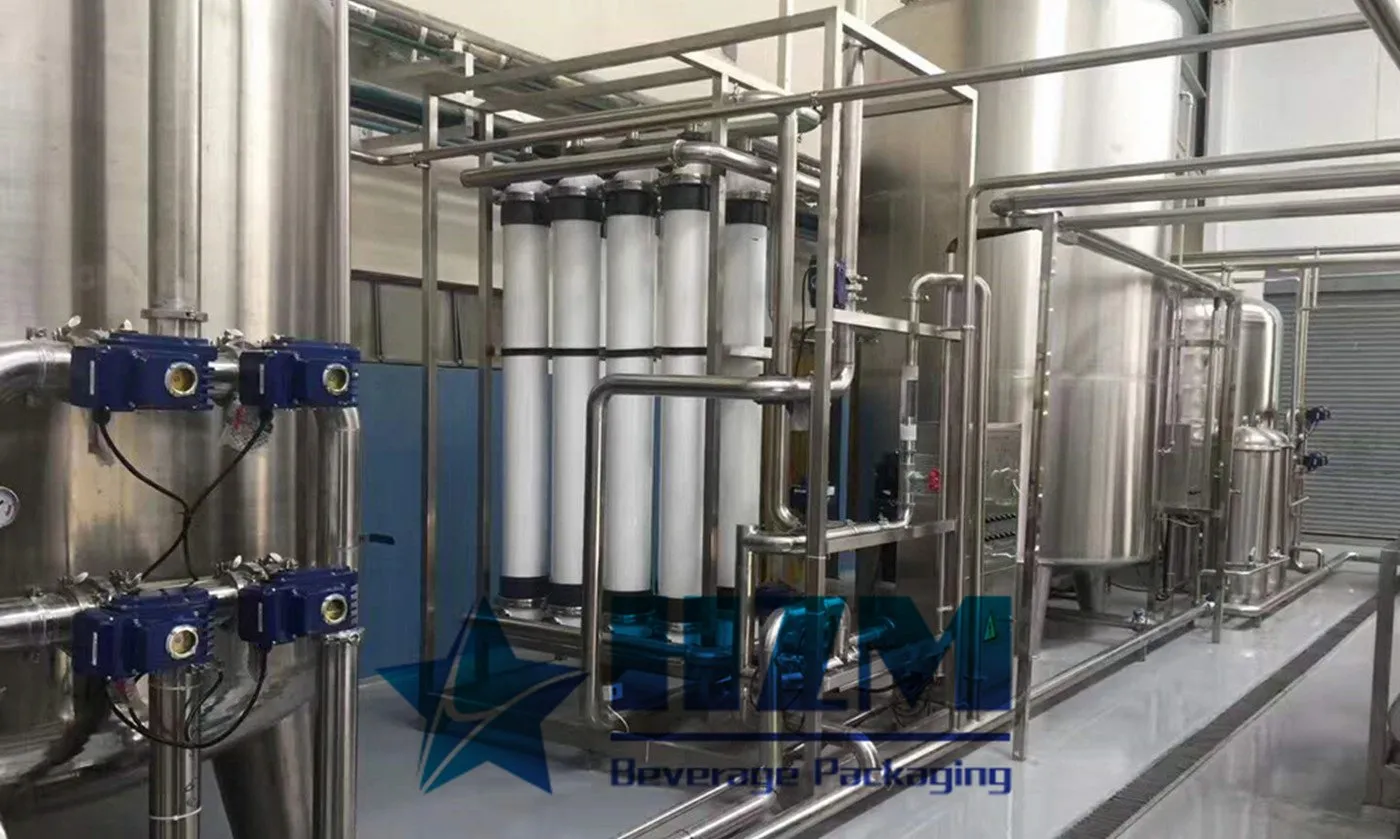
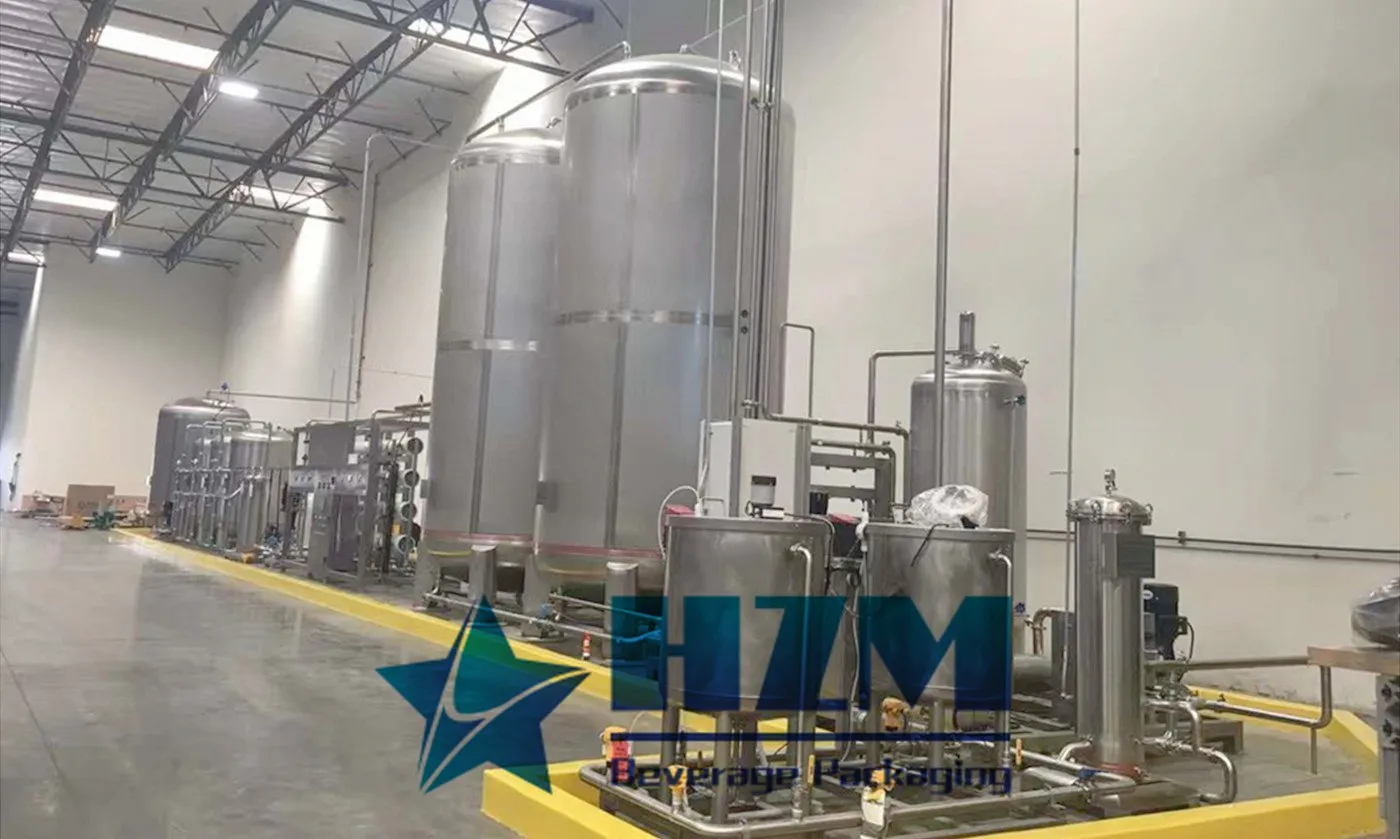
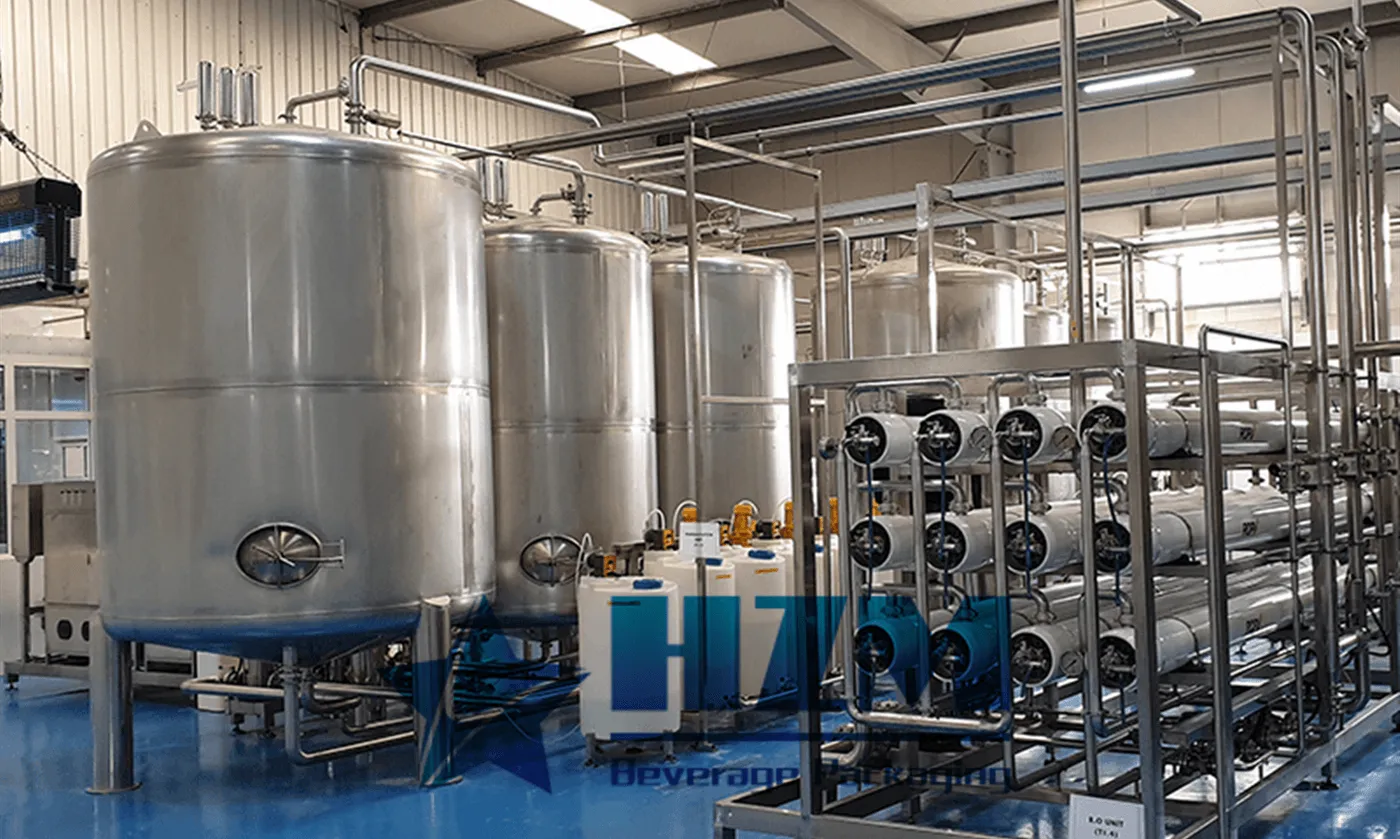
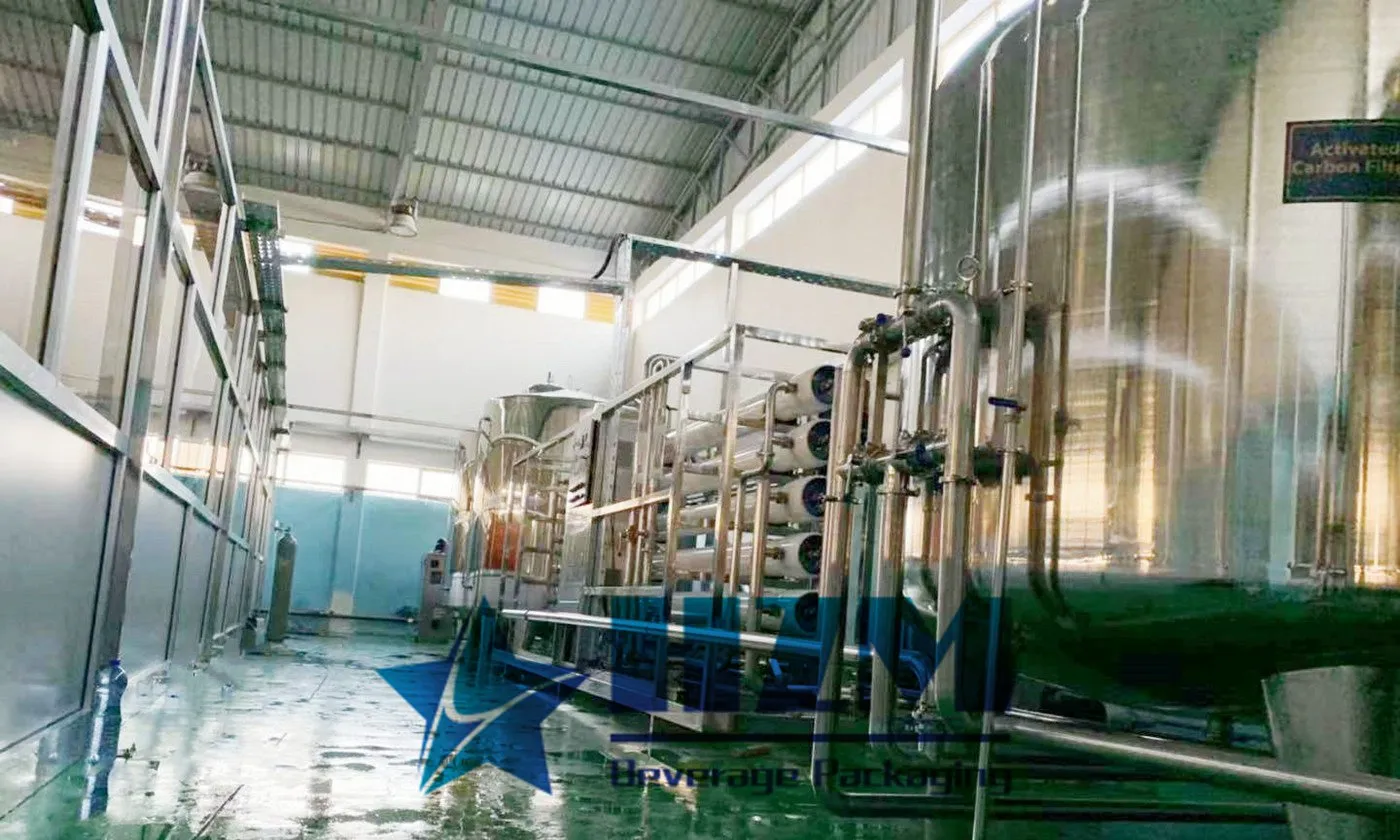
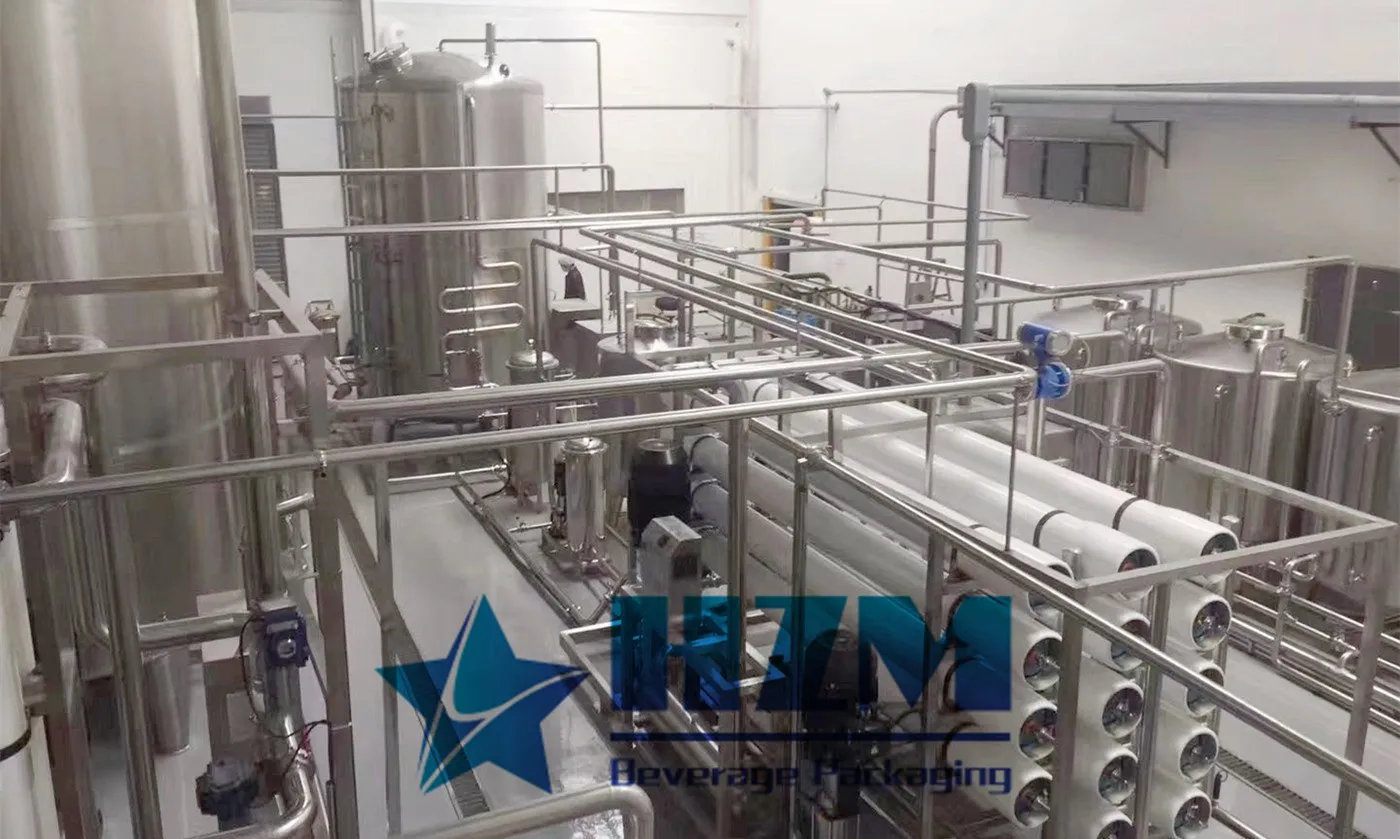
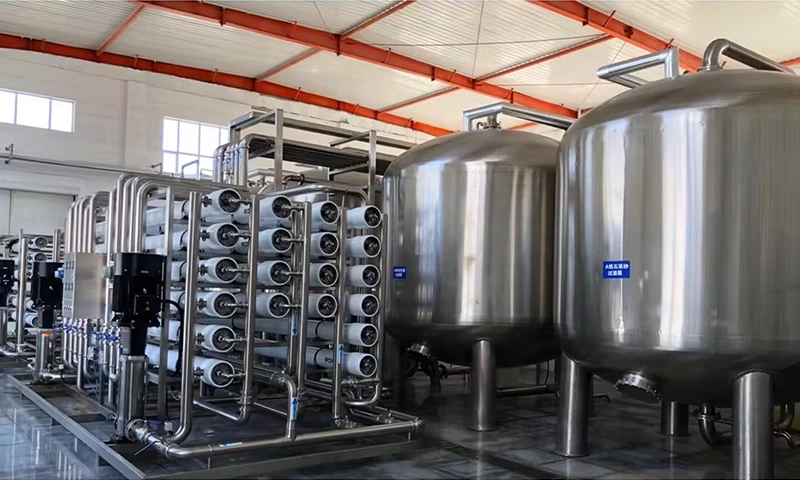
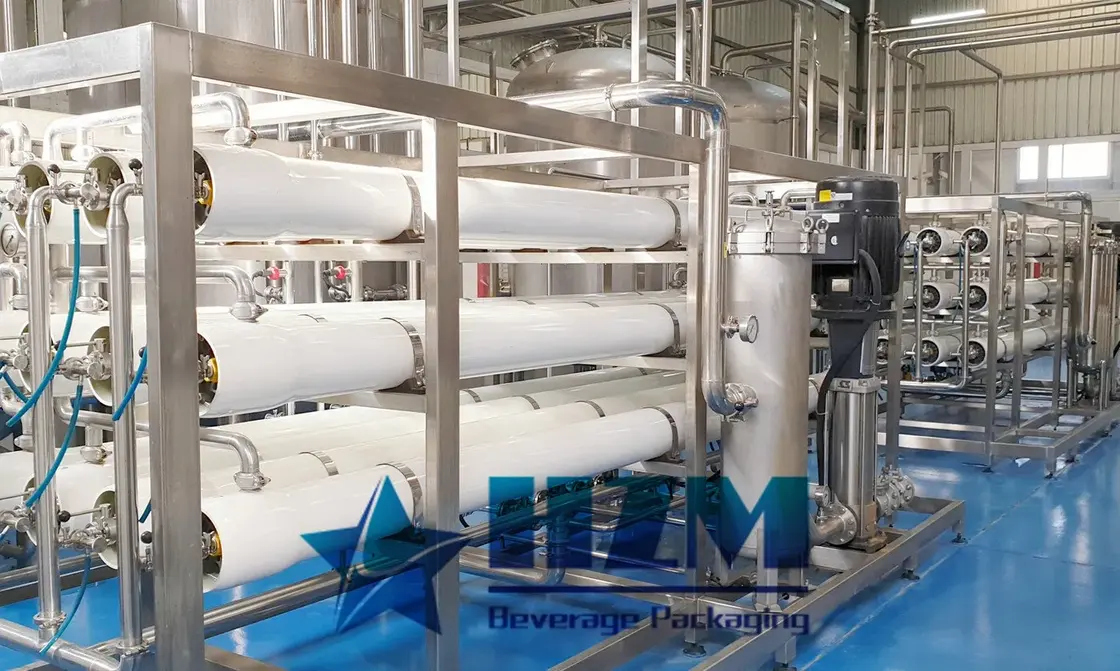
HZM water treatment systems prepare process water for bottled water, beverages and brewing.
Learn more
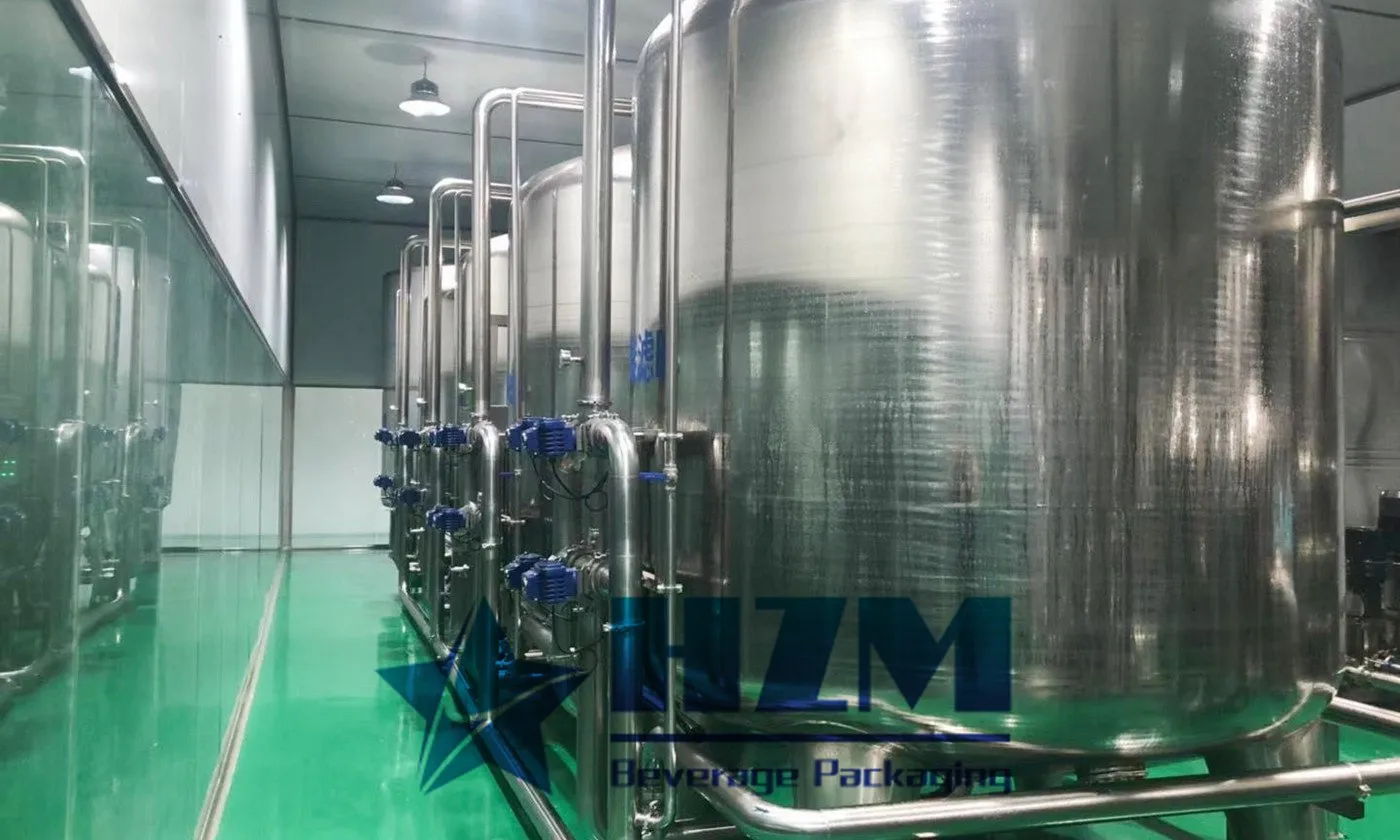
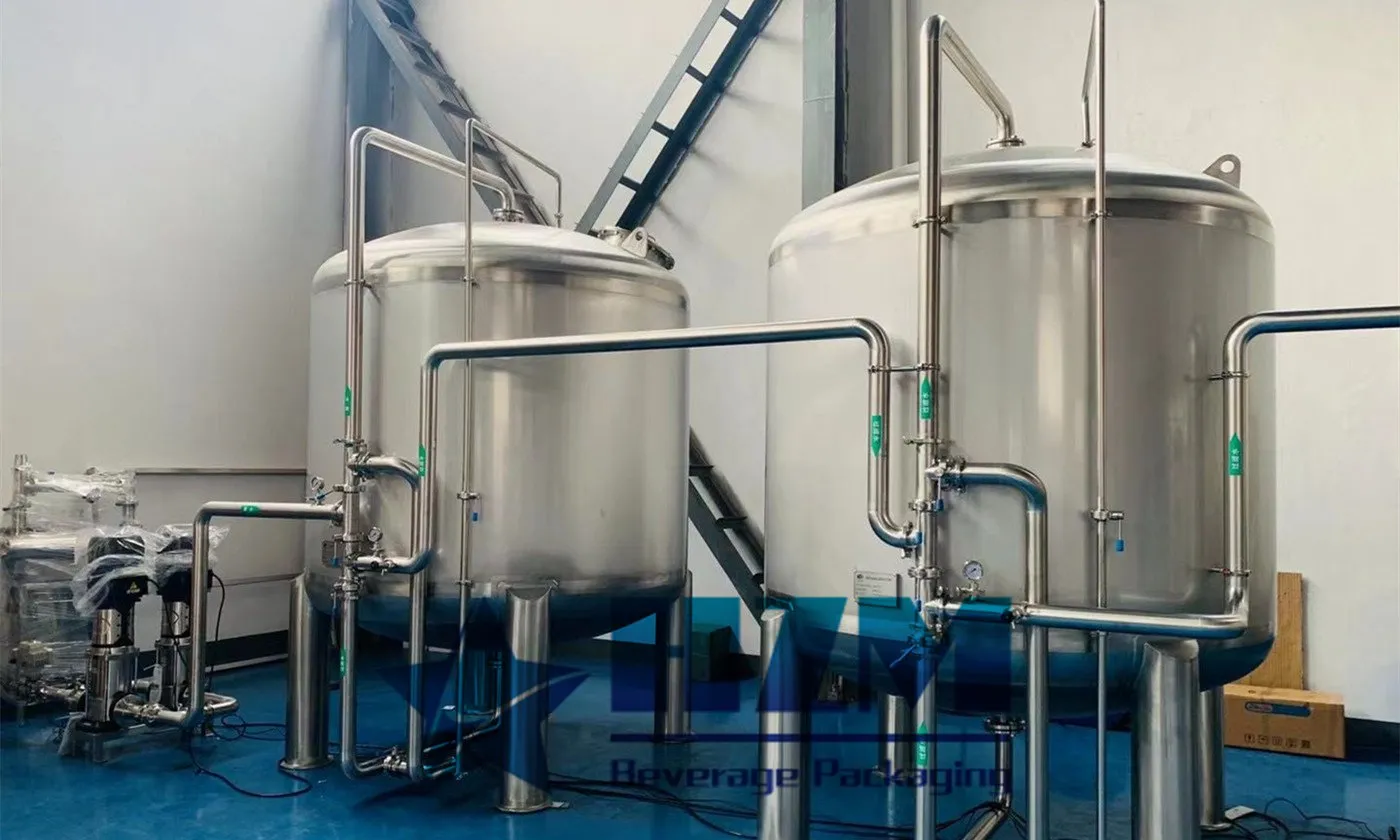
The water softener reduces calcium and magnesium hardness before water enters the downstream treatment system. By controlling scale-forming salts, it helps protect reverse-osmosis membranes and other equipment from mineral deposits.
Tip: You can request pricing for individual machines or a complete production line solution.
The water softener removes calcium and magnesium hardness through ion exchange. This reduces scale formation in downstream piping, heat exchangers and reverse-osmosis equipment. The resin is regenerated with brine so that the system can return to its softening cycle.
Cation exchange resin is filled in the softener, and it is regenerated by running in the downstream and countercurrent. When the filtered water enters the softener, Ca2+and Mg2+ions in the water will exchange with the cation exchange resin, and calcium and magnesium ions will be adsorbed on the exchange group.When the softened resin fails, a certain concentration of salt solution is used to pass through the failed cation resin layer from top to bottom to restore the working capacity of the failed resin.
Product Water
Untreated raw water flows through the resin layer from top to bottom, and ion exchange reaction takes place to produce softened water, which is discharged from the soft nozzle.
Back Wash
After the resin fails, it needs to backwash first. Raw water flows through the resin layer from bottom to top, and backwash sewage is discharged from the drain outlet. The backwashing process can remove the suspended solids trapped in the resin layer, destroy the resin hardening, and loosen the resin so that the regenerated salt solution can be evenly distributed in the resin layer.
Regenerate
The saturated salt water in the salt tank is sucked into the raw water runoff by the salt suction valve to form the regenerated salt solution. Regenerated salt solution flows through the resin layer from bottom to top, that is, the exchange saturated resin is regenerated in the downstream, and the regenerated waste liquid is discharged from the drain outlet.
Rinsing
The raw water flows through the resin layer from top to bottom, so that the water can wash away the surplus salt liquid remaining in the regeneration, and the flushing sewage is discharged from the drain outlet.
Water Flooding
Inject water into the dissolved salt tank to dissolve salt crystals and form new saturated salt water for reuse next time.
Resin Replacement
If the regeneration frequency of the softener is too high or the hardness of the effluent cannot meet the requirements after regeneration, the softened resin has failed, and the softened resin needs to be replaced. The failure period of softened resin varies according to the hardness of raw water and the use frequency of softener, generally 2-3 years.
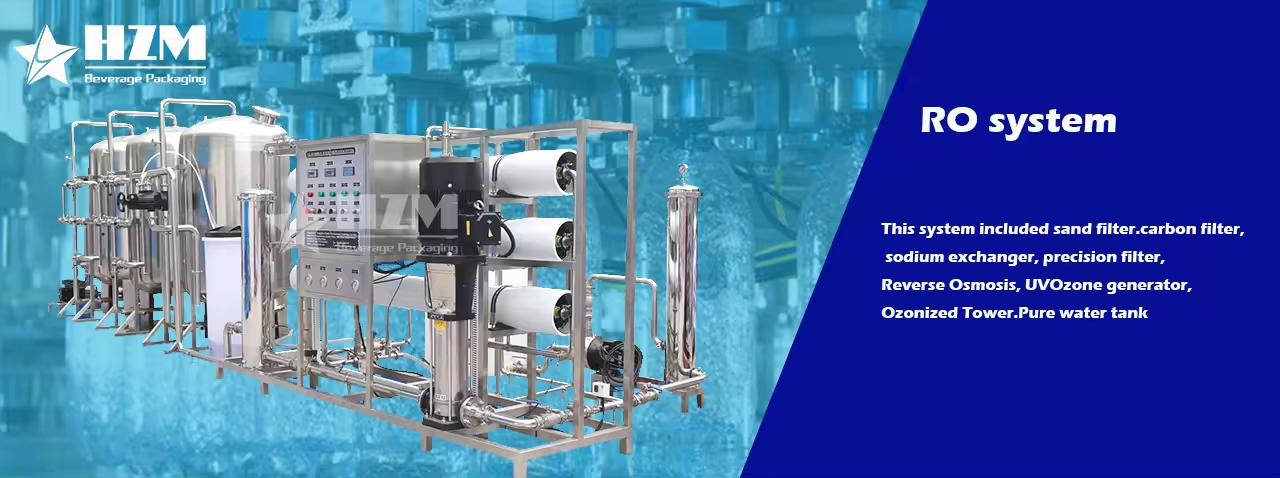
Please provide a recent raw-water analysis, required treated-water standard, hourly demand, operating hours, available utilities and installation space. HZM uses these data to select pretreatment, membrane or polishing stages.
Source-water hardness, salinity, turbidity, iron, manganese, microbiology and other parameters determine the process route. Selecting equipment without these data can lead to unstable water quality, low recovery or unnecessary operating cost.
Expansion or process changes may be possible, but the new feed-water analysis and demand must be reviewed. Tanks, pumps, membranes, pretreatment capacity, controls and available space determine what can be reused.
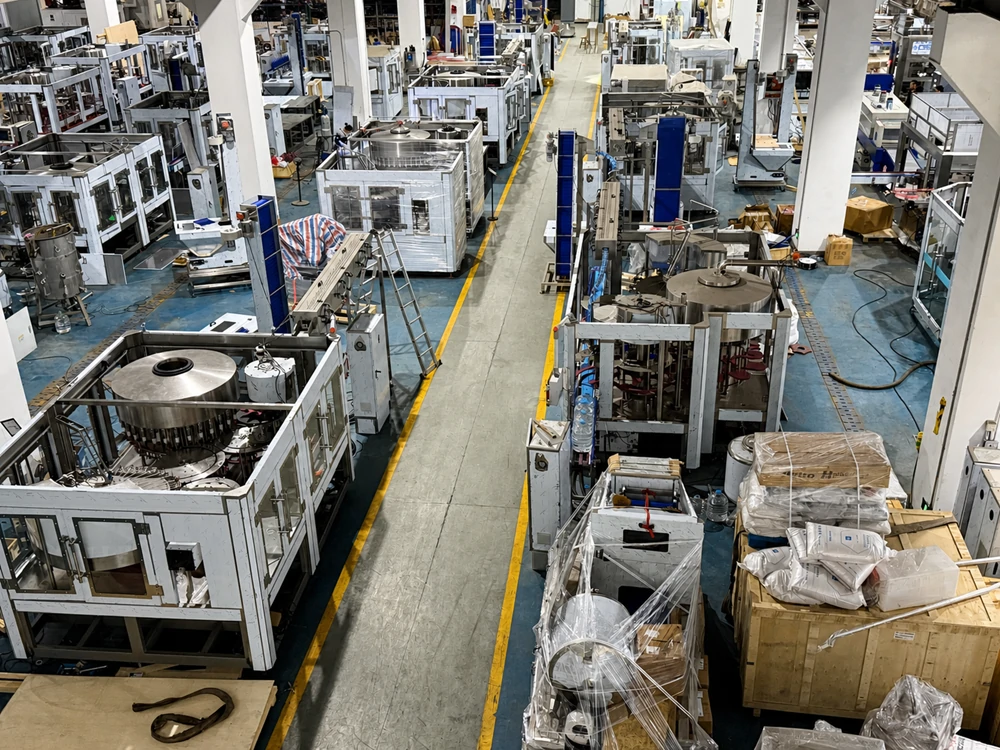
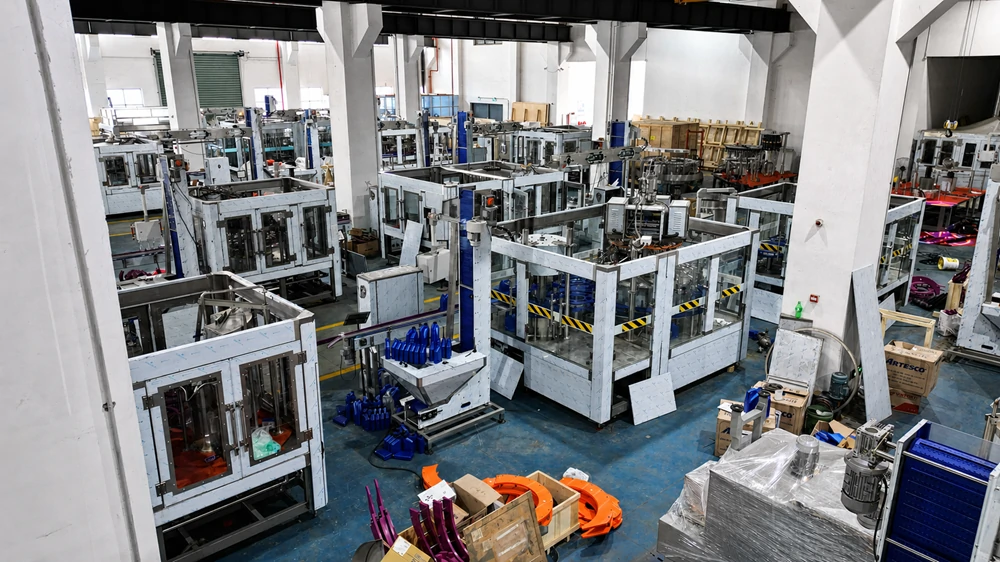
Yes. HZM can coordinate upstream processing or bottle making with filling, labeling, coding, packaging, conveying and palletizing. Layout, utilities, controls, factory testing, installation, commissioning and training are defined by the agreed project scope.
Talk to an engineer
Send your capacity, bottle specification and beverage type for a complete proposal.
Equipment
HZM water treatment systems prepare process water for bottled water, beverages and brewing.
Learn moreEquipment
This industrial drinking-water treatment system supplies treated water to bottling and beverage plants.
Learn moreEquipment
The ultrafiltration water purification system uses membrane separation to remove fine particles and colloids from water.
Learn moreEquipment
Water pretreatment removes particles and prepares raw water for the next purification stage.
Learn moreEquipment
Drinking-water treatment equipment with stainless-steel construction, automatic valves and online monitoring for beverage production.
Learn moreEquipment
HZM water purification equipment combines filtration, membrane treatment and final treatment in one process.
Learn moreEquipment
The RO water treatment plant produces purified water through feed-water pretreatment and reverse-osmosis membrane separation.
Learn moreEquipment
10 T/H reverse osmosis water treatment for food and beverage production, with pretreatment and stainless-steel equipment options.
Learn moreEquipment
The reverse osmosis system treats water for bottled-water and beverage production.
Learn moreSolution & application
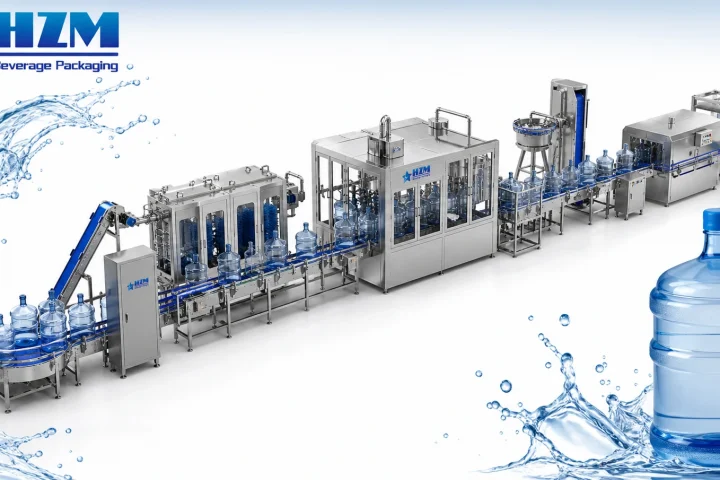 Complete production line
3-5 Gallon Water Production Line
Explore solution →
Complete production line
3-5 Gallon Water Production Line
Explore solution →
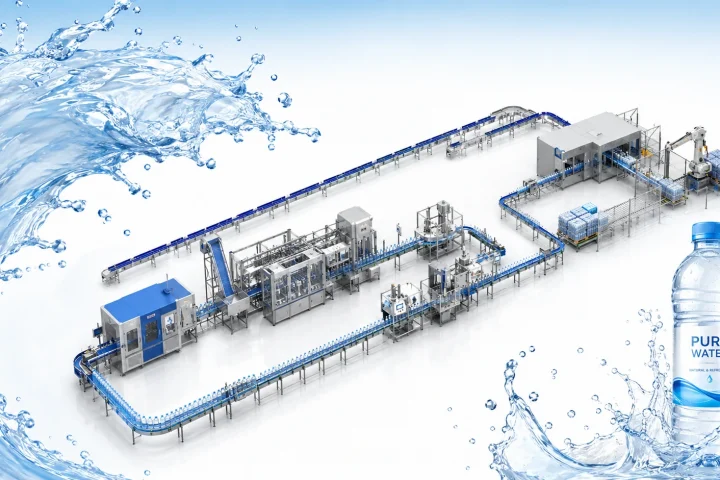 Complete production line
Bottled Water Production Line
Explore solution →
Complete production line
Bottled Water Production Line
Explore solution →
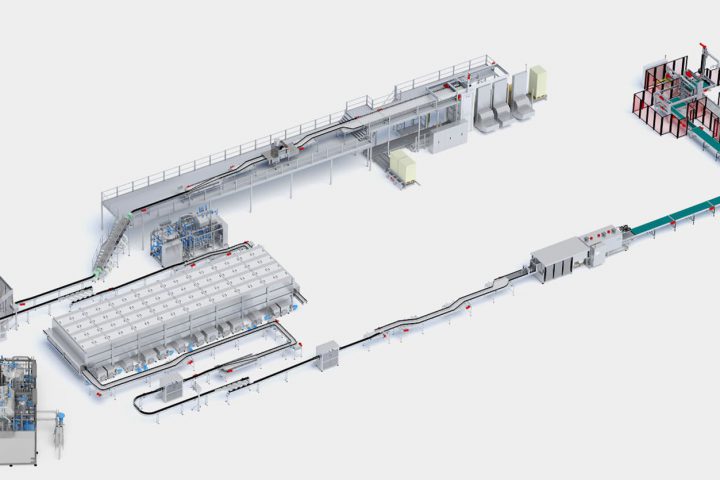 Complete production line
Cans Filling Production Line
Explore solution →
Complete production line
Cans Filling Production Line
Explore solution →
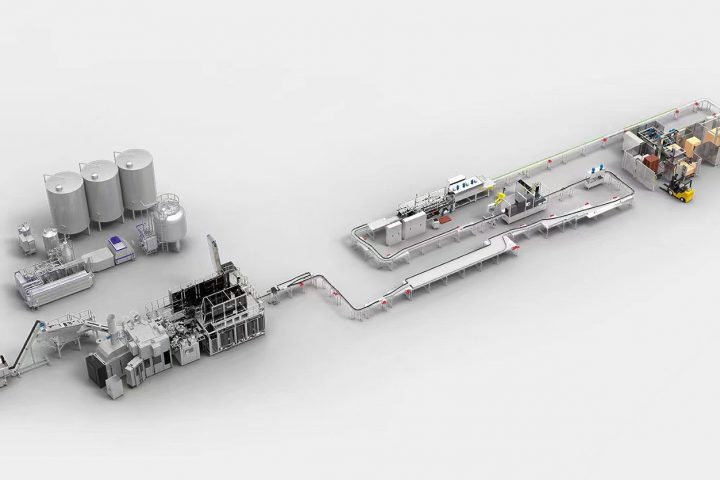 Complete production line
CSD Filling Production Line
Explore solution →
Complete production line
CSD Filling Production Line
Explore solution →
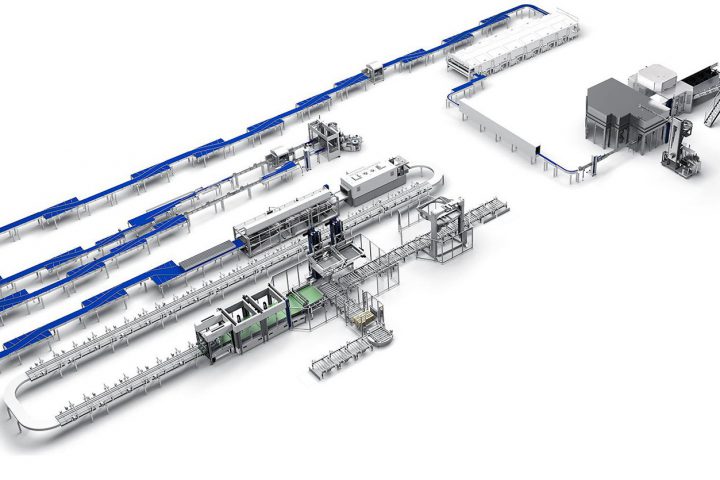 Complete production line
Juice Filling Production Line
Explore solution →
Complete production line
Juice Filling Production Line
Explore solution →
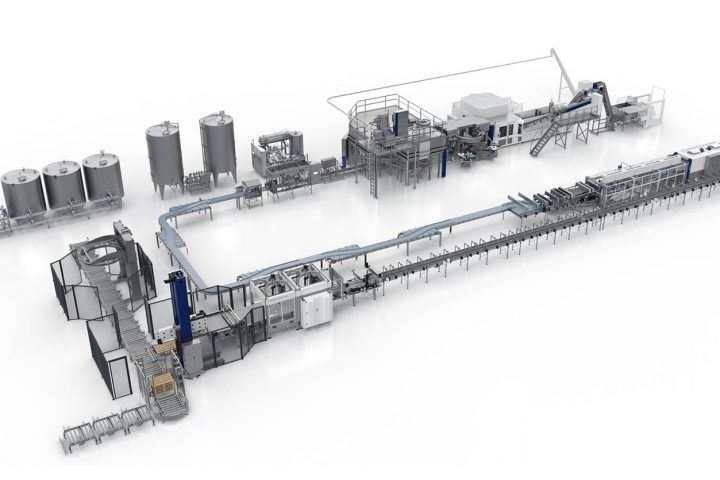 Complete production line
Water Filling Production Line
Explore solution →
Complete production line
Water Filling Production Line
Explore solution →
Build your production line
Tell us your beverage, container, capacity and target market. Our engineering team will prepare a practical line proposal.