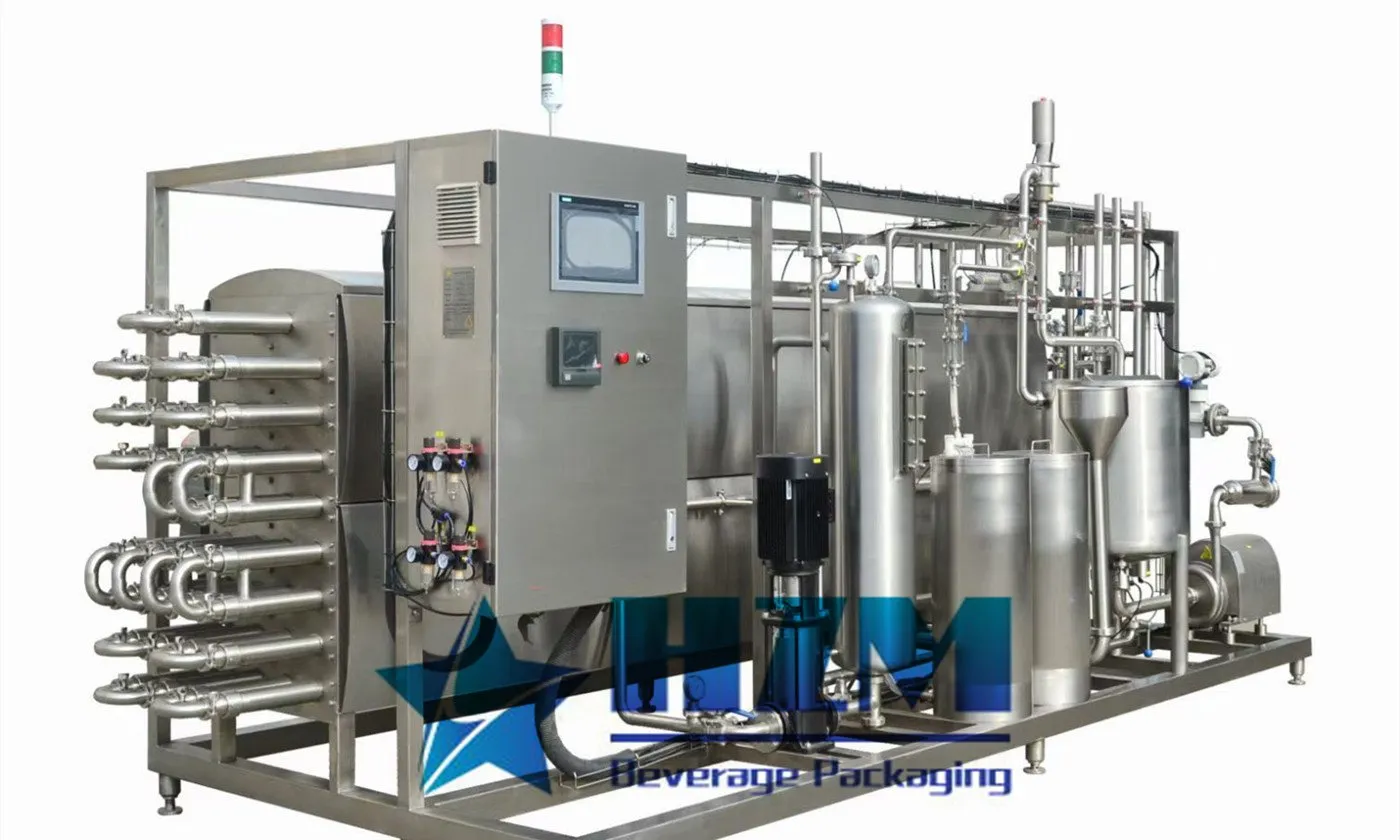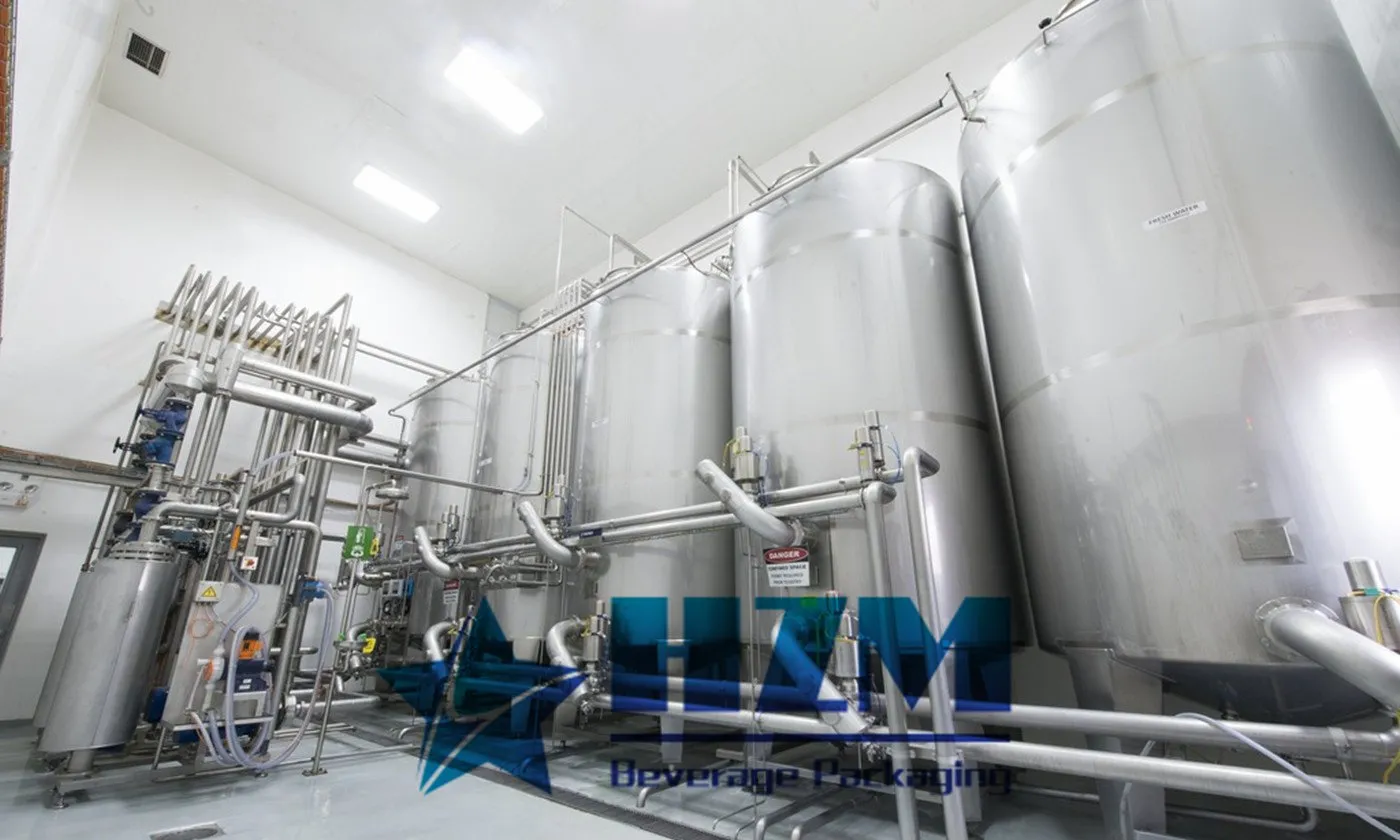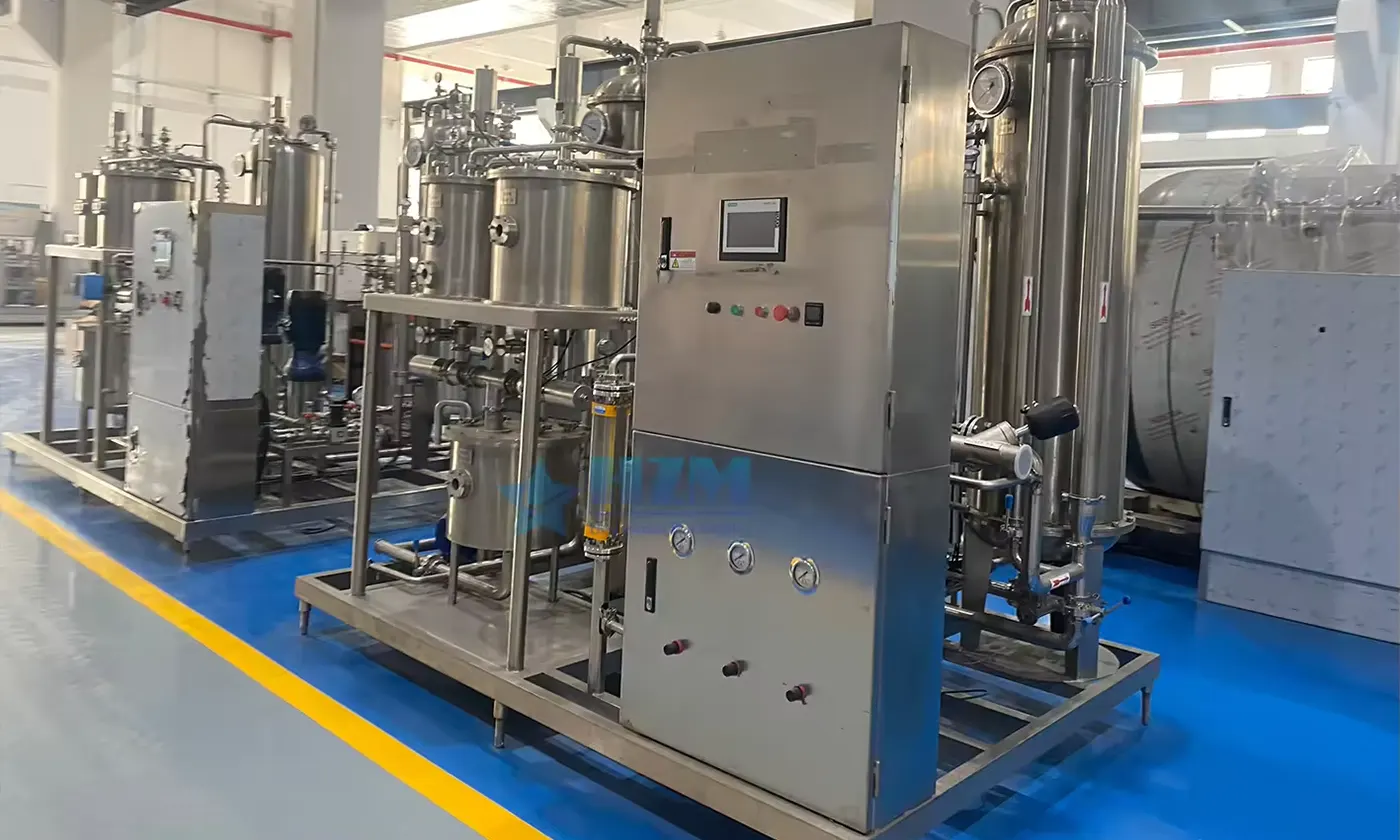
Beverage processing system

HZM Machinery product range

Beverage processing system

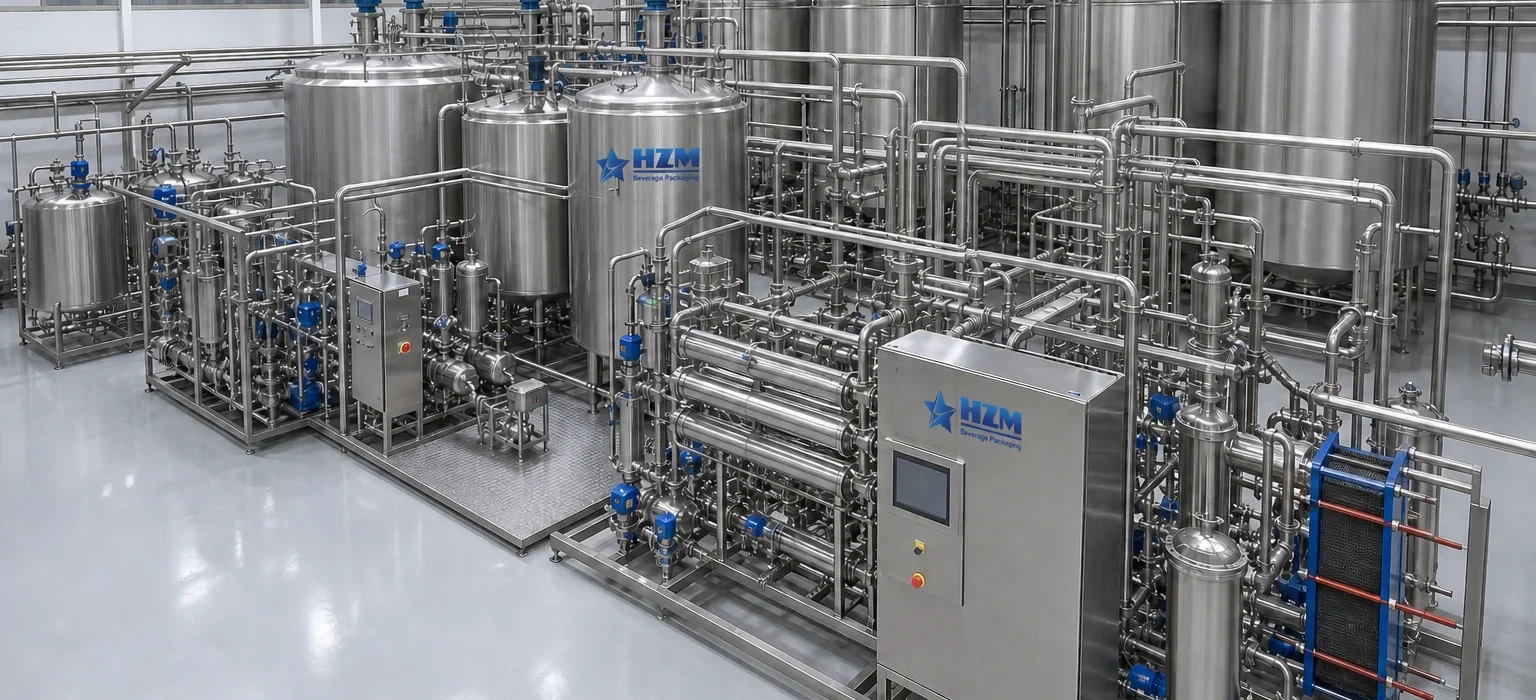
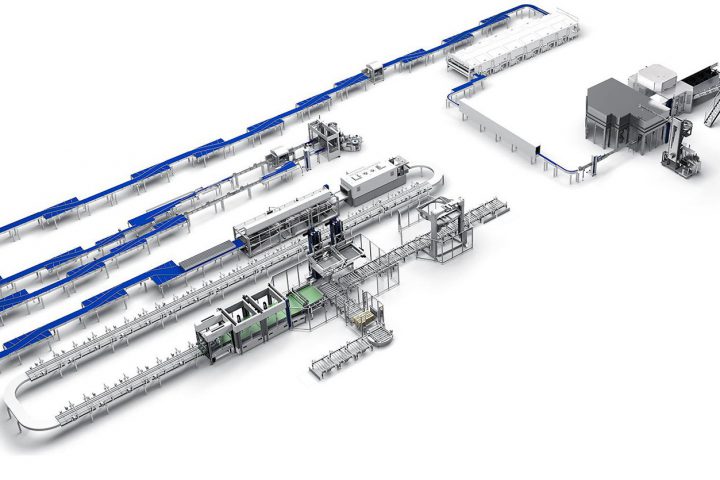
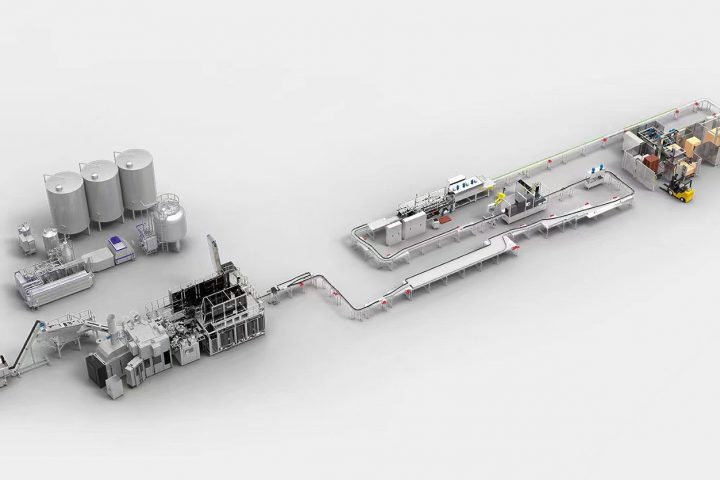
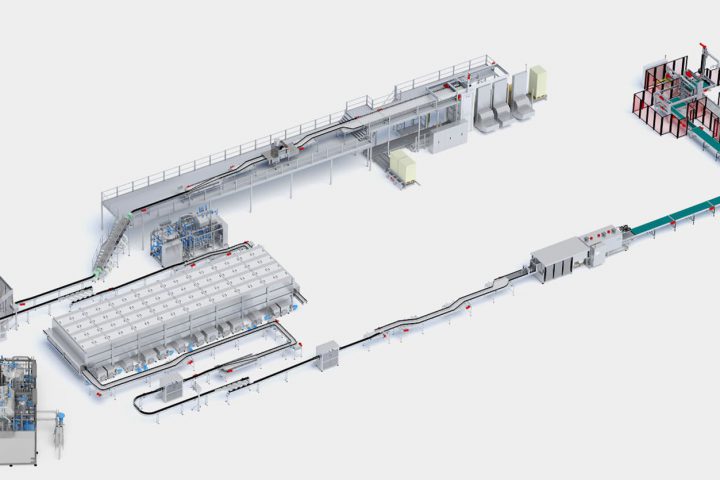
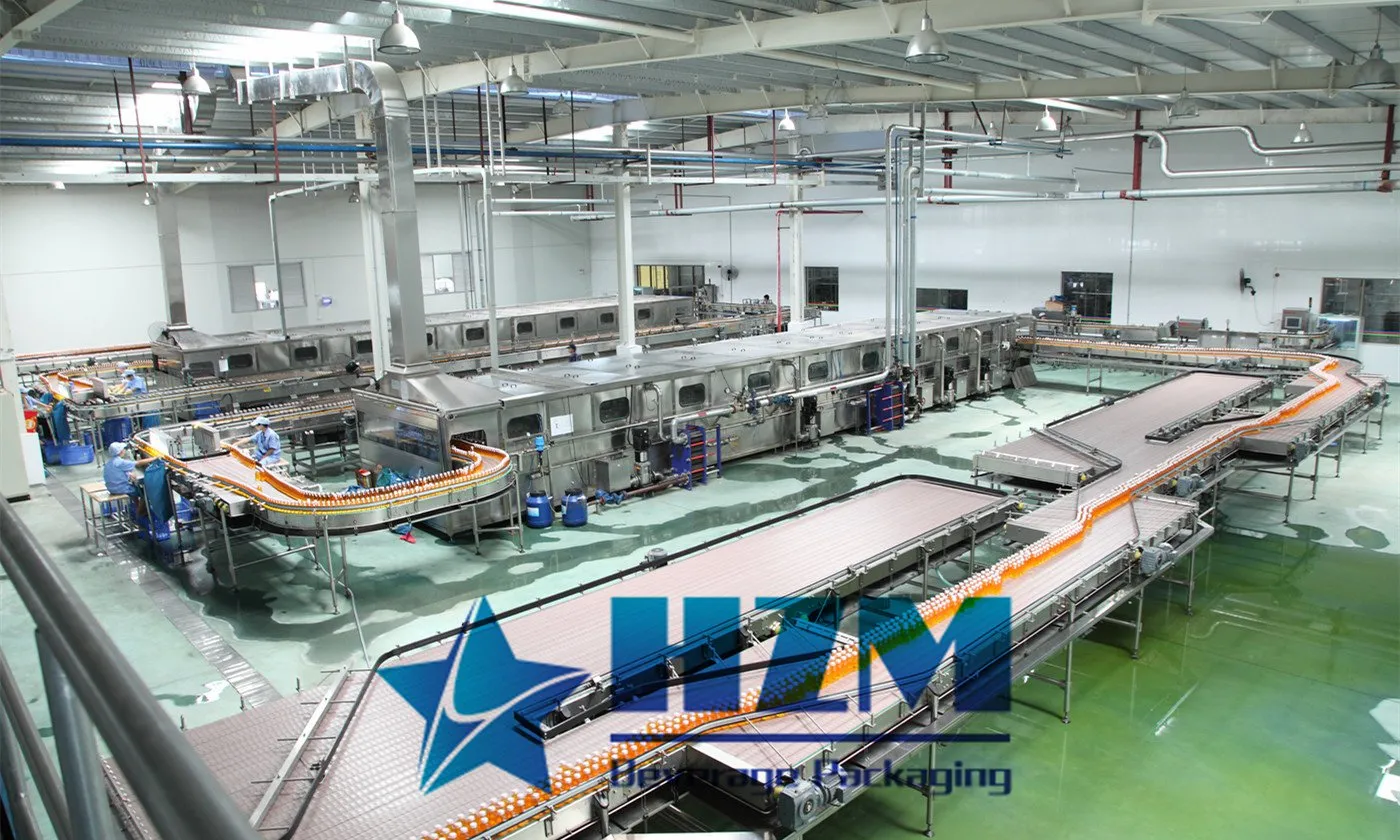
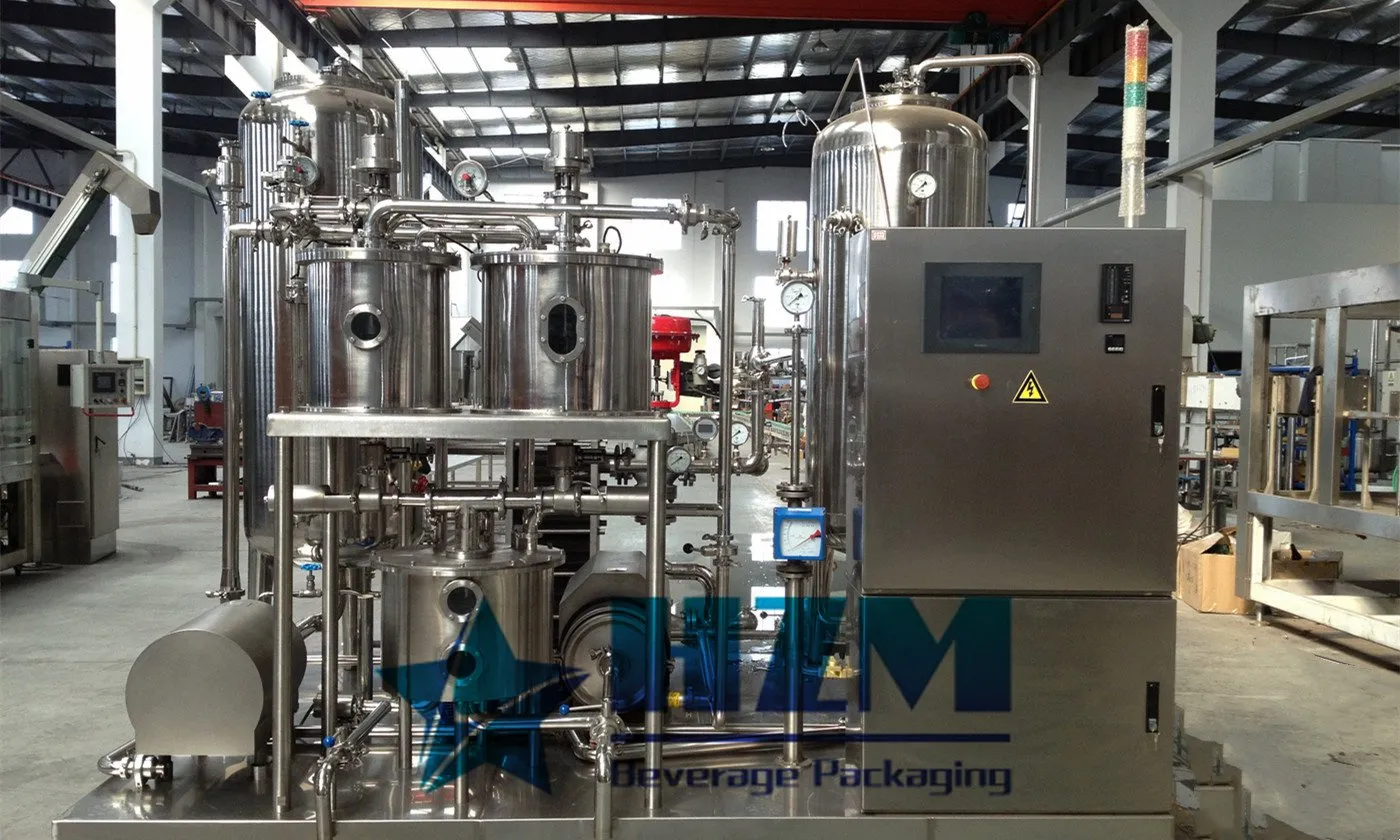
Beverage processing system specially for juice or CSD beverage line. It is composed of hot water system, sugar dissolving system (Primary syrup system), concentrate system, mixing system (Final syrup system), CIP system, extraction system, storage tank/ valves/ pipe/fittings, UHT system (plate/ tubular type). Beverage processing system is core part of beverage production line; without good processing system, without good product. The capacity usually from 1T up to 20T per hour. The raw material can be flavor powder, fruit jam, fresh fruit, tea leaves.,etc Different raw material use different processing technology.

Equipment

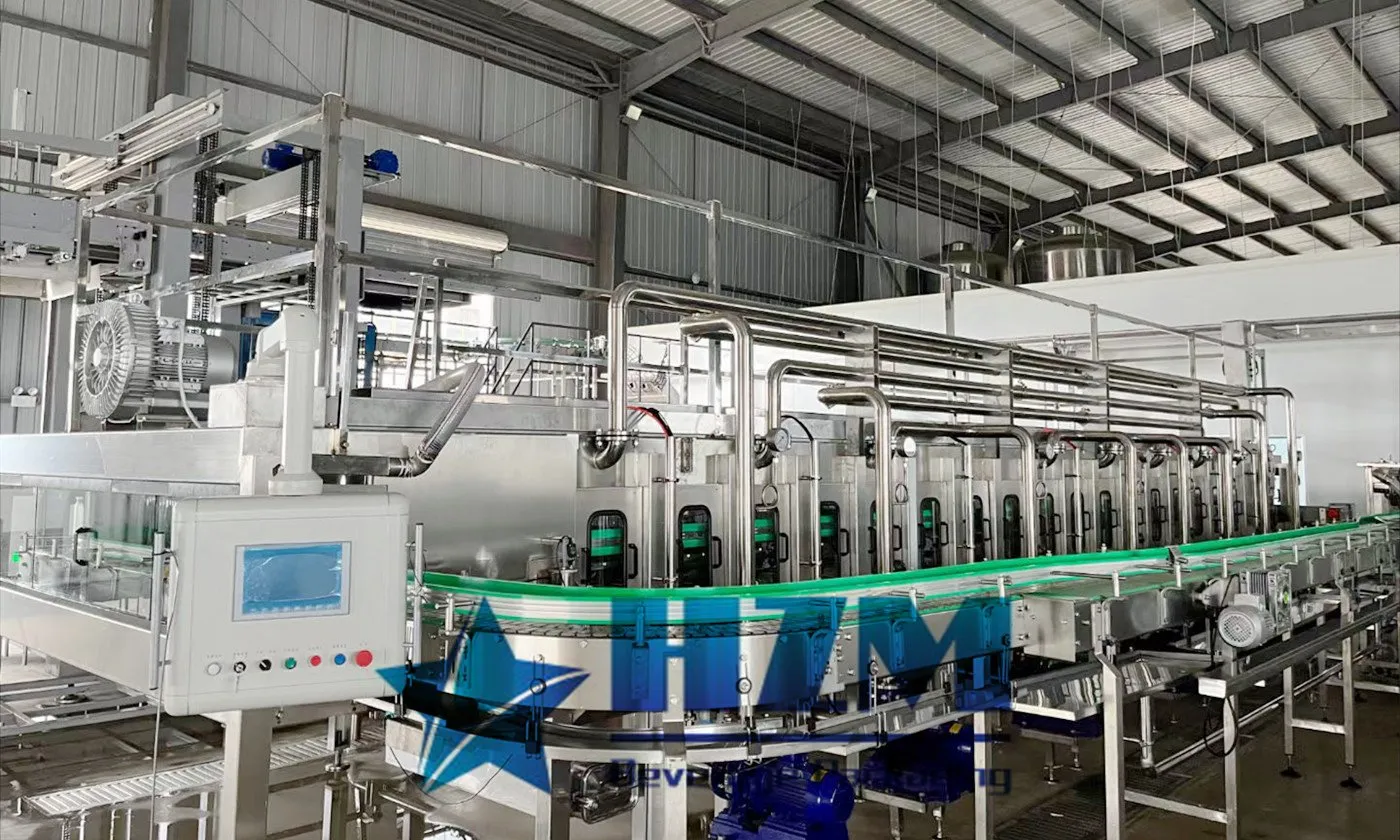
Tunnel Pasteurizer

This Tunnel Pasteurizer is configured for controlled heating or cooling of bottled and canned beverages; final scope follows the approved process, package and plant…

Learn more

Equipment

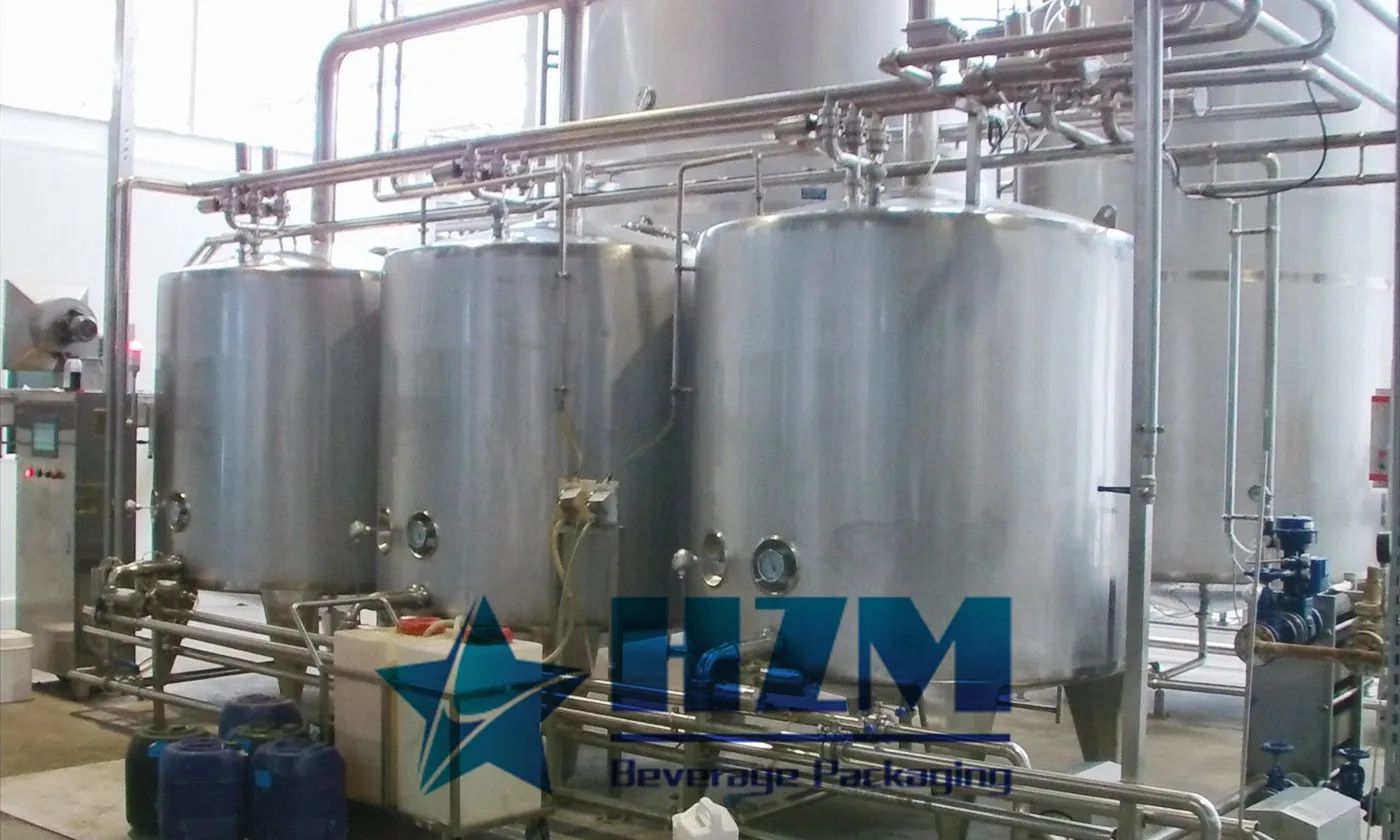
CIP System

This CIP System is configured for sanitary cleaning of beverage tanks, pipelines and filling equipment; final scope follows the approved process, package and plant…

Learn more

Equipment

Automatic Spraying Tunnel

This Automatic Spraying Tunnel is configured for controlled heating or cooling of bottled and canned beverages; final scope follows the approved process, package and…

Learn more

Equipment

UHT Sterilizer

This UHT Sterilizer is configured for thermal processing of juice, tea, milk-based and other beverage products; final scope follows the approved process, package and…

Learn more

About Beverage processing system

Beverage processing system specially for juice or CSD beverage line. Beverage processing system is core part of beverage production line

Practical buying guidance

How to Select the Right Beverage processing system

Use these project inputs to compare equipment on process suitability, stable output and total line compatibility—not price alone.

Key point for this category

Confirm the recipe, Brix, acidity, processing temperature, holding time, batch size and cleaning method before sizing mixing, homogenizing, pasteurizing and CIP equipment.

01

Define the product and process

Confirm whether the product is still, carbonated, hot-filled or viscous, together with its temperature, foaming behavior and hygiene requirements.

02

Confirm bottle and closure

Share bottle drawings, sample containers, neck finish, cap type, label material and the changeover range required for future SKUs.

03

Calculate practical output

Base capacity on saleable bottles per hour, production shifts, planned efficiency, cleaning time and the slowest machine in the complete line.

04

Check layout and utilities

Provide workshop dimensions and available water, power, compressed air, steam and drainage so the proposal can include a workable layout.

Have bottle samples or a workshop drawing? Send them with your target output for a more accurate line proposal.

Capacity and application reference

Capacity, Bottle Type and Beverage Comparison

The ranges below are typical planning references. Final speed and process configuration depend on the container, product and required automation.

Typical beverage production line capacity and packaging reference
Beverage or product Bottle or container Typical volume Typical output Common line configuration
Bottled water PET or glass 250 ml–2 L 2,000–36,000 BPH Water treatment, blowing, filling, labeling and packing
3–5 gallon water PC or PET returnable bottle 10–20 L 100–2,000 BPH Bottle inspection, washing, filling, capping and handling
Juice, tea and still drinks PET, glass or can 200 ml–2 L 2,000–30,000 BPH Processing, hot or cold filling, labeling and packing
Carbonated soft drinks PET, glass or can 200 ml–2 L 2,000–30,000 BPH Mixing, carbonation, isobaric filling and packaging
Edible oil and viscous liquids PET, HDPE or glass 500 ml–5 L 500–8,000 BPH Piston or flowmeter filling, capping, labeling and case packing

Manufacturing and factory testing

See Our Factory and Equipment Workshop

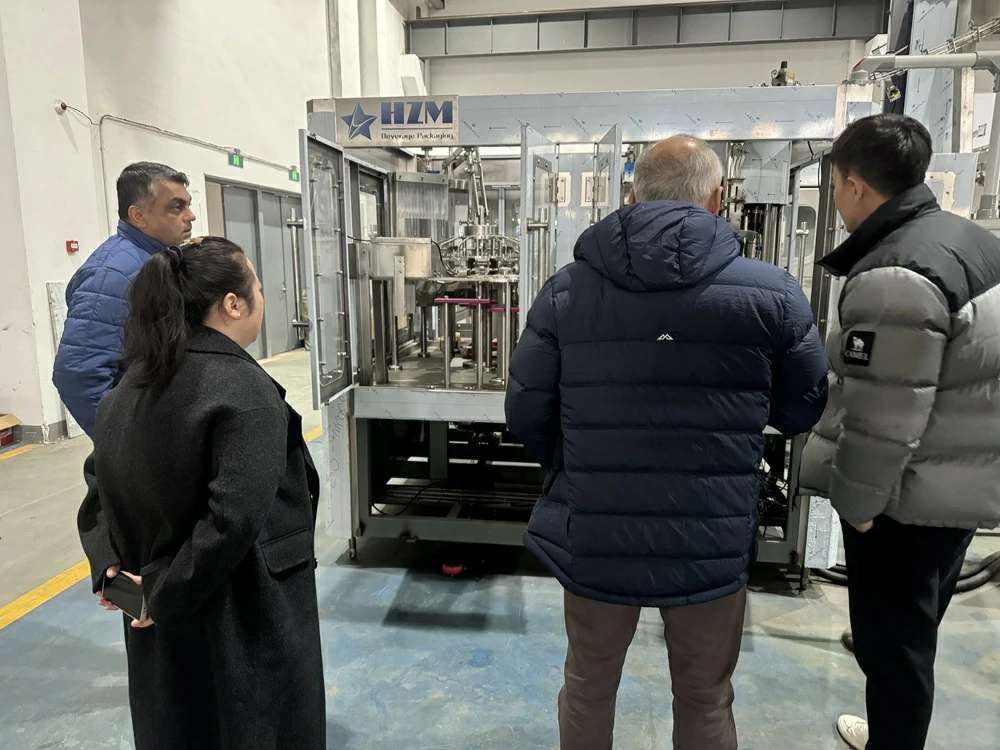
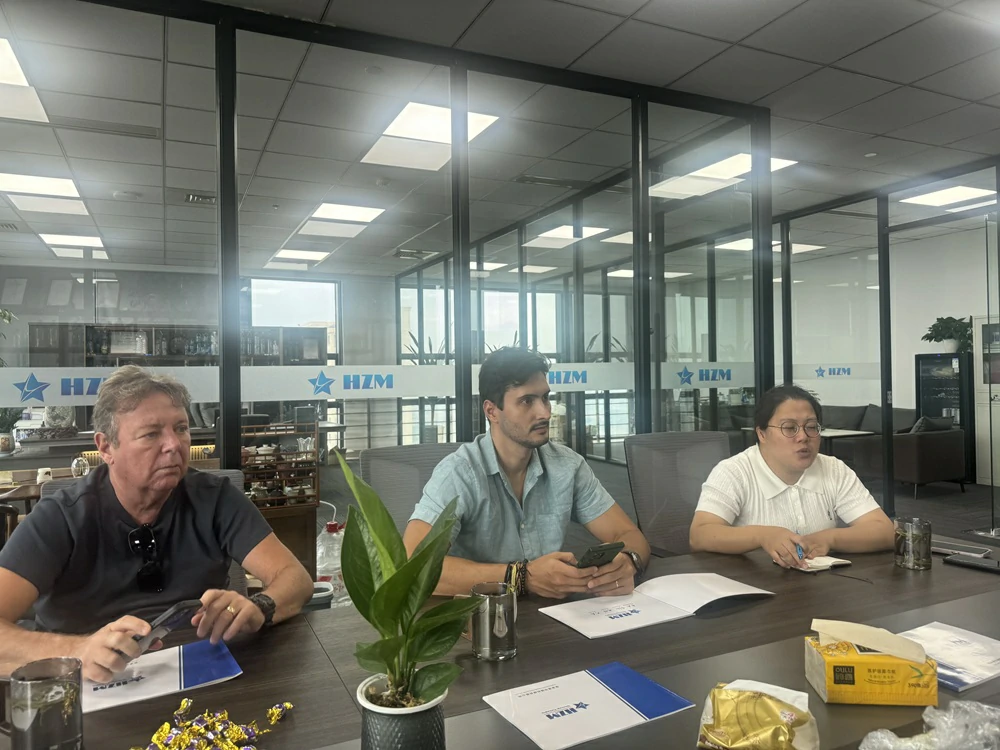
Review the production environment, machine assembly and testing capability behind an HZM equipment proposal.
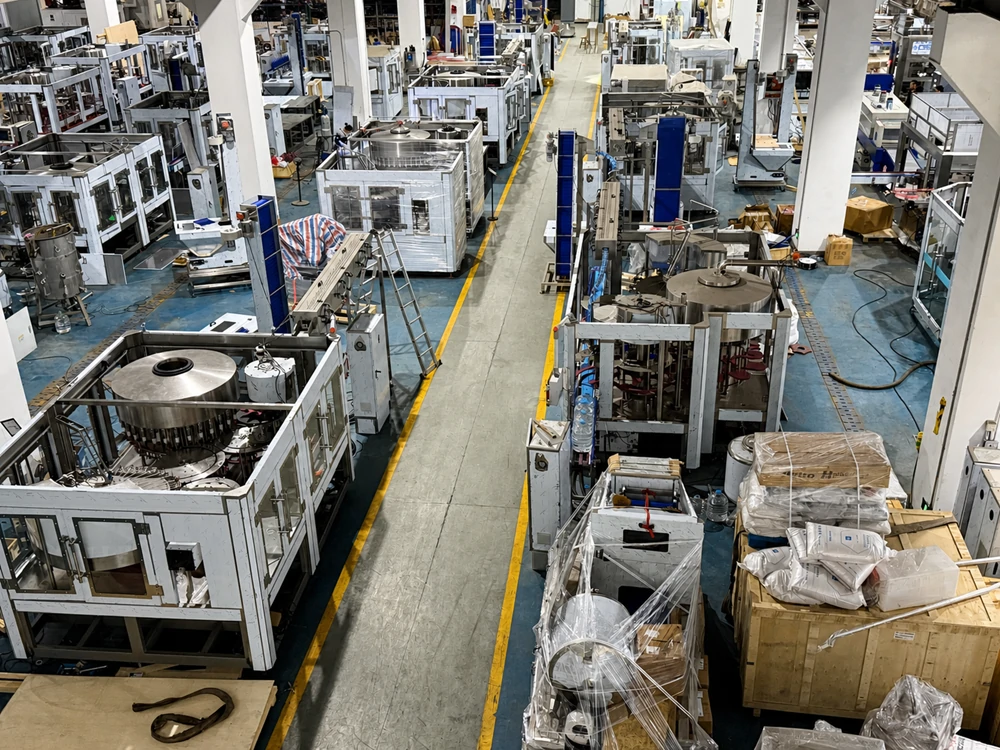
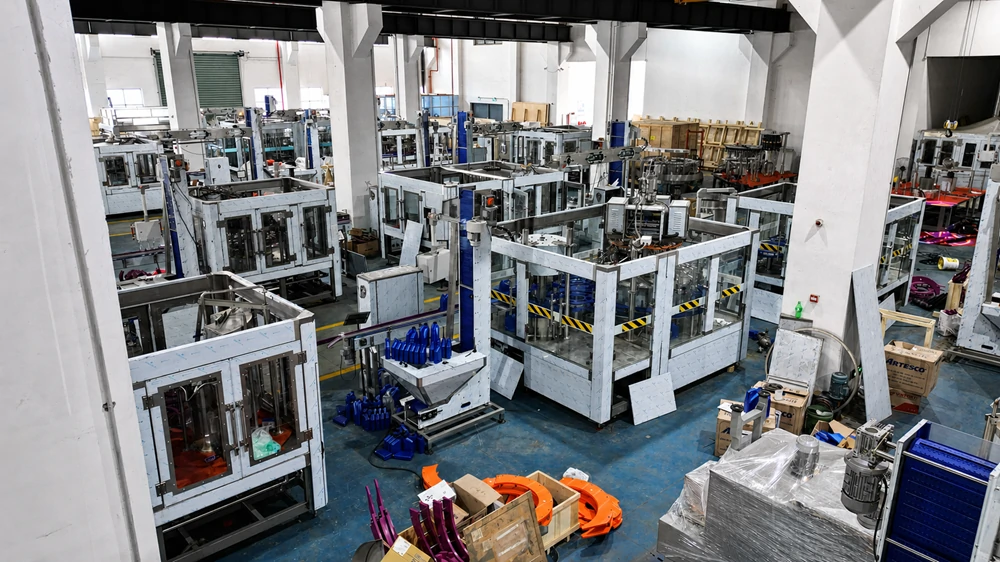
About HZM factory

Before requesting a proposal

Frequently Asked Purchasing Questions

Clear project inputs help reduce technical revisions and make equipment quotations easier to compare.

What information is needed to recommend the right beverage processing system?

Please provide the liquid or beverage, bottle drawing and volume, cap and label type, target output, workshop dimensions, utilities and the machines already available in your plant.

How should the required production capacity be calculated?

Use saleable output rather than only the rated speed. Consider daily demand, number of shifts, product changeovers, cleaning time, planned line efficiency and room for future growth.

Can HZM supply a complete turnkey production line?

Yes. A project can include water treatment or beverage processing, bottle blowing, rinsing, filling, capping, labeling, conveying, secondary packaging and palletizing according to the required scope.

Can one line handle several bottle sizes or products?

Many lines can be designed with change parts and adjustable settings for multiple formats. The practical range depends on bottle stability, neck and cap compatibility, product process and acceptable changeover time.

How is the equipment checked before shipment?

Machines are assembled, connected where the project scope allows, inspected and test-run before delivery. Factory acceptance requirements, samples and test conditions should be confirmed in the technical agreement.

What installation, training and after-sales support is available?

HZM can provide layout coordination, installation guidance, commissioning, operator training, manuals, spare-parts recommendations and remote or on-site technical support according to the final contract.

Build your production line

Talk with an HZM beverage packaging specialist

Tell us your beverage, container, capacity and target market. Our engineering team will prepare a practical line proposal.
WhatsApp Email Facebook