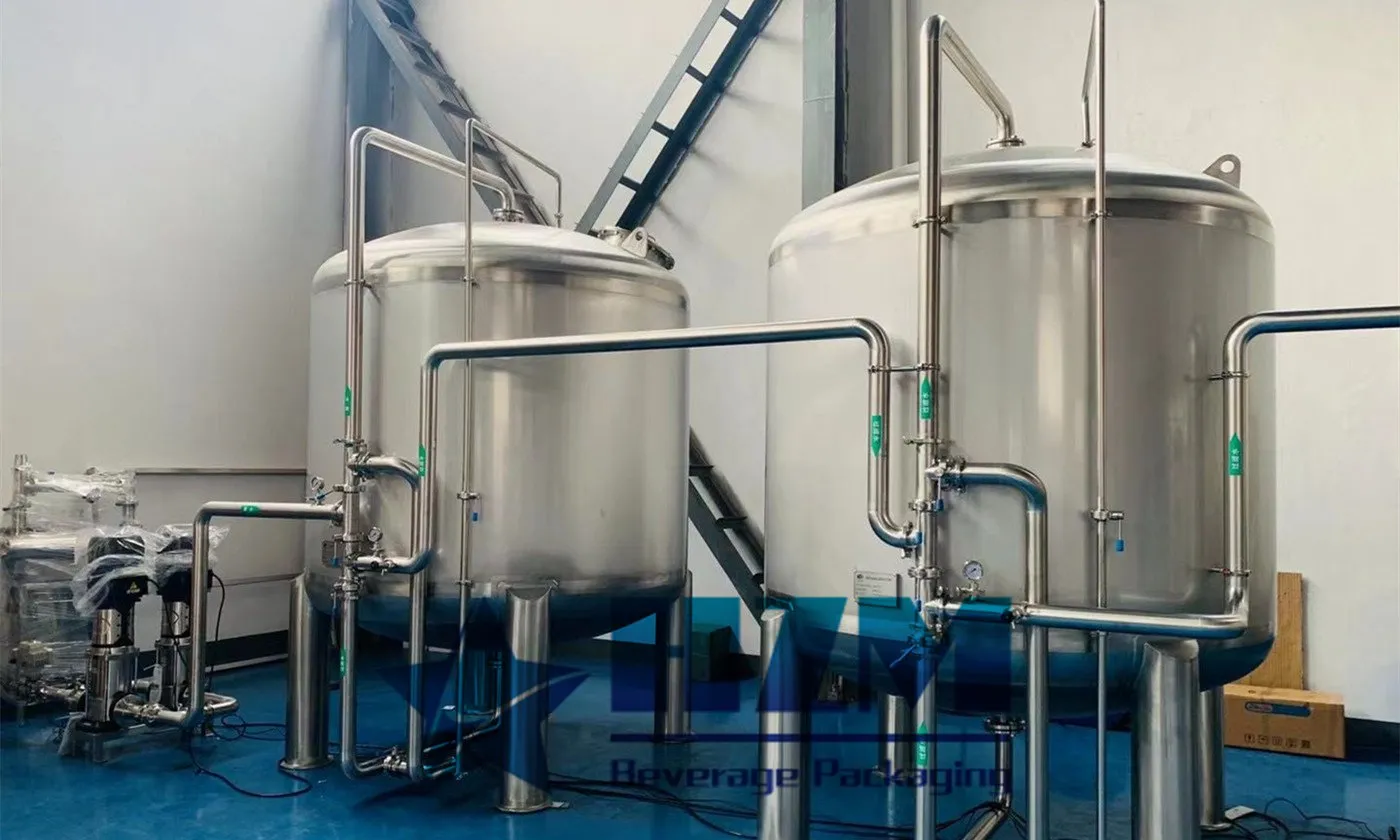
Equipment
RO System Water Treatment Plant
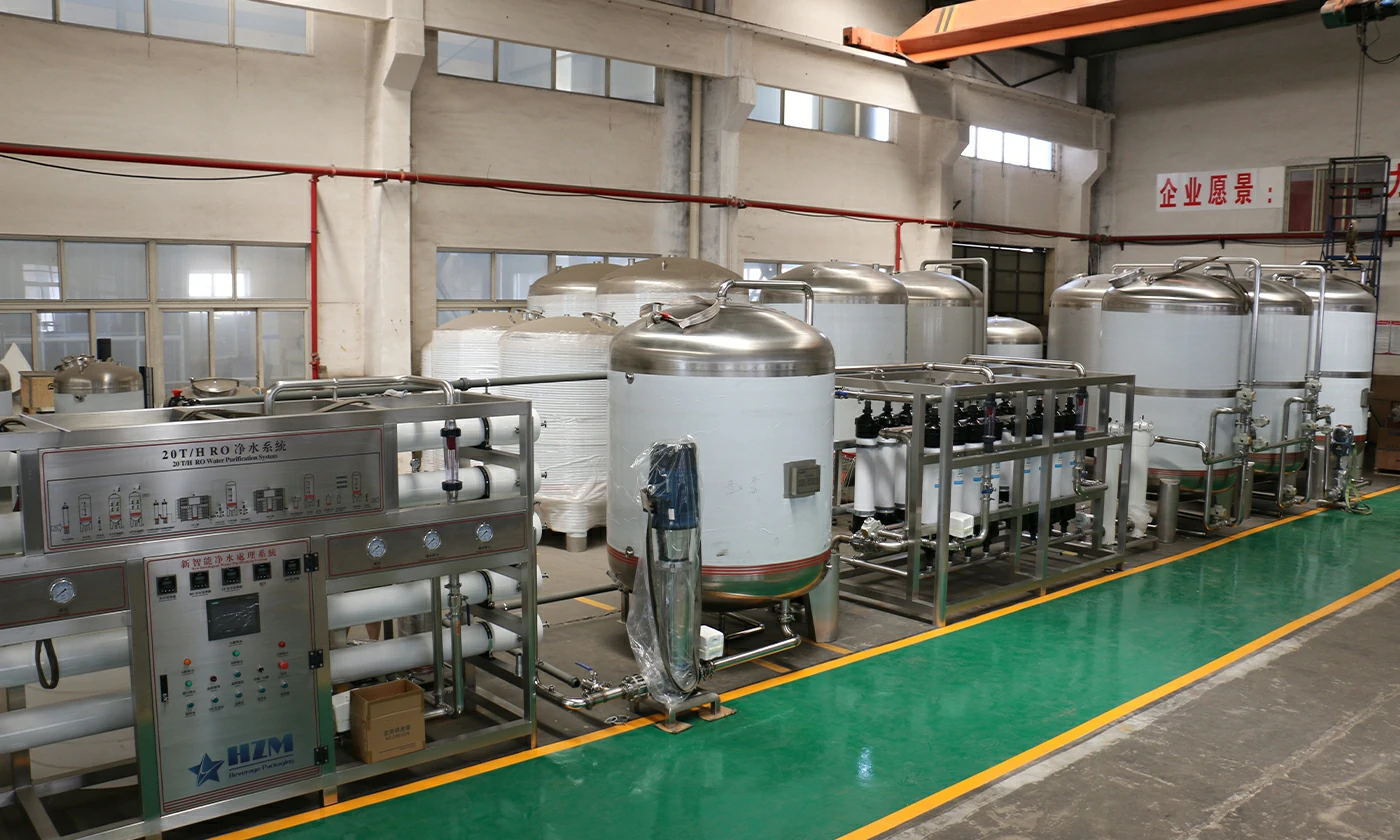
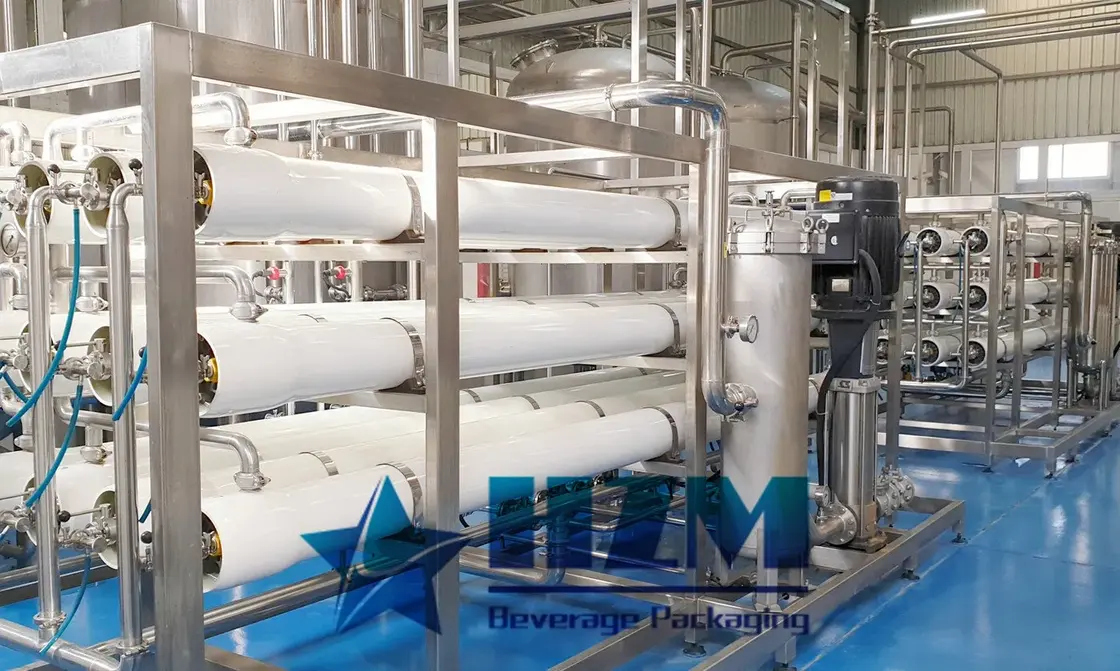
The RO water treatment plant produces purified water through feed-water pretreatment and reverse-osmosis membrane separation.
Learn more
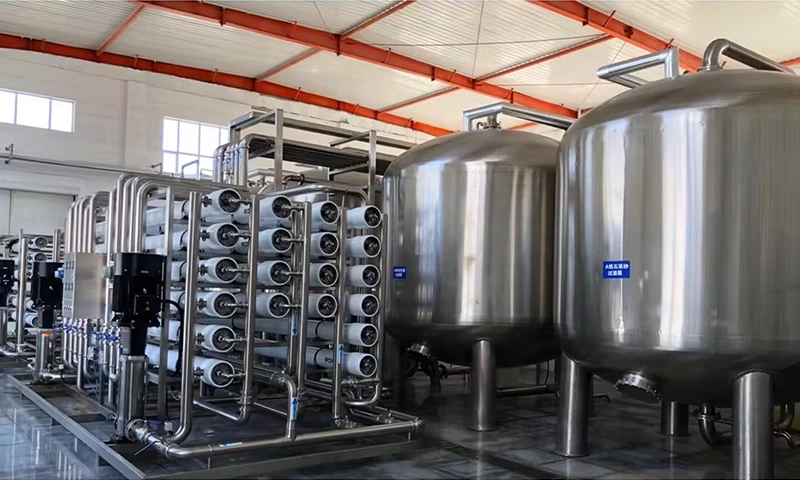
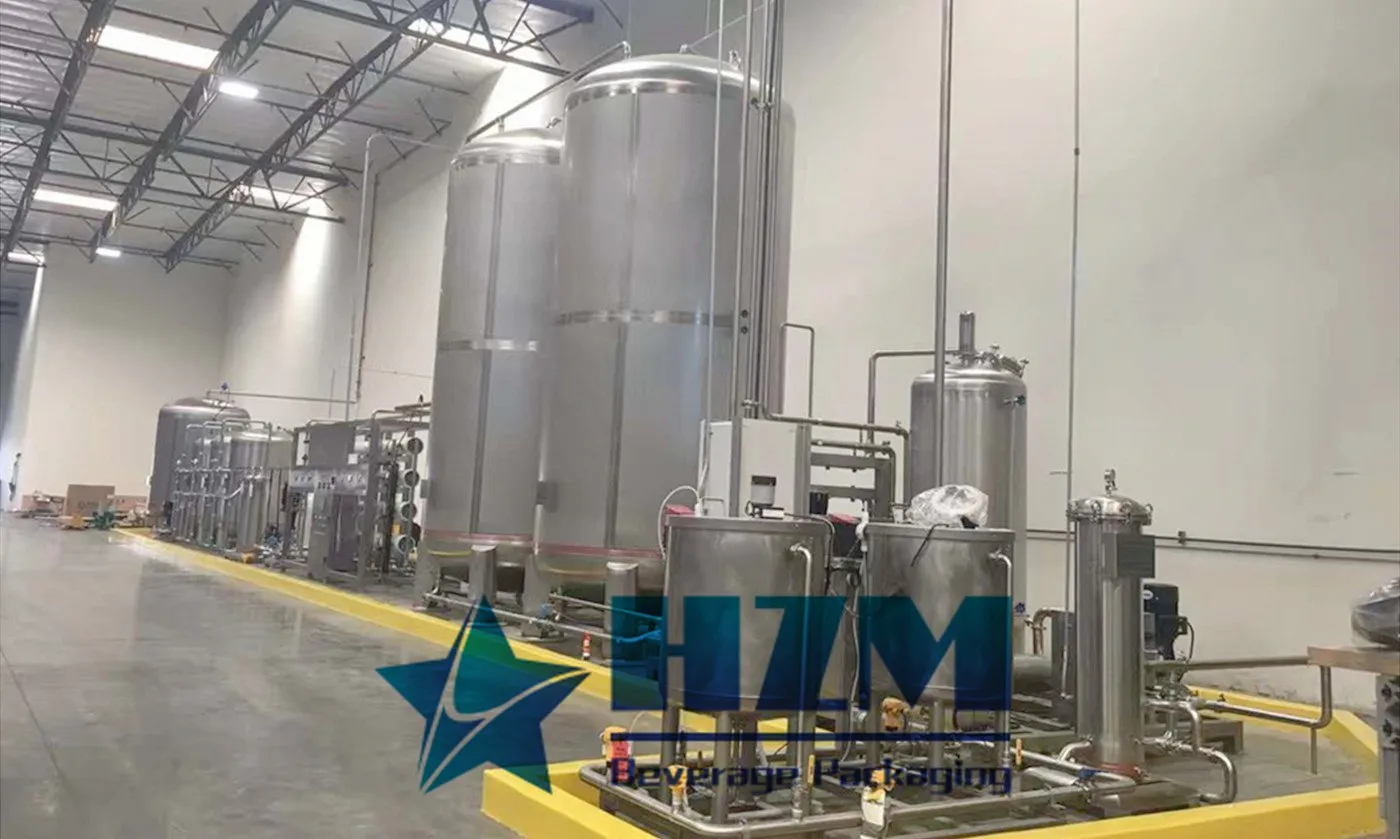
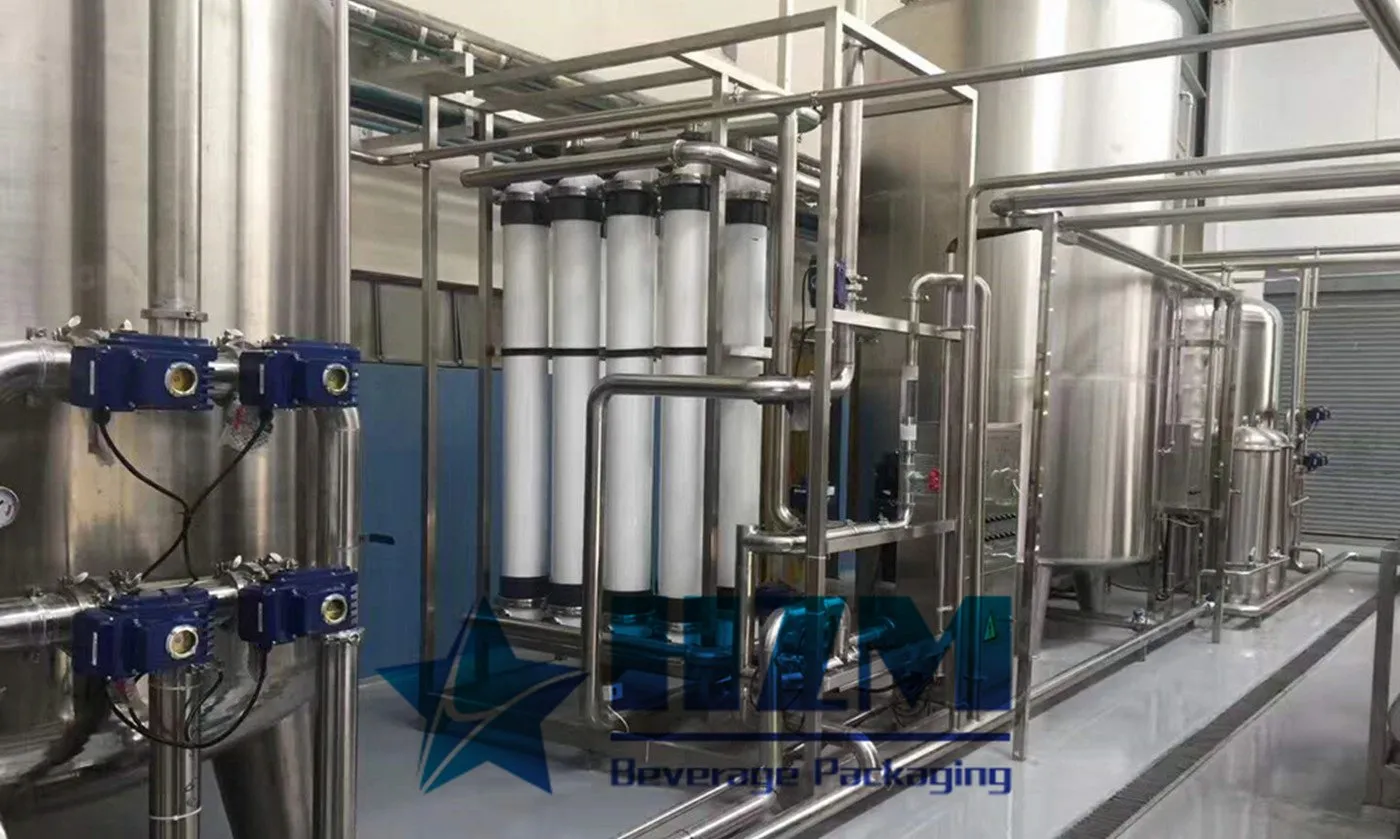
The reverse osmosis system treats water for bottled-water and beverage production. Pretreatment protects the membranes from suspended solids and other feed-water contaminants, while the RO stage reduces dissolved salts. Storage and final treatment equipment connect the purified-water supply to the bottling line.
Tip: You can request pricing for individual machines or a complete production line solution.
Reverse osmosis water treatment combines feed-water pretreatment with membrane separation to reduce dissolved salts. Filters and other pretreatment equipment protect the membranes, while storage and final treatment prepare the water for beverage or bottled-water production.
| Product Name | Industrial Reverse Osmosis Water Treatment Plant |
| Brand | HZM |
| Production Capacity | 2,000 L/H |
| Application | Beverage, Pure Water, Juice, Soft Drinks |
| Suitable Water Sources | Well Water, Groundwater |
| RO Membrane | USA DOW Membrane |
| Control System | PLC |
| PLC Brand | Mitsubishi |
| Pump Brand | CNP |
| Core Components | Gearbox, Pressure Vessel, Engine, Motor |
| Machine Weight | 5,000 kg |
| Dimensions | Customized |
| Features | Eco-Friendly |
| Machinery Test Report | Provided |
| Video Outgoing Inspection | Provided |
| Warranty | 2 Years |
| After-Sales Service | Free Spare Parts, On-Site Installation, Commissioning and Operator Training |
| Place of Origin | Jiangsu, China |
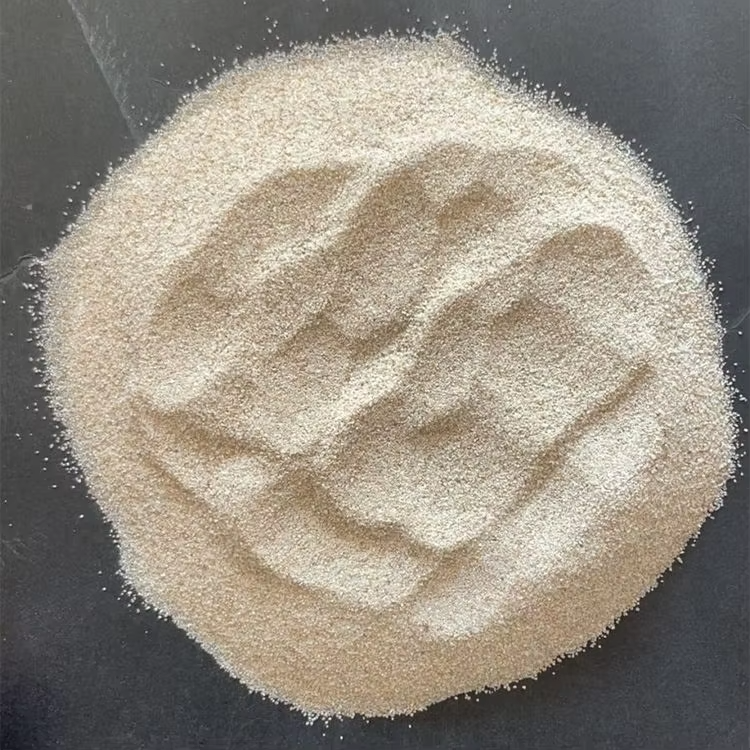
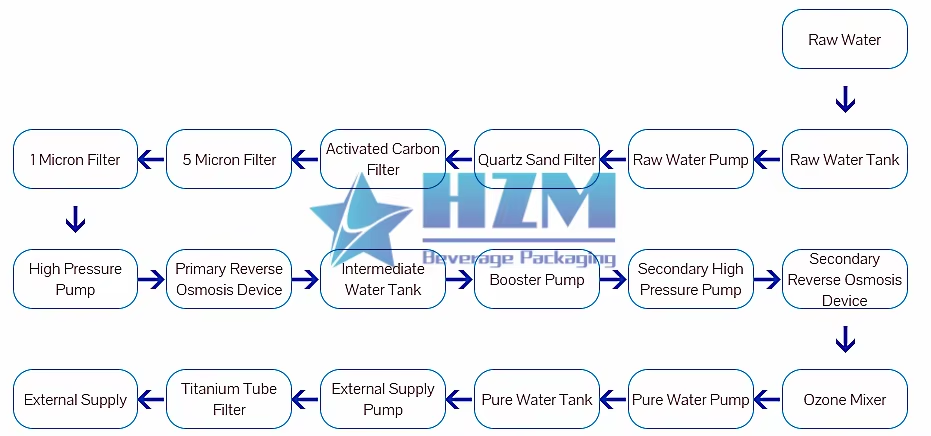
Function : Remove solid particles, colloids and suspended solids in the water source, reduce the pollution index SDI < 5, and ensure the safety of reverse osmosis membrane.
2.Activated carbon filter is composed the activated carbon filter is composed of pressure vessel and activated carbon filter material.
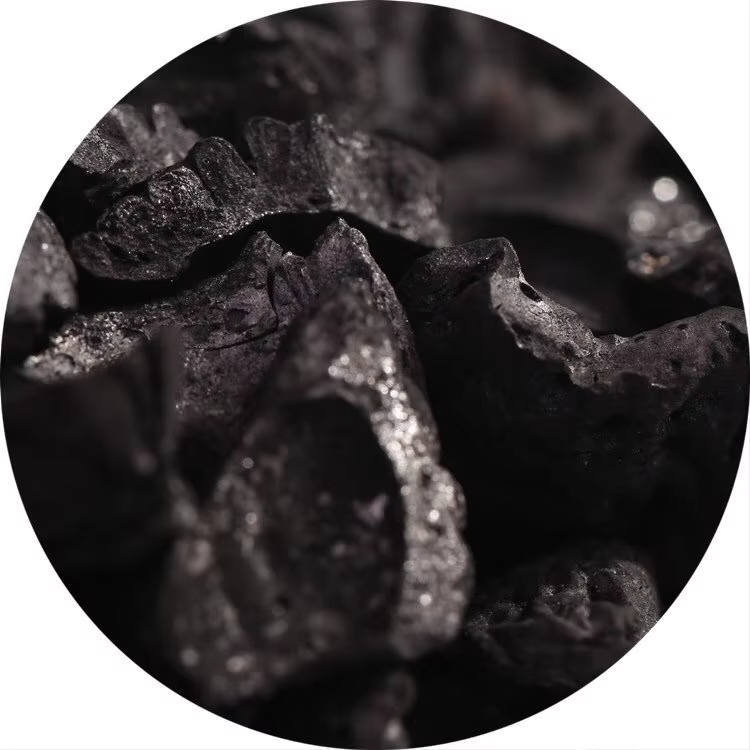
Function : Activated carbon has a porous structure and strong adsorption. It can effectively remove organic matter, colloidal substances and residual chlorine (< 0.1mg / L), reduce chromaticity, remove peculiar smell, improve the taste of water and protect the safety of RO membrane.
3. Softening device is composed of ion exchange resin (multi sodium type), pressure vessel, salt tank and regeneration cleaning control mechanism.
Function : Metal (calcium, magnesium, etc.) ions in water are replaced by ion exchange of resin.
2RNa+Ca2+=R2 Ca+2Na+
2RNa+Mg2+=R2Mg+2Na+
4. Precision filter (or security filter)it is composed of filter element (filter element with pore diameter ≤ 5 microns is recommended) and stainless steel pressure vessel.
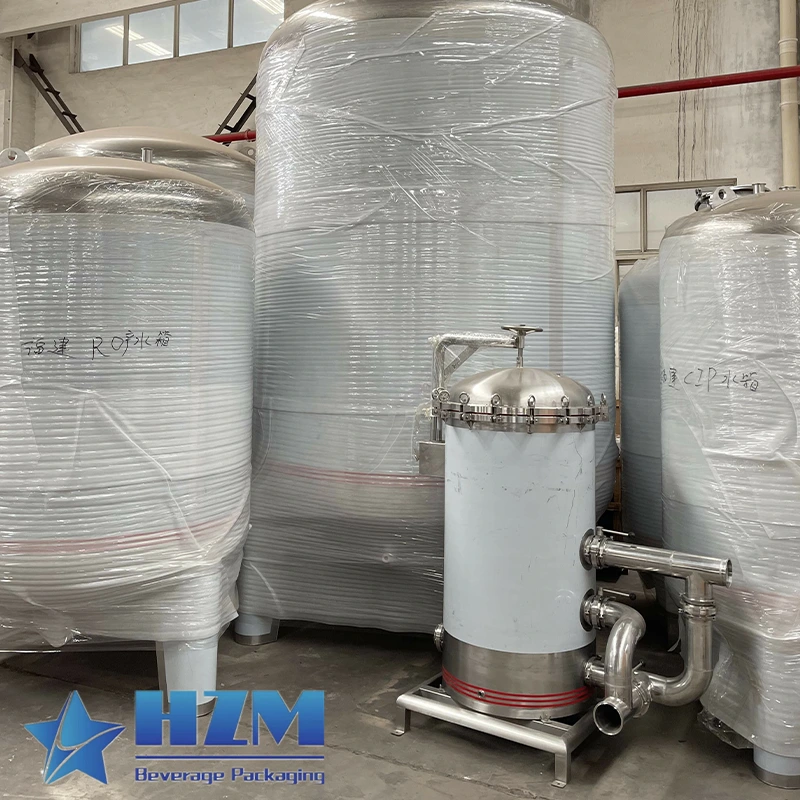
Function : The precision filter is set to intercept the possible damage of suspended particles to the high-pressure pump and RO membrane.
5. Flocculant: when the suspended solids content in the water source is high, adding a certain concentration of flocculant can further reduce the pollution index SDI. The mechanism is to destroy the electrical neutrality of colloid and make it flocculate and precipitate.
6. Scale inhibitor: adding an appropriate amount of scale inhibitor into the RO inlet water can inhibit the scaling of minerals on the surface of reverse osmosis membrane (concentrated water side).
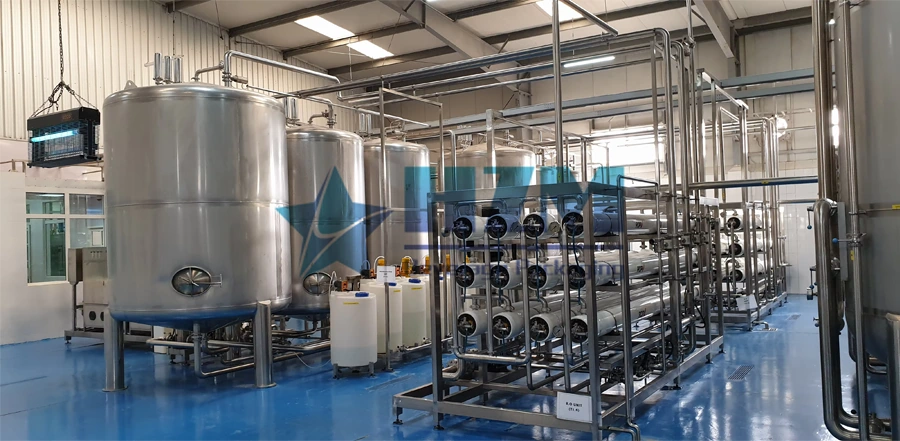
Reverse osmosis is a membrane separation technology, which is a process of separating solvent and solute under pressure.
Ultraviolet disinfection: nucleoproteins in microorganisms are denatured due to the absorption of broad-spectrum ultraviolet energy, causing metabolic disorders and loss of reproductive ability. When the irradiation dose increases to a certain amount, the microbial cells are destroyed and killed.
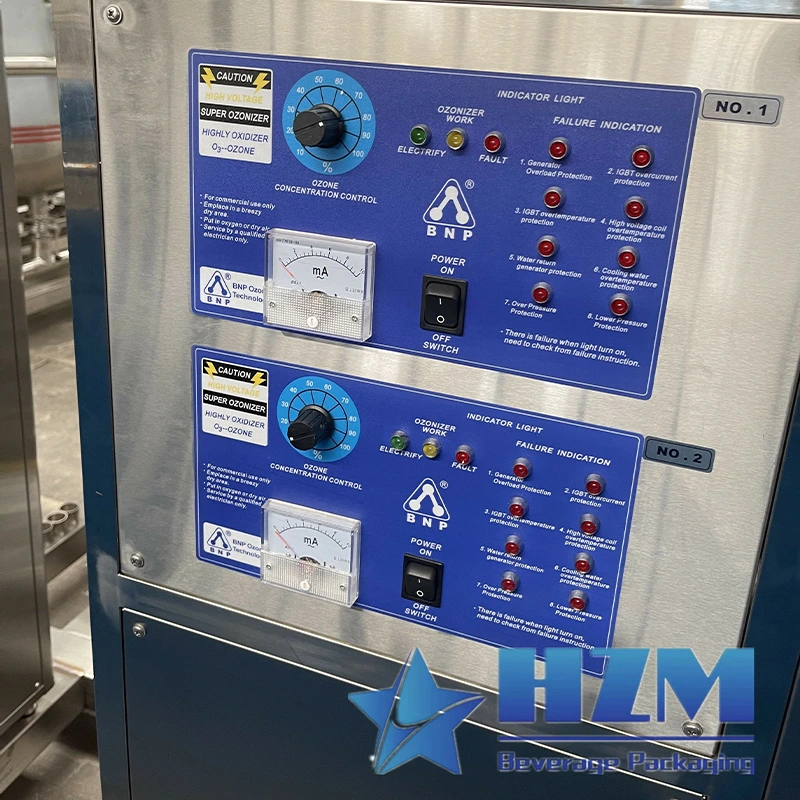
Ozone is a strong oxidant, and the sterilization process is a biochemical oxidation reaction.
Please provide a recent raw-water analysis, required treated-water standard, hourly demand, operating hours, available utilities and installation space. HZM uses these data to select pretreatment, membrane or polishing stages.
Source-water hardness, salinity, turbidity, iron, manganese, microbiology and other parameters determine the process route. Selecting equipment without these data can lead to unstable water quality, low recovery or unnecessary operating cost.
Expansion or process changes may be possible, but the new feed-water analysis and demand must be reviewed. Tanks, pumps, membranes, pretreatment capacity, controls and available space determine what can be reused.
Yes. HZM can coordinate upstream processing or bottle making with filling, labeling, coding, packaging, conveying and palletizing. Layout, utilities, controls, factory testing, installation, commissioning and training are defined by the agreed project scope.
Talk to an engineer
Send your capacity, bottle specification and beverage type for a complete proposal.
Equipment
The RO water treatment plant produces purified water through feed-water pretreatment and reverse-osmosis membrane separation.
Learn moreEquipment
10 T/H reverse osmosis water treatment for purified-water bottling, with pretreatment, storage and filler-supply connections.
Learn moreEquipment
10 T/H RO water treatment for ingredient, process and rinse water in food and beverage plants.
Learn moreEquipment
10 T/H reverse osmosis water treatment for food and beverage production, with pretreatment and stainless-steel equipment options.
Learn moreEquipment
1,000 litres/hour reverse osmosis water treatment for bottled-water, beverage and food production.
Learn moreEquipment
This RO water treatment system combines pretreatment, reverse-osmosis membrane separation and final treatment for purified-water production.
Learn moreEquipment
HZM water treatment systems prepare process water for bottled water, beverages and brewing.
Learn moreEquipment
This industrial drinking-water treatment system supplies treated water to bottling and beverage plants.
Learn moreEquipment
10 T/H food and beverage RO water treatment with SUS304 or SUS316 stainless-steel options, monitoring and cleaning connections.
Learn moreSolution & application
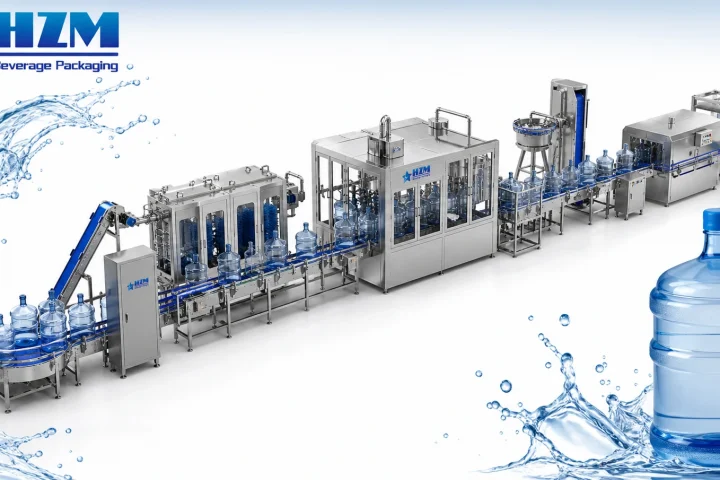 Complete production line
3-5 Gallon Water Production Line
Explore solution →
Complete production line
3-5 Gallon Water Production Line
Explore solution →
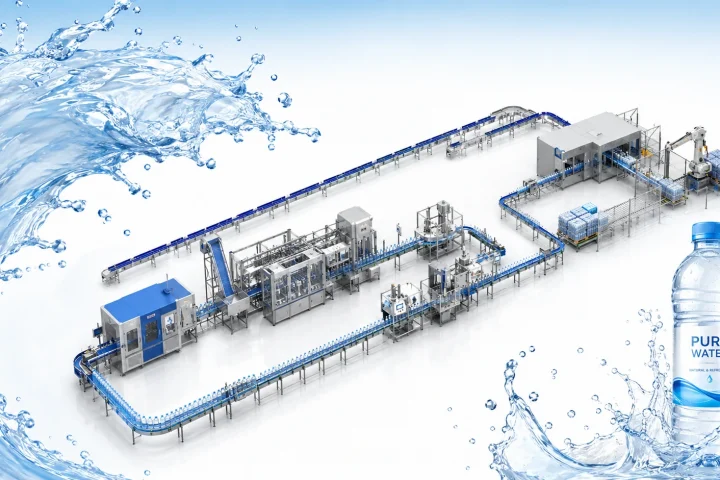 Complete production line
Bottled Water Production Line
Explore solution →
Complete production line
Bottled Water Production Line
Explore solution →
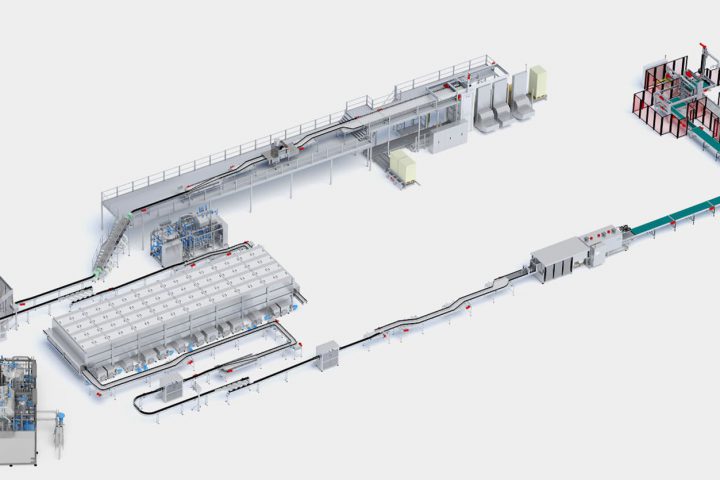 Complete production line
Cans Filling Production Line
Explore solution →
Complete production line
Cans Filling Production Line
Explore solution →
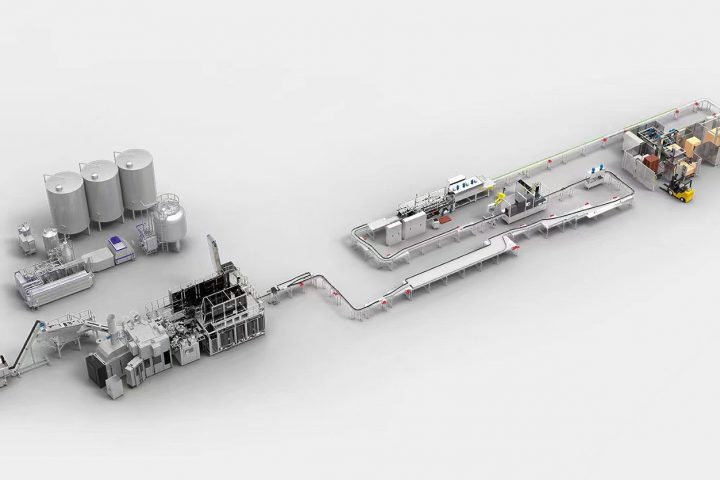 Complete production line
CSD Filling Production Line
Explore solution →
Complete production line
CSD Filling Production Line
Explore solution →
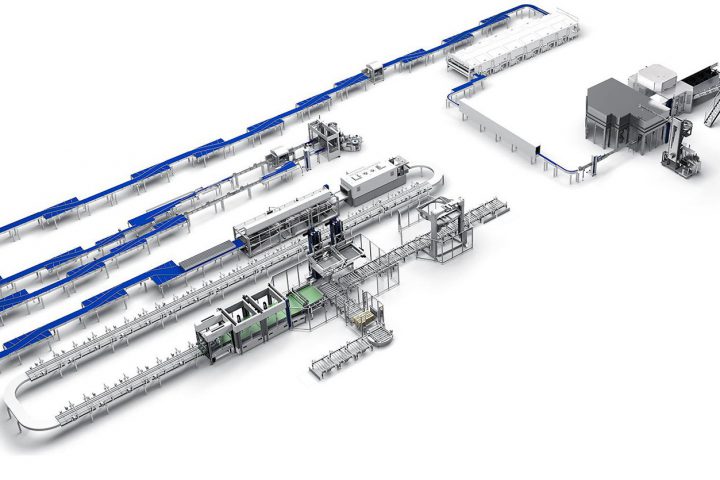 Complete production line
Juice Filling Production Line
Explore solution →
Complete production line
Juice Filling Production Line
Explore solution →
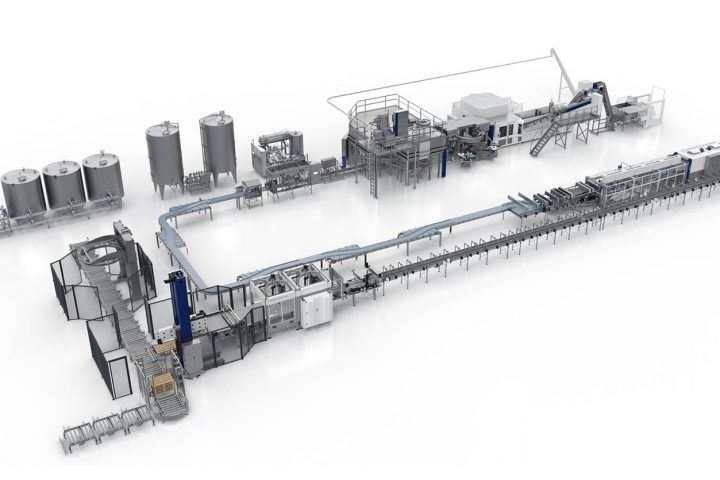 Complete production line
Water Filling Production Line
Explore solution →
Complete production line
Water Filling Production Line
Explore solution →
Build your production line
Tell us your beverage, container, capacity and target market. Our engineering team will prepare a practical line proposal.