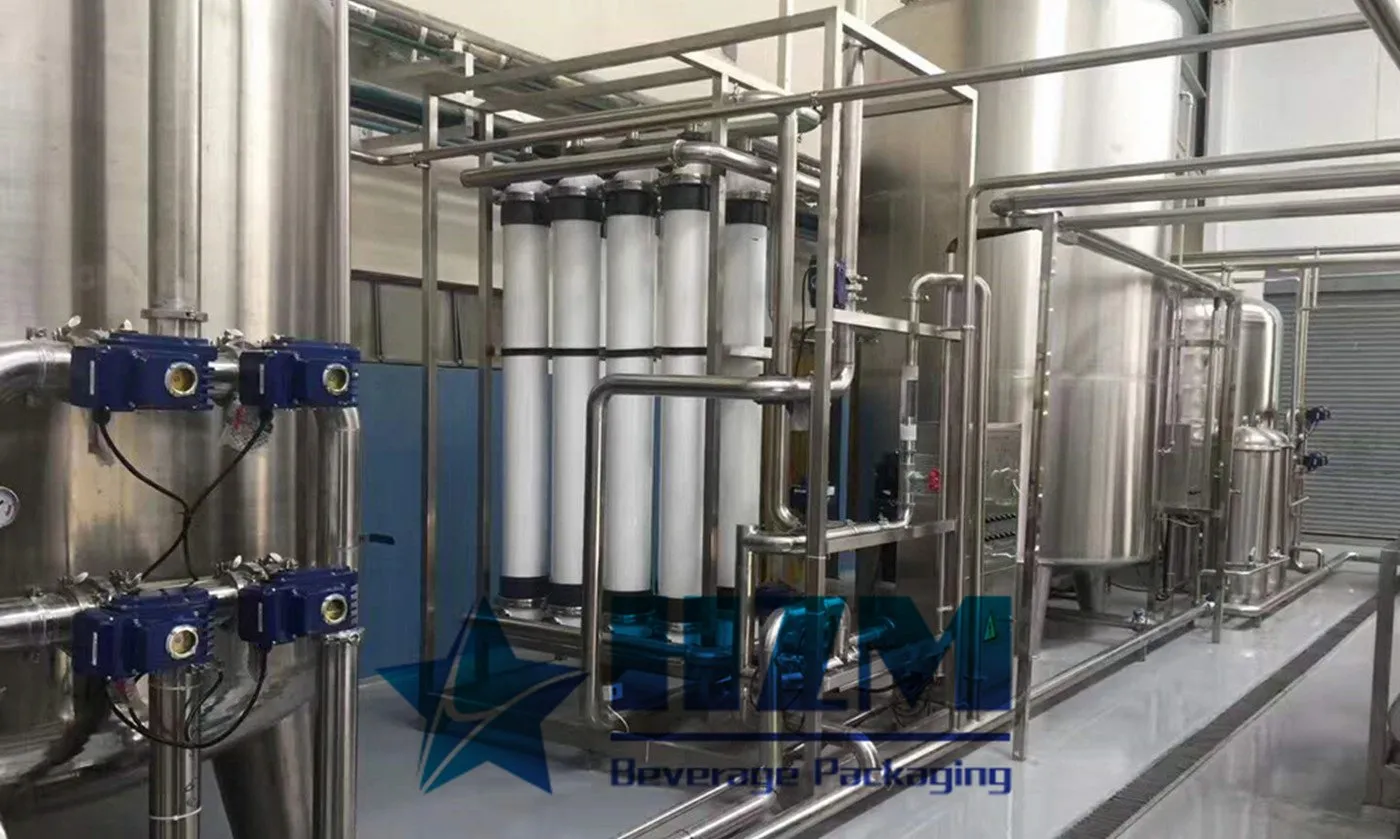
Equipment
Reverse Osmosis Water Treatment
The reverse osmosis system treats water for bottled-water and beverage production.
Learn more
Tip: You can request pricing for individual machines or a complete production line solution.
Food and beverage plants need water that matches each production use. HZM evaluates the source water, target quality and demand schedule before selecting pretreatment, membrane treatment and the connected storage and distribution scope.
Water treatment for a food or beverage factory starts with the purpose of the water. Water used as a drink ingredient, water used for the final rinse and water feeding a boiler can require different treatment and distribution arrangements. HZM selects pretreatment, reverse osmosis and final treatment from a source-water analysis and a written quality requirement for each production use.
An RO system can form the main purification stage where dissolved-salt reduction is needed. It should be part of a complete treatment design that includes feed preparation, controlled storage and delivery to the point of use. Selecting membrane capacity alone leaves important quality and reliability questions unanswered.
| Water use | Engineering question | Specification to provide |
|---|---|---|
| Beverage ingredient water | How will water chemistry affect the recipe and finished flavour? | Target chemistry, taste criteria and microbiological release requirements |
| Final product-contact rinse | Can the rinse introduce residues or contamination? | Required rinse quality and verification method |
| CIP make-up water | How will hardness and chemistry affect cleaning? | Cleaning programme, simultaneous demand and material compatibility |
| Boiler or cooling service | What does the utility equipment require? | Utility supplier’s feed-water specification and separate connection plan |
A single plant can supply several duties where the design allows it, but a utility-water circuit should not be allowed to compromise the product-water circuit. Identify cross-connections and backflow prevention during layout review.
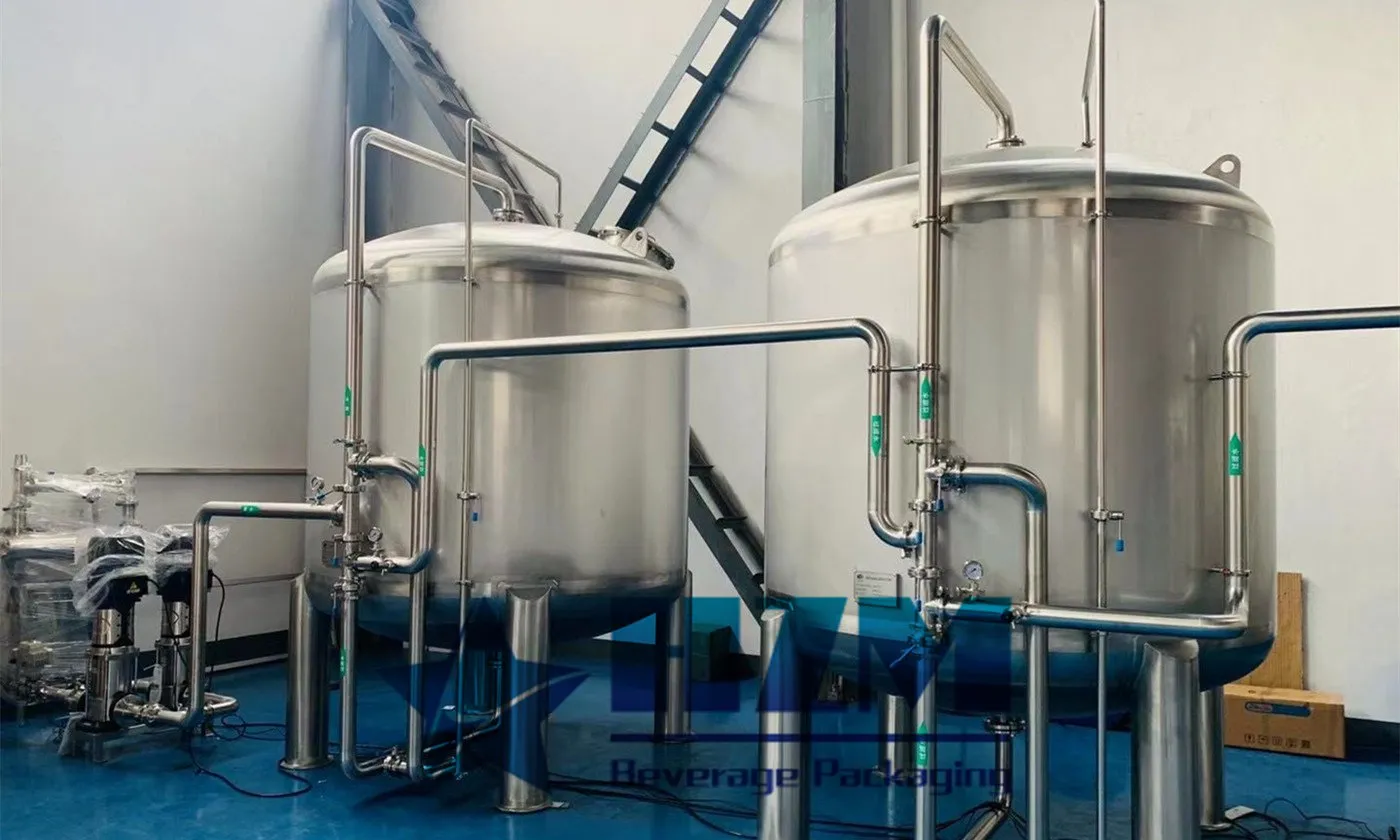
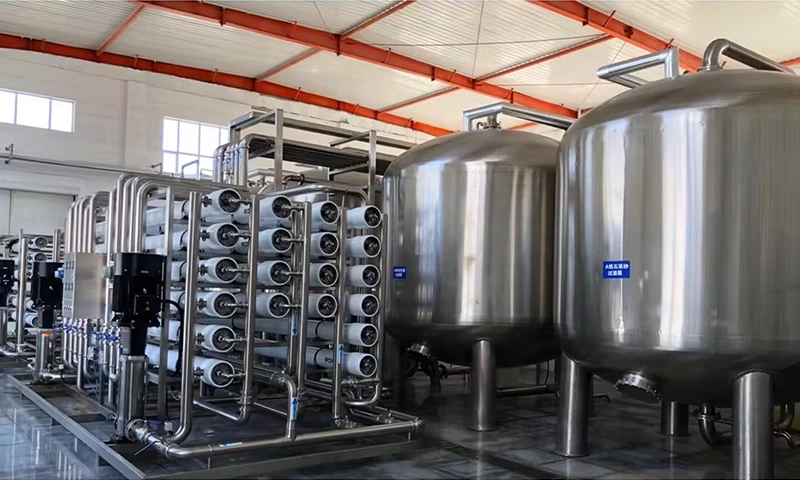
Suspended solids and turbidity may require media filtration or another suitable pretreatment step. Iron and manganese require a process selected for their concentration and chemical form. Activated carbon can be considered where adsorption or dechlorination is needed. Scaling risk may call for softening or an appropriate dosing strategy. Each stage should have a defined function; adding more equipment does not automatically improve the result.
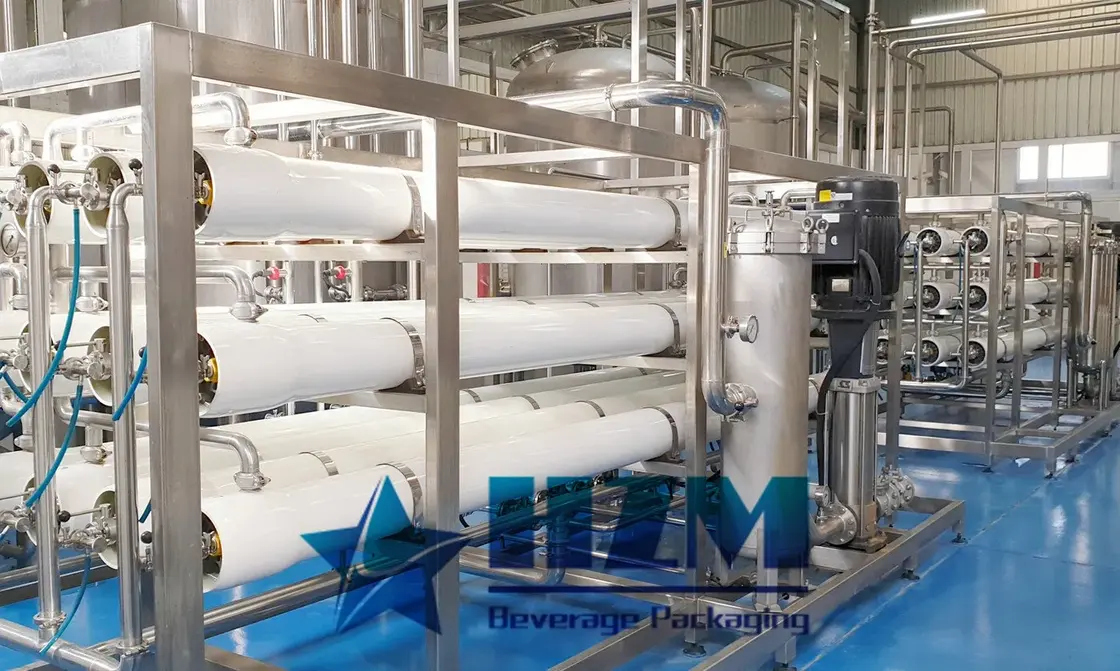
The RO section uses a pressure-driven membrane process to divide the feed into permeate and concentrate. Membrane selection, recovery and operating conditions must be established from feed chemistry and temperature. Cartridge filtration and a high-pressure pump are part of the arrangement, while flushing, monitoring and cleaning provisions support continued operation.
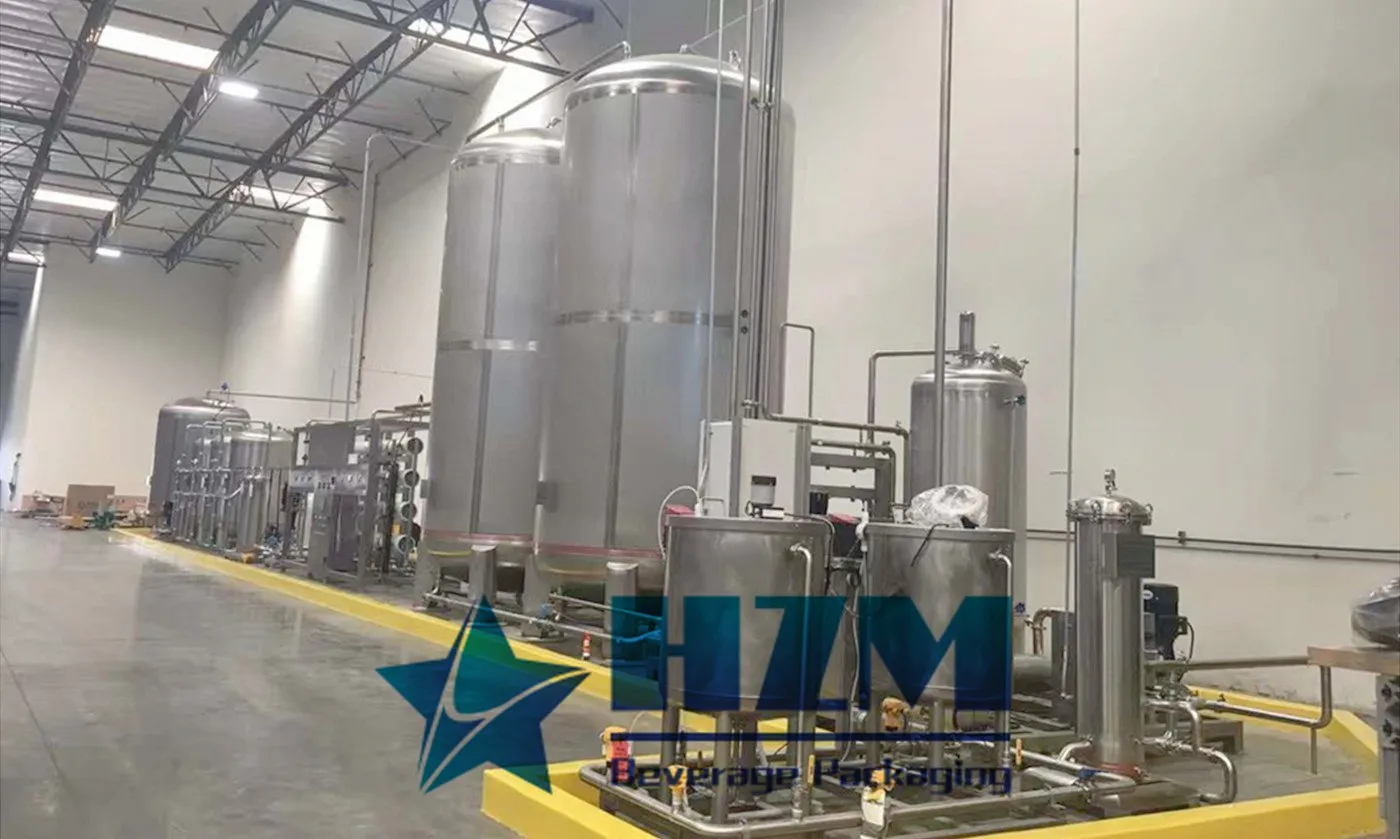
Final treatment and storage are selected for the product specification. UV, ozone or other measures should be evaluated within the permitted process and material compatibility. An RO skid alone is not proof that water at a remote filling point meets the required microbiological standard.
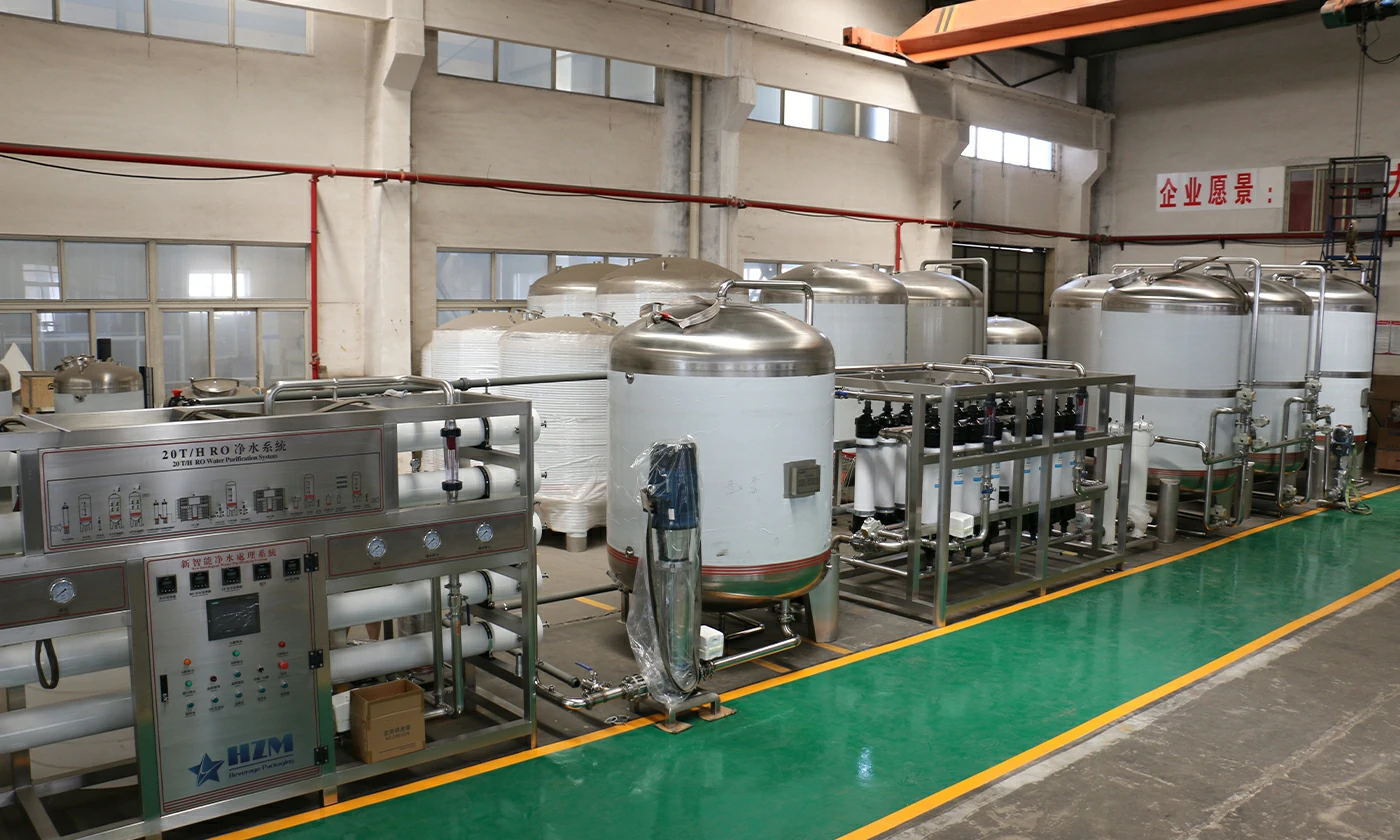
HZM offers a 10 T/H RO water treatment system for food and beverage production with a capacity of 10,000 litres/hour. The equipment configuration and required treated-water output are specified for your feed-water quality, temperature and production demand.
| Item | Specification |
|---|---|
| Treatment capacity | 10 T/H (10,000 litres/hour) |
| Application | Pure-water and beverage production |
| Material options | SUS304 / SUS316 stainless steel; component-specific selection to be agreed |
| Process stages | Selected pretreatment, RO and final treatment |
| Feed-water basis | Source, analysis, temperature range, pressure and availability |
| Finished-water quality | Written chemical and microbiological requirements at the agreed sampling points |
| Recovery, membrane arrangement and utilities | Calculated for the actual project |
The RO drinking-water treatment system can combine pretreatment, membrane separation and final treatment. Filter selection, membrane arrangement and contact materials are matched to the source water and cleaning process.
Prepare a demand schedule for filling, blending, rinsing and cleaning. Calculate the peak period when several users draw water together, then compare it with the hours available for treatment. A buffer tank can serve a temporary peak, but only if the treatment plant replenishes it before the next demand period.
For example, a filler using 6,000 litres/hour and a simultaneous process user requiring 2,000 litres/hour create an 8,000-litre/hour product-water demand before other consumption. Filter backwashing, RO concentrate and cleaning water must be accounted for separately on the raw-water side.
Agree sampling points at the feed, treatment outlet, storage tank and critical point of use. Check that instruments used for acceptance are calibrated and that samples are taken under representative operating conditions. Trend permeate flow, conductivity, pressure and differential pressure so changes can be compared with a recorded start-up baseline.
The operating handover should include the process diagram, valve positions, consumable specifications, maintenance access, cleaning procedure and alarm responses. Staff need to know where unsuitable water is diverted or isolated and how production is released after maintenance.
No. Pretreatment protects the membrane system from the specific solids, scale-forming constituents and incompatible substances in the source water. Its design follows the water analysis.
No. Conductivity is useful for monitoring dissolved ionic content, but it does not replace the required chemical and microbiological checks or the assessment of downstream storage and distribution.
Send the source-water report, finished-water requirements, demand schedule for each user, operating hours, plant plan and utilities. HZM can then define the treatment stages and quotation boundaries, including tanks, distribution pipework, instrumentation and commissioning.
Talk to an engineer
Send your capacity, bottle specification and beverage type for a complete proposal.
Equipment
The reverse osmosis system treats water for bottled-water and beverage production.
Learn moreEquipment
10 T/H reverse osmosis water treatment for food and beverage production, with pretreatment and stainless-steel equipment options.
Learn moreEquipment
The RO water treatment plant produces purified water through feed-water pretreatment and reverse-osmosis membrane separation.
Learn moreEquipment
10 T/H reverse osmosis water treatment for purified-water bottling, with pretreatment, storage and filler-supply connections.
Learn moreEquipment
1,000 litres/hour reverse osmosis water treatment for bottled-water, beverage and food production.
Learn moreEquipment
This RO water treatment system combines pretreatment, reverse-osmosis membrane separation and final treatment for purified-water production.
Learn moreEquipment
HZM water treatment systems prepare process water for bottled water, beverages and brewing.
Learn moreEquipment
This industrial drinking-water treatment system supplies treated water to bottling and beverage plants.
Learn moreEquipment
10 T/H food and beverage RO water treatment with SUS304 or SUS316 stainless-steel options, monitoring and cleaning connections.
Learn moreSolution & application
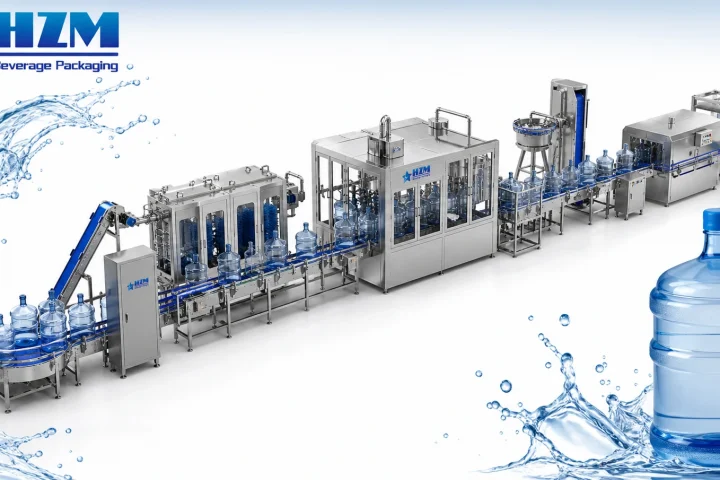 Complete production line
3-5 Gallon Water Production Line
Explore solution →
Complete production line
3-5 Gallon Water Production Line
Explore solution →
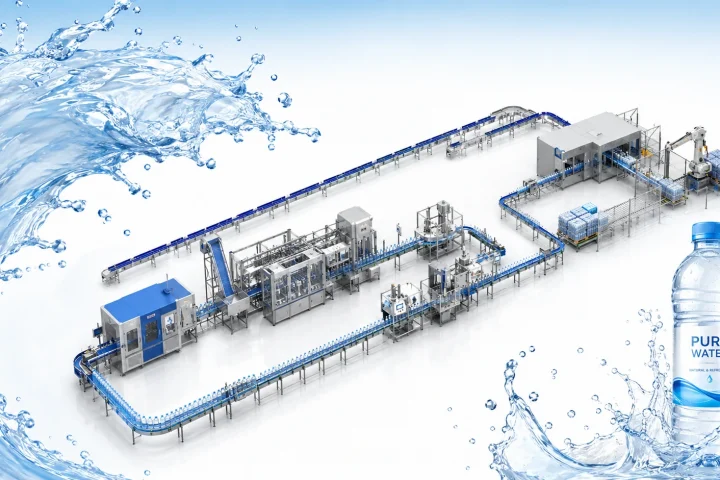 Complete production line
Bottled Water Production Line
Explore solution →
Complete production line
Bottled Water Production Line
Explore solution →
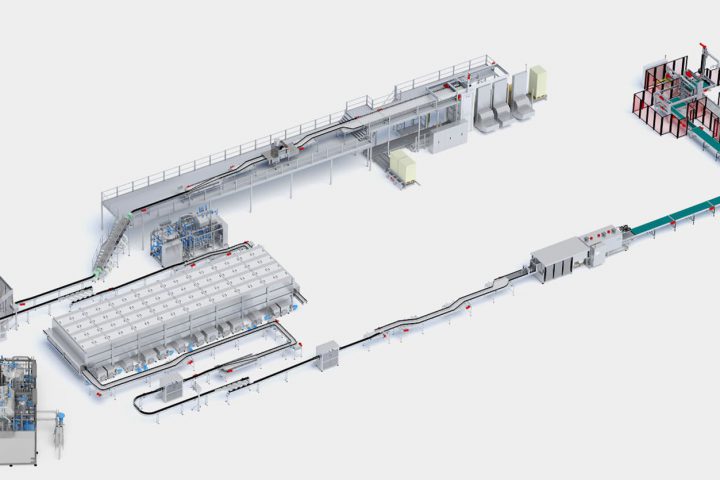 Complete production line
Cans Filling Production Line
Explore solution →
Complete production line
Cans Filling Production Line
Explore solution →
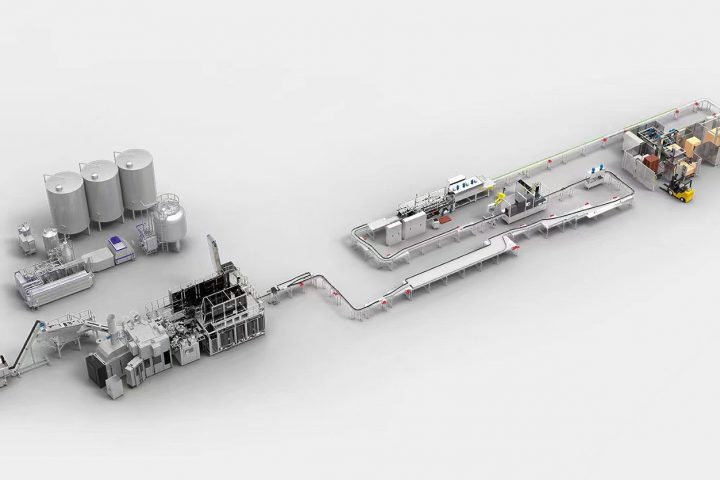 Complete production line
CSD Filling Production Line
Explore solution →
Complete production line
CSD Filling Production Line
Explore solution →
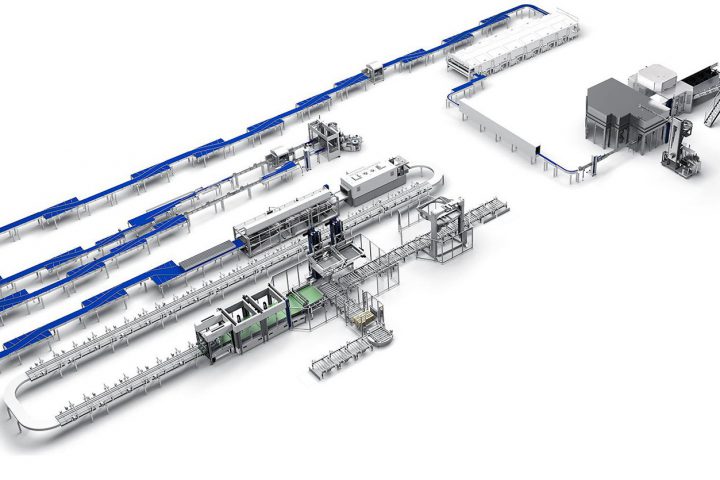 Complete production line
Juice Filling Production Line
Explore solution →
Complete production line
Juice Filling Production Line
Explore solution →
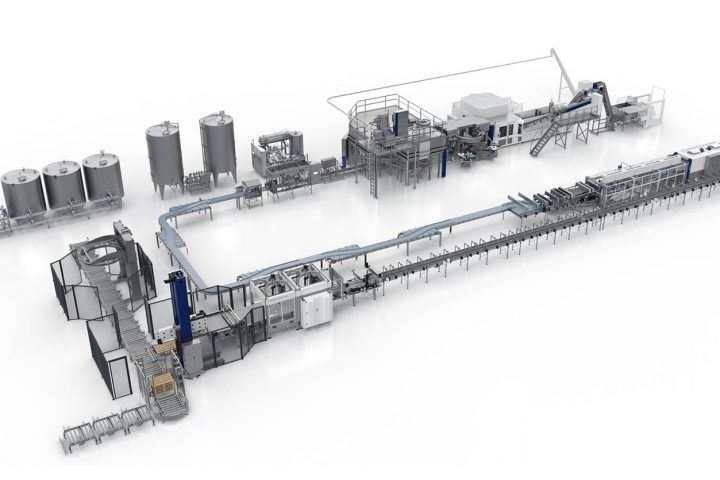 Complete production line
Water Filling Production Line
Explore solution →
Complete production line
Water Filling Production Line
Explore solution →
Build your production line
Tell us your beverage, container, capacity and target market. Our engineering team will prepare a practical line proposal.