Equipment
Water Treatment for the Food & Beverage Industry – RO Water Treatment Equipment
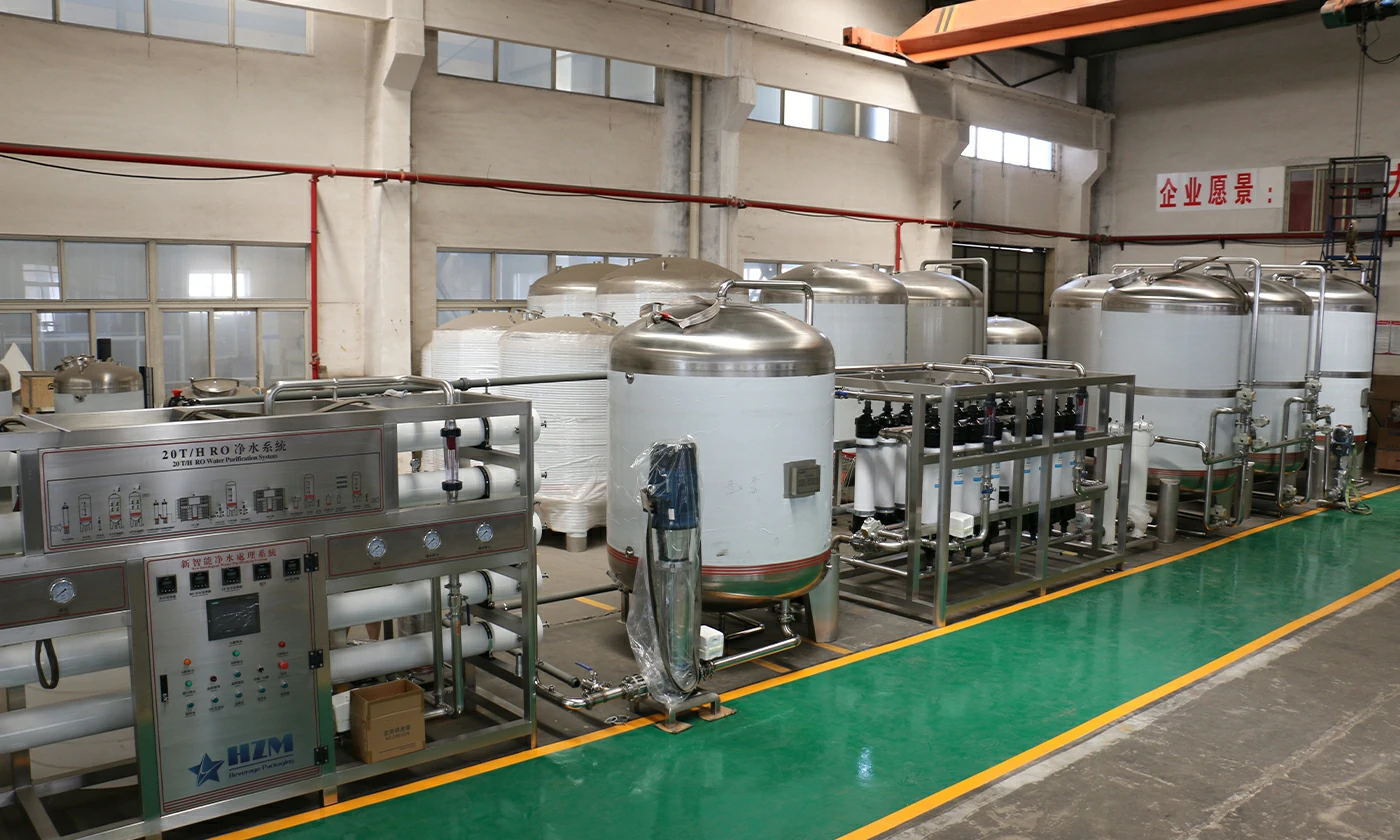
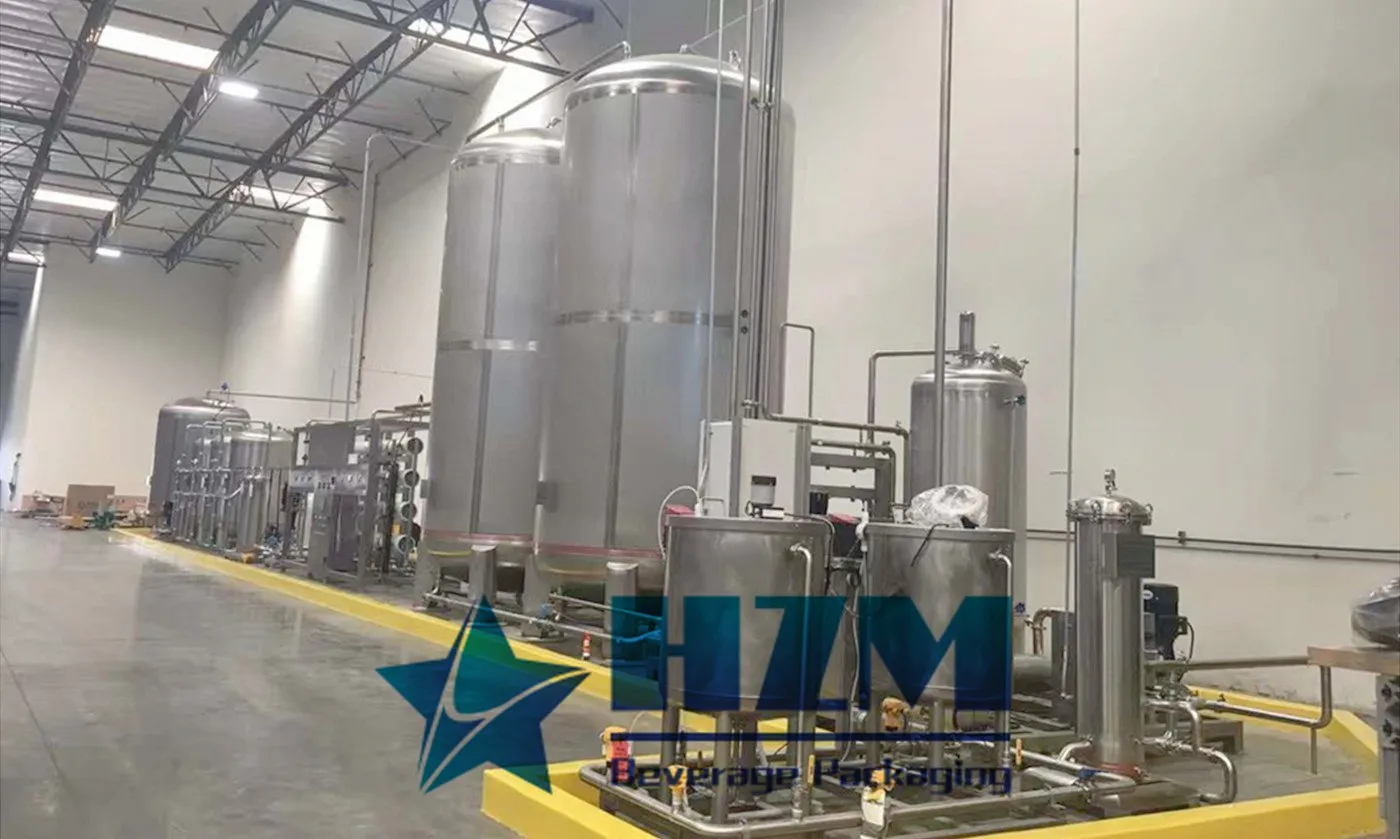
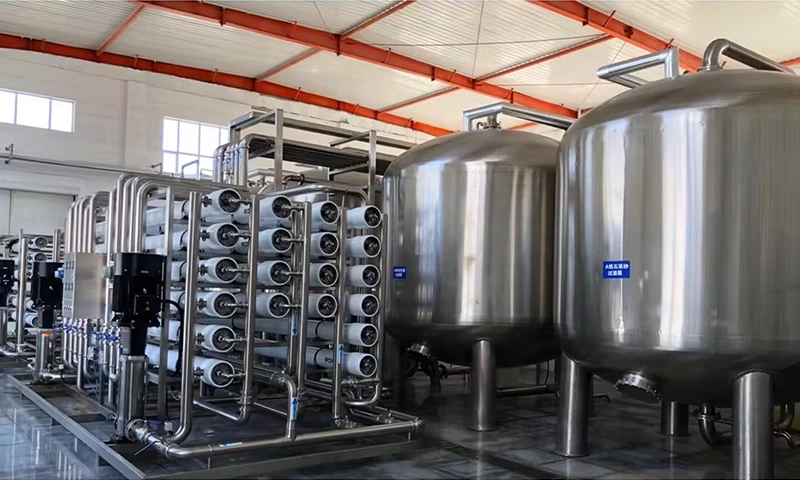
10 T/H RO water treatment for ingredient, process and rinse water in food and beverage plants.
Learn more
Tip: You can request pricing for individual machines or a complete production line solution.
A food grade water plant needs a defined wetted-material and cleaning specification as well as the correct treatment process. HZM evaluates RO equipment, tanks and distribution requirements against the source water, production duty and required point-of-use quality.
A food grade RO water plant needs to do more than reduce the dissolved-salt content of water. Its wetted materials, cleaning arrangements, storage tanks and distribution circuit must also suit the food or beverage process it serves. HZM evaluates the water-treatment duty together with the hygienic requirements of the connected production equipment.
Water-contact materials, seals, cleaning access and downstream storage are specified as part of the plant. The design connects membrane treatment with the measures needed to maintain water quality until it reaches the production equipment.
State whether the treated water becomes an ingredient, a product-contact rinse or a cleaning solution. Define the chemical and microbiological criteria at the actual point of use. Then provide the raw-water analysis so the treatment steps can be selected for the difference between the source and the required result.
For example, a beverage blending tank may require water with consistent mineral composition for flavour and recipe control, while a final-rinse circuit has a different operating schedule. Combining these users is possible only when capacity, quality and cross-connection controls have been considered together.
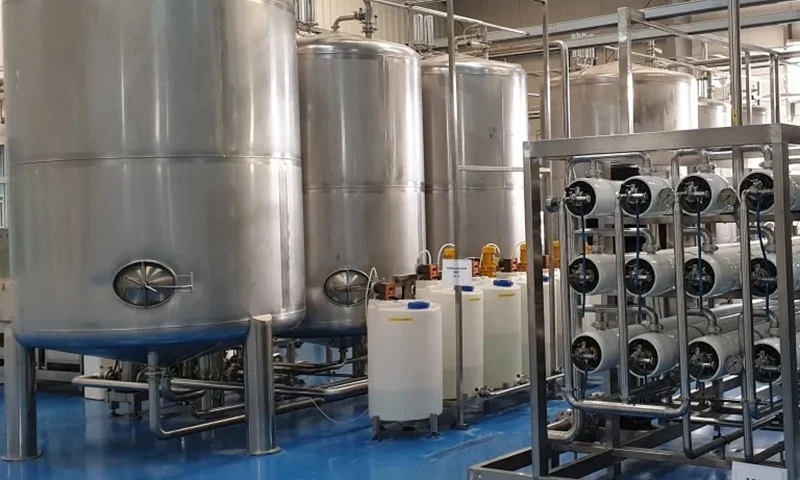
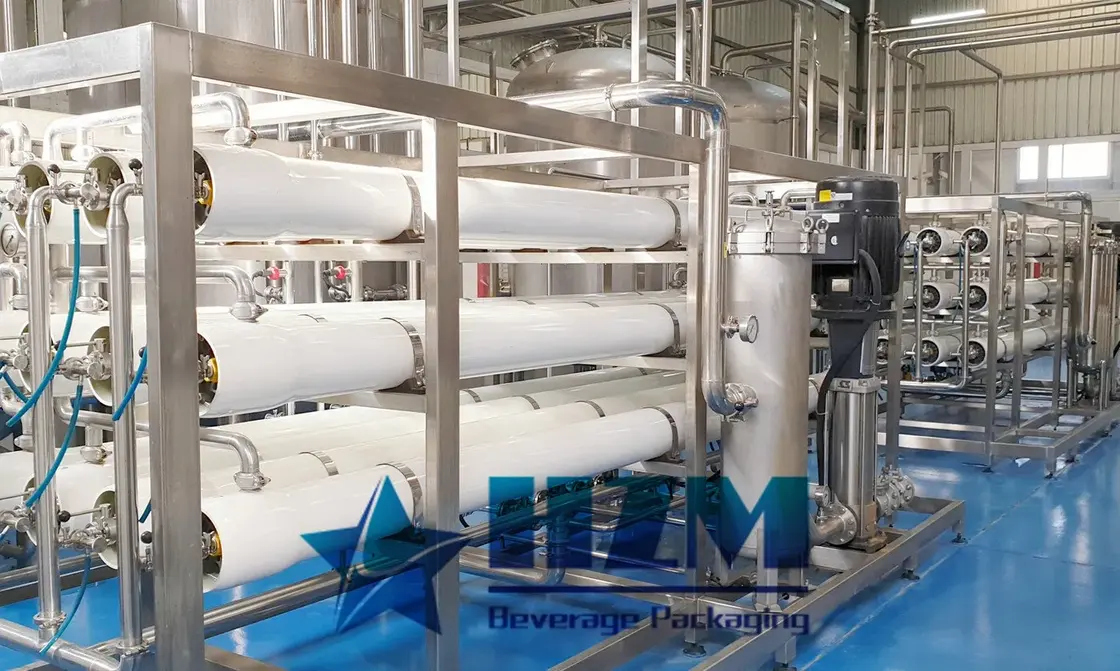
HZM’s 10 T/H food and beverage RO treatment equipment has a capacity of 10,000 litres/hour, with SUS304 and SUS316 stainless-steel options. The material schedule identifies the grade and seal material used in each water-contact component, based on the water chemistry and cleaning conditions.
| Component area | What the buyer should confirm | Why it matters |
|---|---|---|
| Tanks and product-water pipework | Specified stainless-steel grade, fabrication and cleaning compatibility | Water and cleaning chemistry affect long-term suitability |
| Gaskets, valve seats and hoses | Material identity and suitability for the actual contact and cleaning conditions | Non-metallic parts are also part of the wetted path |
| Membranes and housings | Approved element specification, pressure rating and permitted cleaning conditions | RO elements cannot be treated like an unrestricted stainless-steel circuit |
| Instrumentation | Wetted materials, measurement range, calibration and sample access | Reliable release decisions depend on meaningful measurements |
| Storage and point-of-use connections | Vents, drains, valve arrangement and sanitation access | Water quality can deteriorate after treatment |
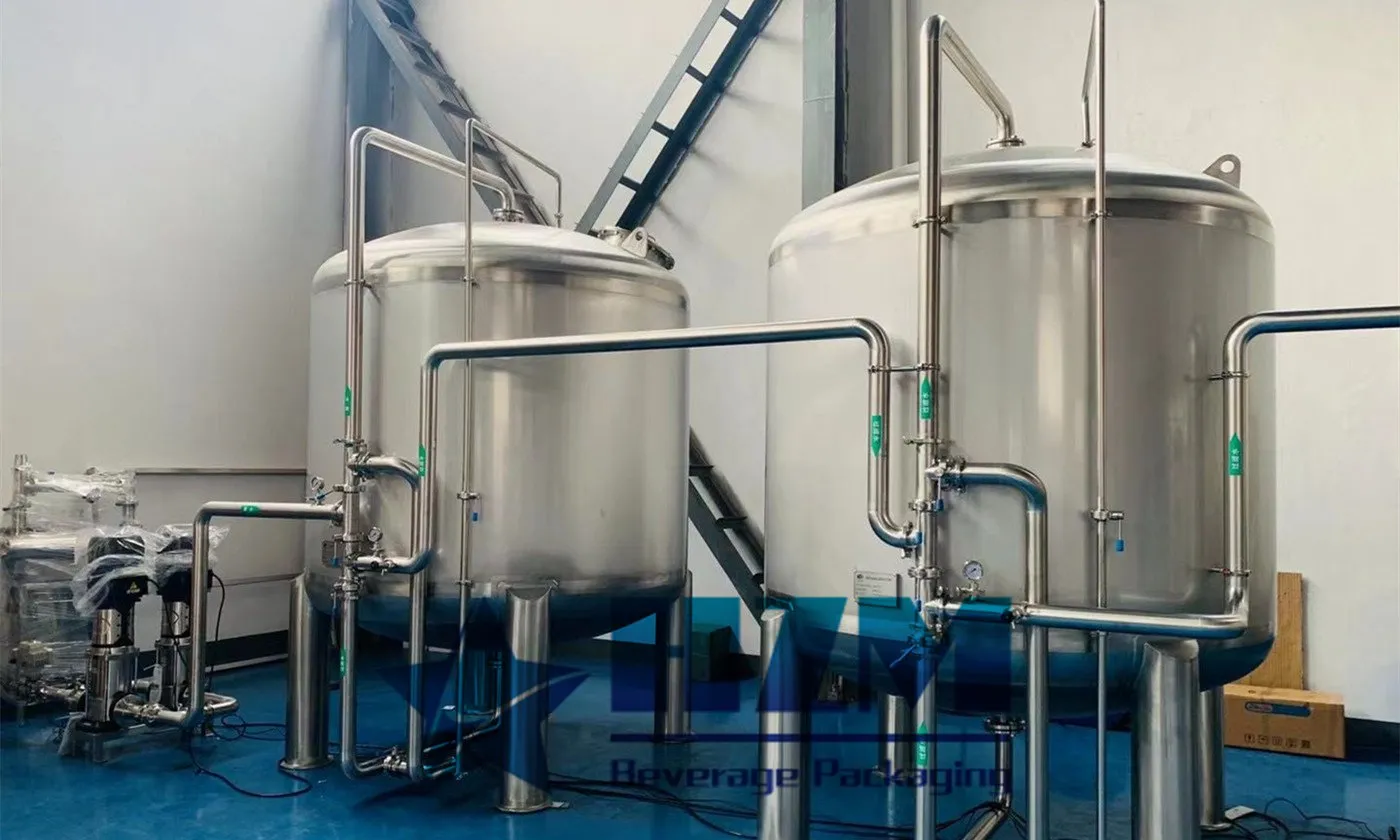
Review the process diagram from feed entry through the final outlet. Identify branches that can remain stagnant, low points that retain liquid and valves that need a defined cleaning position. Tanks require suitable access and a cleaning arrangement for their actual geometry. Sampling points must be accessible without introducing contamination into the circuit.
The membrane cleaning circuit and the downstream tank/distribution cleaning circuit may need different procedures. Their permissible chemicals, temperatures and exposure conditions should be documented separately. Do not assume that a cleaning programme used on a juice filler can be applied unchanged to an RO membrane.
HZM’s CIP system can be evaluated where a dedicated cleaning system forms part of the project. Define which equipment it serves, how circuits are separated, how residues are removed and how return to production is verified.
Permeate flow and conductivity help assess membrane-system operation. Pressure readings and differential pressure help locate restrictions or changes in operating condition. These measurements should be trended against a commissioning baseline established for the stated feed conditions.
Microbiological acceptance and sanitation verification address additional questions. A satisfactory conductivity reading cannot demonstrate that a storage tank or long distribution branch is hygienically controlled. The quality plan should therefore define both operating measurements and the separate tests needed for product-water release.
Request the process and instrumentation diagram, equipment list, material schedule, electrical and utility requirements, operating manual and agreed test records. Where material or conformity documentation is required by the buyer or destination market, identify the exact documents and the equipment they cover in the quotation.
Factory test records should identify the machine configuration, feed-water conditions, measured output and quality results. The acceptance plan also defines the checks to repeat after installation using the plant’s source water.
Before installation, confirm drain locations, access for filter and membrane replacement, chemical handling space and separation from unsuitable service-water connections. After installation, inspect the actual pipe route against the approved drawing and verify the cleaning and flushing sequence before releasing water to production.
An acceptance run should evaluate output and water quality at representative demand. It should also demonstrate low-feed protection, storage-level responses, alarms and the handling of water that fails the approved quality criteria. Record the final instrument settings and sampling locations in the handover.
No. The suitability of the complete wetted path, fabrication, seals, cleaning and operation must be considered. A stainless-steel grade is one part of that assessment.
The plant is intended for food and beverage process water. Pharmaceutical injection-water production requires a separate system design, validation programme and water-quality specification.
Provide the raw-water analysis, point-of-use water requirements, demand schedule, cleaning method, destination-market documentation requirements and layout. HZM can then define an RO plant with the materials, monitoring and connected storage scope required by the application.
Talk to an engineer
Send your capacity, bottle specification and beverage type for a complete proposal.
Equipment
10 T/H RO water treatment for ingredient, process and rinse water in food and beverage plants.
Learn moreEquipment
The RO water treatment plant produces purified water through feed-water pretreatment and reverse-osmosis membrane separation.
Learn moreEquipment
10 T/H reverse osmosis water treatment for food and beverage production, with pretreatment and stainless-steel equipment options.
Learn moreEquipment
The reverse osmosis system treats water for bottled-water and beverage production.
Learn moreEquipment
1,000 litres/hour reverse osmosis water treatment for bottled-water, beverage and food production.
Learn moreEquipment
10 T/H reverse osmosis water treatment for purified-water bottling, with pretreatment, storage and filler-supply connections.
Learn moreEquipment
This RO water treatment system combines pretreatment, reverse-osmosis membrane separation and final treatment for purified-water production.
Learn moreEquipment
This reverse osmosis system treats well water and groundwater for drinking-water production.
Learn moreEquipment
HZM water treatment systems prepare process water for bottled water, beverages and brewing.
Learn moreSolution & application
 Complete production line
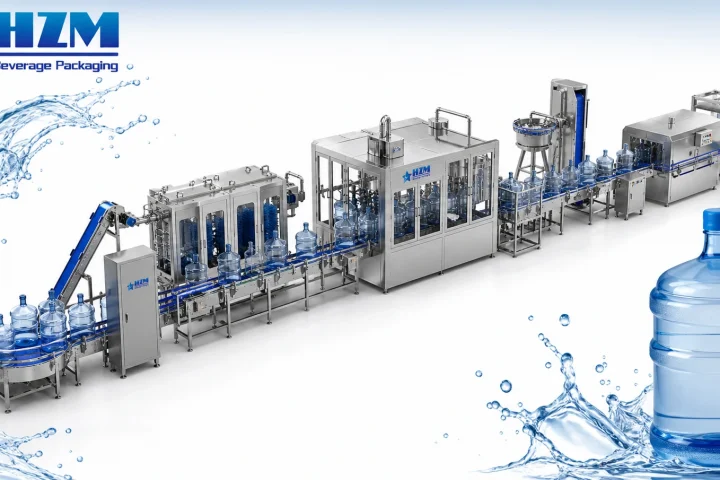
3-5 Gallon Water Production Line
Explore solution →
Complete production line
3-5 Gallon Water Production Line
Explore solution →
 Complete production line
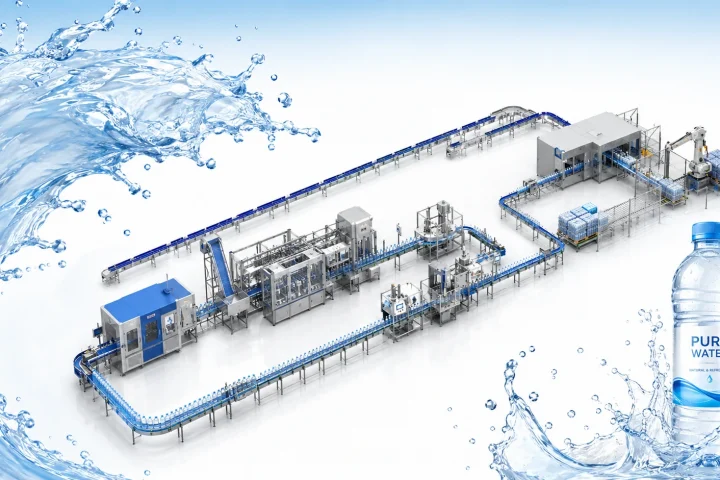
Bottled Water Production Line
Explore solution →
Complete production line
Bottled Water Production Line
Explore solution →
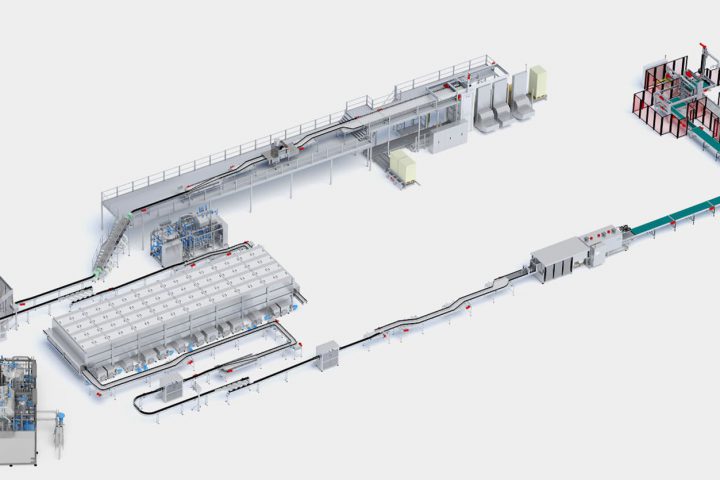 Complete production line
Cans Filling Production Line
Explore solution →
Complete production line
Cans Filling Production Line
Explore solution →
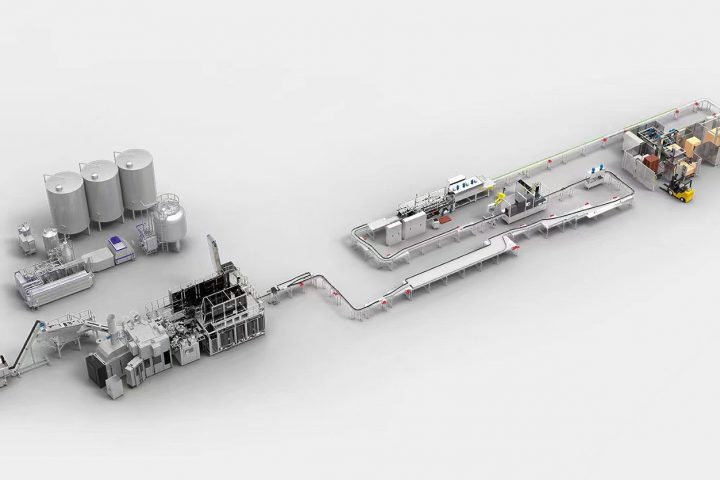 Complete production line
CSD Filling Production Line
Explore solution →
Complete production line
CSD Filling Production Line
Explore solution →
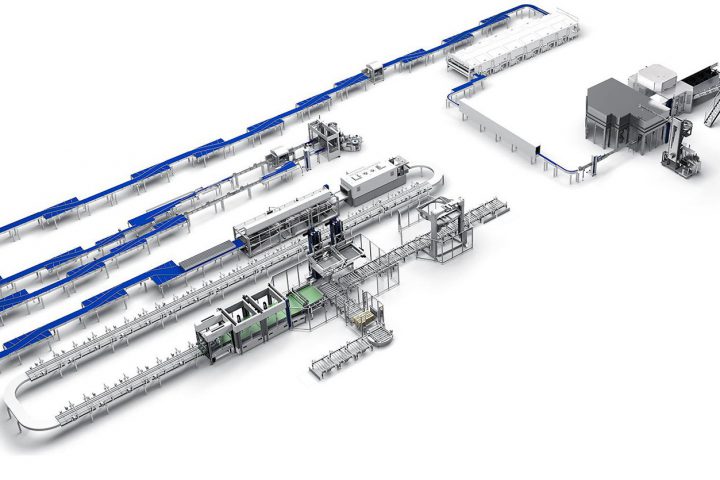 Complete production line
Juice Filling Production Line
Explore solution →
Complete production line
Juice Filling Production Line
Explore solution →
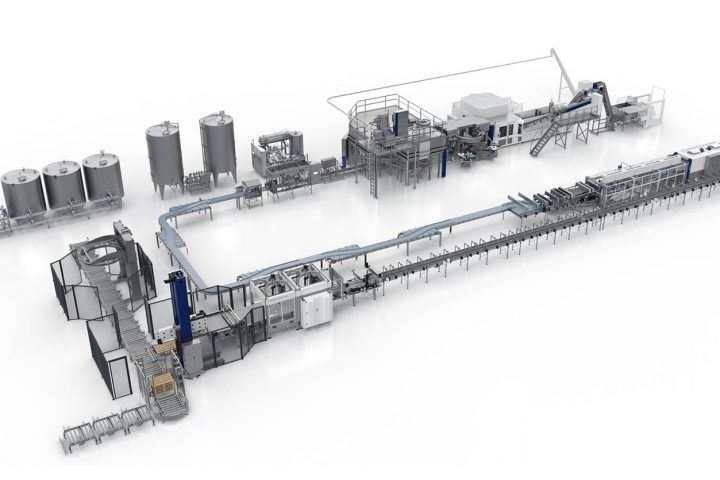 Complete production line
Water Filling Production Line
Explore solution →
Complete production line
Water Filling Production Line
Explore solution →
Build your production line
Tell us your beverage, container, capacity and target market. Our engineering team will prepare a practical line proposal.