Equipment
Water Purify System
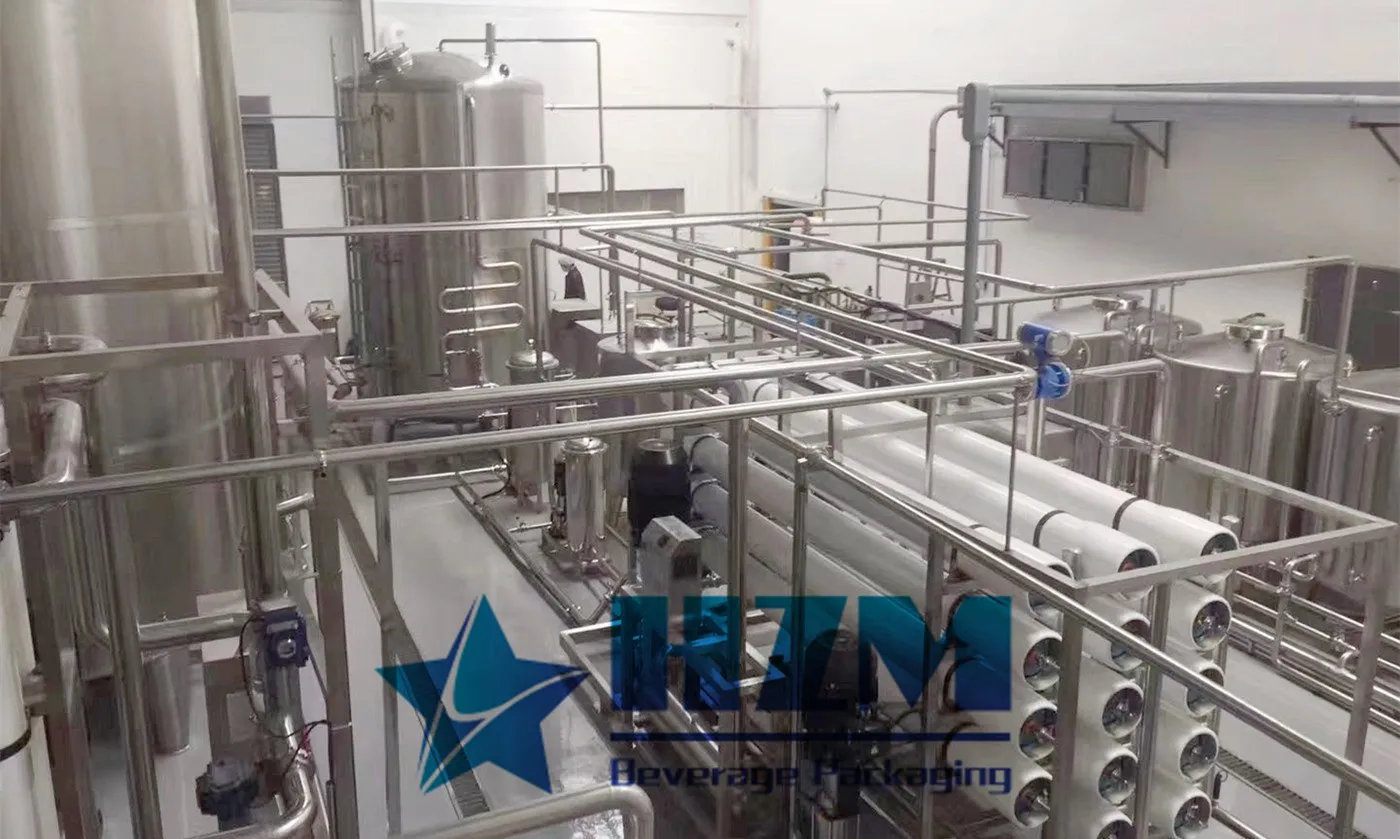
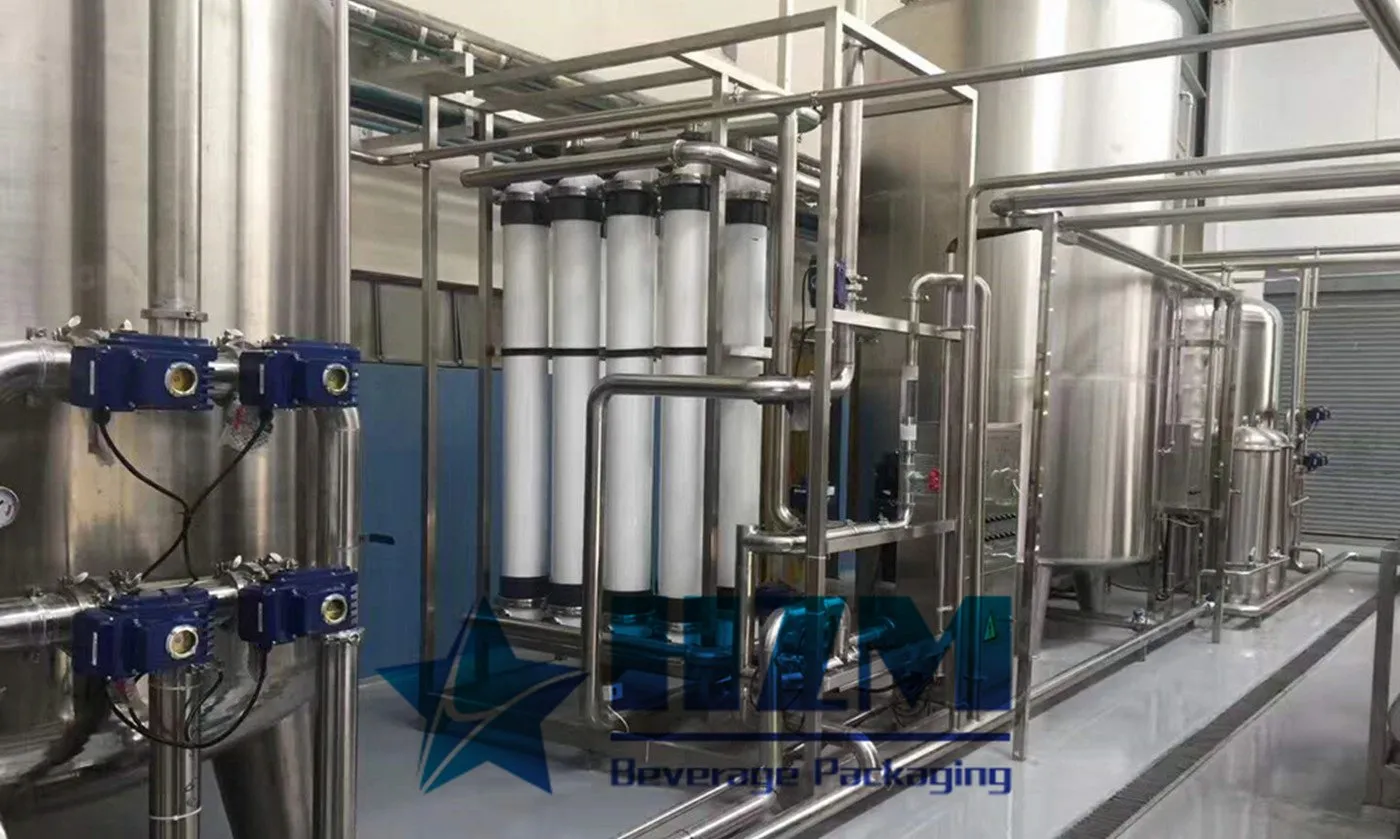
The ultrafiltration water purification system uses membrane separation to remove fine particles and colloids from water.
Learn more
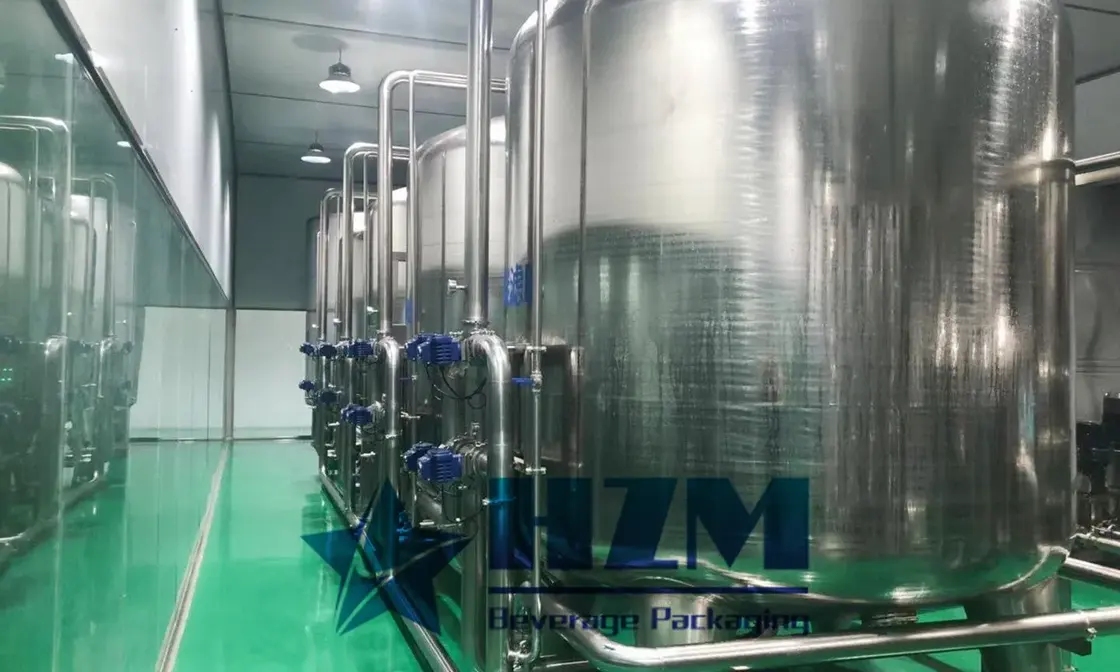
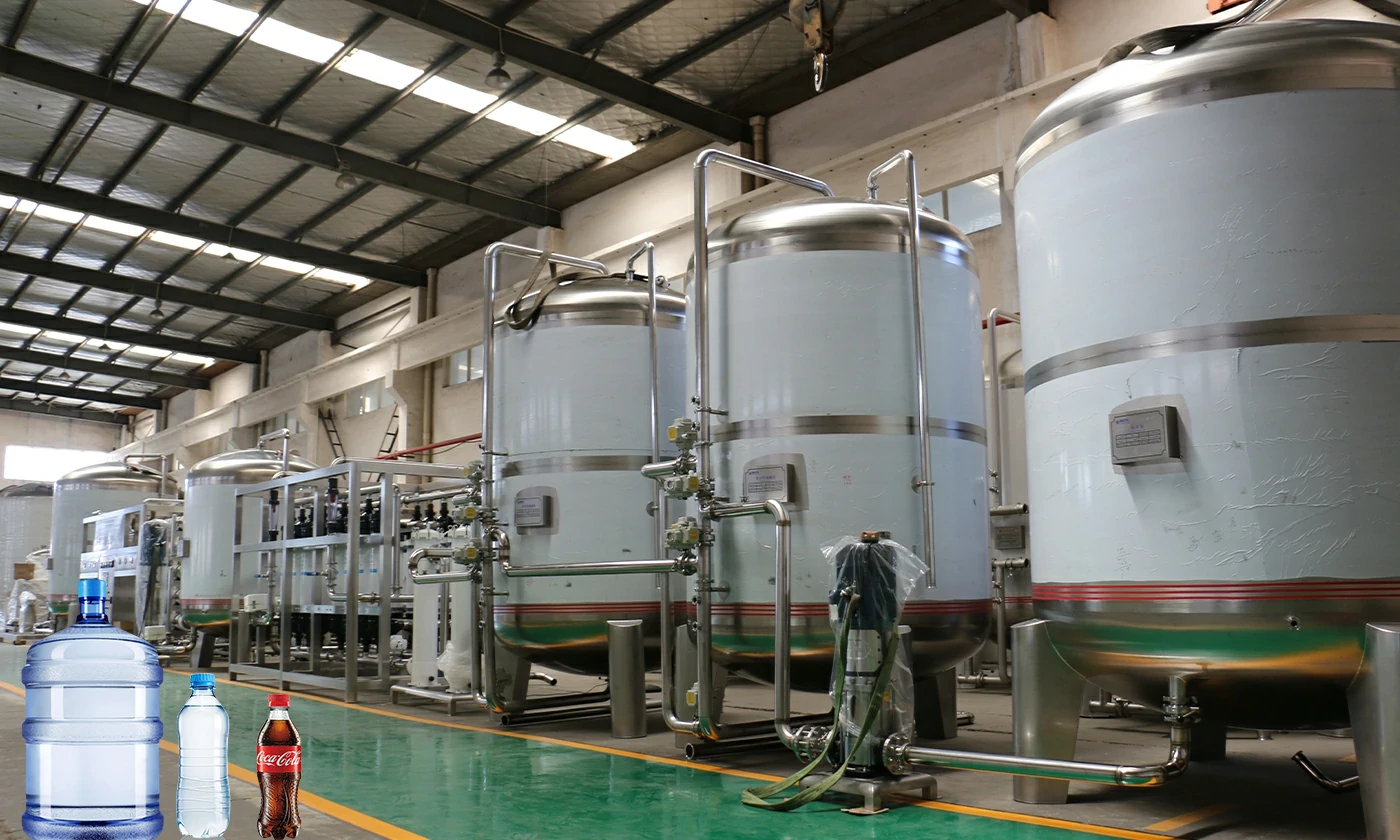
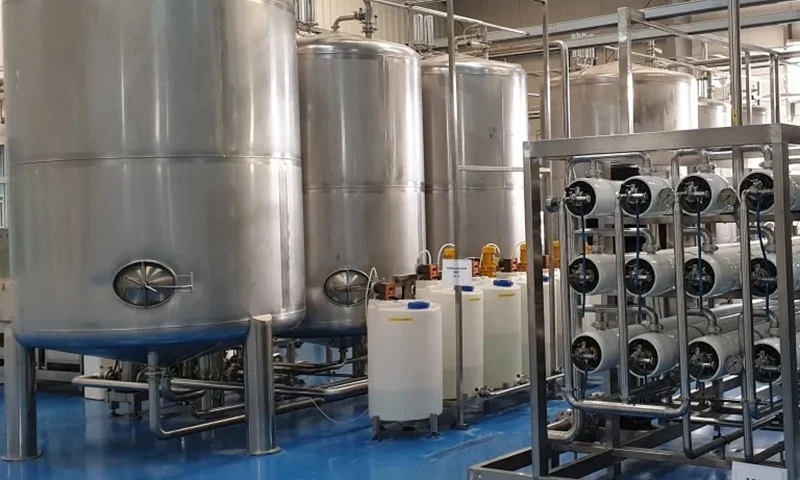
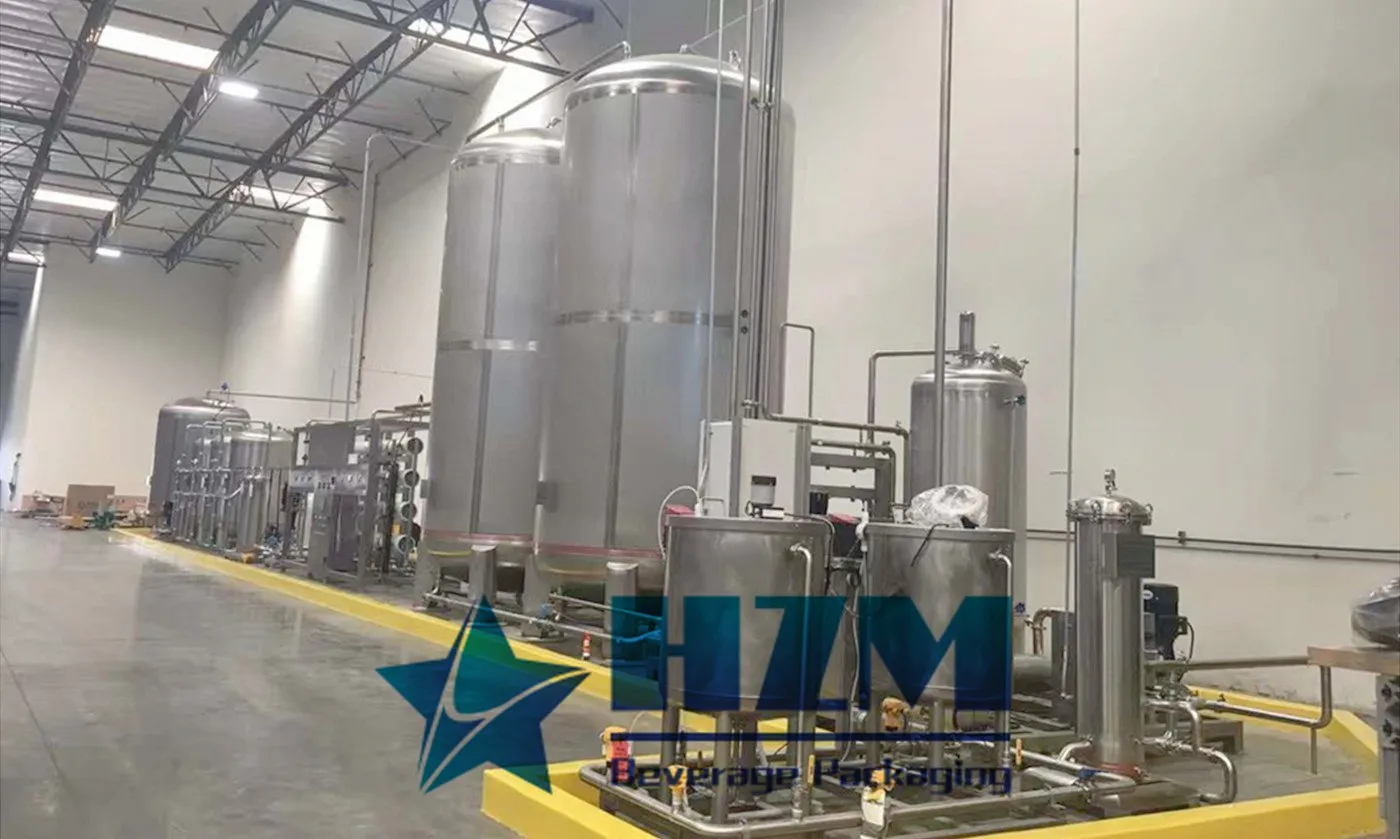
The mineral water purification system removes unwanted particles and supports hygienic storage and transfer before bottling. Filtration and final treatment are arranged around the source-water characteristics while preserving the intended mineral composition. The system connects the water source, storage tanks and filling line.
Tip: You can request pricing for individual machines or a complete production line solution.
HZM supplies mineral-water treatment equipment selected for the source chemistry and the mineral composition your finished product must retain. Filtration, storage and filling connections are configured around the permitted treatment process and production demand.
A water purification system for a mineral water plant must improve the suitability of the source water without undermining the identity of the finished product. The first design question is whether the business intends to bottle natural mineral water, spring water or purified drinking water with an adjusted mineral profile. These are different treatment duties, even when the bottles look alike.
HZM configures water-treatment equipment from the source analysis and the approved finished-water specification. For a mineral-water project, treatment selection must start with the composition that needs to be retained and the processes permitted for the intended product category and destination market.
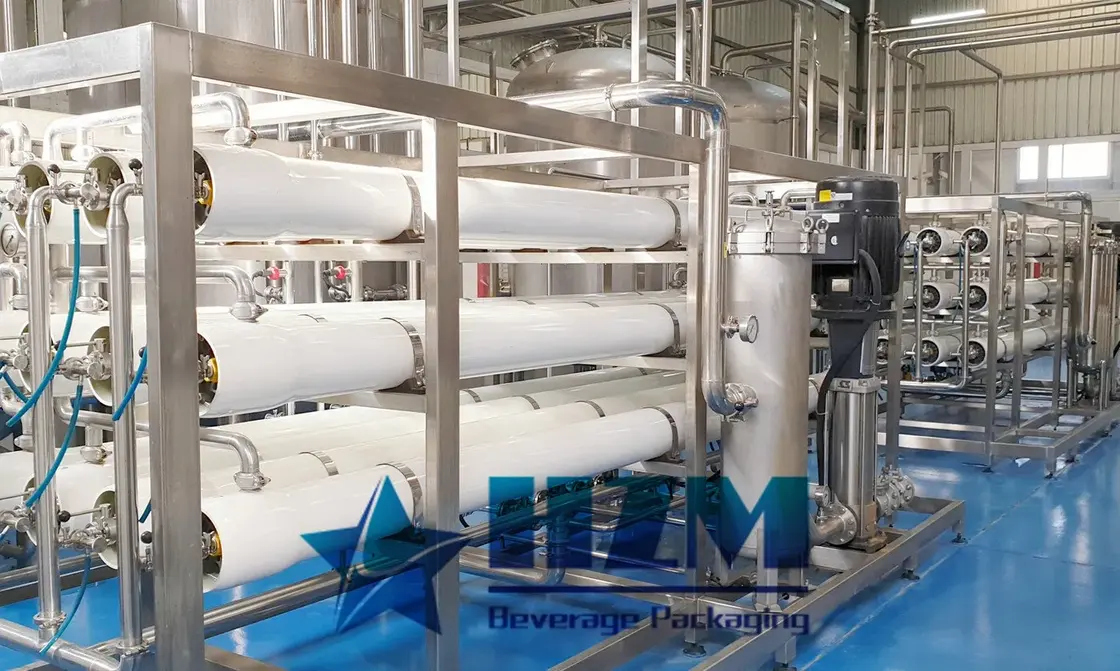
Reverse osmosis reduces dissolved salts and therefore changes mineral composition. Where the product depends on retaining the source’s characteristic minerals, an RO-based purified-water design may be unsuitable. A system can instead be evaluated around targeted removal of the constituents that require treatment, with the process checked against the applicable product rules.
Natural mineral water treatment must preserve the required mineral characteristics and comply with the rules for the product’s destination market. Confirm the permitted treatment steps and finished-water composition before selecting the equipment.
A single total dissolved solids figure does not describe a mineral-water source adequately. Provide the relevant mineral and contaminant analysis, microbiological results, source temperature, turbidity and a description of how water is collected and transferred. Include seasonal variation or previous treatment results if available.
Iron and manganese can create deposits or changes in appearance, but the treatment approach depends on their chemical form and the overall water chemistry. Suspended matter calls for a different assessment from dissolved salts. The objective is a justified treatment step for a defined issue, followed by verification that the desired composition has been retained.
| Source or production issue | Equipment option to assess | Required decision |
|---|---|---|
| Suspended particles | Appropriate filtration | Particle loading, filtration duty and permitted process |
| Iron or manganese concerns | Targeted treatment and filtration where permitted | Source chemistry, removal objective and impact on composition |
| Need to preserve dissolved minerals | Process selected to retain the approved mineral profile | Exclude unsuitable demineralisation steps |
| Purified water with a separately defined mineral profile | RO and any specifically engineered downstream adjustment | Different product definition, controlled dosing and verification |
| Quality loss during storage or transfer | Hygienic tank, piping and operating improvements | Sampling results and contamination pathway investigation |
HZM selects media filters, iron/manganese treatment and cartridge filtration for the source-water conditions and permitted process. A water pretreatment system can address upstream filtration needs. For purified-water production requiring dissolved-salt reduction, a separate RO water purification system can be configured.
UV or ozone should not be added by default to a natural-mineral-water process. Determine whether the treatment is permitted and appropriate for the product, water chemistry and intended purpose. The final design should show the actual treatment sequence, monitoring points and operating controls rather than simply listing all available technologies.
Size the system for the approved abstraction rate, the bottling schedule and maintenance periods. A filler may have a high mechanical capacity while the source can only support a lower sustained water supply. Storage can manage a short difference between supply and demand; it does not create additional sustainable source capacity.
| Parameter for quotation | How it is established |
|---|---|
| Net treated-water flow | Bottle size mix, required output and allowable source supply |
| Target composition | Approved finished-water analysis and retained mineral characteristics |
| Filter and vessel selection | Source condition, treatment duty and service cycle |
| Contact materials | Water chemistry and the approved cleaning method |
| Storage and distribution | Hygiene, usable capacity, residence time and filling interface |
| Monitoring and release | Specified sampling locations, tests and acceptance limits |
Treatment capacity, filter sizing and process stages are specified from the water analysis and bottling schedule. Send HZM your source-water report and finished-water requirements for a system configuration and quotation.
The treatment plant is only one part of the water path. Review source collection, transfer piping, tank ventilation, filling connections and closure handling. Compare samples from the source, treatment outlet, tank outlet and finished bottle when investigating a quality change. This helps distinguish a source issue from contamination introduced later.
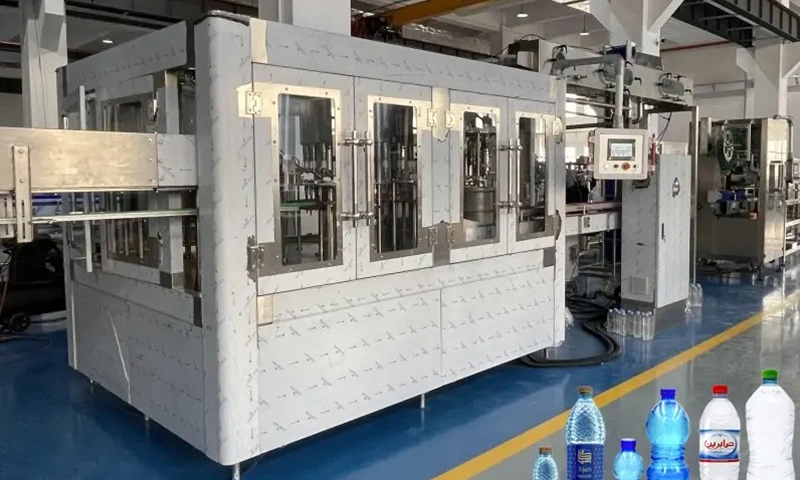
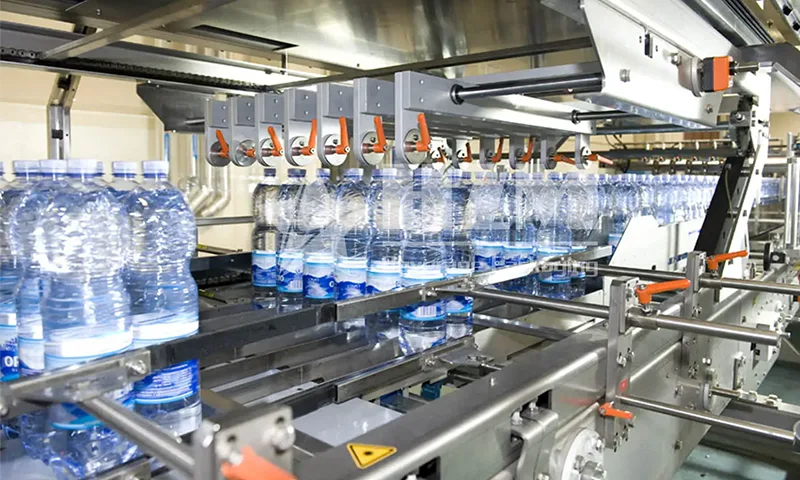
The water bottle filling machine can be assessed for the chosen still-water package after the treatment route is settled. Bottle and cap specifications, rinse conditions, filling hygiene and the release programme must align with the same finished-product requirement.
Not by changing the label or bypassing equipment without review. The source, product definition, treatment permissions and composition all need to be assessed. Existing tanks and piping also require a hygiene and compatibility check.
That objective must be translated into measurable acceptance criteria and a suitable permitted process. A generic statement such as “retains beneficial minerals” is insufficient for equipment selection.
Provide the source description and analysis, intended product category and sales market, required retained composition, bottle schedule, source availability and plant layout. These establish whether filtration, targeted treatment or a different water-production route is appropriate.
Talk to an engineer
Send your capacity, bottle specification and beverage type for a complete proposal.
Equipment
The ultrafiltration water purification system uses membrane separation to remove fine particles and colloids from water.
Learn moreEquipment
HZM water purification equipment combines filtration, membrane treatment and final treatment in one process.
Learn moreEquipment
10 T/H bottled-water treatment with pretreatment, reverse osmosis, storage and connections to the water filling line.
Learn moreEquipment
This RO water treatment system combines pretreatment, reverse-osmosis membrane separation and final treatment for purified-water production.
Learn moreEquipment
This reverse osmosis system treats well water and groundwater for drinking-water production.
Learn moreEquipment
Automatic mineral-water bottling with rinsing, filling and capping, from 5,000 to 18,000 bottles/hour at 500 ml.
Learn moreEquipment
Automatic drinking-water production equipment with PET bottle rinsing, filling and capping, plus downstream packaging options.
Learn moreEquipment
HZM water treatment systems prepare process water for bottled water, beverages and brewing.
Learn moreEquipment
This industrial drinking-water treatment system supplies treated water to bottling and beverage plants.
Learn moreSolution & application
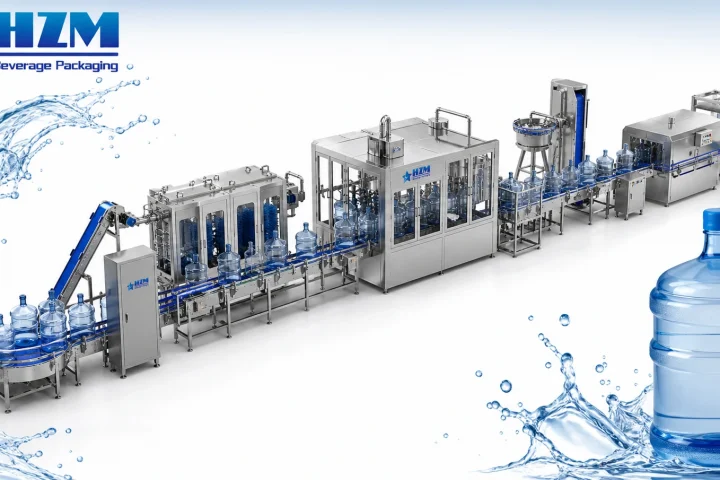 Complete production line
3-5 Gallon Water Production Line
Explore solution →
Complete production line
3-5 Gallon Water Production Line
Explore solution →
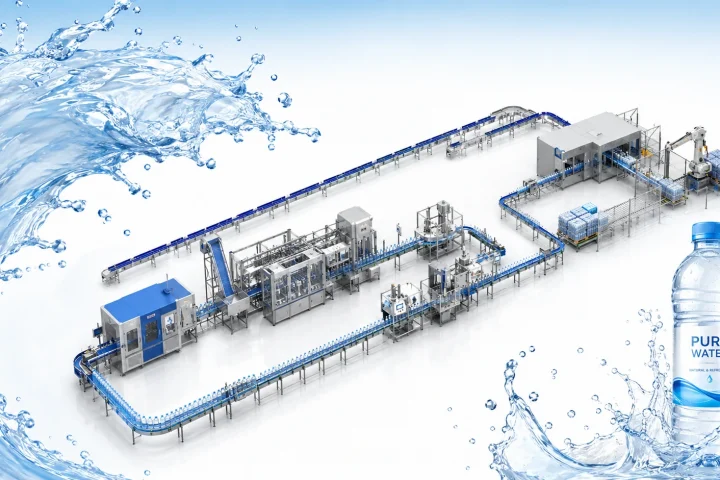 Complete production line
Bottled Water Production Line
Explore solution →
Complete production line
Bottled Water Production Line
Explore solution →
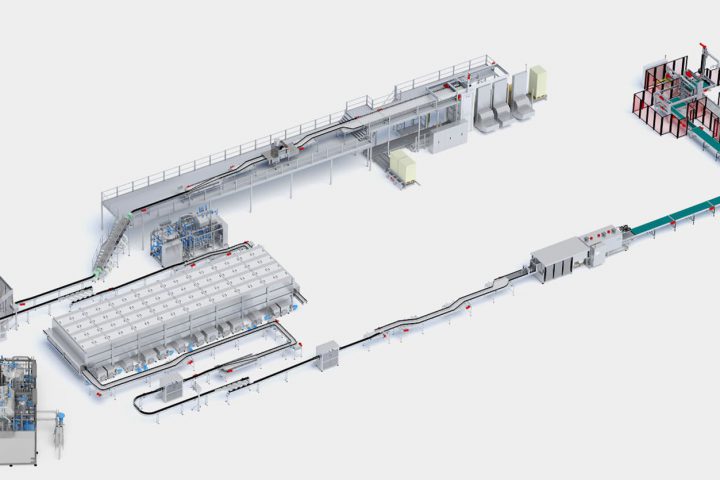 Complete production line
Cans Filling Production Line
Explore solution →
Complete production line
Cans Filling Production Line
Explore solution →
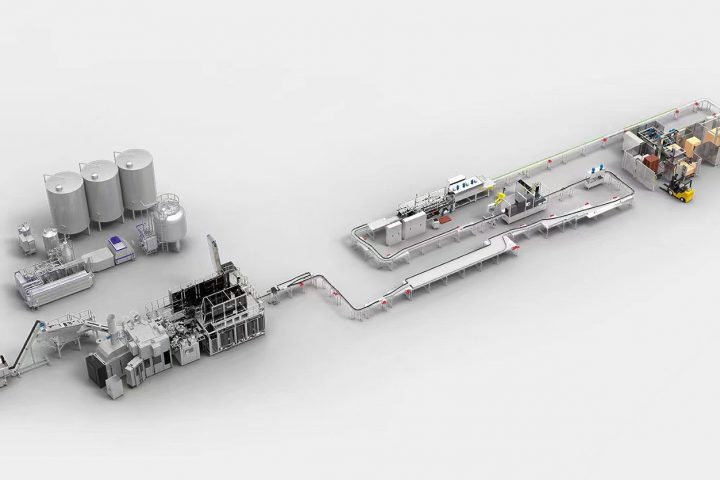 Complete production line
CSD Filling Production Line
Explore solution →
Complete production line
CSD Filling Production Line
Explore solution →
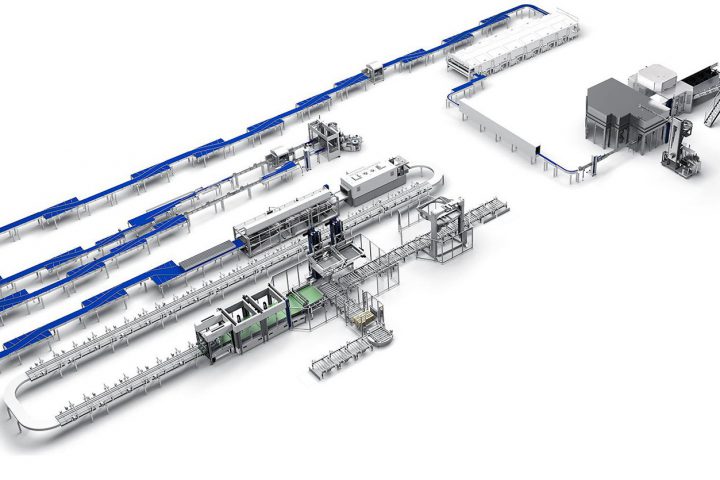 Complete production line
Juice Filling Production Line
Explore solution →
Complete production line
Juice Filling Production Line
Explore solution →
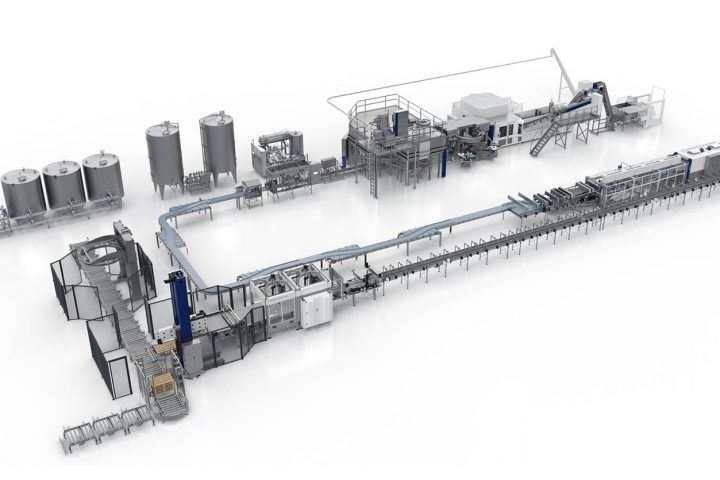 Complete production line
Water Filling Production Line
Explore solution →
Complete production line
Water Filling Production Line
Explore solution →
Build your production line
Tell us your beverage, container, capacity and target market. Our engineering team will prepare a practical line proposal.