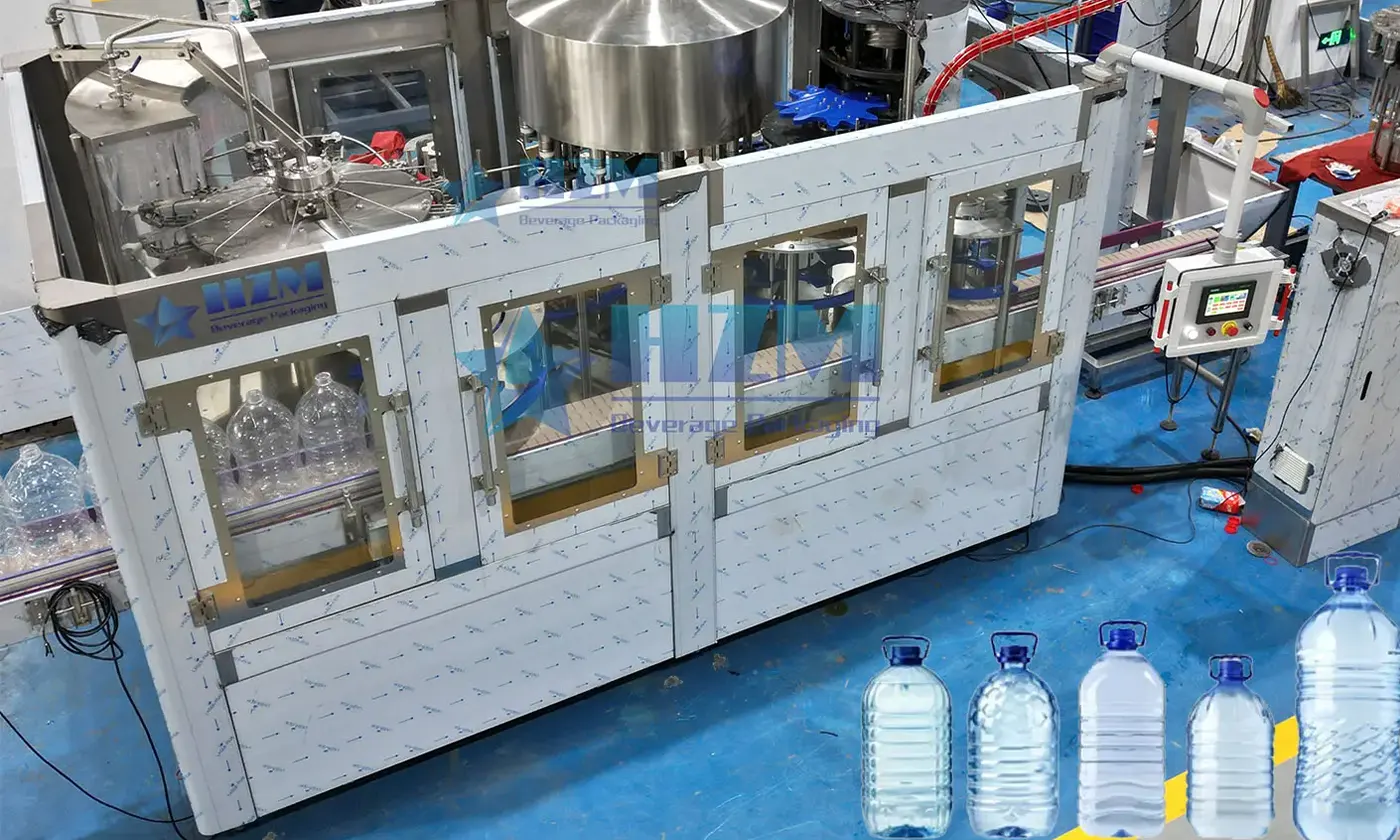
Equipment
Bottled Water Filling Machine & Turnkey Water Bottling Line
Bottled water filling machines and turnkey lines for purified and mineral water, with dedicated small-bottle, large-bottle and gallon-jar systems.
Learn more
Tip: You can request pricing for individual machines or a complete production line solution.
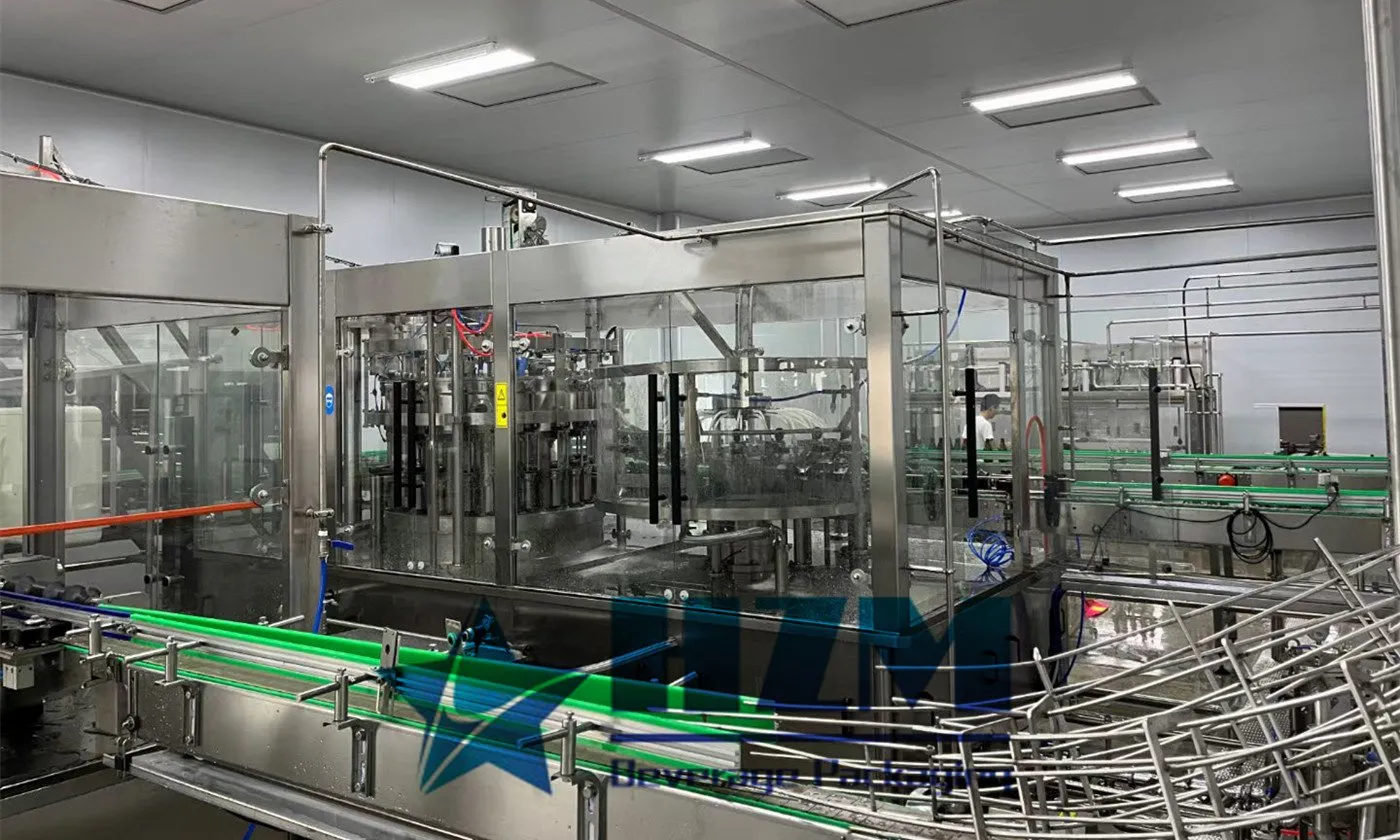
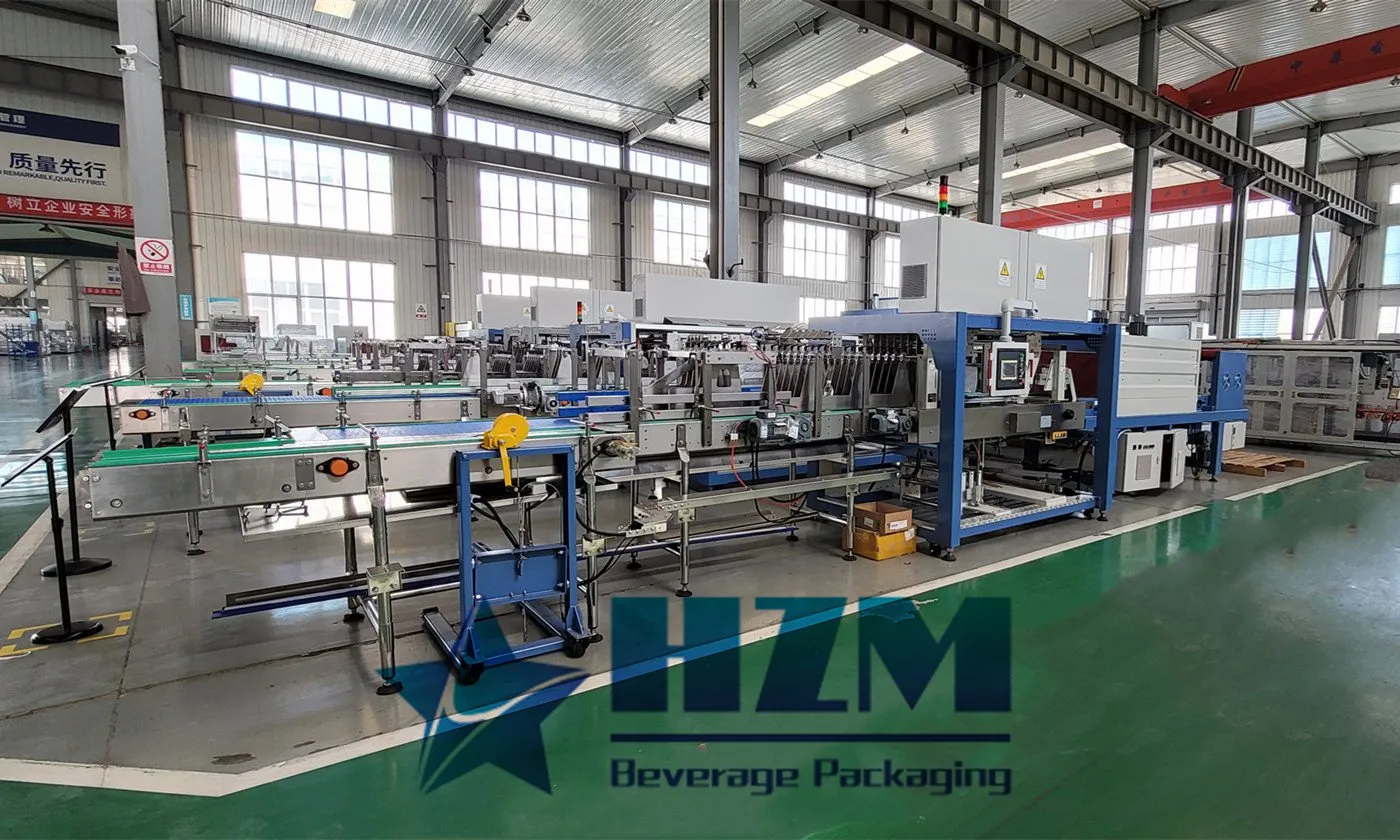
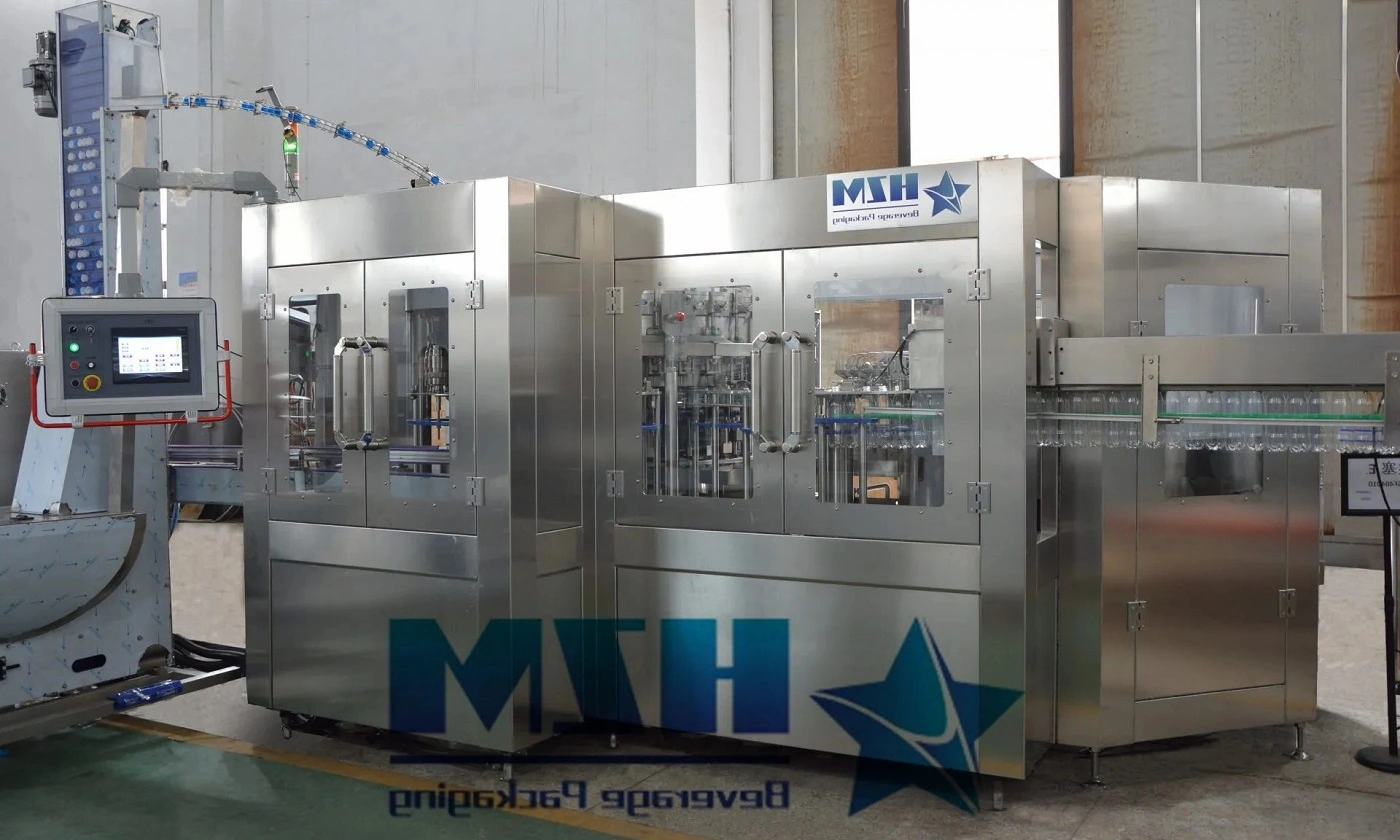
HZM configures beverage filling equipment for the product, container and required saleable output—not around a one-size-fits-all claim. The available scope covers a standalone Beverage Filling Machine, a coordinated beverage filling line, or a turnkey beverage production line from processing through final packaging.
Options are available for still and hot-filled juice, tea, carbonated soft drinks, energy drinks, water and beer in PET bottles, glass bottles or cans. Share your beverage, package drawings, target output and factory conditions so our engineers can prepare a line proposal with the correct filling principle and defined interfaces.
A reliable filling project begins with the beverage and container, not with a generic machine model. Juice may require thermal processing and controlled hot filling. Carbonated drinks need stable product temperature, carbonation and counter-pressure filling. Cans require coordinated isobaric filling and seaming. Bottle geometry, closure type, fill volume, production schedule and cleaning method also affect the final configuration.
As a Beverage Filling Machine Manufacturer and project integrator, HZM brings these interfaces into one engineering scope. Customers can select an individual filler or ask for a complete line that includes beverage preparation, container production or depalletizing, filling, packaging and line controls.
| Beverage and package | Typical filling approach | Important project inputs |
|---|---|---|
| Still juice or tea in PET/glass bottles | Normal-pressure or controlled hot filling, according to the validated product process | Product temperature, viscosity, pulp or particles, bottle heat resistance and cooling method |
| Carbonated soft drinks in PET/glass bottles | Isobaric filling with controlled pressurization and pressure release | Filling temperature, target carbonation, bottle pressure rating, closure and foaming behavior |
| Carbonated beverages or beer in cans | Isobaric can filling followed by matched seaming | Can/end specification, carbonation, dissolved-oxygen target, seaming standard and inspection plan |
| Still water or non-carbonated beverages | Gravity or other process-appropriate filling configuration | Water or beverage specification, container, cap, hygiene plan and required output |
The final proposal identifies the filling principle, machine model, rated conditions and customer-supplied utilities. Output is confirmed for the agreed beverage, container and closure rather than represented as one universal speed.
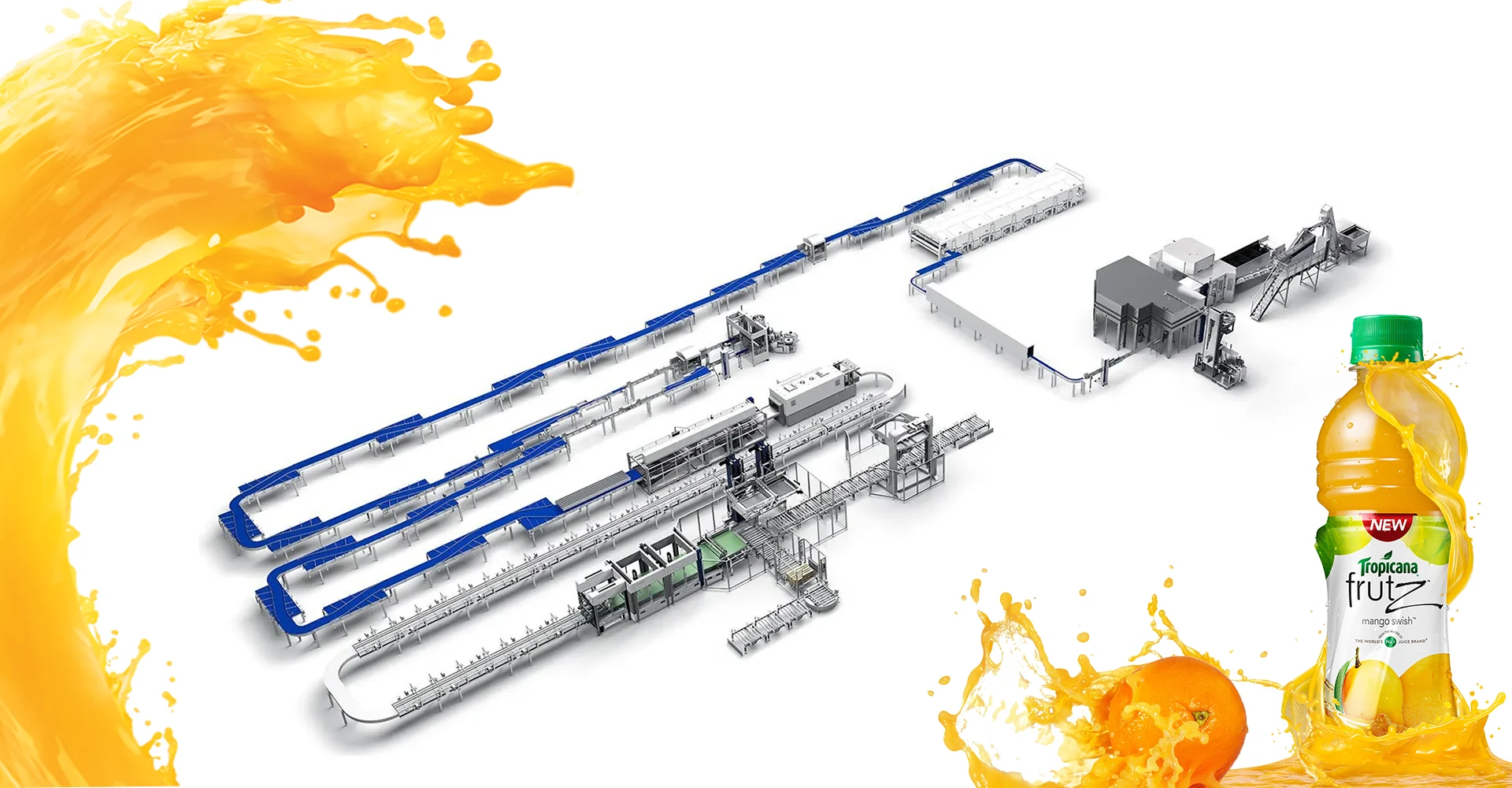
For still juice, tea and similar products, the filling system can be configured around ambient, moderate-temperature or hot-filling processes. The product preparation section may include water treatment, sugar dissolving, blending, filtration, homogenization, deaeration, thermal treatment, buffer tanks and clean product transfer. The appropriate modules depend on the formulation and the process defined by the beverage producer.
A project from an experienced Juice Filling Line Manufacturer should connect processing and packaging responsibilities clearly. Product must arrive at the filler with stable temperature, flow and composition. Bottle material must tolerate the specified process, and cooling or bottle inversion should be planned when the validated product and closure system require it.
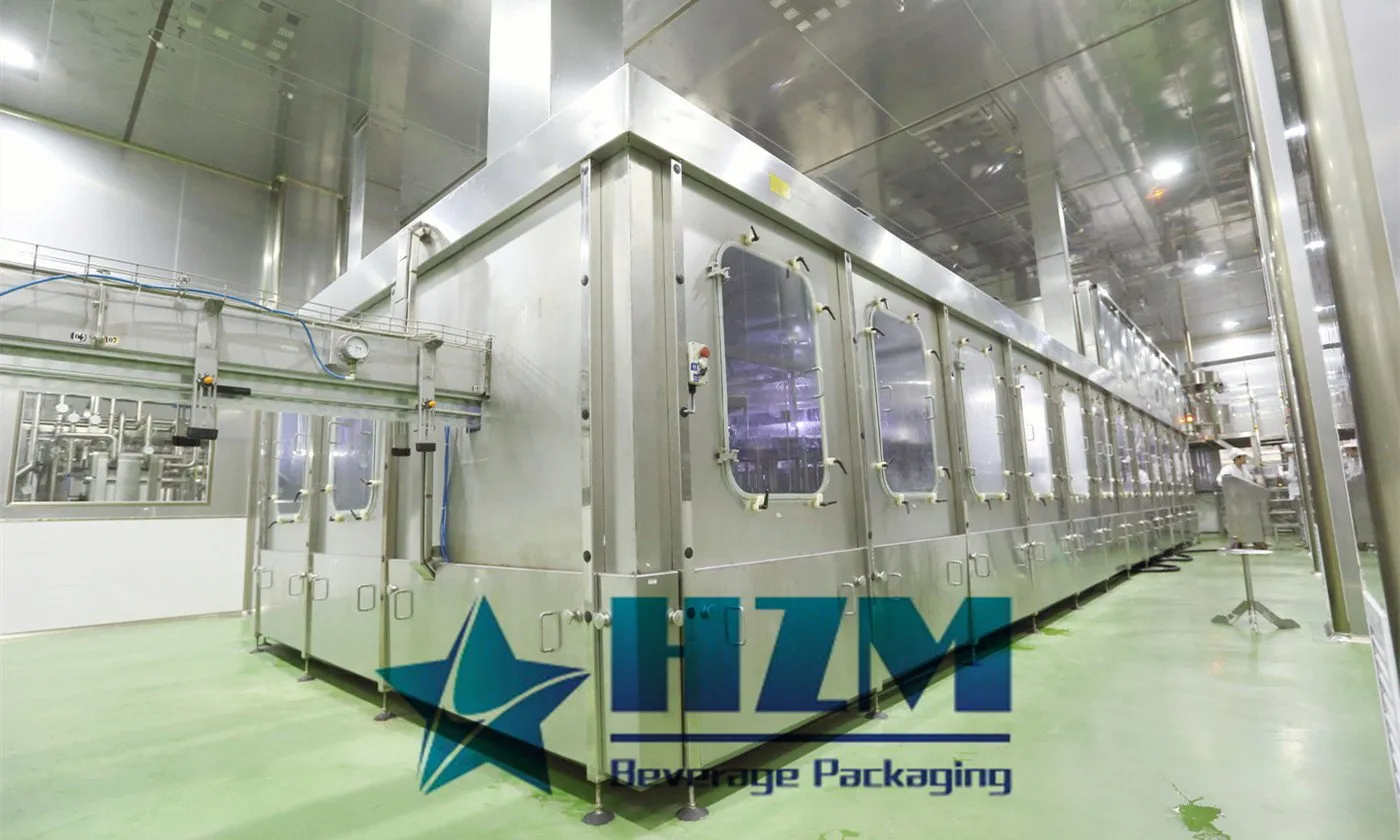
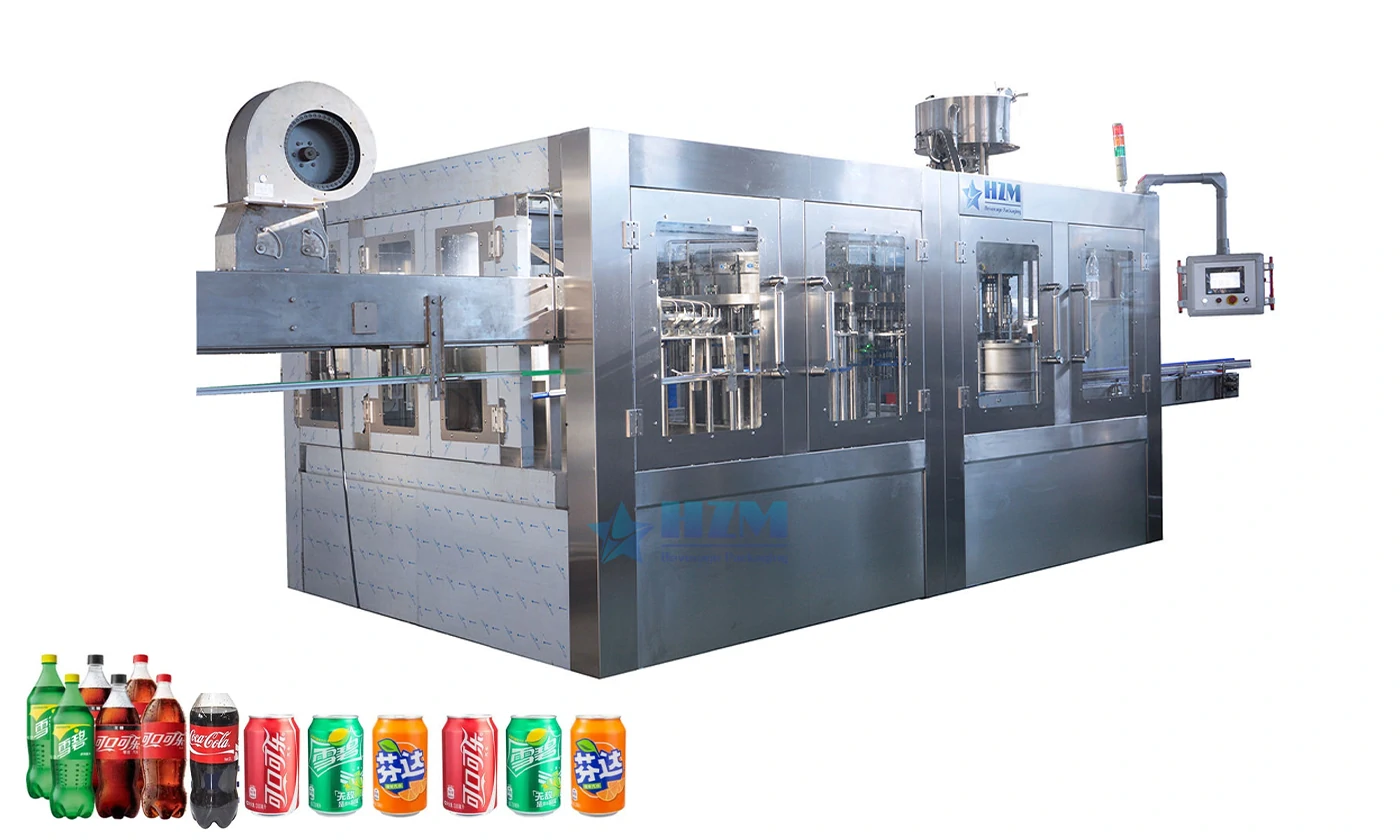
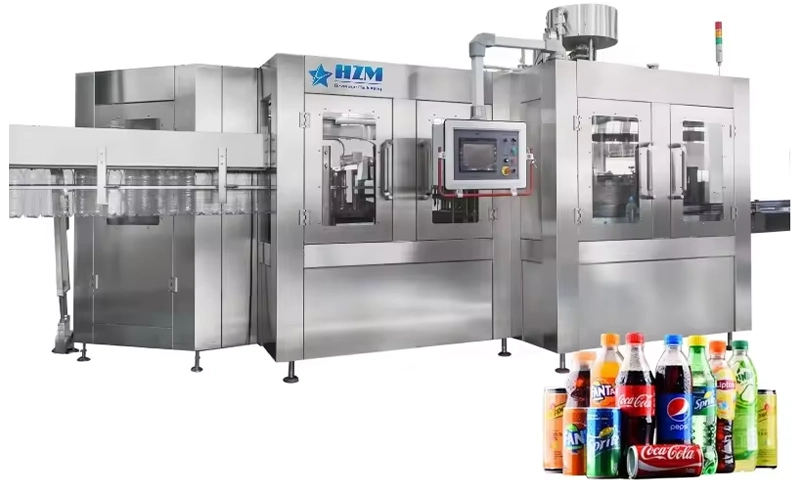
A Carbonated Soft Drink Filling Machine uses controlled counter pressure to limit foaming and carbon-dioxide loss during filling. The complete result depends on more than the filler: syrup preparation, water treatment, beverage mixing, chilling, carbonation, product transfer and closure application must operate within the agreed conditions.
HZM can configure PET or glass bottle systems for cola, soda, sparkling water, carbonated energy drinks and related beverages. The engineering proposal defines the applicable bottle, cap, filling temperature, carbonation conditions and output basis. This makes factory acceptance testing measurable and helps the production team reproduce the tested result after installation.
For cans, the filler and seamer should be treated as one quality-critical system. A Carbonated Beverage Can Filling Machine can be configured for soft drinks, sparkling beverages, beer and other suitable products. Can feeding, gas management, controlled filling, lid feeding, seaming and inspection need to match the actual can and end specification.
Available line modules can include empty-can depalletizing, rinsing, filling and seaming, warming or pasteurization where the beverage process requires it, coding, inspection, tray or film packing and palletizing. Acceptance checks should cover fill quantity, seam quality, package appearance and saleable output under representative production conditions.
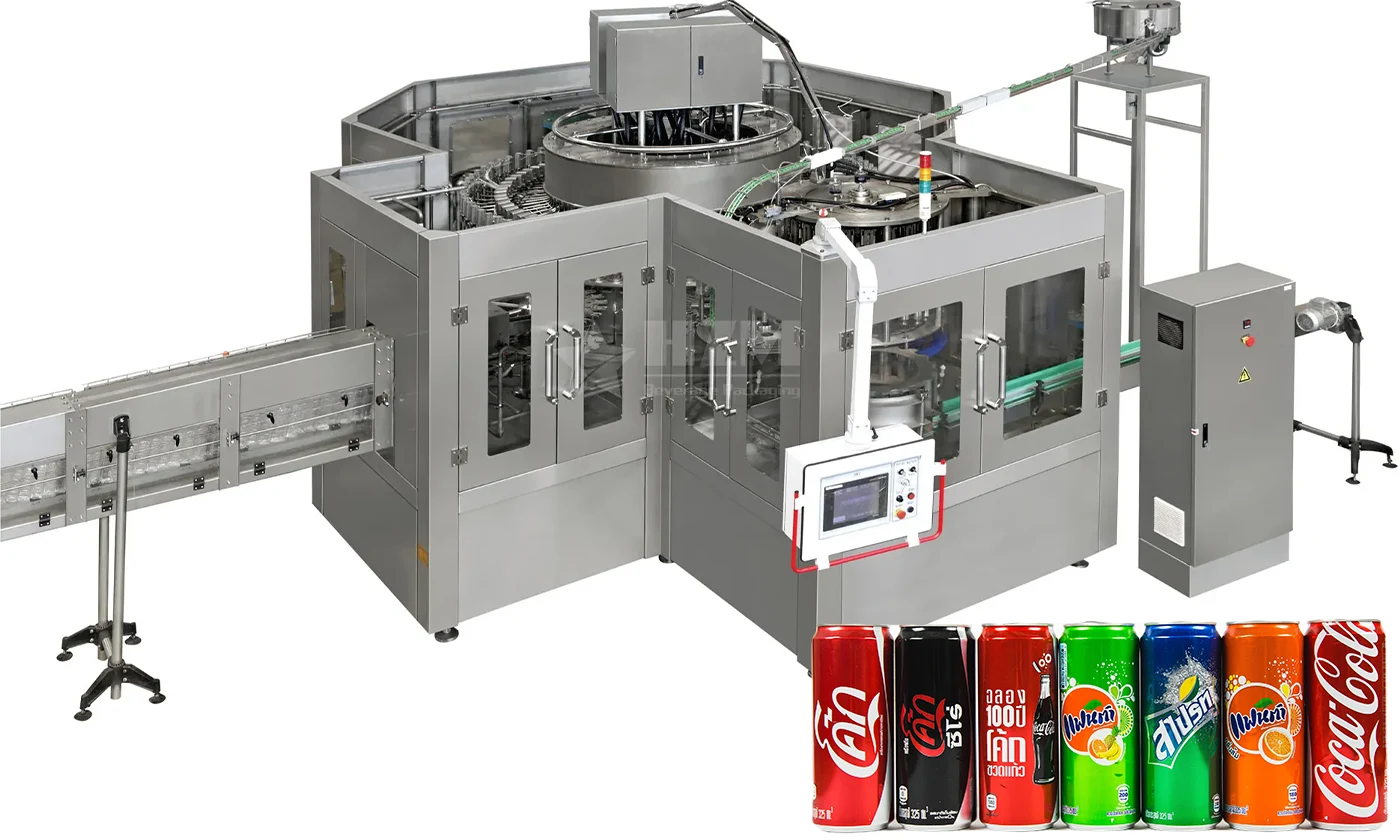
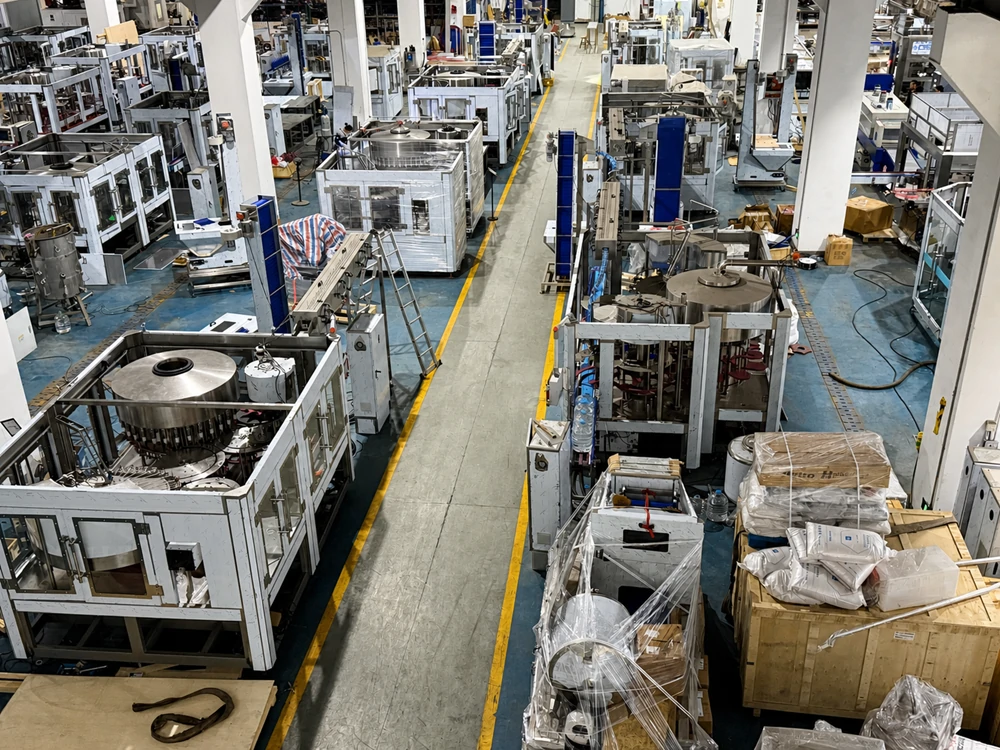
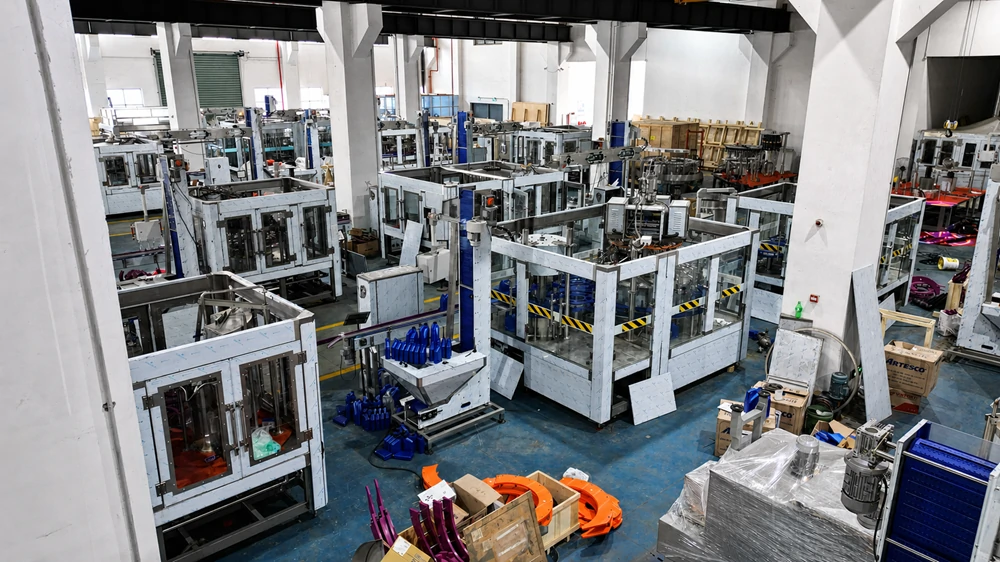
A turnkey scope can be expanded or reduced to suit the factory. HZM can coordinate the following modules and define the boundary between supplier and customer responsibilities:
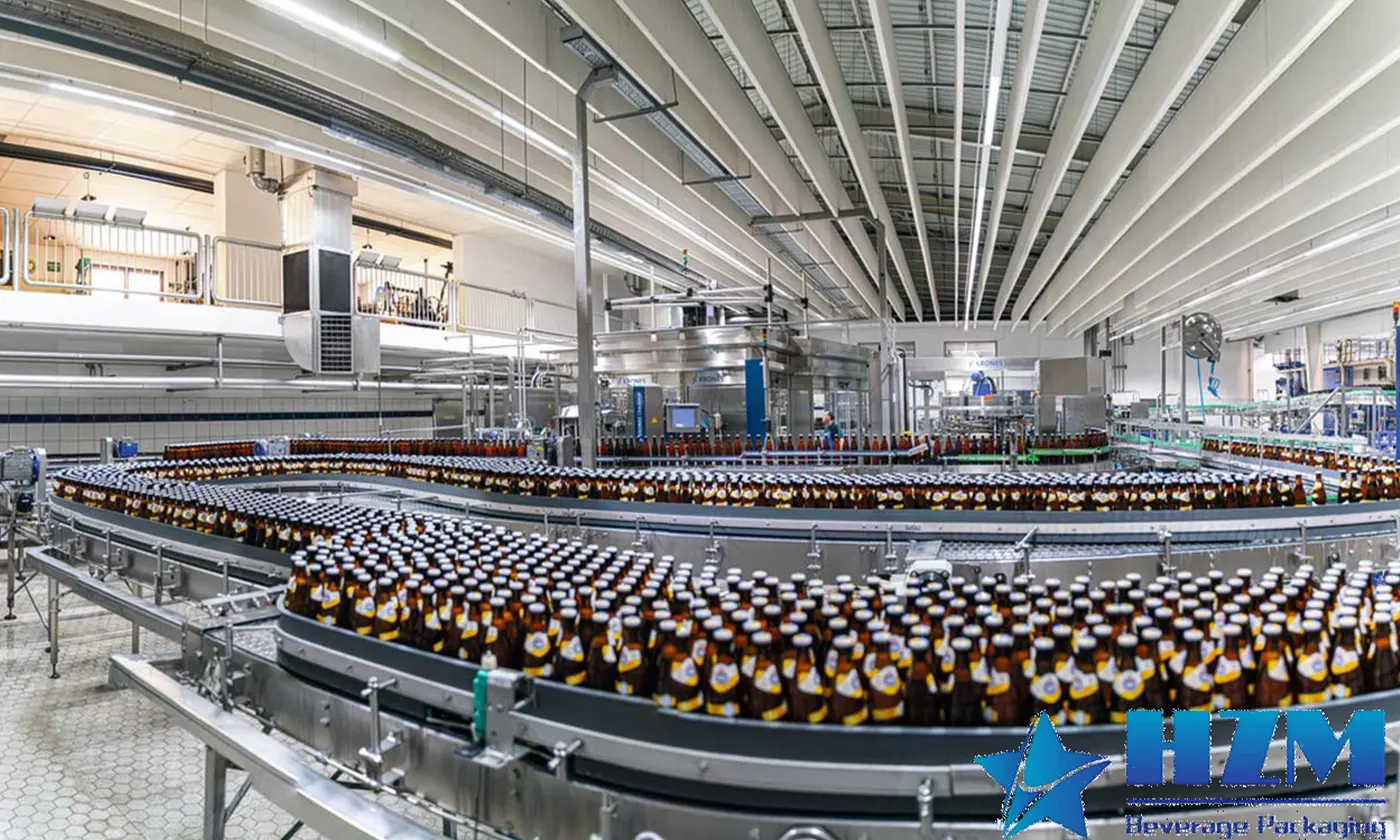
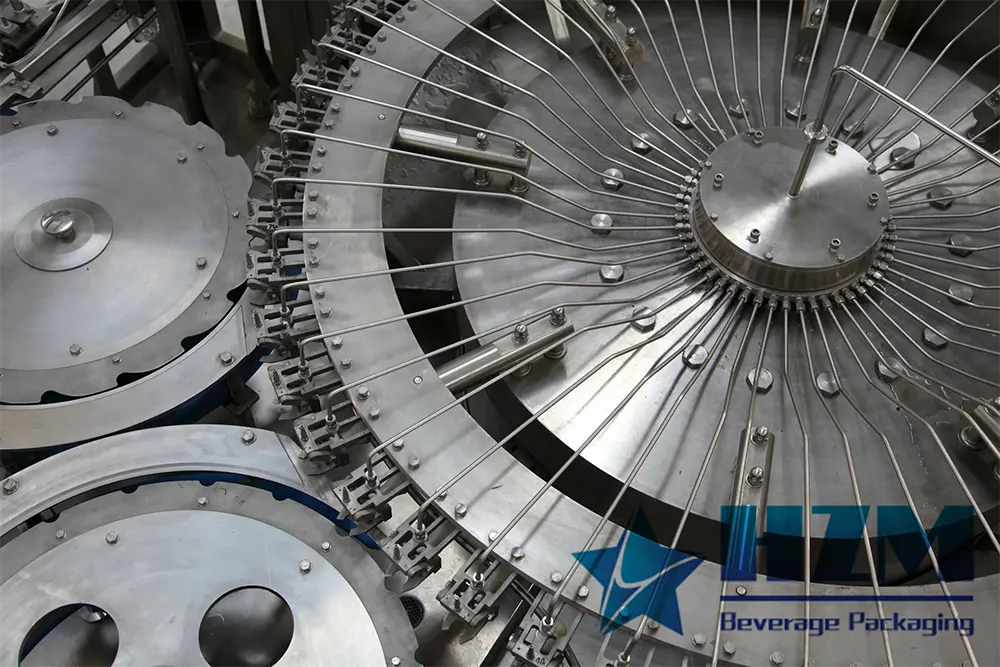
Container handling is selected for the package. PET bottles may use neck handling where appropriate; glass bottles and cans require package-specific transfers. The rinsing method and media depend on the hygiene plan and incoming container condition.
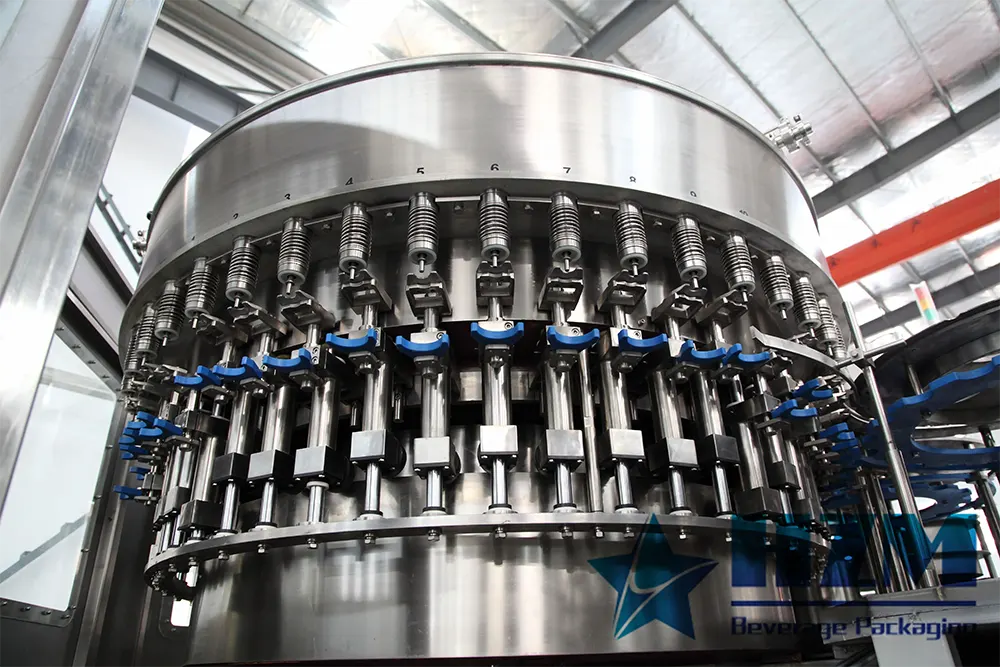
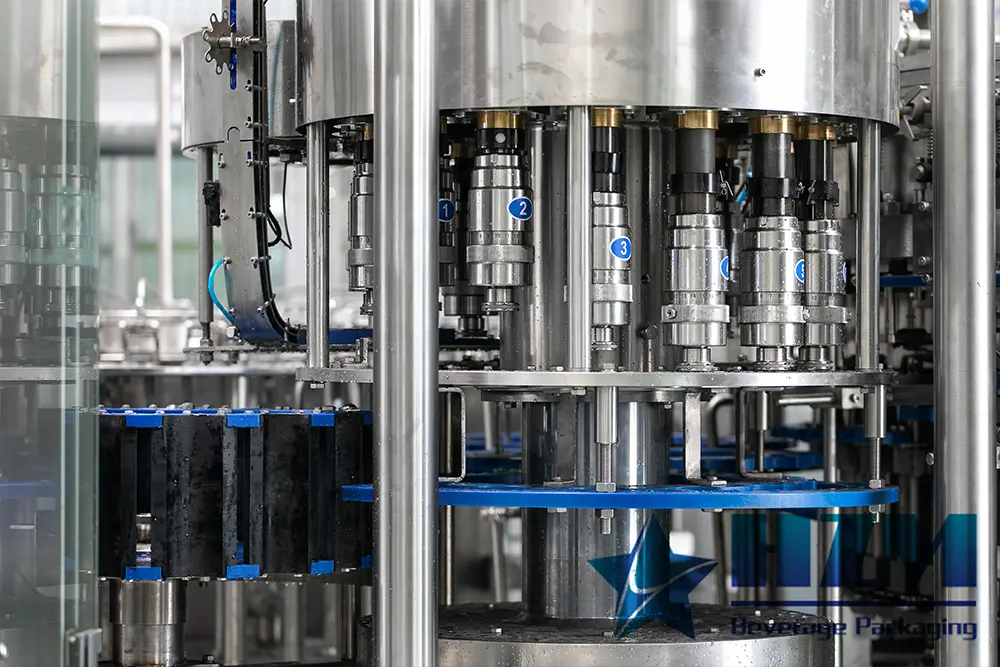
The filling valves, bowl or product distributor, product-contact materials and cleaning arrangement are configured for the beverage. Normal production, low-product conditions, planned stops and restarts should all be included in the operating and acceptance plan.
Closure performance protects the beverage after filling. Cap sorting and application are matched to the bottle neck and cap; can seaming is matched to the approved can and end. Inspection requirements and acceptable limits should be agreed before production testing.
| Item | Available project scope |
|---|---|
| Beverages | Juice, tea, carbonated soft drinks, energy drinks, water and beer, subject to process review |
| Containers | PET bottles, glass bottles and aluminum cans |
| Nominal capacity range | 2,000–36,000 containers/hour across current equipment families; final output is confirmed by product and package |
| Filling technologies | Normal-pressure/gravity, controlled hot filling and isobaric filling |
| Product-contact materials | SUS304 or SUS316 options selected for beverage and cleaning compatibility |
| Controls | PLC and HMI with machine-state monitoring, alarms, production counts and recipe functions as specified |
| Cleaning | CIP-capable product circuits and cleaning accessories configured to the sanitation plan |
| Electrical supply | Configured for the destination factory |
| Documentation | Layout, equipment list, utility schedule, operating documents and agreed acceptance protocol |
| Service | Factory testing, installation guidance or on-site installation, commissioning, operator training and spare-parts support |
Specifications are configuration-dependent. Product trials, package drawings and a written technical proposal determine the final equipment and performance commitment.
Send the following information so the proposed line can be sized and priced around your real production plan:
After review, HZM can provide a recommended process flow, equipment list, layout concept, utility requirements, commercial quotation and delivery plan.
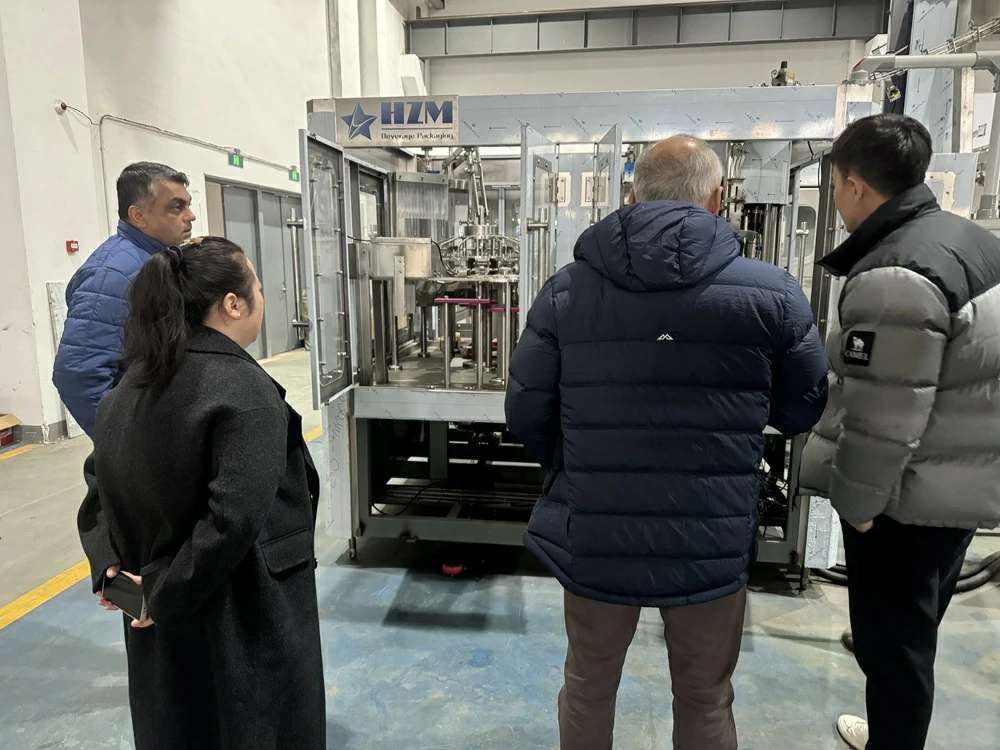
The project process normally includes requirement review, technical proposal, layout confirmation, manufacturing, factory testing, shipment, installation, commissioning and training. For a complete line, acceptance criteria should measure correctly filled, closed, labeled and packed product—not only the nameplate speed of one machine.
Representative bottles, caps, cans, ends, labels and product conditions should be available for testing. Agreed checks may include saleable output, fill quantity, closure or seam quality, carbonation-related performance, product temperature, package appearance, changeover steps and alarm response.
These products generally need different processing and filling conditions. Some projects can share selected downstream equipment, but the filling technology and product circuit must be reviewed. HZM will recommend a compatible shared configuration or separate fillers based on the actual products.
HZM offers equipment families for all three package types. A single line does not automatically handle every container. Change parts, transfers, closures, filling technology and downstream equipment are confirmed for the approved package range.
Current equipment families cover approximately 2,000 to 36,000 containers per hour. The committed output depends on beverage, container size, closure, filling conditions and the complete line scope.
Yes. The scope can extend from water or beverage processing through filling, labeling, coding, packaging and palletizing, with layout and line-control integration.
Price depends on product process, package, required output, automation level, inspection, utilities, packaging format and service scope. HZM prepares a project-specific quotation after reviewing these inputs.
Installation, commissioning and operator training can be included in the agreed service scope. The proposal states responsibilities, site prerequisites and any items supplied by the customer.
Tell us what you plan to fill, the bottle or can format, required output, destination country and desired packaging. HZM will review the project and respond with a practical equipment configuration instead of a generic machine list.
Talk to an engineer
Send your capacity, bottle specification and beverage type for a complete proposal.
Equipment
Bottled water filling machines and turnkey lines for purified and mineral water, with dedicated small-bottle, large-bottle and gallon-jar systems.
Learn moreEquipment
Carbonated soft drink rinsing, isobaric filling and capping, with DXGF models from 3,000 to 15,000 bottles/hour at 500 ml.
Learn moreEquipment
Complete beverage filling lines for juice, water, soft drinks and beer, with bottle and can packaging options.
Learn moreEquipment
CGS can filling and seaming for carbonated beverages, with capacities of 6,000–36,000 cans/hour at 330 ml.
Learn moreEquipment
Automatic carbonated beverage can filling and seaming, with CGS capacities of 6,000–36,000 cans/hour at 330 ml.
Learn moreEquipment
HZM beverage packaging equipment connects juice, soda and soft drink filling with labelling, coding and secondary packaging.
Learn moreEquipment
PET bottle juice filling with automatic rinsing and capping, for juice, tea and still beverages.
Learn moreEquipment
PET bottle filling for soft drinks and sparkling water, combining rinsing, counter-pressure filling and capping.
Learn moreEquipment
HZM supplies beverage production and packaging equipment for juice, soft drinks, carbonated drinks and energy drinks.
Learn moreSolution & application
 Complete production line
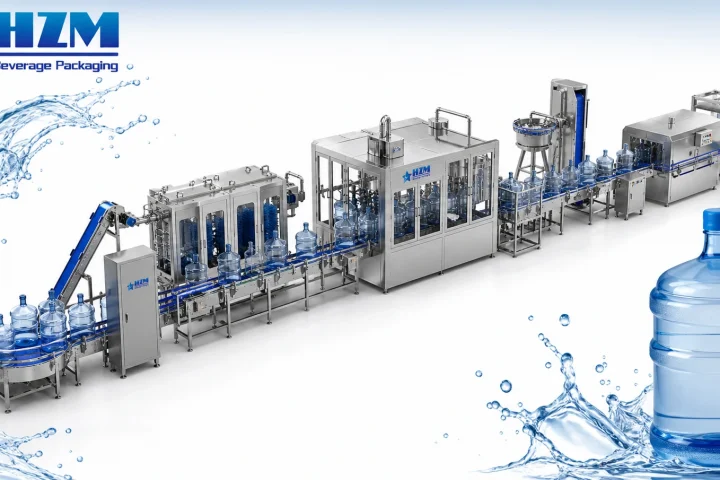
3-5 Gallon Water Production Line
Explore solution →
Complete production line
3-5 Gallon Water Production Line
Explore solution →
 Complete production line
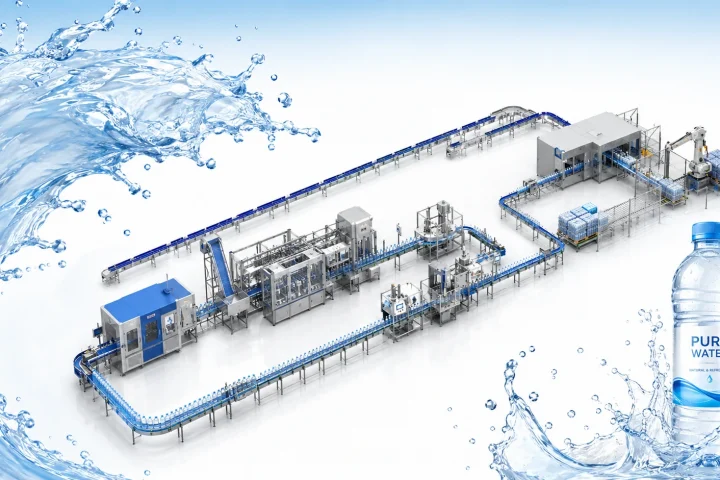
Bottled Water Production Line
Explore solution →
Complete production line
Bottled Water Production Line
Explore solution →
 Complete production line
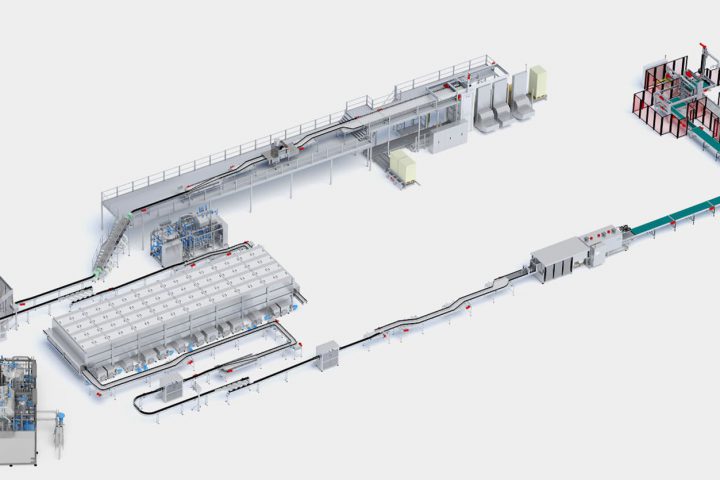
Cans Filling Production Line
Explore solution →
Complete production line
Cans Filling Production Line
Explore solution →
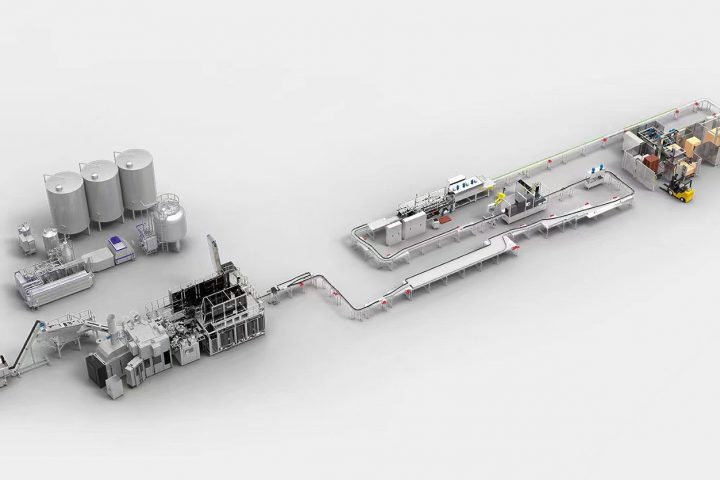 Complete production line
CSD Filling Production Line
Explore solution →
Complete production line
CSD Filling Production Line
Explore solution →
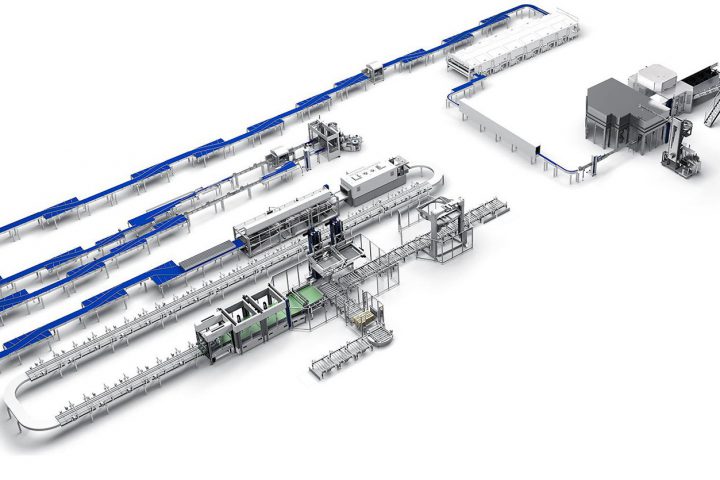 Complete production line
Juice Filling Production Line
Explore solution →
Complete production line
Juice Filling Production Line
Explore solution →
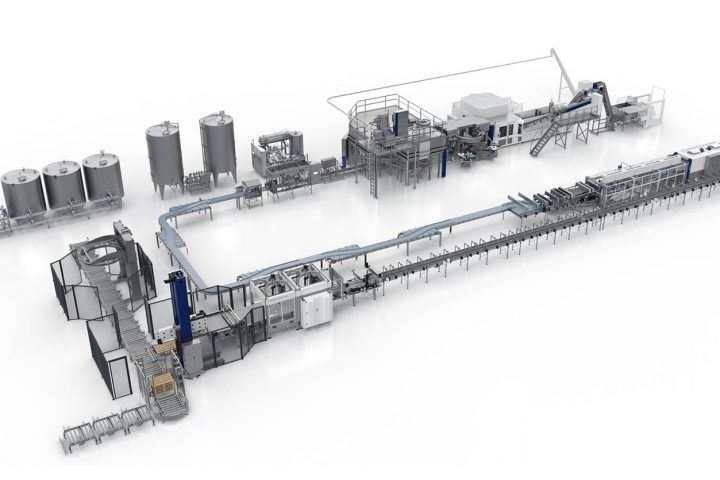 Complete production line
Water Filling Production Line
Explore solution →
Complete production line
Water Filling Production Line
Explore solution →
Build your production line
Tell us your beverage, container, capacity and target market. Our engineering team will prepare a practical line proposal.