Equipment
Beverage Packaging Machine for Juice, Soft Drinks, Carbonated Drinks, and Energy Drink
HZM supplies beverage production and packaging equipment for juice, soft drinks, carbonated drinks and energy drinks.
Learn more
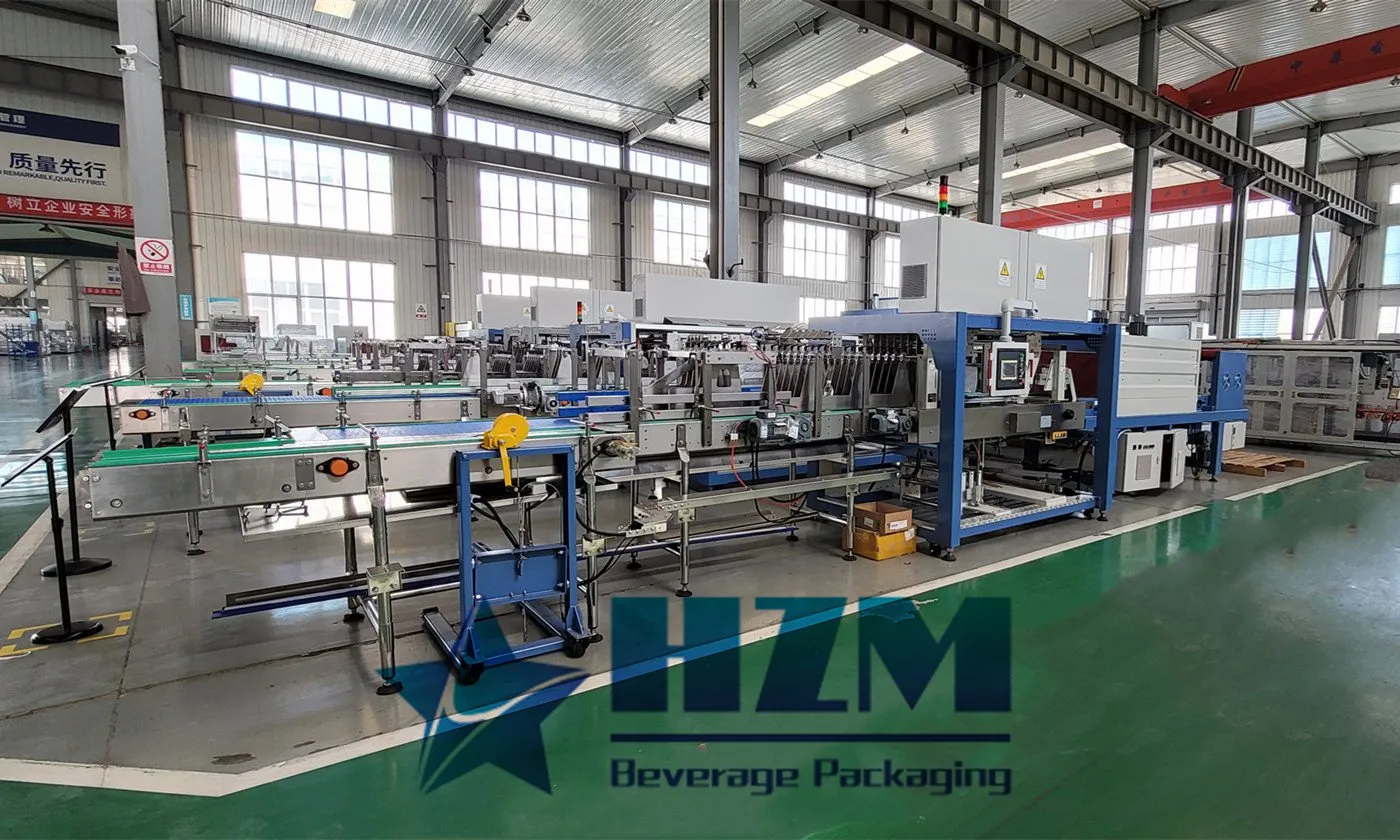
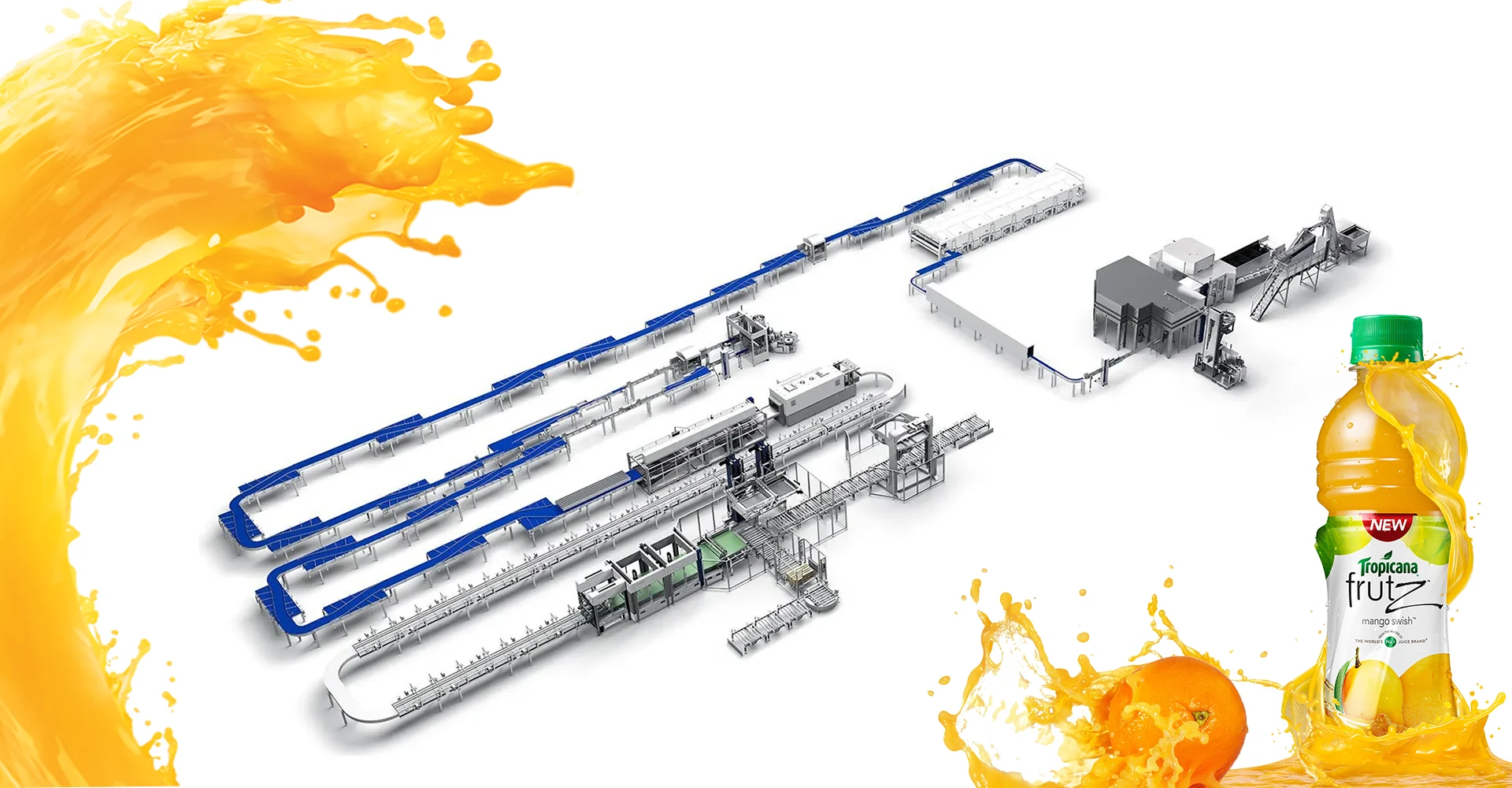
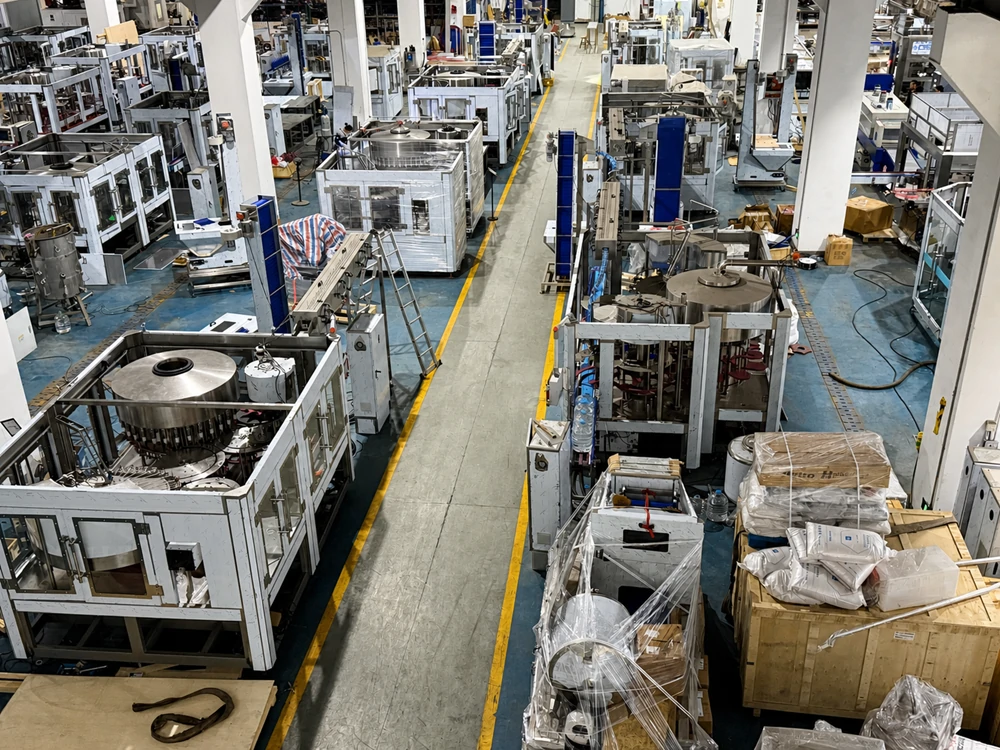
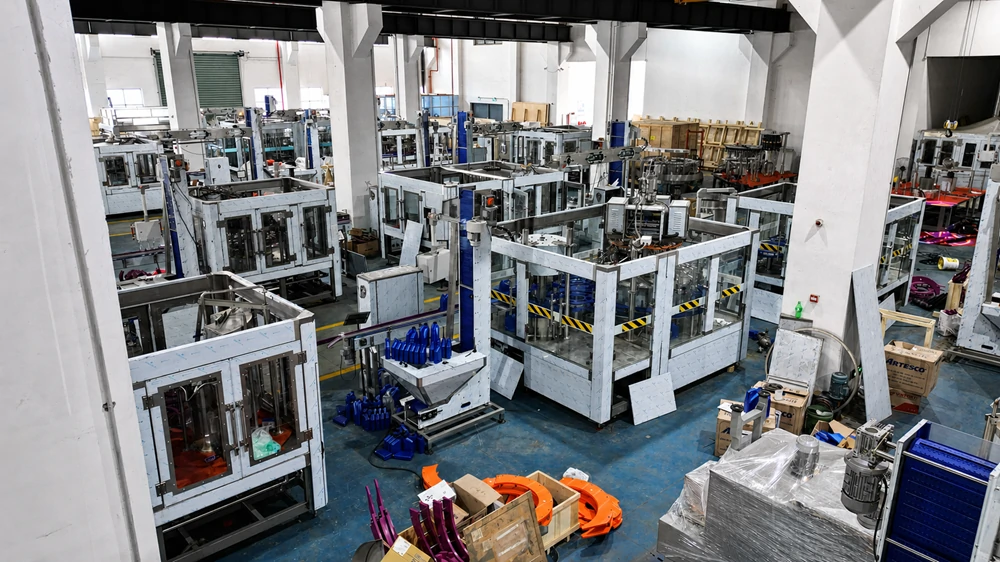
HZM beverage packaging equipment connects juice, soda and soft drink filling with labelling, coding and secondary packaging. Shrink wrapping groups bottles in film packs, while carton packing prepares cases for storage and transport. Conveyors and palletising equipment link these stages into a complete packaging line.
Tip: You can request pricing for individual machines or a complete production line solution.
HZM supplies filling and packaging equipment for juice, soda and soft drinks. Each line connects the appropriate beverage filling process with labelling, coding and carton or shrink packing. Conveyors, utilities and format parts are selected for your bottles, production rate and pack pattern.
Automatic beverage packaging machines must be selected as a sequence: fill the drink by the correct process, close the container reliably, apply its label and code, and build a pack that survives distribution. HZM combines juice and carbonated-drink filling equipment with labelling and packing machines to suit the beverage and package specification.
Juice, soda and soft drinks need different filling conditions. HZM selects the filling system for the beverage process, then matches bottle handling, labelling and secondary packaging to the finished pack.
| Product duty | Equipment route to evaluate | Critical information |
|---|---|---|
| Carbonated soda and soft drinks | Mixing/carbonation and counter-pressure filling with the matched closure system | Carbonation target, fill temperature, foaming tendency and pressure-rated package |
| Juice and still drinks using a hot-fill process | Approved thermal preparation, hot filling, capping and the specified cooling sequence | Recipe, pulp characteristics, validated process and heat-compatible bottle and cap |
| Other still beverage processes | Filling and hygiene arrangements specific to the formulation | Acidity, viscosity, particles, preservation method and distribution conditions |
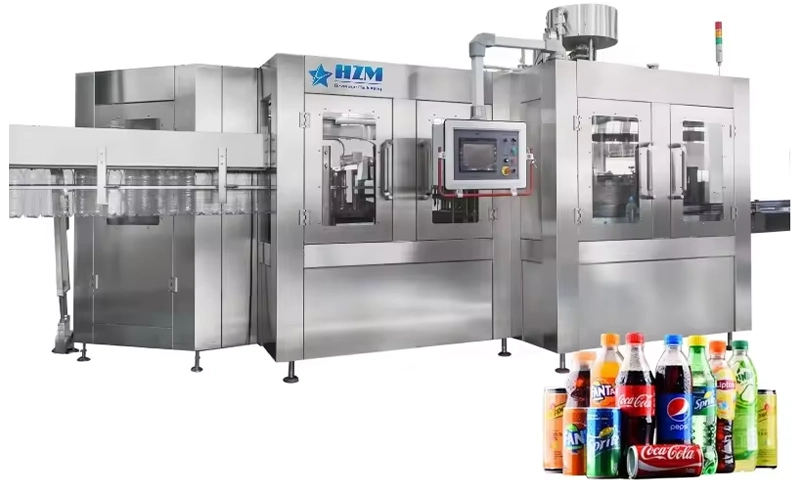
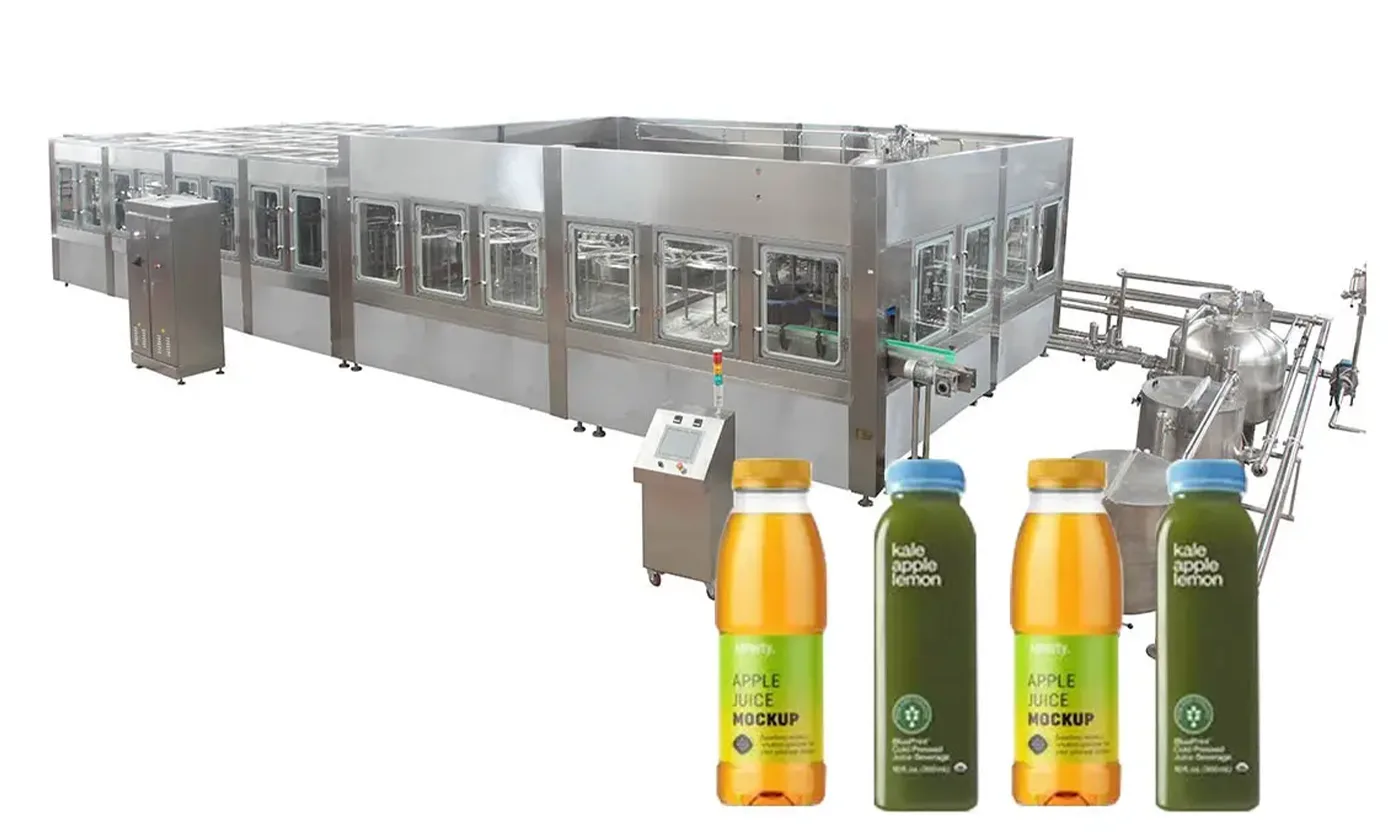
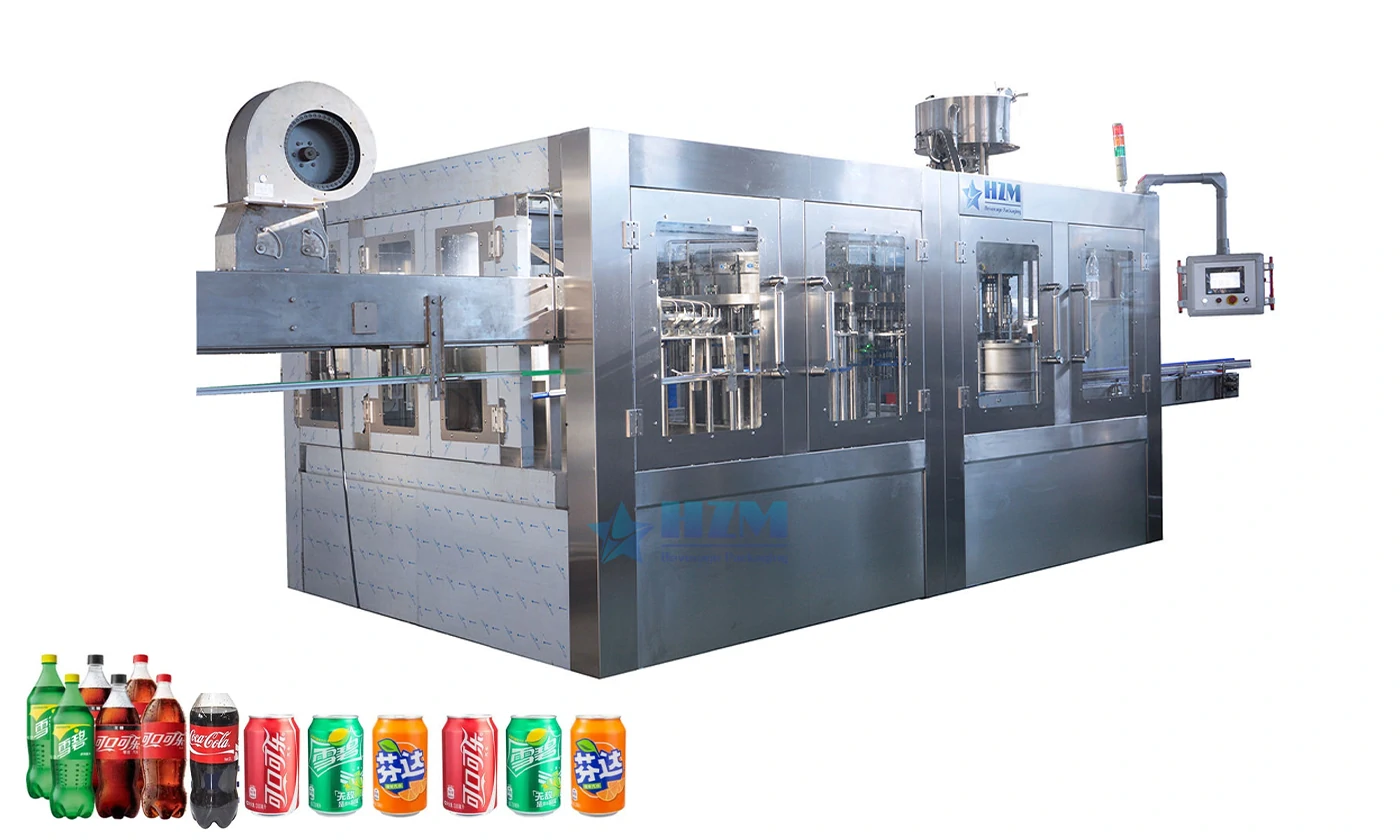
Use a carbonated-drink filling machine for soda and sparkling soft drinks, or a PET bottle hot-filling machine for compatible juice and still-drink processes. Bottle construction, filling temperature and cleaning requirements are specified for each application.
Choose sleeve, roll-fed or self-adhesive labelling from the bottle design and marketing requirement. The label panel, bottle shape, available decoration area and label material all matter. If a cold-filled bottle carries condensation, the surface condition reaching the labeller must be assessed. If a bottle has just passed through cooling, residual water can also affect coding and decoration.
Test the real printed label on the actual bottle. Check orientation, seam position, wrinkles or adhesion, code readability and appearance after storage. Changing a label material after the machine has been approved may alter its handling or heating requirements.
Shrink packing combines bottle grouping, film handling and a shrinking tunnel. Pack size determines the required machine speed.
Shrink packaging is suitable for many multipack formats, while cartons can provide additional enclosure and surfaces for identification. The choice depends on the retailer, bottle stability, stacking pattern and distribution conditions. Trial packs should be examined after cooling and under the intended handling conditions, not only as they leave the machine.
Choose from HZM shrink packing and carton packing machines according to the pack format and required output. Operating speed depends on bottle grouping, pack dimensions and packaging material.
| Equipment | Model | Packing capacity | Selection point |
|---|---|---|---|
| Shrink packing | SPM-15 | 15 packs/minute | Verify the grouping pattern and film specification |
| Shrink packing | SPM-25 | 20 packs/minute | Match the film feed and shrink tunnel to the pack format |
| Shrink packing | SPM-35 | 30 packs/minute | Check pack dimensions and tunnel loading |
| Carton packing | CPM-20 | 20 packs/minute | Confirm carton dimensions and bottle grouping |
| Carton packing | CPM-35 | 35 packs/minute | Include carton supply and finished-case handling |
Use bottles/hour = packs/minute × bottles/pack × 60 for the nominal conversion. For an illustrative 12,000-bottle/hour line, a six-bottle pack requires 33.3 packs/minute before downtime allowance; a twelve-bottle pack requires 16.7 packs/minute. The same filler therefore creates very different duties for the packer.
Replenishing film, loading cartons, removing pallets and clearing a rejected pack all take time. A buffer conveyor helps with brief interruptions, but average downstream capacity must still exceed the required production rate. Evaluate the pack format with the highest pack count, not only the best-selling format.
Record which items change when switching between products: bottle guides, star wheels, caps, labelling parts, pack grouping and carton or film dimensions. Recipe storage can help repeat approved settings, but it cannot replace mechanical parts or hygiene verification.
The machine-to-machine signals should define upstream hold, downstream blockage, low material and fault recovery. Ask the supplier to demonstrate how the system returns to stable running after an interruption. This is particularly important where a continuous filler feeds packaging equipment that operates in groups.
A complete proposal should identify the filling route, container and closure range, label method, pack pattern, conveyor connections, utilities and equipment boundaries. It should also state which format parts and consumables are supplied for testing.
For acceptance, run the selected beverage or an agreed representative test medium, real bottles and caps, printed labels and production packaging materials. Count acceptable finished packs over a defined period. Check the beverage-specific quality criteria as well as closure integrity, label position, code legibility and pack stability.
Some downstream equipment can be configured for more than one package, but feeding, filling, capping or seaming require specific equipment. Provide the entire format list before a common layout is proposed.
Yes, if the existing filler already delivers acceptable output. Measure its actual discharge rate and stoppage pattern, then assess conveyor interfaces, packer capacity and pallet handling as a separate upgrade.
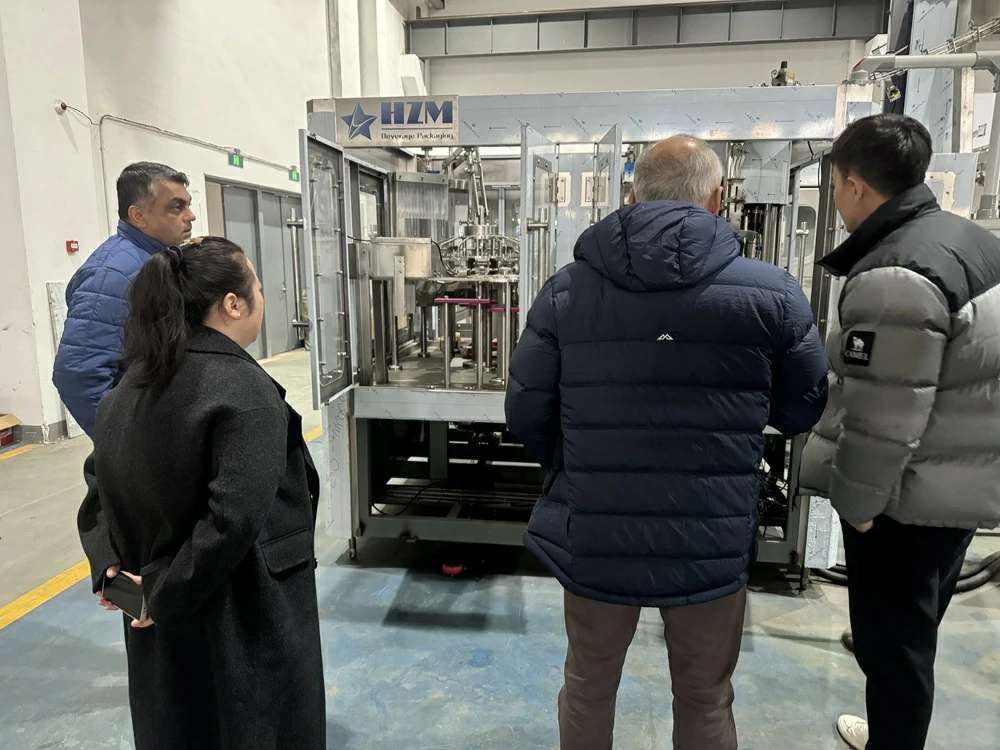
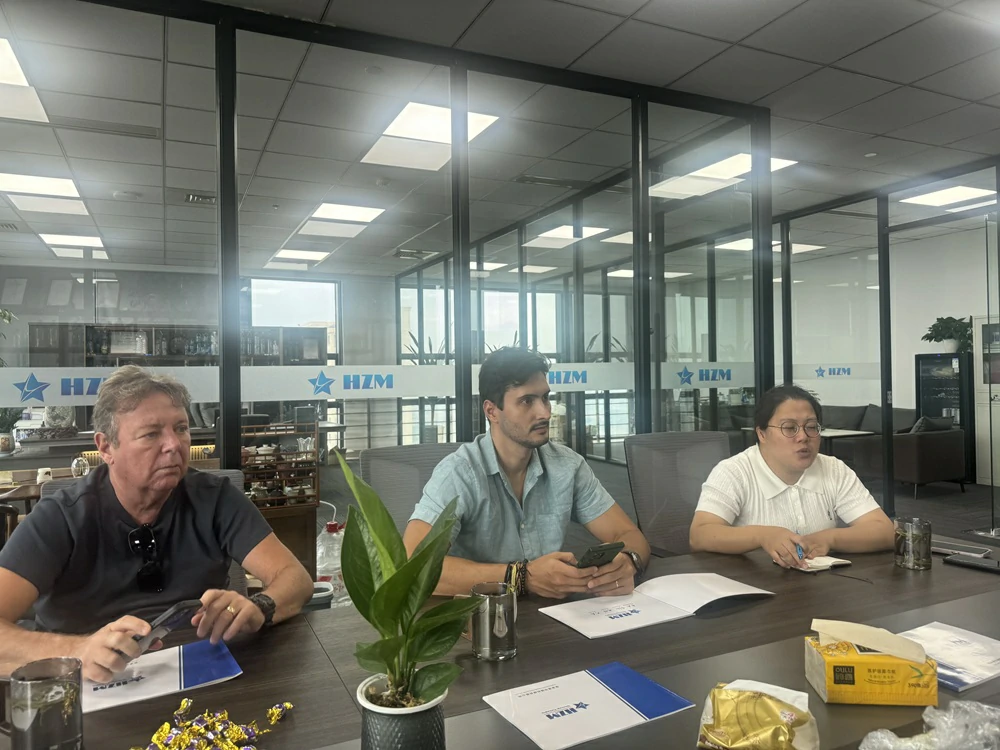
Send the drink specification, filling process, bottle and closure drawings, desired output by format, label artwork or samples, pack pattern and plant layout. HZM can then build a proposal around the actual product mix.
Talk to an engineer
Send your capacity, bottle specification and beverage type for a complete proposal.
Equipment
HZM supplies beverage production and packaging equipment for juice, soft drinks, carbonated drinks and energy drinks.
Learn moreEquipment
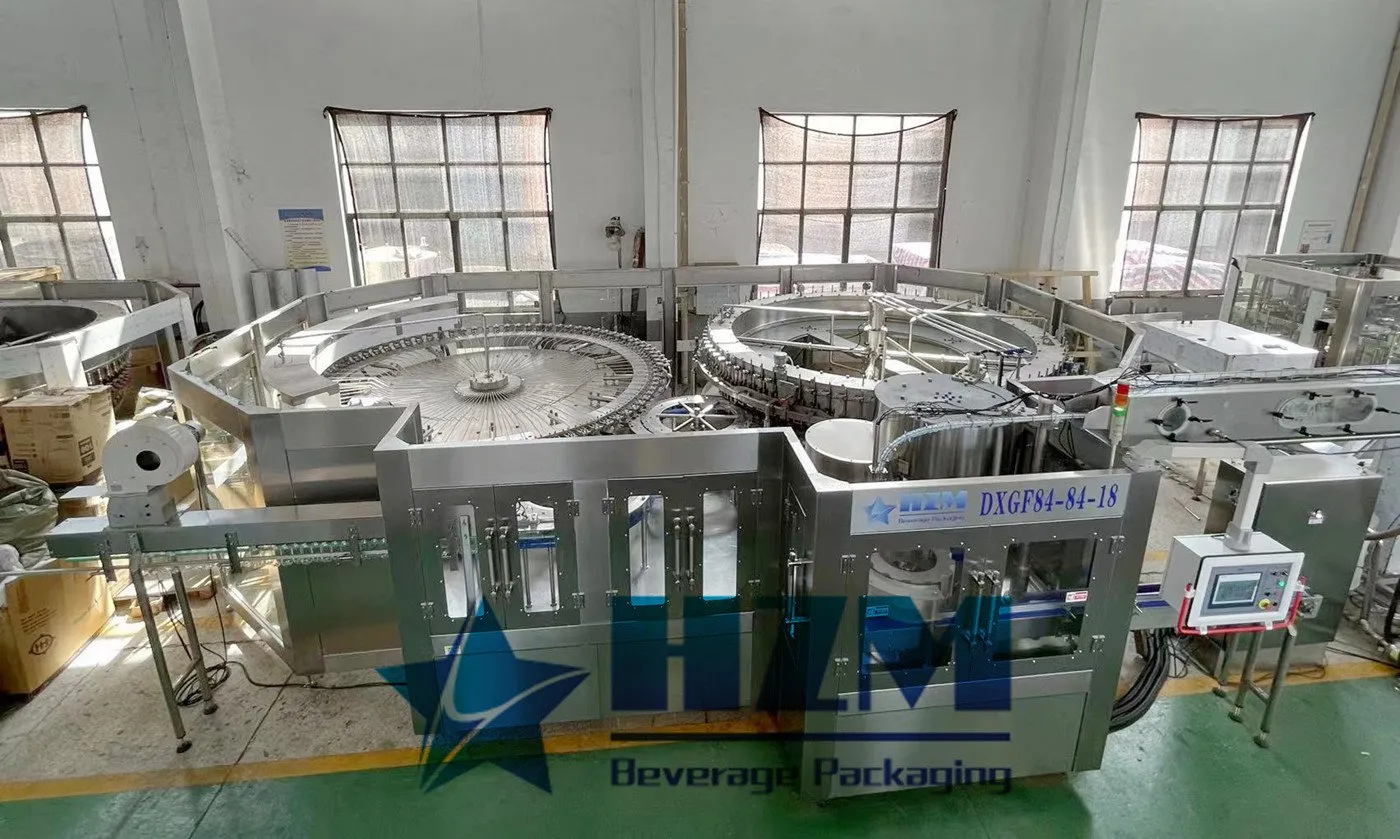
Carbonated soft drink rinsing, isobaric filling and capping, with DXGF models from 3,000 to 15,000 bottles/hour at 500 ml.
Learn moreEquipment
Bottled juice filling equipment with rinsing and capping, from 6,000 to 18,000 bottles/hour at 500 ml.
Learn moreEquipment
Beverage filling machines and turnkey lines for juice, soft drinks, water and beer in PET bottles, glass bottles or cans.
Learn moreEquipment
The juice beverage bottling line connects beverage preparation and thermal processing with bottle filling, capping, labelling and packing.
Learn moreEquipment
Complete beverage filling lines for juice, water, soft drinks and beer, with bottle and can packaging options.
Learn moreEquipment
Carbonated drink rinsing, isobaric filling and capping for PET bottles, with capacities of 4,000–36,000 bottles/hour at 500 ml.
Learn moreEquipment
PET bottle juice filling with automatic rinsing and capping, for juice, tea and still beverages.
Learn moreEquipment
Automatic PET bottle rinsing, isobaric filling and capping for cola, soda water and other carbonated soft drinks.
Learn moreSolution & application
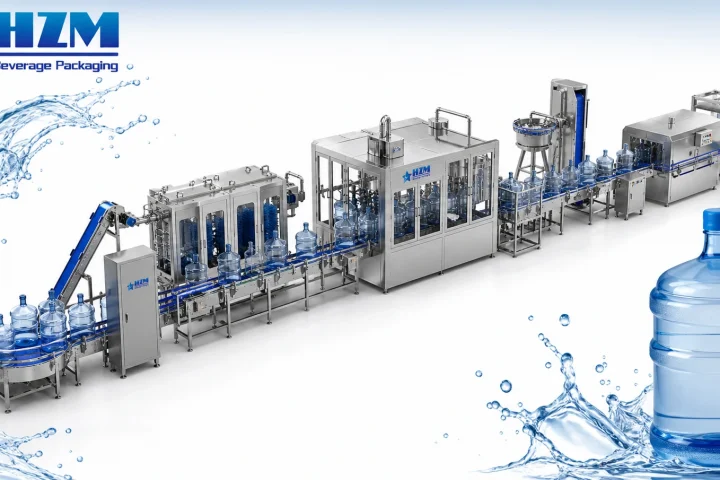 Complete production line
3-5 Gallon Water Production Line
Explore solution →
Complete production line
3-5 Gallon Water Production Line
Explore solution →
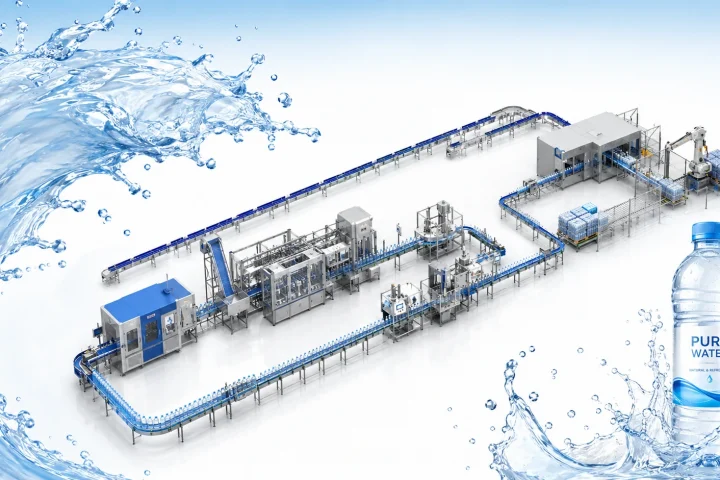 Complete production line
Bottled Water Production Line
Explore solution →
Complete production line
Bottled Water Production Line
Explore solution →
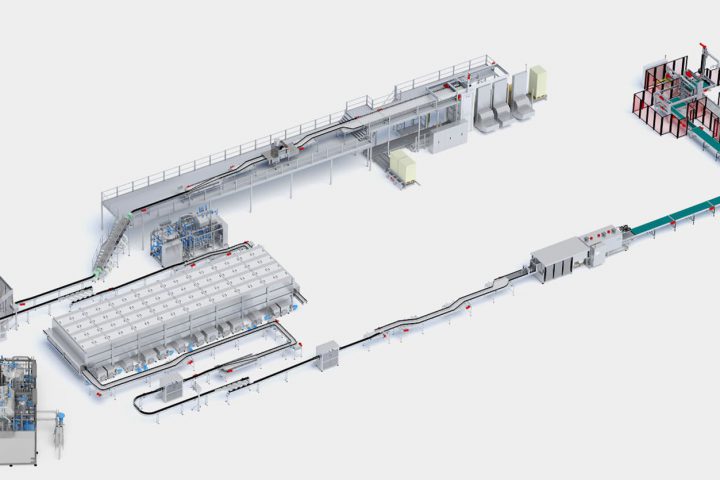 Complete production line
Cans Filling Production Line
Explore solution →
Complete production line
Cans Filling Production Line
Explore solution →
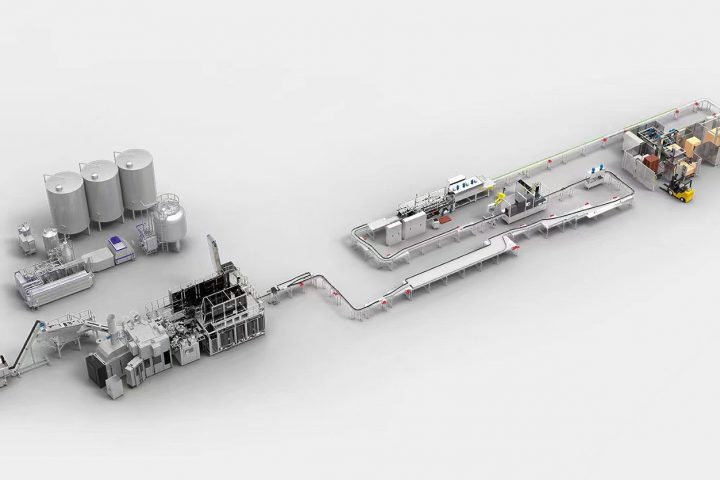 Complete production line
CSD Filling Production Line
Explore solution →
Complete production line
CSD Filling Production Line
Explore solution →
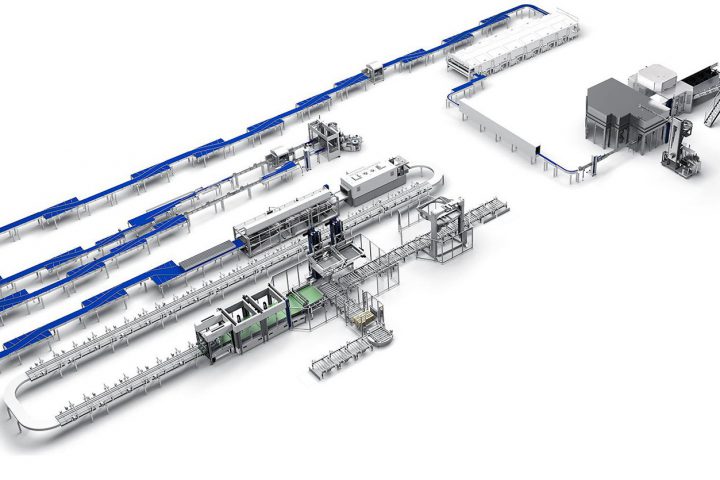 Complete production line
Juice Filling Production Line
Explore solution →
Complete production line
Juice Filling Production Line
Explore solution →
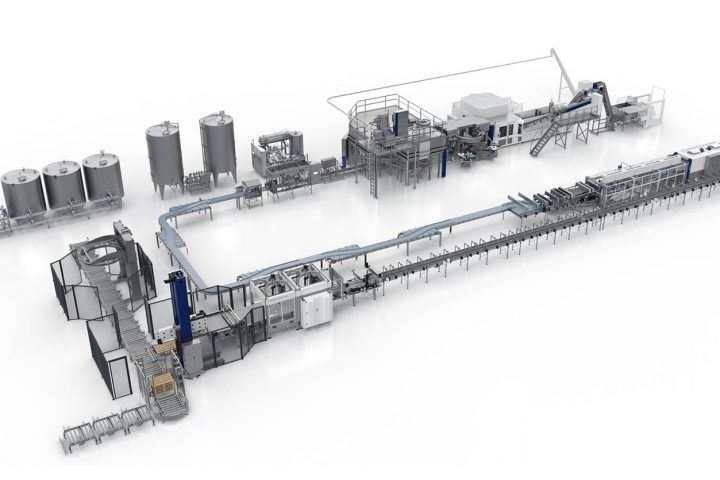 Complete production line
Water Filling Production Line
Explore solution →
Complete production line
Water Filling Production Line
Explore solution →
Build your production line
Tell us your beverage, container, capacity and target market. Our engineering team will prepare a practical line proposal.