FAT and SAT Checklist for a Turnkey Beverage Filling Line
Define factory and site acceptance tests for speed, quality, changeover, utilities, documents, safety, training and final line performance.
Learn more
Define factory and site acceptance tests for speed, quality, changeover, utilities, documents, safety, training and final line performance.
Learn moreClassify critical filling-line spares by failure impact, lead time and wear rate, then connect inventory with preventive maintenance and usage records.
Learn morePrepare electricity, compressed air, water, steam, cooling, drains, floor loads, ventilation and access before a beverage line arrives.
Learn moreSize and control bottle conveyors to absorb short stops, prevent excessive pressure and protect overall filling-line efficiency.
Learn moreImprove large-bottle water filling with correct nozzle selection, flow profile, venting, bottle control, anti-drip design and net-content verification.
Learn moreUnderstand how container material changes filling method, conveying, closure, inspection, labeling, packing, utilities and safety across a beverage line.
Learn moreUse SMED principles, prepared change parts and verified center settings to reduce bottle-format changeover time without sacrificing filling or packaging quality.
Learn moreConvert annual sales, bottle sizes, shifts, changeovers and expected efficiency into a realistic filling-machine capacity instead of oversizing by guesswork.
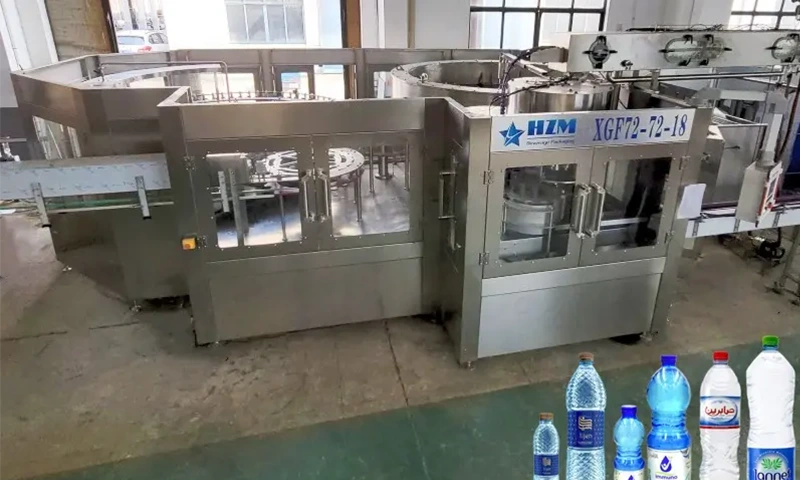
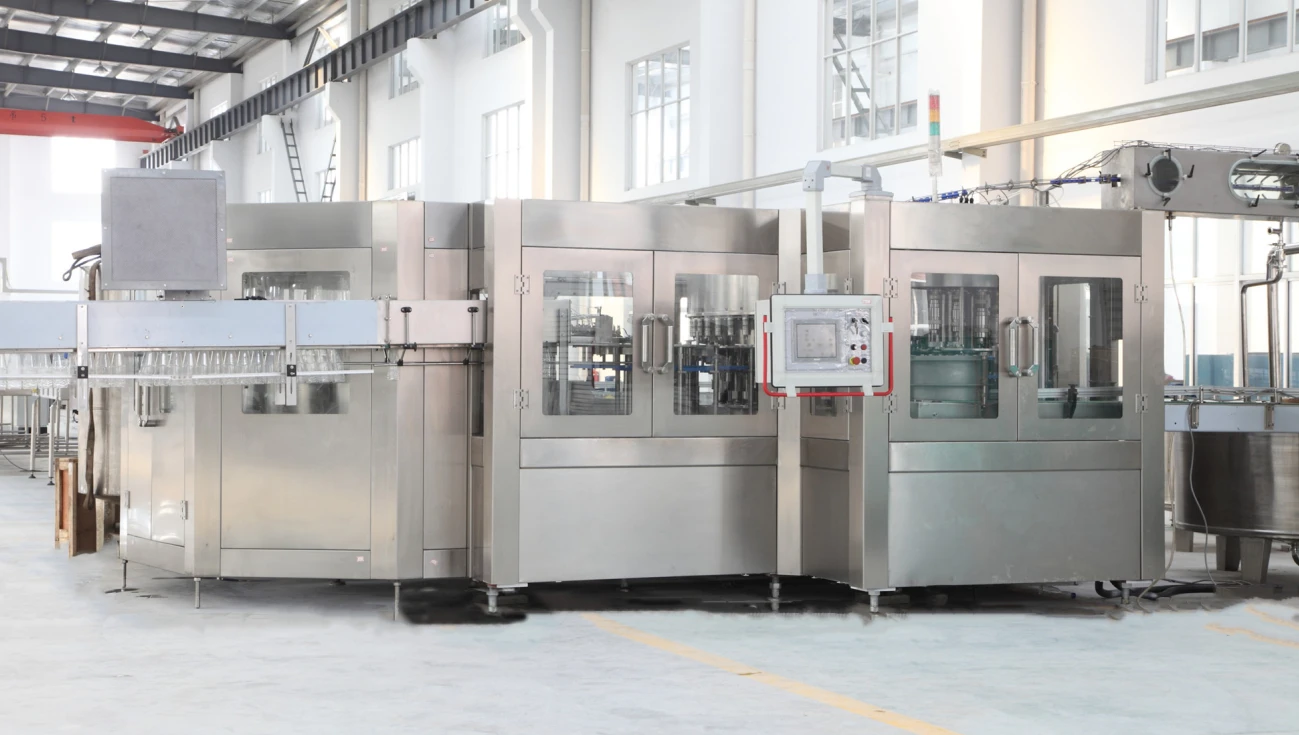
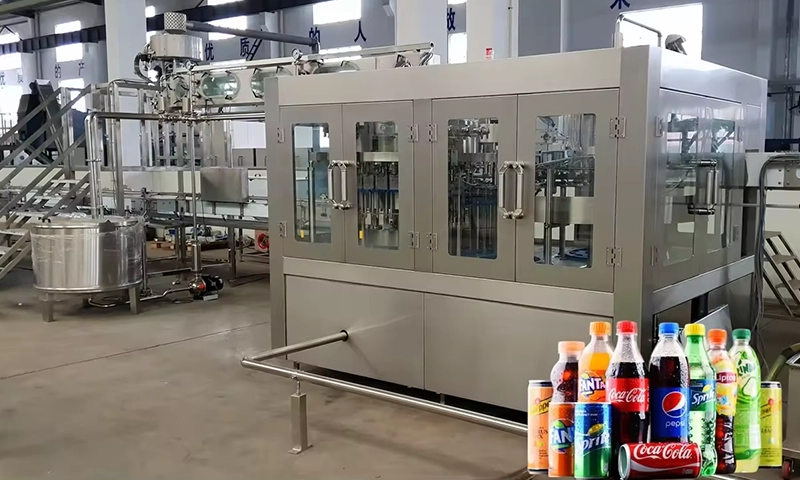
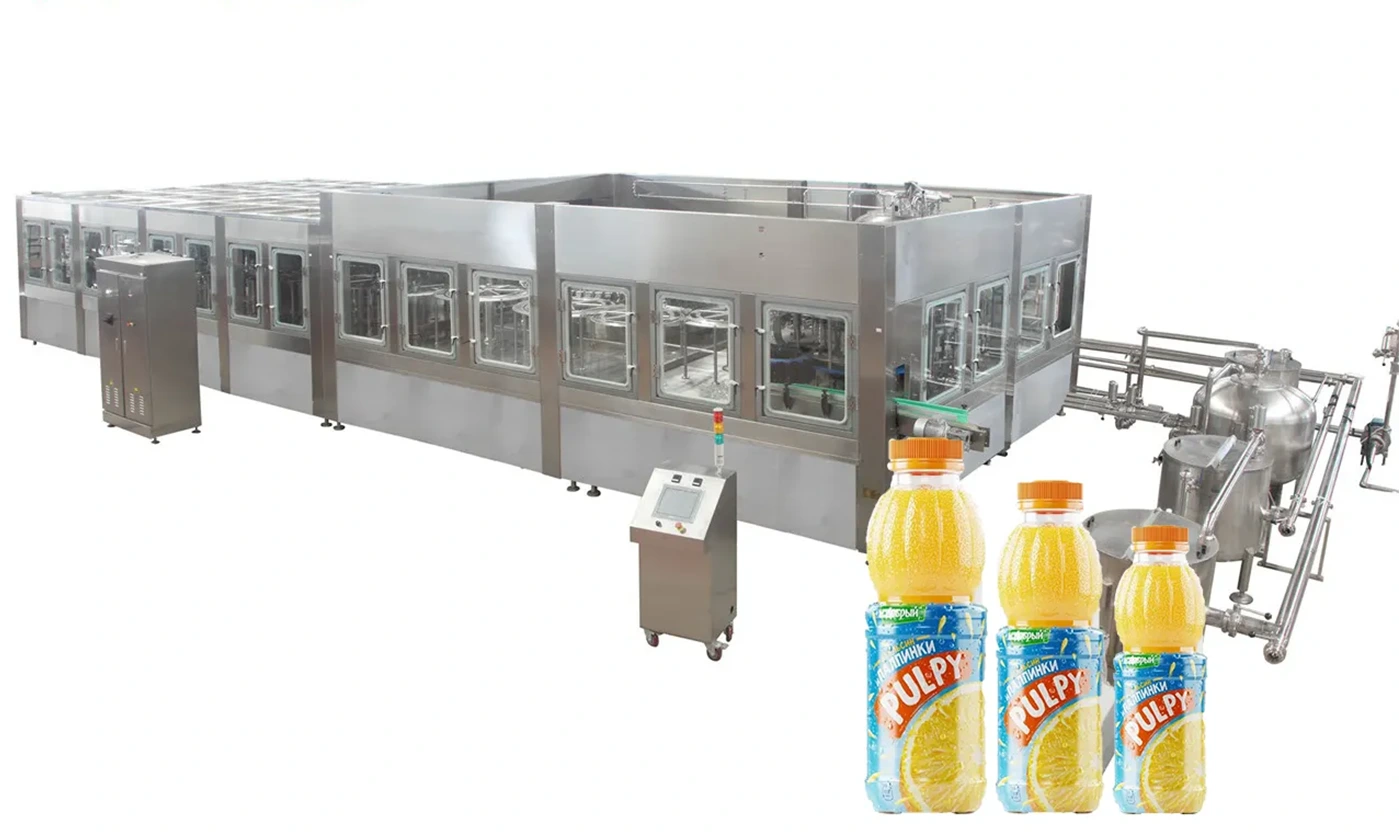
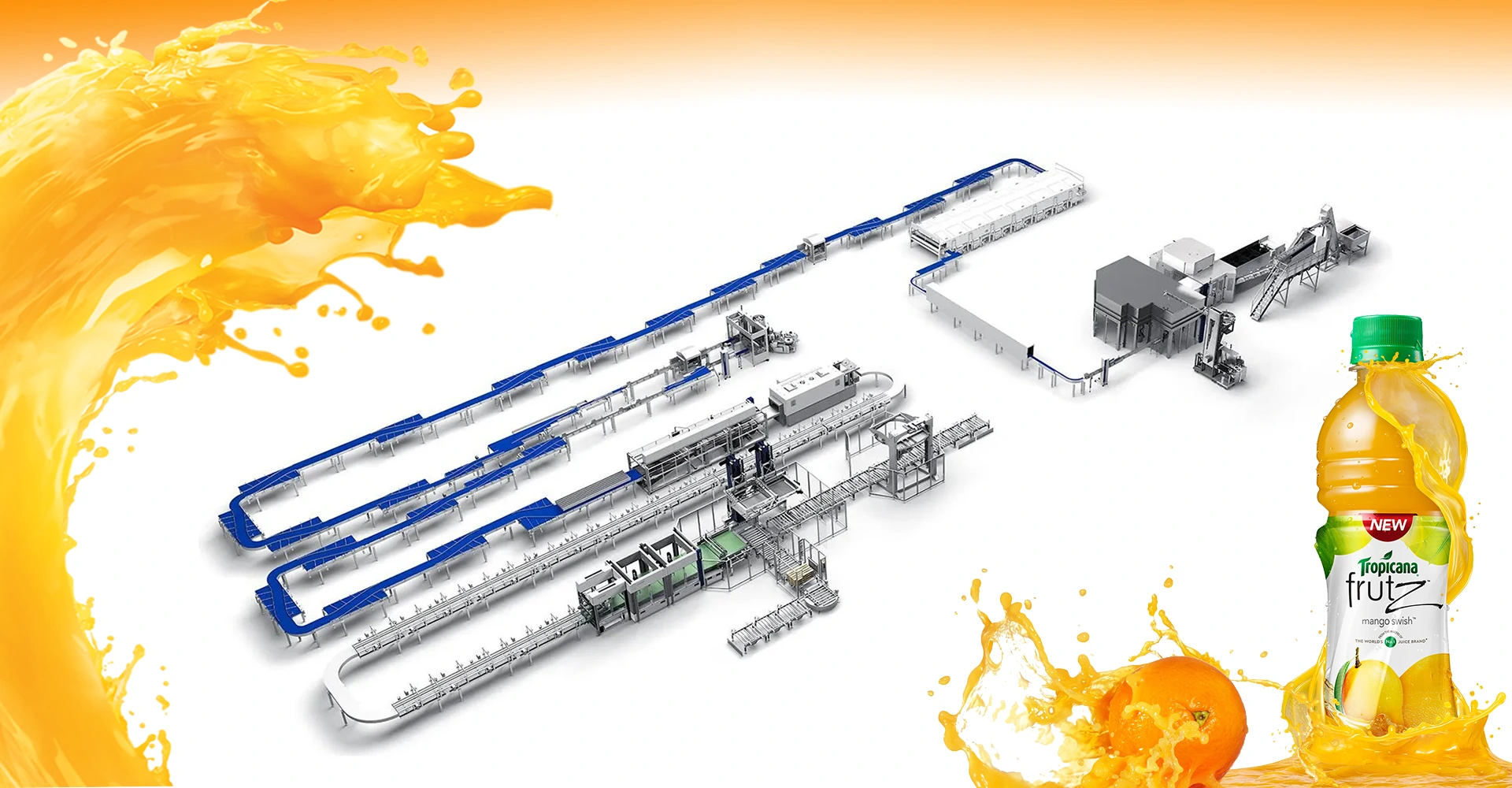
Learn moreBeverage filling machines and turnkey lines for juice, soft drinks, water and beer in PET bottles, glass bottles or cans.
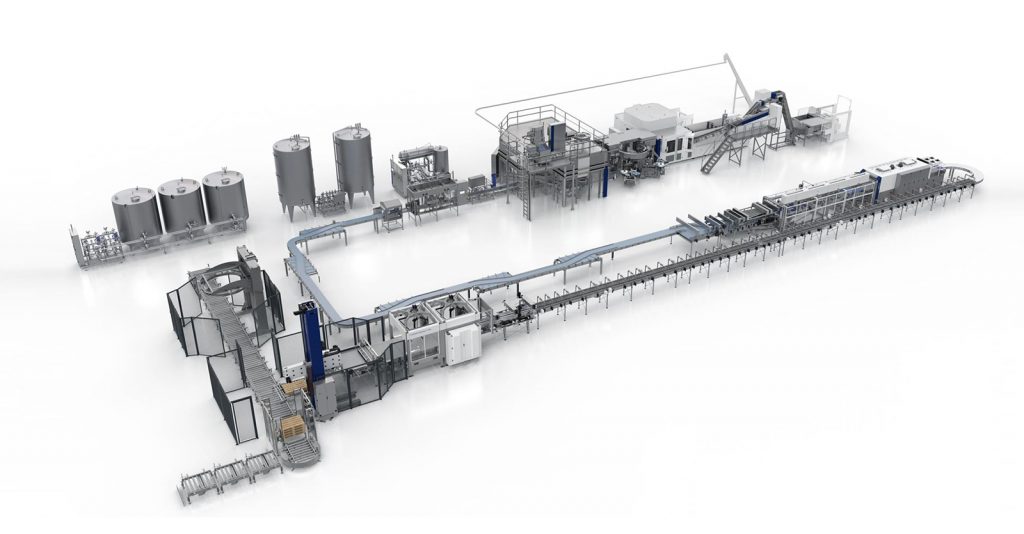
Learn moreLearn how to configure a custom beverage filling system around product, container, speed, hygiene, changeovers, utilities and future expansion—without copying a generic machine list.
Learn moreA practical guide to measuring bottling line OEE, locating micro-stops and speed losses, and improving output without simply buying a faster filler.
Learn moreLaunching a commercial beverage production line requires systematic equipment procurement covering raw material treatment, processing, filling, packaging, and auxiliary support systems.
Learn more1. Project Overview (Baseline Assumptions) To ensure practical engineering accuracy: Product: Bottled water / juice / low-sugar beverages (multi-purpose line) Bottle type: 500ml PET bottle Capacity: 10,000 bottles/hour (BPH) Operation: 20 hours/day Daily output: ~200,000 bottles Automation level: Medium-high fully automatic line 2. Complete Production Line Equipment Configuration 2.1 Water Treatment System (Front-end Processing) Used […]
Learn moreKey Selection Criteria for a Good Beverage Filling Production Line To identify a high-quality beverage filling production line, you need to evaluate it against actionable, industry-proven criteria. These criteria cover equipment performance, adaptability, compliance, cost-effectiveness, and after-sales support—all of which directly impact your long-term operational success.
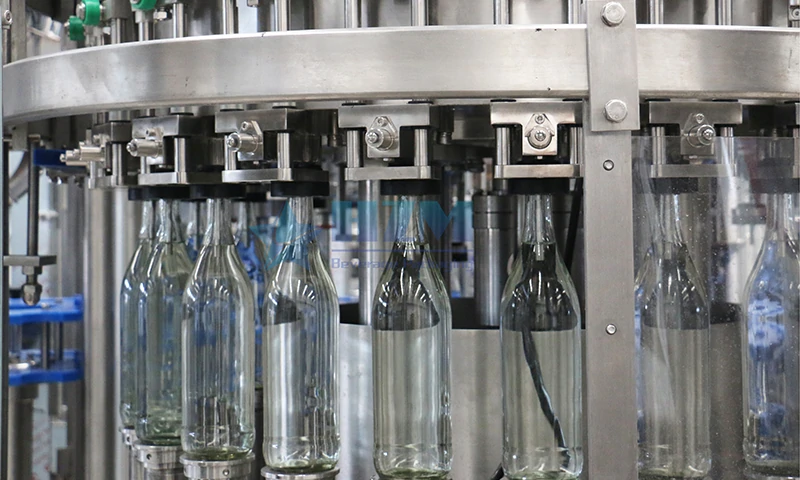
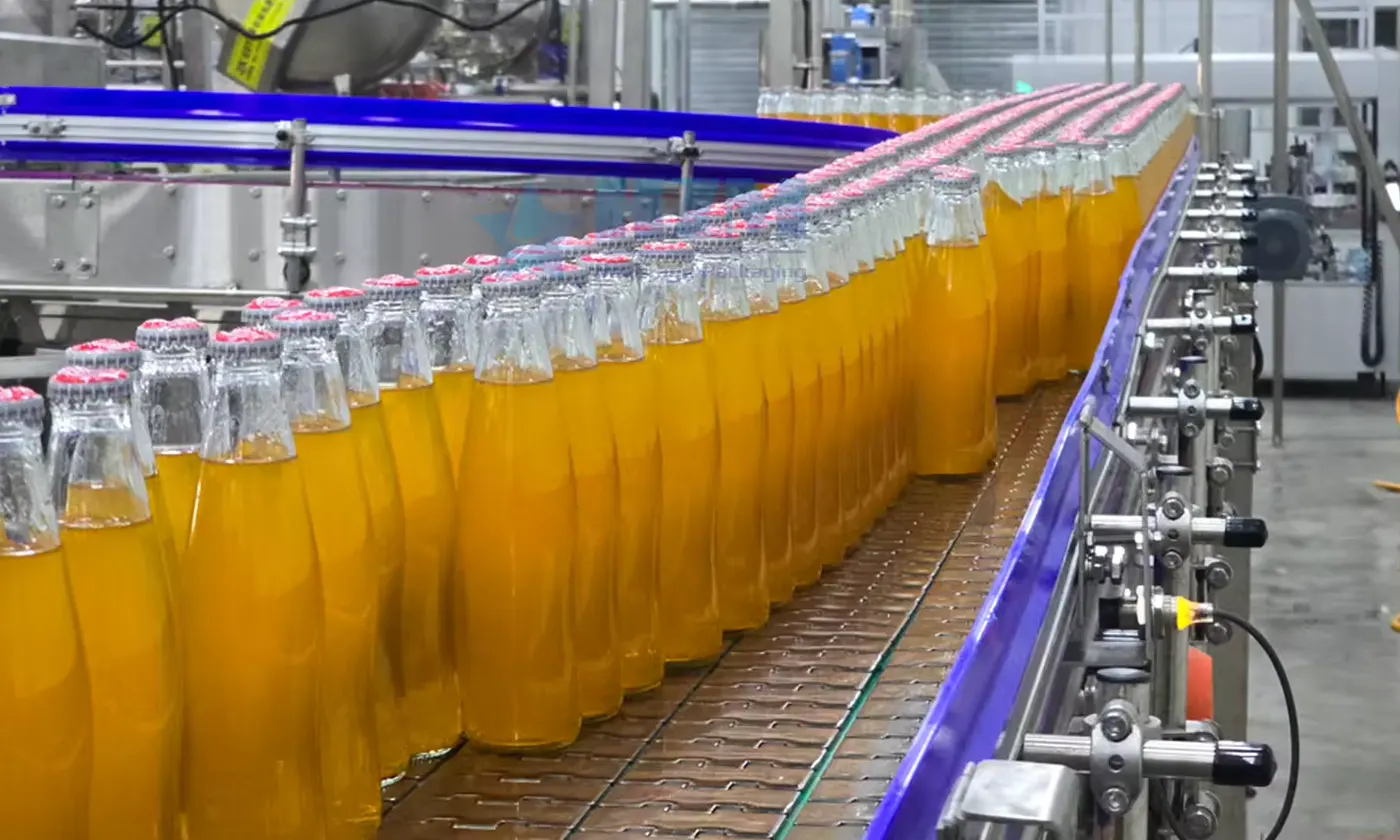
Learn moreThis glass bottle carbonated beverage line combines bottle rinsing, isobaric filling and capping with conveying, labelling and packing.
Learn moreTell us your beverage, container, capacity and target market. Our engineering team will prepare a practical line proposal.