
Insights & Updates
Bottle Conveyor Accumulation and Line Balancing: A Practical Guide
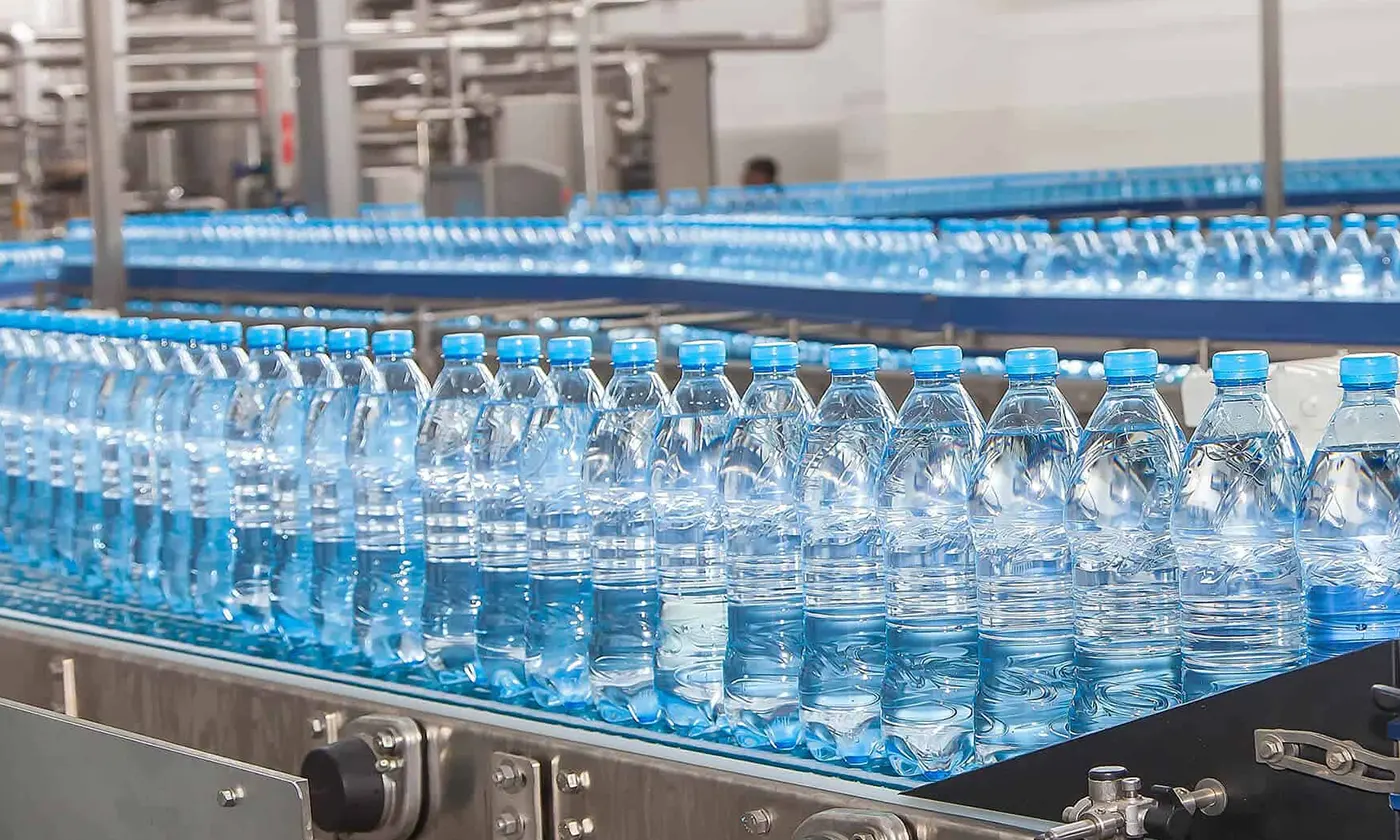
Conveyors are sometimes treated as the space between important machines. In reality, their length, speed zones, guide settings and control logic determine whether a short labeler stop shuts down the filler or is absorbed without lost production. Poor accumulation can also crush lightweight PET, scuff labels, break glass or destabilize open cans.
Line balancing starts by understanding each machine’s speed range and the duration of disturbances the conveyor should absorb. More conveyor is not automatically better: uncontrolled back pressure and excessive residence time create new problems. The objective is useful accumulation with protected package quality.
Quick answer: Identify the upstream and downstream speed difference, choose the stop duration to buffer, convert required container count into usable conveyor area or length, and control it with occupancy sensors and speed zones. Verify pressure, stability and restart behavior using every major bottle and pack format.
Map Starvation and Blocking Between Machines
Starvation occurs when a machine has no containers to process. Blocking occurs when it cannot discharge because the next stage is full. Observe the line and identify which condition stops the filler, labeler or packer. Record the original cause rather than the last alarm in the cascade.
A buffer can isolate short events. For example, accumulation before the labeler may keep it fed through a brief upstream interruption, while accumulation after it allows the filler to continue through a short packer stop.
Calculate the Required Container Buffer
A simple starting calculation is buffer containers = target line rate per minute × disturbance minutes. At 12,000 bottles per hour, the line produces 200 bottles per minute, so a two-minute event represents 400 bottles. Usable buffer is lower than theoretical conveyor capacity because infeed, discharge and control zones need operating space.
For mass-flow tables, calculate area using tested container density. For single-lane conveyors, use bottle pitch and effective length. Confirm the assumption with physical trials because bottle shape and friction affect packing.
Use Speed Zones and Occupancy Signals
A well-controlled conveyor changes speed as occupancy rises or falls. Sensors should detect developing queues early enough for smooth deceleration. If machines only exchange hard stop/run signals, bottles can compress suddenly and fall during restart.
Define normal, accumulating and de-accumulating modes. The bottle water and beverage conveyor system should communicate with adjacent equipment so the line slows in a coordinated sequence before stopping.
Limit Pressure on Lightweight PET
Thin bottles can ovalize, panel or climb over guides when line pressure is high. Use low-friction materials, controlled side guides, pressureless combining or mass-flow solutions where appropriate. Keep guides close enough for stability but not so tight that labels scuff or bottles drag.
Test the lightest approved bottle at warm and cold conditions. Surface friction changes with condensation, label material and conveyor cleanliness.
Protect Glass Bottles and Open Containers
Glass requires gentle transfers and controls that avoid hard bottle-to-bottle impacts. Broken-glass containment and cleanup zones should prevent fragments from reaching open product. Open cans or bottles need hygienic covers and limited accumulation before closure.
Conveyor design must respect the process risk. Accumulation after capping is generally less sensitive than a queue of open filled containers between filler and closure.
Check Transfers, Curves and Elevation Changes
Most jams begin at transitions rather than on straight conveyor. Minimize gaps, match belt speeds, support small bottle bases and keep transfer plates aligned. Curves should maintain guide continuity without squeezing the pack. Elevation changes need enough grip and side support.
A PET and glass bottle conveyor system should be laid out using actual container drawings. Samples help reveal base-cup, foot or label interactions that drawings do not fully show.
Verify Line Recovery, Not Only Steady Running
| Test | What to observe |
|---|---|
| Short downstream stop | Filler continuation and pressure buildup |
| Short upstream stop | Downstream starvation delay |
| Restart from full buffer | Fallen bottles and smooth de-accumulation |
| Format change | Guide setting, sensor reliability and transfer fit |
| Emergency stop | Safe stop and controlled restart sequence |
Commissioning should deliberately create representative disturbances. A line that only proves steady running does not demonstrate that its buffer logic works.
Frequently Asked Questions
How many minutes of accumulation should a line have?
Choose the duration from actual or expected micro-stop data, available space, package sensitivity and investment. Buffer the common short events, not every possible breakdown.
Why do bottles fall when the line restarts?
Common causes include sudden speed differences, excessive back pressure, poor guide transitions, unstable bottle design and control zones that de-accumulate too aggressively.
Does a longer conveyor always improve efficiency?
No. Without correct control, additional length can increase pressure, residence time, cleaning burden and floor-space use. Accumulation must be purposeful and controllable.
Plan the Next Step with HZM Machinery
Send HZM the machine speeds, layout, bottle drawings and target disturbance buffer. The team can design conveyors for a bottle-water production line as part of a balanced turnkey system.
Talk to our engineering team
Need help planning your packaging line?
Share your product, bottle and capacity requirements for a practical equipment recommendation.
Equipment
Bottle Conveyor
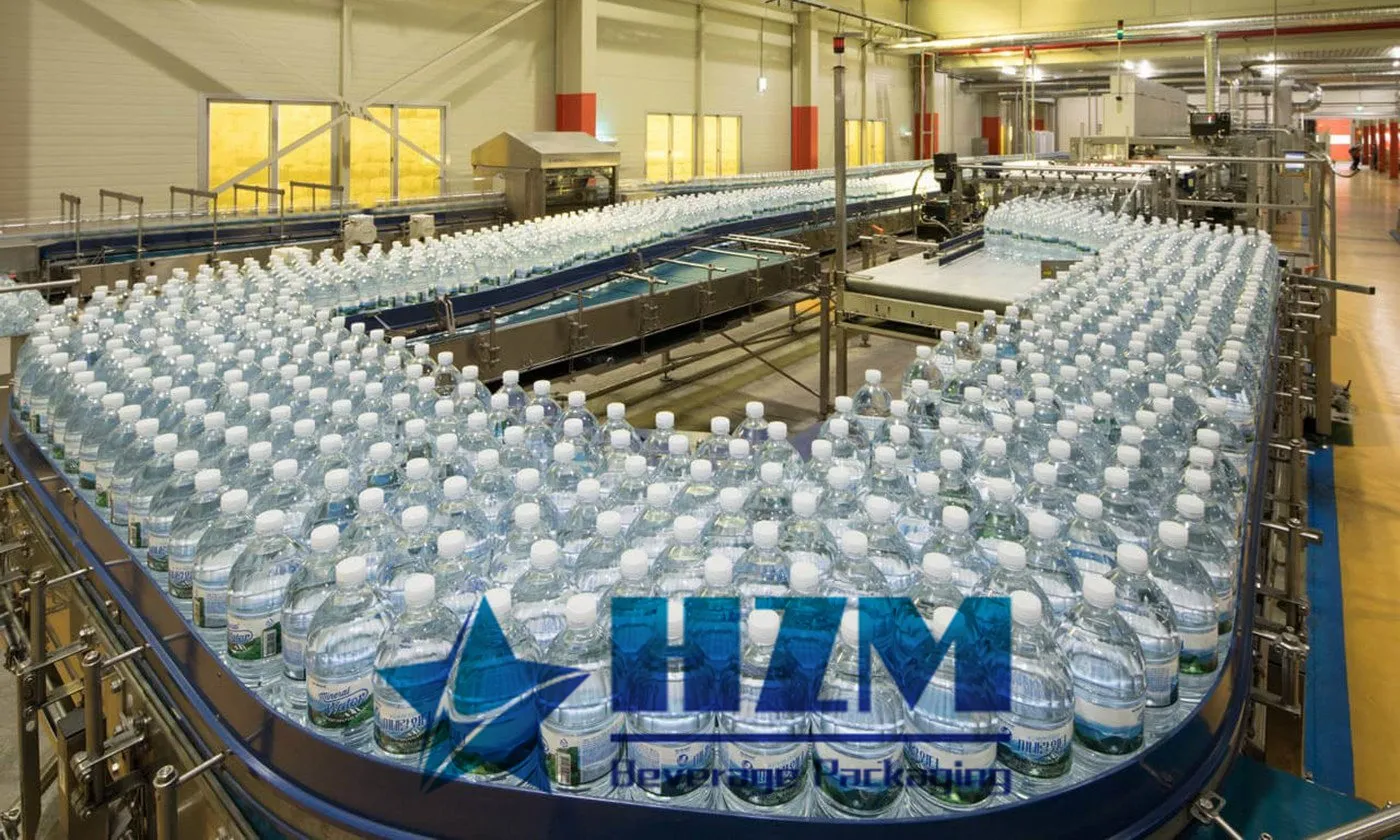
The bottle conveyor transfers containers between filling, labelling and packing machines.
Learn more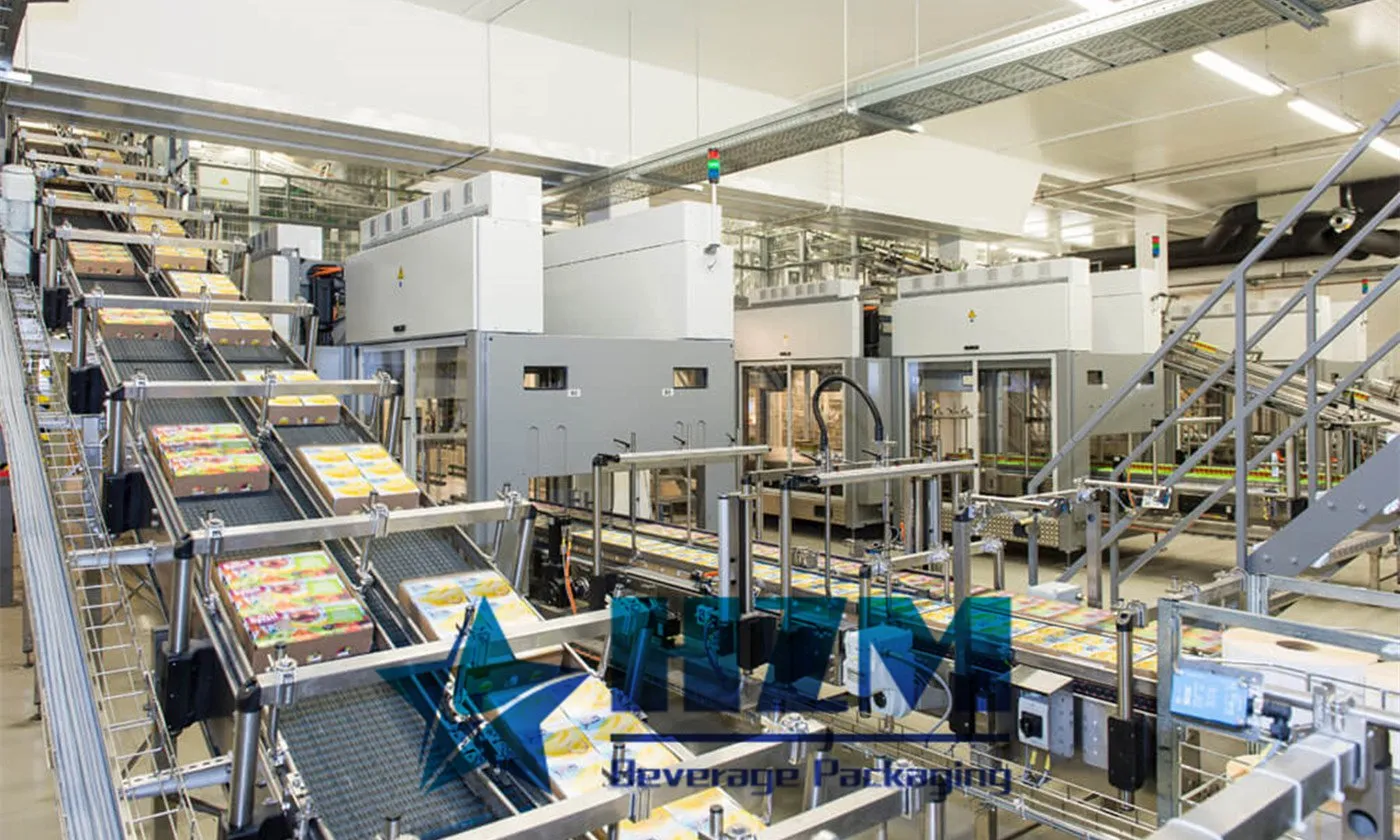
Equipment
Packs Conveyor
The packs conveyor moves finished packs, cartons and other packaged products between packing and handling stations.
Learn more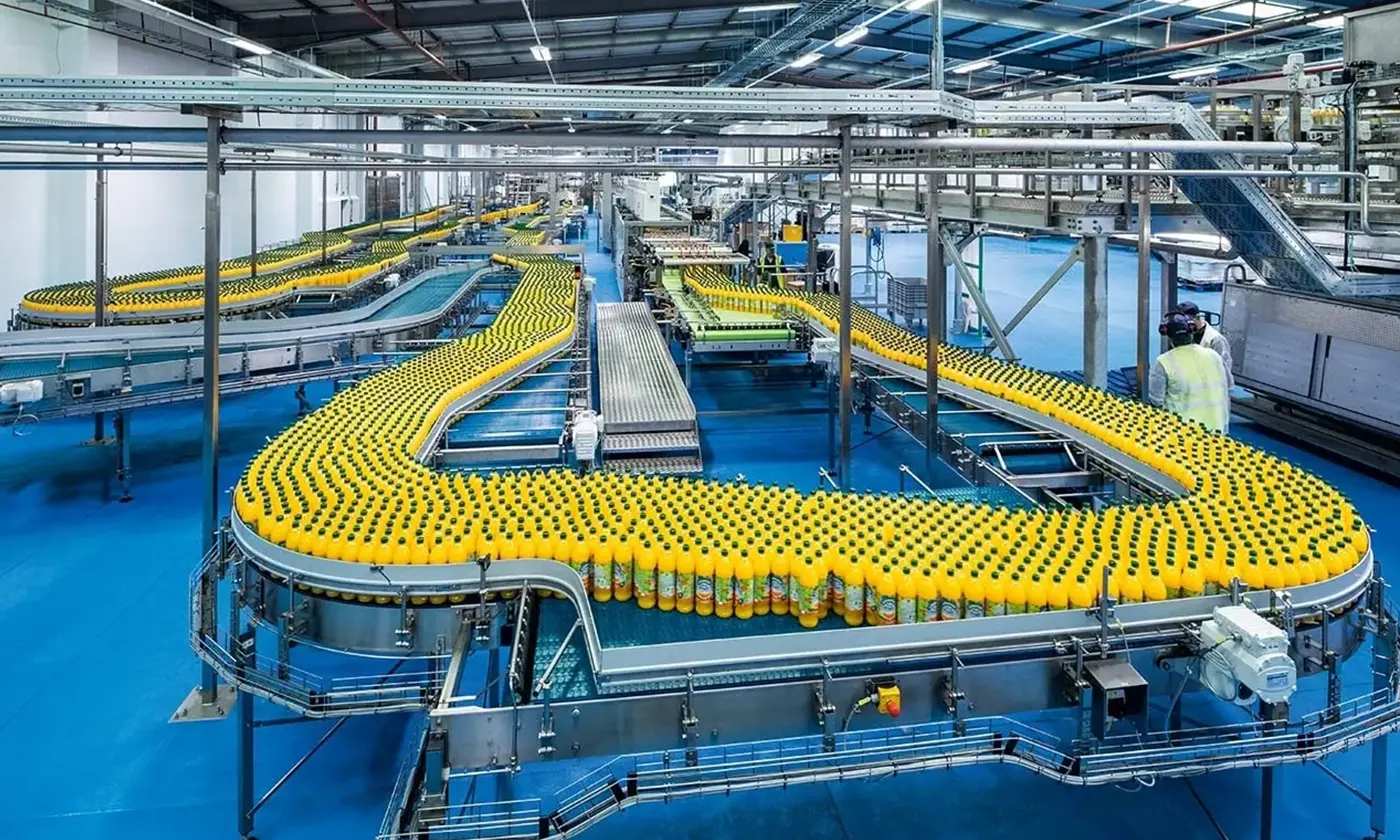
Equipment
Bottle Water & Beverage Conveyor System
The bottled-water and beverage conveyor system connects container supply, filling and packaging.
Learn more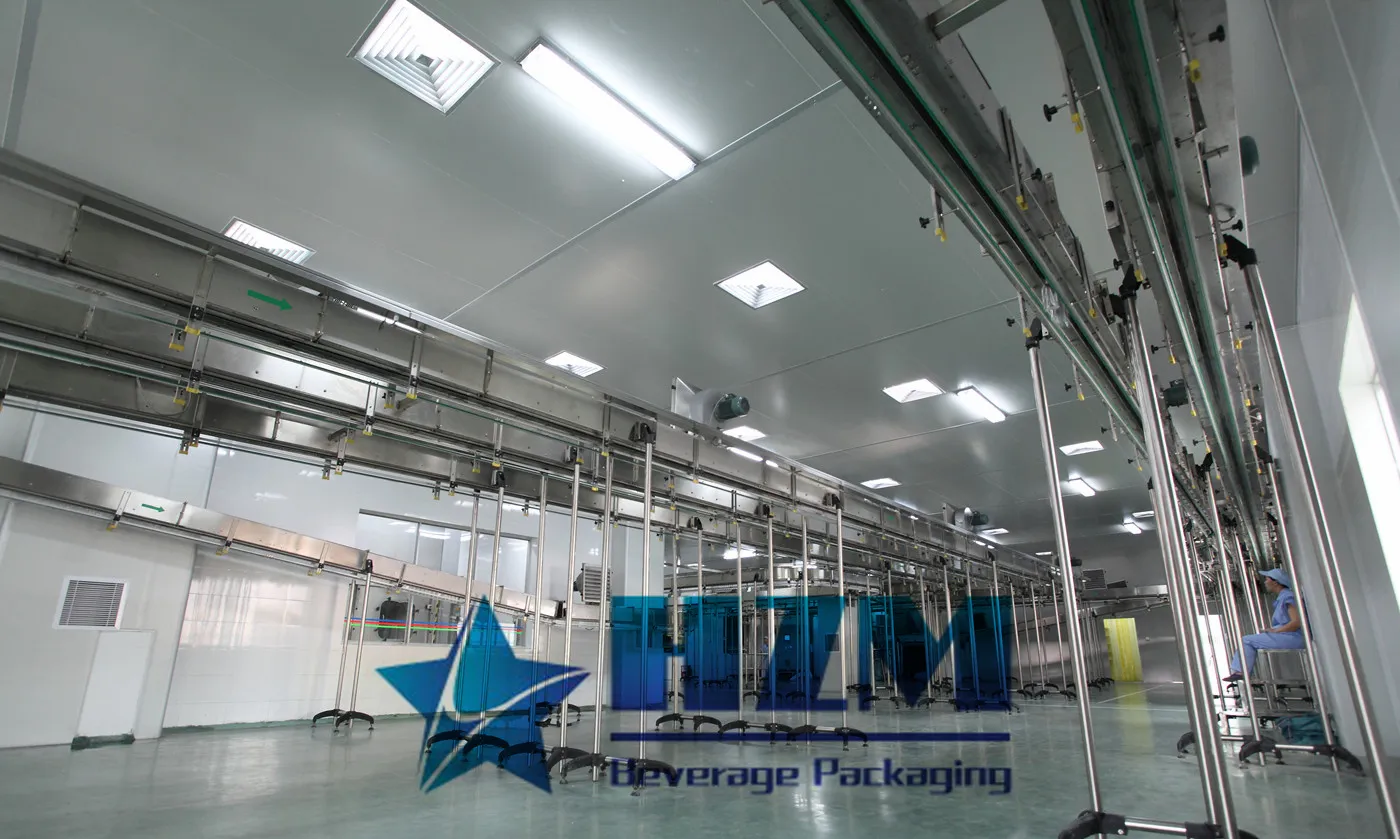
Equipment
Bottle Air Conveyor
The bottle air conveyor transfers empty PET bottles from the blowing machine to the filler.
Learn more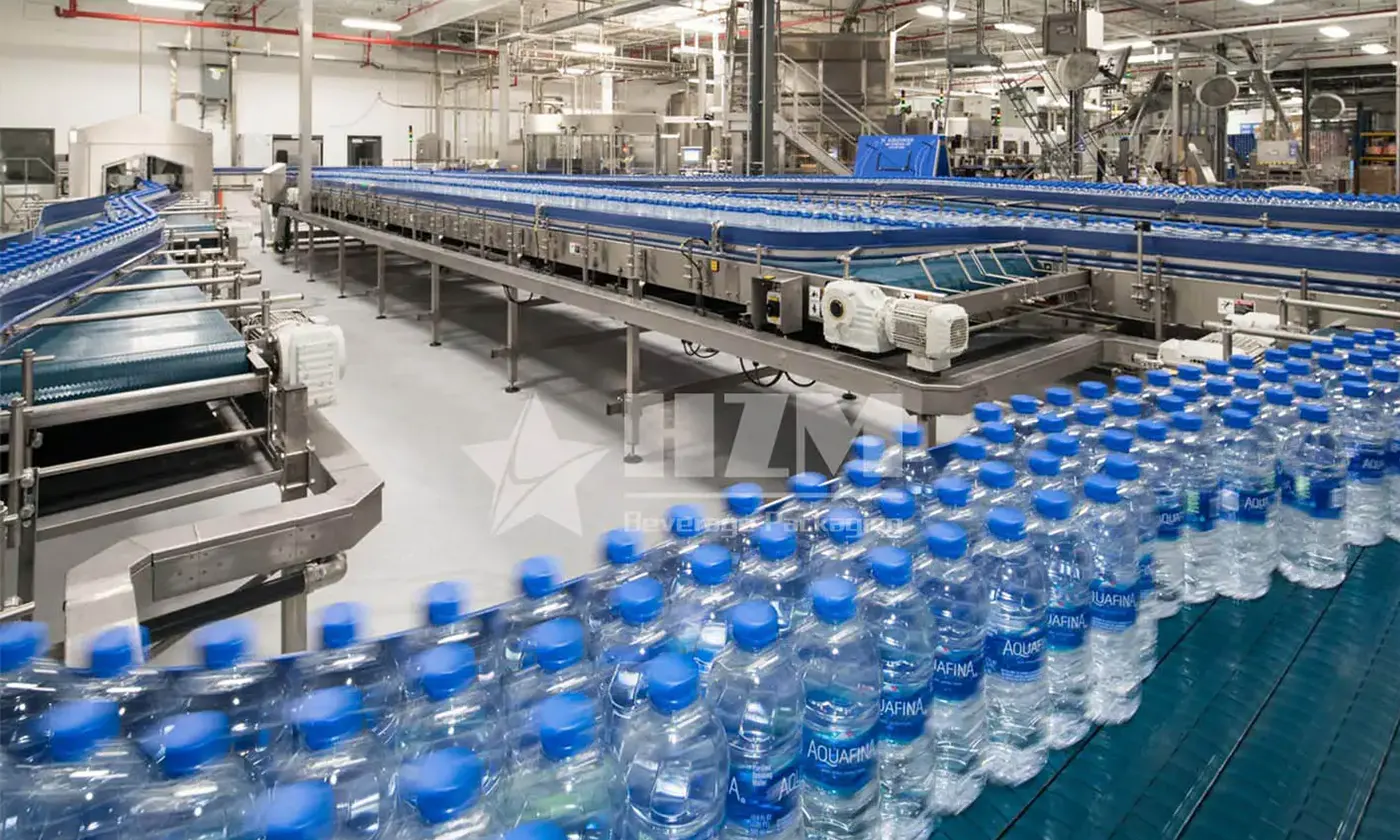
Equipment
Conveyor Belt For Bottle Water Production Line
This conveyor belt system moves bottles through a bottled-water production line, from empty-bottle feeding to filled-bottle labelling and packing.
Learn moreEquipment
Conveyor Belt System For PET Bottle And GLASS Bottle
The conveyor system transfers PET and glass bottles between production machines.
Learn more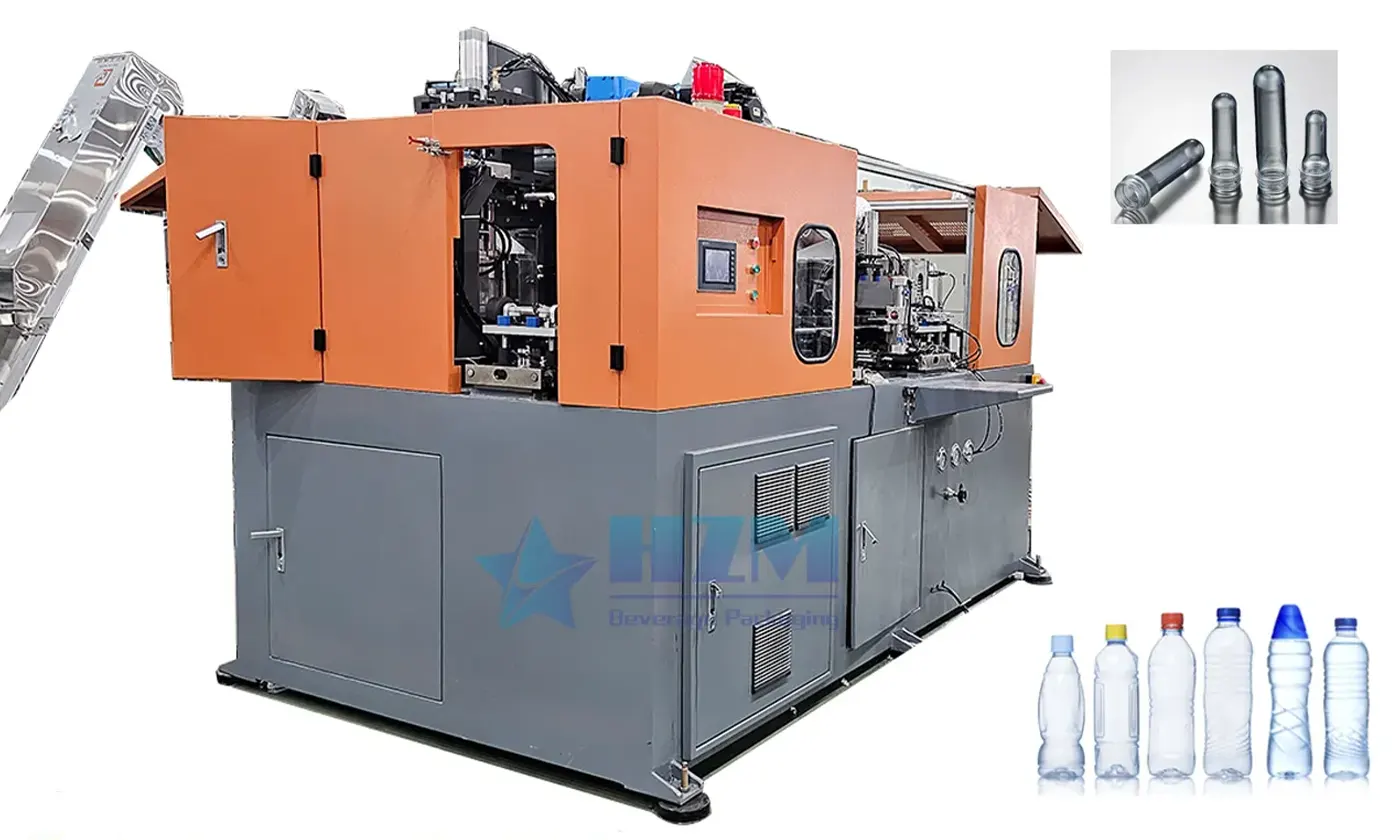
2026-08-03
PET Blow Molding Compressed Air Cost: A Practical Energy Audit
Find compressed-air waste in PET bottle production by measuring pressure, specific consumption, leakage, recovery and compressor loading by bottle SKU.
Learn more2023-06-09
Bottle Conveyor System Guide: Line Speed, Accumulation and Buffer Design
Practical HZM guidance on bottle conveyor system, focused on line speed, accumulation and buffer design, line integration, RFQ data and measurable acceptance checks.
Learn more2023-07-13
bottle conveyor
A bottle conveyor is a specialized manufacturing equipment utilized in factories and bottling plants to facilitate the smooth transportation of bottles. While sharing similarities with standard conveyor belts, the design of a bottle conveyor is tailored specifically to hold bottles upright and prevent spills
Learn more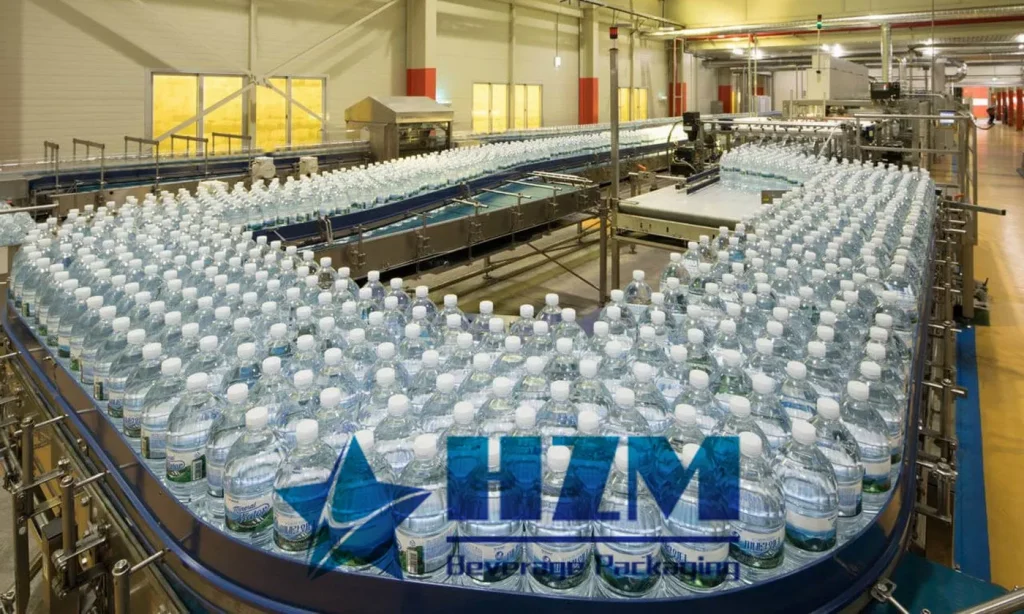
2023-07-06
Your Reliable Conveyor Machine Manufacturer
In modern industrial production, Conveyor Machines are indispensable for efficient material transportation and automated production. When seeking a trusted manufacturer, HZM Machinery stands out as a reliable partner.
Learn more
2026-07-24
How to Improve Bottling Line OEE: Find the Hidden Speed Losses
A practical guide to measuring bottling line OEE, locating micro-stops and speed losses, and improving output without simply buying a faster filler.
Learn more
2026-08-12
FAT and SAT Checklist for a Turnkey Beverage Filling Line
Define factory and site acceptance tests for speed, quality, changeover, utilities, documents, safety, training and final line performance.
Learn more