
Insights & Updates
PET Blow Molding Compressed Air Cost: A Practical Energy Audit
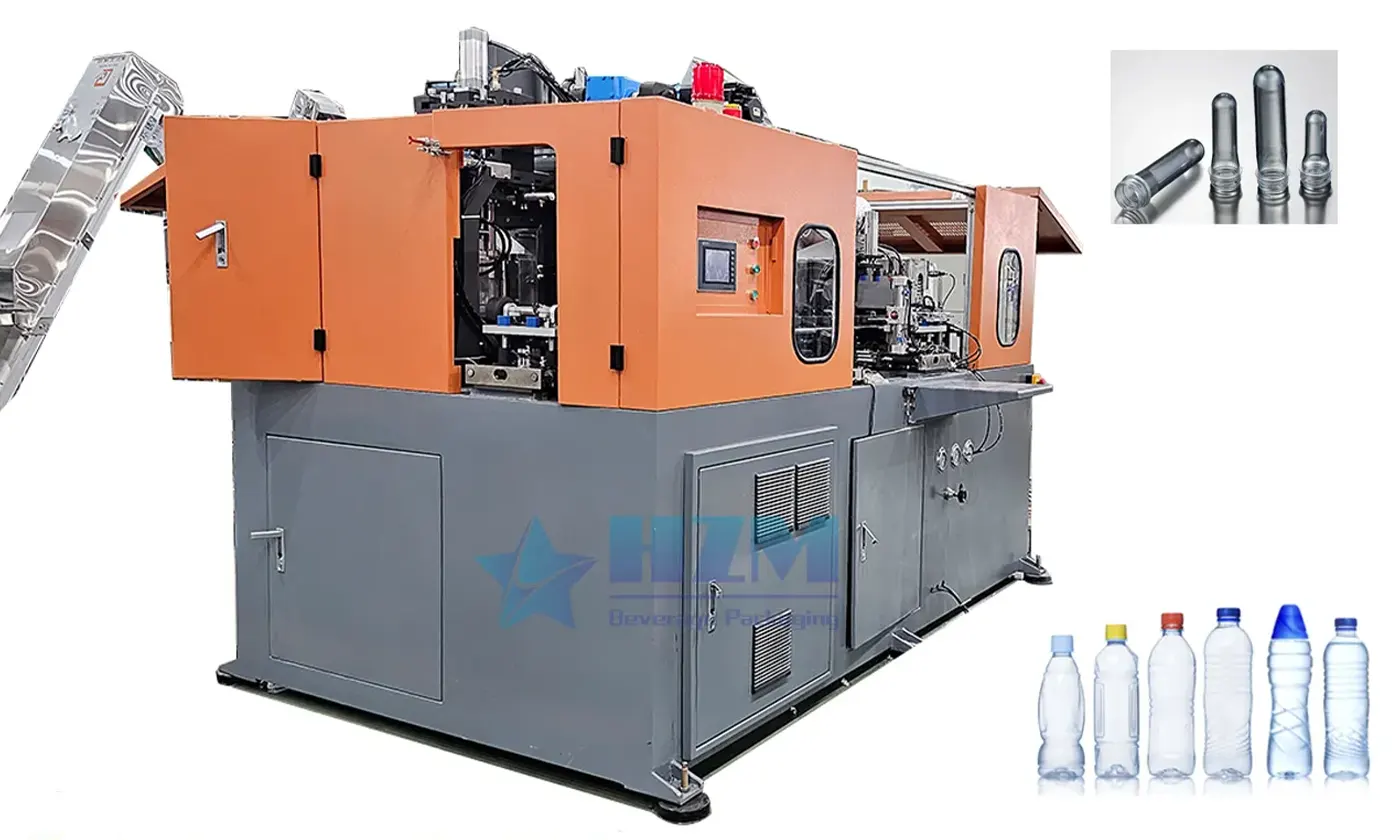
Compressed air is one of the largest utility costs in PET stretch blow molding. A plant may negotiate a small electricity discount while losing far more through excessive pressure, leaking valves, hot intake air, poor compressor control or bottles that require more blowing air than expected. Because the air disappears after each cycle, waste is less visible than rejected preforms.
A useful audit connects compressor power and delivered high-pressure air with good bottles produced by SKU. It identifies both plant-utility losses and blow-molder settings that can be improved without weakening bottle performance.
Quick answer: Record compressor kW, delivered air flow and pressure together with good bottles by SKU. Calculate kWh and compressed-air volume per 1,000 good bottles, then inspect leaks, pressure drops, unloaded compressor running, cooling conditions, pre-blow/final-blow settings and bottle design. Verify every optimization with bottle quality and distribution testing.
Create an Energy Baseline by SKU
Bottle volume, weight, shape and process pressure affect air demand. Do not divide monthly compressor energy by total bottles and assume every SKU is equal. During a stable run, record good bottles, compressor input power, delivered flow where metering is available, pressure and rejected bottles.
| Metric | Why it helps |
|---|---|
| kWh per 1,000 good bottles | Shows total electrical intensity |
| Nm³ air per 1,000 good bottles | Separates air demand from compressor efficiency |
| Reject percentage | Captures energy spent on unsaleable bottles |
| Pressure at machine inlet | Reveals distribution losses |
Find Leaks During Production and Idle Time
High-pressure leaks are expensive and can be difficult to hear near operating machinery. Inspect valves, hoses, fittings, manifolds and quick connections using a suitable ultrasonic tool or approved leak-detection method. Repair safely during planned isolation and verify the result.
Measure how quickly system pressure decays when production stops and legitimate demand is isolated. Compare weekend or night compressor loading with expected non-production users. A leak program needs tags, repair ownership and closure checks, not just an annual survey.
Use Only the Pressure the Process Requires
Every additional pressure margin increases compressor work and often magnifies leaks. Check pressure at the blow molder during peak demand, not only at the compressor discharge. Filters, dryers, undersized piping and long runs can create drops that encourage operators to raise the entire system pressure.
Optimize pre-blow and final-blow settings with the bottle design and equipment supplier. The PET bottle blow molding machine should receive stable pressure within its specified range. Do not reduce pressure below the level required for material distribution and bottle performance.
Review Compressor Control and Storage
A compressor can consume significant power while unloaded. Trend loaded/unloaded state, starts, discharge pressure and power. Multiple machines fighting each other or operating far below their efficient range may waste energy. Proper sequencing, receiver capacity and variable-speed equipment can help depending on the demand profile.
Separate high-pressure blow air from lower-pressure plant air where practical so every actuator is not supplied at the most expensive pressure. Evaluate heat recovery and cooling performance as part of the utility system.
Inspect Air Quality and Temperature
Dry, clean air protects valves and bottle quality. Excessive pressure drop through clogged filters increases energy use, while poor dryer performance can cause corrosion or process problems. Monitor differential pressure and service elements based on condition and supplier guidance.
Compressor intake temperature and cooling affect efficiency and reliability. Keep ventilation paths clean and prevent hot discharge air from recirculating into the intake.
Optimize the Bottle and Process Together
Preform temperature profile, stretch timing, pre-blow, final blow and mold cooling influence material distribution. Poor settings can require higher pressure or generate rejects. Track reject modes such as pearlescence, off-center gates, weak base or uneven wall distribution rather than treating all scrap as one number.
A full electric servo blow molding machine can offer precise control, but recipe discipline and preventive maintenance still determine actual energy and quality performance.
Verify Savings Without Weakening the Bottle
- Check dimensions, weight and visual defects.
- Measure top load, burst or other applicable package tests.
- Run filling, capping, labeling and conveying trials.
- Complete pallet and distribution testing.
- Compare energy per 1,000 good bottles over several runs.
A setting that saves air but raises rejection or transport damage is not a real saving. Use controlled trials and retain the approved recipe.
Frequently Asked Questions
What is the best energy KPI for a blow molding machine?
kWh per 1,000 good bottles by SKU is practical because it includes compressor efficiency, process demand and rejects. Air volume per 1,000 bottles adds useful diagnostic detail.
Can I reduce blow pressure to save energy?
Only through controlled trials that confirm material distribution and bottle performance. The lowest pressure is not the goal; the lowest reliable energy input for an approved package is.
Why measure pressure at the machine?
Compressor discharge pressure does not show losses through dryers, filters, receivers and piping. Machine-inlet pressure reveals what the process actually receives.
Plan the Next Step with HZM Machinery
Share preform, bottle drawing, target capacity and available compressor data with HZM. The team can review an automatic bottle blowing solution and its integration with the filling line.
Talk to our engineering team
Need help planning your packaging line?
Share your product, bottle and capacity requirements for a practical equipment recommendation.
Equipment
PET Bottle Blow Molding Machine
PET bottle blow moulding with 6–12 cavities and capacities of 12,000–21,600 bottles/hour at 500 ml.
Learn more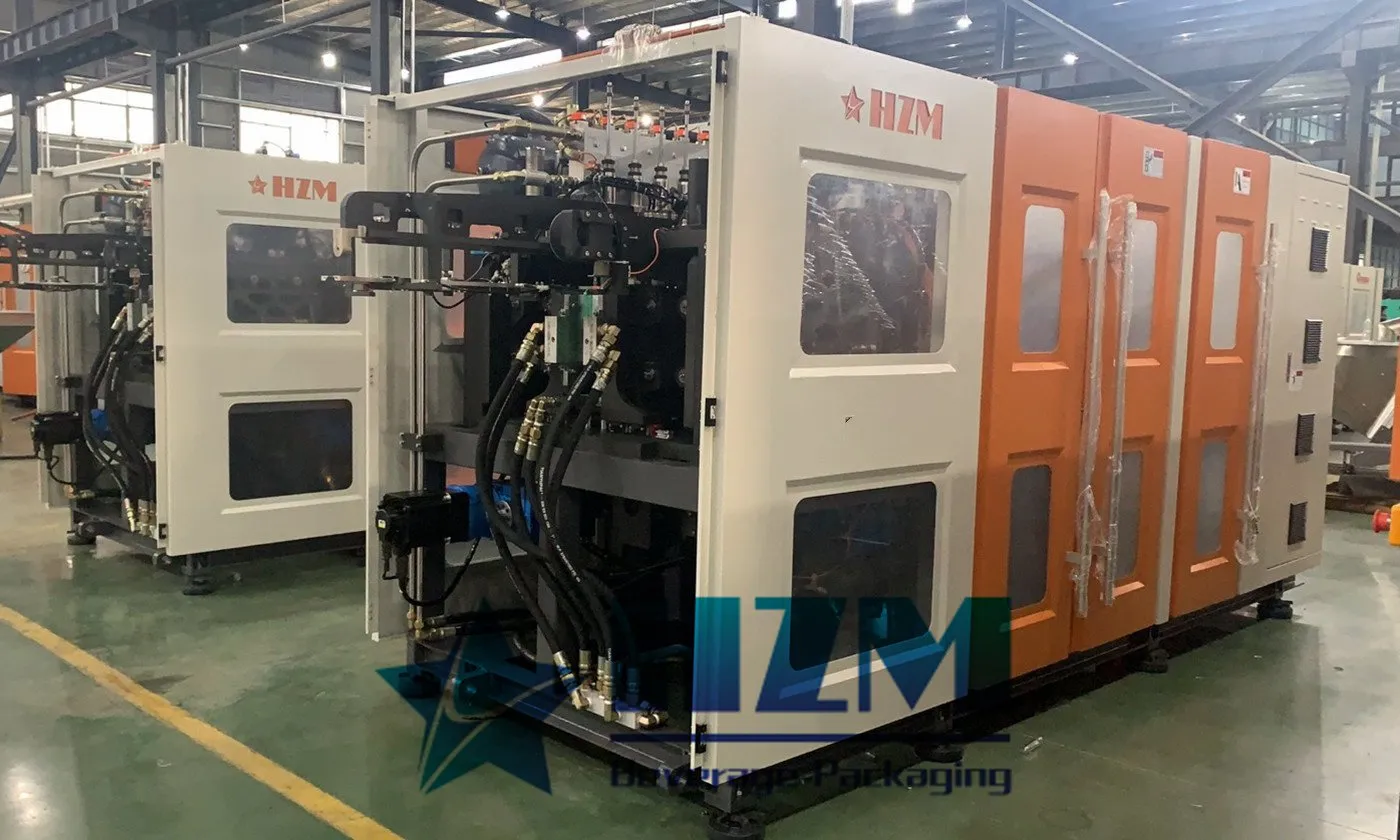
Equipment
Automatic Blow Molding Machine
Automatic PET bottle blowing for water and beverage packaging, with capacities of 12,000–24,000 bottles/hour at 500 ml.
Learn more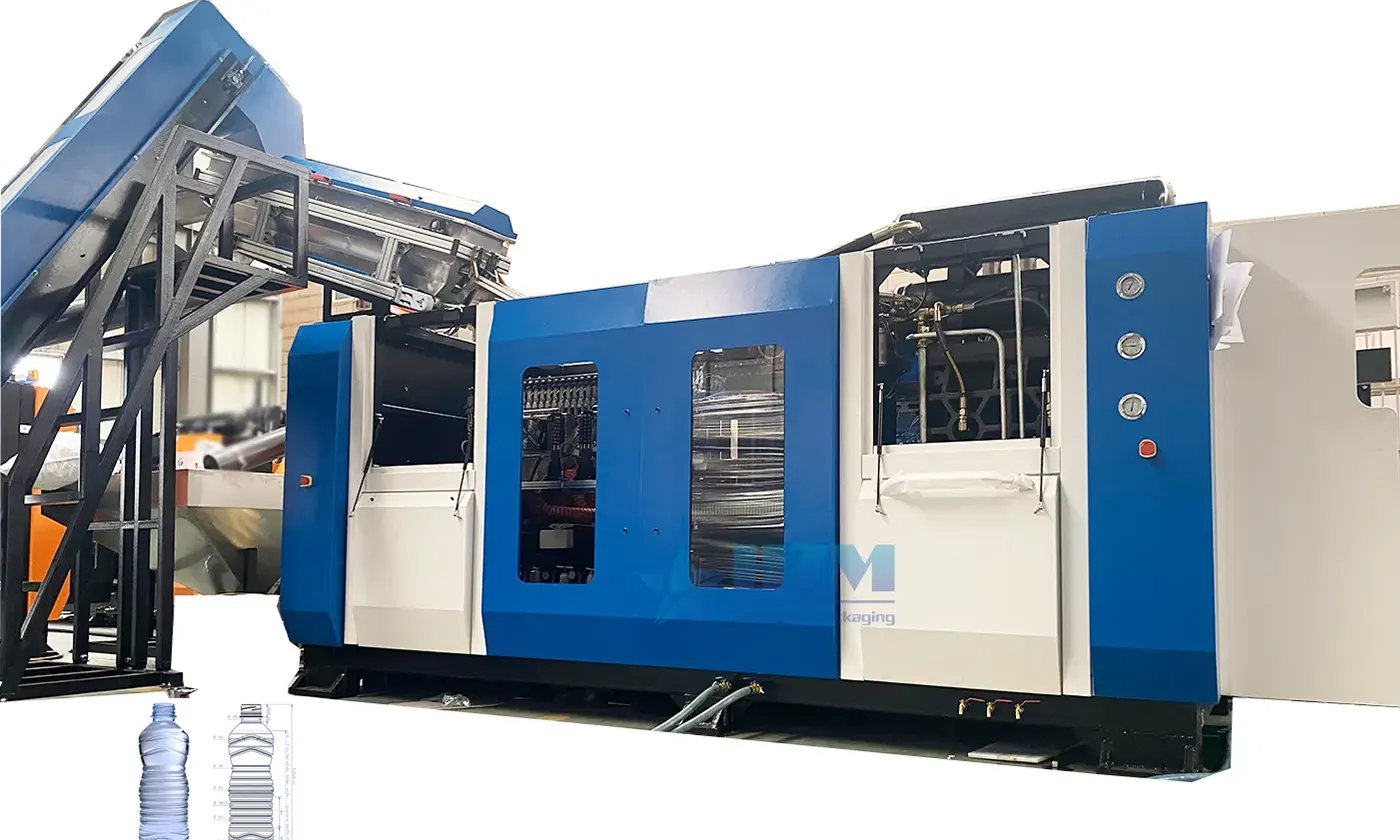
Equipment
Automatic Water Bottle Blowing Molding Machine
Automatic water bottle blowing from PET preforms, with 6–12 cavities and capacities up to 21,600 bottles/hour at 500 ml.
Learn more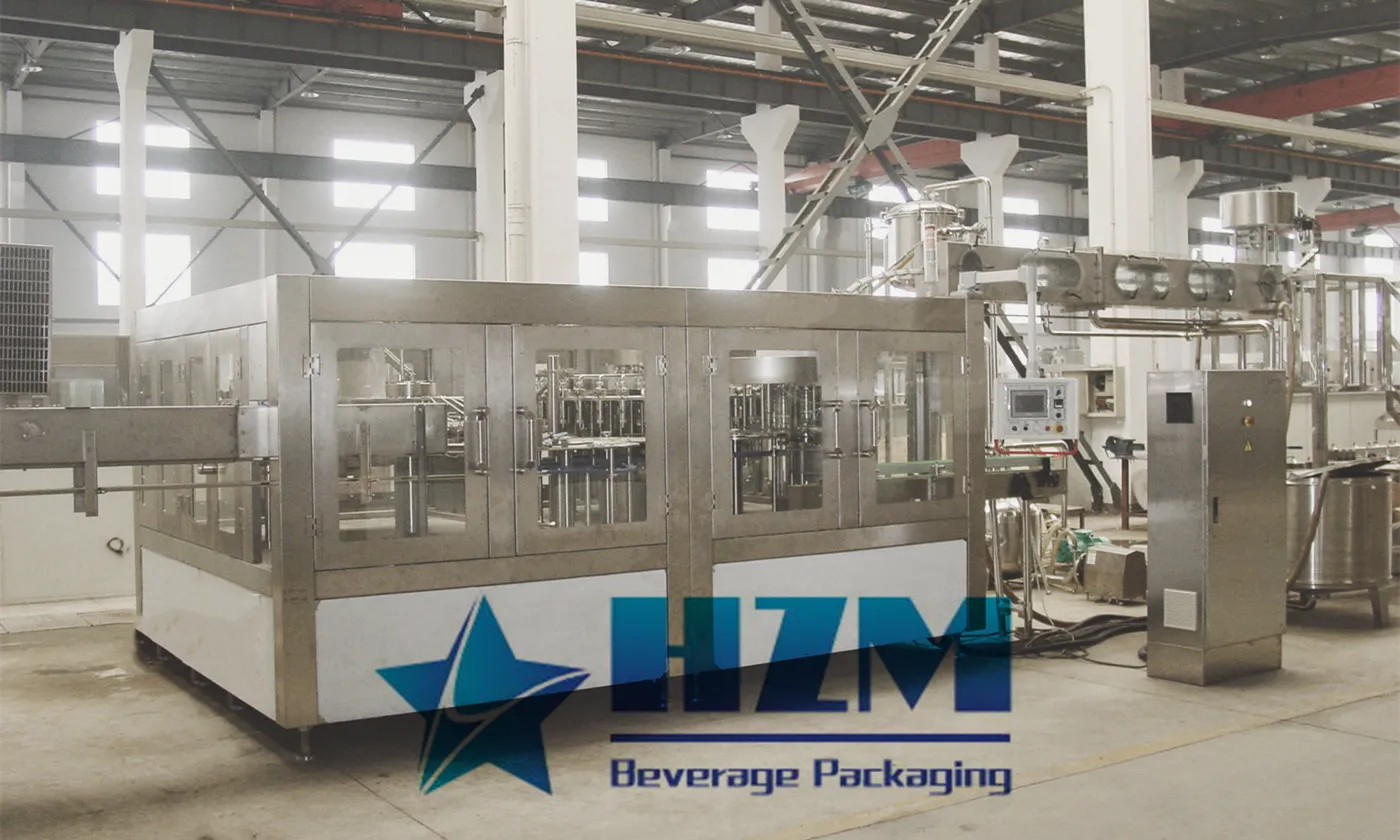
Equipment
PET Bottle Energy Drinks Filling Machine
The PET bottle energy-drink filling machine combines bottle rinsing, liquid filling and capping in an automatic system.
Learn more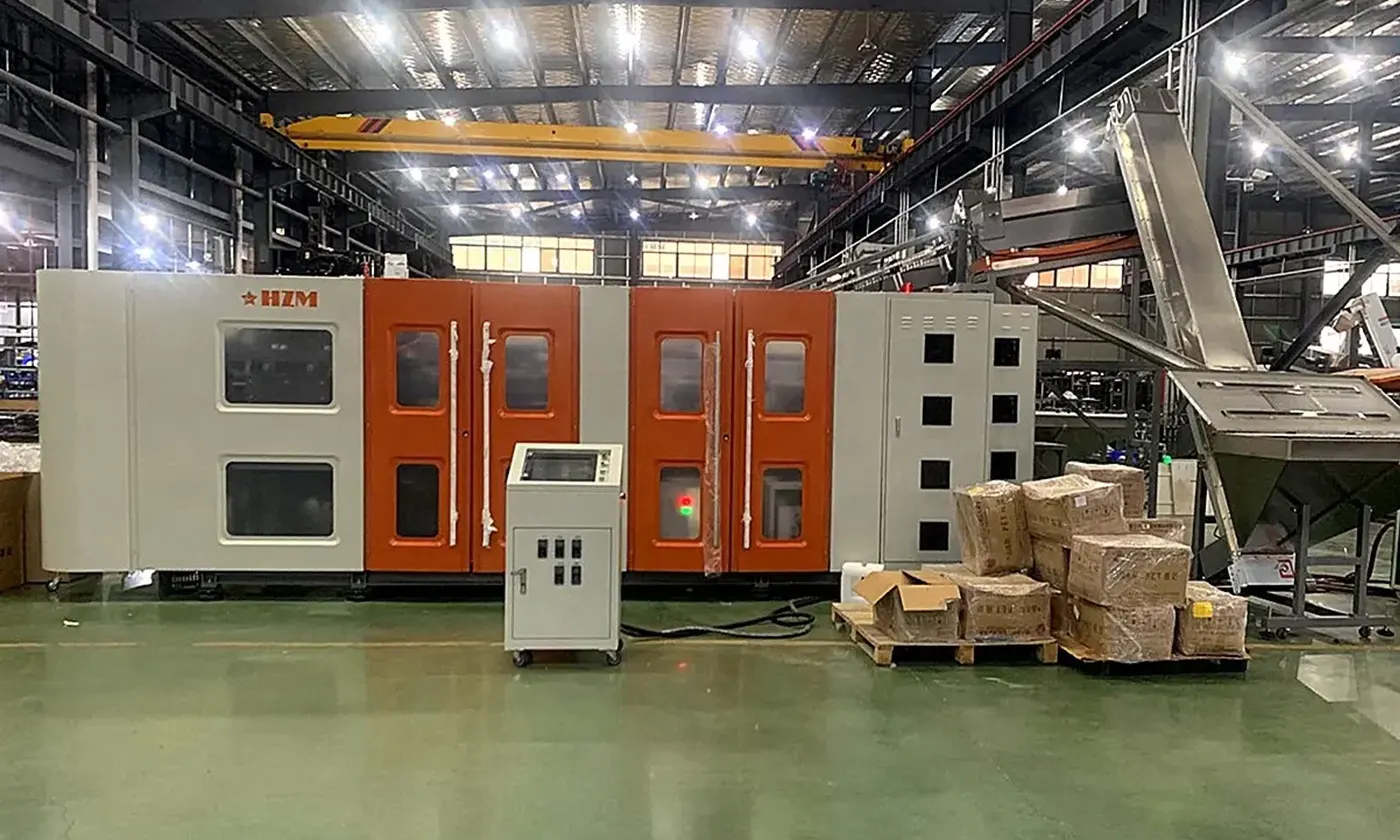
Equipment
Automatic PET Stretch Blow Molding Machine
Automatic PET stretch blow moulding with 2, 4 or 6 cavities and HZM-ECO model capacities of 1,800–7,000 bottles/hour.
Learn more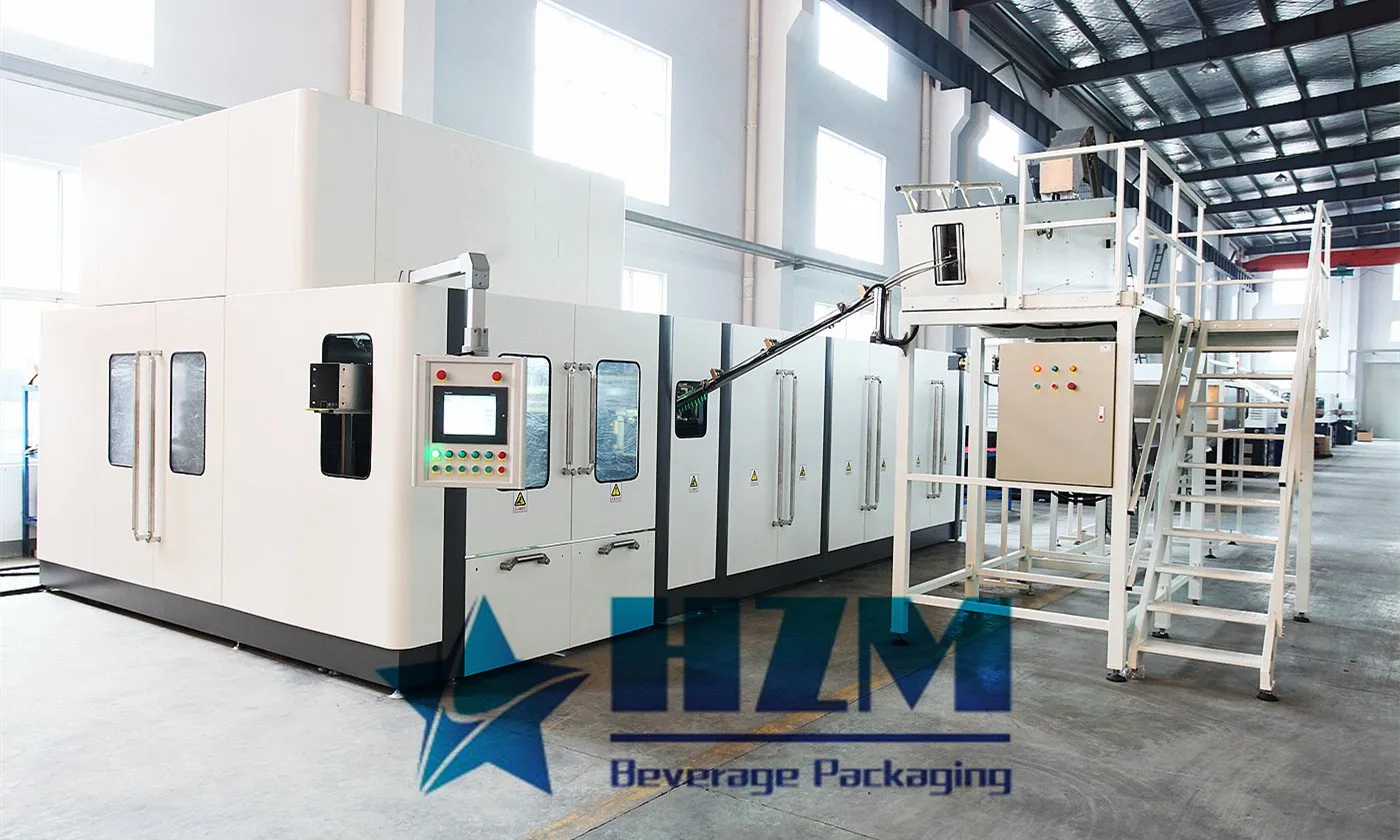
Equipment
Automatic Rotary Blow Molding Machine
Rotary PET bottle blow moulding for water and beverage packaging, with 6–24 cavities and capacities up to 48,000 bottles/hour at 500 ml.
Learn more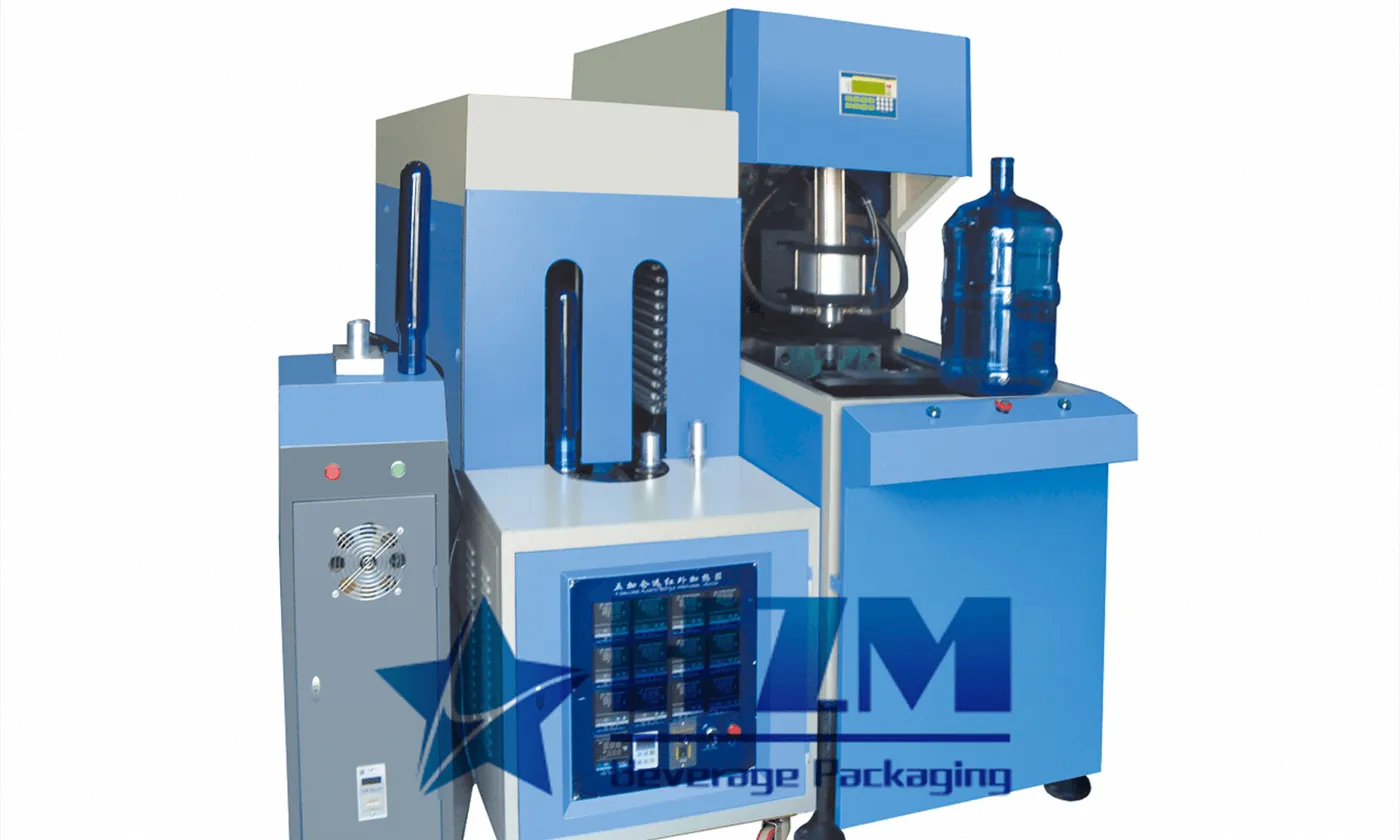
Equipment
5 Gallon Bottle Blow Molding Machine
This blow moulding machine produces large PET water bottles, including 5-gallon containers.
Learn more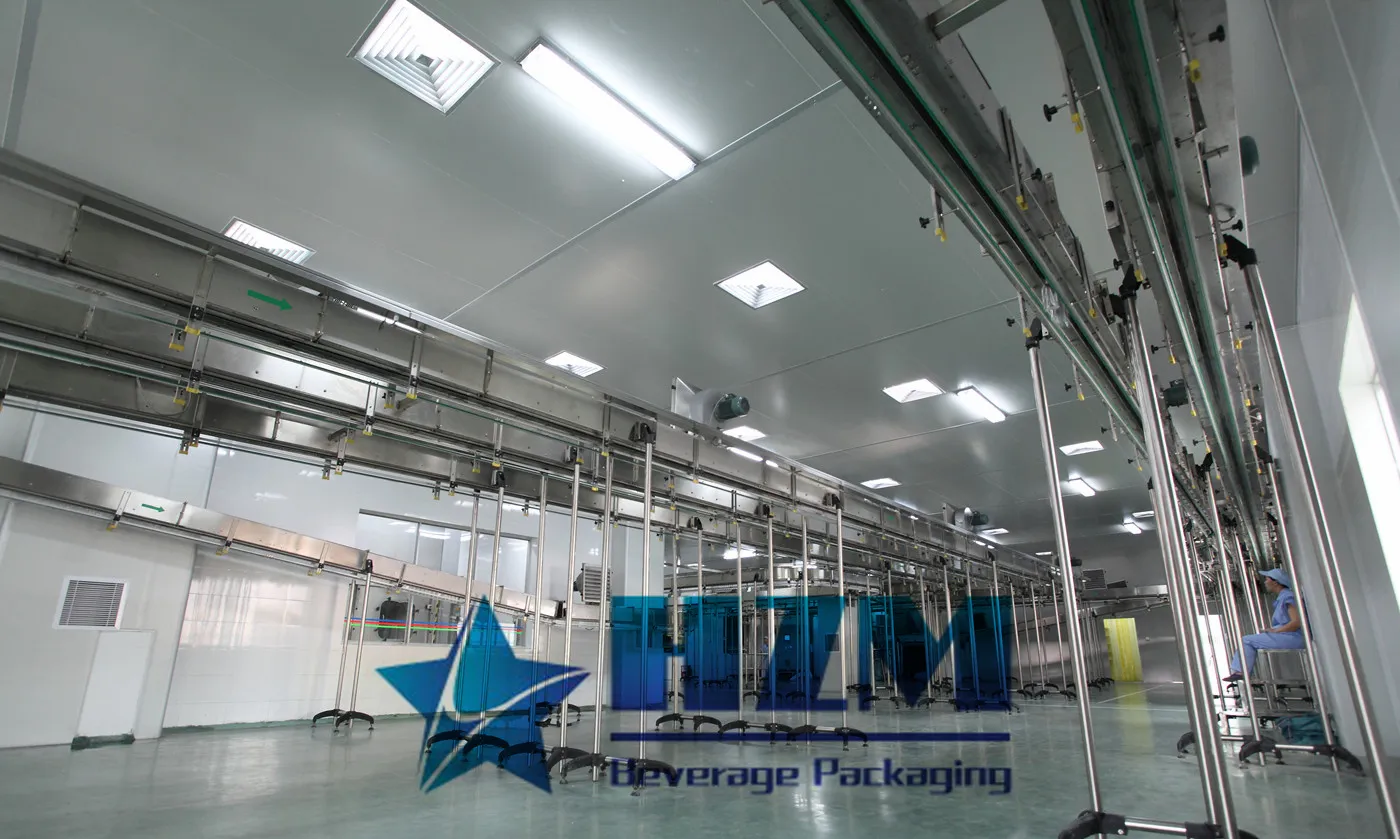
Equipment
Bottle Air Conveyor
The bottle air conveyor transfers empty PET bottles from the blowing machine to the filler.
Learn more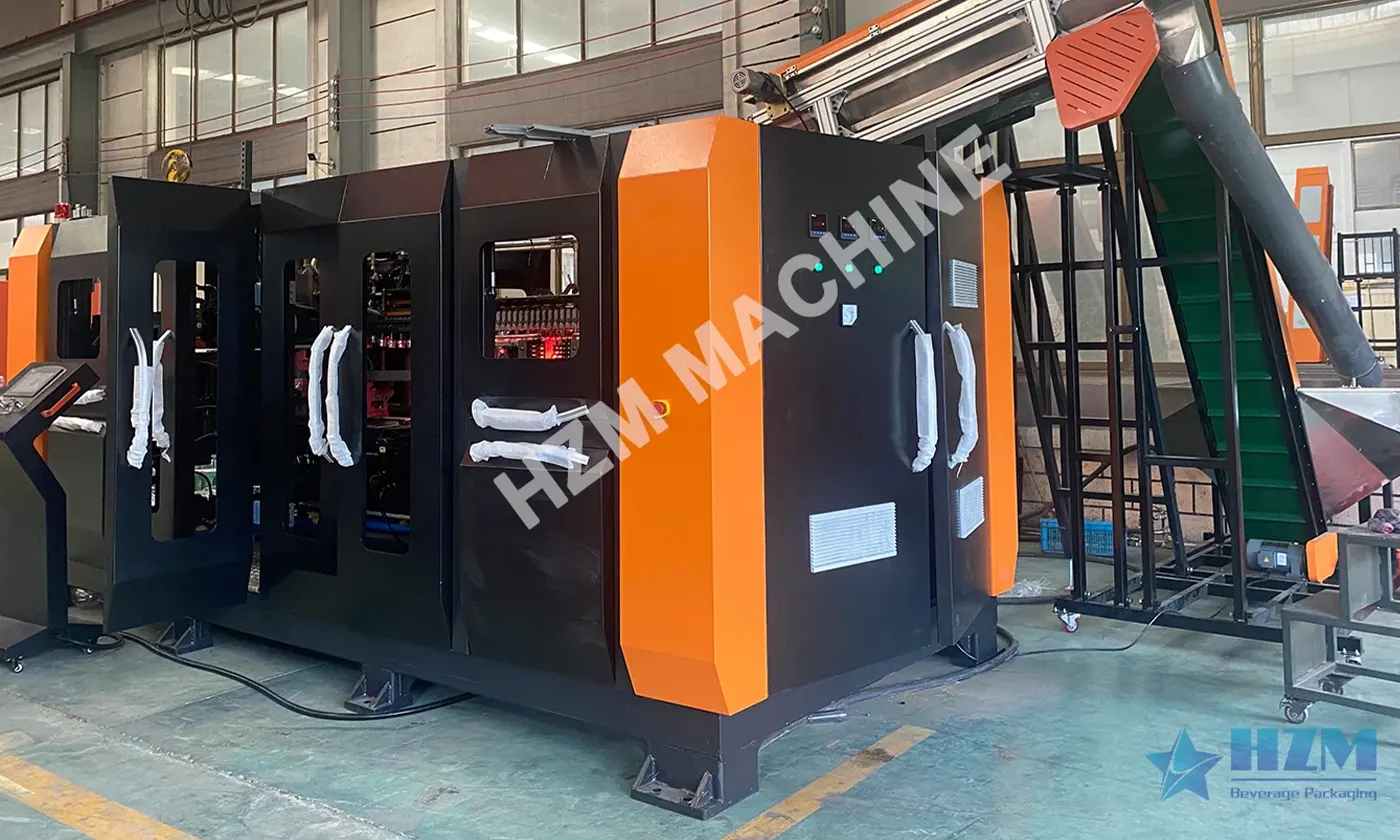
Equipment
Plastic Bottle Blowing Machine, making machine
PET bottle making for drinking water, beverages and liquid packaging, with automatic preform heating and stretch blowing.
Learn more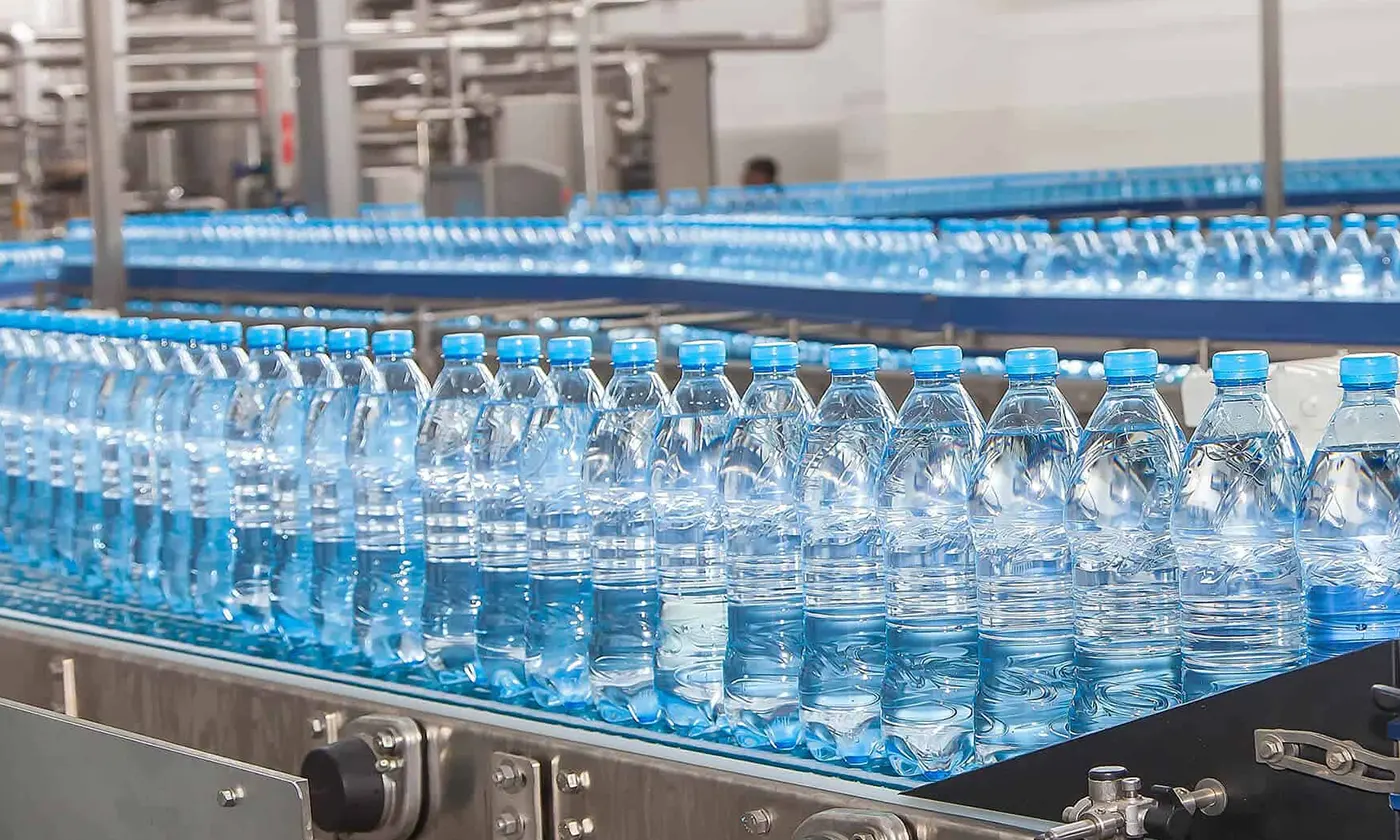
2026-08-06
Bottle Conveyor Accumulation and Line Balancing: A Practical Guide
Size and control bottle conveyors to absorb short stops, prevent excessive pressure and protect overall filling-line efficiency.
Learn more2024-02-21
From Manual to Automatic: Energy-Efficient PET Blow Molding for China
There is still a significant portion of China using manual or semi-automatic bottle blowing machines for PET bottle production. With the current trend of labor shortages and increasing quality requirements for PET bottles, there is a shift towards fully automatic bottle blowing machines.
Learn more2023-06-07
How Much Does a Blow Molding Machine Cost?
we will explore the various factors that influence the cost of a blow molding machine and provide insights into the pricing range.
Learn more2023-06-08
how does a blow molding machine work
How Does a Blow Molding Machine Work? Exploring the Process with HZM Blow Molding Machine Manufacturer
Learn more2024-01-28
PET Blow Molding Machine Principles and Process
Currently, most blow molding machines employ a two-step method, requiring the conversion of plastic raw materials into preforms before the actual blowing process. The commonly used material is environmentally friendly PET (Polyethylene Terephthalate) plastic, collectively referred to as PET blow molding machines.
Learn more
2023-06-09
PET Blow Molding System Guide: High-Pressure Air Quality and Recovery
Practical HZM guidance on pet blow molding system, focused on high-pressure air quality and recovery, line integration, RFQ data and measurable acceptance checks.
Learn more