
Insights & Updates
how does a blow molding machine work
Blow molding machines are essential equipment in the manufacturing industry for producing various plastic products, including bottles, containers, and other hollow objects. Understanding how these machines work is crucial for those interested in the manufacturing process. In this article, we will explore the working principle of a blow molding machine, with insights from HZM Blow Molding Machine Manufacturer, a leading provider of high-quality blow molding machines.
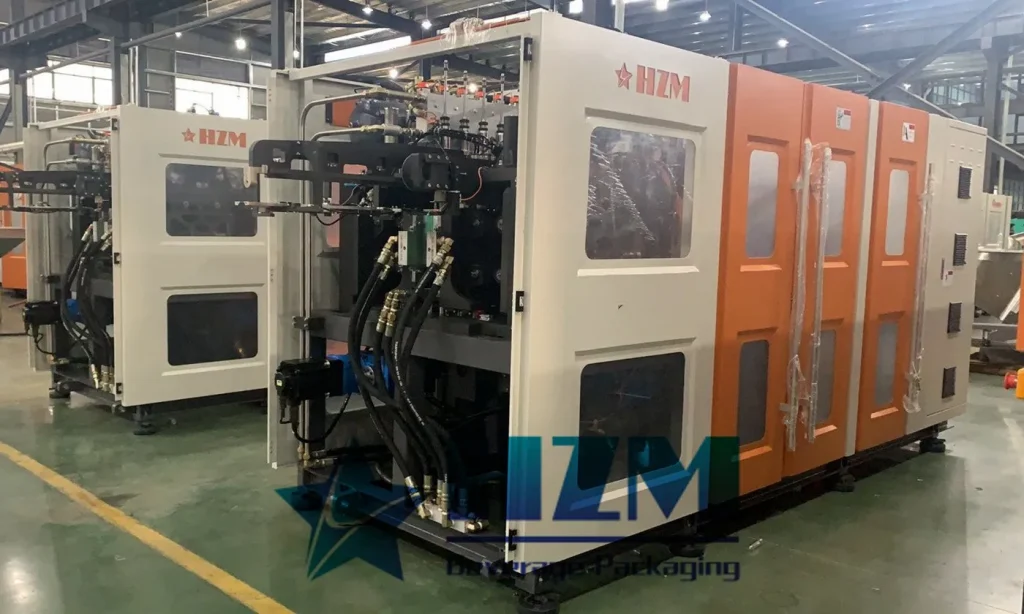
Working Principle: The blow molding process typically involves three main steps: extrusion, molding, and cooling. Let’s delve into each step:
- Extrusion: The process starts with the extrusion phase. Plastic material, usually in the form of pellets or granules, is fed into the extruder of the blow molding machine. The material is then melted and formed into a molten tube or parison through the use of heat and pressure. HZM Blow Molding Machine Manufacturer utilizes advanced extrusion technology to ensure precise control of temperature, speed, and material distribution.
- Molding: Once the parison is formed, it moves to the molding station. Here, the parison is clamped between two halves of a mold. The mold is designed to match the desired shape of the final product. HZM Blow Molding Machine Manufacturer focuses on high-quality molds that ensure accuracy and consistency during the molding process. The mold is then closed, creating a sealed cavity where the parison takes the shape of the mold.
- Cooling: After the parison is shaped, the cooling process begins. The mold is cooled using either air or water to solidify the plastic and allow it to retain its shape. HZM Blow Molding Machine Manufacturer incorporates efficient cooling systems to expedite the cooling process, ensuring shorter cycle times and higher production efficiency. Once the plastic has cooled and solidified, the mold opens, and the finished product is ejected from the machine.
HZM Blow Molding Machine Manufacturer: As a leading blow molding machine manufacturer, HZM emphasizes precision, efficiency, and reliability in their machines. They leverage advanced technology and expertise to design and manufacture blow molding machines that deliver superior performance and consistent product quality. HZM’s machines incorporate features such as precise control systems, high-speed operation, and easy-to-use interfaces, ensuring optimal results and operator convenience.
Conclusion: Blow molding machines, including those manufactured by HZM, operate through a well-defined process involving extrusion, molding, and cooling. By understanding the working principle, manufacturers can optimize production efficiency and produce high-quality plastic products. HZM Blow Molding Machine Manufacturer’s commitment to technological advancements and quality ensures that their machines deliver reliable performance and meet the diverse needs of the manufacturing industry.
Talk to our engineering team
Need help planning your packaging line?
Share your product, bottle and capacity requirements for a practical equipment recommendation.
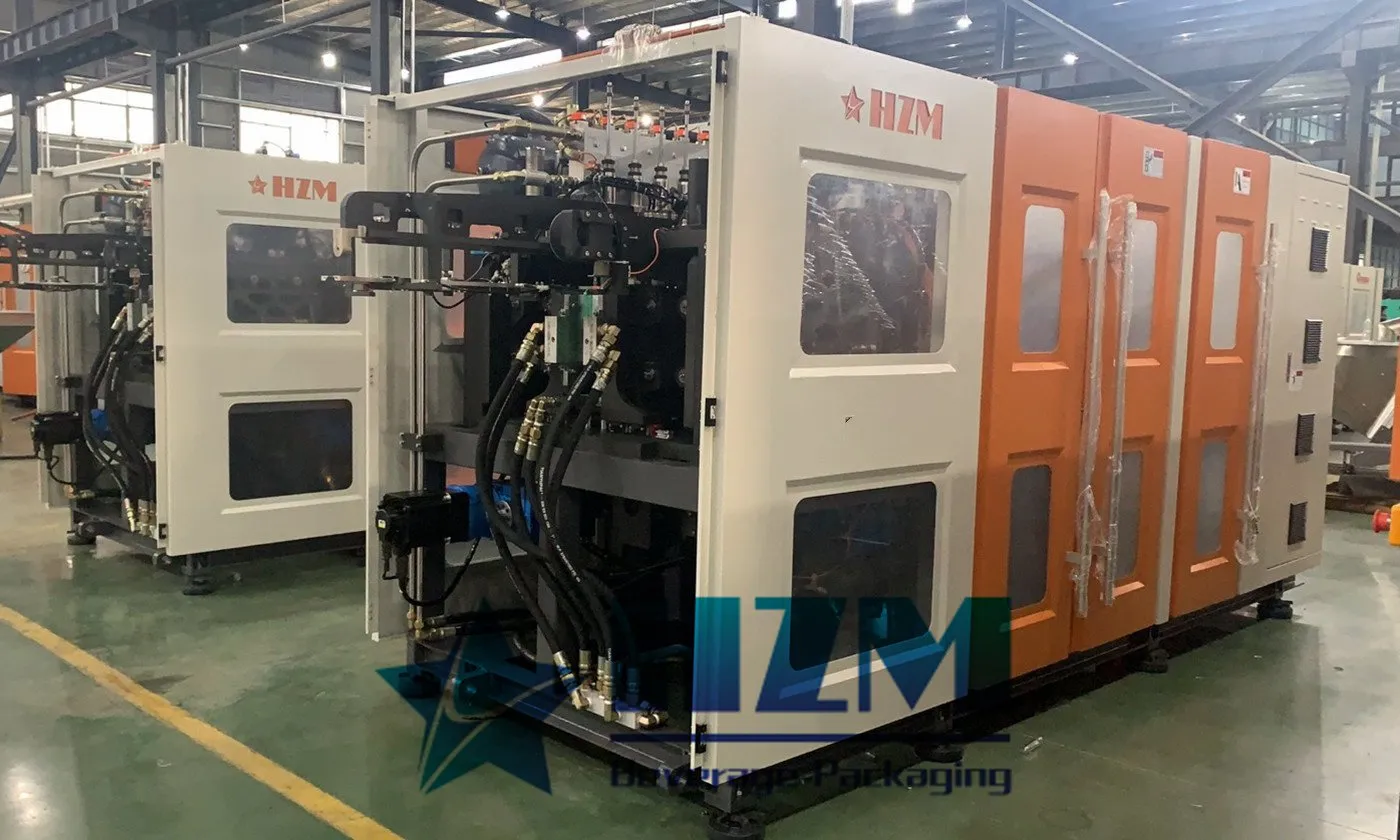
Equipment
Automatic Blow Molding Machine
Automatic PET bottle blowing for water and beverage packaging, with capacities of 12,000–24,000 bottles/hour at 500 ml.
Learn more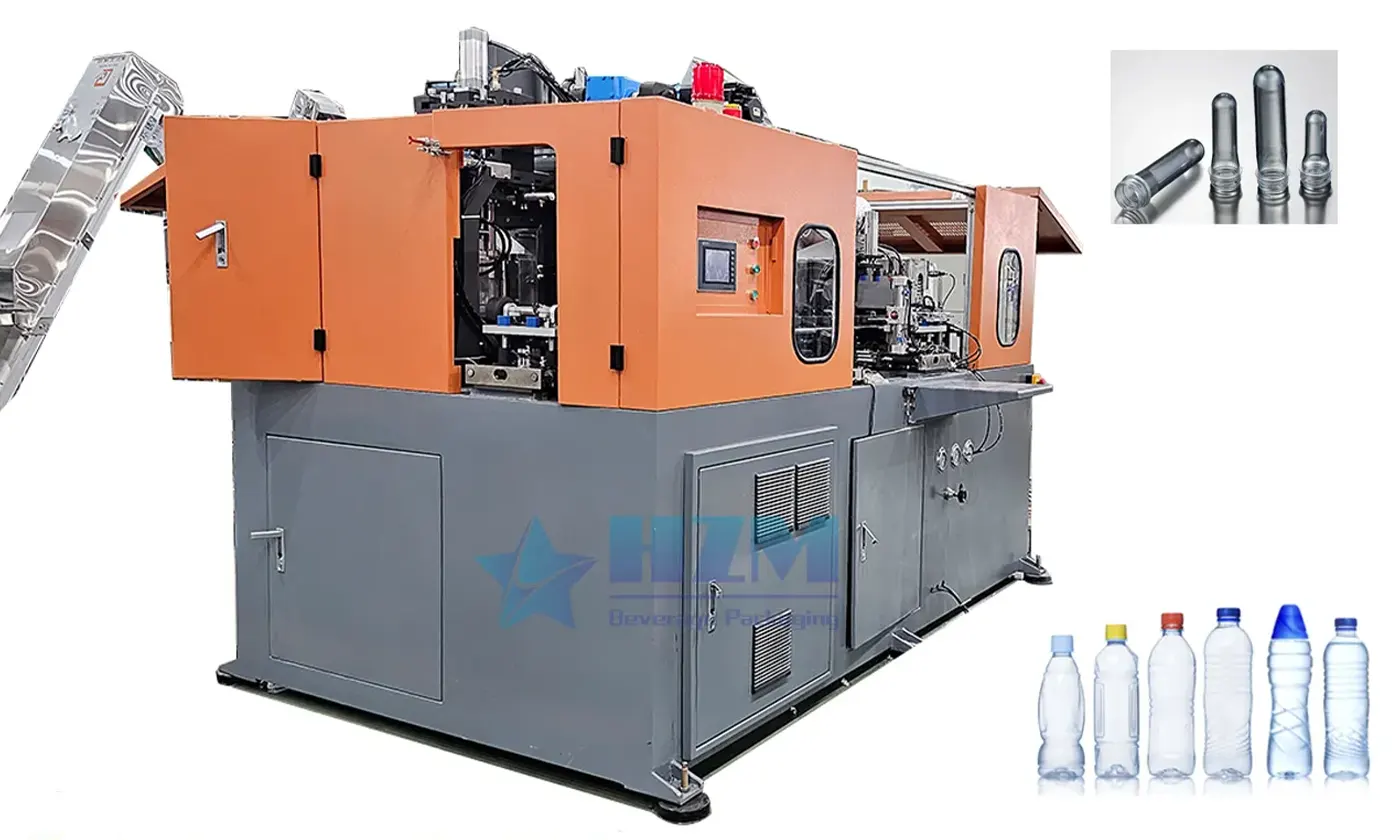
Equipment
PET Bottle Blow Molding Machine
PET bottle blow moulding with 6–12 cavities and capacities of 12,000–21,600 bottles/hour at 500 ml.
Learn more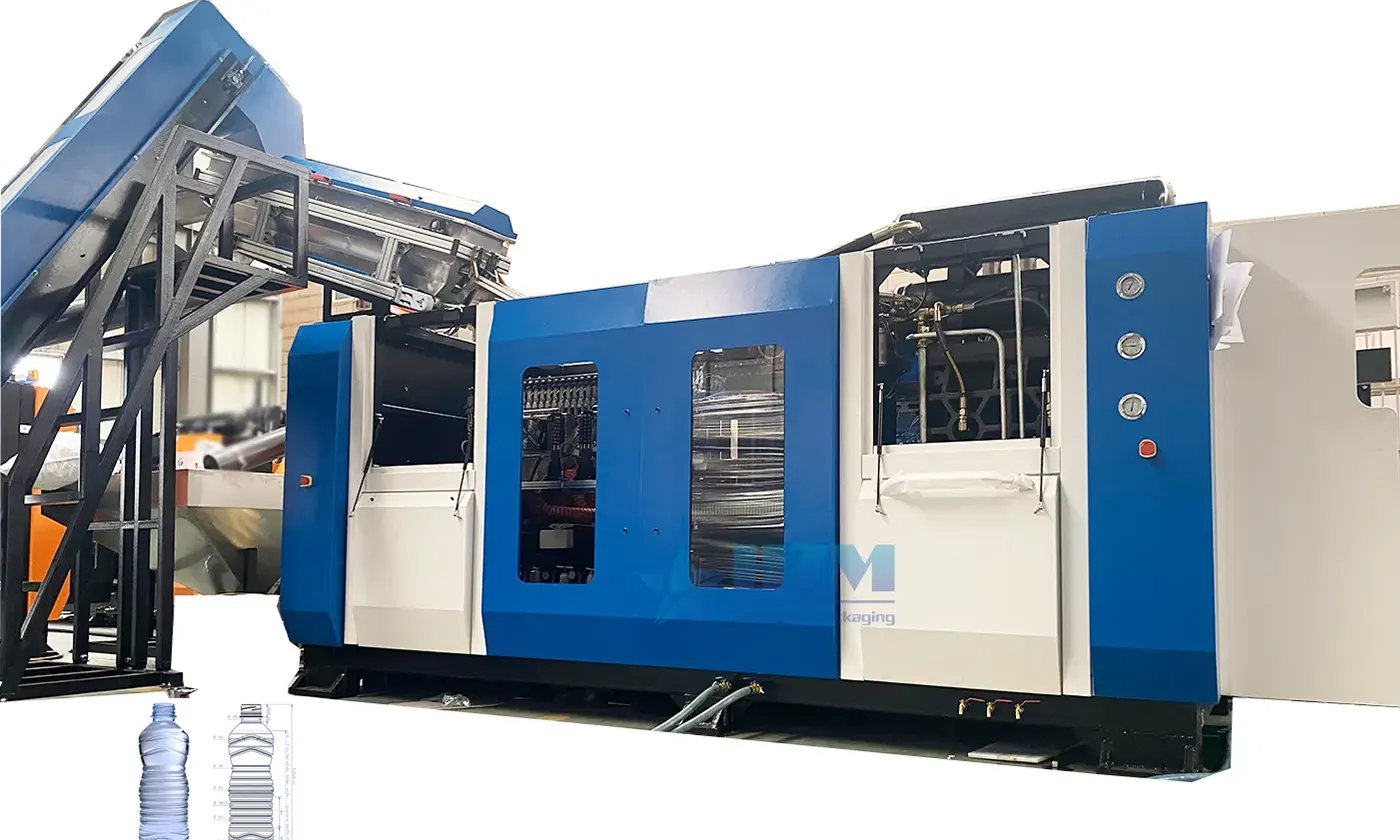
Equipment
Automatic Water Bottle Blowing Molding Machine
Automatic water bottle blowing from PET preforms, with 6–12 cavities and capacities up to 21,600 bottles/hour at 500 ml.
Learn more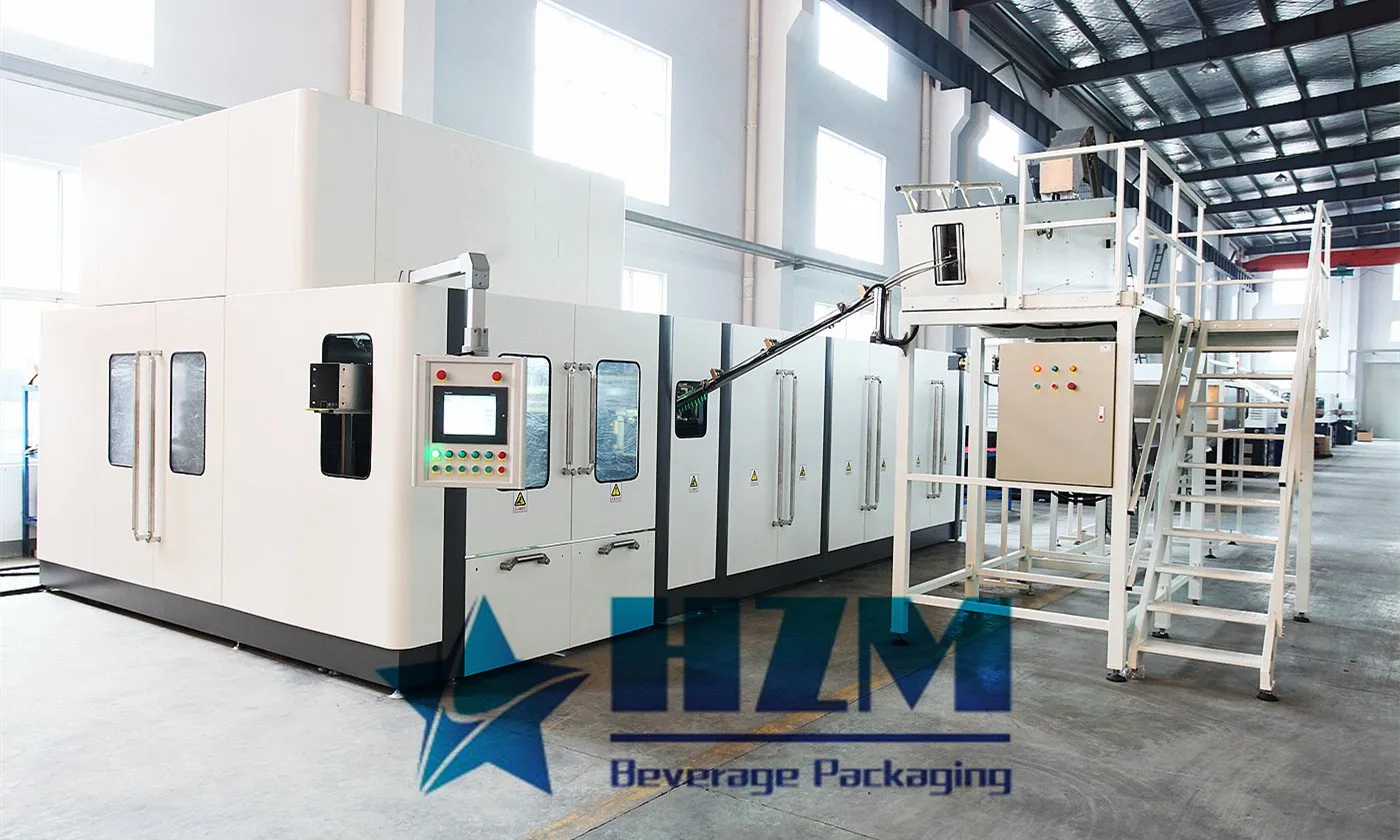
Equipment
Automatic Rotary Blow Molding Machine
Rotary PET bottle blow moulding for water and beverage packaging, with 6–24 cavities and capacities up to 48,000 bottles/hour at 500 ml.
Learn more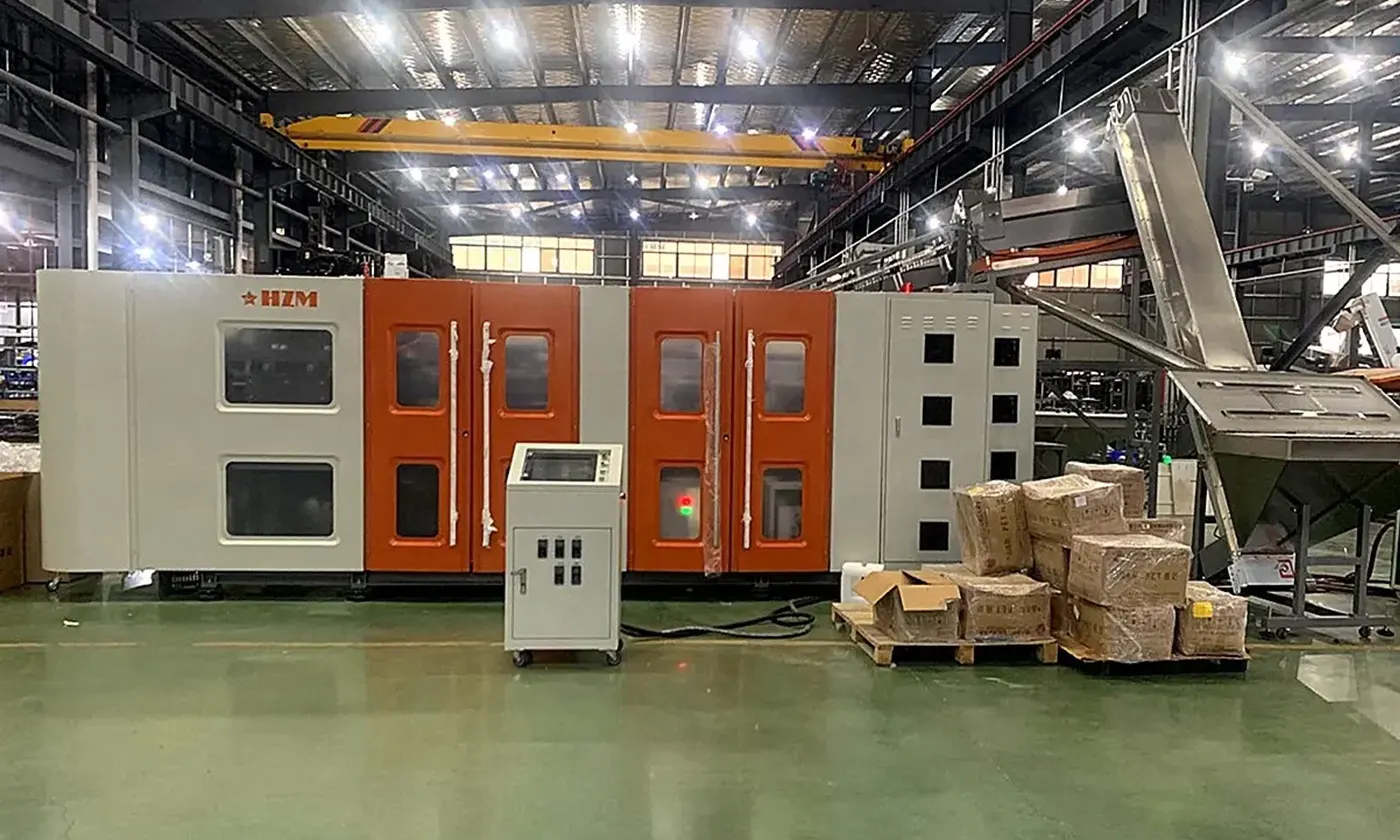
Equipment
Automatic PET Stretch Blow Molding Machine
Automatic PET stretch blow moulding with 2, 4 or 6 cavities and HZM-ECO model capacities of 1,800–7,000 bottles/hour.
Learn more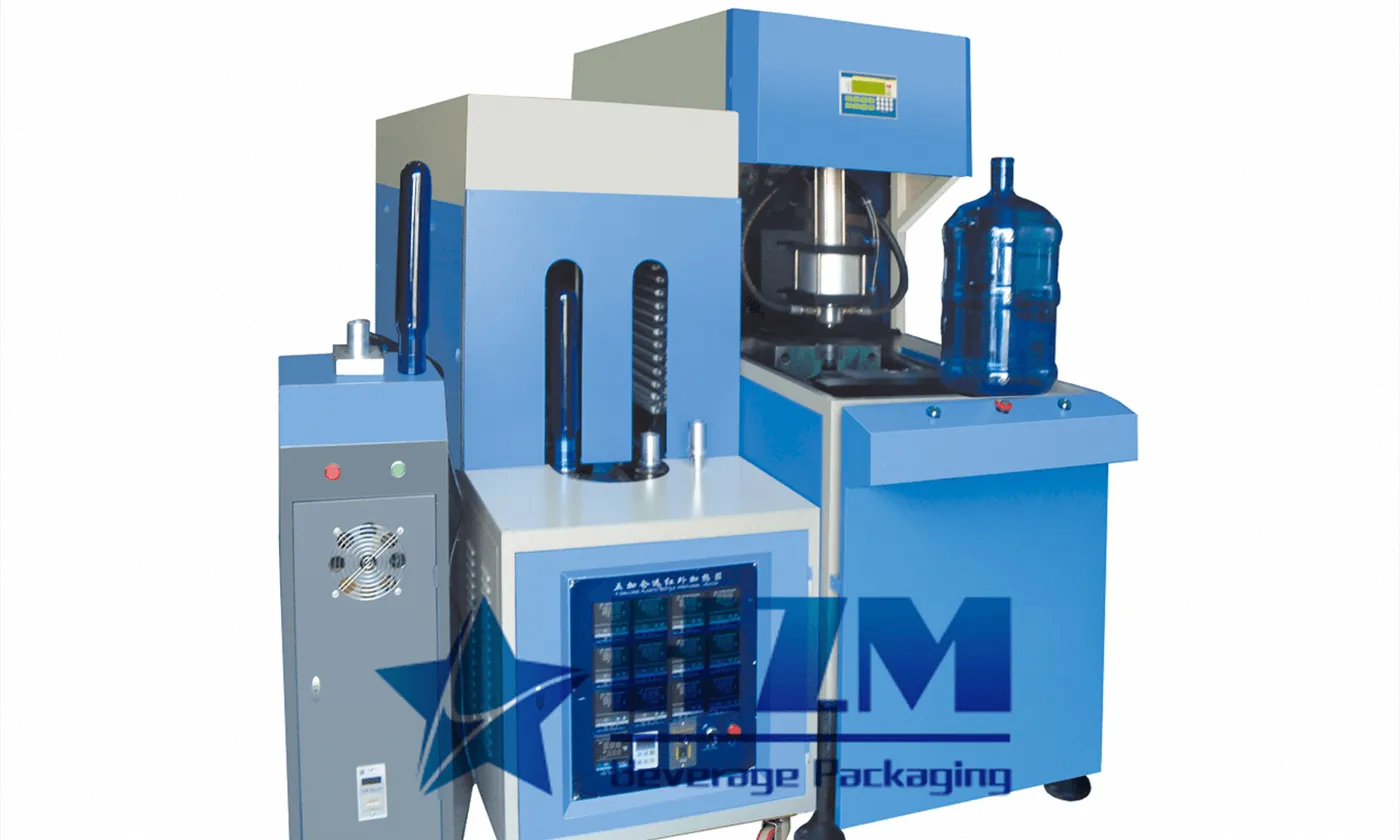
Equipment
5 Gallon Bottle Blow Molding Machine
This blow moulding machine produces large PET water bottles, including 5-gallon containers.
Learn more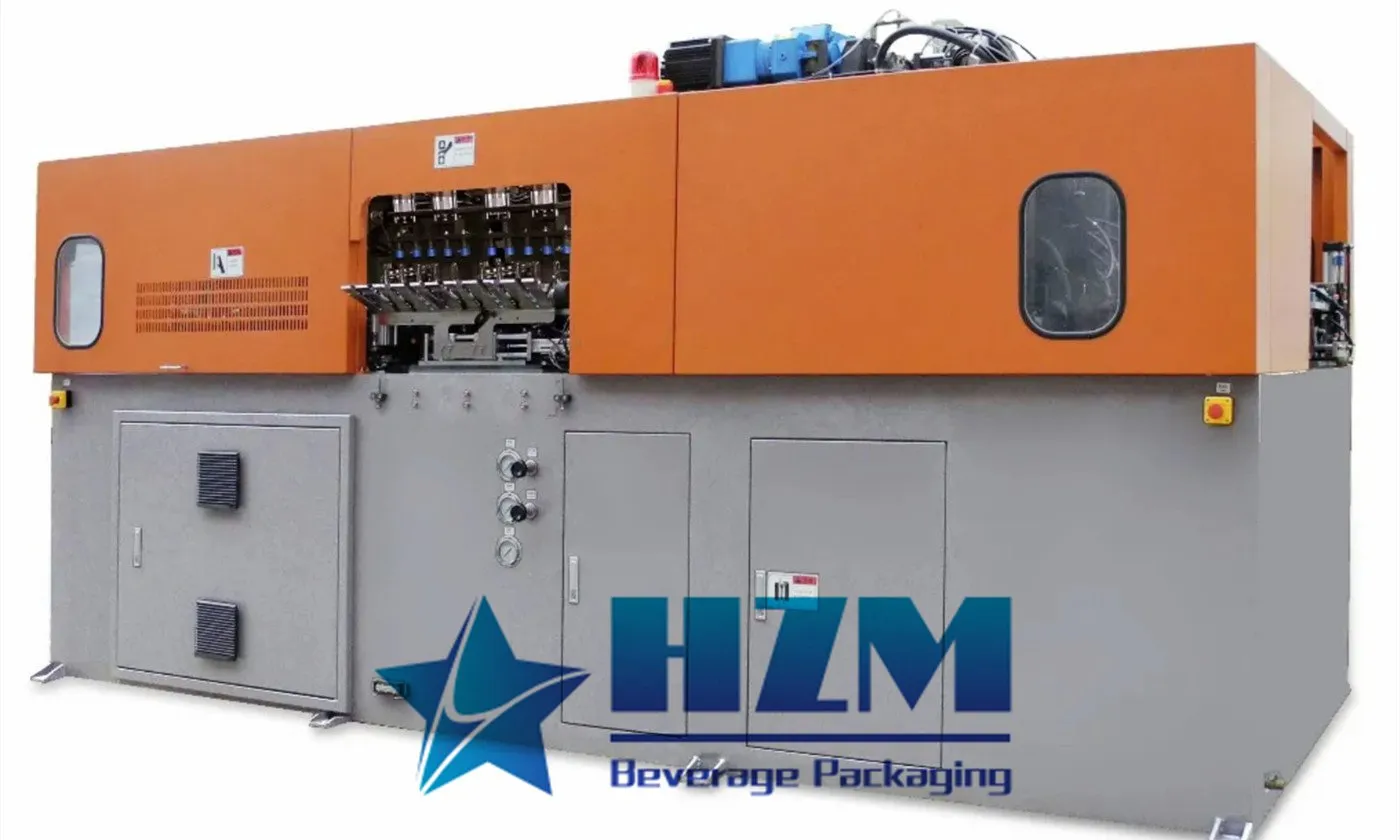
Equipment
Full Electric Servo Type Blow Molding Machine
Full-electric servo PET blow moulding with 4, 6, 9 or 10 cavities and capacities of 5,400–13,000 bottles/hour at 500 ml.
Learn more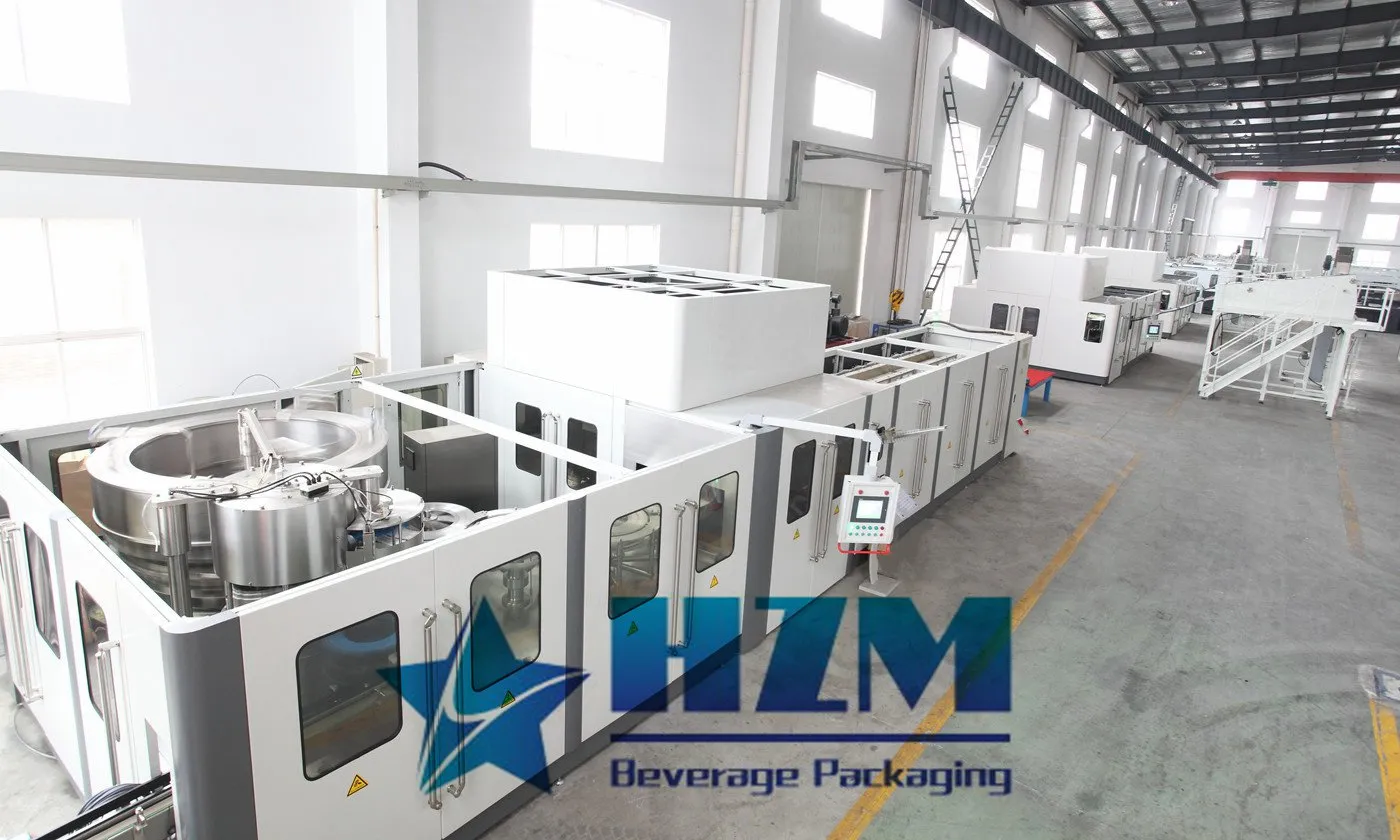
Equipment
Blowing-Filling-Capping Machine
A PET combiblock that combines preform heating, bottle blowing, filling and capping at 12,000–48,000 bottles/hour at 500 ml.
Learn more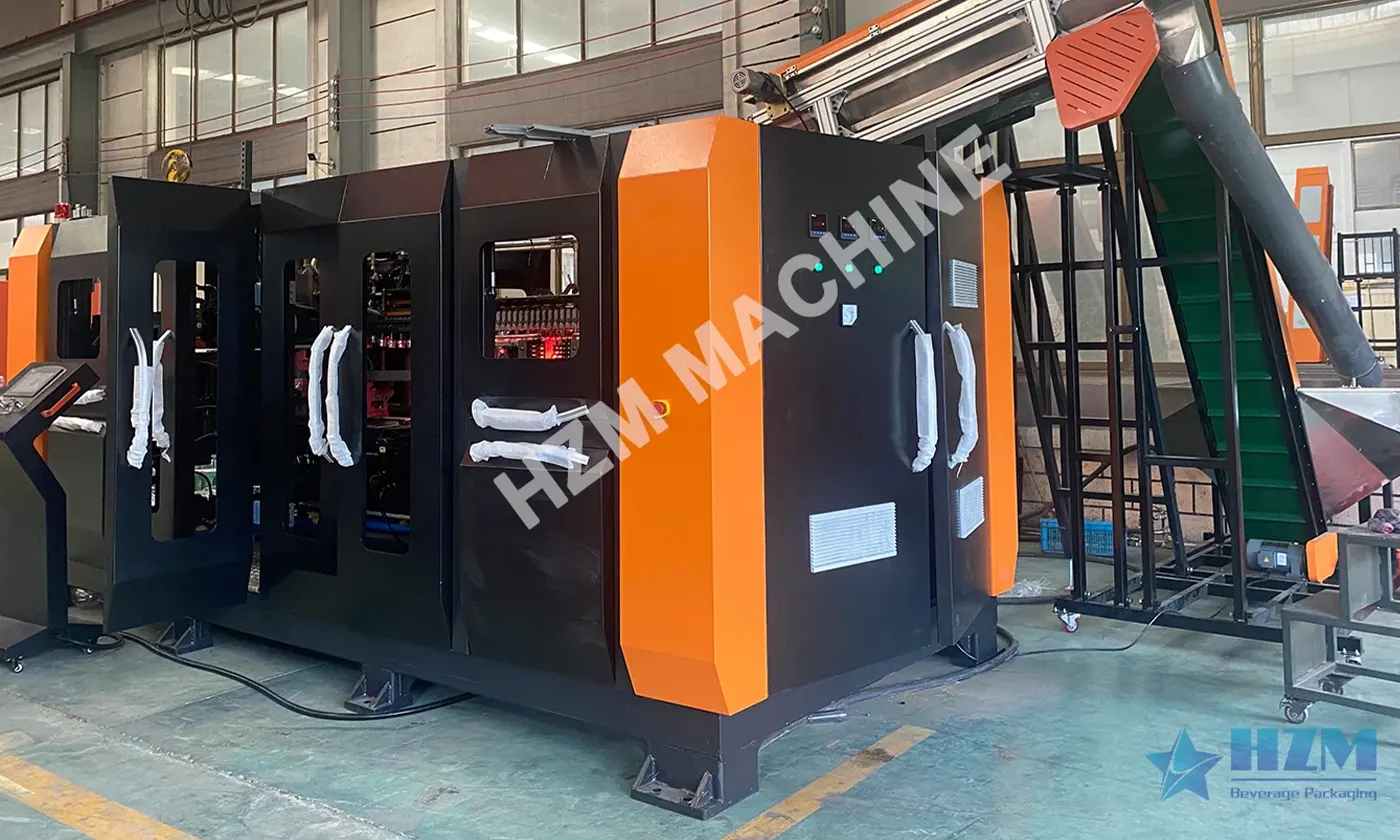
Equipment
Plastic Bottle Blowing Machine, making machine
PET bottle making for drinking water, beverages and liquid packaging, with automatic preform heating and stretch blowing.
Learn more2023-06-07
How Much Does a Blow Molding Machine Cost?
we will explore the various factors that influence the cost of a blow molding machine and provide insights into the pricing range.
Learn more2023-06-09
Solutions for Blow Molding Plastic Bottles
This article will discuss the price, HZM manufacturer, functions, applicable industries, solutions, procurement considerations, and maintenance techniques related to blow molding machines.
Learn more2024-01-28
PET Blow Molding Machine Principles and Process
Currently, most blow molding machines employ a two-step method, requiring the conversion of plastic raw materials into preforms before the actual blowing process. The commonly used material is environmentally friendly PET (Polyethylene Terephthalate) plastic, collectively referred to as PET blow molding machines.
Learn more2024-02-04
Plastic Bottle Blow Molding Machine Price
Plastic bottle blow molding machine is an important equipment for plastic bottle production, and its price is affected by many factors. This article will introduce the factors affecting the price of plastic bottle blow molding machine, the price of HZM Machinery plastic bottle blow molding machine, and the precautions for purchasing plastic bottle blow molding […]
Learn more2023-06-09
High Efficiency 28000 BPH Automatic Pet Blow Molding Machine
High quality High Efficiency 28000 BPH Automatic Pet Blow Molding Machine from China, China's leading 28000 BPH Automatic Pet Blow Molding Machine product, with strict quality control 28000 BPH Auto Pet Blow Molding Machine factories, producing high quality 800 BPH Blow Molding Machine products.
Learn more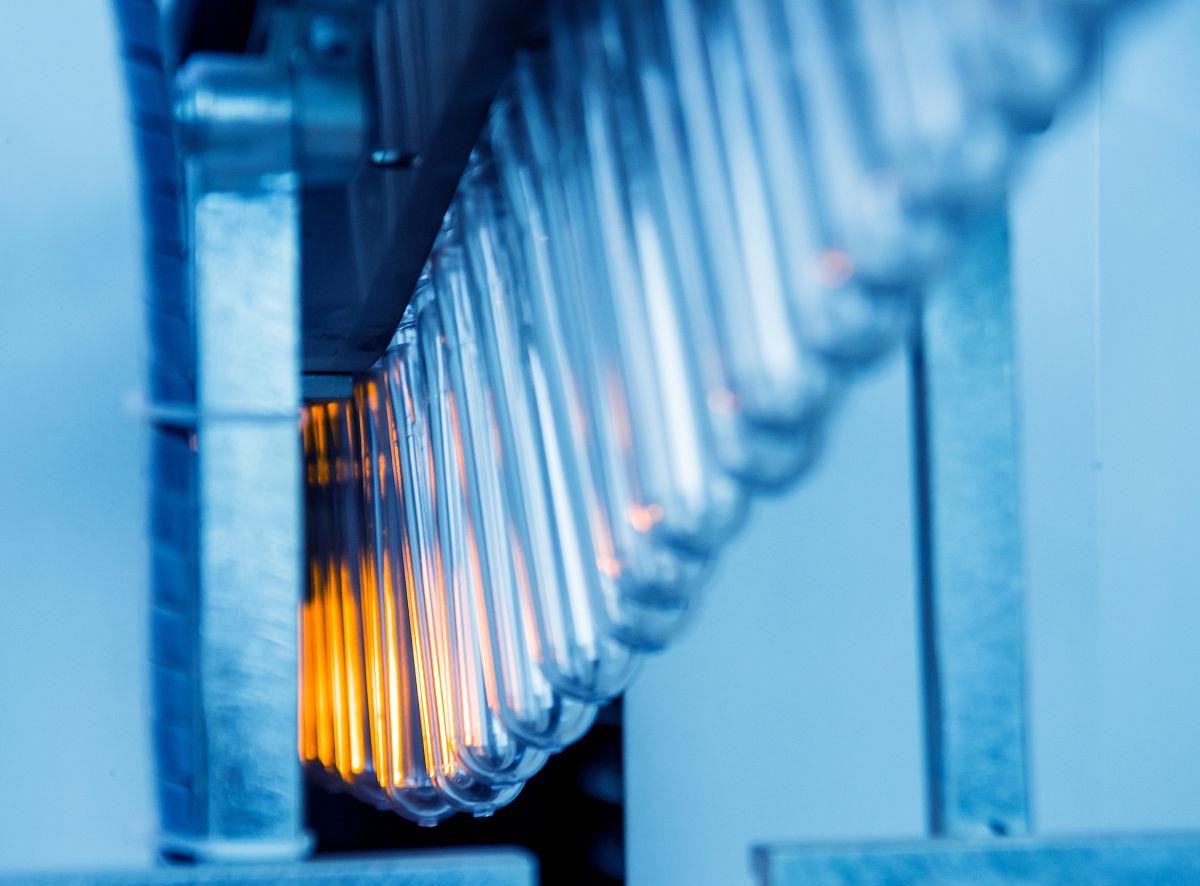
2023-11-23
User What are the three types of blow moulding?
Blow molding is a manufacturing process used to produce hollow plastic parts. There are three main types of blow molding: 1、Extrusion Blow Molding (EBM) This is the most common type of blow molding. In EBM, a continuous tube of plastic, called a parison, is extruded (pushed out) from an extruder. The parison is then enclosed […]
Learn more