
Insights & Updates
FAT and SAT Checklist for a Turnkey Beverage Filling Line
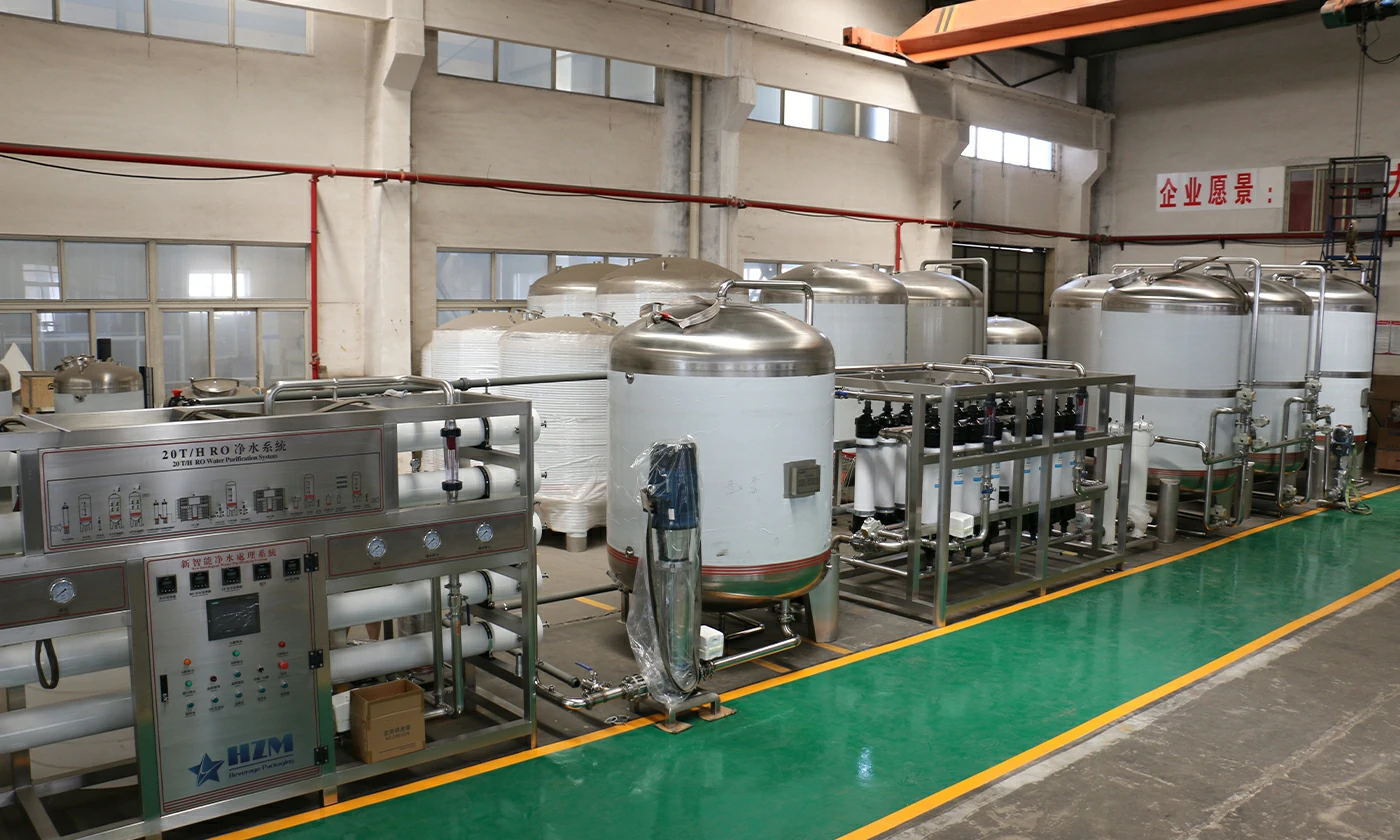
A factory acceptance test (FAT) should be more than watching a machine run for a few minutes. A site acceptance test (SAT) should be more than confirming that power turns on after installation. Together, the tests prove that equipment scope, performance, interfaces, documentation and training meet the purchase agreement.
The strongest acceptance plan is written before the order is signed. It names the products and formats to test, run duration, sampling, quality limits, utilities, responsibilities and response to deviations. This prevents a late argument about what “successful operation” means.
Quick answer: Define measurable acceptance criteria in the contract, provide commercial containers and materials, test sustained good output and quality at the FAT, record open items before shipment, then repeat integrated performance under site utilities at the SAT. Include changeover, sanitation, safety, documents, spares and operator training—not only maximum speed.
Freeze the Design Basis
The acceptance protocol should reference approved product, bottle, cap, label and pack specifications; required good output; utility conditions; layout; line scope and exclusions. If the package changes after design approval, document its impact on tooling, speed and schedule.
Use good finished units per hour as the main production result. Gross machine cycles can hide rejects, starved machines and uncompleted packs.
Prepare Commercial Test Materials
Supply representative preforms or bottles, caps, labels, film, cartons and product or an agreed test liquid in sufficient quantity. Materials should be within the approved specification and identified by batch. If a substitute is used, record what cannot be proven until site testing.
Confirm material arrival and storage before travel. A delayed label roll should not force an unplanned test that produces little evidence.
FAT: Inspect Scope and Construction
Check model, quantity, materials of construction, major components, guards, utilities, instruments, change parts and spare parts against the contract. Review weld finish and hygienic access where relevant. Confirm nameplates, cable labels, flow direction and safety signs.
Compare the physical equipment with approved drawings and document every deviation. Photos and serial numbers improve the handover record.
FAT: Run Performance and Quality Tests
The run should be long enough to expose heating, material feeding, accumulation and repeatability issues. Measure good output, rejects, fill accuracy, closure performance, label position, pack quality and utility consumption where specified. Record stops with cause and excluded time.
For a turnkey beverage filling line, create short controlled disturbances to verify conveyor and machine communication. Test normal stop, restart and emergency-stop recovery.
FAT: Demonstrate Changeover and Cleaning
Run representative minimum and maximum formats when the line is multi-SKU. Time changeover from last good old-format pack to stable good new-format production. Confirm the part list, tools, recipes and adjustment records.
Demonstrate drainability, cleaning access and automated CIP sequences within the agreed scope. Review chemical compatibility and safe lockout points. Where full product validation is only possible onsite, define the SAT test now.
Control Open Items Before Shipment
Classify findings by severity. A critical safety or fundamental performance issue should be closed before shipment. Minor items may have agreed owners and due dates, but the buyer should understand the risk of shipping incomplete equipment.
| Record | Minimum content |
|---|---|
| Test result | Method, target, actual value and evidence |
| Deviation | Description, impact and responsible party |
| Corrective action | Due date and verification method |
| Shipment release | Approved open-item list and conditions |
SAT: Verify Installation and Integrated Operation
Before SAT, confirm installation, alignment, lubrication, utility tests, safety circuits, cleaning and site materials. Run the line under actual site voltage, water, air, steam and environmental conditions. Prove interfaces with upstream processing and downstream warehouse systems that were unavailable at the factory.
Repeat agreed products, speeds and quality checks. Site constraints should be recorded separately from equipment defects so corrective responsibility is clear.
Documents, Training and Final Handover
- Operation, maintenance and spare-parts manuals
- Mechanical drawings, electrical schematics and programs/backups
- Calibration and component certificates in the agreed scope
- Preventive-maintenance schedule and lubrication plan
- Operator and technician training with attendance and competency checks
- Final punch-list closure, warranty start and support contacts
HZM states that it provides manuals, electrical schematics, technical support and onsite installation guidance for its lines. Include the required document language and training scope in the purchase agreement so handover is measurable.
Frequently Asked Questions
Should final payment depend on FAT or SAT?
Commercial terms vary, but payment milestones should align with clear evidence and risk. Define the relationship between FAT release, shipment, SAT and open-item closure in the contract.
How long should a performance test run?
The duration should be long enough to prove stable output, quality, material supply and utilities for the project risk. Define it before purchase rather than accepting an improvised short run.
What if real product cannot be used at the FAT?
Agree on a safe substitute, identify which results it can and cannot prove, and reserve product-specific thermal, foaming, viscosity or hygiene tests for the SAT.
Plan the Next Step with HZM Machinery
Send HZM a design basis with products, packages, output, utilities and acceptance criteria before requesting the final offer. Use the drinking-water production line or broader product portfolio as a scope reference, then build the FAT/SAT protocol into the project schedule.
Talk to our engineering team
Need help planning your packaging line?
Share your product, bottle and capacity requirements for a practical equipment recommendation.
Equipment
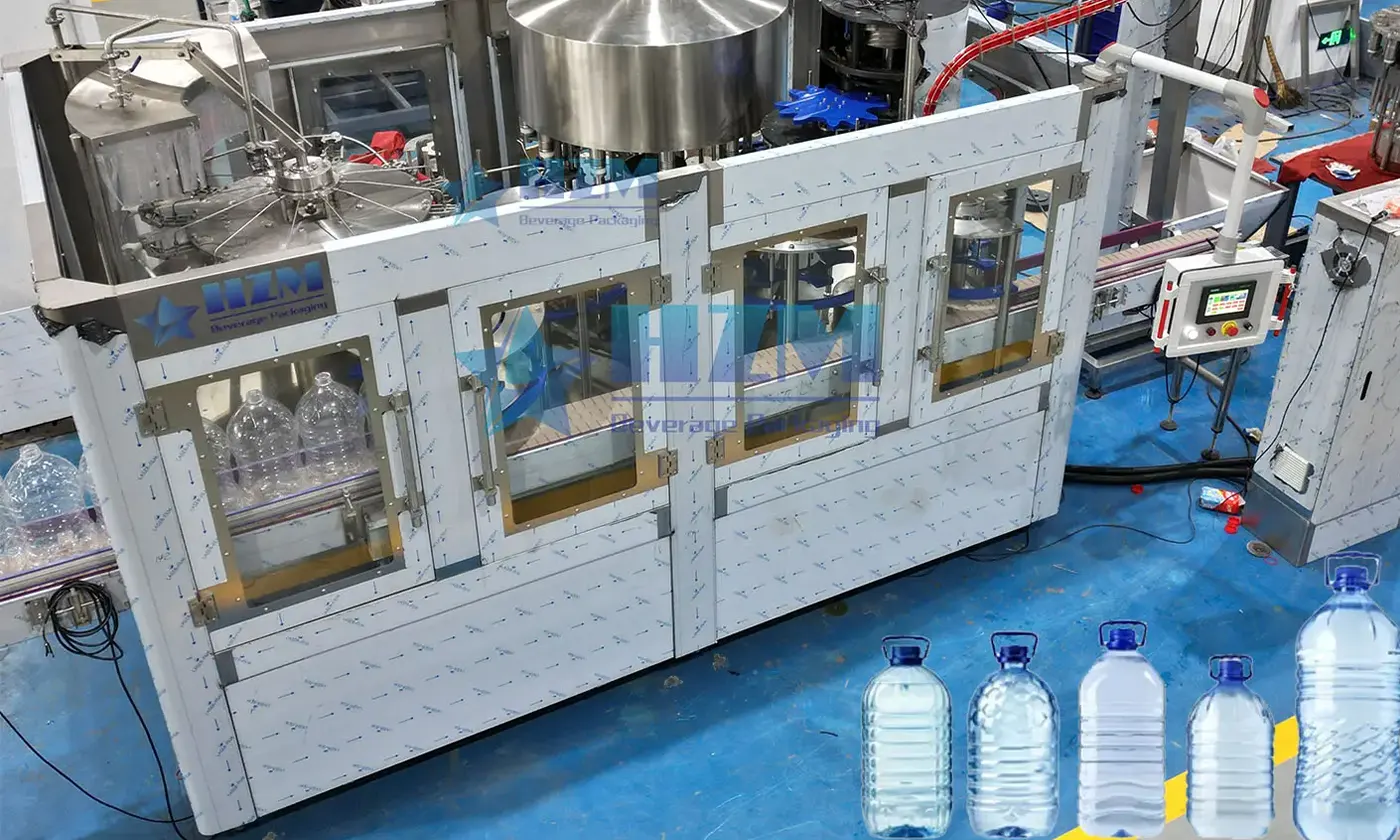
Bottled Water Filling Machine & Turnkey Water Bottling Line
Bottled water filling machines and turnkey lines for purified and mineral water, with dedicated small-bottle, large-bottle and gallon-jar systems.
Learn more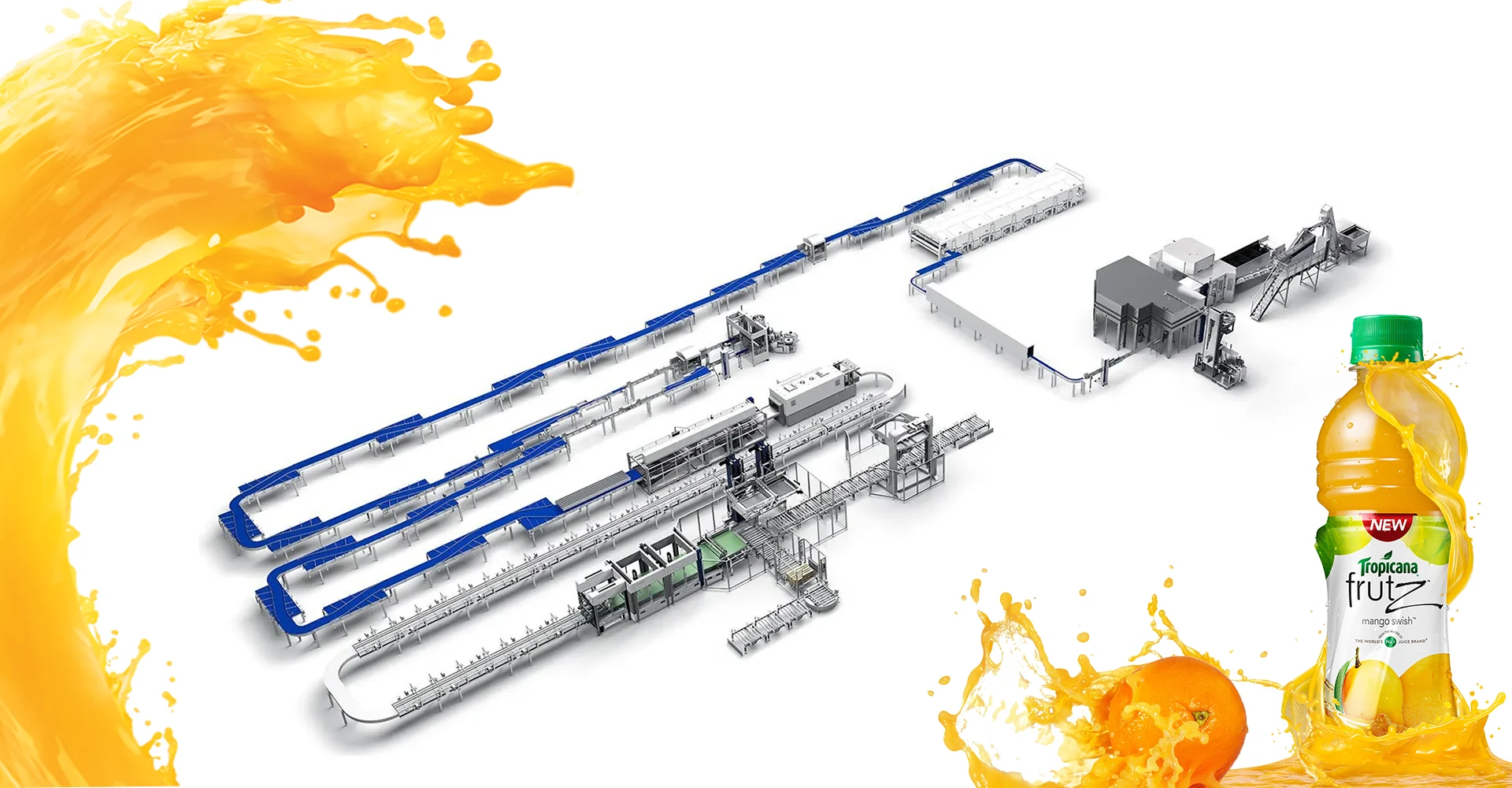
Equipment
Beverage Filling Machine & Turnkey Filling Line for Juice, Soft Drinks and Cans
Beverage filling machines and turnkey lines for juice, soft drinks, water and beer in PET bottles, glass bottles or cans.
Learn more2026-08-10
Beverage Plant Utilities Checklist Before Equipment Installation
Prepare electricity, compressed air, water, steam, cooling, drains, floor loads, ventilation and access before a beverage line arrives.
Learn more
2026-08-05
Shrink Pack or Carton? How to Choose Secondary Packaging for Beverages
Compare shrink film, tray-and-film and cartons by product protection, material cost, retail needs, transport, automation and sustainability.
Learn more
2026-08-06
Bottle Conveyor Accumulation and Line Balancing: A Practical Guide
Size and control bottle conveyors to absorb short stops, prevent excessive pressure and protect overall filling-line efficiency.
Learn more
2026-07-24
How to Improve Bottling Line OEE: Find the Hidden Speed Losses
A practical guide to measuring bottling line OEE, locating micro-stops and speed losses, and improving output without simply buying a faster filler.
Learn more
2026-07-26
How to Calculate the Right Filling Machine Capacity for Your SKU Mix
Convert annual sales, bottle sizes, shifts, changeovers and expected efficiency into a realistic filling-machine capacity instead of oversizing by guesswork.
Learn more
2026-08-03
PET Blow Molding Compressed Air Cost: A Practical Energy Audit
Find compressed-air waste in PET bottle production by measuring pressure, specific consumption, leakage, recovery and compressor loading by bottle SKU.
Learn more