
Insights & Updates
Shrink Pack or Carton? How to Choose Secondary Packaging for Beverages
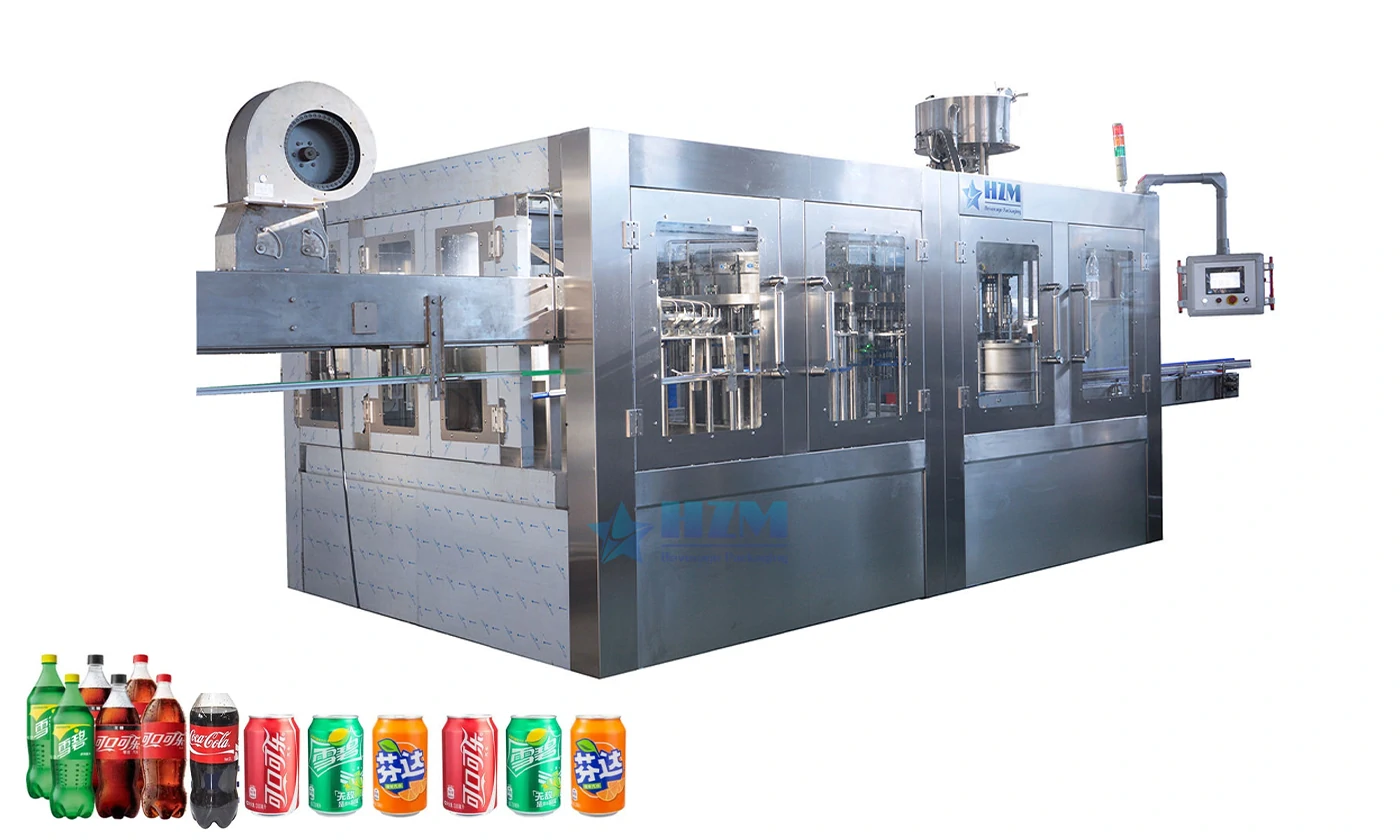
Secondary packaging is often chosen late in a beverage project, yet it affects the packer, tunnel or case closer, conveyors, pallet pattern, warehouse space and delivered product quality. A lightweight shrink bundle may minimize material, while a carton offers printing area and better light or impact protection. Tray-and-film formats sit between those options.
The right answer depends on bottle strength, distribution distance, climate, retail handling, pack count and the local cost and availability of film and corrugated board. This guide provides a structured comparison for water, juice, carbonated drinks and other packaged beverages.
Quick answer: Use shrink-only packs when bottles are stable and low material cost is the priority; add a tray when base support and stacking improve; choose full cartons when protection, print area, concealment or retail handling justify the added material. Validate the final pack through production, pallet, warehouse and transport trials before ordering high-speed equipment.
Define What the Pack Must Do
List the pack’s functions before comparing machine prices. It may need to unitize bottles, protect labels, block light, support stacking, survive moisture, display branding, provide handholds or meet retailer shelf requirements. A pack that looks attractive at the factory may fail when lifted repeatedly in distribution.
Include primary-package strength. Thin PET bottles can depend on film tension and pack pattern for stability, while glass needs impact separation and containment. Cans resist vertical compression differently from bottles.
Shrink-Only Bundles
Film-only packs use relatively little material and keep the product visible. They are common for bottled water and other high-volume products. The bottles themselves must provide enough structure, and film selection, sealing and tunnel profile must create a tight pack without distorting labels or lightweight containers.
Evaluate film thickness, shrink direction, print requirements and local recycling routes. An automatic shrink packing machine should be tested with the commercial bottle array and approved film, not a generic sample.
Tray-and-Film Packs
A corrugated tray improves base support and can make pallet handling more forgiving while retaining product visibility. It adds material and requires tray forming or feeding, but may reduce bottle damage for unstable shapes or longer distribution routes.
Check how the tray performs in humid storage and whether corners damage adjacent film. The tray footprint must match pallet pattern and retailer handling. Small dimensional changes can affect automatic feeding and finished-pack squareness.
Full Cartons
Cartons provide a large print area, better concealment and stronger protection from light, scuffing and impact. They can support premium branding and easier handling, but corrugated consumption, case forming, closing and warehouse volume increase. Wet conditions require appropriate board and adhesive performance.
A carton package machine must match case style, bottle count, loading direction and closure method. Confirm whether dividers are needed for glass or other fragile packages.
Compare Total Cost per Delivered Pack
| Cost area | Questions to model |
|---|---|
| Materials | Film, tray, carton, adhesive, labels and waste |
| Equipment | Packer, tunnel, former, closer, conveyors and spares |
| Utilities | Electricity, heat source and compressed air |
| Labor | Material loading, changeovers and quality checks |
| Distribution | Pallet density, damage, returns and warehouse cube |
The cheapest material at the factory can become expensive if pallets collapse or retailers reject damaged units. Calculate cost per saleable pack delivered to the customer.
Check Speed, Changeover and Material Supply
Provide the packer supplier with every bottle and bundle pattern. A 4×3 pack, a 3×2 pack and a mixed promotional pack may need different lanes, pushers or collating recipes. Determine how quickly operators can change guides, film rolls, tray blanks or case sizes and how much material can be loaded safely.
Confirm the quality consistency of local film and corrugated suppliers. Automatic machinery needs dimensional control; irregular blanks or variable film can reduce line efficiency.
Validate the Pack in Distribution
- Run at minimum and maximum approved machine speeds.
- Inspect seals, shrink appearance, carton closure and bottle damage.
- Measure pack dimensions and pallet overhang.
- Complete compression, vibration, drop or transport tests appropriate to the route.
- Condition samples at expected heat and humidity.
- Confirm retailer opening and shelf-handling needs.
Use final printed materials when possible. Ink, coating and board changes can alter friction, heat response and feeding behavior.
Frequently Asked Questions
Is shrink packaging always cheaper than cartons?
It often uses less material, but total cost depends on film price, energy, product damage, pallet stability, retail requirements and local recycling or disposal costs.
Can one packer handle shrink packs and cartons?
Some flexible systems can handle multiple formats with modules and change parts, but do not assume it. Define every required pack and request a demonstrated changeover.
What information is needed for a packaging-machine quote?
Provide bottle or can samples and drawings, pack patterns, material specifications, target speed, pallet pattern, utility conditions and required changeover time.
Plan the Next Step with HZM Machinery
HZM supplies shrink, carton, conveying and palletizing equipment for complete beverage lines. Share your primary package, bundle pattern and distribution conditions to compare the most suitable beverage packaging solution.
Talk to our engineering team
Need help planning your packaging line?
Share your product, bottle and capacity requirements for a practical equipment recommendation.
Equipment
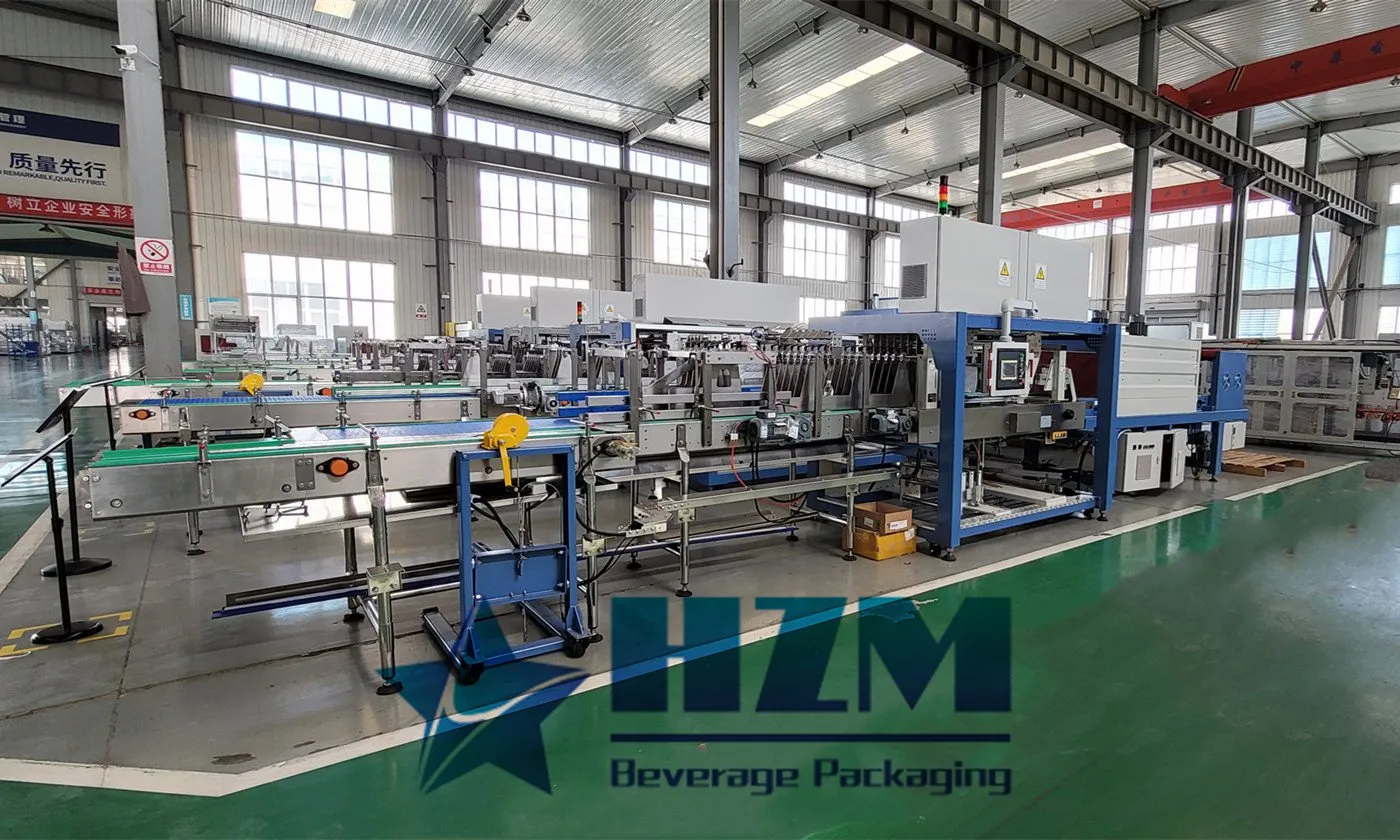
Automatic Shrink Packing Machine
The automatic shrink packing machine wraps groups of bottles or cans in film and passes them through a heated shrink tunnel.
Learn more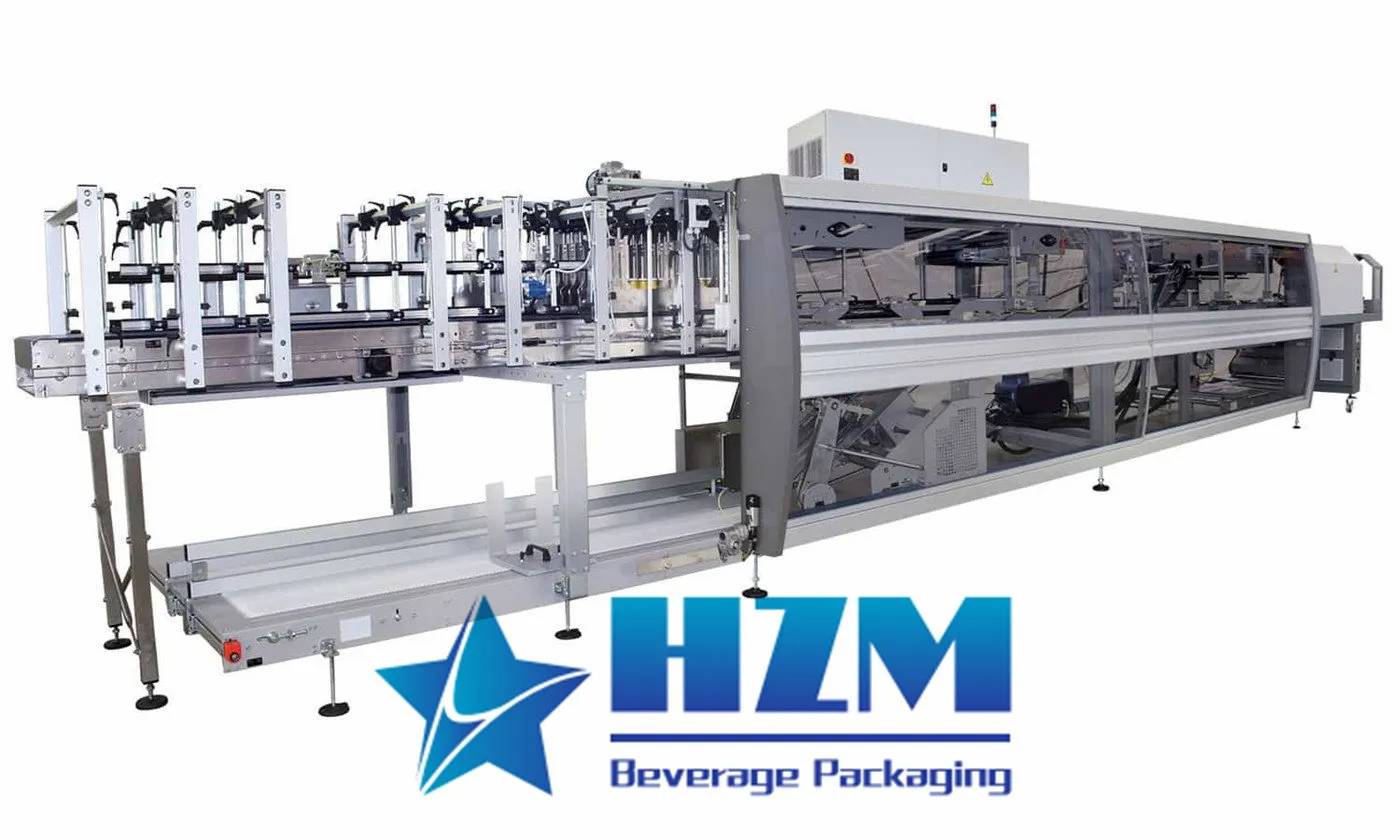
Equipment
Automatic Carton Packing Machine
The automatic carton packing machine packs bottled and canned products from beer, beverage, bottled-water and food production lines into cartons.
Learn more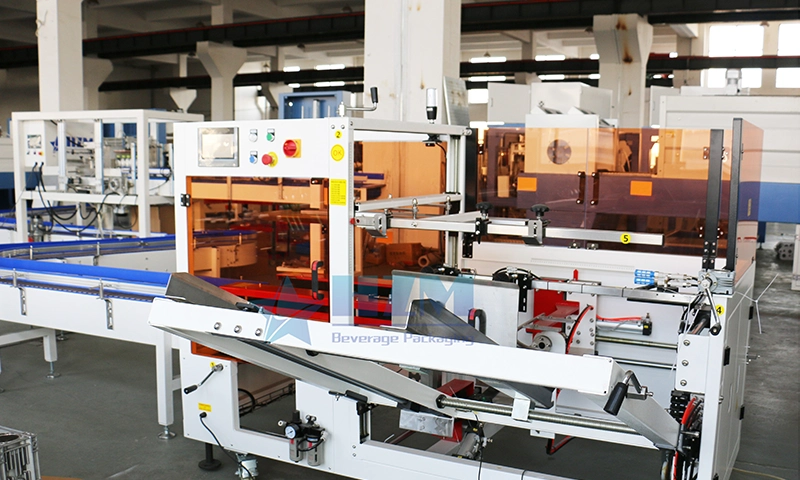
Equipment
Carton Package Machine
The carton packaging machine packs bottles and cans into cartons at the end of a filling line.
Learn more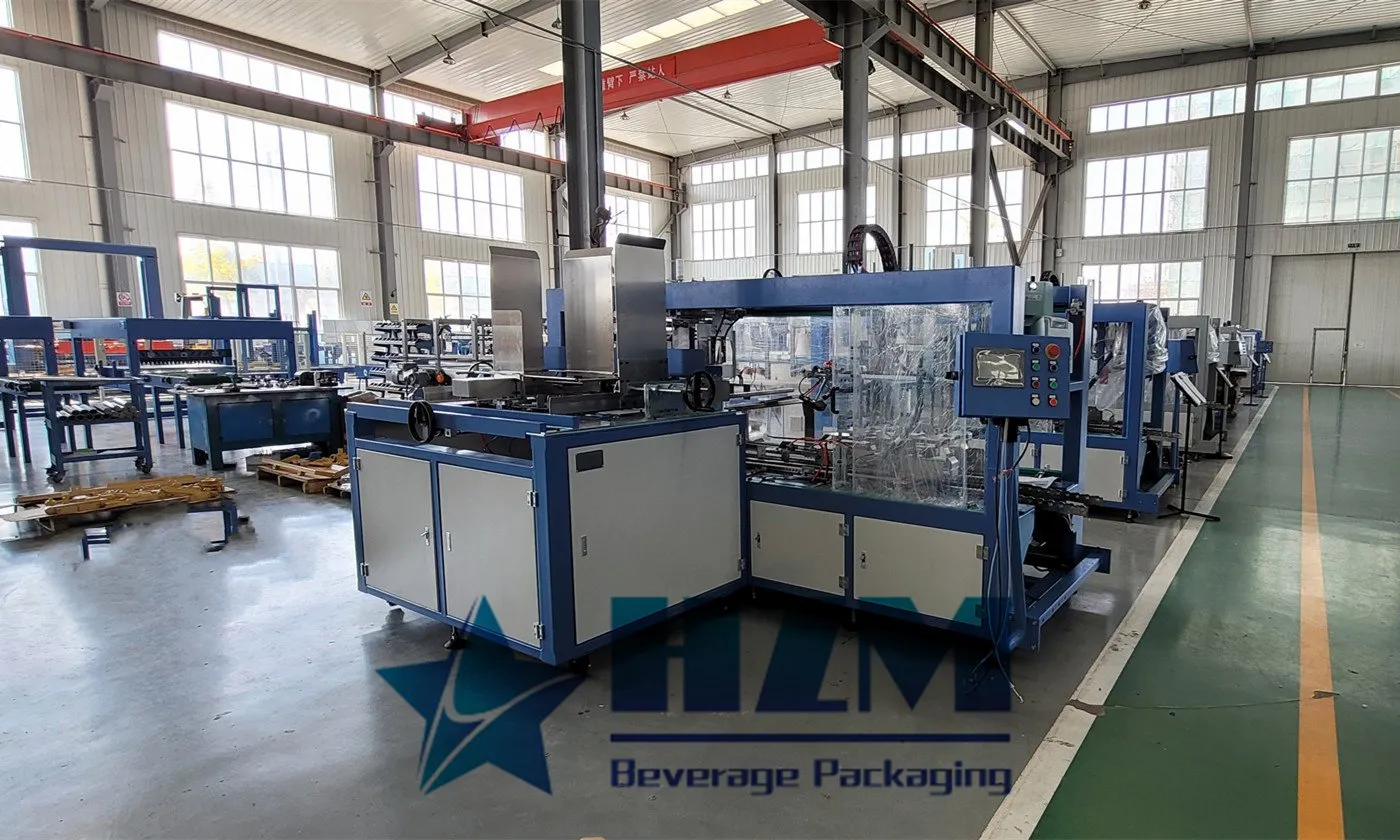
Equipment
Automatic Drop Type Carton Packing Machine
The automatic drop-type carton packing machine loads grouped products into cartons for beverage, bottled-water and food production lines.
Learn more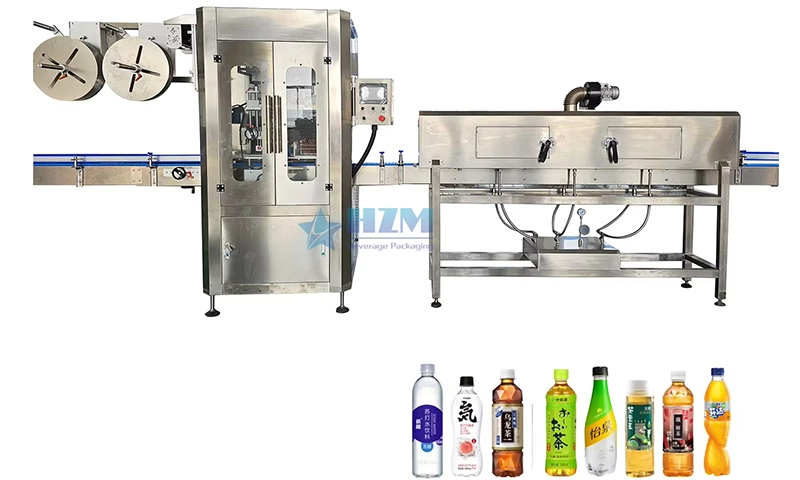
Equipment
Automatic Shrink Sleeve Bottles Labeling Capping Packing Machine
Automatic shrink sleeve application for beverage bottles, with SHB capacities of 9,000–27,000 bottles/hour.
Learn more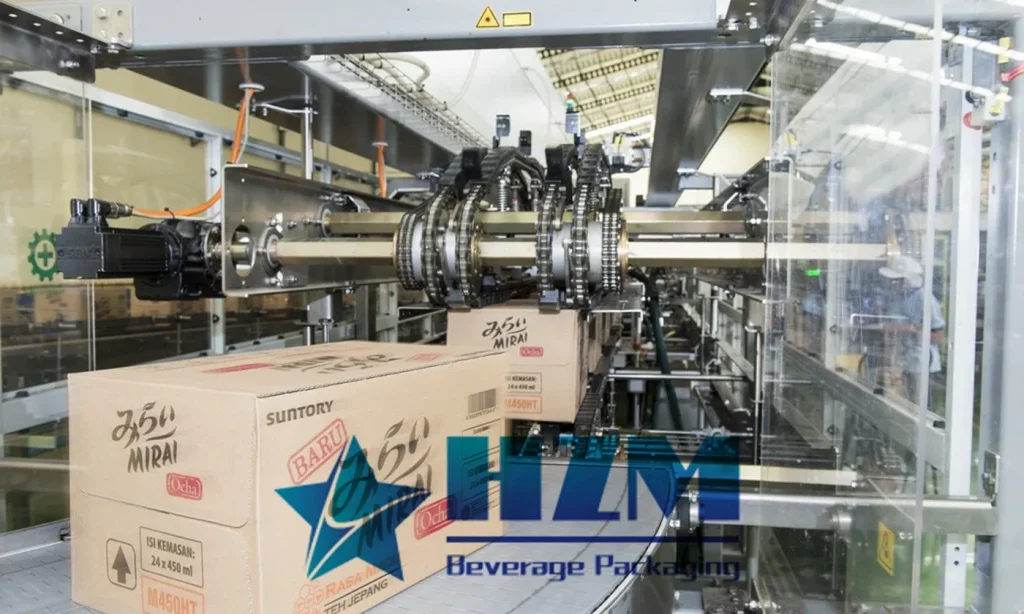
2023-12-31
Beverage Carton Packaging Machinery for Sale
Our beverage carton packaging machinery has the characteristics of high efficiency, stability, simple operation, and convenient maintenance. If you have beverage carton packaging needs, please contact us.
Learn more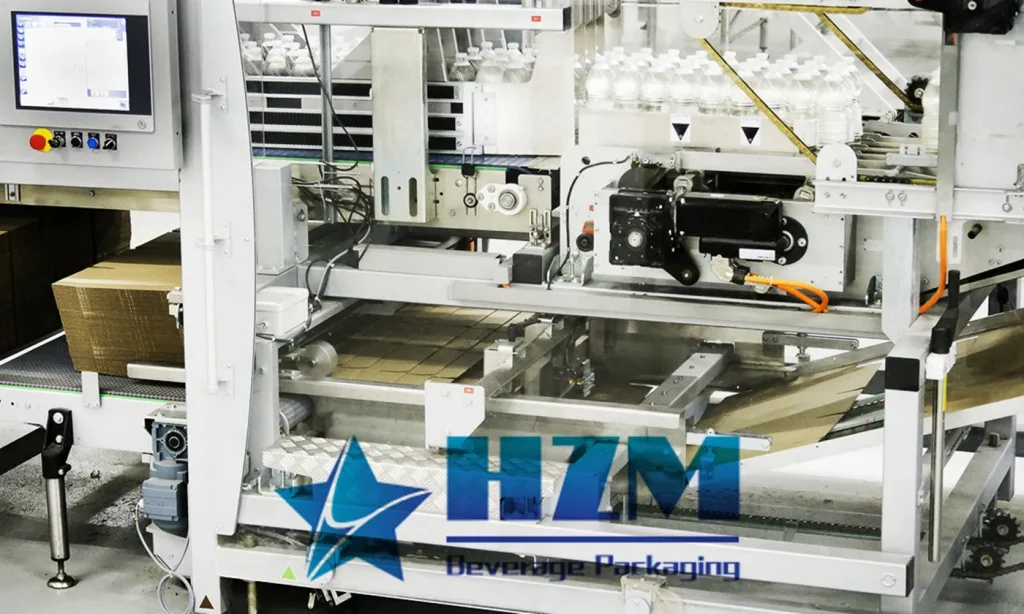
2023-08-10
Advantages and Applications of Automatic Carton Packaging Machines
An automatic carton packaging machine is an efficient and automated device used to place various products into cartons, followed by automatic sealing, packing, and stacking processes. This type of machine finds extensive application in the manufacturing and logistics sectors, as it enhances production efficiency, reduces labor costs, and ensures the safety of products during transportation and storage
Learn more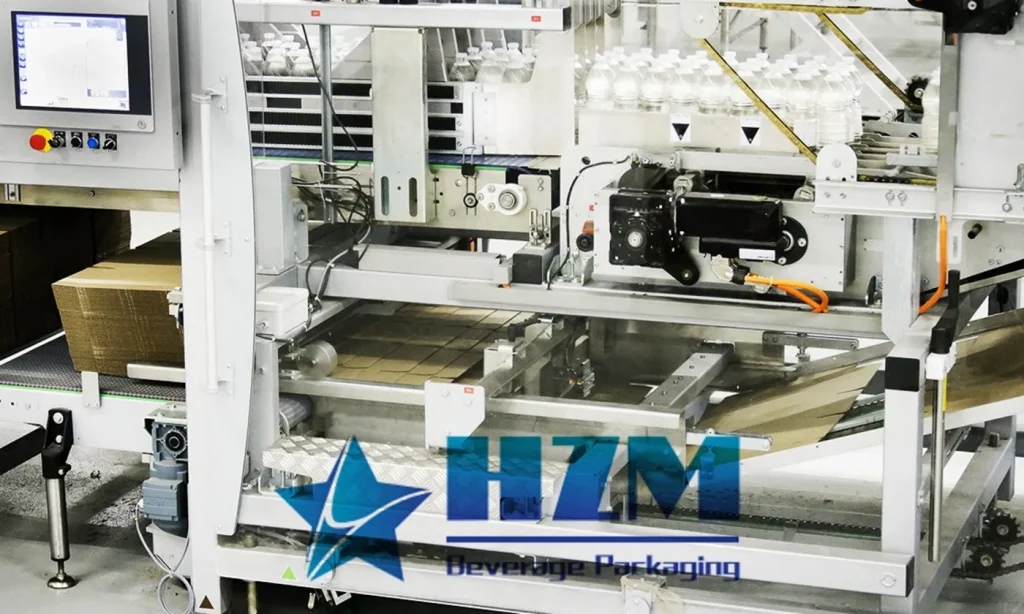
2023-09-04
Automatic Carton Packing Machine: Features and Working Principles
Automatic carton packing machines have revolutionized the packaging industry by offering efficiency, accuracy, and consistency in the packing process. These machines are employed across various industries, from food and beverages to pharmaceuticals and consumer goods.
Learn more2023-09-19
Common Faults and Solutions for Automatic Carton Packaging Machines
Troubleshooting automatic carton packaging machines requires experienced technicians for diagnosis and repair. Regular maintenance and upkeep can help reduce the occurrence of faults. In the event of a fault, it is best to take prompt action to minimize production line downtime and maintain production efficiency to the greatest extent possible.
Learn more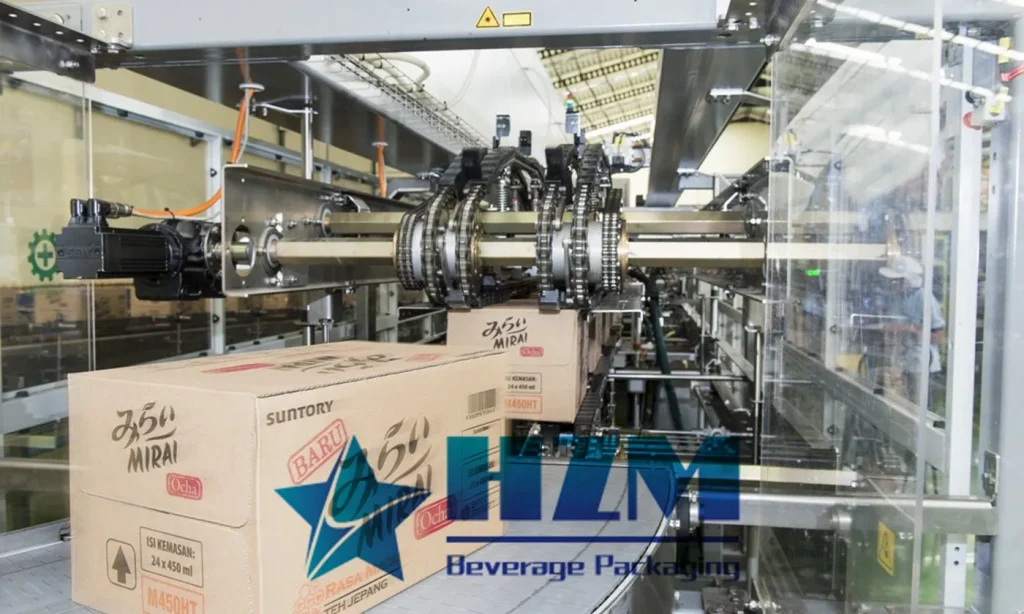
2023-09-23
How much does an automatic carton packaging machine cost?
These prices are for reference only and can vary based on factors such as purchase quantity, region, distribution channel, brand, model, specifications, features, and quality.
Learn more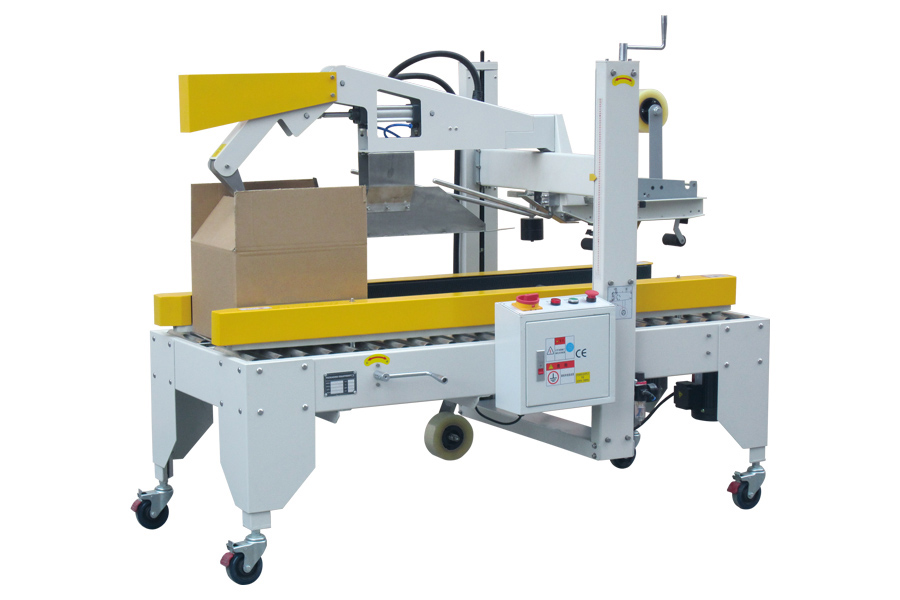
2024-12-20
What is Carton Packaging Machinery?
Carton packaging machinery refers to automated assembly line equipment designed for large-scale production, aimed at improving packaging efficiency and reducing labor costs.
Learn more