
Insights & Updates
Common Faults and Solutions for Automatic Carton Packaging Machines
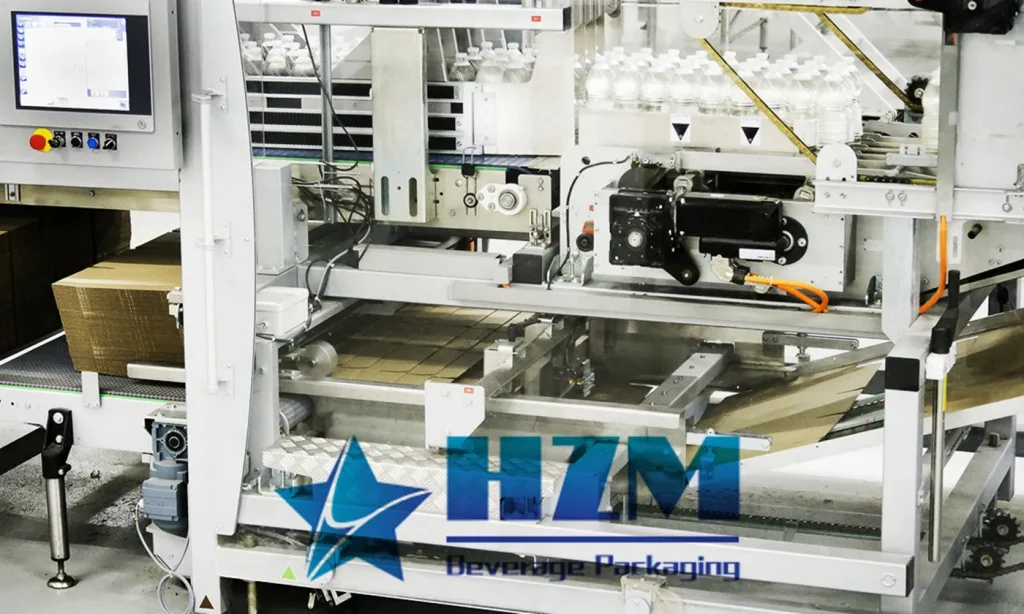
Automatic carton packaging machines may encounter various issues during operation, which can lead to production line stoppages and impact production efficiency. Here are some common faults of automatic carton packaging machines and possible solutions:
1. Carton Jamming: Sometimes cartons may get stuck or jammed during entry or exit from the packaging machine. This could be due to improper positioning or mismatched carton sizes.
Solution: Check the carton dimensions and positioning to ensure they match the machine settings. Clear any cartons stuck inside the machine.
2. Tape or Glue Issues: Automatic packaging machines use tape or glue to seal cartons, and if these materials do not adhere properly or are applied incorrectly, it can result in weak seals.
Solution: Examine the quality and correct application of the tape or glue. Ensure a proper supply and adjust the application pressure as needed.
3. Conveyor Problems: Issues with the conveyor system can cause cartons to enter or exit the packaging machine incorrectly.
Solution: Inspect the conveyor system’s chains, rollers, and sensors to ensure they are working correctly. Clear any obstructions or foreign objects.
4. Electrical Failures: Electrical faults can include control panel malfunctions, loose or disconnected wires, and more.
Solution: Check electrical connections to ensure all wires are securely connected. Check the control panel for error codes or indicator lights to pinpoint the issue’s location.
5. Mechanical Failures: Mechanical issues may involve problems with the drive system, motor failures, or damaged mechanical components.
Solution: Perform regular mechanical maintenance and upkeep to ensure all machine components are in good condition. If there are mechanical failures, address and repair or replace damaged parts promptly.
6. Sensor Problems: Automatic packaging machines use multiple sensors to detect the position and status of cartons, and sensor failures can result in incorrect operations or downtime.
Solution: Inspect sensor functionality, clean sensor heads, and ensure no obstructions are impeding their operation.
7. Lubrication Issues: Incorrect lubrication can lead to increased friction in mechanical components, potentially damaging the machine.
Solution: Regularly check and maintain the lubrication system to ensure proper lubrication of all machine components.
8. Operator Errors: Human errors such as incorrect parameter settings or improper operation can lead to machine faults.
Solution: Train operators to ensure they understand the correct operating procedures and parameter settings.
Troubleshooting automatic carton packaging machines requires experienced technicians for diagnosis and repair. Regular maintenance and upkeep can help reduce the occurrence of faults. In the event of a fault, it is best to take prompt action to minimize production line downtime and maintain production efficiency to the greatest extent possible.
Talk to our engineering team
Need help planning your packaging line?
Share your product, bottle and capacity requirements for a practical equipment recommendation.
Equipment
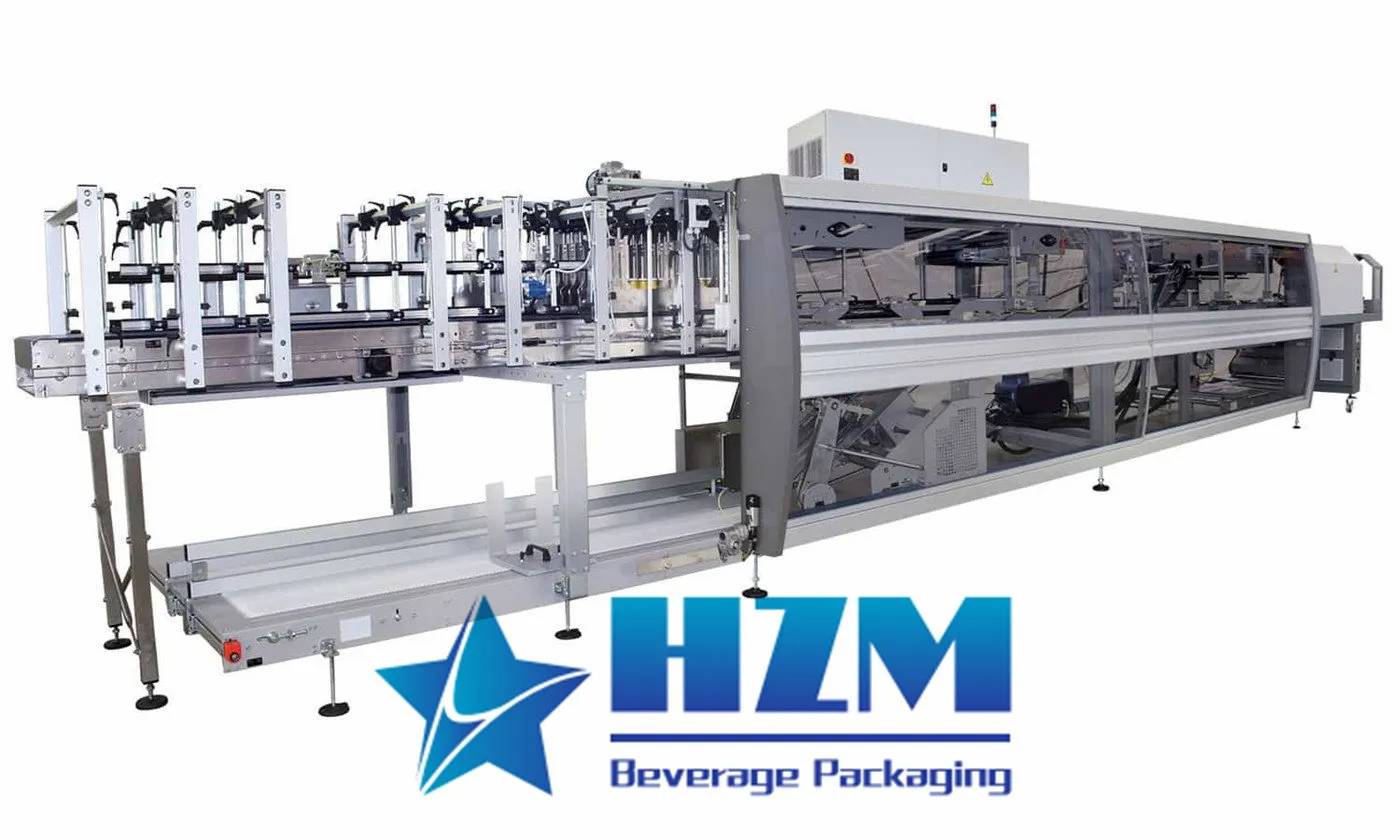
Automatic Carton Packing Machine
The automatic carton packing machine packs bottled and canned products from beer, beverage, bottled-water and food production lines into cartons.
Learn more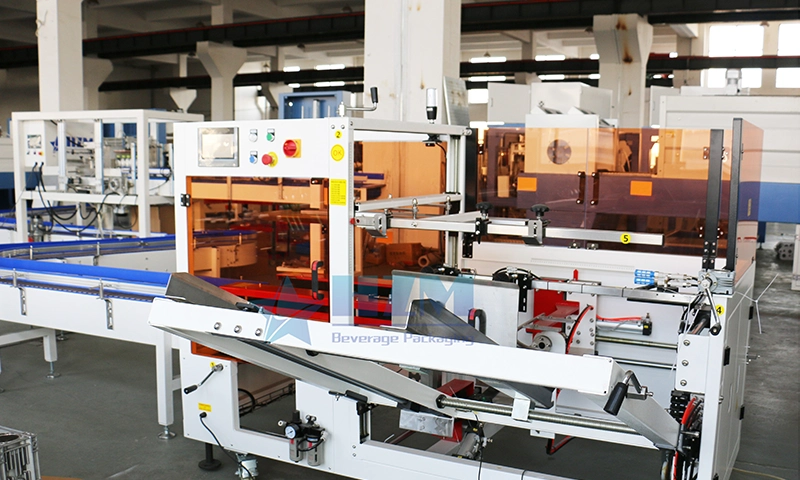
Equipment
Carton Package Machine
The carton packaging machine packs bottles and cans into cartons at the end of a filling line.
Learn more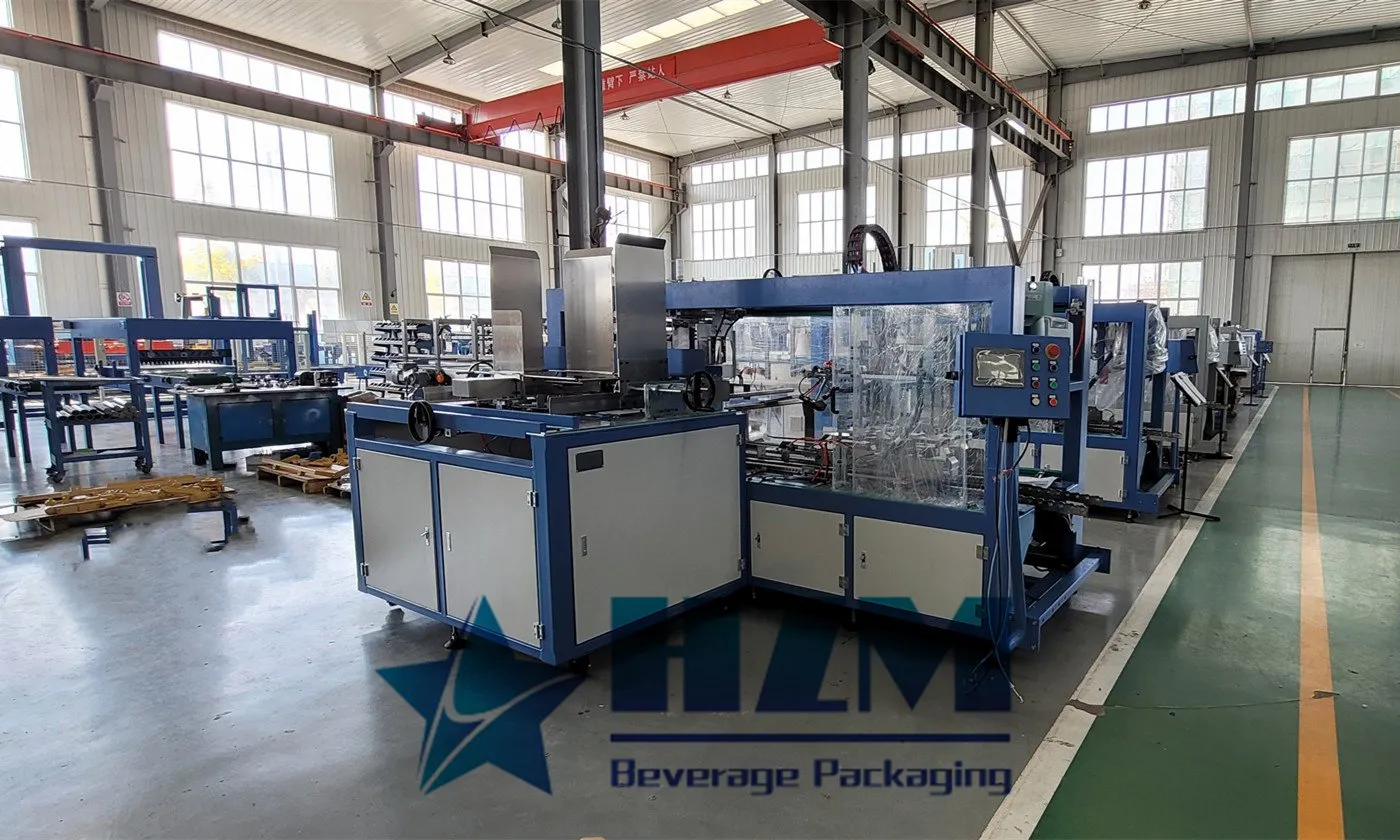
Equipment
Automatic Drop Type Carton Packing Machine
The automatic drop-type carton packing machine loads grouped products into cartons for beverage, bottled-water and food production lines.
Learn more2023-08-10
Advantages and Applications of Automatic Carton Packaging Machines
An automatic carton packaging machine is an efficient and automated device used to place various products into cartons, followed by automatic sealing, packing, and stacking processes. This type of machine finds extensive application in the manufacturing and logistics sectors, as it enhances production efficiency, reduces labor costs, and ensures the safety of products during transportation and storage
Learn more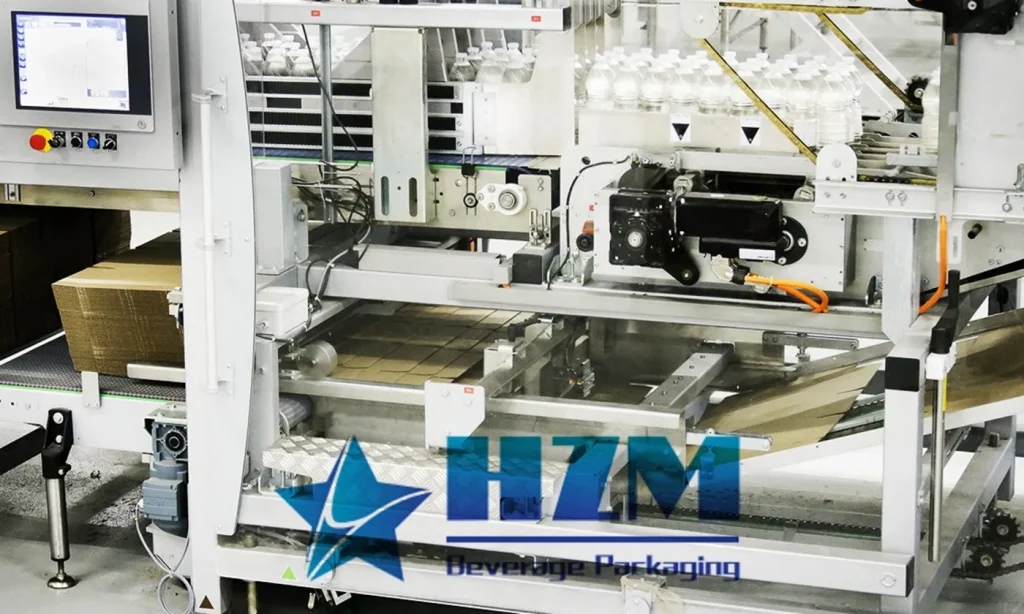
2023-09-04
Automatic Carton Packing Machine: Features and Working Principles
Automatic carton packing machines have revolutionized the packaging industry by offering efficiency, accuracy, and consistency in the packing process. These machines are employed across various industries, from food and beverages to pharmaceuticals and consumer goods.
Learn more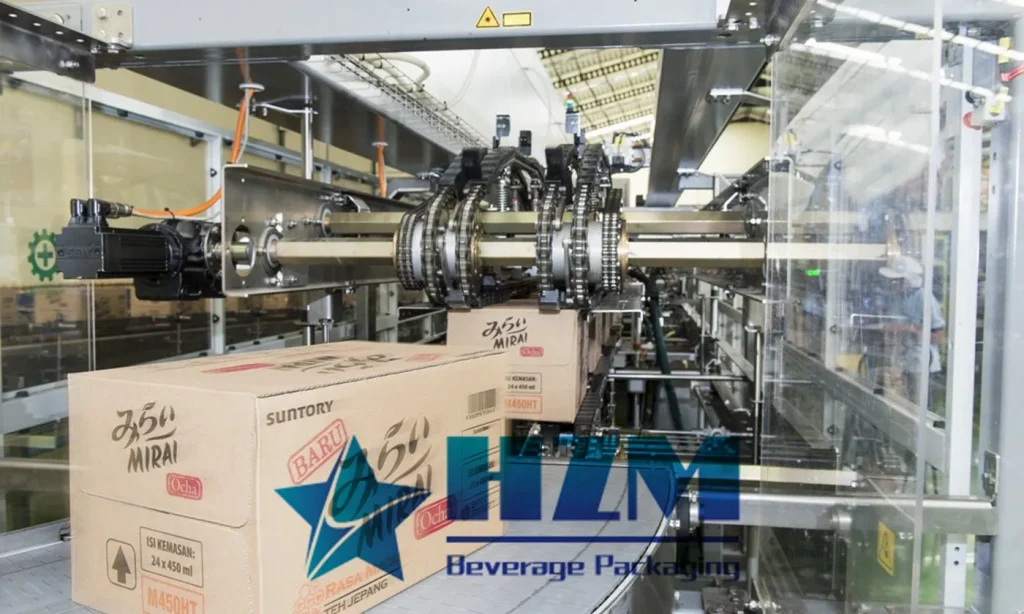
2023-09-23
How much does an automatic carton packaging machine cost?
These prices are for reference only and can vary based on factors such as purchase quantity, region, distribution channel, brand, model, specifications, features, and quality.
Learn more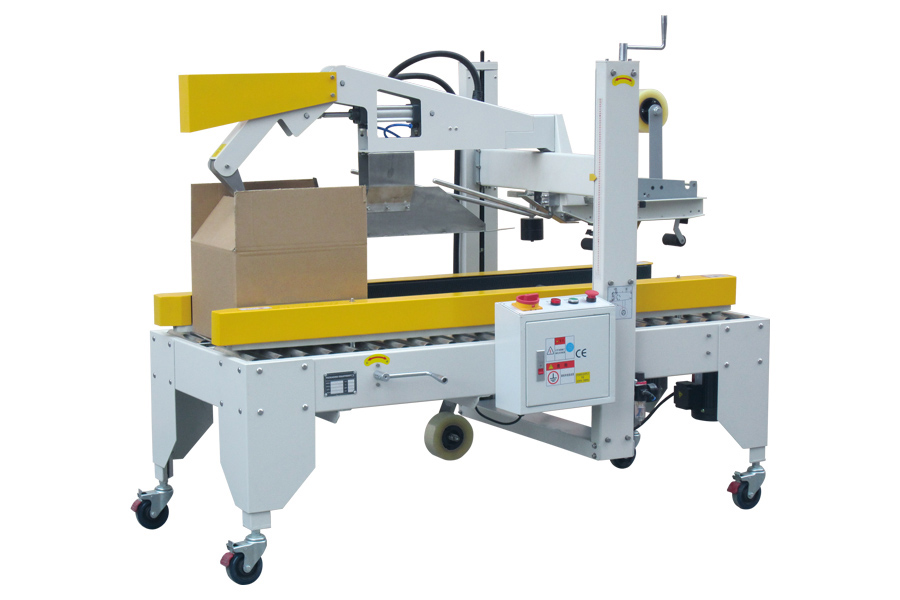
2024-12-20
What is Carton Packaging Machinery?
Carton packaging machinery refers to automated assembly line equipment designed for large-scale production, aimed at improving packaging efficiency and reducing labor costs.
Learn more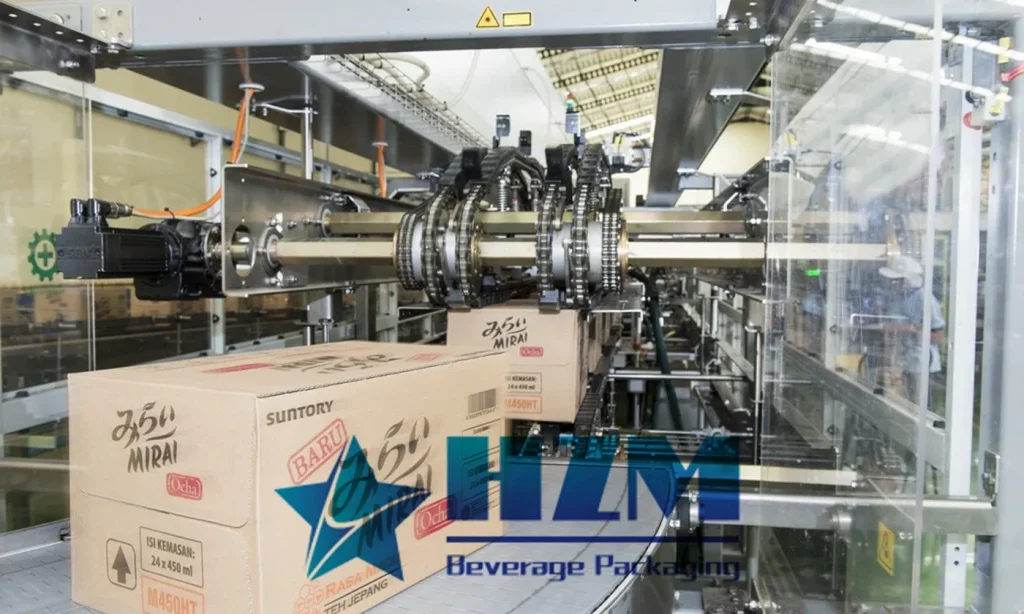
2023-12-31
Beverage Carton Packaging Machinery for Sale
Our beverage carton packaging machinery has the characteristics of high efficiency, stability, simple operation, and convenient maintenance. If you have beverage carton packaging needs, please contact us.
Learn more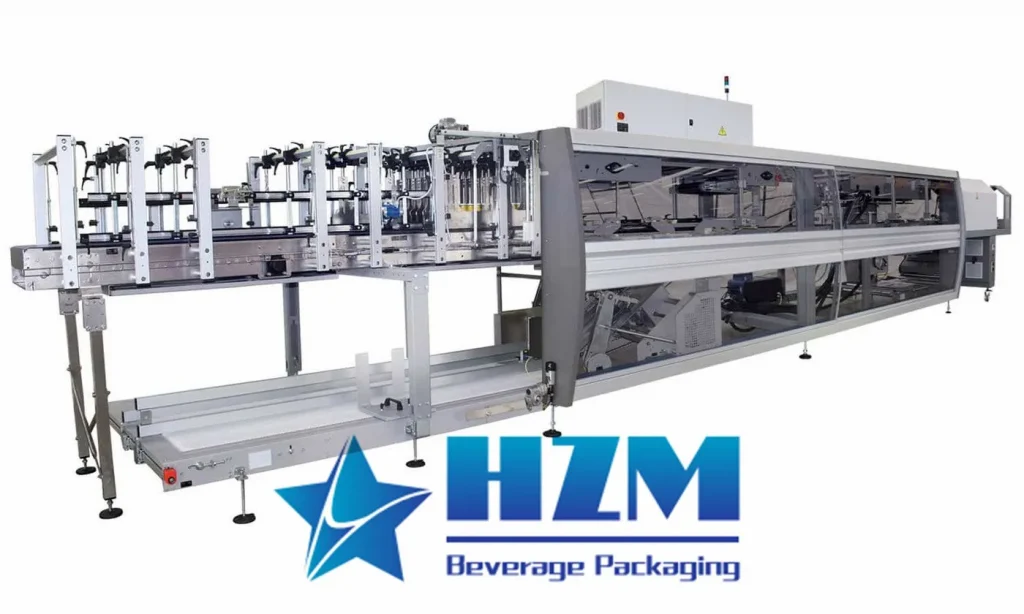
2023-08-14
The Role of Automatic Carton Packaging Machines in Beverage Production Lines
In beverage production lines, the carton packaging machine is the final equipment in the process. It automatically places the produced beverage bottles or canned drinks into cartons and performs sealing, packaging, and stacking operations, facilitating transportation and storage.
Learn more