
Insights & Updates
Beverage Plant Utilities Checklist Before Equipment Installation
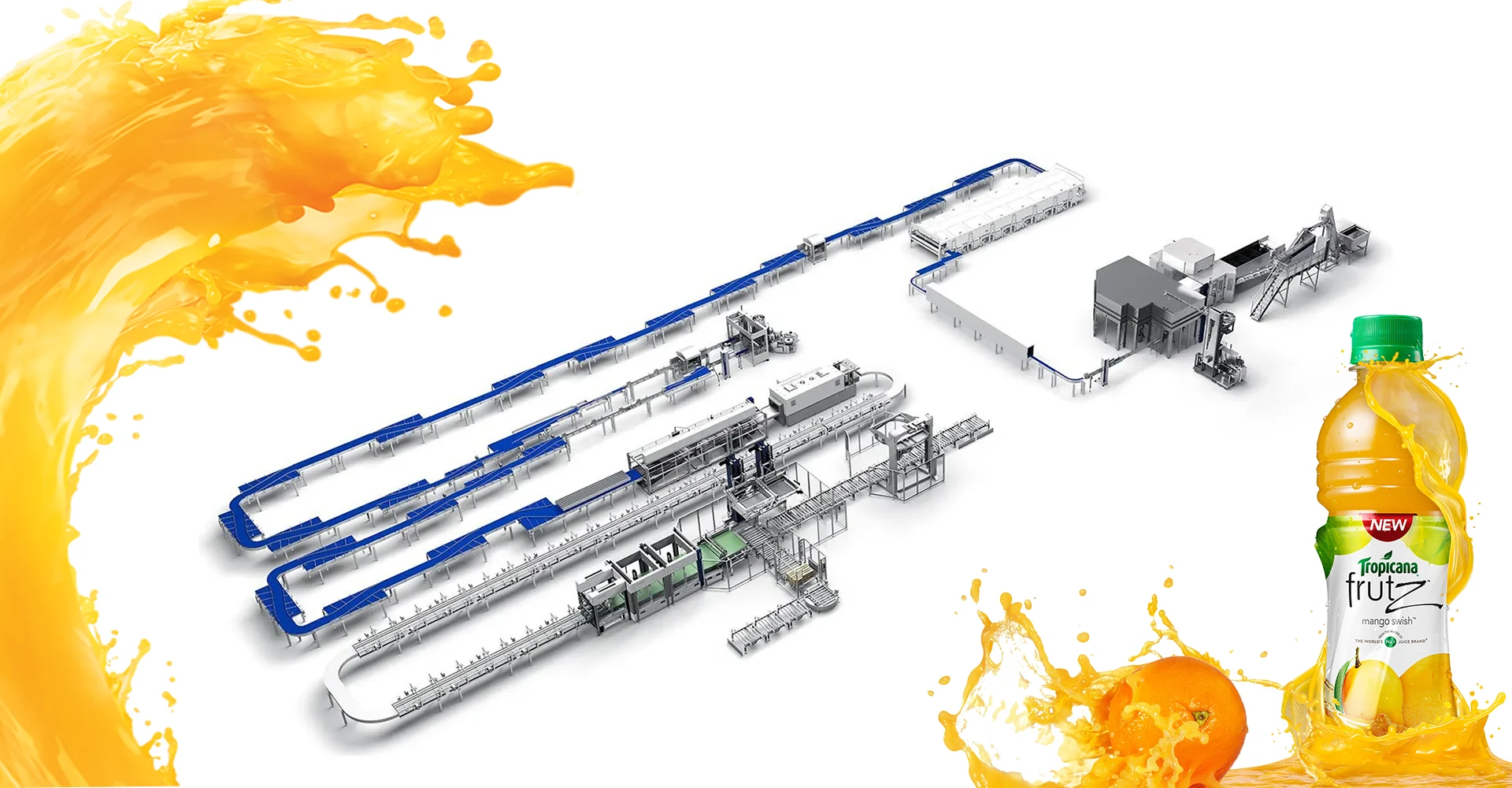
A filling line can arrive on time and still wait weeks for production because the plant has the wrong electrical voltage, insufficient compressed air, undersized drains or no safe path to move the largest module into the building. These delays are costly because technicians, cranes and production commitments are already scheduled.
A utilities checklist translates equipment drawings and load lists into verified site readiness. It should be closed before shipment, with responsibilities divided between the equipment supplier, building contractor and plant team.
Quick answer: Freeze the equipment layout and utility load list, verify supply capacity at peak simultaneous demand, prepare connection points and drainage, confirm floor loads and installation access, and complete a documented pre-installation review. Do not size utilities by adding nameplate numbers without checking diversity, startup demand and required pressure at each machine.
Electrical Supply and Control Power
Confirm voltage, frequency, phases, earthing system and allowable variation. Review connected load, estimated running demand and high-inrush equipment such as compressors or pumps. Provide correctly sized distribution, isolation and protection according to local electrical codes.
Check the location and access of disconnects, cable routes and control cabinets. Sensitive controls may need environmental protection, cooling or stable control power. Clarify whether transformers, voltage stabilizers or backup power are in scope.
Compressed Air Capacity and Quality
List pressure, flow and air-quality requirements for general pneumatic controls, PET blow molding and any high-pressure applications. Measure pressure at the machine connection during peak use; a compressor rating at ideal conditions does not include dryer, filter and piping losses.
Provide receivers, drains, dryers and filters appropriate to the process. Separate high- and low-pressure networks when practical. Design ring mains and drops to avoid excessive pressure loss and water carryover.
Raw, Treated and Product Water
Distinguish source water, softened water, RO permeate, cooling water, rinse water and potable service water. Size storage and transfer for simultaneous production, CIP, backwashing and sanitation. Confirm source flow during the worst season.
A beverage RO treatment plant produces both permeate and reject. The facility must handle reject flow and cleaning drains, not only product-water demand.
Steam, Hot Water and Cooling
Juice processing, UHT, pasteurization, CIP and shrink tunnels may require thermal utilities. Define required pressure, temperature, flow and water quality. Include condensate handling and insulation. Cooling demand may include product chillers, mold cooling, compressors and HVAC.
Calculate simultaneous peak load and ambient design conditions. Cooling equipment selected for a mild day can fail during the hottest production season.
Drainage and Floor Design
Estimate normal rinse, CIP, backwash, reject and emergency discharge. Floors should slope toward correctly sized drains without creating standing water around equipment. Separate chemical or high-temperature discharges where treatment or cooling is required by local rules.
Confirm floor flatness, load capacity, anchor zones and housekeeping curbs. Avoid placing sensitive electrical cabinets in regular wash-down paths.
Layout, Ventilation and Installation Access
Check door size, corridor turns, roof height, crane capacity and temporary openings for the largest module. Reserve service clearances for removing motors, membranes, filling valves and molds. Provide safe platforms and lifting points where routine maintenance requires them.
Ventilate heat from compressors, blow molders, shrink tunnels and electrical rooms. Control condensation and dust around open products. HZM’s complete beverage filling line layout should be coordinated with people, packaging-material and finished-goods flows.
Pre-Installation Readiness Review
| Item | Evidence before shipment |
|---|---|
| Layout and foundations | Approved drawing and surveyed points |
| Electrical | Verified voltage, capacity, panels and routes |
| Air and water | Flow/pressure test at connection points |
| Drainage | Completed drains and discharge route |
| Access | Rigging plan, doors, crane and storage area |
| People and materials | Commissioning team and trial consumables ready |
Close each gap with an owner and due date. Photos, measurements and test results make remote review more reliable than a simple “site ready” statement.
Frequently Asked Questions
Who should issue the utility load list?
The equipment supplier should provide machine requirements and connection details. The plant’s qualified engineers and contractors must verify building capacity and local-code compliance.
Should utilities be sized for every machine at maximum load?
Use a documented simultaneous-demand case that includes startup and process peaks. Simple nameplate addition can over- or under-size the system depending on operating sequence.
What site data should be sent before layout design?
Provide a scaled building drawing, columns, doors, ceiling height, floor loads, utility entry points, drains, raw-material flow and finished-goods route.
Plan the Next Step with HZM Machinery
HZM provides equipment layout, technical documents and installation support for turnkey lines. Share the building drawing, products, packages and utilities to develop a site-ready plan around the water and beverage production line equipment.
Talk to our engineering team
Need help planning your packaging line?
Share your product, bottle and capacity requirements for a practical equipment recommendation.
2023-07-30
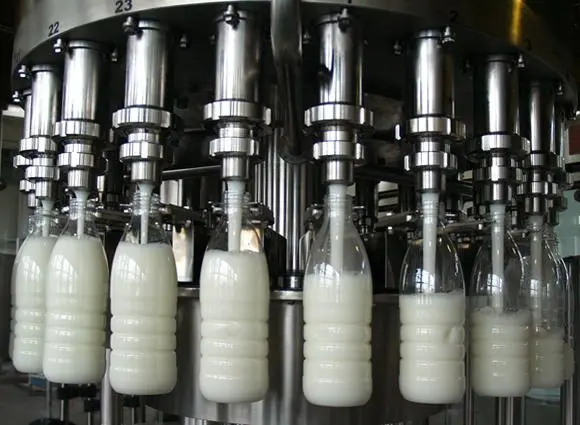
Milk Filling Machine Installation Checklist: Utilities, Hygiene and Commissioning
A practical milk filling machine installation checklist covering hygienic layout, utilities, piping, electrical safety, commissioning, and acceptance testing.
Learn more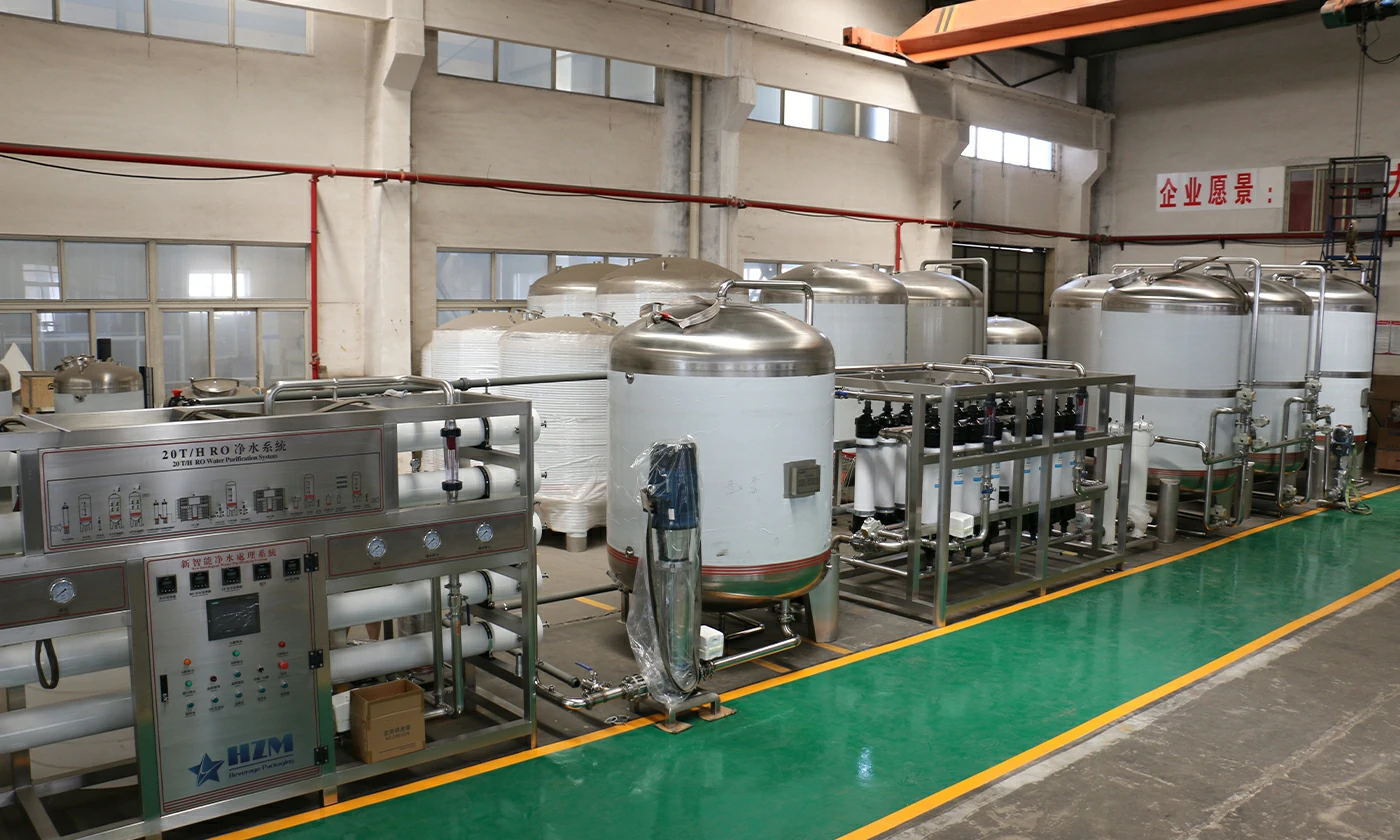
2026-08-12
FAT and SAT Checklist for a Turnkey Beverage Filling Line
Define factory and site acceptance tests for speed, quality, changeover, utilities, documents, safety, training and final line performance.
Learn more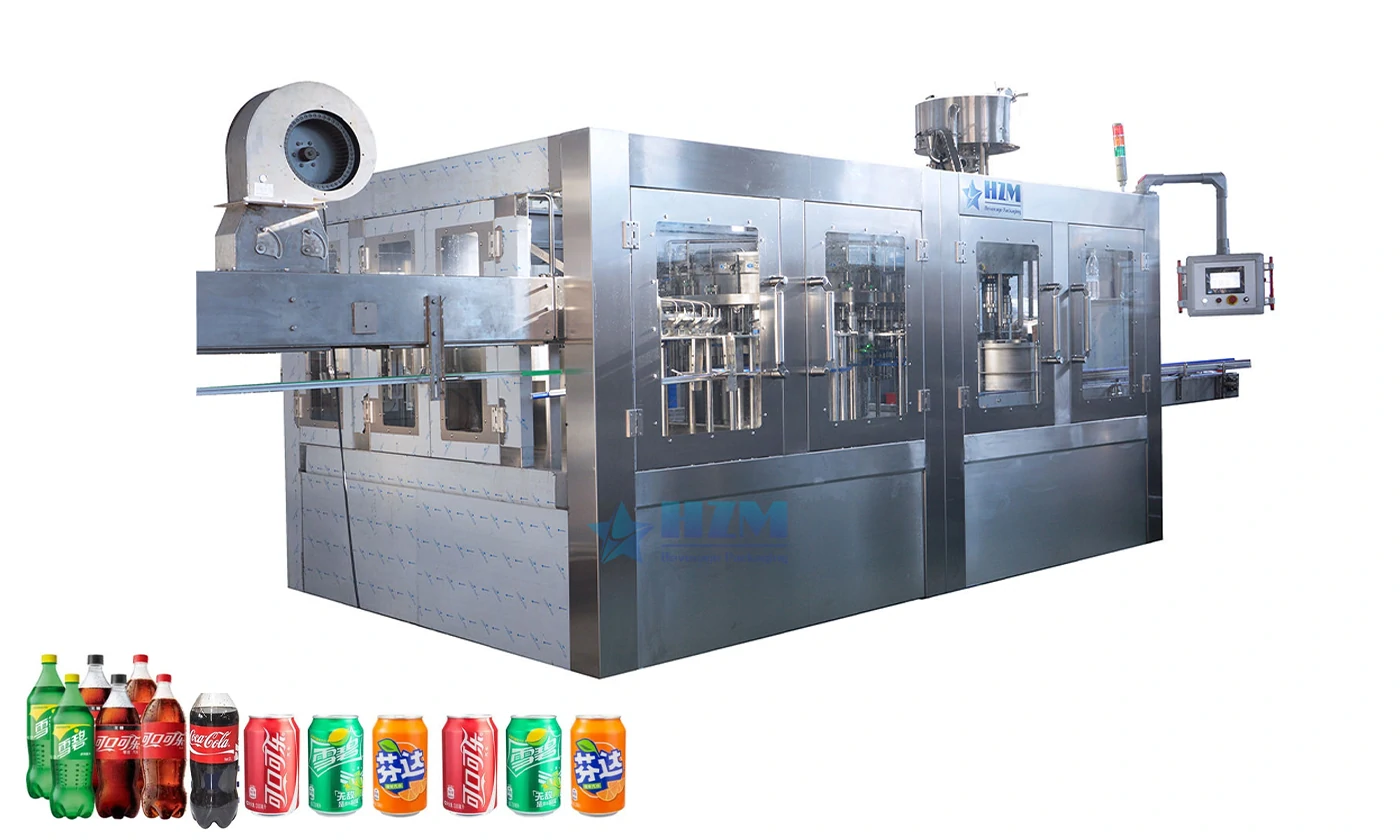
2026-08-05
Shrink Pack or Carton? How to Choose Secondary Packaging for Beverages
Compare shrink film, tray-and-film and cartons by product protection, material cost, retail needs, transport, automation and sustainability.
Learn more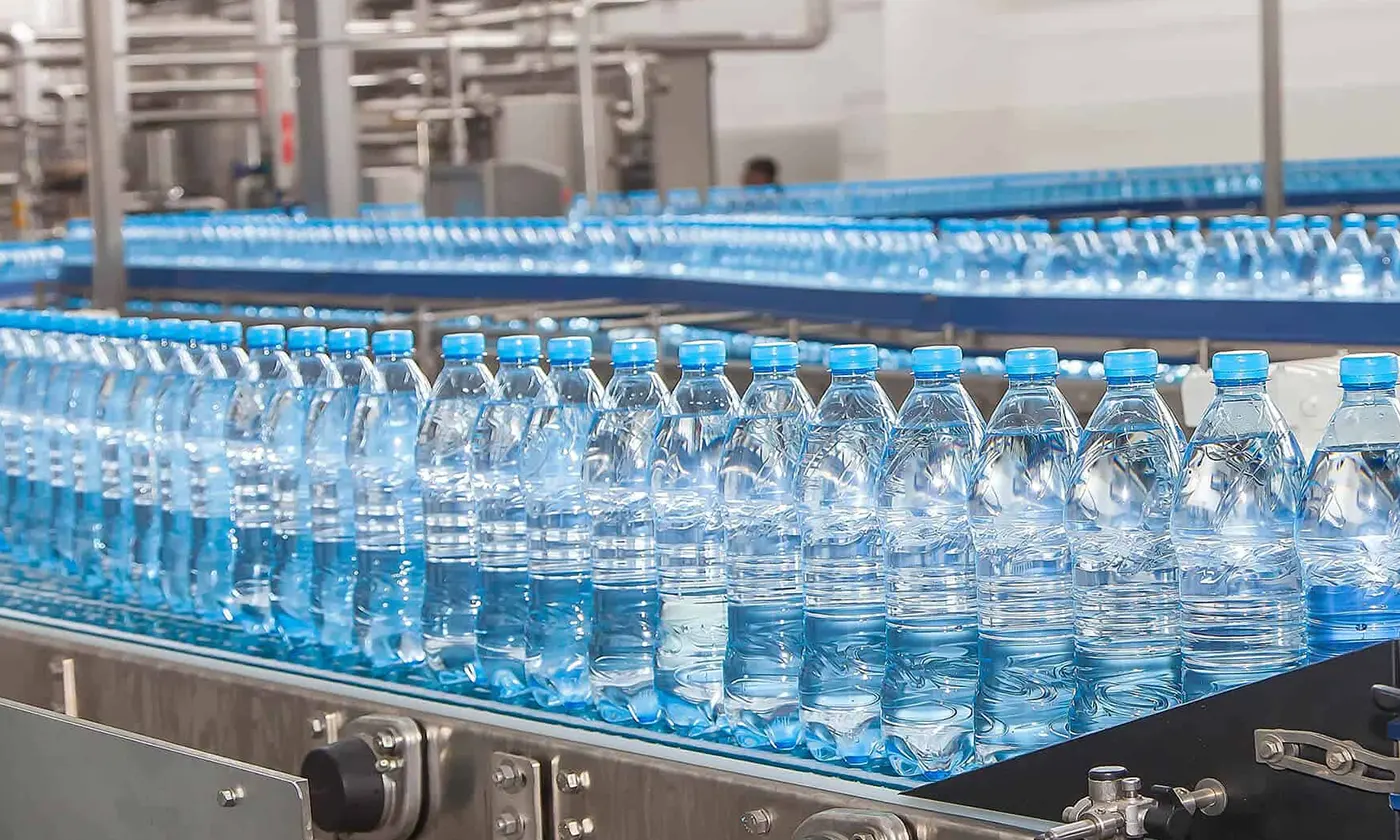
2026-08-06
Bottle Conveyor Accumulation and Line Balancing: A Practical Guide
Size and control bottle conveyors to absorb short stops, prevent excessive pressure and protect overall filling-line efficiency.
Learn more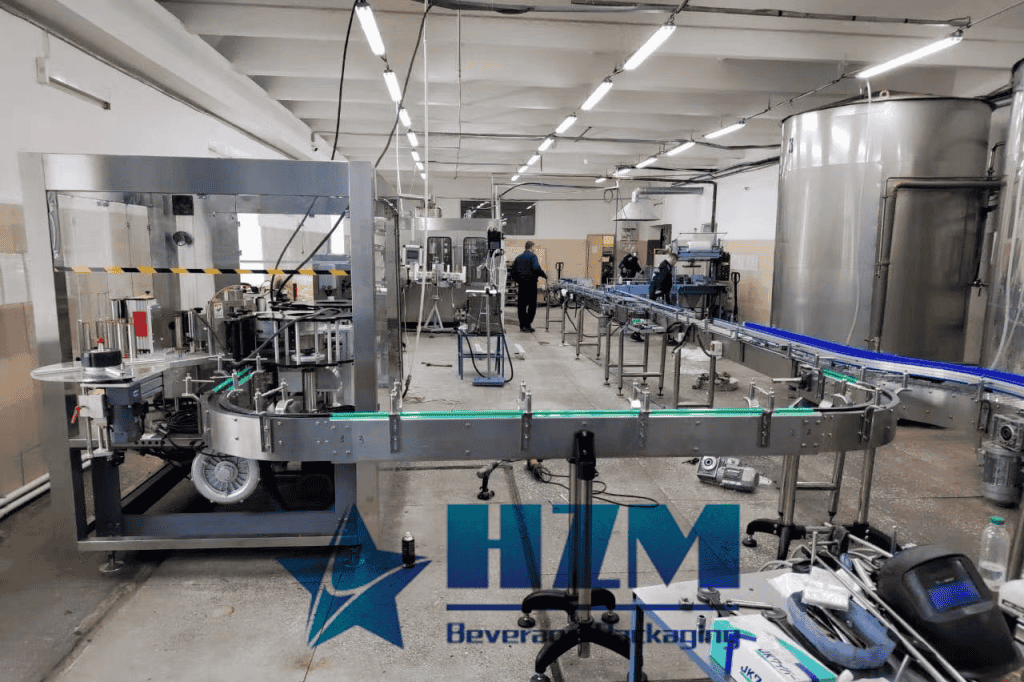
2023-03-24
12,000BPH Carbonated Drinks Beverage Production Line in Installation
HZM customer checked the serveal our projects in East Europe and they’re very satisfied with the machine performance. So they ordered a 12,000BPH carbonated drinks beverage production line from HZM. It includes DXGF32-32-8 carbonated drinks filling machine, Bopp labeling machine, PE film shrink packing machine, bottle dryer and conveyor system. After 2months shipment and customs […]
Learn more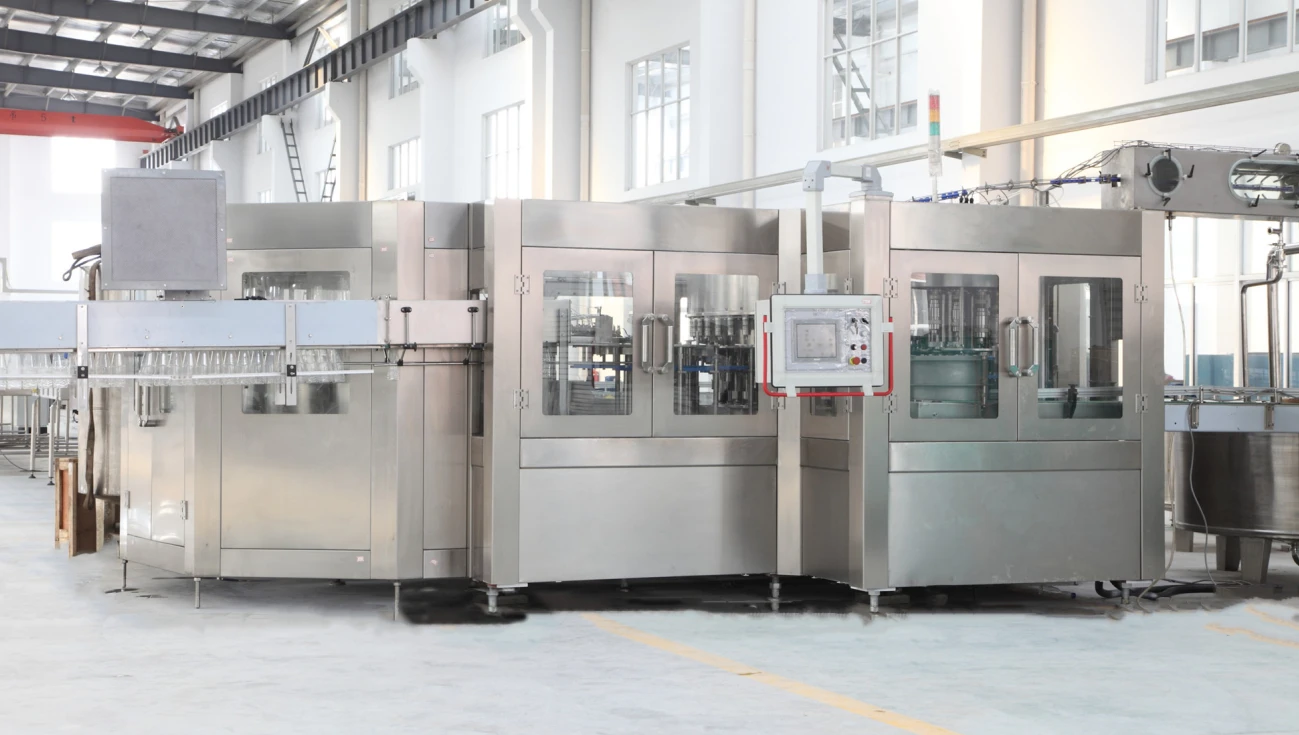
2026-07-26
How to Calculate the Right Filling Machine Capacity for Your SKU Mix
Convert annual sales, bottle sizes, shifts, changeovers and expected efficiency into a realistic filling-machine capacity instead of oversizing by guesswork.
Learn more