
Insights & Updates
Filling Machine Spare Parts: Build a Risk-Based Inventory and PM Plan
A beverage plant can lose a full production day while waiting for a small seal, sensor or bearing. The opposite problem is also common: the storeroom contains expensive parts that never fail while critical wear items are missing. A risk-based spare-parts plan balances downtime exposure, lead time, consumption and shelf life.
The plan should begin before commissioning, using the supplier’s recommended list and the plant’s operating context. It then improves with actual failure and consumption data. Inventory and preventive maintenance must be connected so technicians know which parts will be needed for planned work.
Quick answer: Rank parts by safety and production impact, procurement lead time, failure probability, detectability and repair alternatives. Stock high-impact long-lead items and predictable wear kits, record machine model and location, protect shelf-life-sensitive materials, and review inventory after every major failure or maintenance cycle.
Classify Parts by Criticality
A critical part stops the line, creates a safety or quality risk, has no practical substitute and may have a long replacement lead time. Examples vary by plant but can include PLC or drive modules, proprietary sensors, filling-valve components, capper parts, seamer tooling, pumps and special bearings.
Use a simple scoring matrix rather than relying on price. A low-cost custom seal can be more critical than an expensive motor available locally within hours.
Separate Wear, Insurance and Consumable Spares
Wear parts are replaced based on condition or service interval: seals, O-rings, grippers, belts, cutters and bearings. Insurance spares fail infrequently but have high downtime impact, such as a controller or special gearbox. Consumables include filters, lubricants and cleaning-related items.
Each class needs a different reorder rule. Wear kits can be linked to planned maintenance hours; insurance spares need periodic condition and obsolescence review; consumables can follow usage rate.
Use Lead Time and Local Alternatives
Record supplier lead time, shipping, customs and whether the item can be sourced locally. Verify technical equivalence before approving an alternative; similar dimensions do not guarantee compatible material, hygiene, electrical rating or performance.
For imported equipment, group predictable replacement items into planned shipments. HZM provides technical support and spare-parts documentation for its beverage filling machines, helping plants identify parts before an emergency.
Create Clear Storeroom Master Data
Every item record should include supplier and manufacturer part number, description, machine model, equipment location, quantity, shelf life, storage condition, photo and approved substitutes. Link drawings or manuals where possible. Avoid generic labels such as “filler seal” when the machine has several similar sizes.
Use bin locations and controlled issue. Unrecorded consumption creates false stock and failed maintenance jobs.
Set Minimum and Reorder Quantities
A practical reorder point considers average use during replenishment lead time plus safety stock for variation. For rare critical items, the decision is based more on downtime consequence than historic consumption. Review minimums when production hours, machine count or lead time changes.
| Input | Question |
|---|---|
| Failure impact | Does the line stop or can it run safely? |
| Lead time | How long from order to usable part onsite? |
| Usage rate | How many were consumed per operating hour? |
| Shelf life | Will seals, batteries or chemicals age in storage? |
| Commonality | Can one part serve several machines? |
Connect Spares to Preventive Maintenance
The maintenance plan should reserve parts before the shutdown begins. Create kits for filling valves, capping heads, labeler cutters or pump service so technicians receive every required seal and fastener together. After work, record used parts and return unopened items correctly.
Condition checks—vibration, leak rate, torque consistency, differential pressure or inspection—can refine replacement intervals. Avoid changing hygienic seals beyond their safe service life simply because they have not failed visibly.
Review Failures and Obsolescence
- After a breakdown, ask whether the correct spare was stocked and accessible.
- Analyze repeat failures instead of increasing inventory for a root cause that remains.
- Check stored electronics, batteries, elastomers and lubricants for aging.
- Review supplier notices and model changes.
- Confirm backups for PLC, HMI, drive parameters and recipes separately from physical spares.
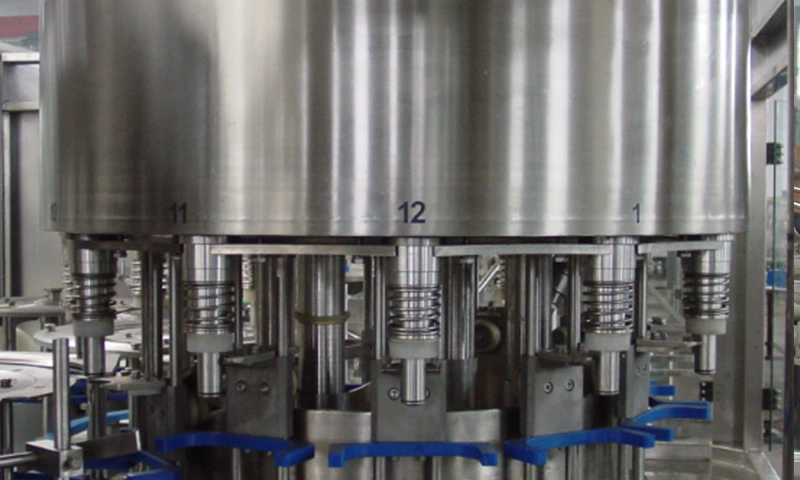
A rinsing, filling and capping monoblock contains many common wear points. Good records show which components are truly plant-critical and which can be consolidated.
Frequently Asked Questions
Should I buy every spare recommended by the supplier?
Use the supplier list as the technical starting point, then adjust for operating hours, local availability, downtime cost, lead time and maintenance capability.
How often should spare-parts minimums be reviewed?
Review at least after major maintenance, breakdowns, production expansion, supplier lead-time changes or equipment modification.
Why store part photos and machine locations?
They reduce selection errors and help technicians confirm the part before a shutdown. This is especially useful where similar seals or sensors serve different assemblies.
Plan the Next Step with HZM Machinery
When requesting a line quotation, ask HZM for commissioning spares, two-year operating spares and recommended wear kits as separate lists. Review the complete HZM product range and include local lead-time risks in the final package.
Talk to our engineering team
Need help planning your packaging line?
Share your product, bottle and capacity requirements for a practical equipment recommendation.
2026-07-27
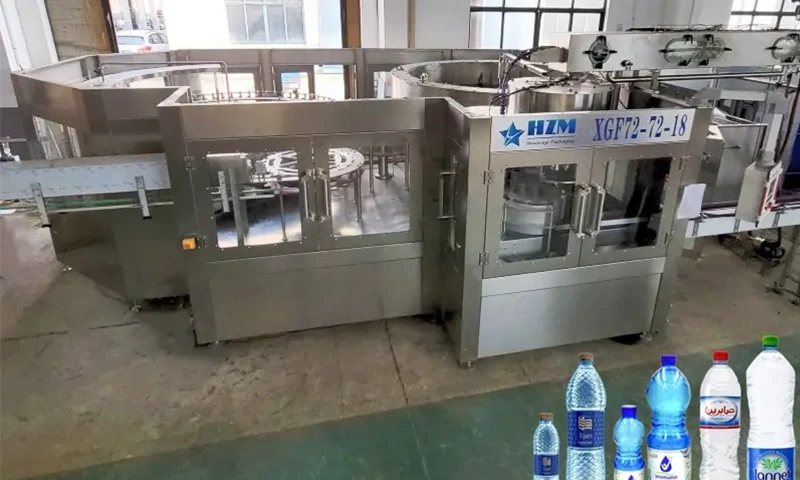
How to Reduce Bottle Changeover Time on a Beverage Filling Line
Use SMED principles, prepared change parts and verified center settings to reduce bottle-format changeover time without sacrificing filling or packaging quality.
Learn more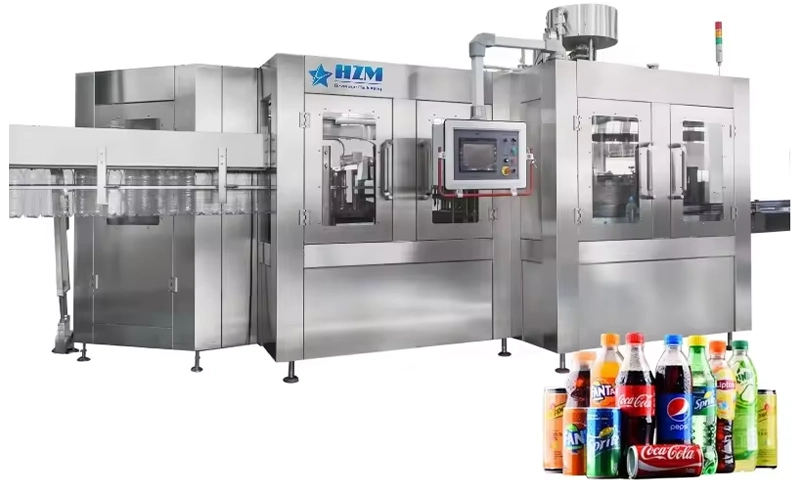
2026-07-29
Carbonated Drink Filling Problems: How to Reduce Foaming and CO₂ Loss
Troubleshoot foaming, low fill and carbonation loss by controlling beverage temperature, pressure balance, CO₂ mixing, filling valves and container handling.
Learn more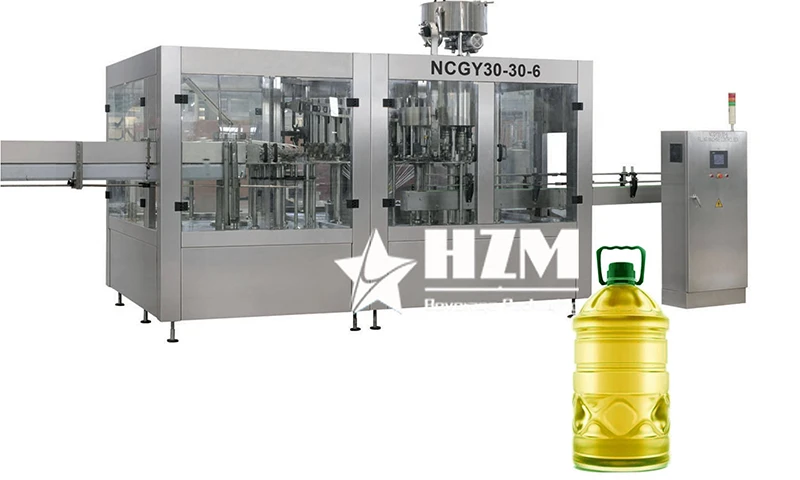
2026-08-07
Edible Oil Filling Problems: How to Control Drips, Foam and Viscosity
Improve edible-oil filling accuracy and cleanliness by controlling product temperature, viscosity, flow profile, nozzle cutoff, bottle handling and calibration.
Learn more
2026-08-08
Servo Piston Filling for Sauces: Nozzle, Particle Size and Accuracy Checklist
Specify a servo piston filler for ketchup, mayonnaise, soy sauce and particulate products by viscosity, particle size, nozzle, hopper, cleaning and accuracy.
Learn more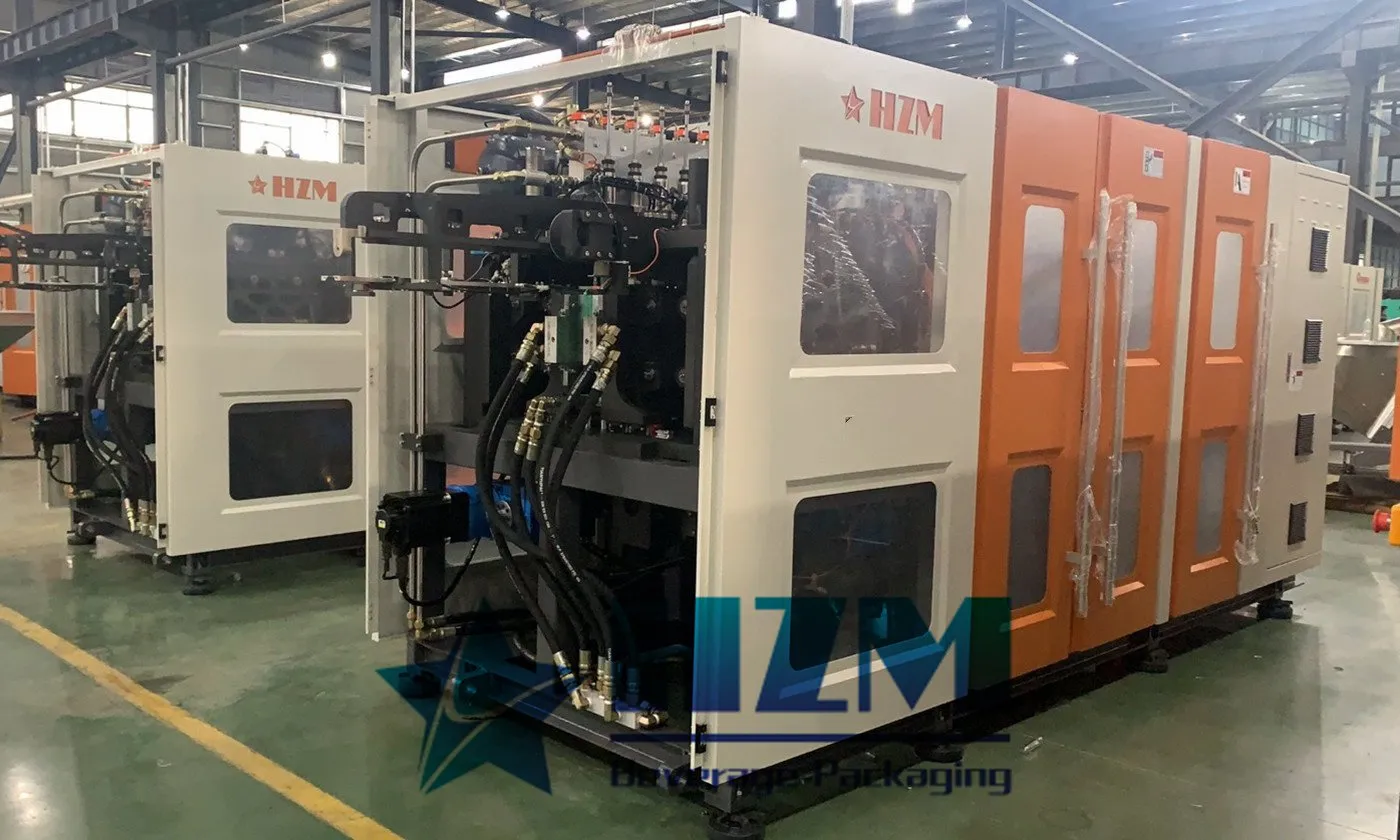
2024-02-05
PET Blow Molding System Guide: Spare Parts and Preventive Maintenance
Practical HZM guidance on pet blow molding system, focused on spare parts and preventive maintenance, line integration, RFQ data and measurable acceptance checks.
Learn more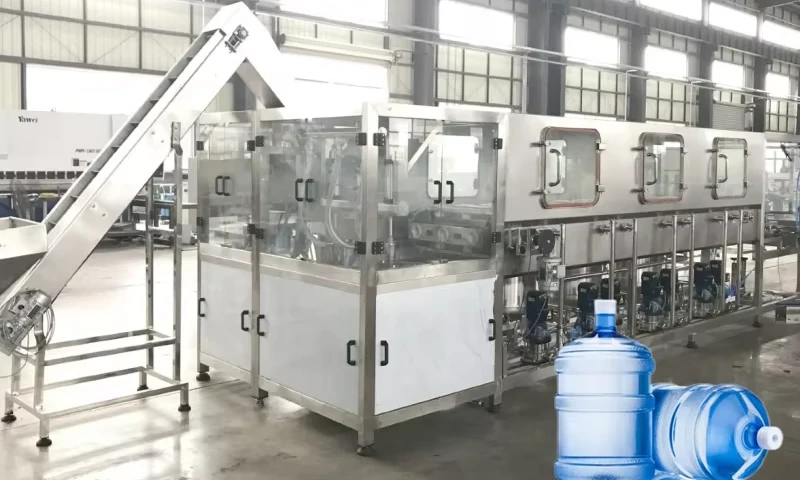
2026-08-01
5-Gallon Returnable Water Bottles: Washing and Inspection Checklist
A practical receiving, inspection, washing, rinsing and verification checklist for returnable 3–5 gallon bottled-water production.
Learn more