
Insights & Updates
5-Gallon Returnable Water Bottles: Washing and Inspection Checklist
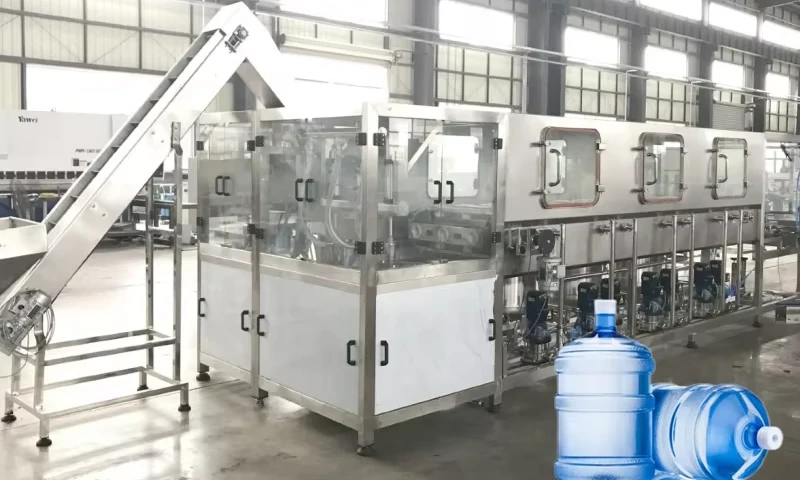
Returnable 3–5 gallon bottles can support an efficient delivery business, but every returned container arrives with an unknown history. It may contain dust, algae, odor, chemical residue, foreign objects or physical damage. A filling line cannot correct a bottle that should have been rejected before washing.
A robust program separates receiving, inspection, external cleaning, internal washing, rinsing, draining and final verification. The exact chemicals and operating limits must follow local regulations, bottle material and a validated sanitation procedure, but the control logic is broadly applicable.
Quick answer: Segregate returned bottles, reject containers with unknown chemical odor, severe scratches, cracks, damaged necks or contamination that cannot be safely removed, then use a validated multi-stage wash and rinse. Verify chemical concentration, temperature, contact time, spray performance and final-rinse quality, and protect clean bottles from recontamination before filling.
Control the Receiving Area
Keep dirty returned bottles physically separated from cleaned containers and the filler. Receiving staff should remove caps and obvious foreign objects without spreading contamination. Use defined containers for rejects and record rejection reasons so purchasing or distribution teams can address recurring problems.
Store returns protected from sunlight and standing water. Long outdoor storage can promote algae and make labels or residues harder to remove. Apply first-in, first-out handling to reduce aging.
Reject Unsafe or Damaged Bottles Early
Visual and odor inspection should occur before automated washing. Reject bottles with cracks, deep gouges, distorted necks, damaged handles, strong fuel or solvent odor, unidentified chemical residue or embedded contamination. A severely aged bottle may lose strength even when it looks clean.
- Use adequate lighting and rotate the bottle during inspection.
- Define objective examples of acceptable and reject damage.
- Never rely on washing to make an unknown chemical container safe.
- Keep rejected bottles from accidentally returning to the infeed.
External Cleaning and Label Removal
Remove soil from the outside and neck area before final internal rinses. Residue under handles and around the finish can move into the clean zone during handling. If the business uses reusable labels or sleeves, design their removal and waste collection so adhesive and paper do not block filters or sprays.
Inspect bottle brushes, jets and holding pockets for wear. Poor mechanical contact can leave the same dirty area on every bottle.
Validate the Internal Washing Sequence
A typical system may use pre-rinse, detergent or caustic washing, intermediate rinse, disinfection and final product-water rinse, but the exact sequence depends on regulation and process design. Verify solution concentration, temperature, contact time, spray pressure or flow and bottle drainage. Replace or filter solutions according to validated limits, not only visible appearance.
An automatic 5 gallon water filling line reduces manual handling, but routine checks are still needed to confirm each nozzle and station is working.
Monitor Nozzles, Pumps and Solution Quality
Blocked or misaligned nozzles create under-cleaned bottles that may look normal from outside. Establish a nozzle inspection and flow-check routine. Trend tank temperature, chemical concentration, turbidity or soil loading, and filter differential pressure where applicable.
Use safe sampling points and protective equipment. Chemical preparation, storage and disposal should follow the supplier’s safety data and local requirements.
Verify the Final Rinse and Drain
Final rinse water should meet the approved quality requirement and leave no unacceptable chemical residue. Conductivity, pH or specific chemical tests can support the endpoint where validated. Allow adequate draining so residual rinse does not dilute the product or create inconsistent fill.
Protect rinsed bottles from aerosols, dust and manual contact. The clean transfer to the filler should be short and controlled, with no crossing of dirty return traffic.
Build a Daily Verification Record
| Check | Suggested evidence |
|---|---|
| Incoming bottle rejection | Count and reason by route or batch |
| Wash concentration/temperature | Recorded at defined intervals |
| Nozzle performance | Visual or flow verification |
| Final rinse | Validated water/residue test |
| Filled-bottle inspection | Appearance, cap, leak and fill checks |
Review trends rather than filing records without action. Rising reject rate, faster chemical consumption or repeated nozzle problems may signal distribution abuse, equipment wear or inadequate incoming controls.
Frequently Asked Questions
Can every returned 5-gallon bottle be reused after washing?
No. Bottles with unsafe unknown contamination, damaged necks, cracks, severe wear or residues that cannot be reliably removed should be rejected according to the plant’s criteria.
How often should washing solution be replaced?
Use validated limits based on concentration, soil loading, filtration and process performance. A fixed time alone may not reflect actual contamination load.
Why inspect bottles after washing?
Post-wash inspection verifies removal of soil and detects damage that was hidden. It also catches malfunctioning nozzles or stations before the bottle reaches filling.
Plan the Next Step with HZM Machinery
HZM can configure washing, filling and capping for returnable container size, required output and sanitation strategy. Explore the 3–5 gallon water filling line and the matching 5 gallon bottle blow molding option.
Talk to our engineering team
Need help planning your packaging line?
Share your product, bottle and capacity requirements for a practical equipment recommendation.
Equipment
3-5 Gallon Water Filling Line
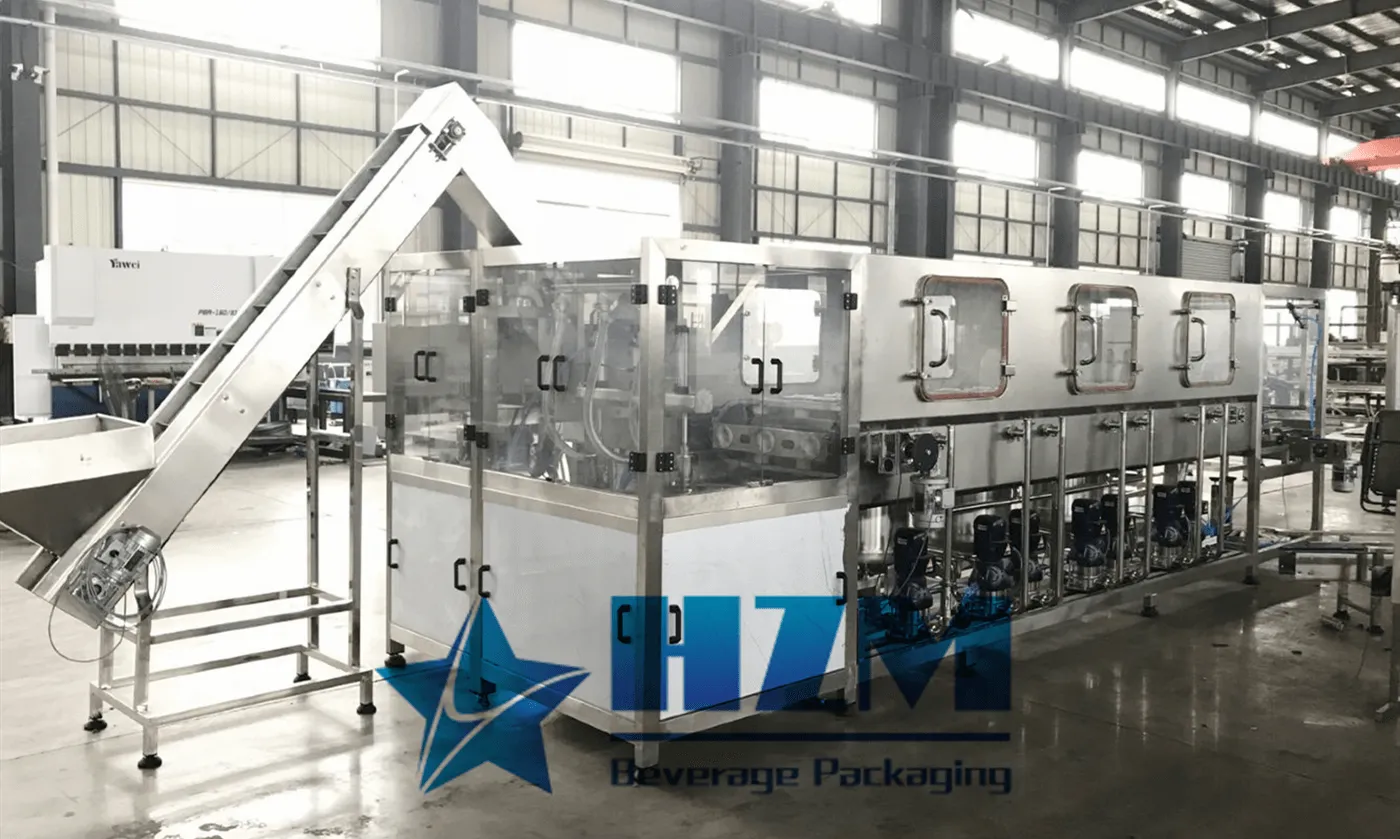
Automatic washing, filling and capping for 3–5 gallon drinking-water jars, with QGF models from 120 to 900 jars/hour at 5 gallons.
Learn moreEquipment
Automatic 5 Gallon Water Filling Line | 3-5 Gallon Bottled Water Production Line Manufacturer
The automatic 3–5 gallon water filling line washes, fills and caps returnable jars for purified-water and mineral-water production.
Learn more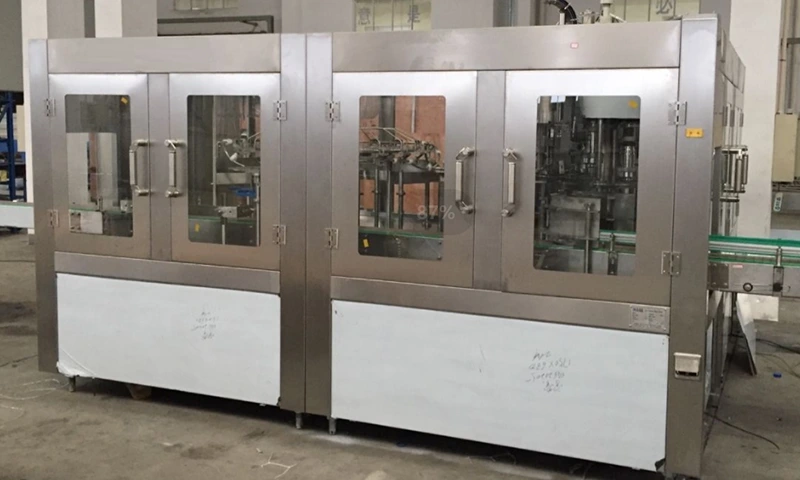
Equipment
10L Water Filling Machine 1200BPH – Automatic Washing Filling Capping Machine
RSXGF12-12-5(110Π) automatic rinsing, filling and capping for 10 L water bottles at 1,100–1,200 bottles/hour.
Learn more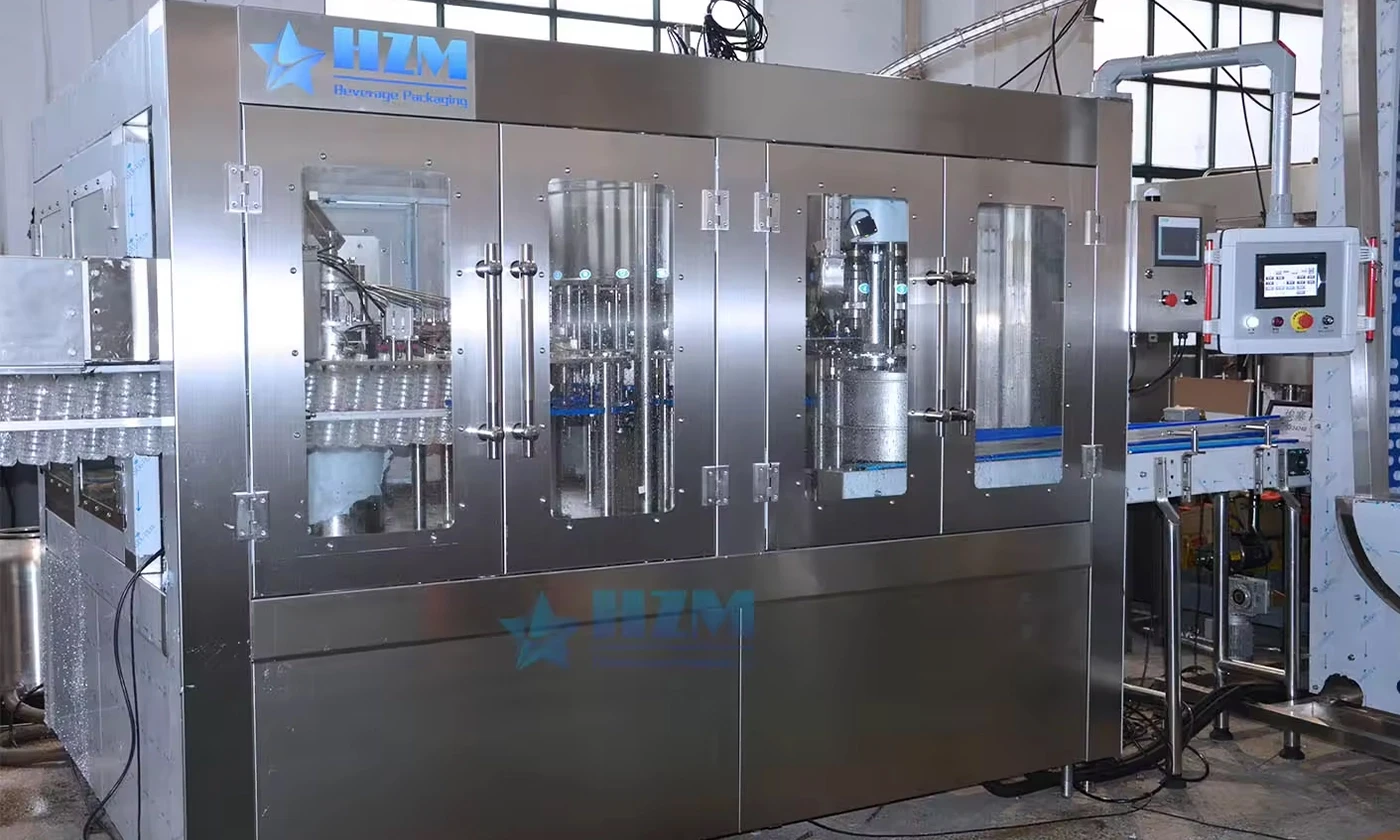
Equipment
Bottle Washing-Filling-Capping Machine
Large-bottle water rinsing, filling and capping with design outputs of 1,500 bottles/hour at 5 L, 1,000 at 7 L and 700 at 10 L.
Learn more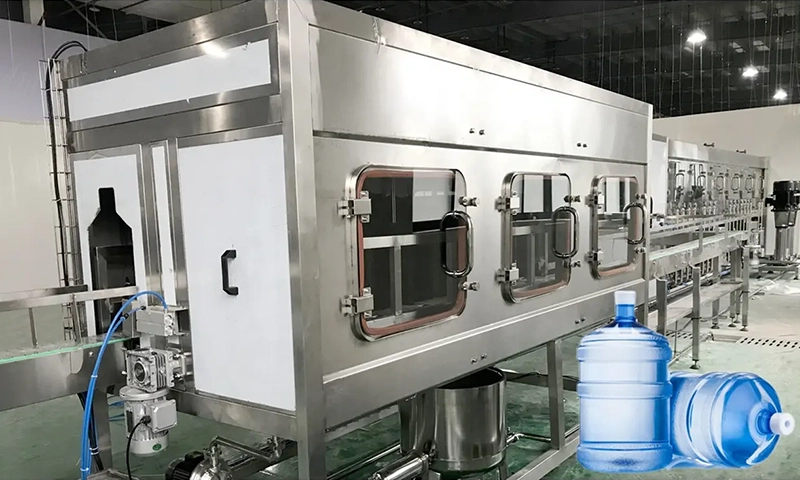
Equipment
5 Gallon Barrel Water Filling Machine
Automatic washing, filling and capping for 3–5 gallon drinking-water jars, with de-capping and jar-washing line options.
Learn more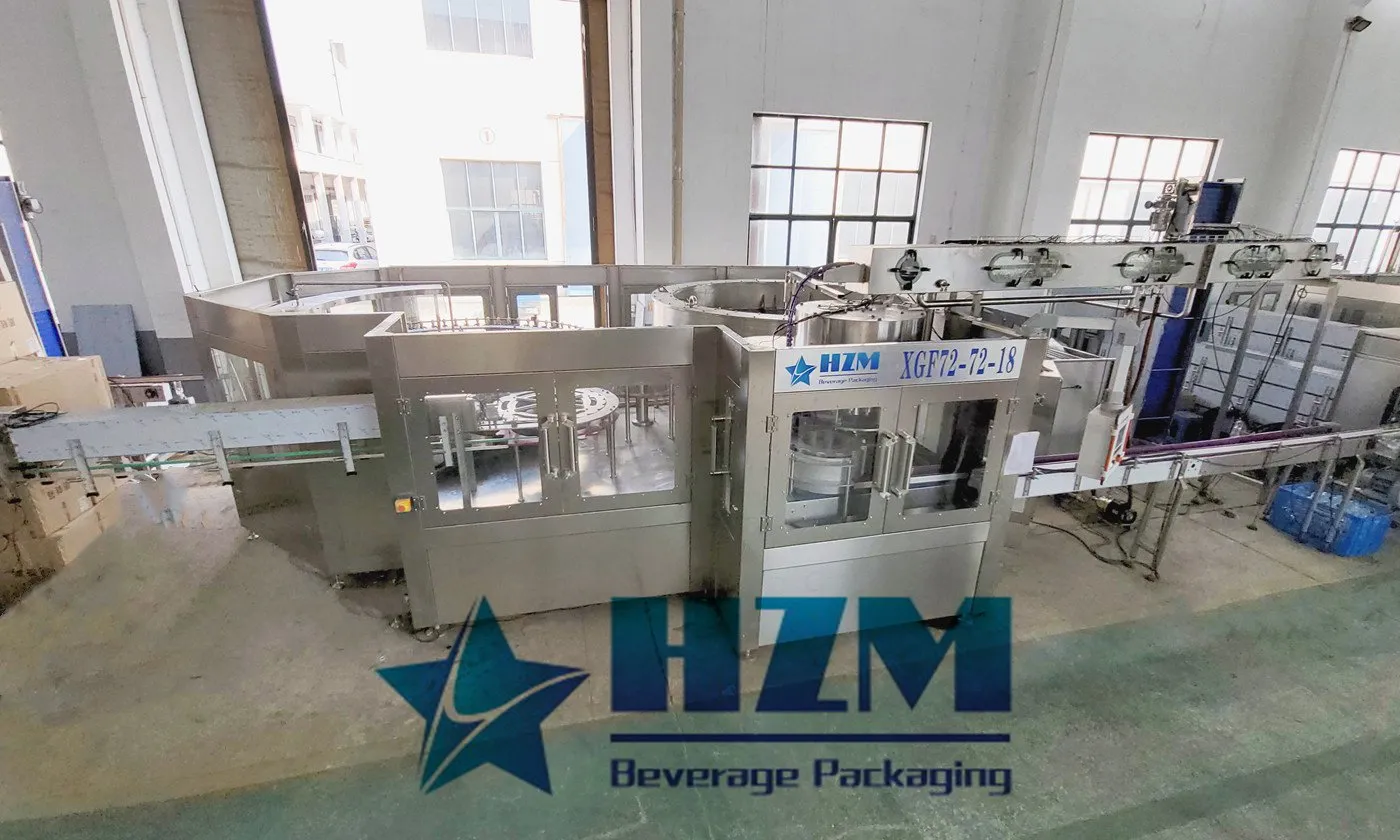
Equipment
Automatic Water Bottle Filling Machine
Automatic rinsing, filling and capping for purified and mineral water in PET bottles, with capacities of 5,000–42,000 bottles/hour at 500 ml.
Learn more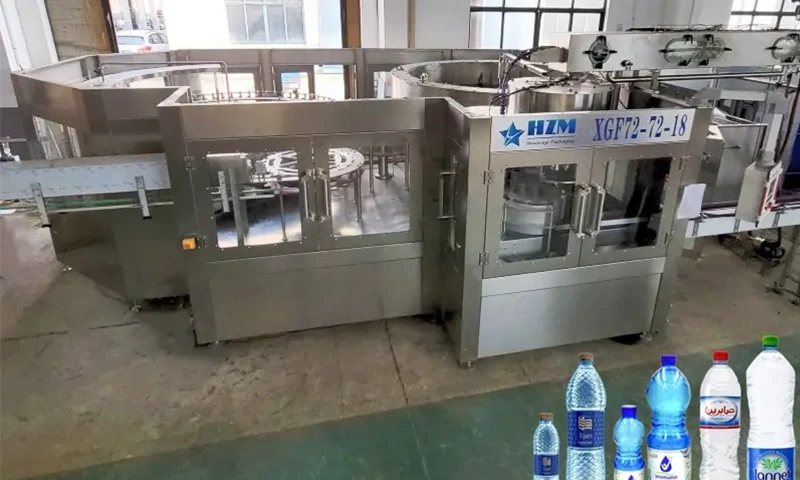
Equipment
3-In-1 Water Bottle Filling Machine
A 3-in-1 PET bottle rinsing, filling and capping machine for drinking water, from 5,000 to 18,000 bottles/hour at 500 ml.
Learn more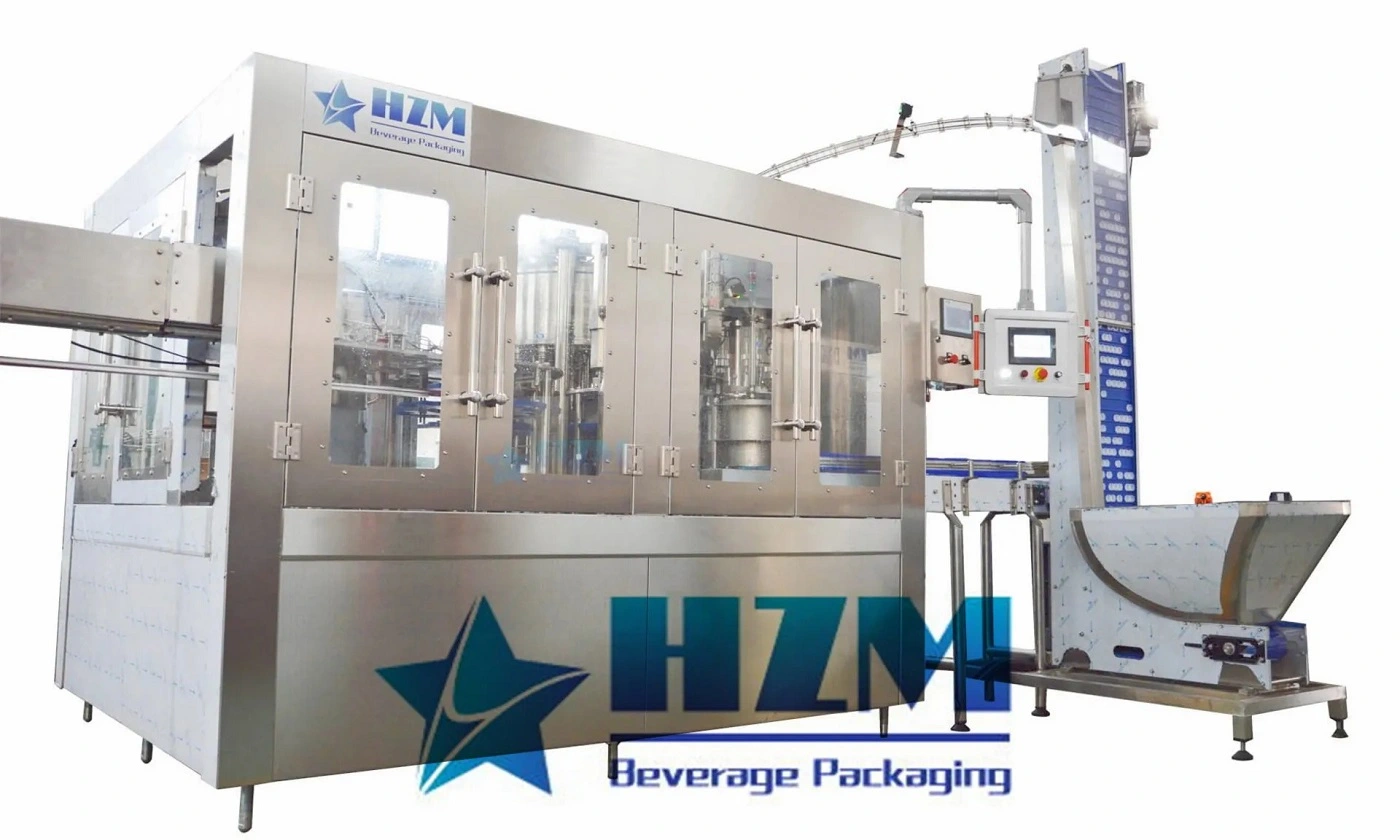
Equipment
Automatic Drinking Water Bottling Machine
Drinking-water bottling equipment with automatic rinsing, filling and capping, plus conveying, labelling and packing options.
Learn more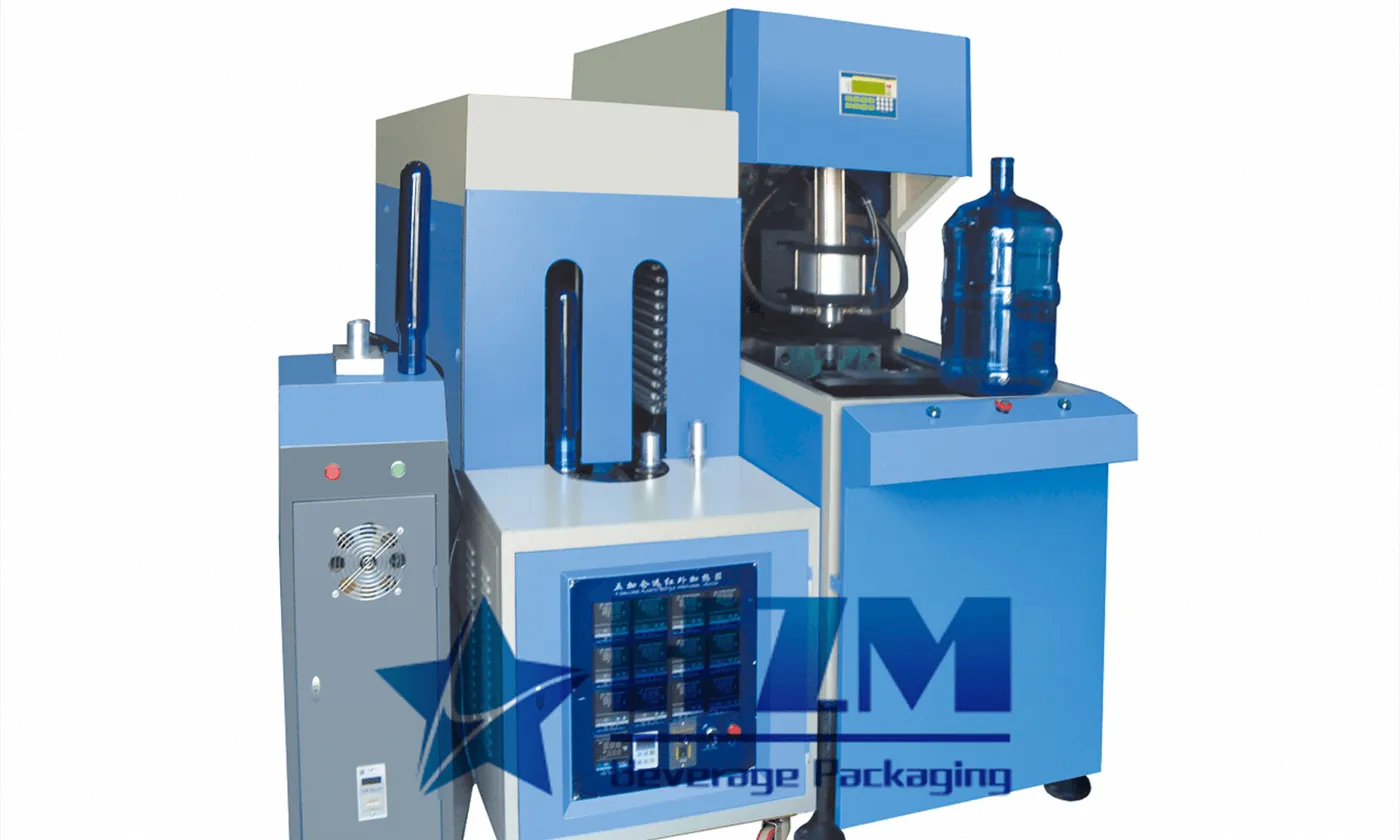
Equipment
5 Gallon Bottle Blow Molding Machine
This blow moulding machine produces large PET water bottles, including 5-gallon containers.
Learn more2023-06-09
5-Gallon Water Bottling Line Guide: Returnable Jar Inspection and Washing
Practical HZM guidance on 5-gallon water bottling line, focused on returnable jar inspection and washing, line integration, RFQ data and measurable acceptance checks.
Learn more2024-03-24
Opening Inspection Checklist for Filling Machines
To ensure the smooth operation of purchased filling machines, a thorough inspection upon opening is essential to prevent potential issues later on.
Learn more
2023-06-23
Bottled Water Production Line:5-gallon
Bottled Water Production Line is suitable for producing large water barrels with capacities of 3 gallons, 5 gallons (18.9L), and so on. Currently, based on market demand, our company offers bottled water production line equipment with capacities ranging from 150 barrels/hour to 2000 barrels/hour. The main components of the 5-gallon bottled water filling machine include […]
Learn more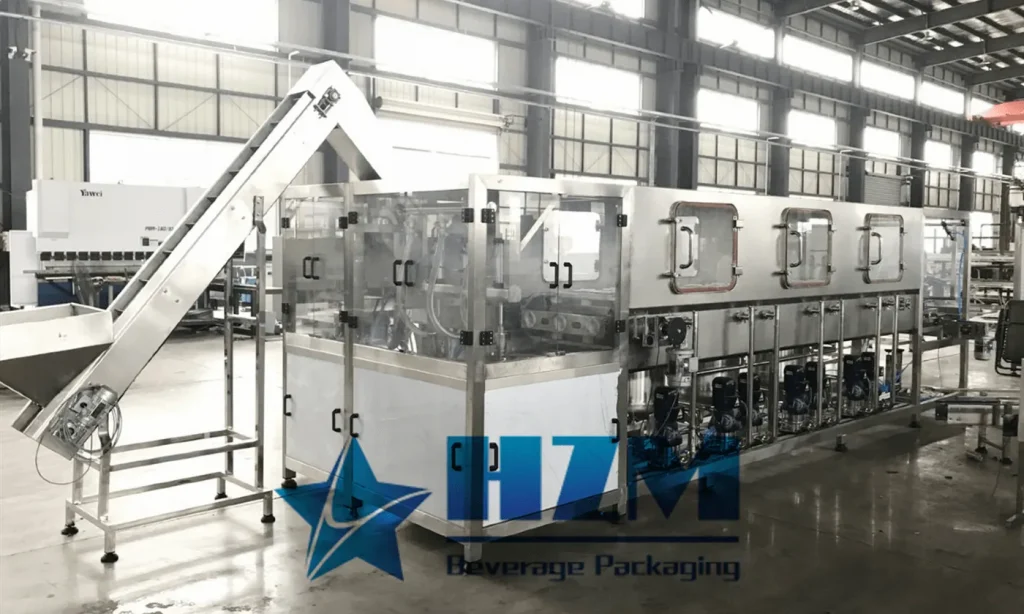
2023-07-12
Efficient and Reliable 3-5 Gallon Water Filling Line
We specialize in the production and sale of 5 Gallon Water Filling Machines, reverse osmosis equipment, purified water production lines, mineral water production lines, and three-in-one filling machine equipment
Learn more2023-06-02
HZM: Your Reliable Supplier for 5 Gallon Water Filling Line
A 5 gallon water filling line is designed to automate the entire process of filling and sealing large water containers. It includes various stages, such as bottle washing, sterilization, filling, capping, and labeling.
Learn more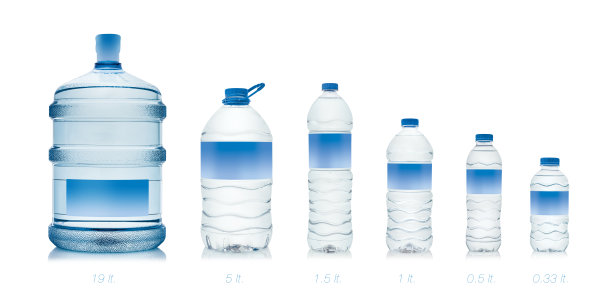
2023-06-23
5-Gallon Water Production Line
At HZM Machinery, we strive to provide high-quality and efficient solutions for 5-Gallon Water Production Line to meet the needs of the industry.
Learn more