
Insights & Updates
Opening Inspection Checklist for Filling Machines
To ensure the smooth operation of purchased filling machines, a thorough inspection upon opening is essential to prevent potential issues later on.
Storage and Handling
After unboxing the filling machine, refrain from immediate installation. Proper storage and handling of the main body, components, and accessories of the liquid filling equipment are necessary. Consideration should be given to the location and method of storage. Components and accessories should be stacked separately based on their structure, materials, and surface cleanliness, taking into account storage duration and weather conditions. Storage areas should be free from dust, debris, and corrosive gases. If protective grease has deteriorated, it should be reapplied. Ensure equipment is properly padded and elevated to prevent rusting, deformation, and moisture. Whenever possible, preserve the original packaging boxes for delicate and fragile items.
Choice of Unboxing Location
Opt for a location closer to the installation site and assess the surrounding environment to prevent injuries to equipment or personnel in case box panels fall. Utilize tools such as nail pullers and pry bars for unboxing. Avoid using heavy hammers on box panels, especially for delicate filling machines or components, to prevent accuracy compromise. Do not remove packaging and protective materials prematurely, except for areas requiring inspection. Before moving rotatable and sliding components of the filling machine, clean the packaging and apply protective grease as per technical requirements before inspection.
Unboxing Procedure
Sweep off dust from the top panel of the packaging box and inspect the packaging structure. Begin by removing the top panel, followed by other box panels. If removing the top panel is inconvenient, consider removing a few box panels first, then inspect the filling machine and packaging box structure, and use appropriate methods for unboxing.
Talk to our engineering team
Need help planning your packaging line?
Share your product, bottle and capacity requirements for a practical equipment recommendation.
2026-08-01
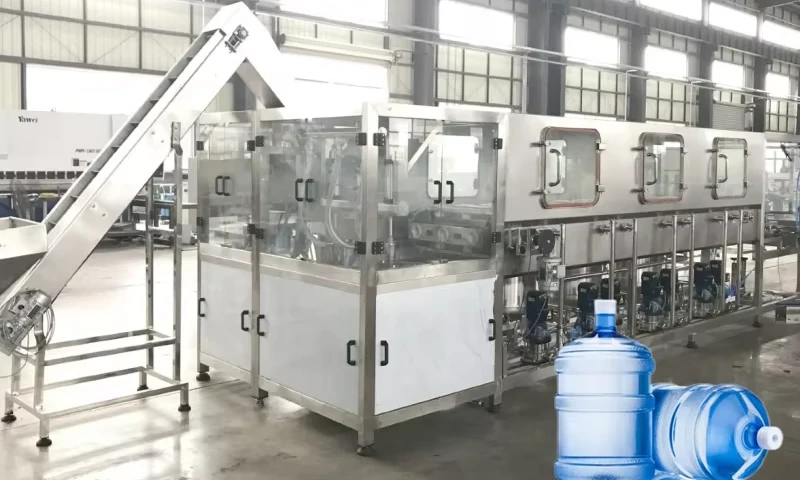
5-Gallon Returnable Water Bottles: Washing and Inspection Checklist
A practical receiving, inspection, washing, rinsing and verification checklist for returnable 3–5 gallon bottled-water production.
Learn more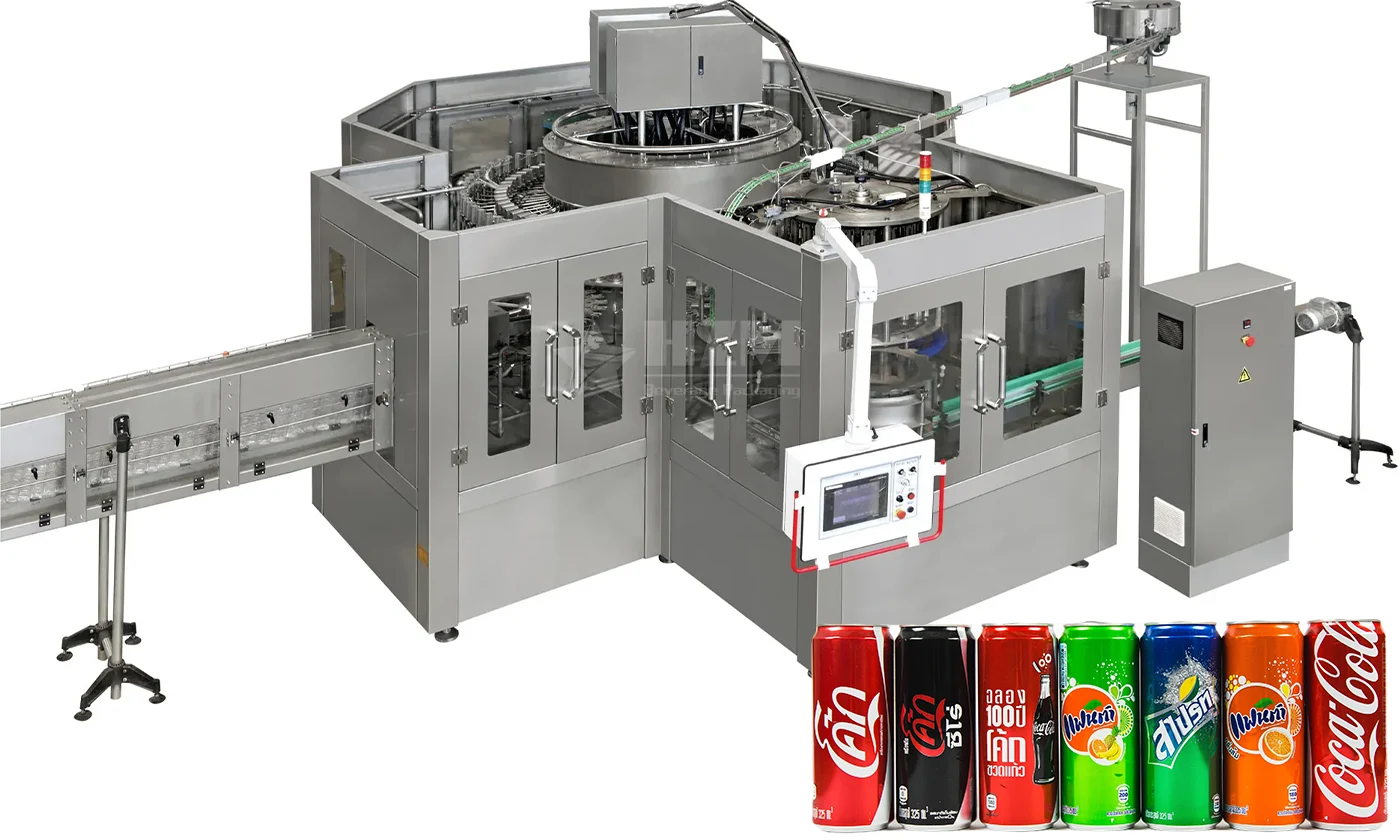
2026-08-09
Can Double-Seam Quality: A Buyer and Operator Inspection Checklist
Protect canned beverage quality with correct end handling, seamer setup, teardown measurements, defect trending and maintenance controls.
Learn more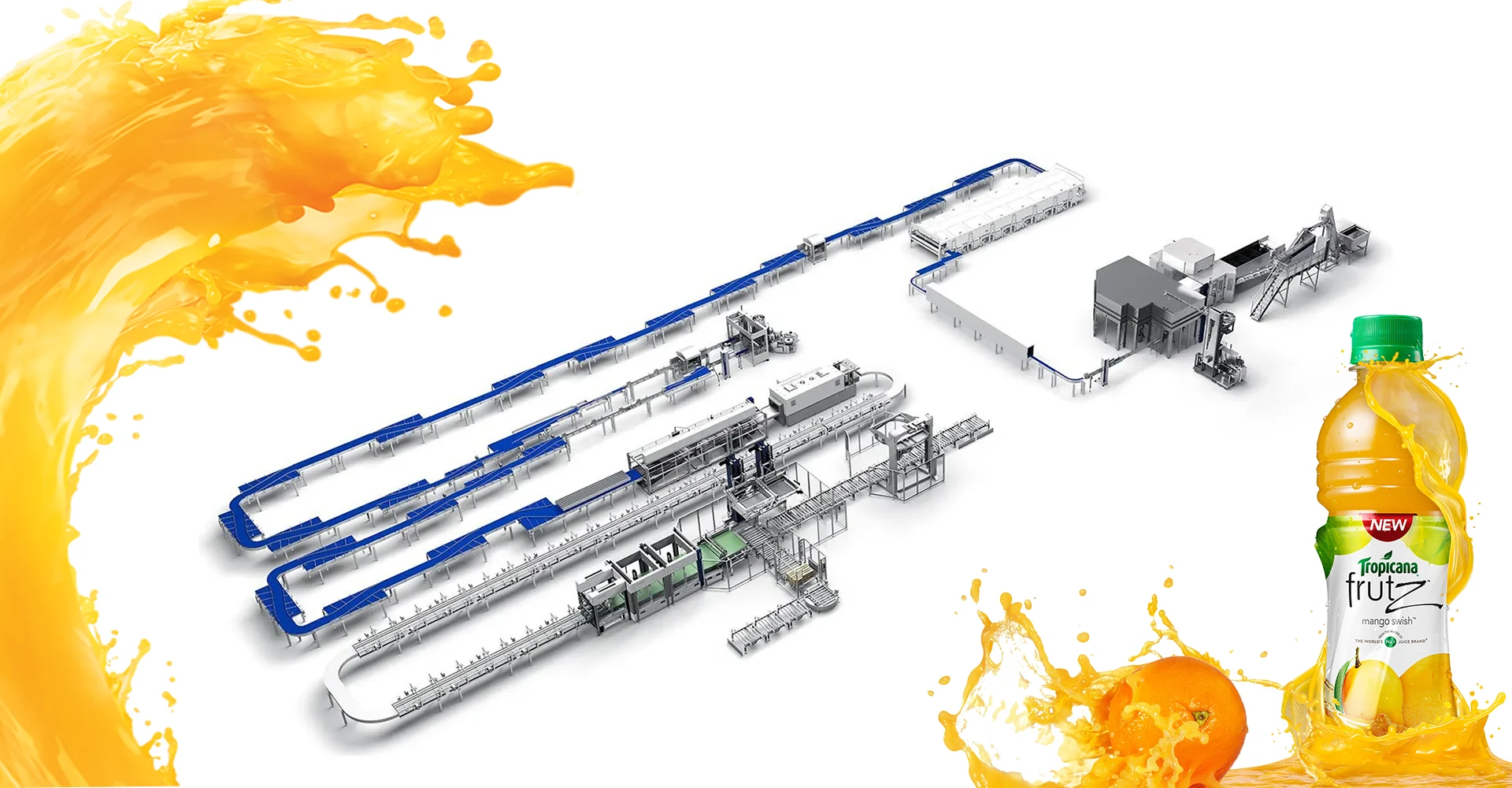
2026-08-10
Beverage Plant Utilities Checklist Before Equipment Installation
Prepare electricity, compressed air, water, steam, cooling, drains, floor loads, ventilation and access before a beverage line arrives.
Learn more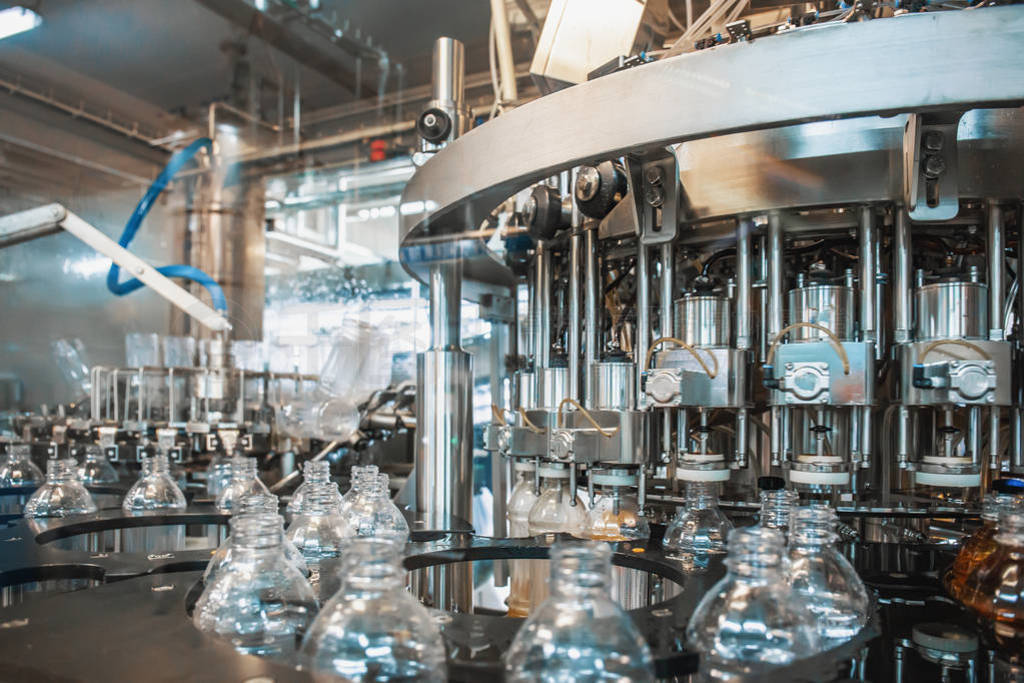
2026-02-05
Mineral Water Production Cost: Equipment and Operating Cost Checklist
Estimate mineral water production cost by separating plant scope, packaging, utilities, labor, maintenance and local compliance instead of relying on a generic price.
Learn more
2023-06-09
Beverage Packaging Line Guide: Changeover, Coding and Inspection
Practical HZM guidance on beverage packaging line, focused on changeover, coding and inspection, line integration, RFQ data and measurable acceptance checks.
Learn more
2023-06-30
Water Bottle Filling Machine Commissioning and Run-In Checklist
A step-by-step commissioning and run-in checklist for automatic water bottle filling machines, including pre-start checks, dry tests, water trials, load ramp-up and acceptance records.
Learn more