
Insights & Updates
Food and Beverage Filling Machine Buying Guide: 12 Checks Before You Order
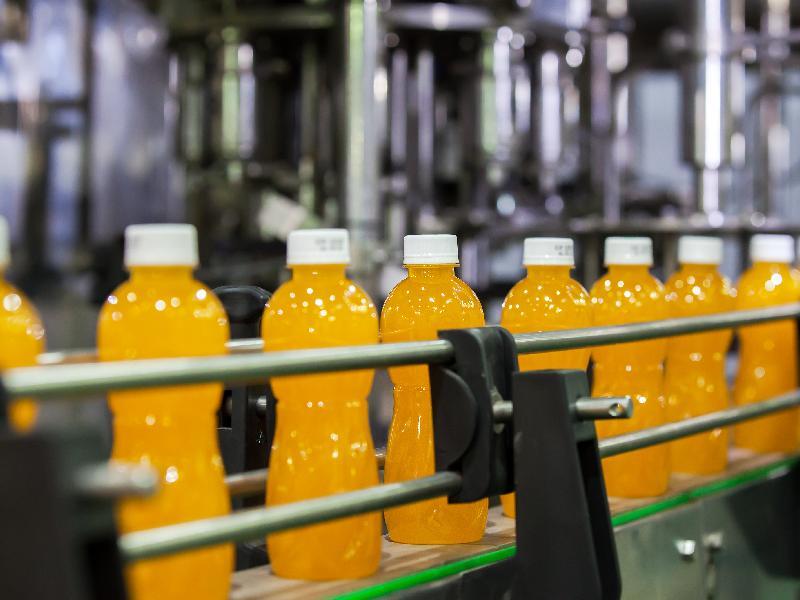
A food filling machine can produce accurate, saleable packs for years, or it can become a daily source of giveaway, leaks and cleaning delays. The difference is usually decided before the purchase order. A short request such as “automatic filling machine for 500 ml bottles” leaves too many technical choices to assumption.
Use the following twelve checks to turn a quotation into a specification that can be tested.
1. Provide the real product data
State viscosity and density at filling temperature, pH, sugar or salt content, foaming tendency, particles, pulp and any ingredient that affects seals or stainless steel. If the product changes between recipes, provide the operating range.
2. Send samples for a filling test
A water trial is not enough for oil, sauce, pulpy juice or a foaming cleaner. Send representative product, including the most difficult recipe. The test should measure accuracy, dripping, foaming, particle passage and cleaning behavior.
3. Finalize the bottle and closure
Provide drawings and physical samples. Bottle-neck finish, rigidity, height and base design affect handling. Cap dimensions, liner and torque window affect sealing. If several formats are planned, identify every bottle-cap combination.
4. Select the correct filling principle
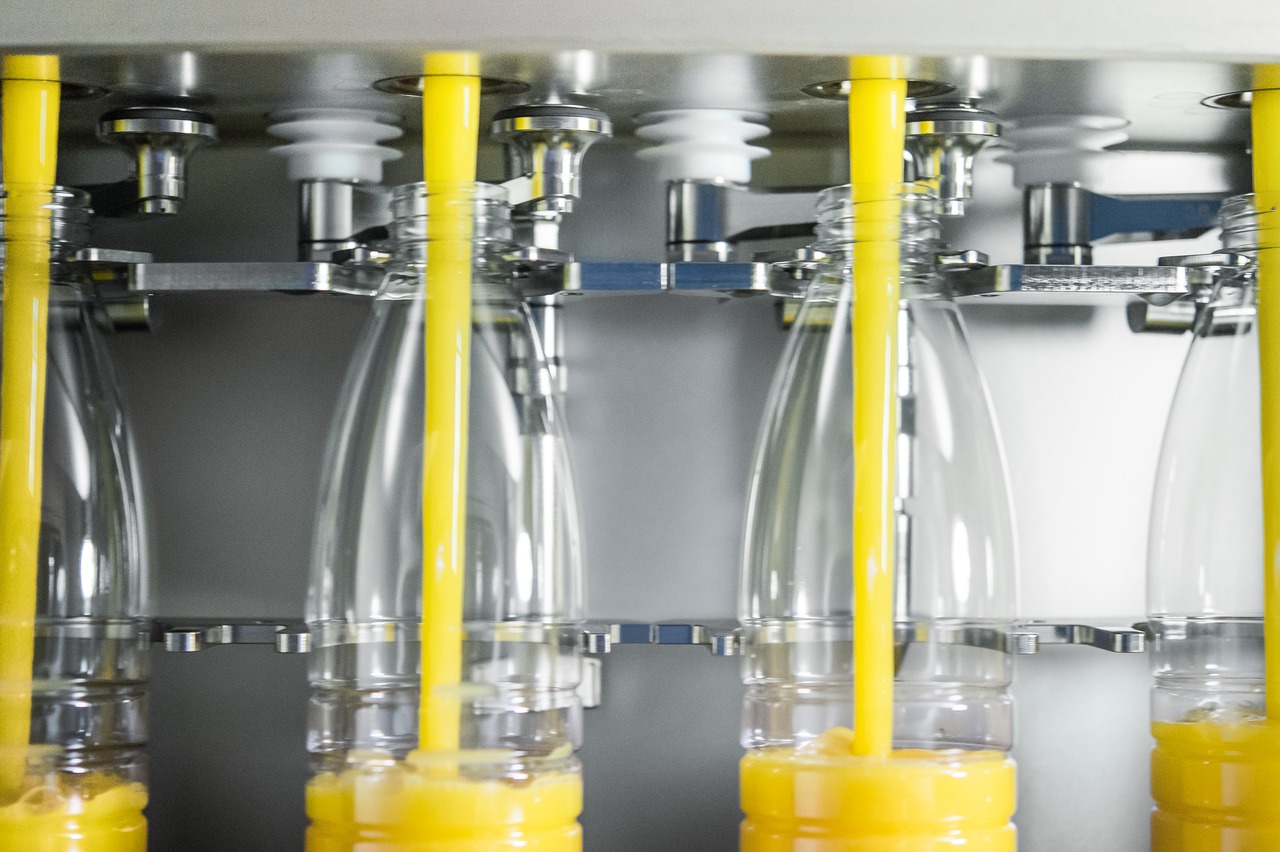
Free-flowing water may use gravity filling. Viscous products often need piston, pump or suitable flowmeter systems. Carbonated drinks require counter-pressure filling, while some glass-bottle products use level or vacuum methods. A general-purpose filler is useful only within a proven operating window.
Application-specific examples can be compared through HZM’s water filling line, juice filling line and carbonated drink filling line.
5. Define the preservation and hygiene level
Cold-fill, hot-fill, ultra-clean and aseptic systems have different package treatment, enclosure, air quality and validation requirements. Base the decision on product risk, shelf life and distribution temperature. “Sterile” should never be used as a marketing label without a defined process and acceptance test.
6. Specify net output, not only machine speed
Ask for guaranteed good packs per hour at the actual container size and product. State the measurement period and allowable rejects. Check whether upstream processing and downstream packing can sustain the same output.
7. Put fill accuracy into the contract
Define the target, tolerance and sampling method. Product giveaway should be converted into annual cost. Accuracy must be proven at minimum, normal and maximum speed, and across every filling valve or nozzle.
8. Inspect hygienic design in detail
Confirm product-contact stainless-steel grades, gasket materials, internal surface requirements, drainage and valve construction. Ask where product can remain after draining and which parts require manual removal. External splash zones should be accessible for cleaning.
9. Review cleaning and changeover
Map the CIP boundary from preparation tanks to filling valves. Define time, temperature, chemical concentration and flow verification. For bottle changes, request a change-parts list and a timed demonstration. For recipe changes, agree how flavor, color or allergen carryover will be controlled.
10. Choose maintainable automation
Review PLC and HMI brands, electrical documentation, alarm history, recipe control, remote support and backup procedures. Standard components that are locally available may reduce downtime more than an impressive but proprietary control package.
11. Compare lifetime cost
| Cost area | What to include |
|---|---|
| Capital scope | Machine, conveyors, inspection, change parts, installation and training |
| Utilities | Power, compressed air, water, steam, refrigeration and treatment |
| Consumables | Lubricants, filters, seals, chemicals and coding supplies |
| Product loss | Giveaway, start-up waste, changeover loss and rejects |
| Downtime | Cleaning hours, maintenance access and spare-part lead time |
| People | Operators, quality checks, mechanics and required skill level |
12. Write a meaningful factory acceptance test
The FAT should use agreed bottles, closures and representative product. Measure sustained output, fill accuracy, cap integrity, rejects, cleaning functions, alarm handling and changeover time. Check manuals, parts lists, electrical drawings and software backups before shipment.
Information a supplier needs for an accurate proposal
- Product data sheet and representative samples.
- Container and closure drawings, samples and format list.
- Required output by product and pack size.
- Preservation method, filling temperature and shelf-life target.
- Cleaning requirements and applicable food-safety standards.
- Available utilities and factory layout.
- Desired packaging, inspection and coding equipment.
- Acceptance criteria, training needs and spare-parts expectations.
A filling machine should be judged by repeatable production results, not by showroom appearance. When the product, package and test method are clearly defined, supplier proposals become easier to compare and hidden project risk becomes much smaller.
Talk to our engineering team
Need help planning your packaging line?
Share your product, bottle and capacity requirements for a practical equipment recommendation.
2023-06-09
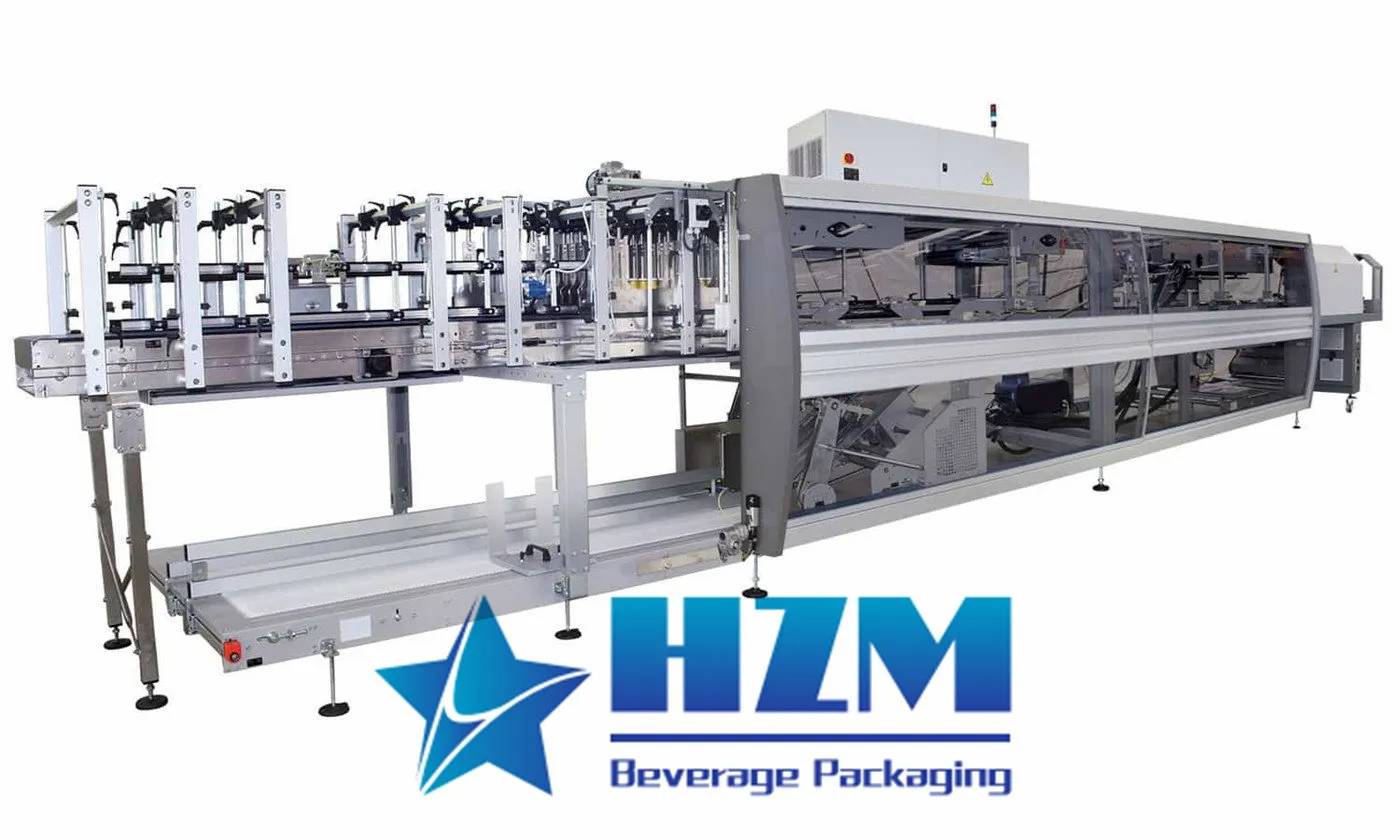
Beverage Packaging Line Guide: FAT Checks for Pack Quality and Output
Practical HZM guidance on beverage packaging line, focused on fat checks for pack quality and output, line integration, RFQ data and measurable acceptance checks.
Learn more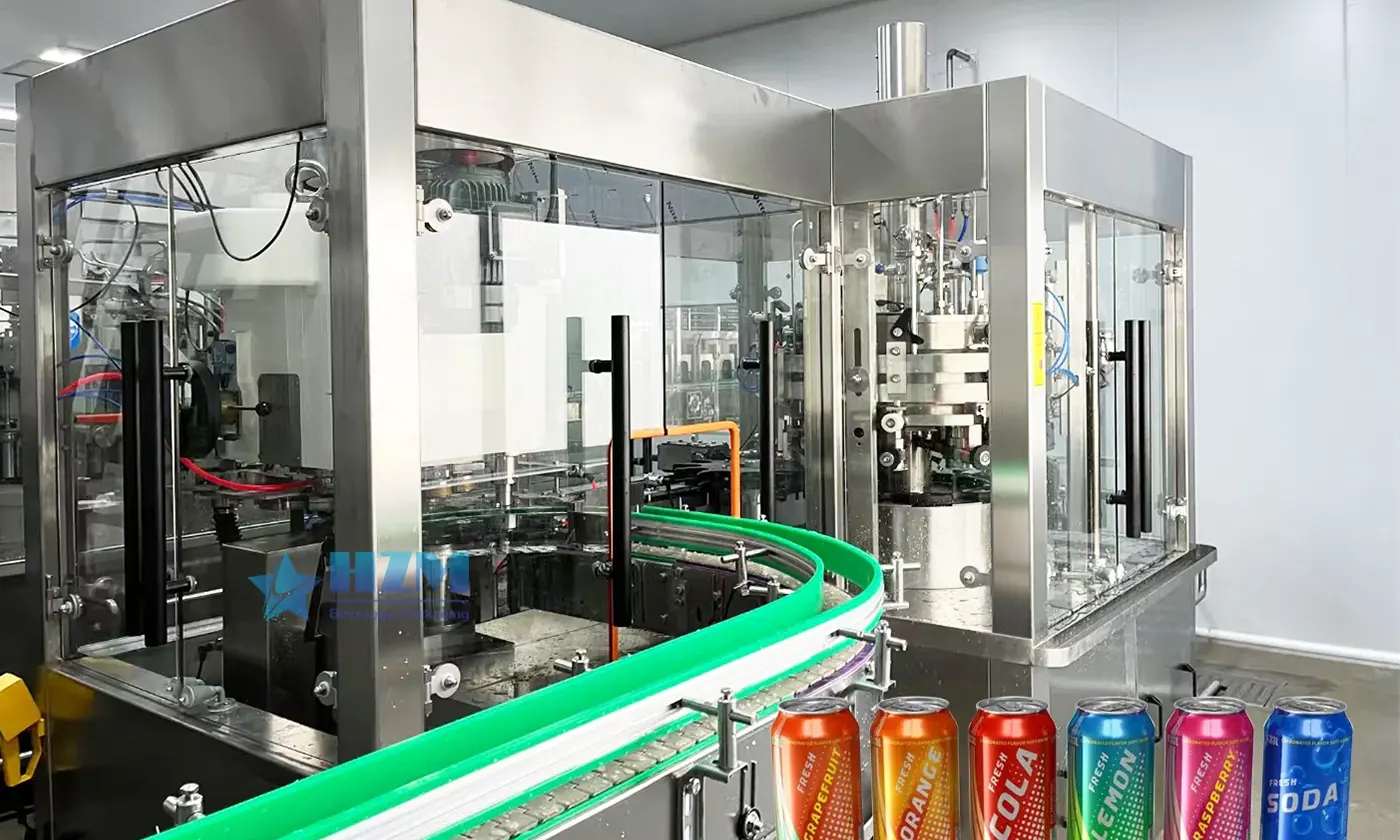
2023-06-09
Beverage Can Filling Line Guide: FAT Checks for Filling and Seaming
Practical HZM guidance on beverage can filling line, focused on fat checks for filling and seaming, line integration, RFQ data and measurable acceptance checks.
Learn more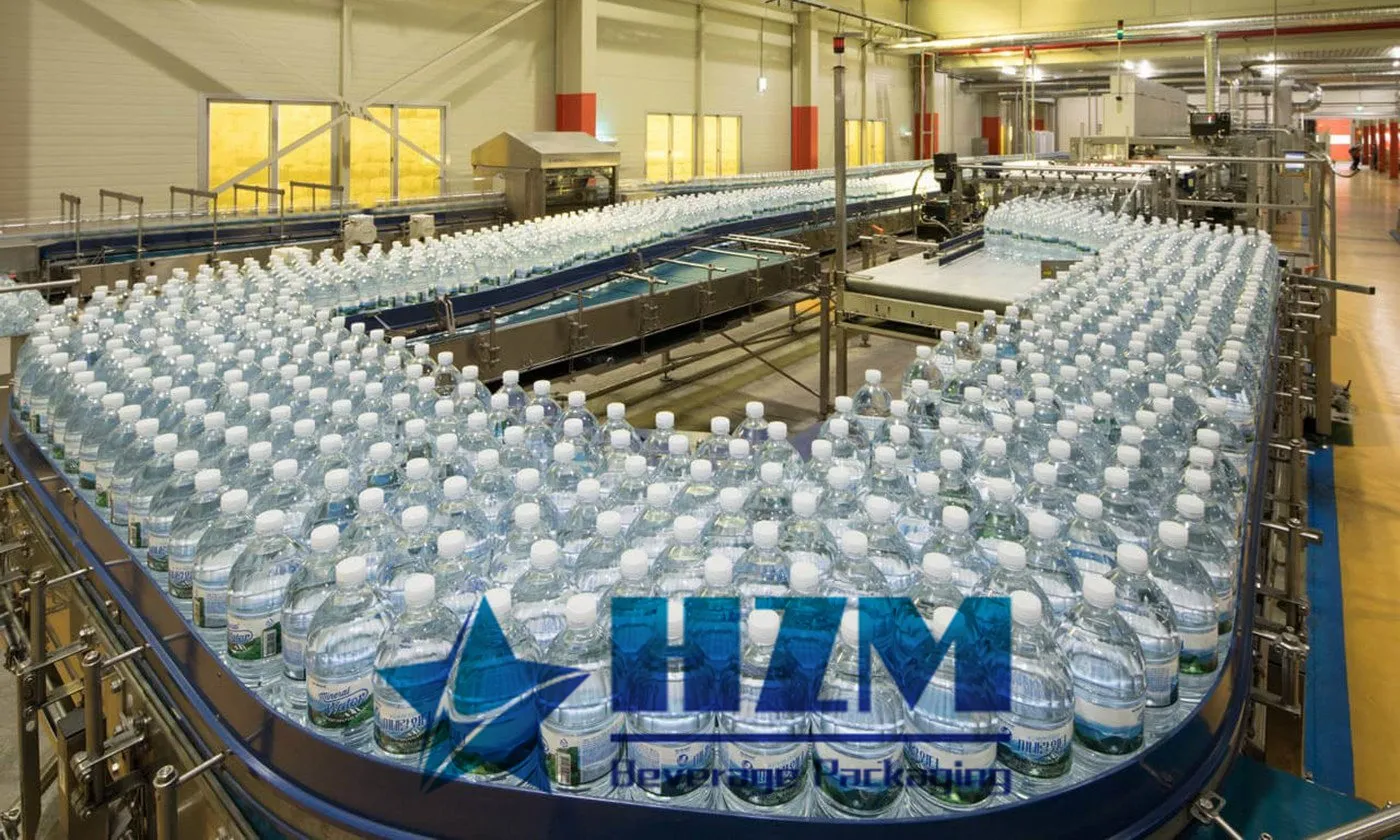
2023-06-09
Bottle Conveyor System Guide: FAT Checks for Stability and Recovery
Practical HZM guidance on bottle conveyor system, focused on fat checks for stability and recovery, line integration, RFQ data and measurable acceptance checks.
Learn more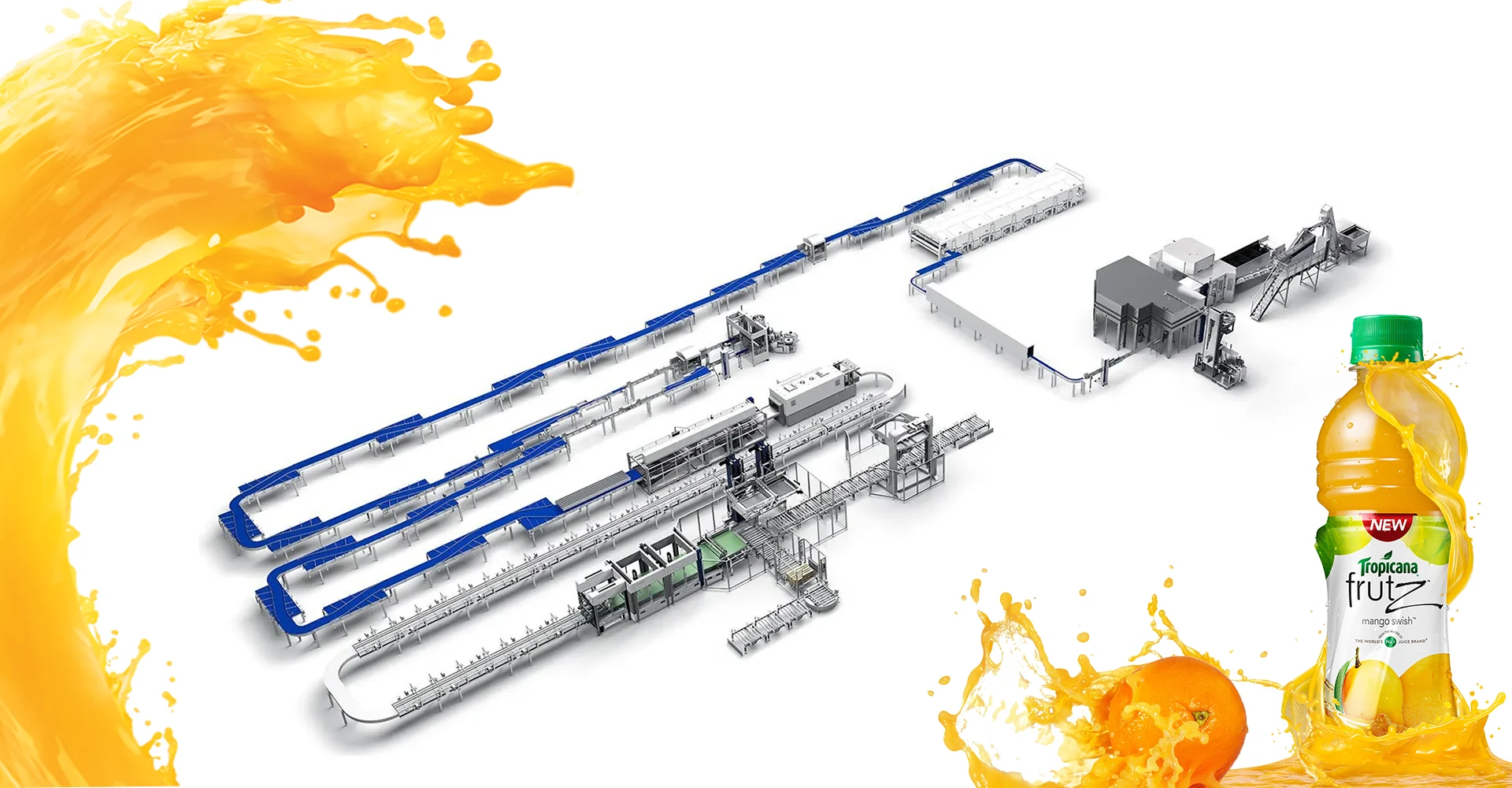
2023-06-09
Juice and Tea Filling Line Guide: FAT Checks for Fill Level and Temperature
Practical HZM guidance on juice and tea filling line, focused on fat checks for fill level and temperature, line integration, RFQ data and measurable acceptance checks.
Learn more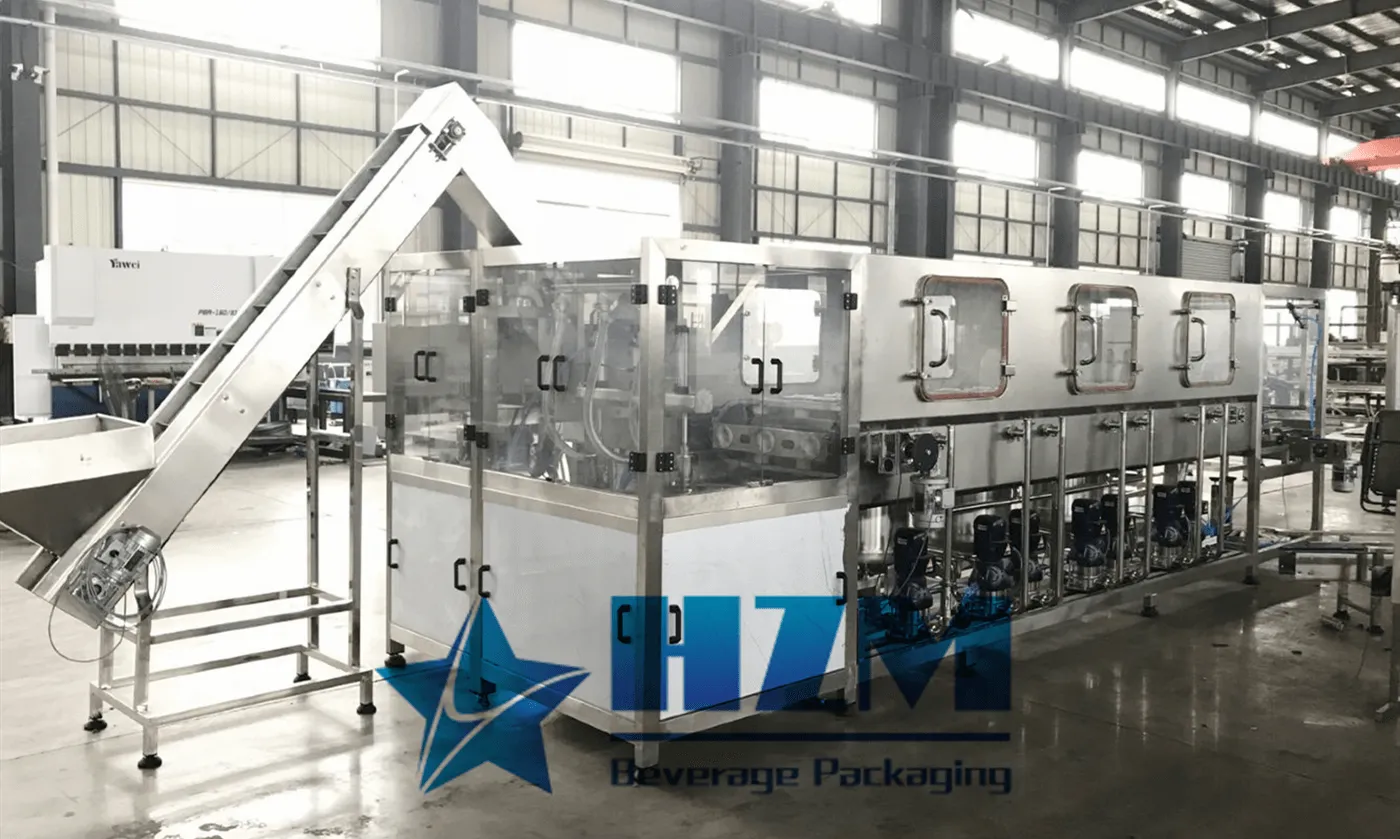
2023-06-09
5-Gallon Water Bottling Line Guide: Cap Sterilization, Leak Checks and Packing
Practical HZM guidance on 5-gallon water bottling line, focused on cap sterilization, leak checks and packing, line integration, RFQ data and measurable acceptance checks.
Learn more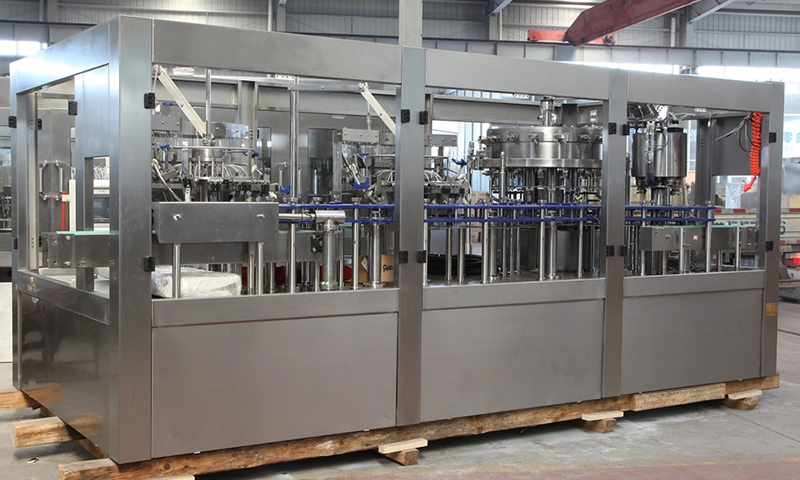
2023-06-09
Glass Bottle Filling Line Guide: FAT Checks for Fill Level, Torque and Breakage
Practical HZM guidance on glass bottle filling line, focused on fat checks for fill level, torque and breakage, line integration, RFQ data and measurable acceptance checks.
Learn more