
Insights & Updates
How to Solve the Problem that the Liquid Filling Machine is not Fill Correctly?
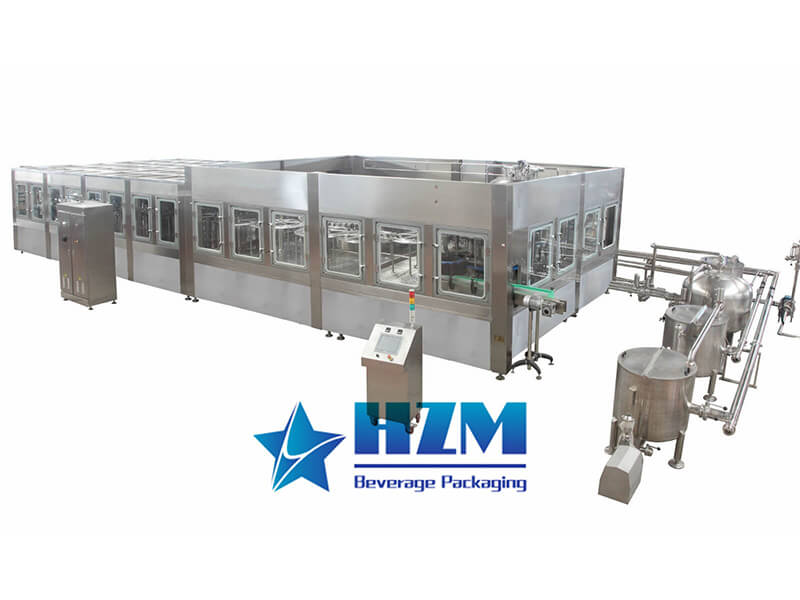
In the daily chemical industry, beverage industry, pharmaceutical industry and other industries, the use of liquid filling machines is very common, and the use is also very wide, but if there is no assurance of the use of raw materials, how to solve it?

1. Speed throttle valve and filling interval throttle valve is not closed, throttle valve can not be closed.
2. Fast install three-pass control valve is not foreign body, if so, please tidy up, fast install three-pass control valve and filling head is not air in the skin tube, if there is air, as far as possible to reduce or clean the air.
3. Check the liquid filling machine to see if all sealing rings are damaged. If there is any damage, replace it with a new one.
4. Fill the mouth valve core whether there is a clamping appearance or delayed opening, if there is a clamping, the core should be installed from the beginning of the position. If delayed opening, need to adjust thin cylinder throttle valve.
5. Fast install three-way control valve up and down tighten the elastic spring, elastic over the large check valve will not open.
6. Filling speed is not too fast, adjust filling speed throttle valve, drop filling speed.
7. All the clamps, leather buckles can be sealed well, if possible, please correct.
8. The magnetic switch of liquid filling equipment is loose, please lock up after each adjustment.
Talk to our engineering team
Need help planning your packaging line?
Share your product, bottle and capacity requirements for a practical equipment recommendation.
2023-04-18
Quickly Respond and Solve Problems for Customers
The customer’s equipment encountered an unexpected situation and they were unable to handle it. We immediately arranged for two people visas to purchase flight tickets to fly to the customer’s country.
Learn more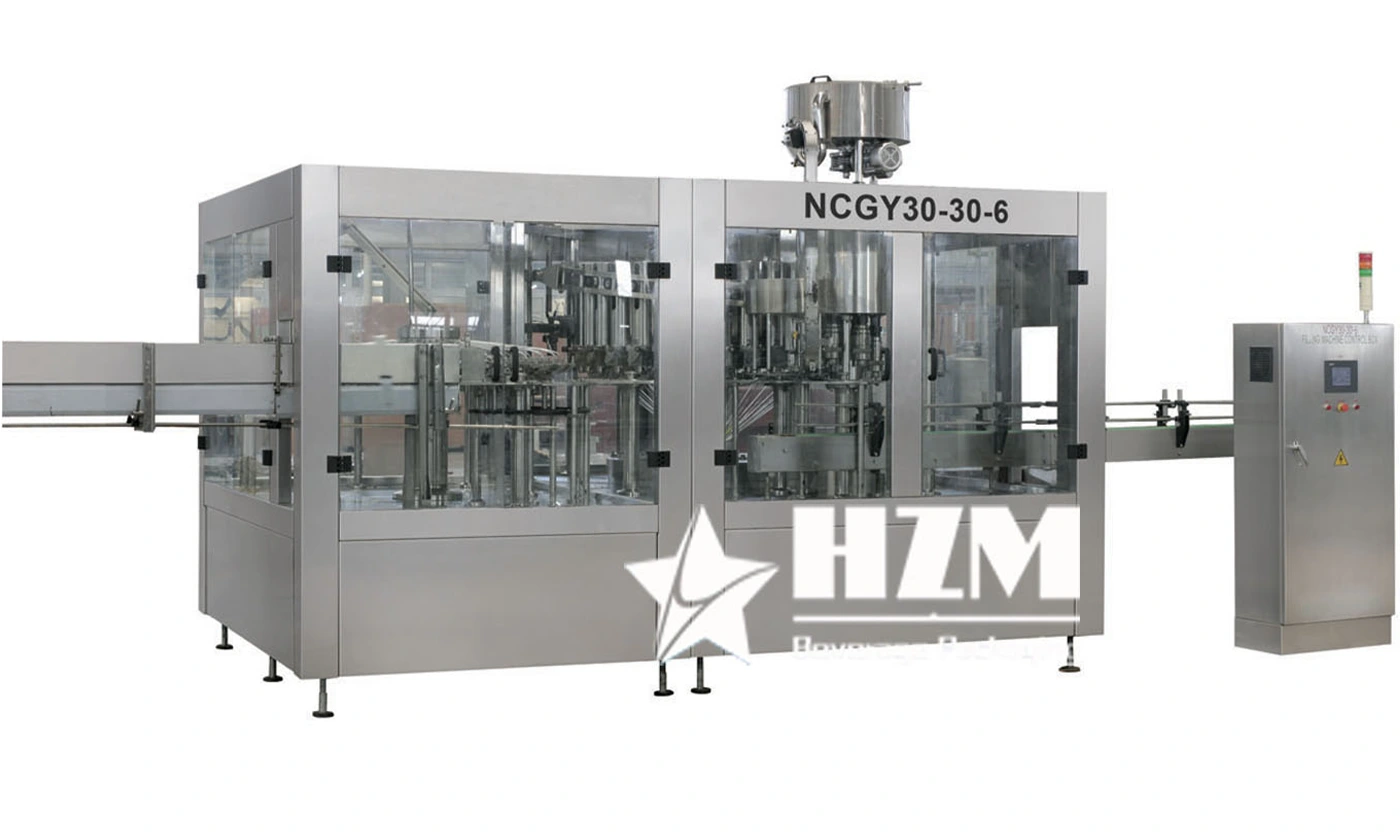
2023-11-10
Addressing the Leakage Problem of the Edible Oil Filling Machine’s Filling Head
as an after-sales engineer for edible oil filling machines, I will share the key steps in handling this problem to ensure the equipment's proper functioning and product quality.
Learn more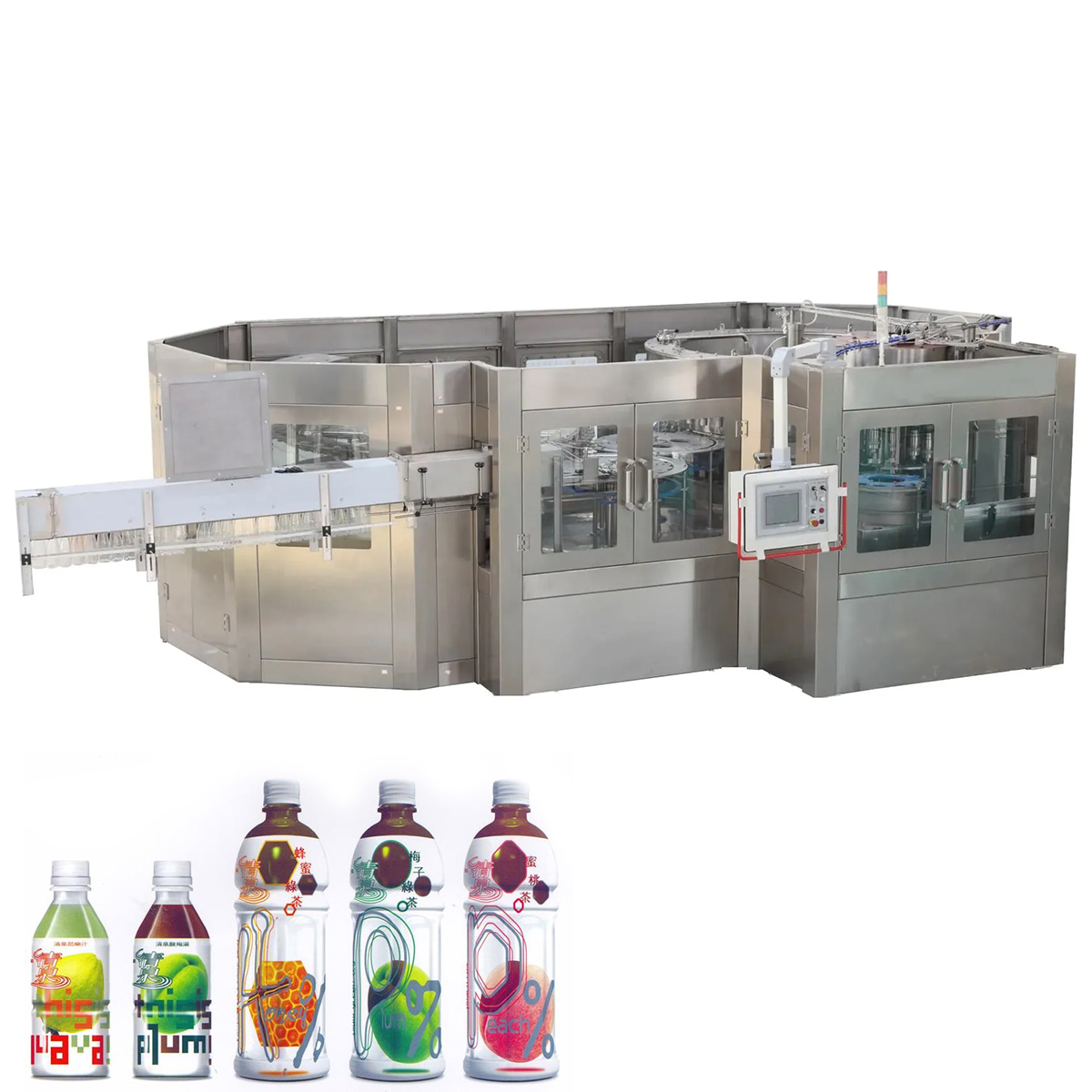
2023-07-29
What are the situations in which the beverage filling machine has inaccurate filling or does not discharge?
Beverage filling machines are divided into timed filling and fixed-volume filling, and they are only suitable for filling low-viscosity non-gaseous liquids such as milk, liquor, and mineral water. So, do you know what situations can cause inaccurate filling or failure to discharge in beverage filling machines?
Learn more
2026-09-10
CIP Temperature Will Not Reach or Hold the Setpoint
Check temperature measurement and circulation first, then verify heating-utility pressure, control valve, steam trap, heat exchanger, condensate removal, tank losses and route flow. Follow this practical fault-isolation, repair and prevention guide for bottling-line operators and maintenance teams.
Learn more