
Insights & Updates
How to Choose the Right Filling Machine for Your Product and Package
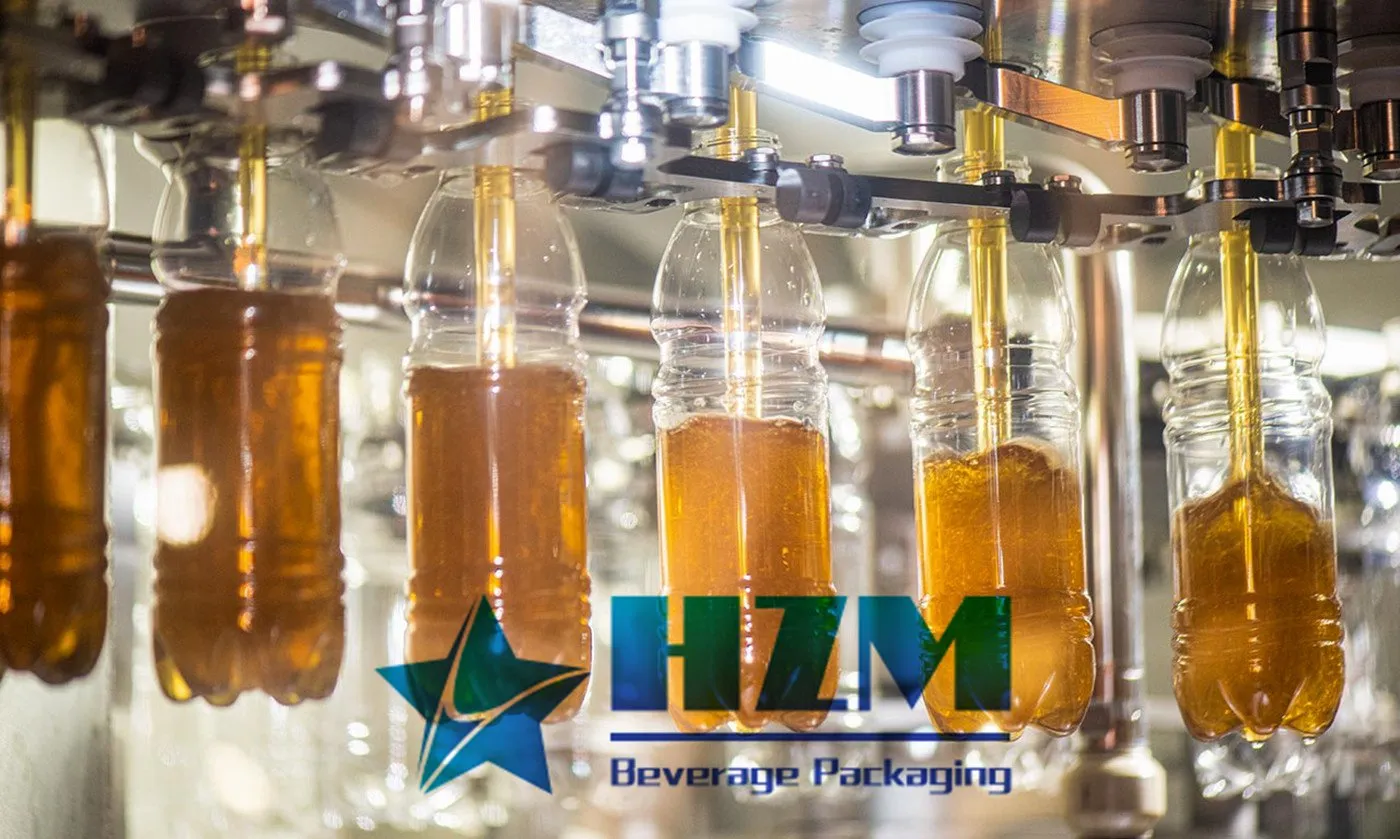
The wrong filling machine is often chosen for the right reason: a buyer wants one machine to cover every product and bottle. Flexibility is useful, but it has limits. A machine optimized for free-flowing water may not handle viscous oil accurately, and a gravity filler cannot protect carbonation the way an isobaric filler does.
The safest way to select equipment is to start with the product and package, then choose the filling principle, hygienic design and automation level. Price should be compared only after those technical boundaries are clear.
Start with a product data sheet
Send the supplier more than the product name. The following information changes the design and should be measured at the actual filling temperature:
- Viscosity and density, including how they change with temperature.
- Foaming tendency and the presence of dissolved gas.
- Particles, fibers or pulp, with maximum size and concentration.
- Acidity, alcohol, sugar, salt and any ingredient that affects materials.
- Required fill volume and permitted tolerance.
- Product temperature and preservation method.
- Cleaning chemicals and required sanitation cycle.
A production sample is essential. Water trials can prove that a machine moves, but not that it fills your oil, syrup or pulpy juice correctly.
Match the filling principle to the liquid
| Filling principle | Typical applications | Key limitation to check |
|---|---|---|
| Gravity filling | Water and other free-flowing, non-carbonated liquids | Not suitable for every viscous or foamy product |
| Volumetric or piston filling | Oils, sauces and higher-viscosity products | Cleaning, seal wear and particle passage |
| Flowmeter filling | Products requiring recipe-based electronic dosing | Meter selection, conductivity and calibration |
| Isobaric filling | Carbonated soft drinks, beer and sparkling water | Product temperature and pressure balance |
| Vacuum or level filling | Some glass-bottle products requiring a consistent visual level | Container strength and product suitability |
For beverage projects, compare the application-specific designs used in a water filling line, juice filling line and carbonated drink filling line. They may look similar from the aisle, but their product paths, valves and process controls are not interchangeable.
Check the complete package, not only the bottle volume
Provide bottle drawings and samples for every format. Neck finish, bottle stiffness, center of gravity and base design affect transfer stability. The closure is equally important: cap dimensions, liner, torque window and cap-feeding behavior should be tested on the proposed capper.
When several formats are planned, ask for a change-parts list and a timed changeover procedure. A “wide filling range” can conceal hours of adjustment or a large set of costly parts.
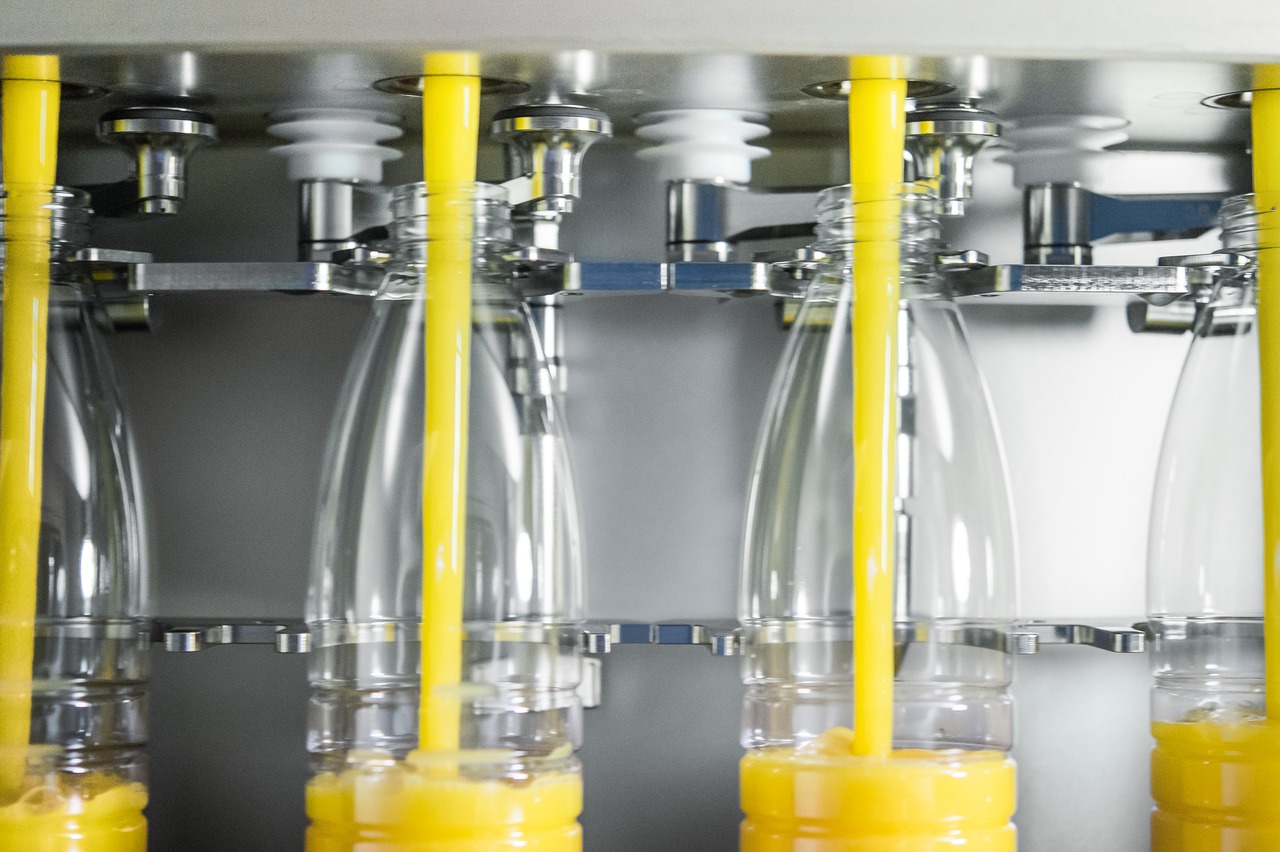
Define useful output and accuracy
Machine speed should be stated for the exact pack size. Ask whether the number is mechanical speed, nominal output or guaranteed net output. A balanced line also needs allowance for cap replenishment, label changes, film changes and short downstream stops.
Fill accuracy has a direct product cost. Define the target and tolerance in grams or milliliters, then agree on the sampling method. For products sold by net quantity, excessive giveaway can cost more over the machine’s life than the initial price difference between two fillers.
Inspect hygienic design and materials
“Stainless steel machine” is not a complete specification. Identify the grade for product-contact parts, the gasket material, surface finish where relevant and the construction of valves and manifolds. Product-contact pipes should be drainable, and dead legs should be minimized.
Ask which circuits are cleaned automatically, which parts must be removed and how cleaning time, temperature, concentration and flow are verified. If allergens or strong flavors are handled, the changeover validation should be agreed before production.
Choose automation that the factory can support
Automation reduces repetitive adjustments and improves traceability, but it does not remove the need for trained operators. Consider recipe management, user permissions, alarm history, remote support, spare PLC capacity and the local availability of electrical components.
The machine should fail safely. Low product supply, missing caps, conveyor congestion and open guards need clear responses. Operators should be able to diagnose a stop without bypassing interlocks.
Calculate the real project cost
The quotation should separate the filler, change parts, conveyors, inspection equipment, installation, training, spare parts and utilities. Include ongoing costs such as water, compressed air, cleaning chemicals, lubricants, wear parts and product giveaway.
A lower purchase price can be reasonable when the application is simple. It becomes expensive when poor access lengthens cleaning, proprietary components delay repairs, or the line cannot hold accuracy at the required speed.
Run a meaningful factory acceptance test
- Use the intended bottle, cap and representative product.
- Run long enough to expose temperature drift, foaming and cap-feed issues.
- Measure output, fill accuracy, rejects, product loss and closure quality.
- Trigger agreed alarms and confirm safe recovery.
- Perform at least one representative changeover.
- Review manuals, electrical drawings, parts lists and maintenance tasks.
The “right” filling machine is the one that repeatedly meets the product, package and hygiene requirements at the required net output. A structured technical comparison makes that decision much clearer than comparing speed and price alone.
Talk to our engineering team
Need help planning your packaging line?
Share your product, bottle and capacity requirements for a practical equipment recommendation.
2026-07-24
Beverage Filling Machine vs. Packaging Machine: What Is the Difference?
Understand the difference between beverage filling and packaging machines, which equipment belongs to each stage, and how to specify a complete line without scope gaps.
Learn more