
Insights & Updates
The Proper Cleaning Method for Beverage Filling Machines
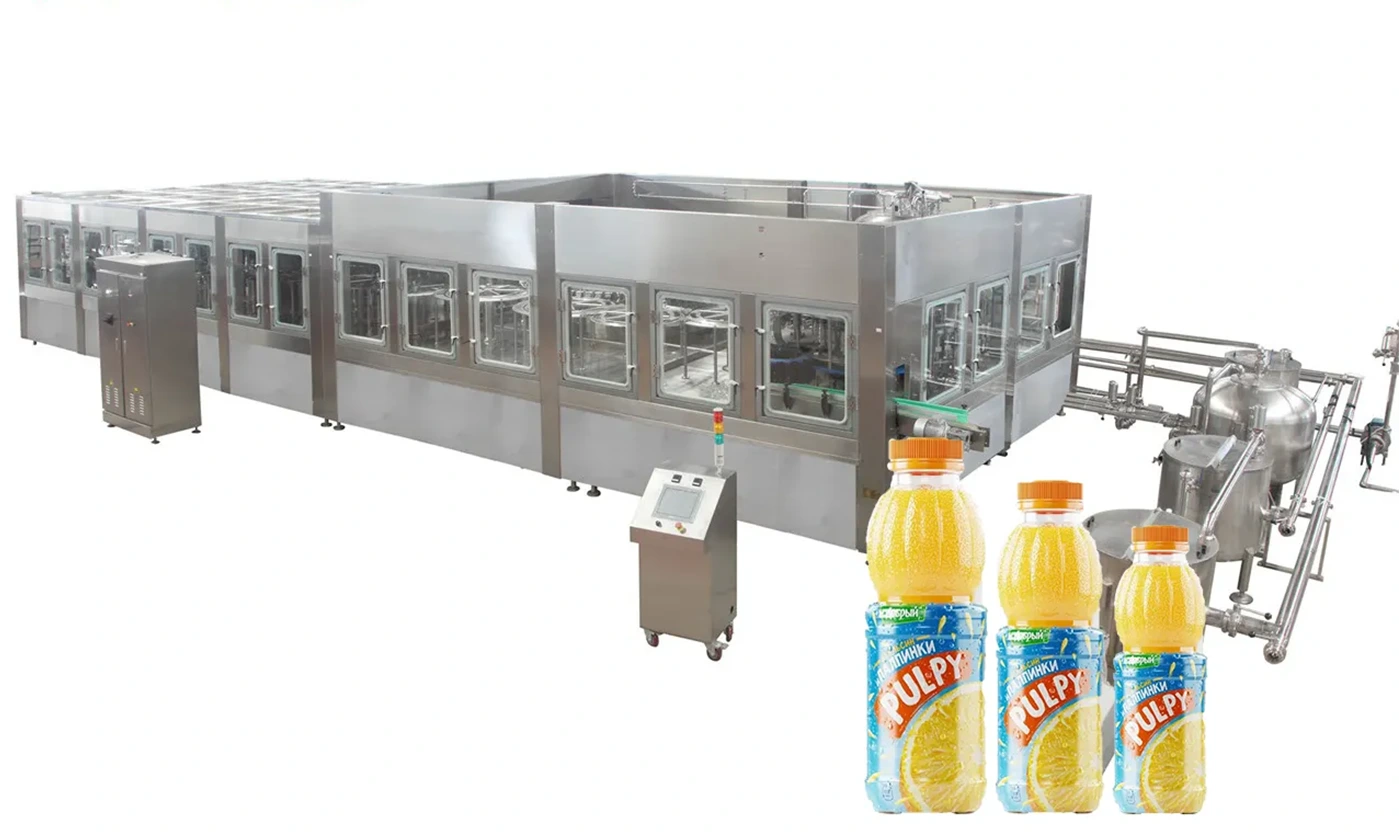
Over time, beverage filling machines tend to accumulate significant stains, which not only compromise the hygiene of the equipment but can also lead to blockages. Therefore, it’s crucial to adhere to the correct filling methods:
1.Maintain cleanliness of the beverage filling machine pipelines. All pipelines, especially those directly or indirectly in contact with the materials, should be kept clean. Weekly rinsing, daily flushing with water, and sterilization before each use are essential. Ensure the cleanliness of the filling machine, including rinsing and sterilizing its material troughs, to prevent any accumulation of dirt or bacteria in areas in contact with the materials.
2.Ensure the biological stability sterilization of bottled liquids during the production process. Manufacturers of Zhangjiagang edible oil filling machines recommend controlling sterilization time and temperature to ensure optimal results. Avoid prolonged sterilization or excessive temperatures to minimize liquid oxidation. After sterilization, rapid cooling is advised to keep the temperature below 35°C to prevent overheating.
3.Low-temperature filling imposes minimal demands on beverage filling machines. Liquids generally produce less foam in low-temperature environments, which is advantageous for filling.
4.Prior to each operation of the filling machine, lower the temperature of the filling machine trough and conveying pipelines with water between 0 and 1°C. If the filling temperature exceeds 4°C, it should be lowered before filling. Utilize insulation troughs and maintain a constant temperature during filling to ensure stable operation of the machine and prevent temperature fluctuations.
5.Additionally, the filling equipment should be segregated from other devices. Avoid cross-contamination between the smooth parts of the filling machine and the material-filled sections. Use specific soap or lubricating oil for smooth operation of conveyor belts.
Talk to our engineering team
Need help planning your packaging line?
Share your product, bottle and capacity requirements for a practical equipment recommendation.
2024-03-15
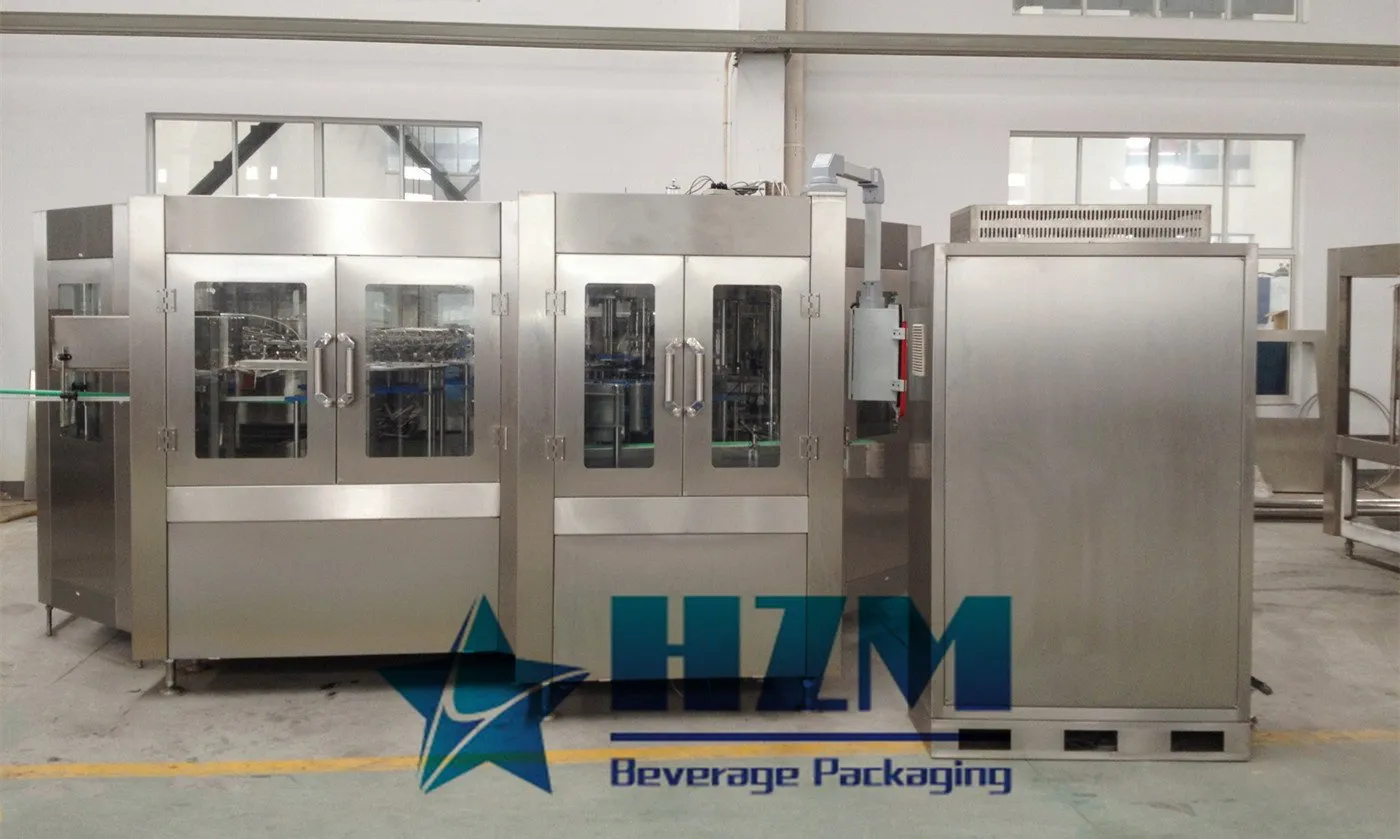
Proper Installation Methods for Beverage Production Lines
Beverage production lines are common equipment in modern industrial production, efficiently completing the processes of beverage production and packaging. Correct installation methods are crucial to ensuring the normal operation and production efficiency of the production line.
Learn more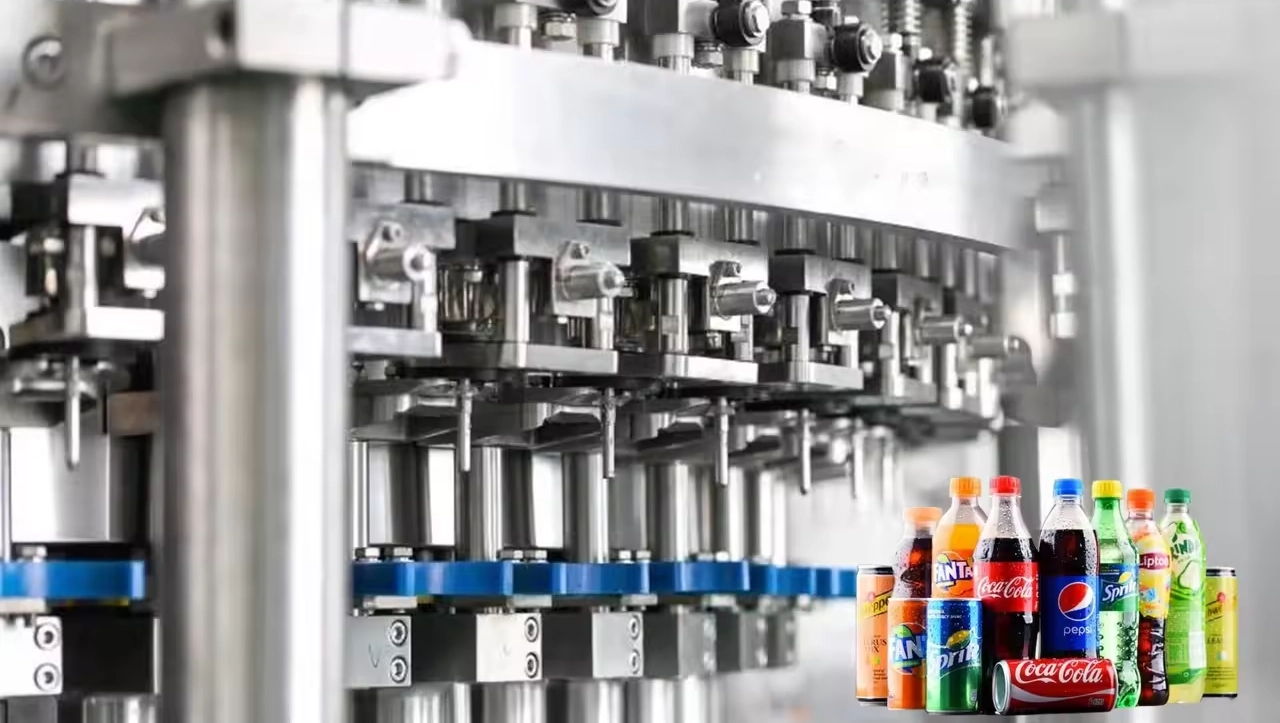
2024-10-09
Beverage Packaging Machine: Cleaning and Maintenance Guide
The beverage packaging machine is a crucial piece of equipment in beverage production, primarily used to fill beverages into containers. To ensure sanitary and safe production and prevent contamination, regular cleaning and maintenance of the machine are essential.
Learn more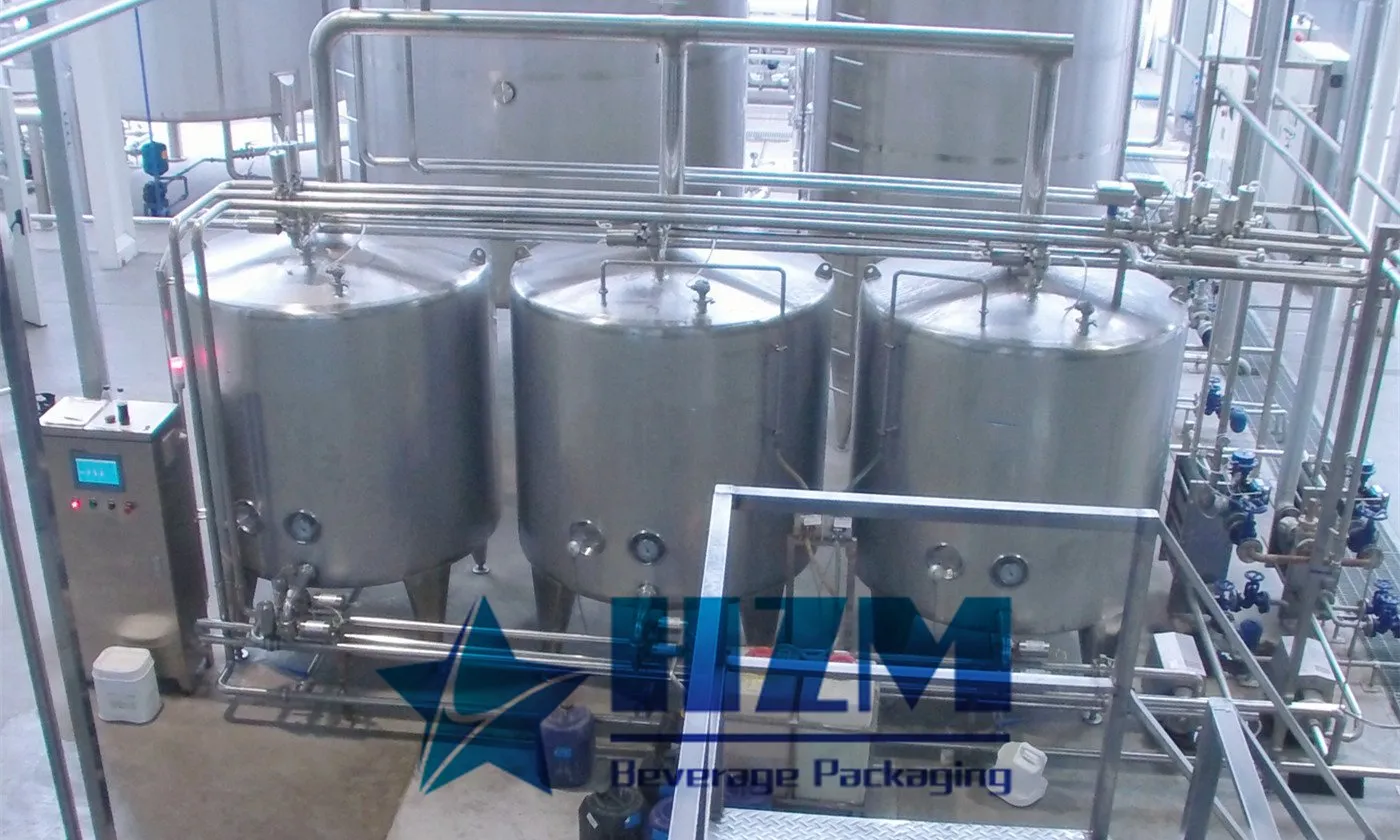
2024-05-14
What is a CIP cleaning system?
CIP cleaning system, also known as Clean In Place system, refers to a safe and automatic cleaning system that can be achieved through simple operation methods without dismantling production equipment.
Learn more2025-03-28
Principle and Application of CIP Cleaning System
The CIP cleaning system is an essential hygiene solution in water and beverage production. By providing an efficient and convenient cleaning process, it ensures equipment sanitation, improves production efficiency, extends equipment lifespan, and reduces energy consumption
Learn more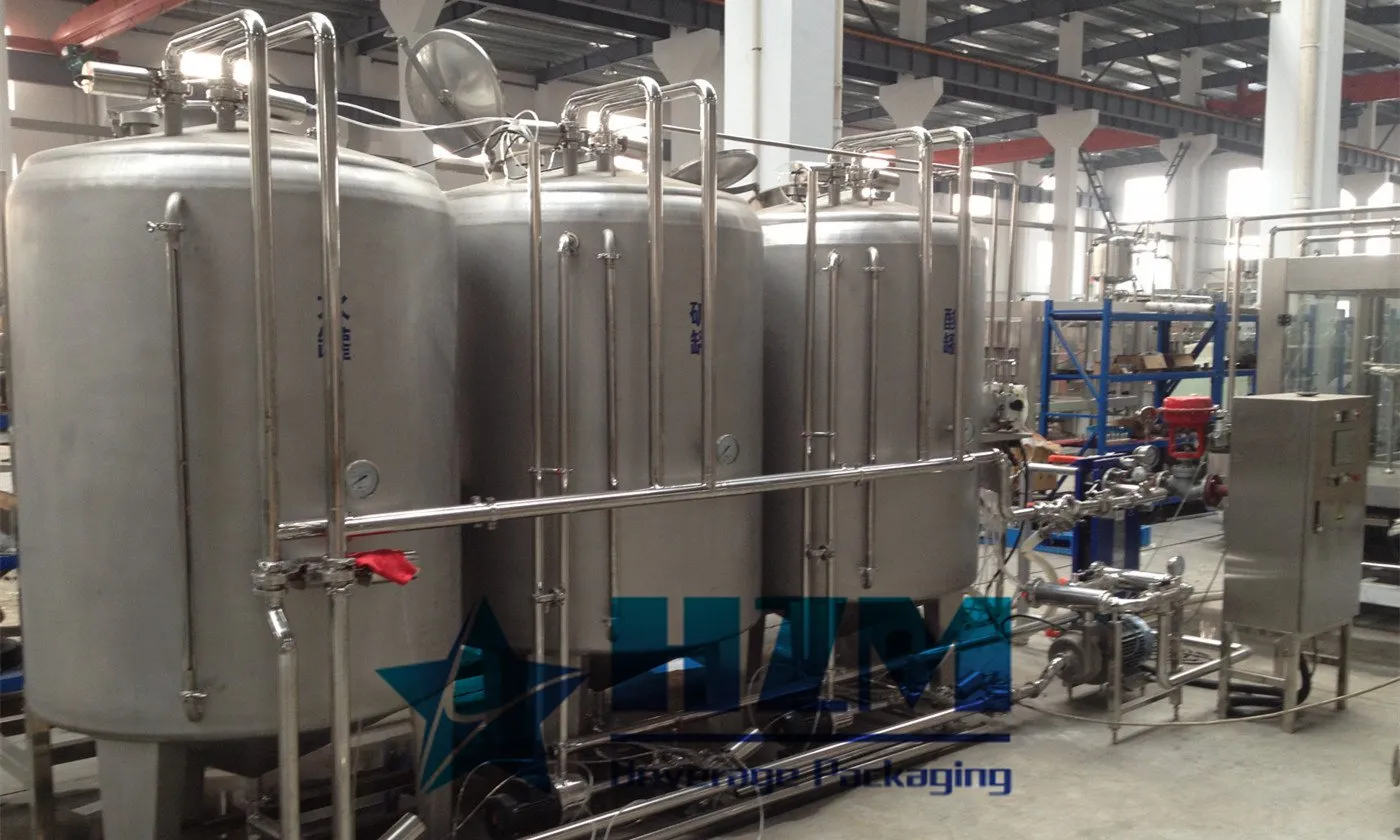
2025-03-02
The Role of the CIP Cleaning System in Water and Beverage Production Lines
The CIP system effectively removes these residues from the inner walls of pipelines, tanks, valves, and other equipment through powerful cleaning and sterilization, preventing microbial contamination and ensuring that products meet hygiene standards.
Learn more2024-03-19
Effective Cleaning Techniques for Liquid Filling Machines
After using the liquid filling machine, cleaning is essential to ensure a clean environment for subsequent use. Today, we'll introduce two main cleaning methods for the liquid filling machine after operation:
Learn more