
Insights & Updates
3 Key Principles to Consider When Purchasing Filling Machines
Filling machines are gradually becoming indispensable equipment in industries such as food, pharmaceuticals, and daily chemicals. To ensure that the equipment operates at its highest efficiency, three main factors should be considered when purchasing.
Principle of High Productivity and Good Product Quality
The productivity directly reflects the filling production capacity, with higher productivity leading to better economic benefits. To improve product quality, it’s essential to select filling machines with high precision and automation levels. However, the higher quality equipment typically comes with a higher price tag, increasing the unit cost of the product. Therefore, when choosing a filling machine, it’s crucial to consider various factors in combination with market demands.
Principle of Serving Production Processes
Firstly, suitable filling machines should be selected based on the nature of the filling materials to meet production process requirements. For example, for juices where minimizing air exposure is essential to maintain product quality, vacuum filling machines are generally preferred over cup or atmospheric filling machines. Secondly, the production capacity of the filling machine should match the processing and packaging machinery of the preceding and subsequent processes.
Principle of Wide Process Range
The process range of a filling machine refers to its ability to adapt to different production requirements. A wider process range enhances equipment utilization, allowing for versatile use where the same equipment can be used to fill various materials and specifications. Therefore, to meet the diverse production requirements of the beverage industry, it’s advisable to choose filling machines with a wide process range.
Talk to our engineering team
Need help planning your packaging line?
Share your product, bottle and capacity requirements for a practical equipment recommendation.
Equipment
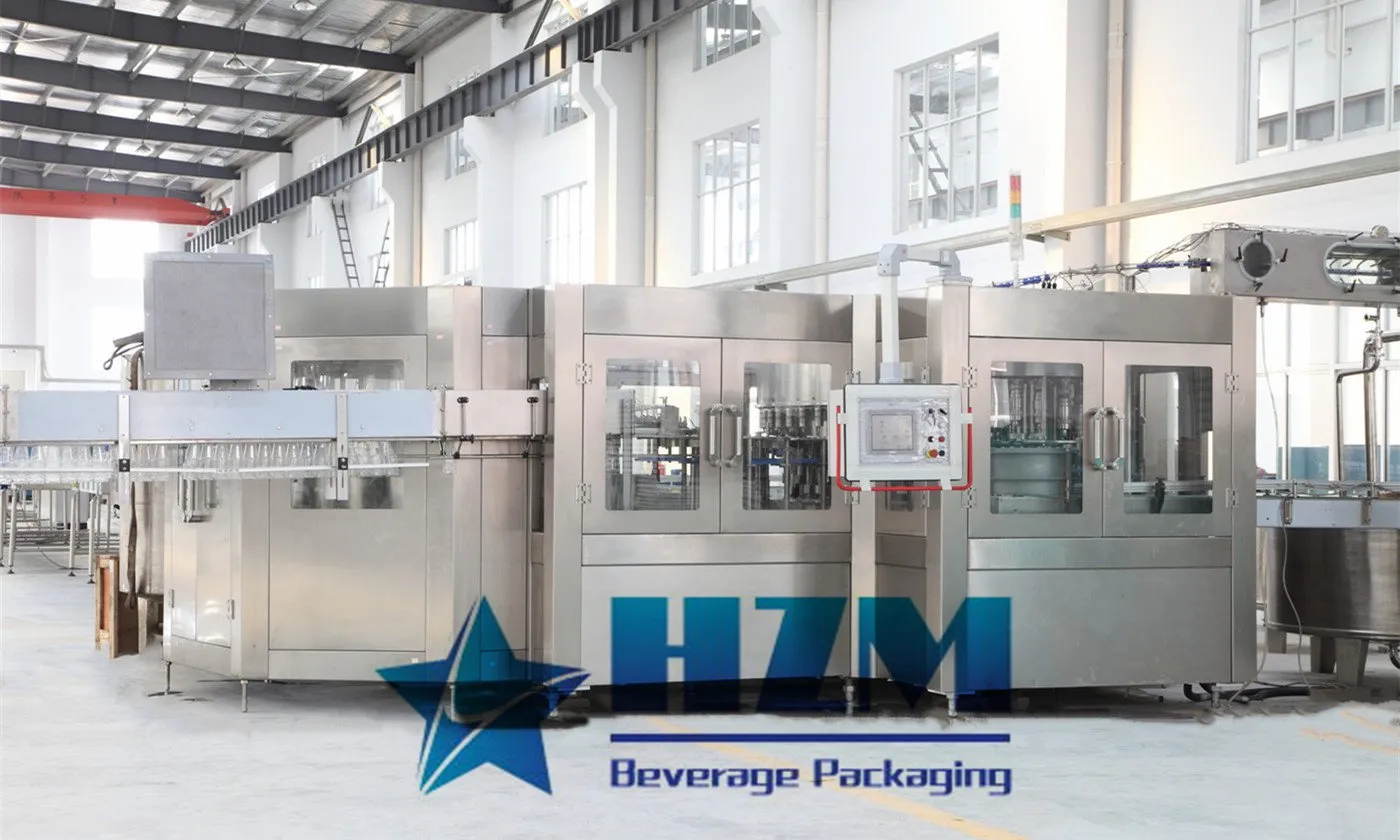
PET Bottle Water Filling Machine
PET bottle water filling with automatic rinsing and capping, for purified water, mineral water and still drinking water.
Learn more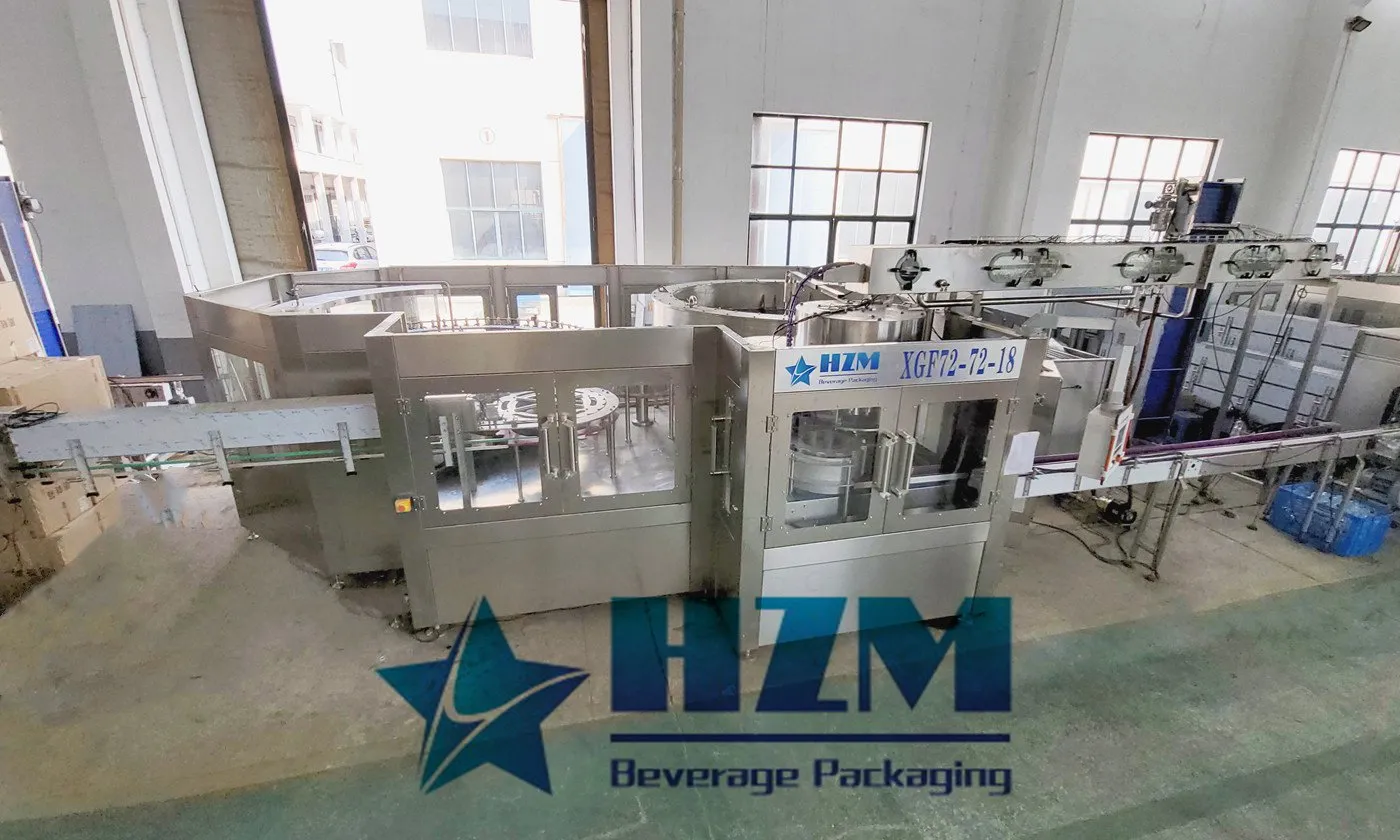
Equipment
Automatic Water Bottle Filling Machine
Automatic rinsing, filling and capping for purified and mineral water in PET bottles, with capacities of 5,000–42,000 bottles/hour at 500 ml.
Learn more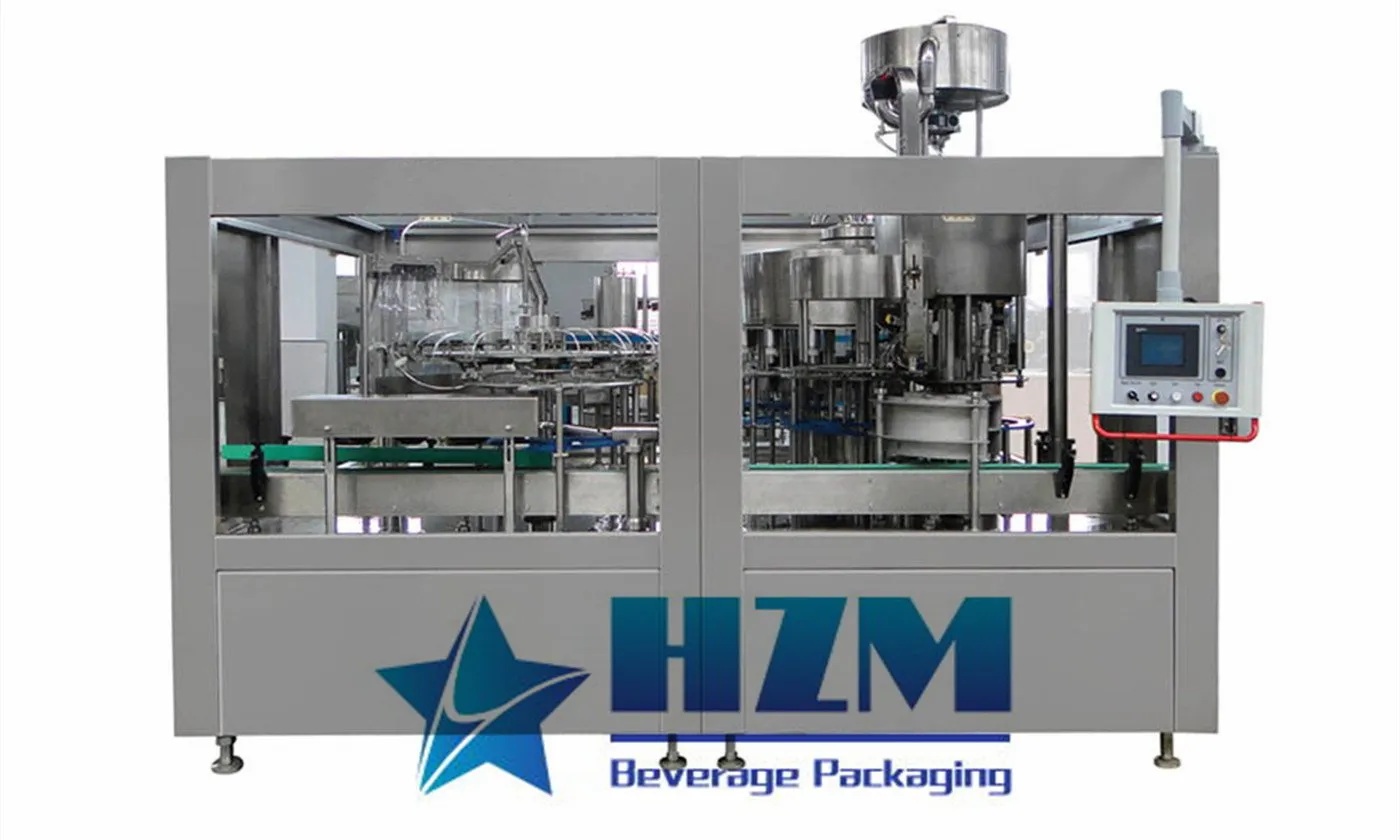
Equipment
3-10L Big PET Bottle Water Filling Machine
Large PET bottle water filling equipment for 3–10 L containers, combining rinsing, filling and capping.
Learn more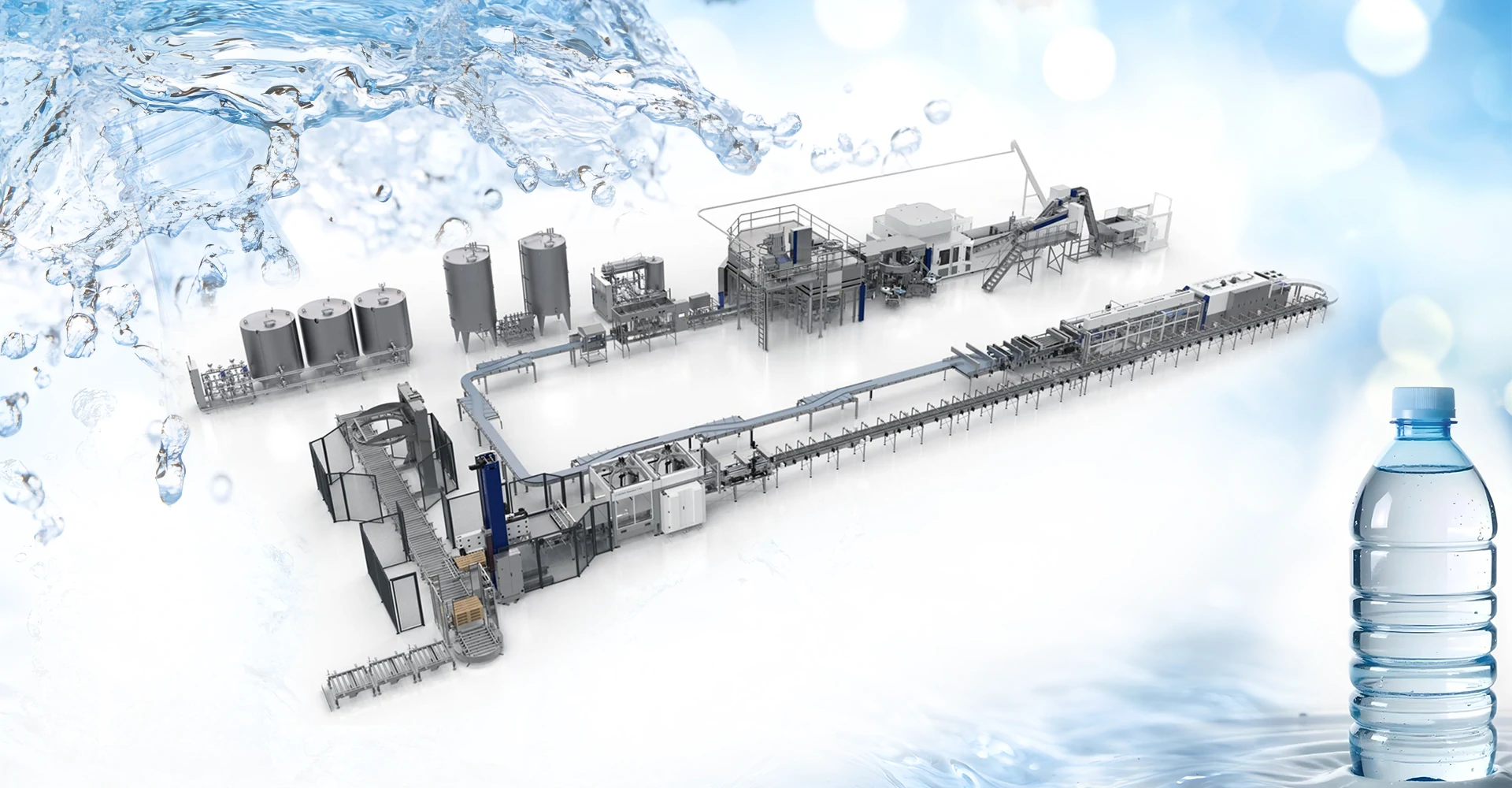
Equipment
Drinking water production line – Bottled Water Filling Machine Manufacturer
PET-bottled drinking-water production with automatic rinsing, filling and capping, plus water treatment and packaging equipment.
Learn more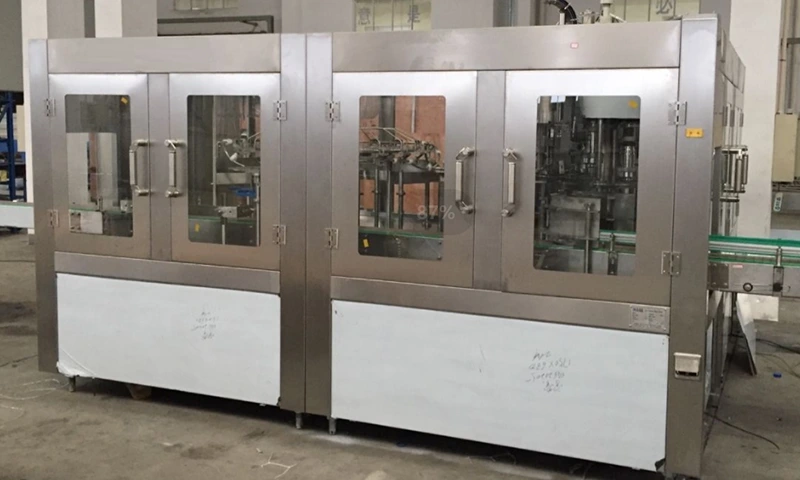
Equipment
10L Water Filling Machine 1200BPH – Automatic Washing Filling Capping Machine
RSXGF12-12-5(110Π) automatic rinsing, filling and capping for 10 L water bottles at 1,100–1,200 bottles/hour.
Learn more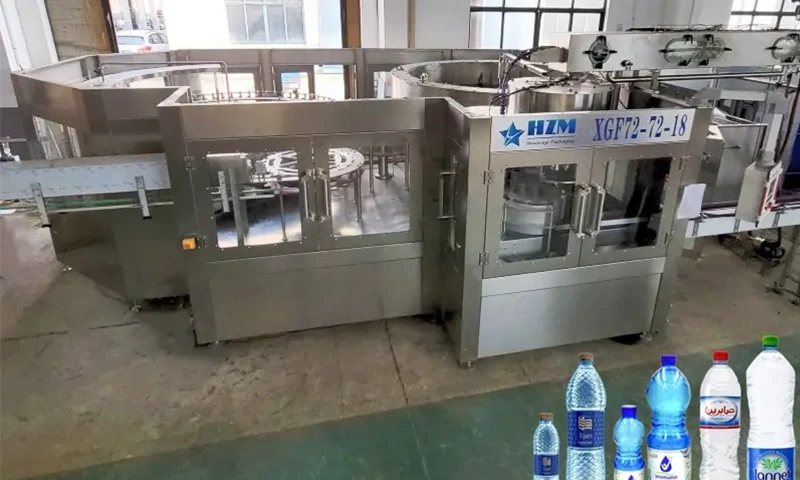
Equipment
3-In-1 Water Bottle Filling Machine
A 3-in-1 PET bottle rinsing, filling and capping machine for drinking water, from 5,000 to 18,000 bottles/hour at 500 ml.
Learn more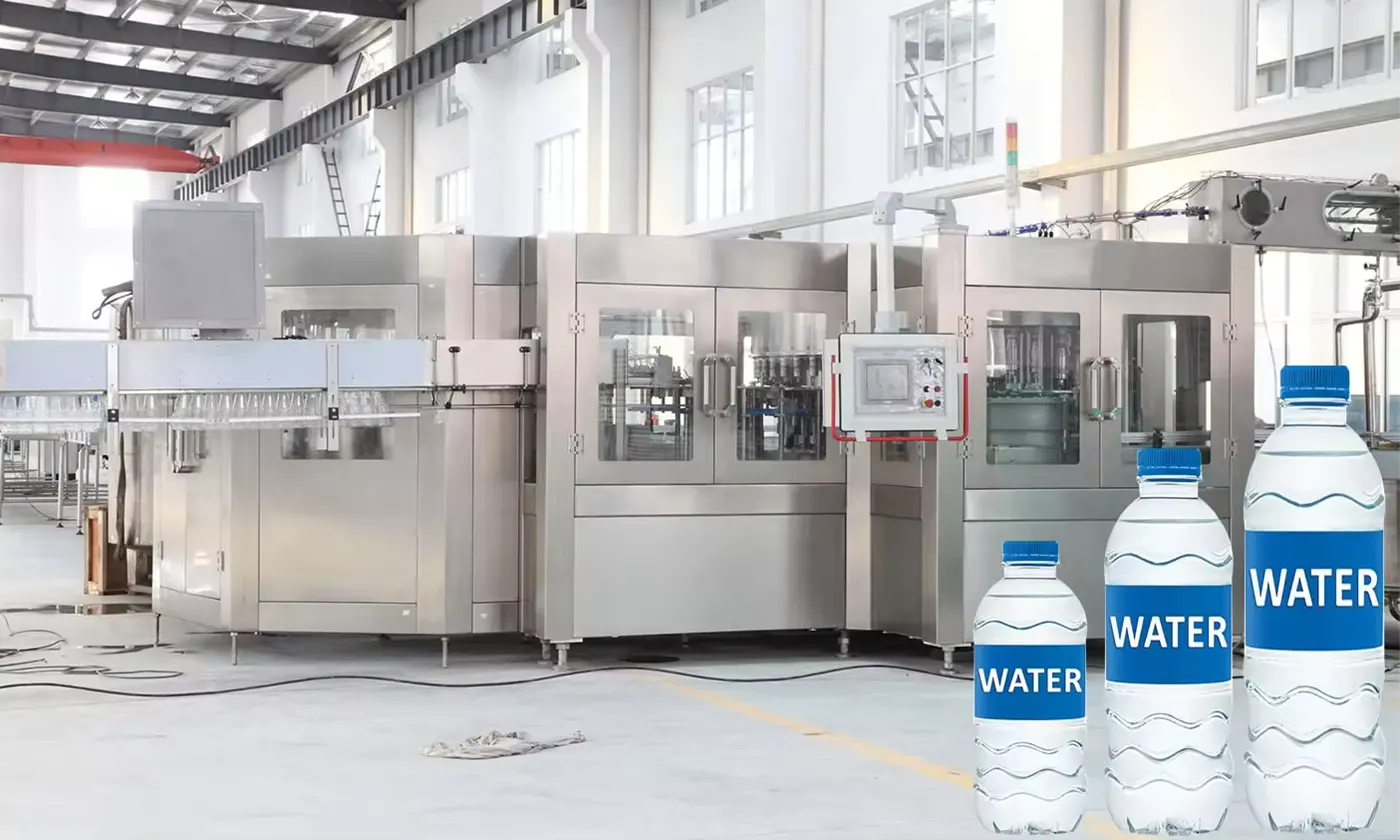
Equipment
Automatic Small Bottle Pure Water Filling Machine
Small PET bottle pure-water filling with automatic rinsing and capping, from 5,000 to 18,000 bottles/hour at 500 ml.
Learn more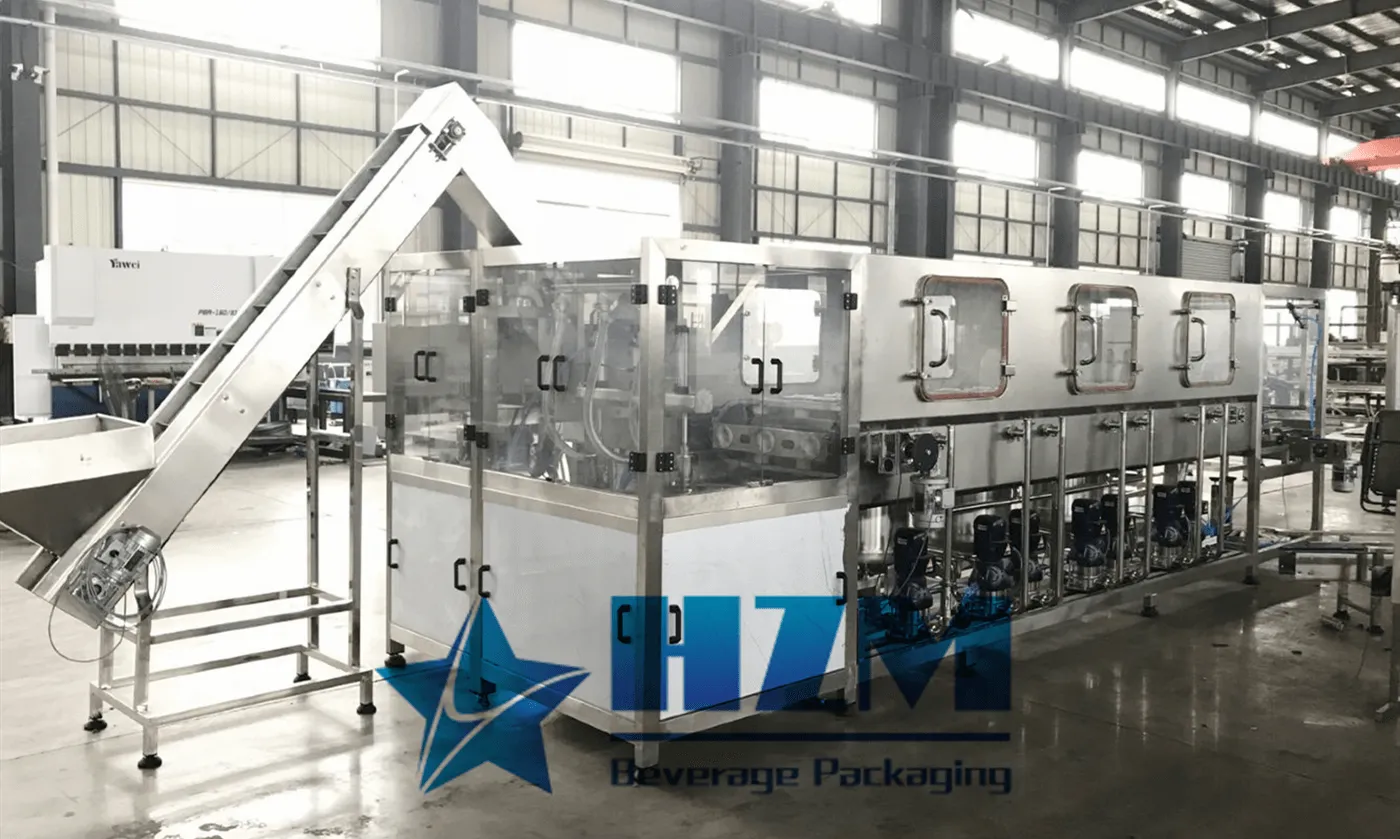
Equipment
3-5 Gallon Water Filling Line
Automatic washing, filling and capping for 3–5 gallon drinking-water jars, with QGF models from 120 to 900 jars/hour at 5 gallons.
Learn more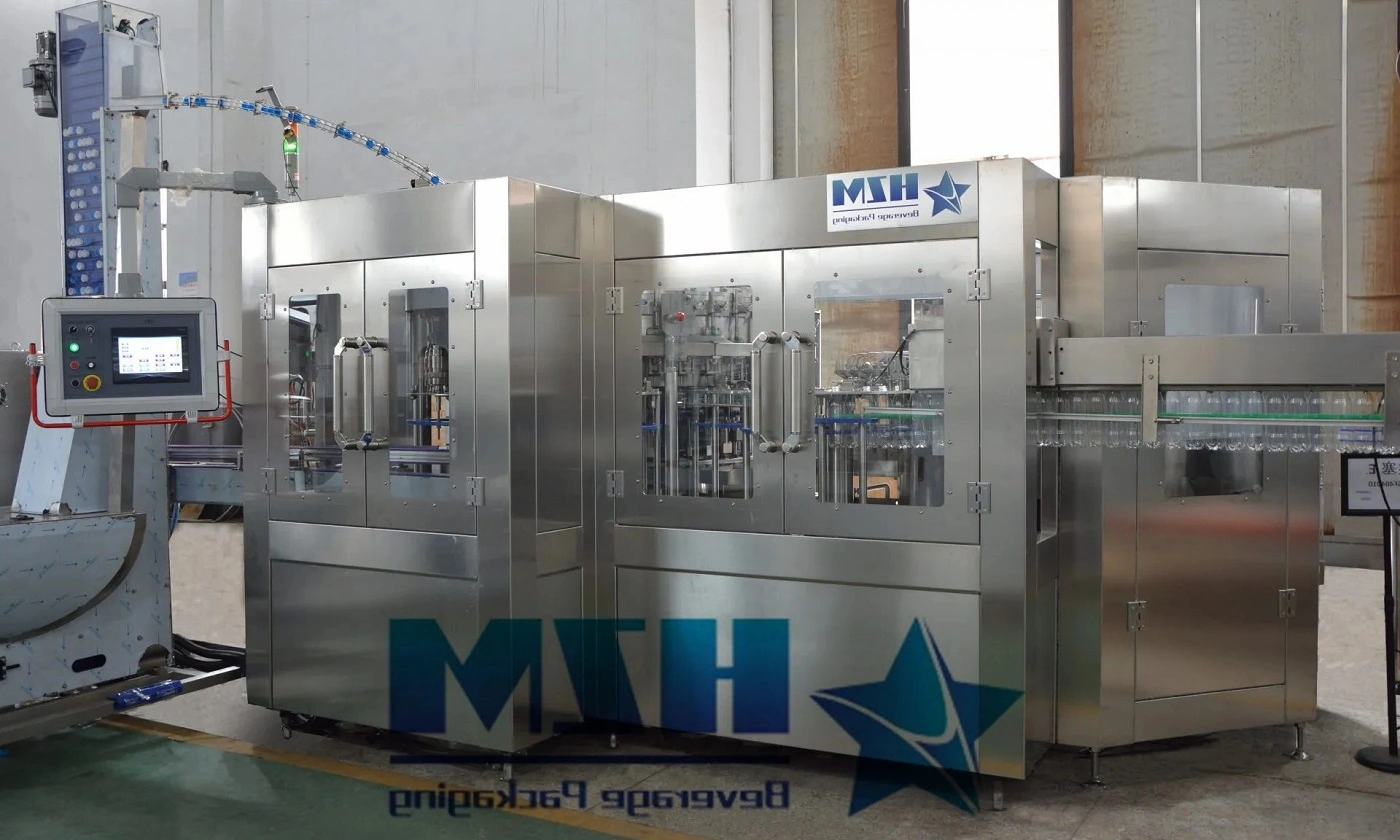
Equipment
Soft Drinks Sparkling Water Filling Machine
PET bottle filling for soft drinks and sparkling water, combining rinsing, counter-pressure filling and capping.
Learn more2024-02-27
Comprehensive Guide to the Three-in-One Filling Machine
The Three-in-One Filling Machine is utilized for the filling production of various non-gaseous liquids in glass and polyester bottles. It achieves fully automatic bottle flipping, filling, and capping on one machine, thereby reducing the contact time between materials and the external environment.
Learn more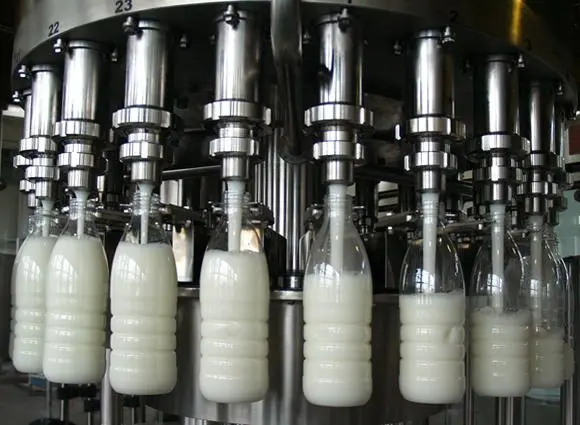
2023-09-12
Beverage Filling Machine Purchasing Guide
the beverage filling machine plays a crucial role in the daily operations of beverage production companies. This guide aims to provide you with a comprehensive beverage filling machine purchasing guide, helping you make informed decisions during the procurement process.
Learn more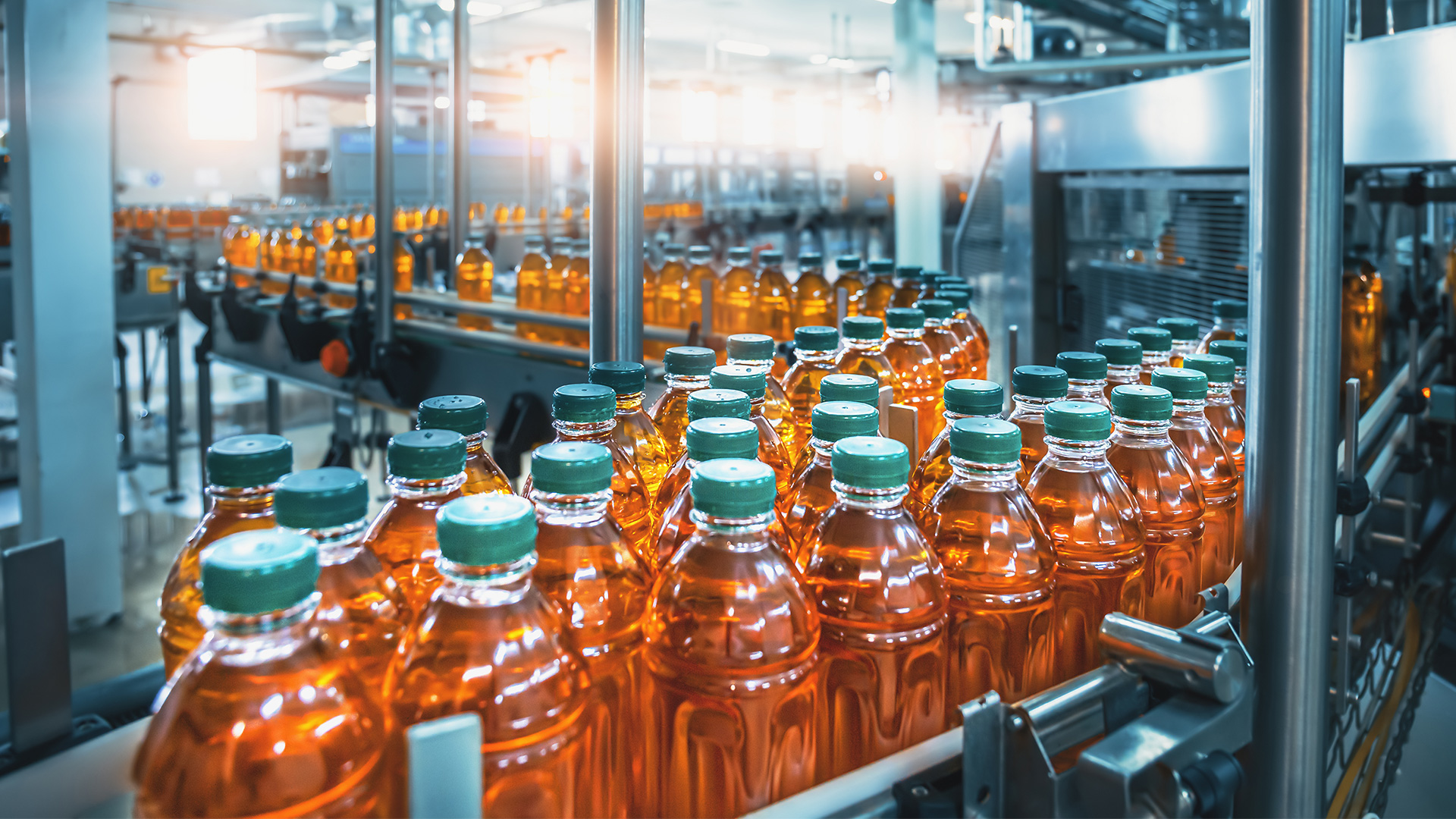
2023-09-29
Beverage Filling Machine Equipment Price Guide
The price of beverage filling machine equipment has always been a focal point of concern for many enterprises. When purchasing a beverage filling machine, price is an unavoidable and important factor. This article will analyze the price of beverage filling machine equipment from the perspectives of market demand, product performance, price factors, and purchasing recommendations. […]
Learn more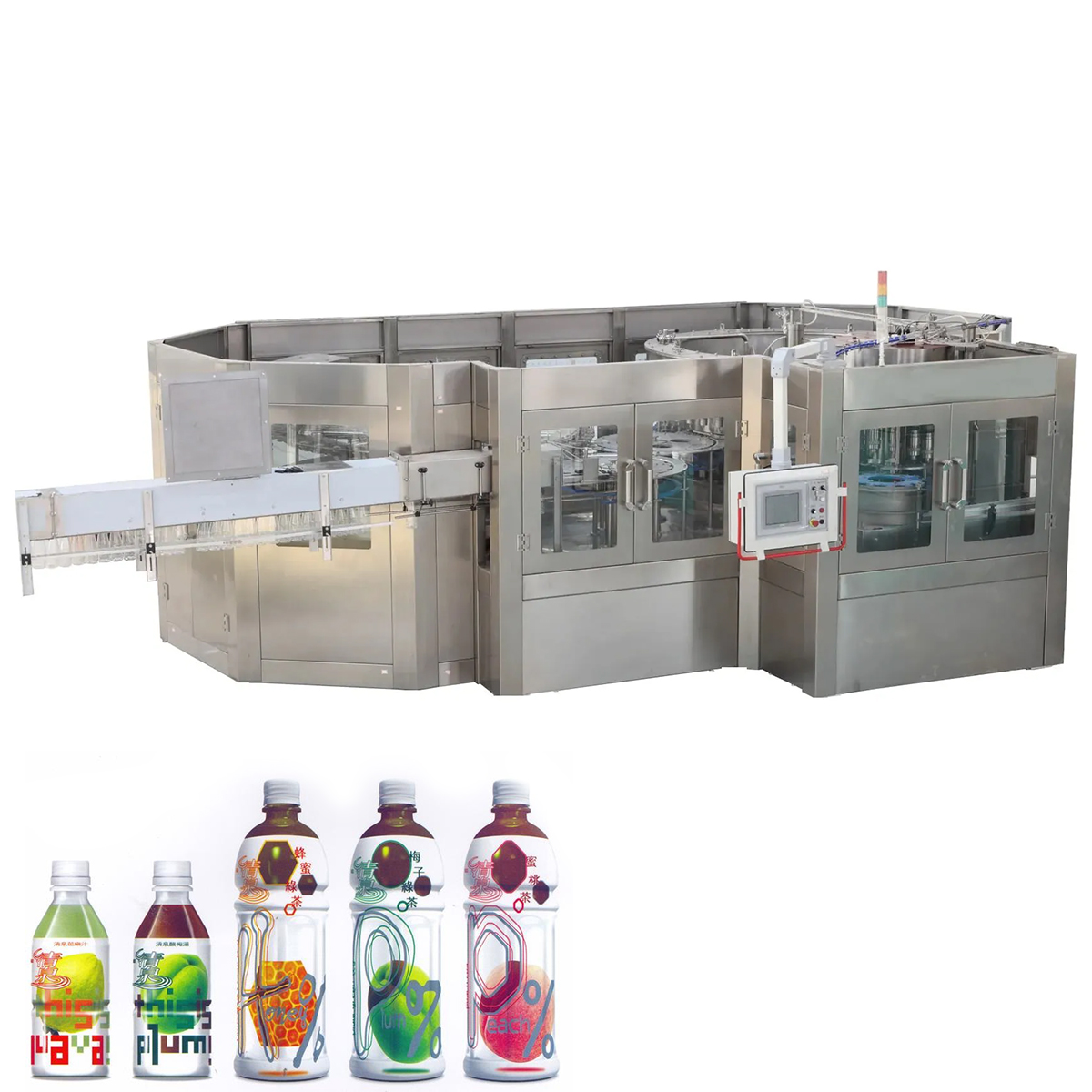
2023-07-08
Filling Machine Manufacturer – HZM Machinery’s Product Overview
High-quality filling machines are extensively used in industries such as mineral water, fruit juice, carbonated beverages, canned beverages, and edible oil. A filling machine is a fully automatic multifunctional combined unit that includes washing, filling, and capping processes
Learn more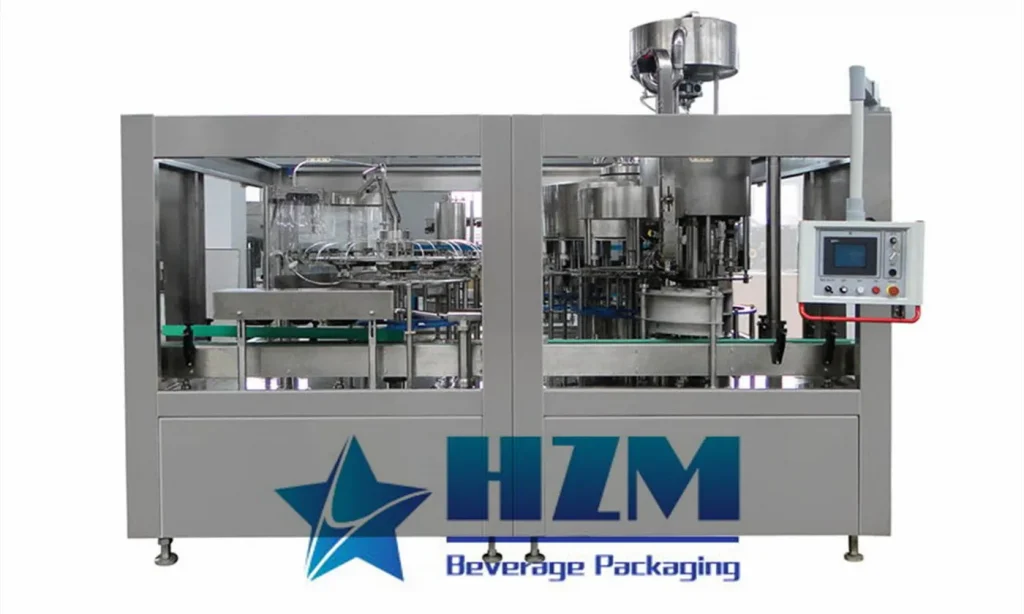
2023-06-27
What is the Working Principle of 3 in 1 Water Filling Machine?
Do you want to set up a unit where you will be manufacturing non-carbonated drinks and filling them into bottles? Now you must decide whether you want to get different machines with different functions like one for cleaning, filling and one for capping or you would like to get 3 in 1 water filling machine?
Learn more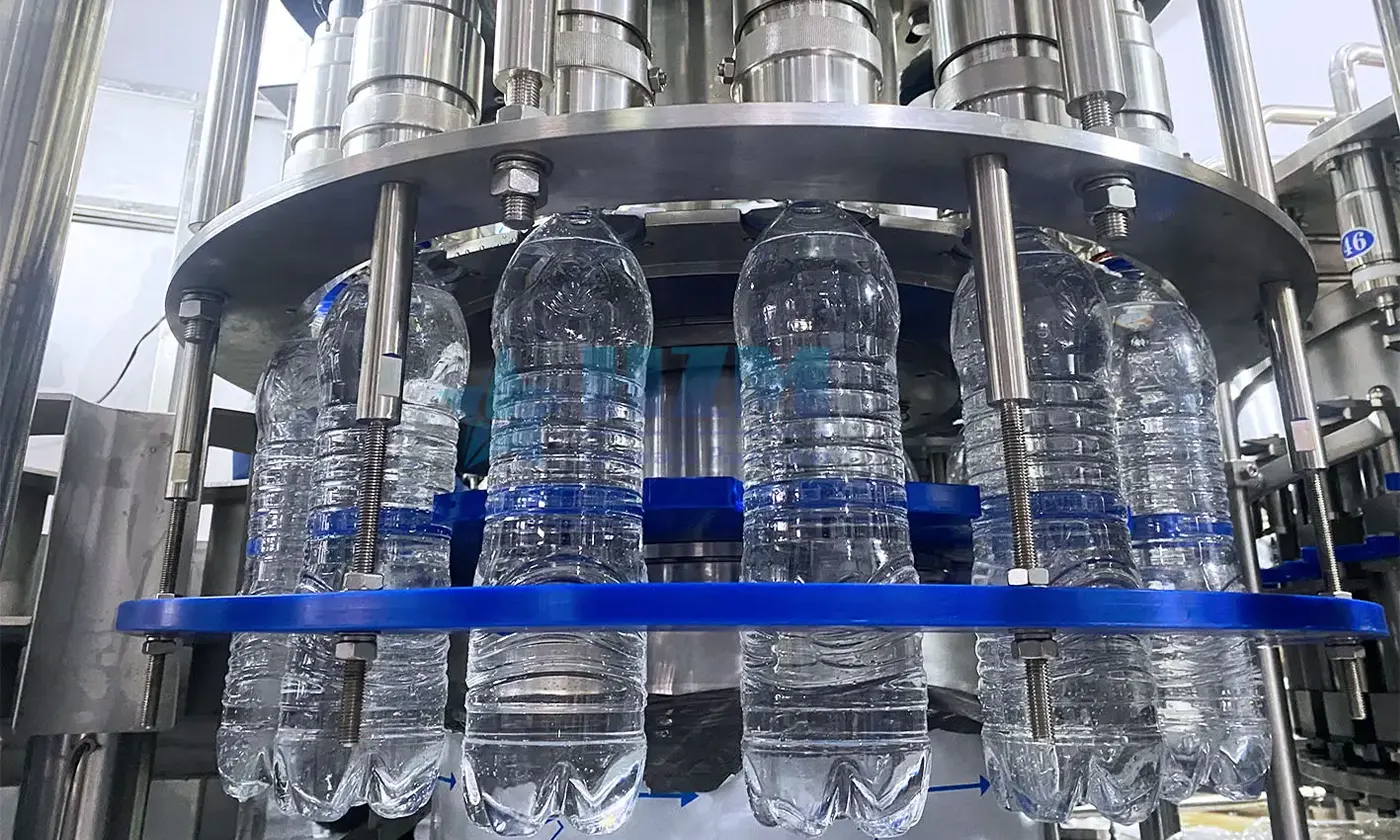
2023-12-24
Water Filling Machine for Sale
If you are interested in purchasing a water filling machine, please contact us today. We would be happy to discuss your needs and recommend the best machine for your application.
Learn more