
Insights & Updates
Unveiling the Precision and Efficiency of Water Filling Machines
Talk to our engineering team
Need help planning your packaging line?
Share your product, bottle and capacity requirements for a practical equipment recommendation.
Equipment
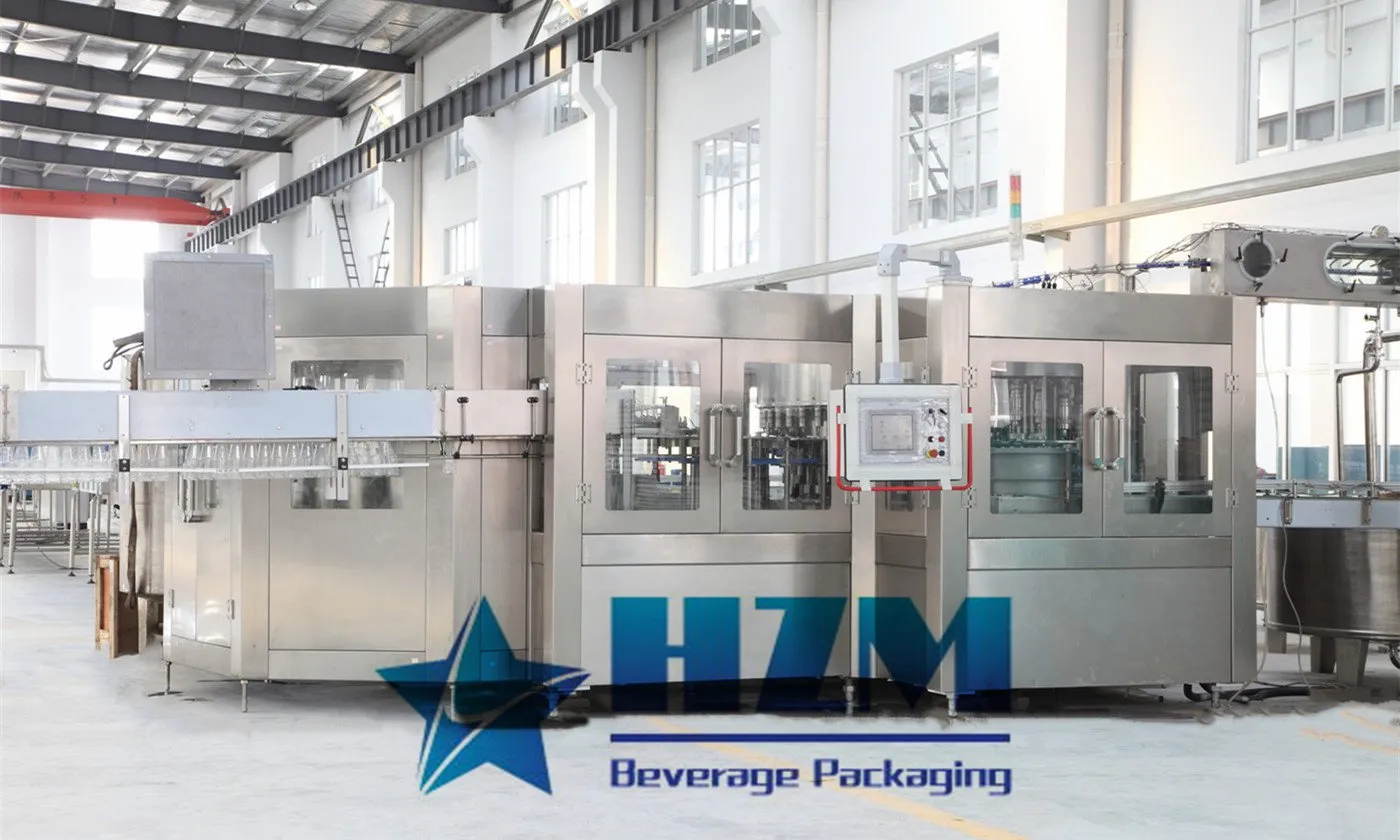
PET Bottle Water Filling Machine
PET bottle water filling with automatic rinsing and capping, for purified water, mineral water and still drinking water.
Learn more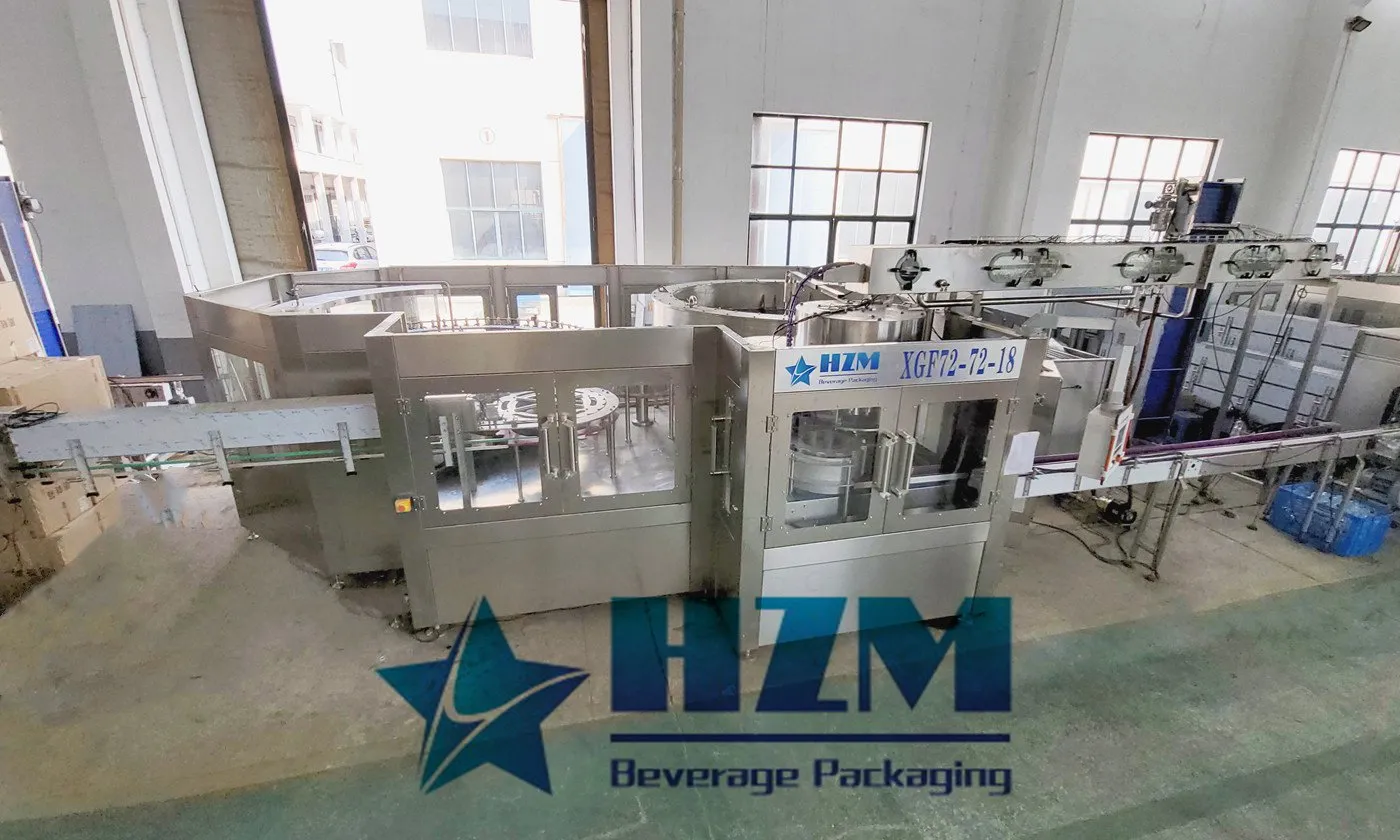
Equipment
Automatic Water Bottle Filling Machine
Automatic rinsing, filling and capping for purified and mineral water in PET bottles, with capacities of 5,000–42,000 bottles/hour at 500 ml.
Learn more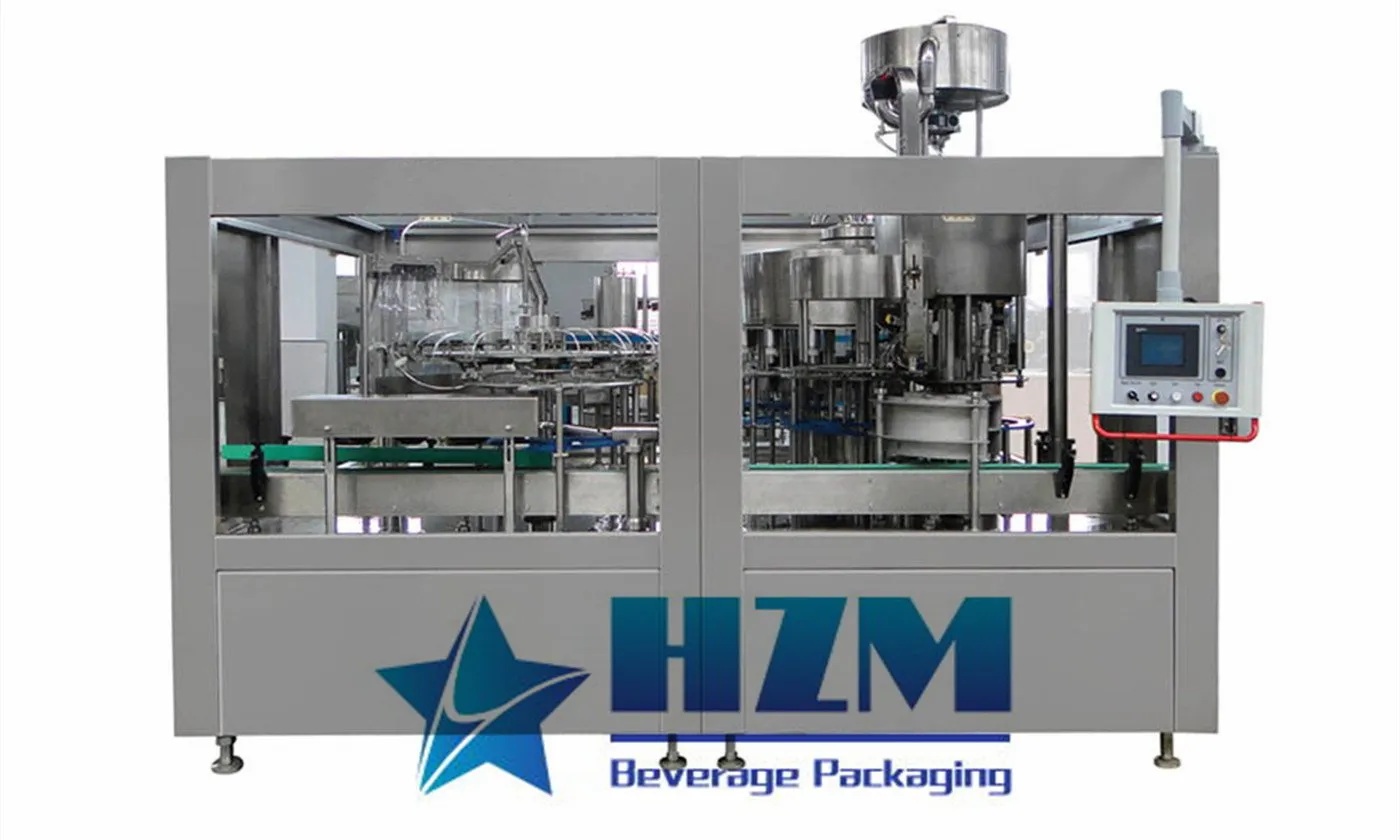
Equipment
3-10L Big PET Bottle Water Filling Machine
Large PET bottle water filling equipment for 3–10 L containers, combining rinsing, filling and capping.
Learn more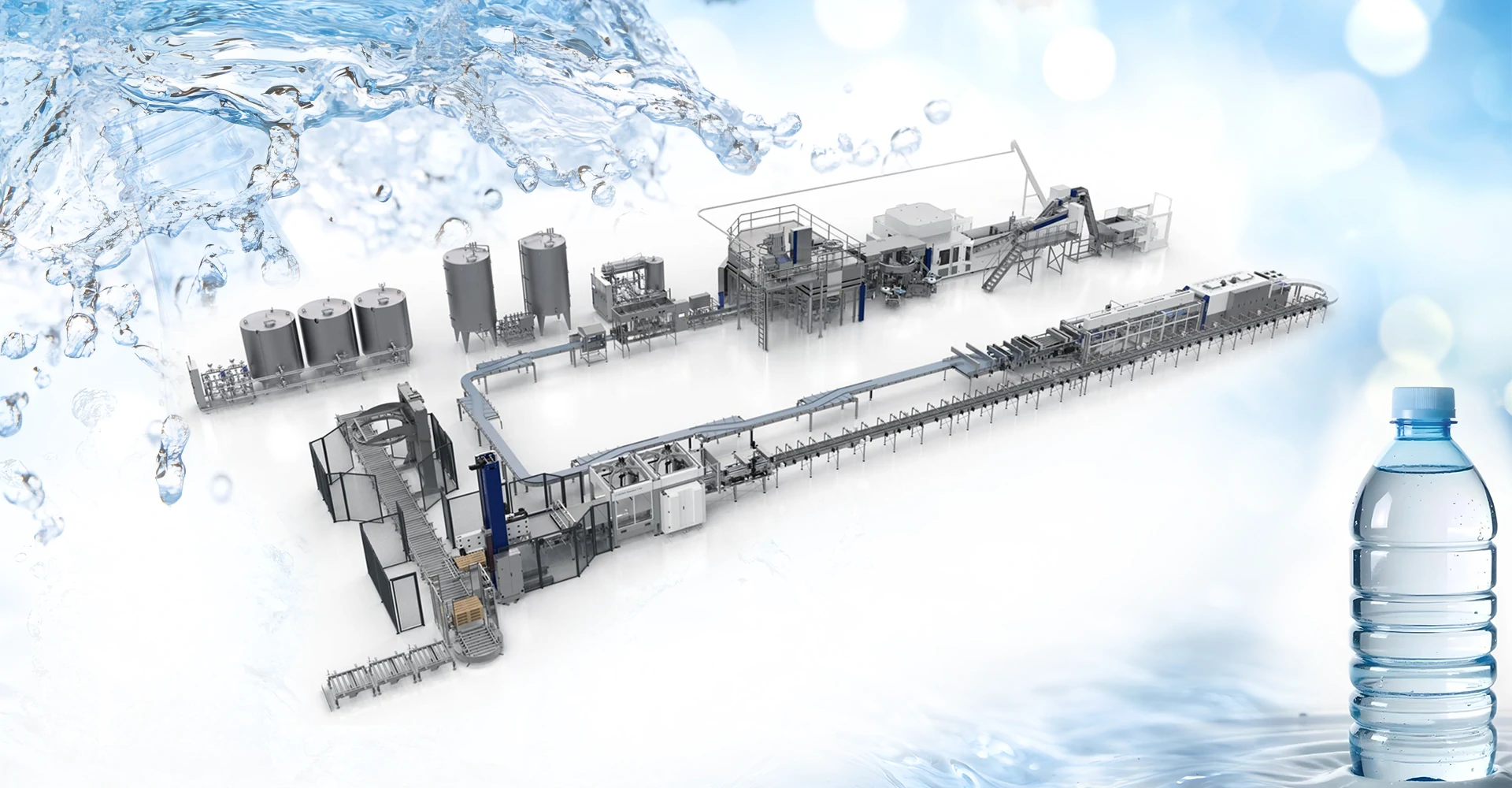
Equipment
Drinking water production line – Bottled Water Filling Machine Manufacturer
PET-bottled drinking-water production with automatic rinsing, filling and capping, plus water treatment and packaging equipment.
Learn more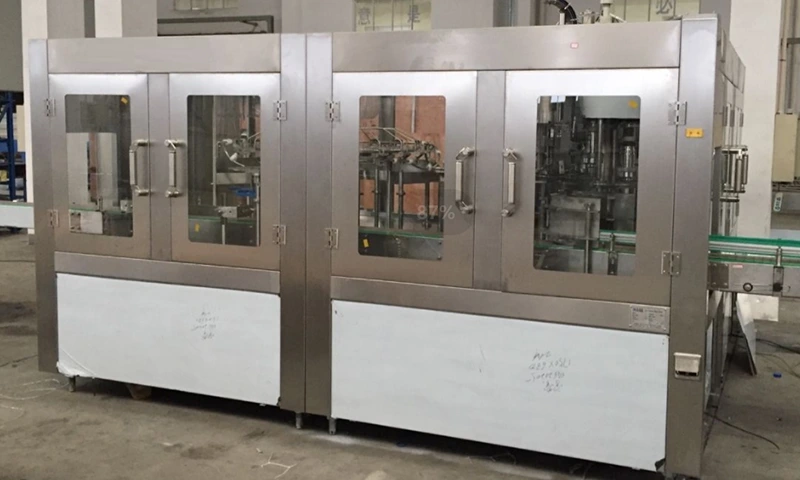
Equipment
10L Water Filling Machine 1200BPH – Automatic Washing Filling Capping Machine
RSXGF12-12-5(110Π) automatic rinsing, filling and capping for 10 L water bottles at 1,100–1,200 bottles/hour.
Learn more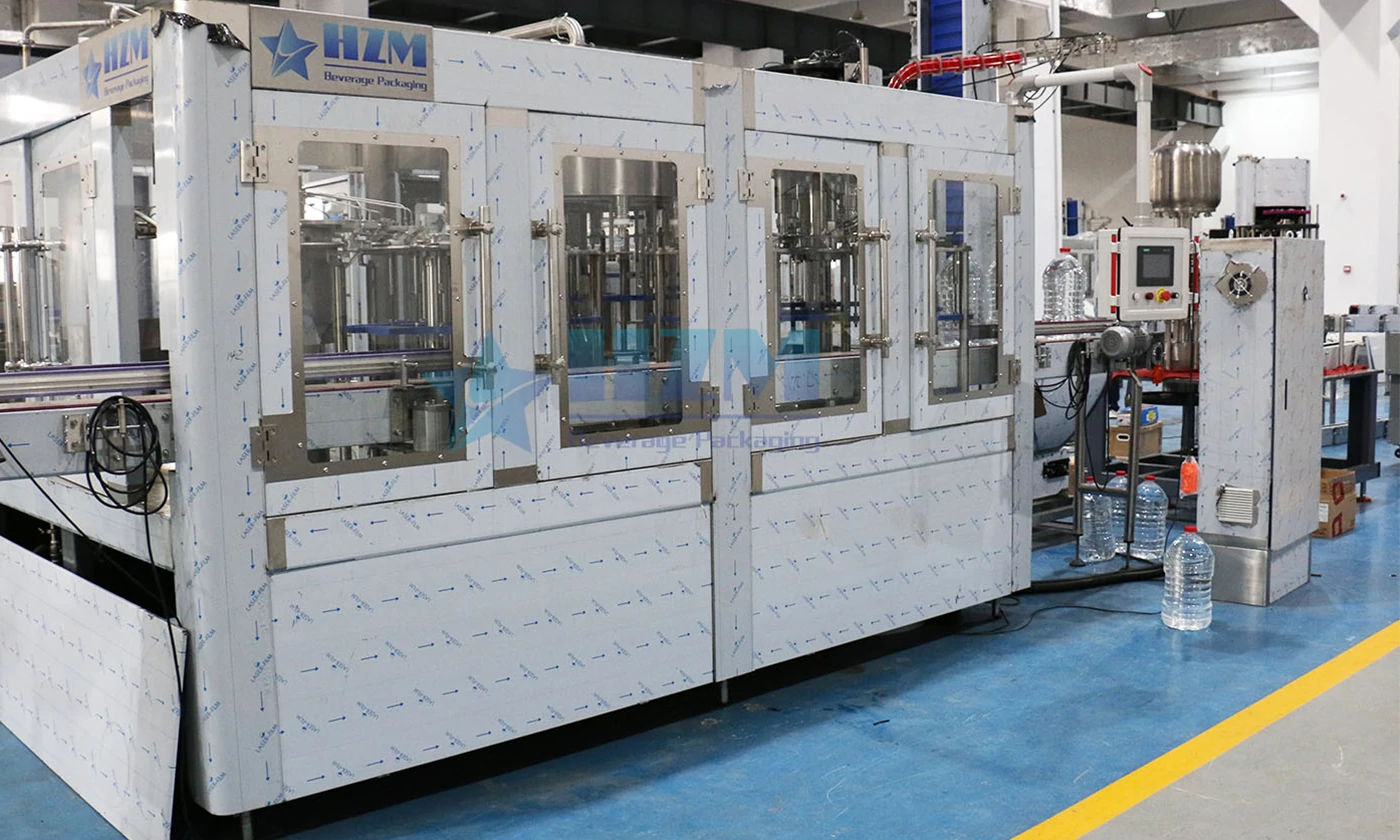
Equipment
5L-10L Large Bottle Drinking Water production line
XGF12-12-4 rinsing, filling and capping for 5 L and 10 L water bottles, with stable outputs of 1,200 and 700 bottles/hour respectively.
Learn more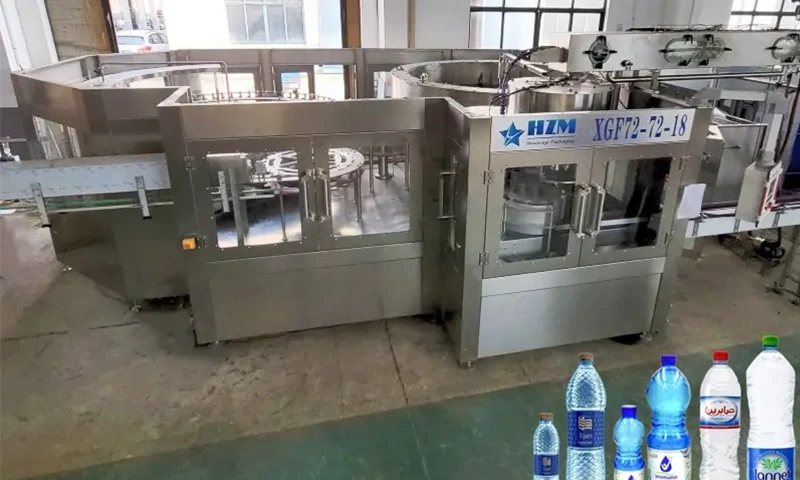
Equipment
3-In-1 Water Bottle Filling Machine
A 3-in-1 PET bottle rinsing, filling and capping machine for drinking water, from 5,000 to 18,000 bottles/hour at 500 ml.
Learn more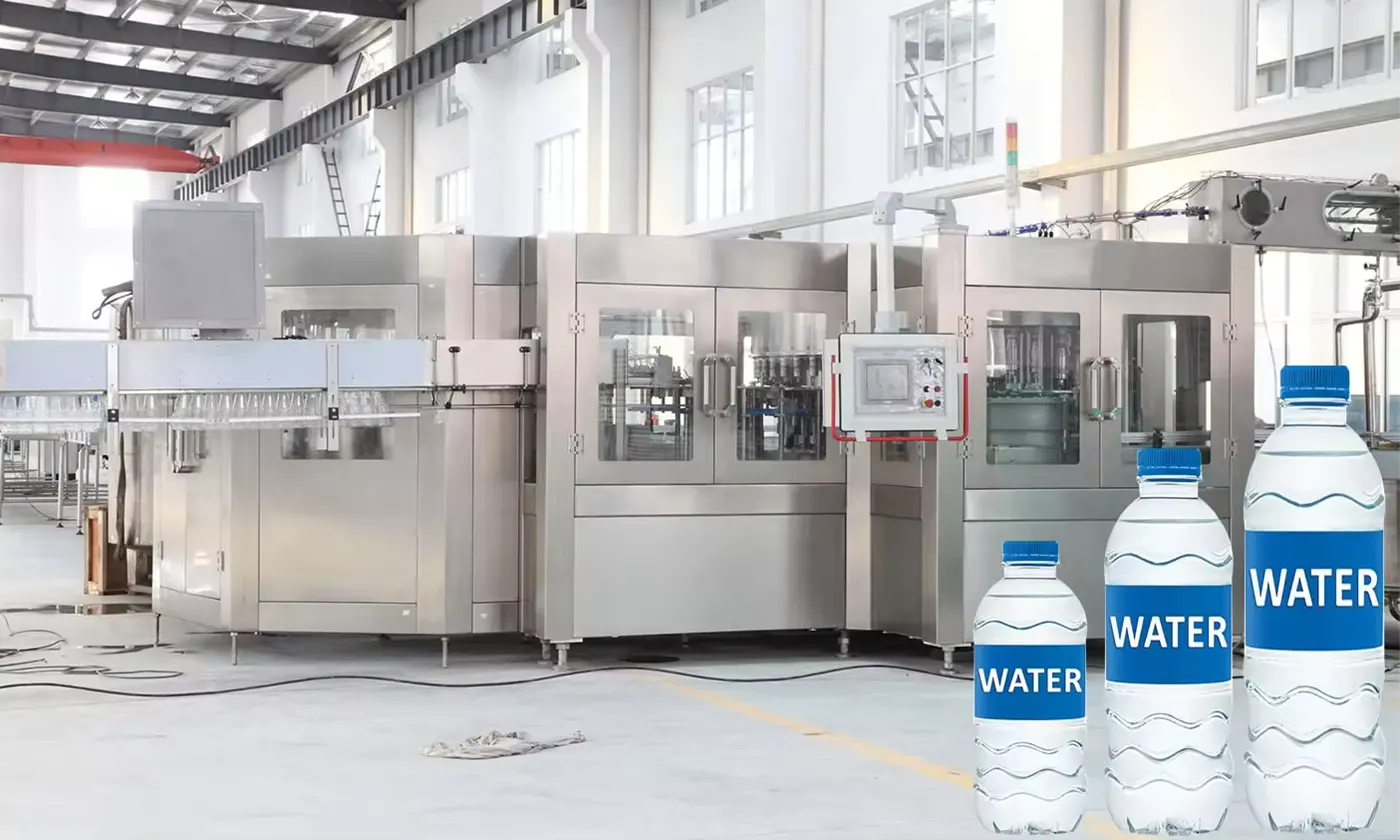
Equipment
Automatic Small Bottle Pure Water Filling Machine
Small PET bottle pure-water filling with automatic rinsing and capping, from 5,000 to 18,000 bottles/hour at 500 ml.
Learn more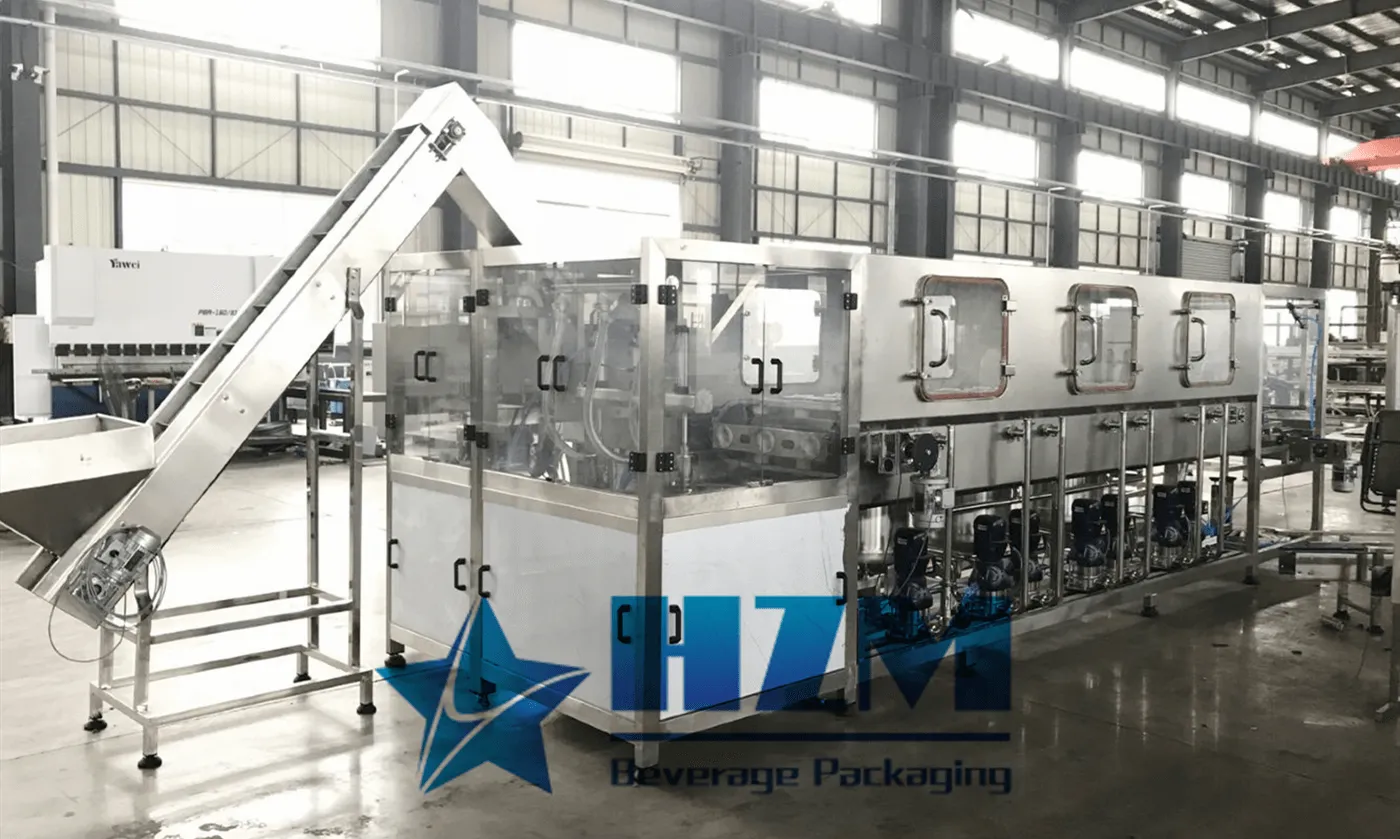
Equipment
3-5 Gallon Water Filling Line
Automatic washing, filling and capping for 3–5 gallon drinking-water jars, with QGF models from 120 to 900 jars/hour at 5 gallons.
Learn more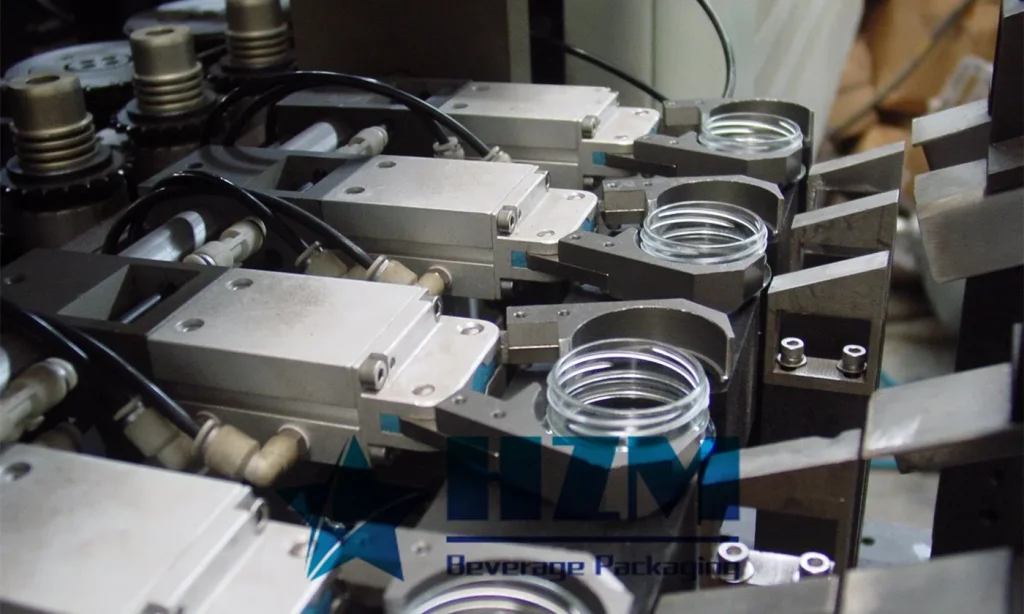
2023-10-26
Advanced 3-in-1 Pure Water Filling Machine,Efficiency and Precision
The 3-in-1 Pure Water Filling Machine employs advanced bottleneck transmission technology to achieve fully automated processes including bottle rinsing, filling, and capping
Learn more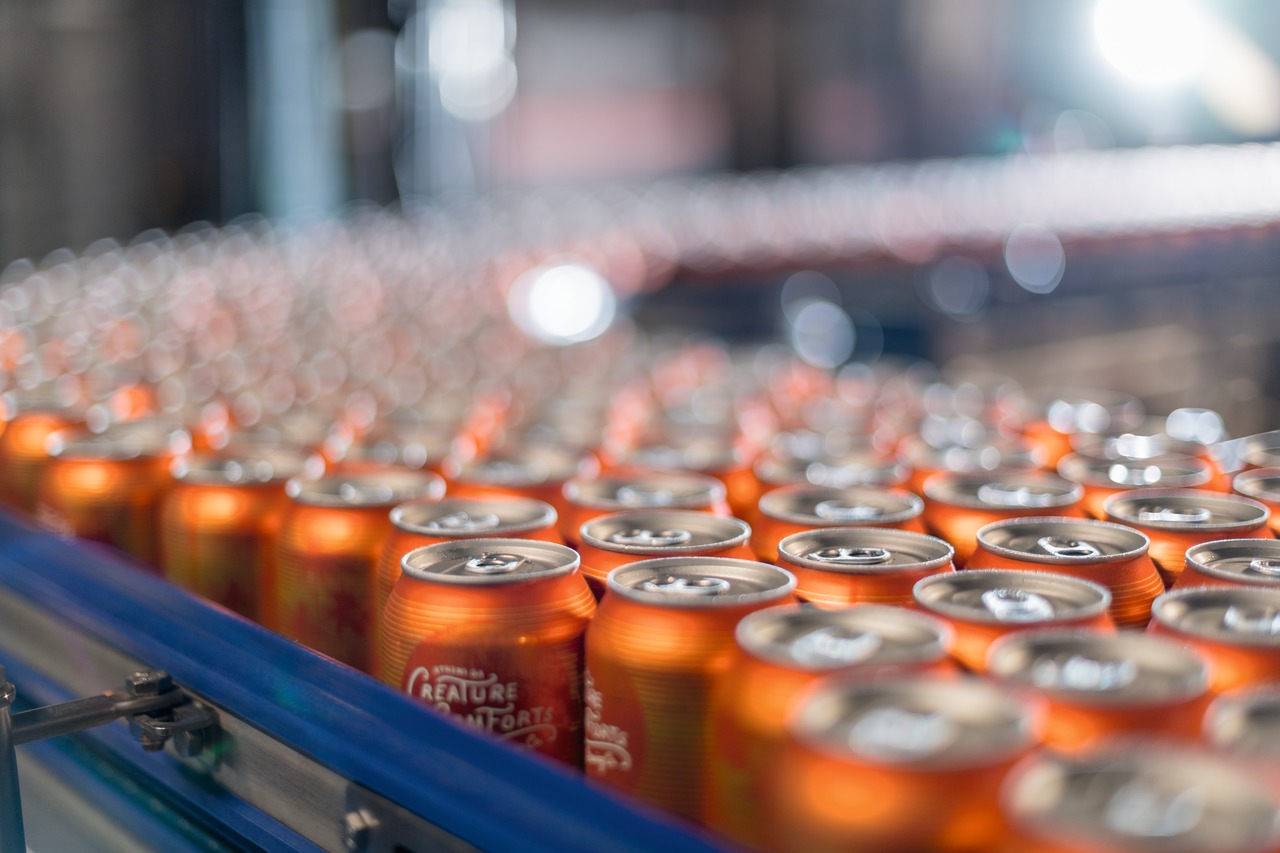
2024-06-25
Unveiling the Secrets of Efficient Beverage Production Line Equipment
In today's fast-paced world, a variety of beverages have become an essential part of people's daily lives. Behind these diverse beverages lies the foundation of efficient beverage production line equipment. As a professional beverage production line equipment manufacturer, HZM Machinery is committed to providing customers with high-quality equipment to ensure the smooth progress of beverage production
Learn more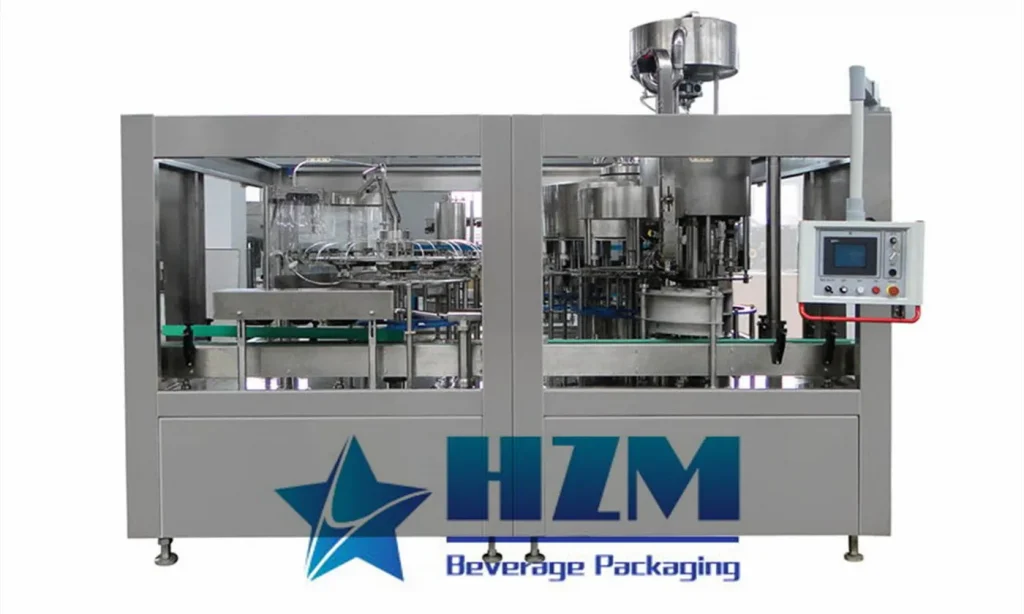
2023-06-27
What is the Working Principle of 3 in 1 Water Filling Machine?
Do you want to set up a unit where you will be manufacturing non-carbonated drinks and filling them into bottles? Now you must decide whether you want to get different machines with different functions like one for cleaning, filling and one for capping or you would like to get 3 in 1 water filling machine?
Learn more2023-12-24
Water Filling Machine for Sale
If you are interested in purchasing a water filling machine, please contact us today. We would be happy to discuss your needs and recommend the best machine for your application.
Learn more2026-03-20
How to Choose a 10L Water Filling Machine for Your Bottling Plant (1200BPH Solution)
Learn how to choose a 10L water filling machine for your bottling plant. Discover features, benefits, and complete 1200BPH water production solutions.
Learn more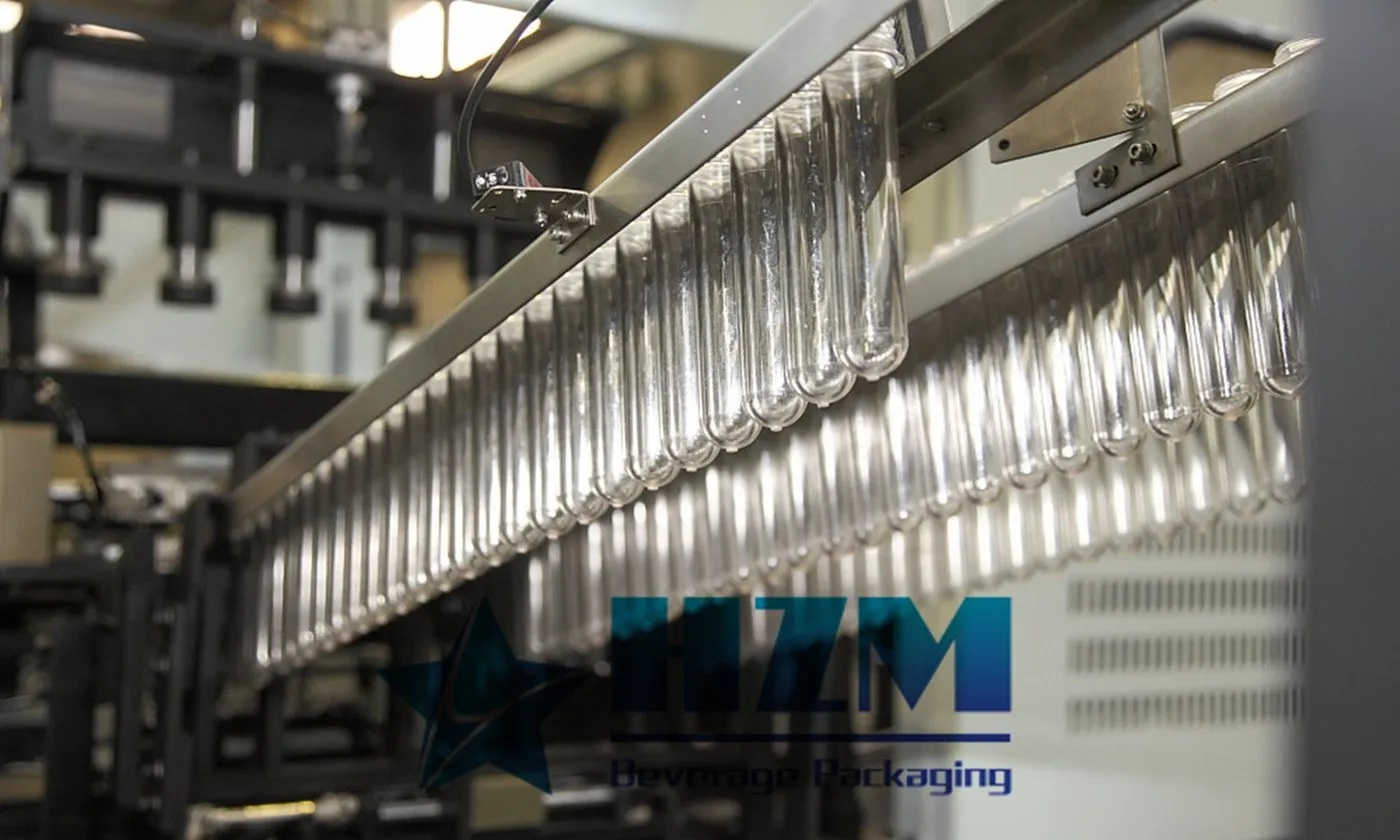
2023-05-12
The Edible Oil Bottle Blowing Machine: Unveiling Efficiency and Precision
The edible oil bottle blowing machine stands as a cornerstone in modern edible oil production, designed to manufacture bottles of various sizes and shapes for the edible oil industry.
Learn more