
Insights & Updates
The process flow of mineral water production line
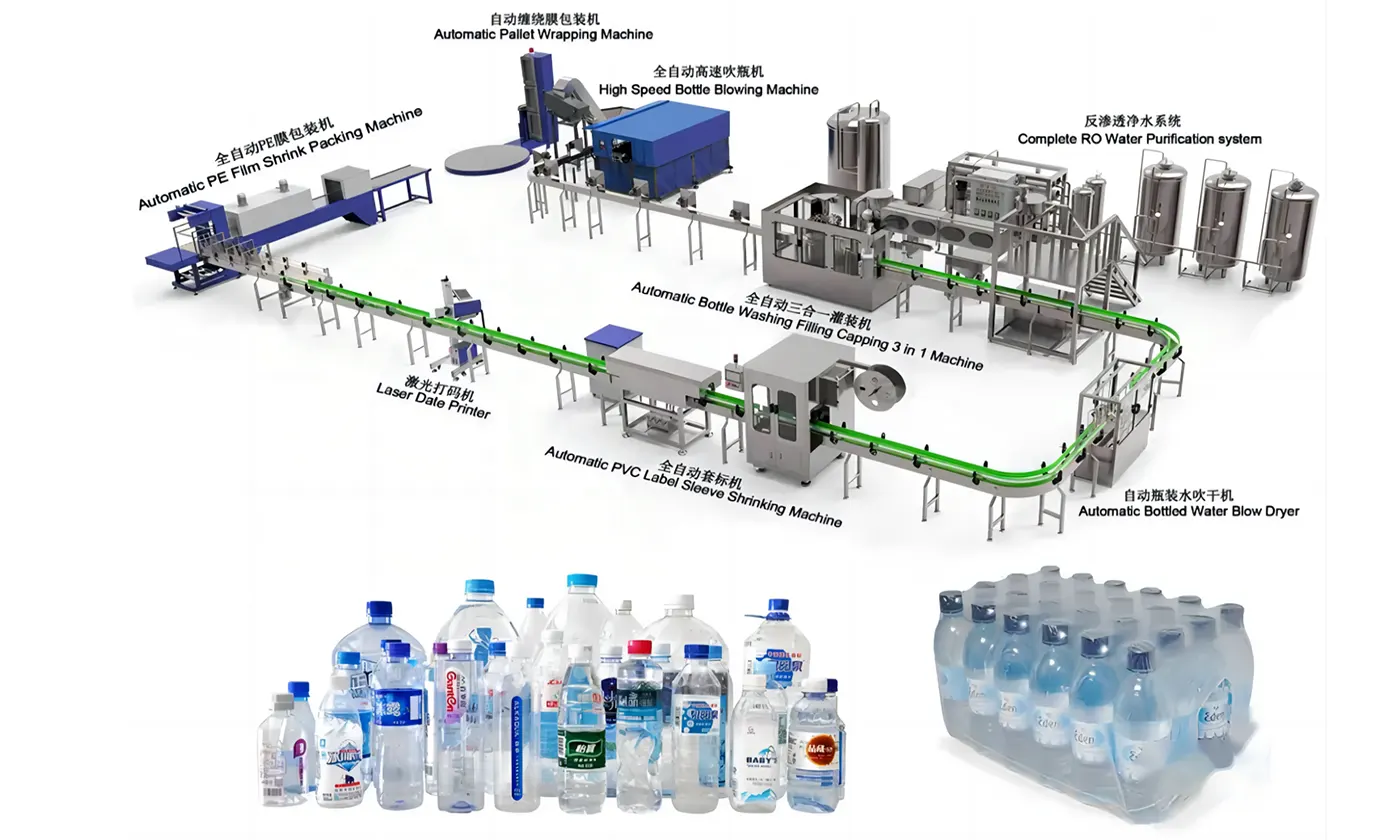
The production process of the mineral water production line includes mineral water treatment equipment, mineral water bottle blowing machine, fully automatic mineral water filling machine, bottle cap disinfection machine, mineral water labeling machine, mineral water coding machine, mineral water packaging machine, conveyor lines, connecting pipelines, etc.
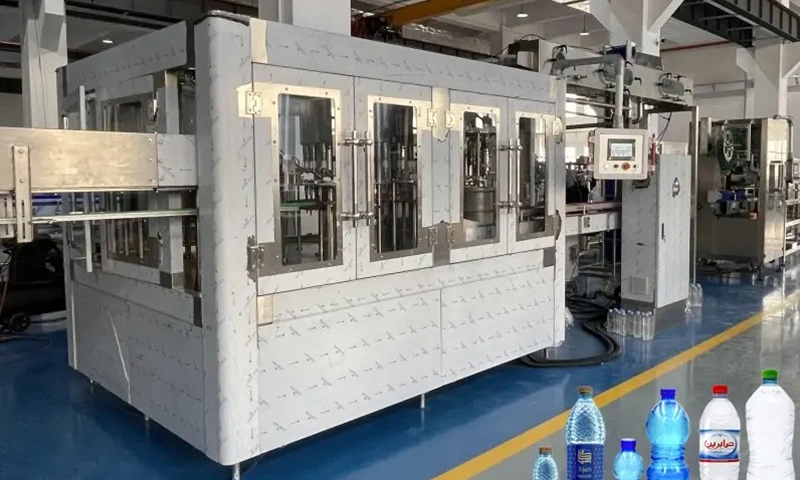
The mineral water filling machine is responsible for three main functions: rinsing, filling, and capping empty bottles. It is suitable for producing bottled drinking mineral water in sizes ranging from 350ml, 500ml, 1L, 1.5L, to large bottles of 4L-15L capacity.
The components of the small bottle mineral water filling machine and mineral water production line equipment include water treatment systems, automatic bottle blowing machines, pneumatic conveyors, cap sterilizers, cap cleaning machines, bottle filling and capping machines, drying machines, labeling machines, coding machines, palletizers, wrapping machines, bottle conveying systems, box conveying systems, and electrical control systems. Optional equipment includes automatic bottle arranging machines or manual bottle arranging systems, full/half automatic bottle washing machines, labeling machines, carton packaging machines, nitrogen machines, etc. Production capacity: Our company has formed a complete series of product lines, ranging from 2,000 bottles/hour to 36,000 bottles/hour (calculated with 500ml PET bottles).
In terms of assembly precision, the entire tabletop, also known as the installation plane, is machined with a gantry milling machine to remove about 5mm. Then, based on the processed plane, various spindle holes are machined on the bed. The purpose of this process is to ensure the flatness of the tabletop, the specific position and parallelism of each spindle centerline, as well as the perpendicularity to the tabletop, thereby ensuring the installation accuracy of the mineral water three-in-one filling machine. Here’s a reminder: Some manufacturers omit the above machining process to reduce equipment costs and rely on adding adjusting shims to ensure assembly accuracy. However, this approach may lead to a series of after-sales problems. Over time, the shims may shift due to machine vibration, reducing the overall assembly accuracy of the machine and causing it to malfunction, thereby increasing a series of after-sales service costs. Producing machines according to our regular machining process not only ensures the stability of the three-in-one filling machine but also avoids unnecessary after-sales service, achieving a win-win situation for both the manufacturer and the user.
Regarding materials, all parts in contact with water are made of 304 stainless steel, and the entire frame and door panels are also made of 304 stainless steel. In terms of electrical control, variable frequency drives (VFDs) and PLCs are mainly used. We do not place the electrical control part inside the three-in-one filling machine but use a separate control box, which is treated with moisture-proof sealing and installed with a ventilation system for cooling. In actual production, the environment is relatively humid. This separate design ensures that the electrical components will not short-circuit due to moisture, resulting in long service life, safe operation, and stable operation. An operation interface is installed on the control box to set internal parameters of the mineral water filling machine. During the operation of the filling machine, monitoring components such as photoelectric sensors, proximity switches, and liquid level detectors installed in the filling machine will feedback real-time operating parameters and display them on the human-machine interface. By using a frequency control knob, the operating speed of the mineral water filling machine can be adjusted arbitrarily. If a problem occurs with the machine, it will automatically diagnose and display the location of the fault and propose a solution. Therefore, the operation of the whole machine is very simple and convenient, achieving automated control.
Talk to our engineering team
Need help planning your packaging line?
Share your product, bottle and capacity requirements for a practical equipment recommendation.
Equipment
Automatic Mineral Water Bottle Filling Machine
Automatic mineral-water bottling with rinsing, filling and capping, from 5,000 to 18,000 bottles/hour at 500 ml.
Learn more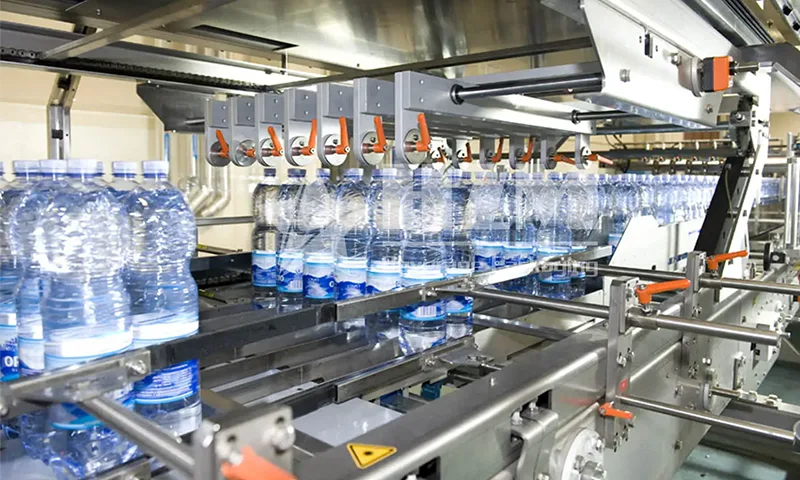
Equipment
Mineral Water Bottle Packaging Machine
Automatic drinking-water production equipment with PET bottle rinsing, filling and capping, plus downstream packaging options.
Learn more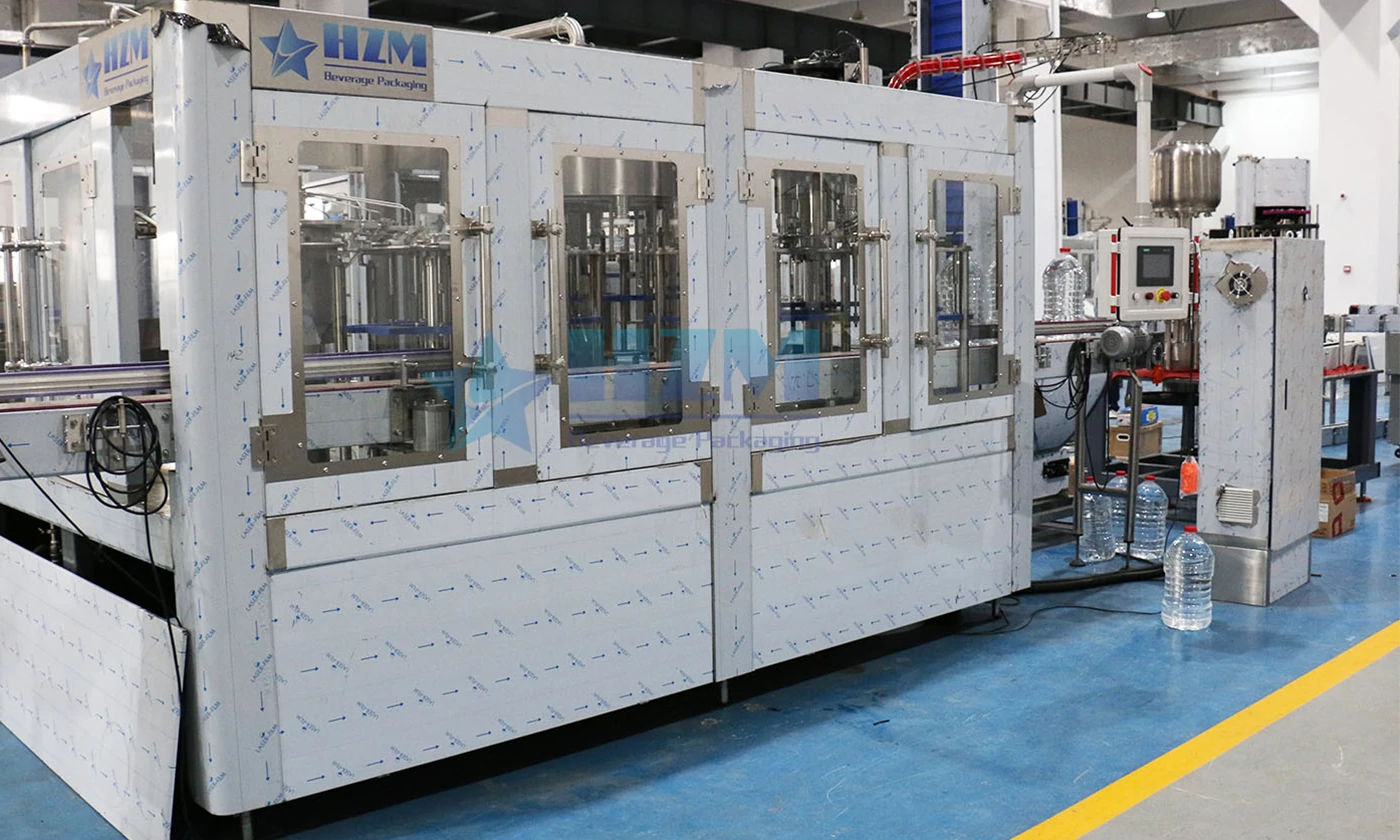
Equipment
5L-10L Large Bottle Drinking Water production line
XGF12-12-4 rinsing, filling and capping for 5 L and 10 L water bottles, with stable outputs of 1,200 and 700 bottles/hour respectively.
Learn more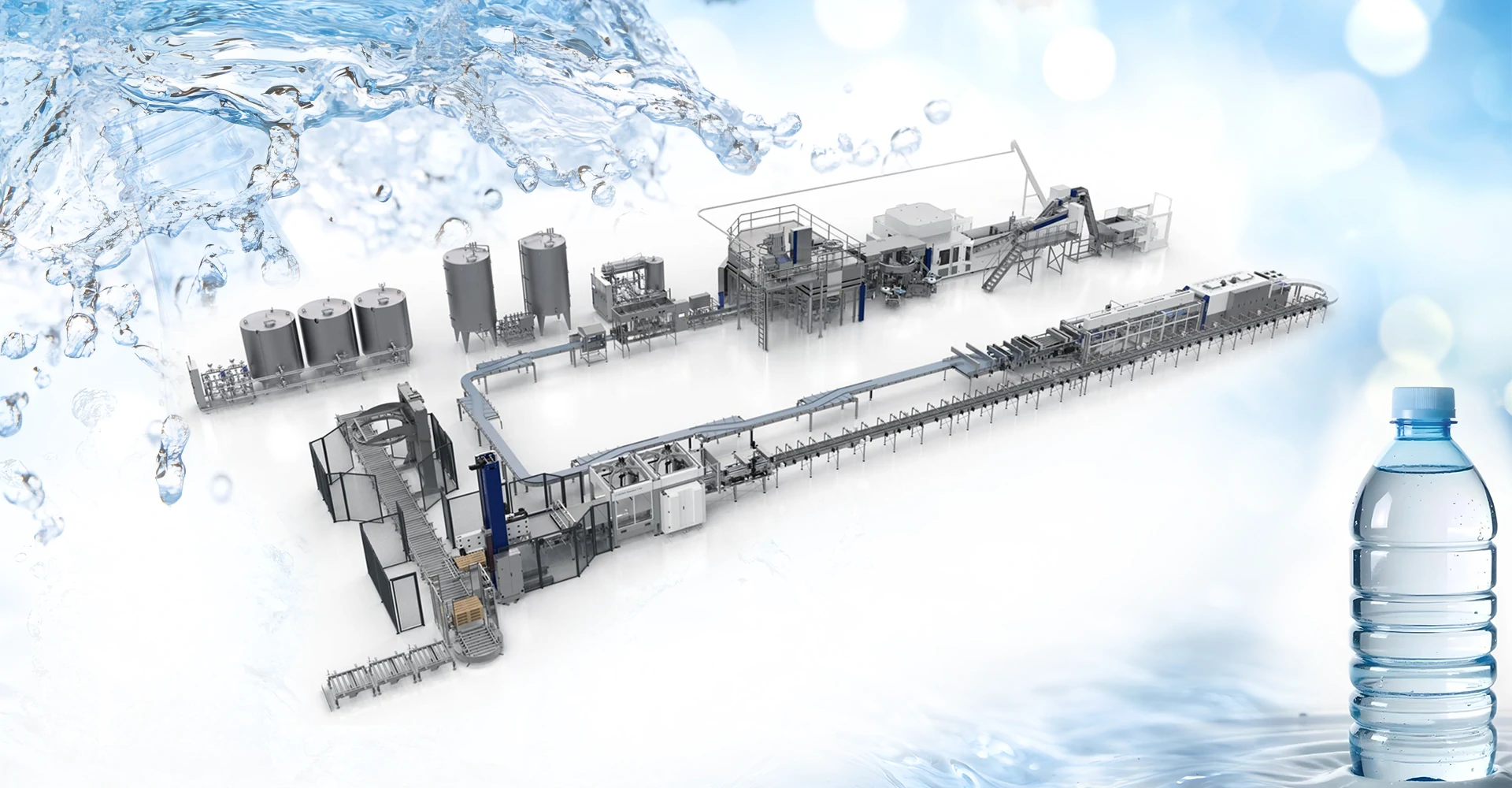
Equipment
Drinking water production line – Bottled Water Filling Machine Manufacturer
PET-bottled drinking-water production with automatic rinsing, filling and capping, plus water treatment and packaging equipment.
Learn more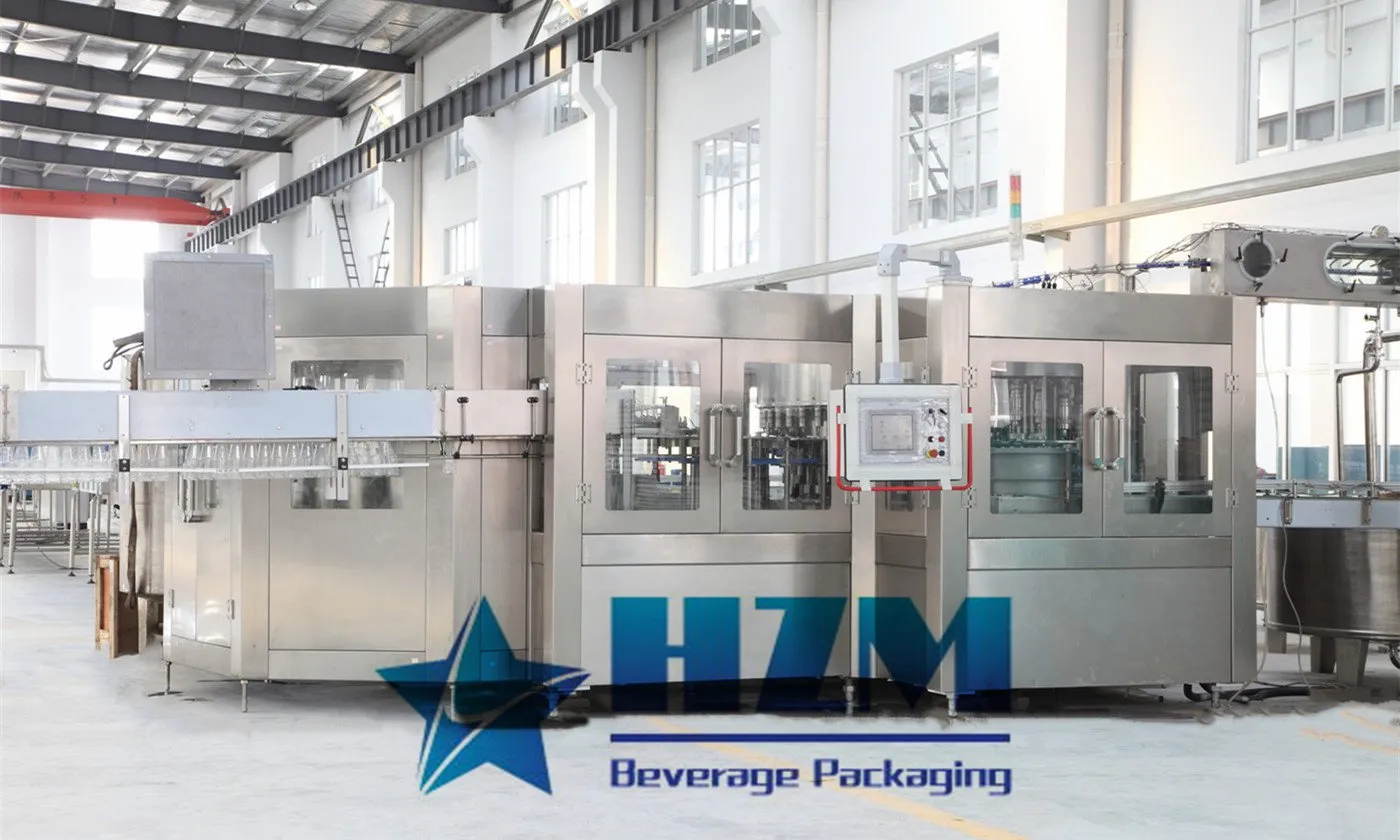
Equipment
PET Bottle Water Filling Machine
PET bottle water filling with automatic rinsing and capping, for purified water, mineral water and still drinking water.
Learn more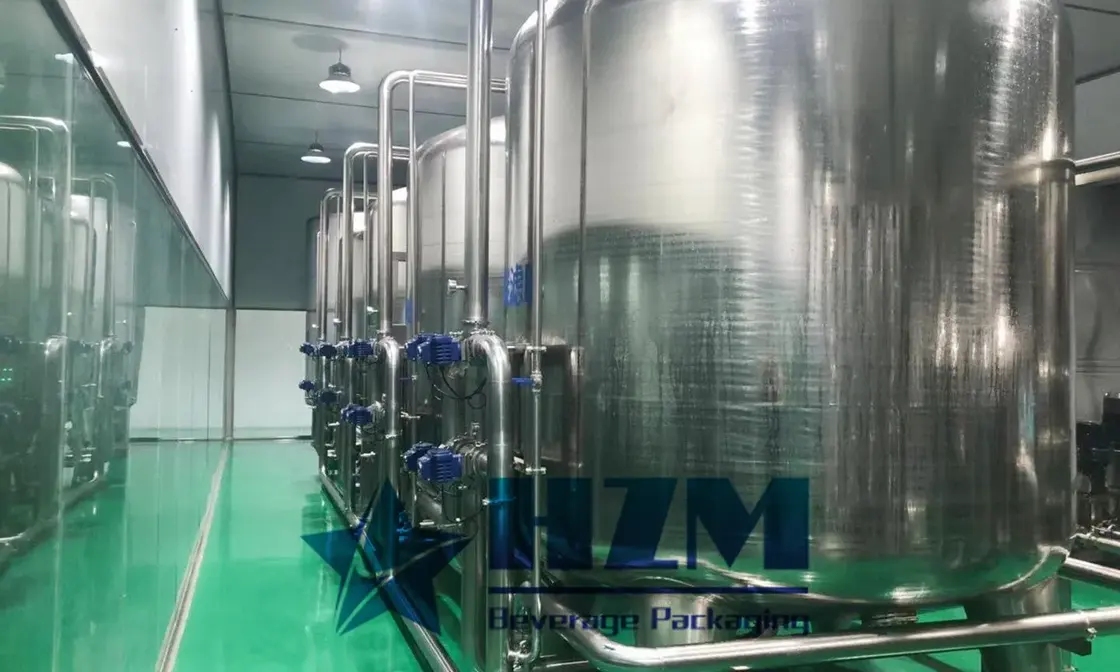
Equipment
Water Purification System for Mineral Water Plant
The mineral water purification system removes unwanted particles and supports hygienic storage and transfer before bottling.
Learn more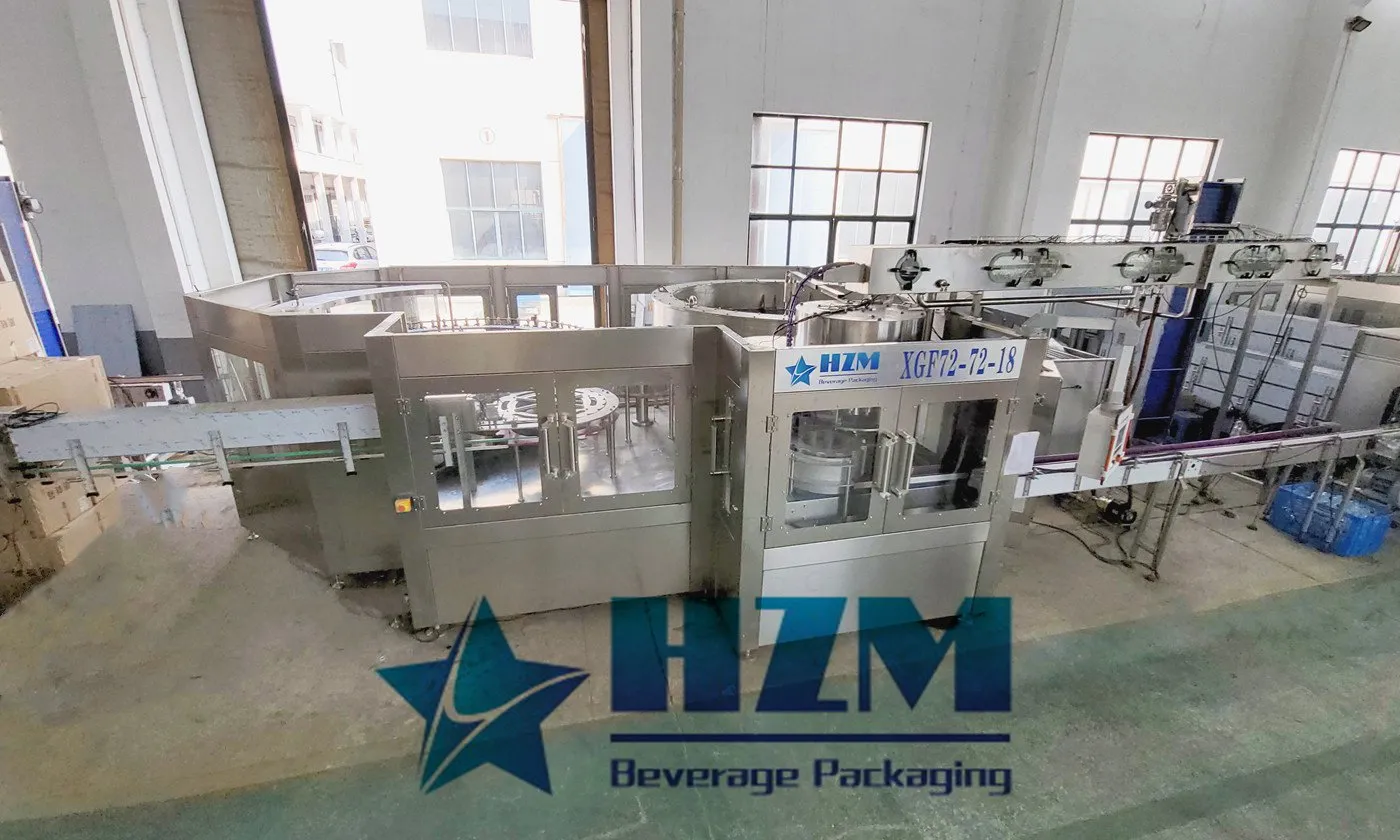
Equipment
Automatic Water Bottle Filling Machine
Automatic rinsing, filling and capping for purified and mineral water in PET bottles, with capacities of 5,000–42,000 bottles/hour at 500 ml.
Learn more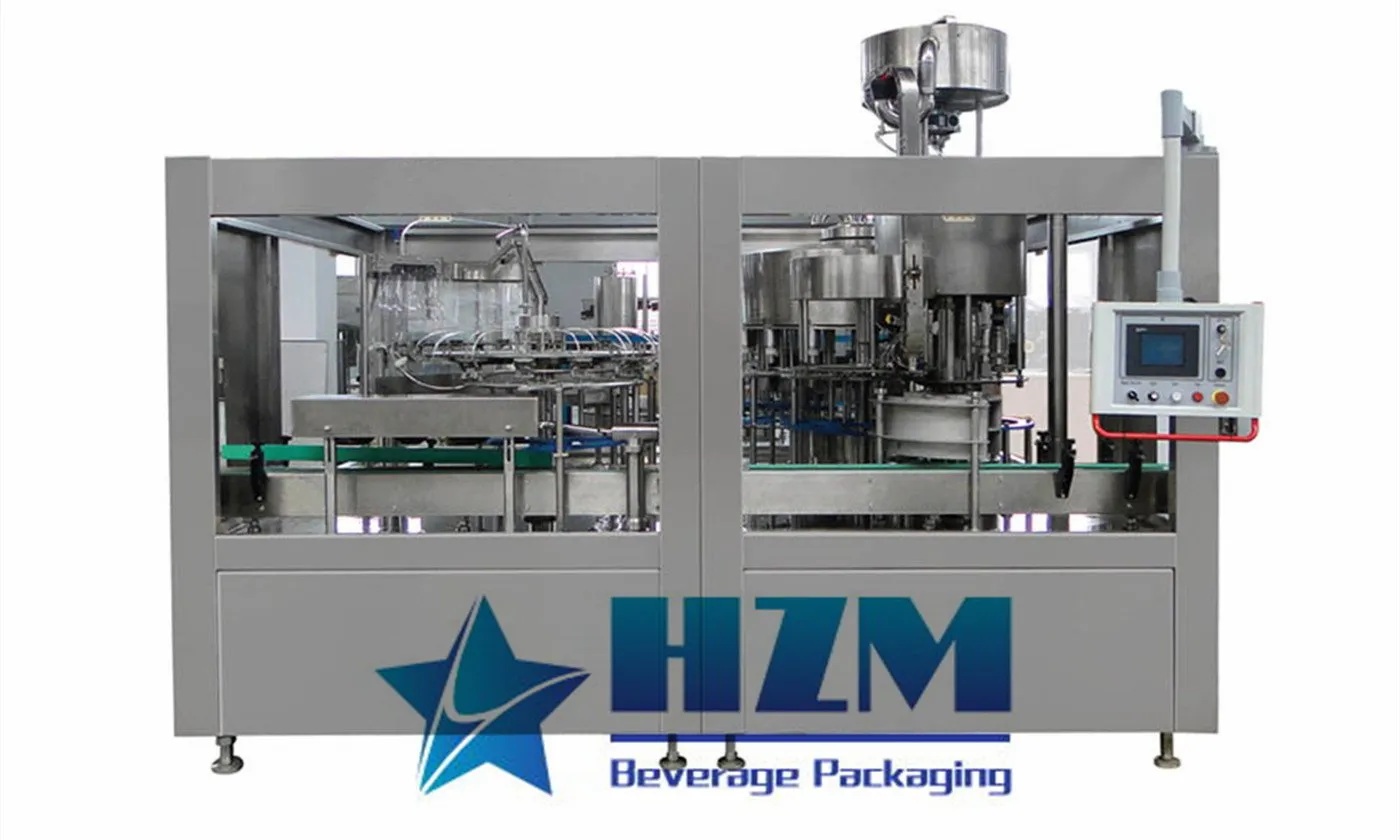
Equipment
3-10L Big PET Bottle Water Filling Machine
Large PET bottle water filling equipment for 3–10 L containers, combining rinsing, filling and capping.
Learn more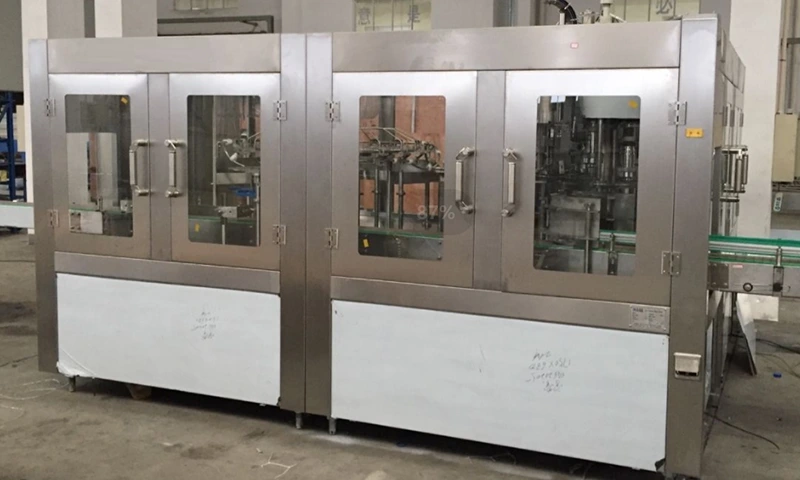
Equipment
10L Water Filling Machine 1200BPH – Automatic Washing Filling Capping Machine
RSXGF12-12-5(110Π) automatic rinsing, filling and capping for 10 L water bottles at 1,100–1,200 bottles/hour.
Learn more2023-06-06
HZM Mineral Water Production Line Equipment Manufacturer
HZM Mineral Water Production Line Equipment Manufacturer: Competitive Pricing, Factory Direct Sales, Reliable After-Sales Service
Learn more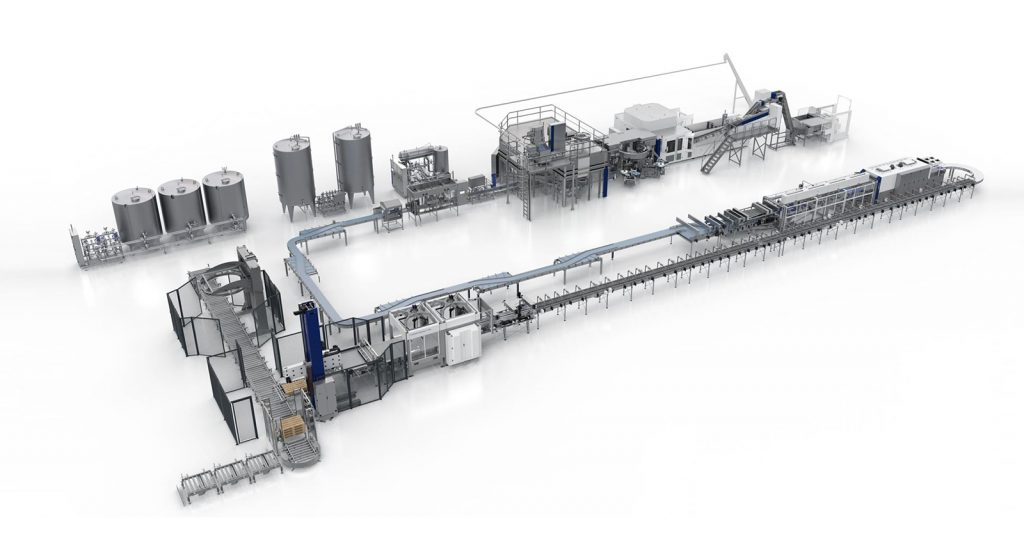
2023-09-14
How Much Does a Mineral Water Production Line Cost?
The cost of a mineral water production line equipment depends on factors such as equipment capacity. Many people wonder how much a small-scale mineral water production line equipment costs.
Learn more
2025-02-10
Mineral Water Production Line – cost-effective
Mineral water production line equipment, factory, price, parameters.
Learn more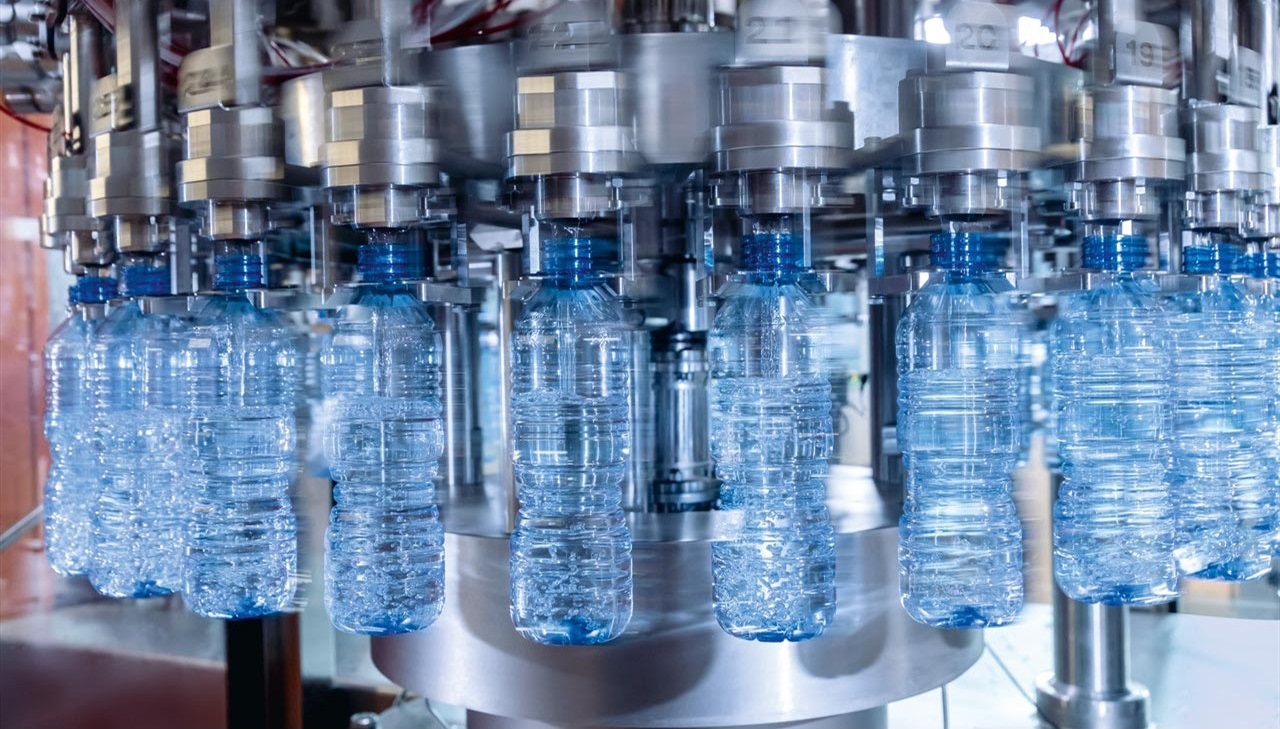
2023-09-14
The Cost of Mineral Water Production Equipment
The cost of mineral water production equipment varies depending on factors such as equipment model, configuration, manufacturer, and other factors. In general, the price for a set of small-scale mineral water production equipment typically ranges from
Learn more2023-05-27
Leading Manufacturer of Mineral Water Filling Machines
In the realm of beverage production, efficiency and quality are paramount. For the mineral water industry, having a reliable and high-performance filling machine is crucial to meet consumer demand while maintaining product integrity. This is where HZM Filling Machine Supplier comes into play, as a leading manufacturer of mineral water filling machines.
Learn more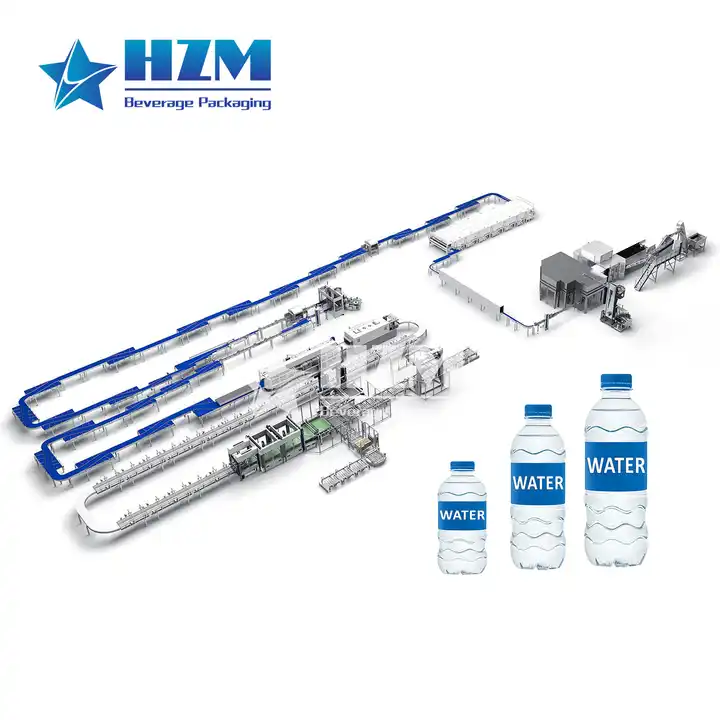
2024-07-30
How Much Does a Complete Mineral Water Production Line Cost?
Many mineral water production companies are concerned about the cost of a complete mineral water production line. The specific price depends on the production capacity of the equipment.
Learn more