
Insights & Updates
How to Reduce Bottle Changeover Time on a Beverage Filling Line
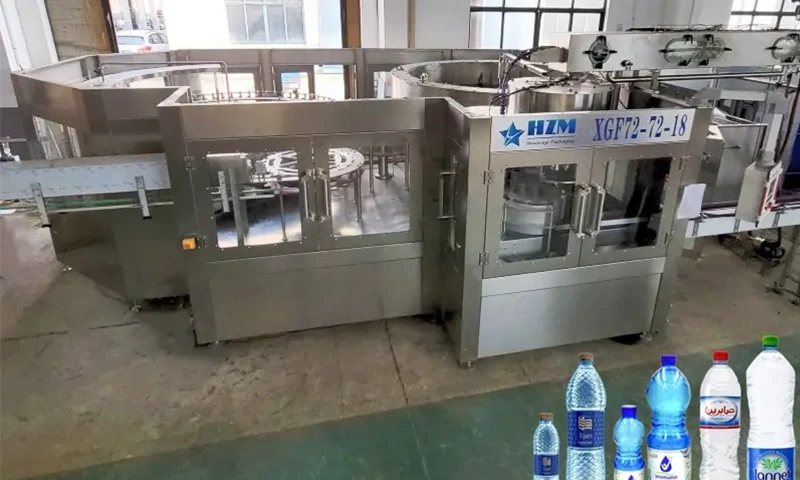
A beverage line may be fast during steady production and still lose a large part of the week to bottle changes. Operators search for star wheels, clean guides, trial label positions and make repeated adjustments while saleable output remains zero. The cost is especially high for plants serving many flavors, private labels or package sizes.
Single-minute exchange of die (SMED) principles help move preparation outside the stopped period, simplify adjustments and create a repeatable first-good-bottle process. The goal is not merely to restart the filler. A changeover is complete only when the entire line produces conforming finished packs at the approved speed.
Quick answer: Separate tasks that can be completed while the line is running, prepare a complete labeled change-parts cart, document center settings for every SKU, use quick-release and poka-yoke features where practical, and measure from the last good pack of the old SKU to the first sustained run of good packs from the new SKU.
Measure the Full Changeover Window
Define start and finish points before attempting improvement. A useful start is the last good finished pack from the previous SKU. A useful finish is the first period of stable production at target quality and an agreed speed. If measurement stops when the filler jogs, downstream label and pack adjustments remain hidden.
Video observation or a simple timeline reveals waiting, walking, searching, duplicated checks and adjustment loops. Record who performs each task, which tools or parts are needed and whether the task requires the line to be stopped.
Move External Work Before the Stop
External tasks can be completed while the previous run continues. These include confirming the next production order, staging bottles, caps, labels and film, inspecting change parts, preparing cleaning tools and loading approved recipes. Internal tasks—those requiring a stopped machine—should be minimized and performed in a defined sequence.
- Use a pre-changeover checklist signed before the last old-SKU batch ends.
- Place cleaned change parts on a dedicated cart in line order.
- Confirm material codes and quantities before removing old parts.
- Assign parallel work only when lockout and access remain safe.
Control and Identify Every Change Part
Star wheels, guide rails, worms, cap-handling parts, label components and packer change parts should have durable SKU or range identification. Store each kit in a fixed location with a visual inventory. Missing or damaged parts should be detected during preparation, not after the line is stopped.
Good part design also reduces mistakes. Asymmetric mounting, clear orientation marks and captive fasteners prevent incorrect assembly. Where one adjustable component can safely cover a bottle range, it may replace several near-identical parts.
Create Center Settings for Every SKU
Operators often rely on memory or copy settings from the previous format. Instead, maintain an approved setup sheet covering conveyor guide width, transfer heights, air pressure, filler recipe, capper torque setting, label sensor position, printer code, pack pattern and shrink-tunnel settings. Include photographs or reference marks where numerical scales are unclear.
The sheet should record the center of the proven operating window, not a one-time workaround. Recipe storage on a 3-in-1 water bottle filling machine can reduce control changes, but mechanical and downstream settings must still be standardized.
Reduce Adjustment Loops at Startup
The first bottles should follow a controlled approval route. Check container handling, rinse coverage, fill level, cap application, label position, date code and finished pack. Use a small, predefined sample and clear accept/reject limits. Random trial-and-error wastes product and makes the end of changeover subjective.
When a defect appears, change one relevant variable at a time and record the final value. Repeated corrections indicate that the center setting, component condition or measurement method needs revision.
Design Future Equipment for Fast Changeover
During procurement, provide all planned bottle and package drawings. Ask the supplier which parts change, which settings are automatic, what tools are required and how long a trained team needs. Review access, part weight, quick-release features and recipe management during the factory acceptance test.
The full line matters. A fast filler conversion delivers little benefit if the bottle labeling machine or packer takes much longer. Require a coordinated changeover demonstration for representative formats.
Track Quality After the Changeover
Monitor the first production hour for micro-stops and defects. A changeover that appears short but causes repeated bottle jams or label rejects is not truly improved. Useful measures include total changeover minutes, first-pass approval, waste during setup and stops in the first hour.
Review the best and worst events each month. Update the standard when a verified improvement is found, train all shifts and keep old instructions from returning to the line.
Frequently Asked Questions
What is the best way to define changeover time?
Measure from the last conforming finished pack of the old SKU to a sustained run of conforming packs from the new SKU at the agreed operating rate.
Can changeover tasks be performed in parallel?
Yes, when equipment access, lockout and team coordination are safe. Assign clear zones and responsibilities so parallel work does not create interference or missed checks.
Does automation eliminate mechanical change parts?
Not always. Recipes can automate control settings, but bottle geometry may still require guides, stars, screws, label or pack components. Confirm the exact change-part list for each format.
Plan the Next Step with HZM Machinery
If SKU variety is a major production constraint, send HZM your bottle, cap, label and pack drawings. The team can review change-part scope and configure a rinsing, filling and capping monoblock with the wider line changeover in mind.
Talk to our engineering team
Need help planning your packaging line?
Share your product, bottle and capacity requirements for a practical equipment recommendation.
2026-07-29
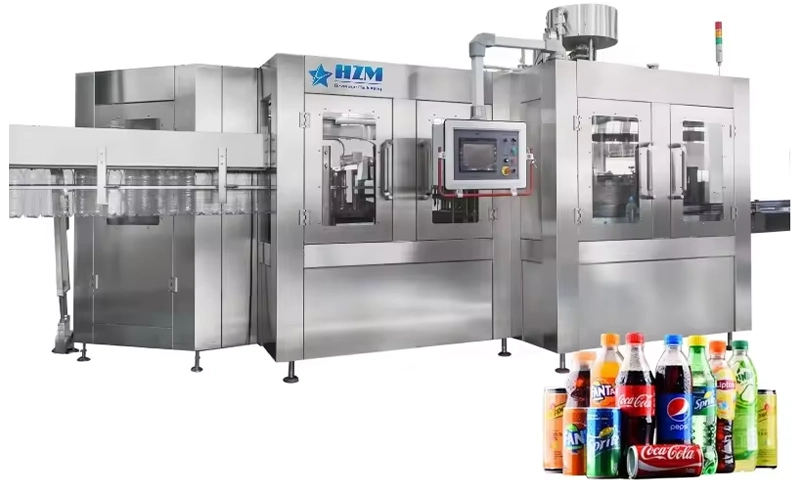
Carbonated Drink Filling Problems: How to Reduce Foaming and CO₂ Loss
Troubleshoot foaming, low fill and carbonation loss by controlling beverage temperature, pressure balance, CO₂ mixing, filling valves and container handling.
Learn more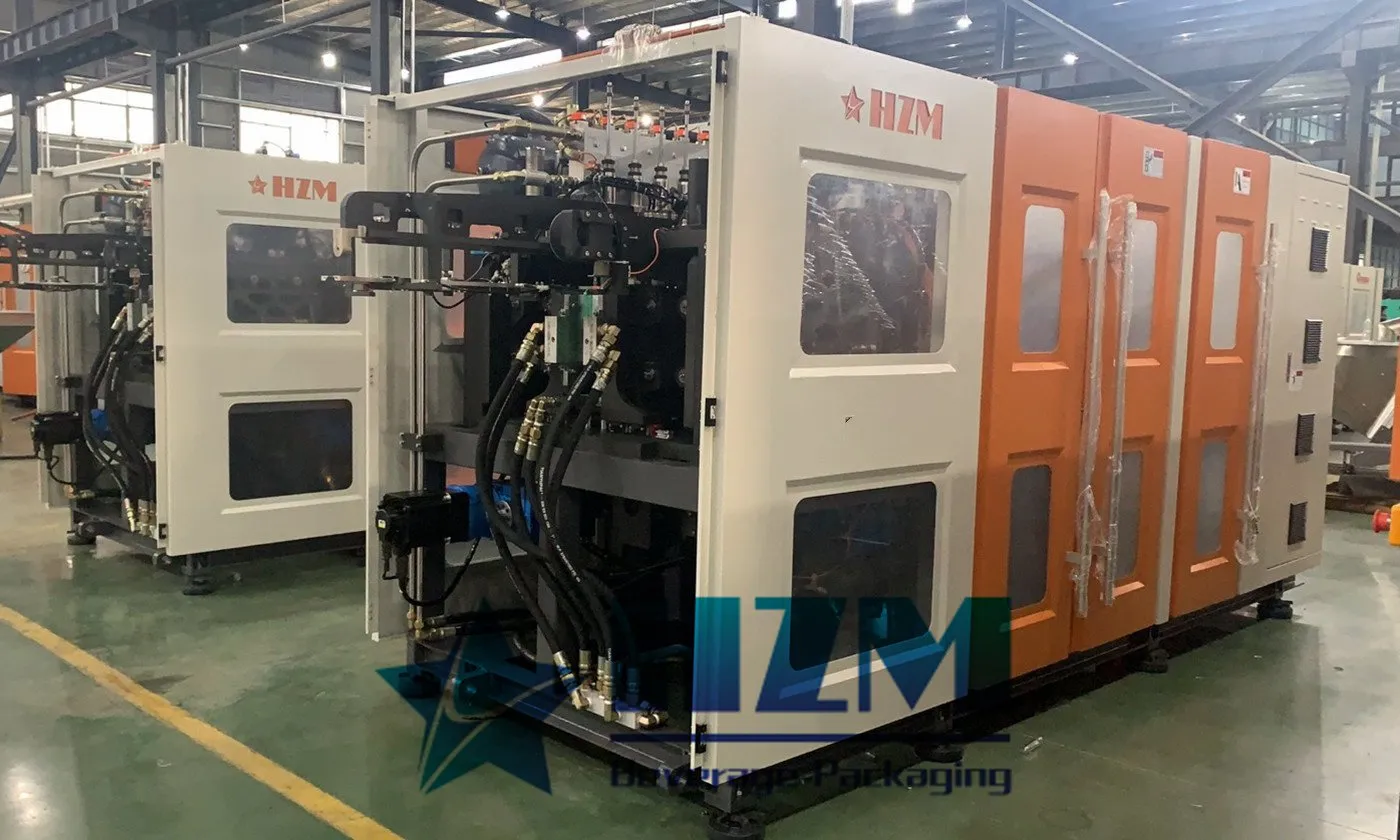
2023-06-09
PET Blow Molding System Guide: Mold Design and Changeover Time
Practical HZM guidance on pet blow molding system, focused on mold design and changeover time, line integration, RFQ data and measurable acceptance checks.
Learn more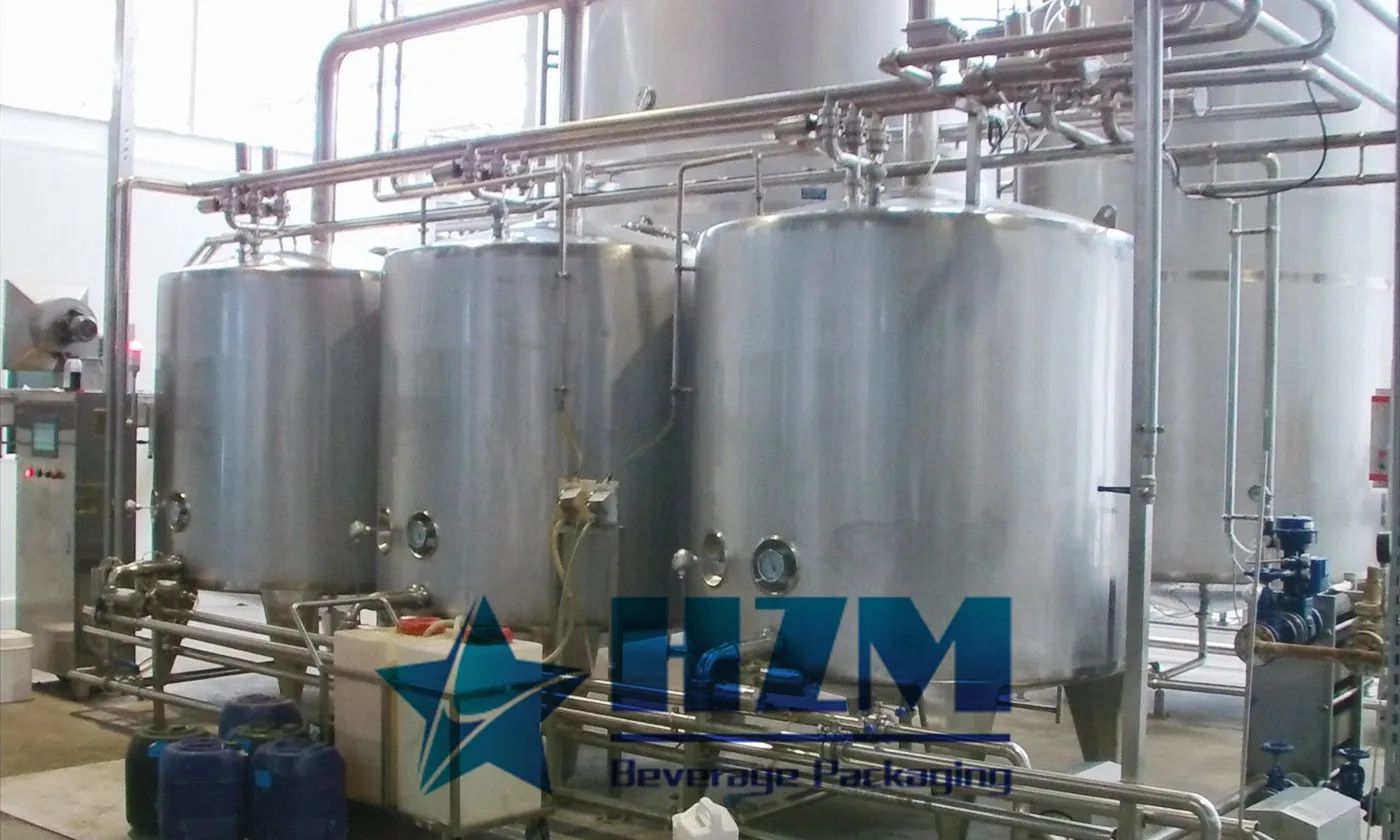
2026-07-31
CIP Verification for Beverage Plants: Flow, Temperature, Time and Concentration
Go beyond running a cleaning recipe: verify CIP flow, turbulence, temperature, chemical concentration, time, return condition and hygienic coverage.
Learn more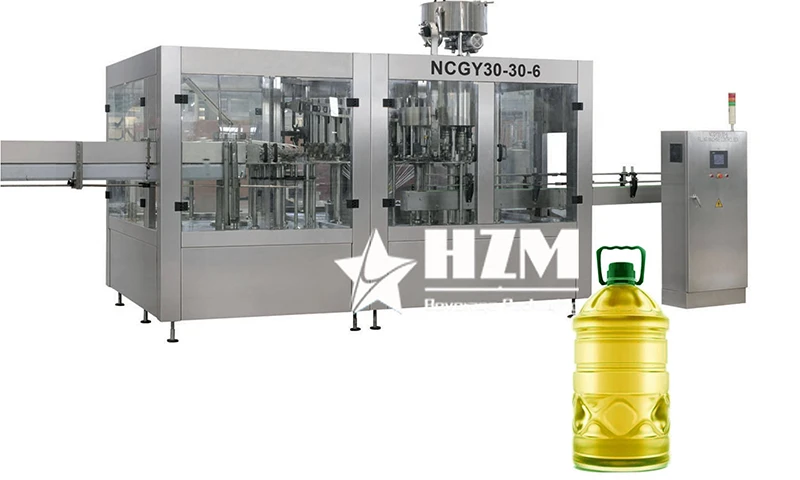
2026-08-07
Edible Oil Filling Problems: How to Control Drips, Foam and Viscosity
Improve edible-oil filling accuracy and cleanliness by controlling product temperature, viscosity, flow profile, nozzle cutoff, bottle handling and calibration.
Learn more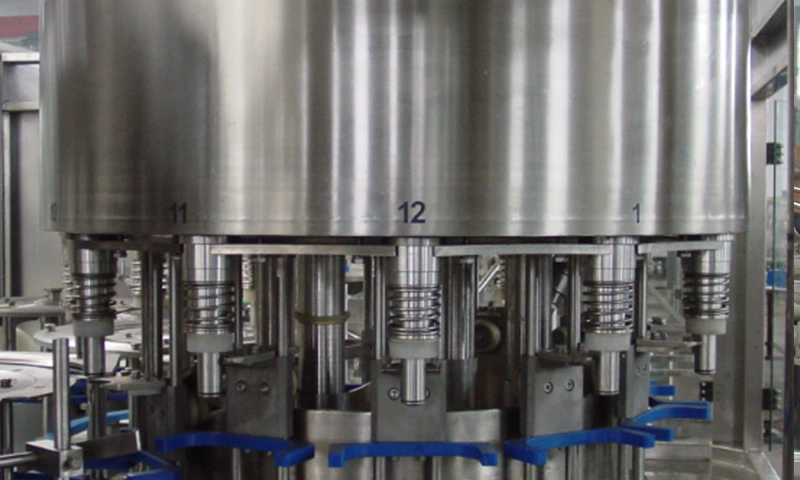
2026-08-11
Filling Machine Spare Parts: Build a Risk-Based Inventory and PM Plan
Classify critical filling-line spares by failure impact, lead time and wear rate, then connect inventory with preventive maintenance and usage records.
Learn more
2026-08-08
Servo Piston Filling for Sauces: Nozzle, Particle Size and Accuracy Checklist
Specify a servo piston filler for ketchup, mayonnaise, soy sauce and particulate products by viscosity, particle size, nozzle, hopper, cleaning and accuracy.
Learn more