
Insights & Updates
Carbonated Drink Filling Problems: How to Reduce Foaming and CO₂ Loss
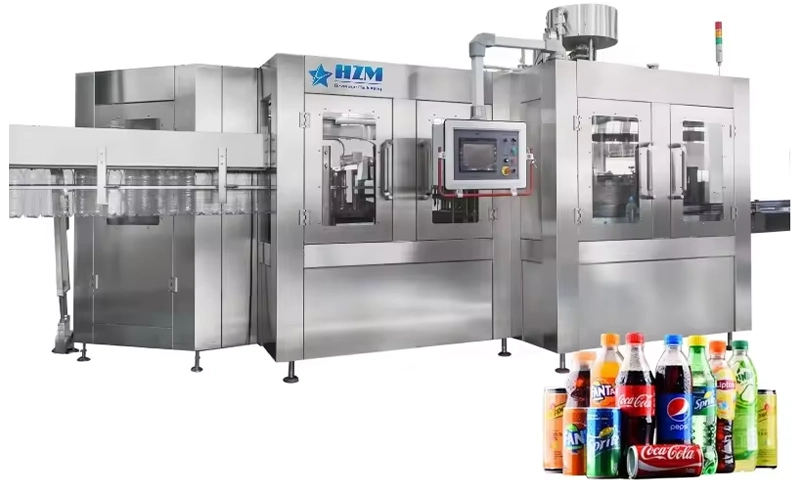
Excess foam in carbonated soft drink filling is not just a housekeeping problem. It can cause low or inconsistent fill levels, product loss, wet containers, unstable capping and lower retained carbonation. Operators may slow the filler to cope, but speed reduction treats the symptom rather than the process condition.
Carbonated filling works best when beverage temperature, dissolved CO₂, bowl pressure, container pressure and decompression sequence remain controlled. Troubleshooting should follow the product from blending to closure and distinguish a recipe problem from a mechanical or utility problem.
Quick answer: Keep the beverage consistently cold, verify carbonation before filling, maintain stable product and gas pressure, inspect valve seals and vent paths, minimize pressure shock during filling and close the container quickly. When foam rises, compare temperature, pressure and CO₂ data against the approved center settings before adjusting random valves.
Why Carbonated Beverages Foam
CO₂ remains dissolved more easily at lower temperature and adequate pressure. When pressure drops suddenly, the liquid warms, or nucleation sites are present, gas comes out of solution and forms bubbles. Turbulent product flow, dirty or damaged containers, rough valve surfaces and excessive drop height can increase nucleation.
The filling process should therefore equalize container and bowl pressure, introduce product smoothly and release pressure in controlled stages. A correct carbonated soft drink filling machine configuration supports this sequence, but utilities and product preparation must also be stable.
Check Beverage Temperature First
A few degrees of temperature increase can make the product much more likely to release CO₂. Measure temperature at the filler inlet, not only at the chiller outlet. Long uninsulated pipes, warm product returns and production stops can create local warming. Record temperature continuously during the shift and compare foaming events with the trend.
After a long stop, recirculation or controlled product handling may be needed before restarting at full speed. Do not mix warm hold-up volume with cold product and expect identical filling behavior.
Verify CO₂ Mixing and Product Pressure
Confirm the beverage’s dissolved CO₂ using an appropriate measurement method and check whether the mixer can maintain the recipe during flow changes. An unstable carbonated drink CO₂ mixer can send changing product conditions to a mechanically sound filler.
- Trend mixer pressure, product temperature and flow.
- Check for gas supply restrictions and regulator instability.
- Verify deaeration or water preparation where the recipe requires it.
- Sample at consistent locations and allow measurements to stabilize.
Inspect Bowl Pressure and Valve Operation
Compare actual bowl pressure with the approved recipe and look for cycling or drops when demand changes. Inspect product and gas valve seals, vent tubes and return paths for wear or contamination. A single problematic valve may create a repeating low-fill pattern at the same machine position.
Map rejects by filling valve number when the equipment supports it. If defects follow one valve, investigate that station. If all valves change together, focus on common product, pressure, temperature or utility conditions.
Control Pressure Equalization and Snift
Before filling, the container is pressurized to reduce the pressure difference. After filling, controlled decompression—often called snifting—reduces pressure without erupting foam. Incorrect timing, blocked paths or worn components can cause violent release.
Adjustments should follow the equipment manual and be verified at the target product temperature and speed. Excessive pressure is not a universal cure; it can increase gas consumption and mechanical load without correcting the underlying imbalance.
Minimize the Time to Closure
Product continues to lose gas between the filler and capper or seamer. Keep the transfer short and smooth, prevent container agitation and ensure a reliable closure supply. Wet or foaming bottle necks can interfere with sealing, while delayed can end placement can affect carbonation and hygiene.
Check cap torque or seam quality together with retained CO₂. A good fill level does not compensate for a leaking closure.
Use a Structured Troubleshooting Matrix
| Symptom | Likely areas to check |
|---|---|
| All valves foam suddenly | Temperature, bowl pressure, CO₂ mixer, product change |
| One repeating low-fill position | Specific valve seal, vent or mechanism |
| Foam after a long stop | Warm product hold-up, restart sequence |
| Good fill but low retained CO₂ | Closure, delay to capping, package leak, measurement |
| Wet bottles and label failures | Overfill, foam, rinsing or poor drying |
Change one controlled factor at a time, record the result and return to the center setting if no improvement occurs. This prevents a temporary workaround from becoming an undocumented recipe.
Frequently Asked Questions
Does colder product always reduce foaming?
Lower temperature generally helps retain CO₂, but the operating target must suit the product, chiller capacity and equipment design. Consistency is as important as the absolute value.
Why does foaming increase when filler speed rises?
Higher speed can expose limits in product supply, pressure control, valve timing or container handling. Confirm that the entire system can maintain approved conditions at the new rate.
How can I identify a bad filling valve?
Record low-fill or foam defects by valve position. A defect that repeatedly follows one station suggests a local valve, seal, vent or mechanical issue.
Plan the Next Step with HZM Machinery
For a new CSD project or a persistent foaming problem, provide HZM with the beverage temperature, target carbonation, container, closure and required speed. Compare 3-in-1 isobaric filling options and complete mixer-to-capper integration.
Talk to our engineering team
Need help planning your packaging line?
Share your product, bottle and capacity requirements for a practical equipment recommendation.
Equipment
Carbonated Drinks Filling Machine
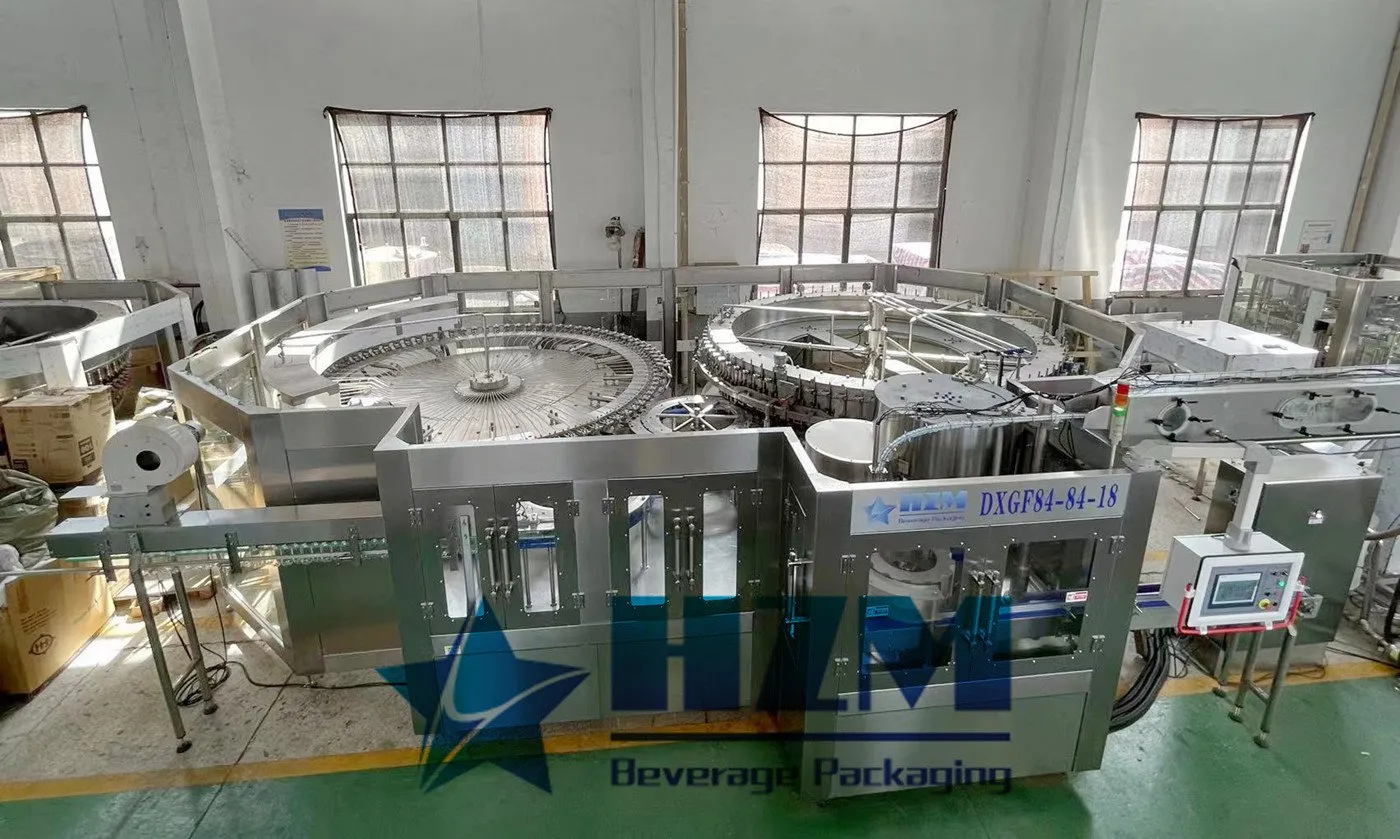
Carbonated drink rinsing, isobaric filling and capping for PET bottles, with capacities of 4,000–36,000 bottles/hour at 500 ml.
Learn more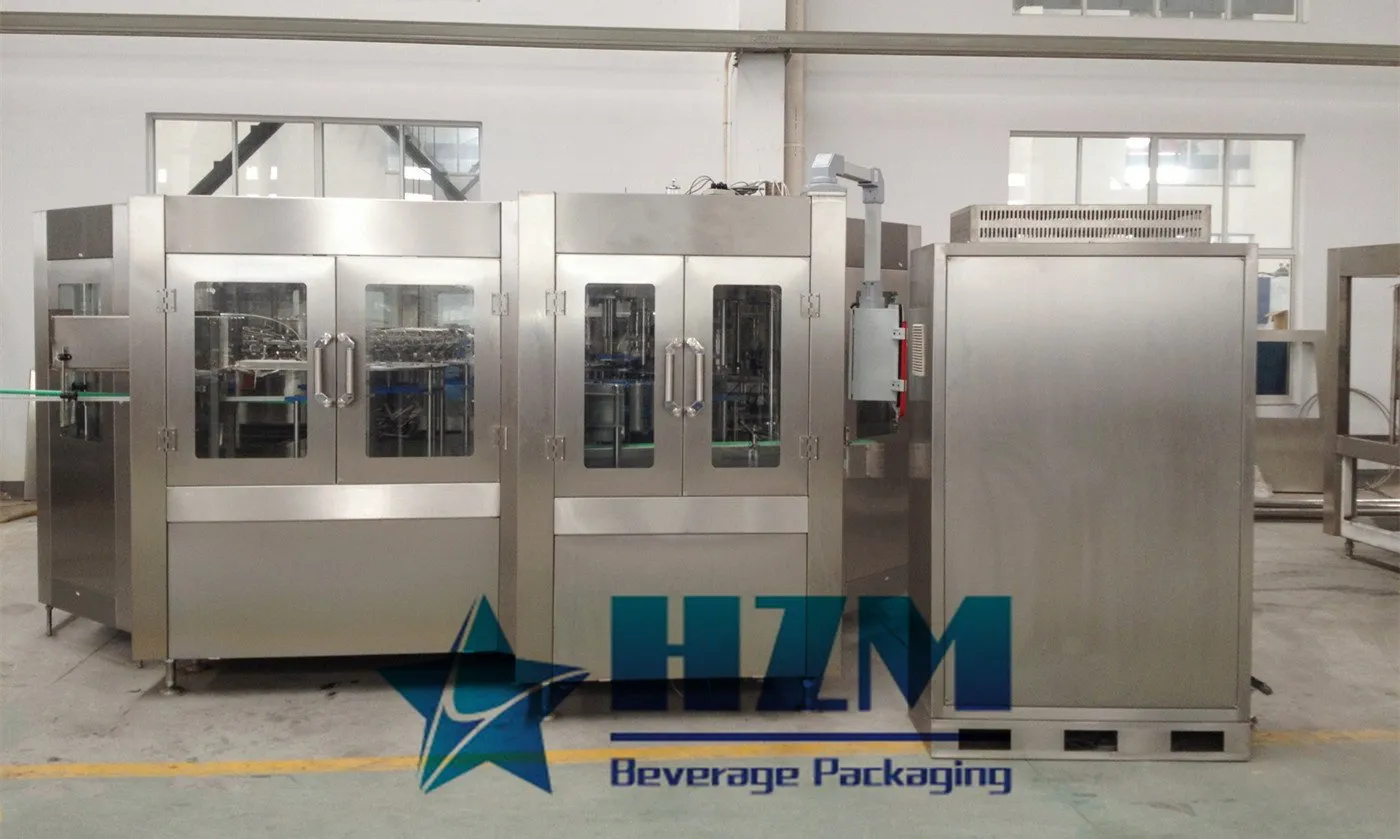
Equipment
PET Bottle CSD Beverage Filling Machine
Automatic PET bottle rinsing, isobaric filling and capping for cola, soda water and other carbonated soft drinks.
Learn more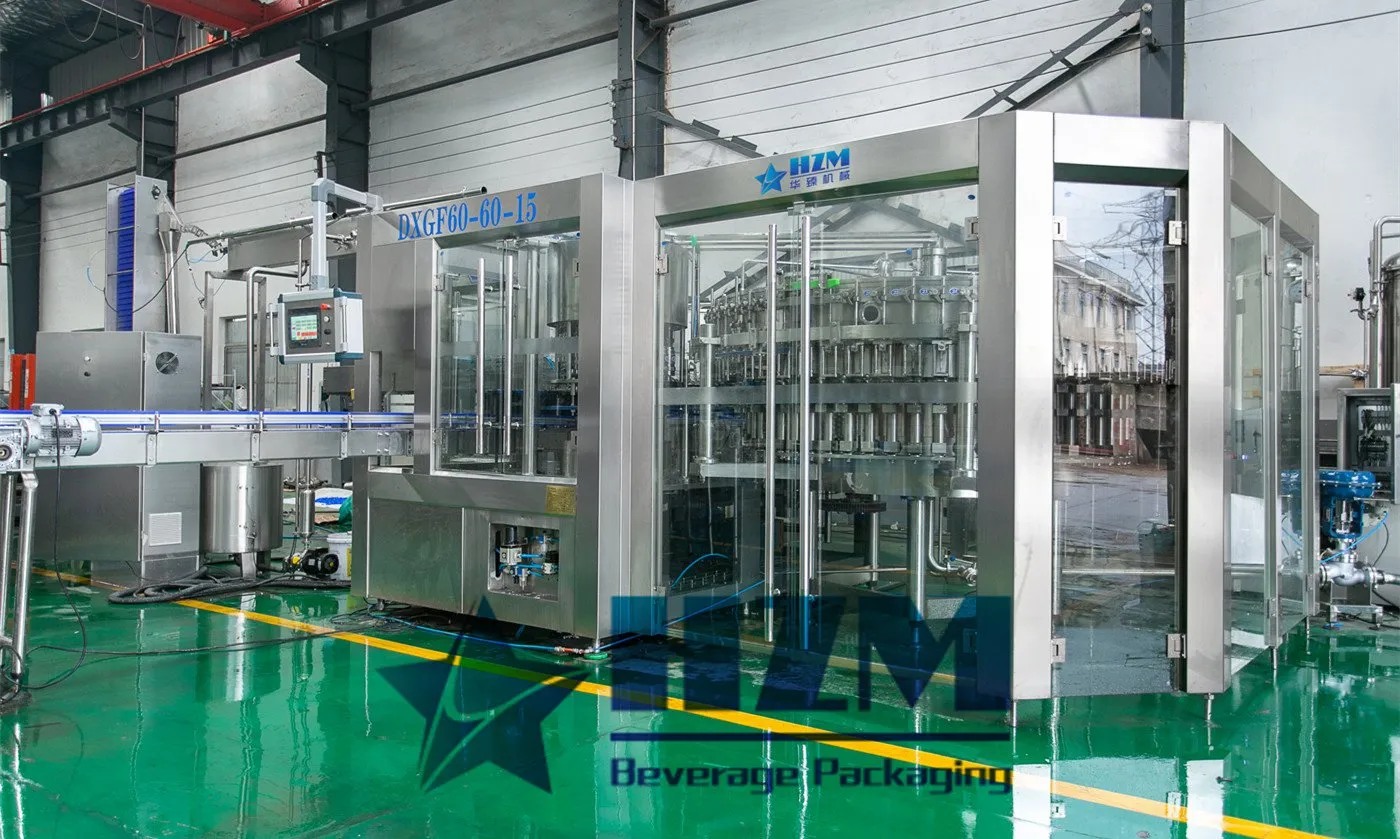
Equipment
Soda Water Filling Machine
Soda water filling equipment with bottle rinsing, isobaric filling and capping for PET-bottled sparkling water.
Learn moreEquipment
Carbonated Soft Drink Filling Machine
Carbonated soft drink rinsing, isobaric filling and capping, with DXGF models from 3,000 to 15,000 bottles/hour at 500 ml.
Learn more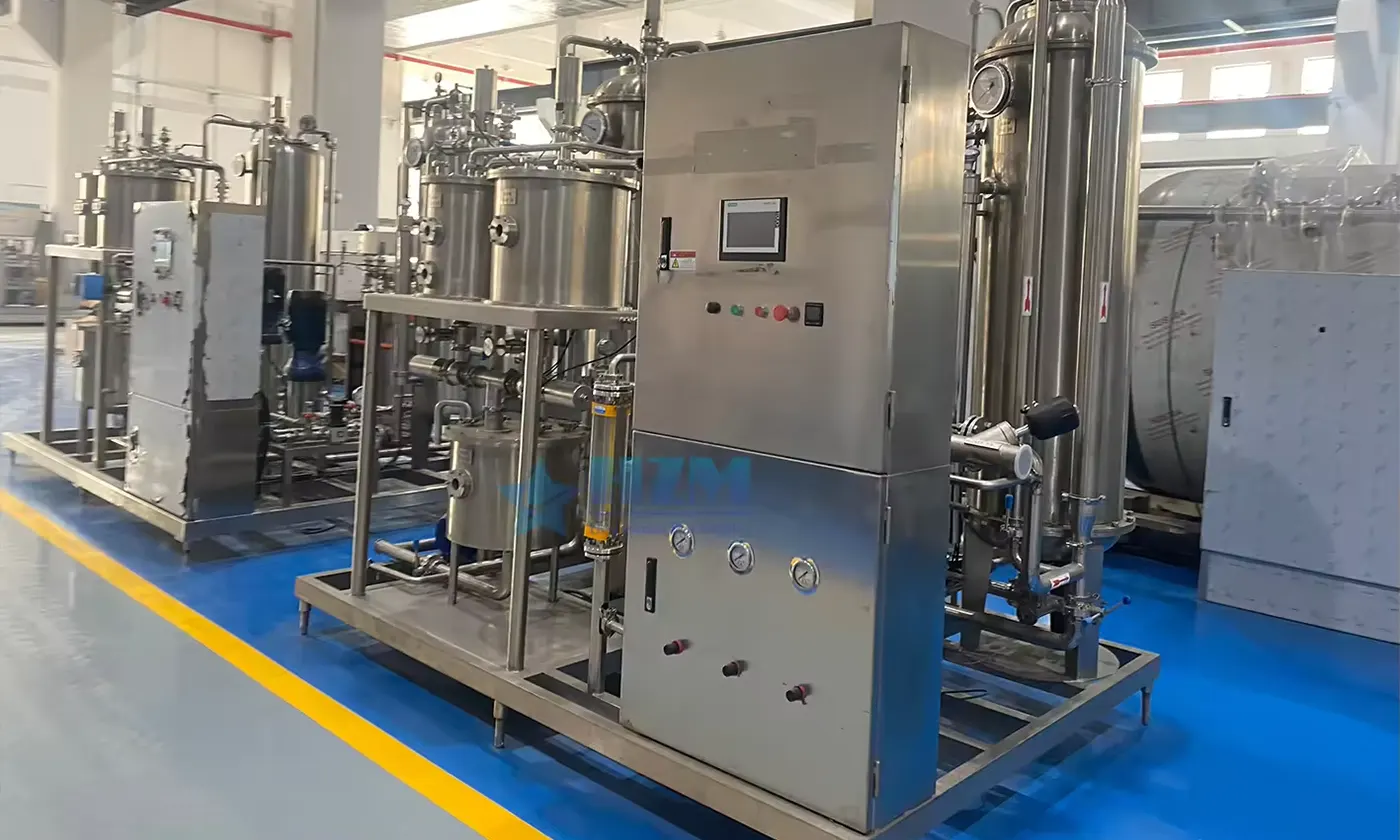
Equipment
Carbonated Drink Co2 Mixer Machine
The CO2 mixer blends beverage ingredients and carbonates the drink before filling.
Learn more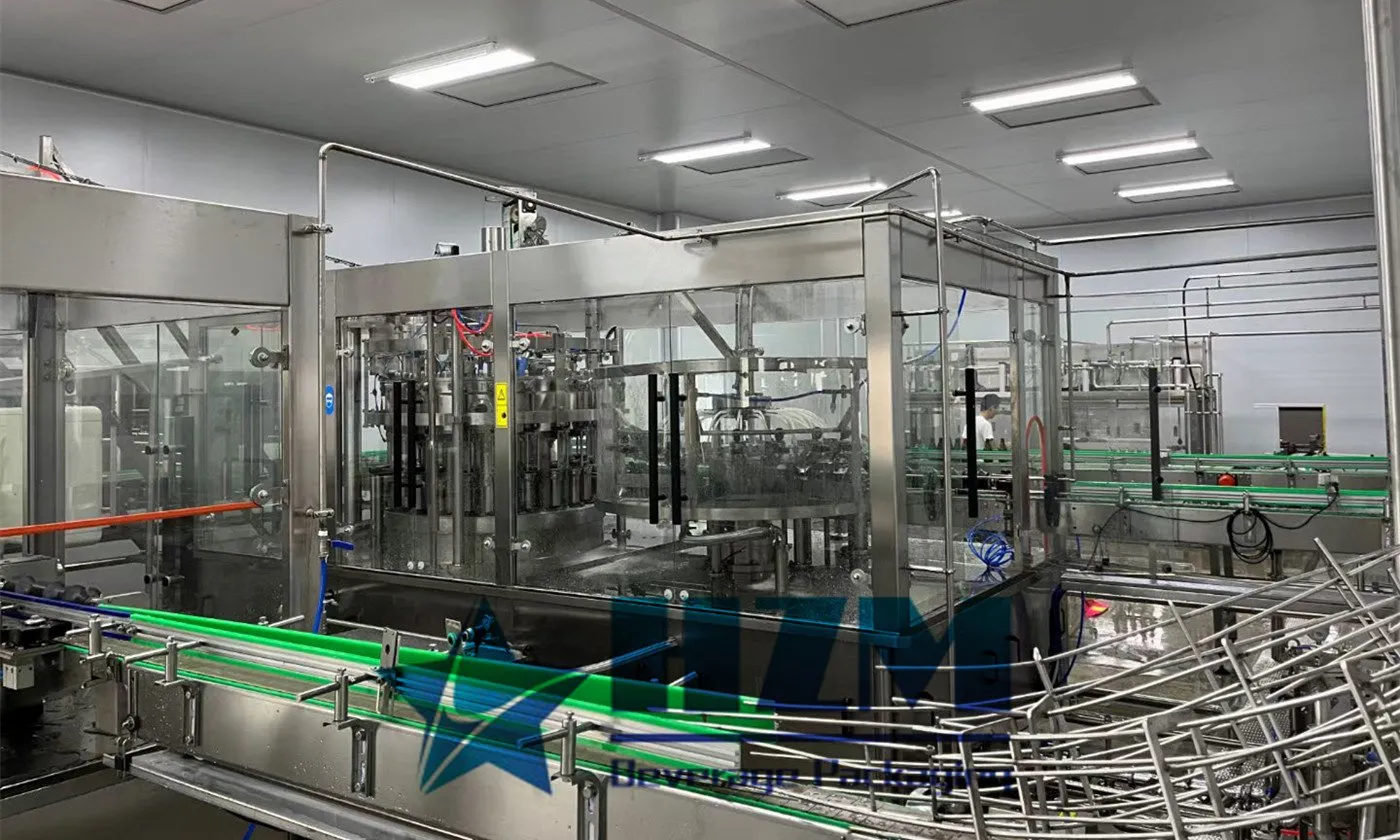
Equipment
CSD Beverage Can Filling Machine
CGS can filling and seaming for carbonated beverages, with capacities of 6,000–36,000 cans/hour at 330 ml.
Learn more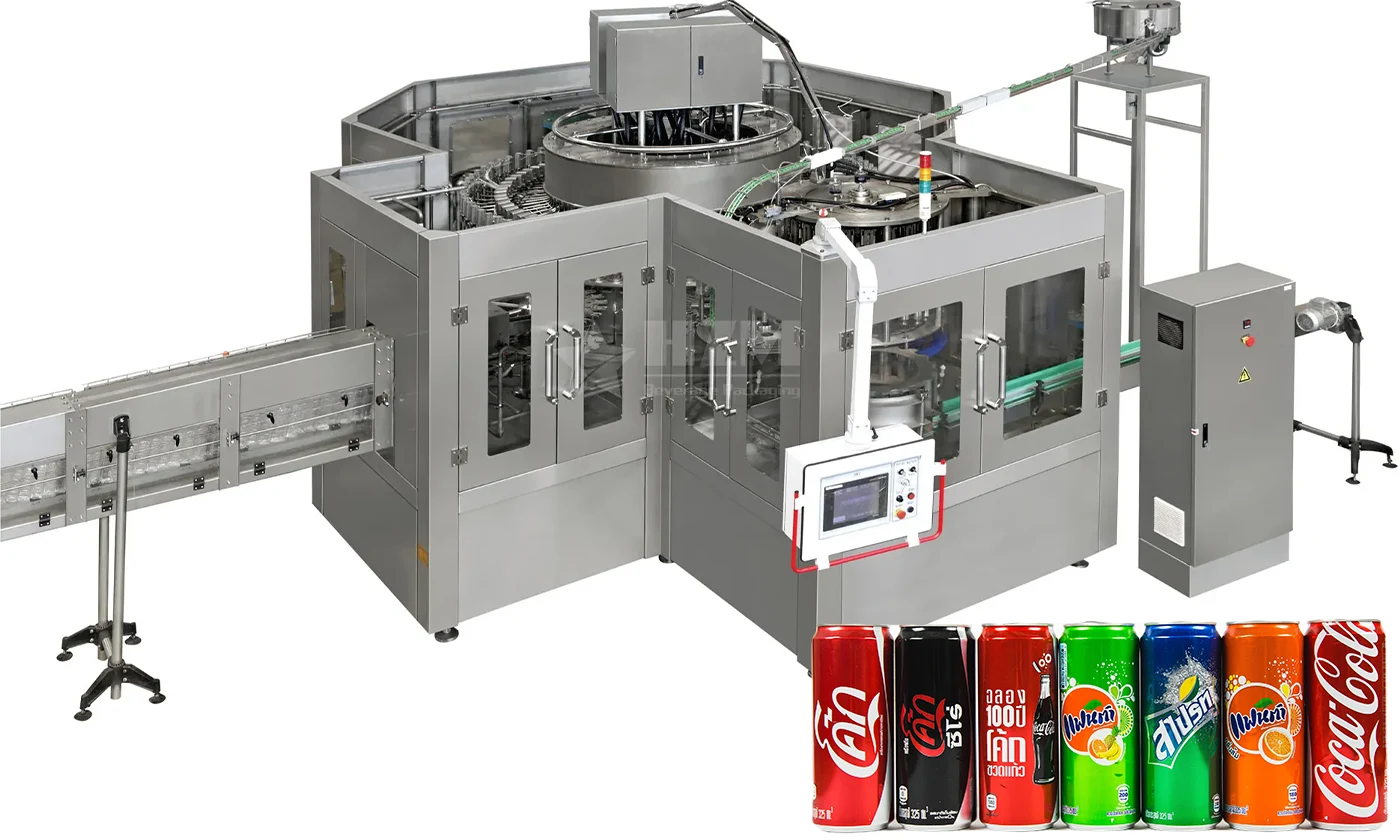
Equipment
Carbonated Beverage Can Filling Machine
Automatic carbonated beverage can filling and seaming, with CGS capacities of 6,000–36,000 cans/hour at 330 ml.
Learn more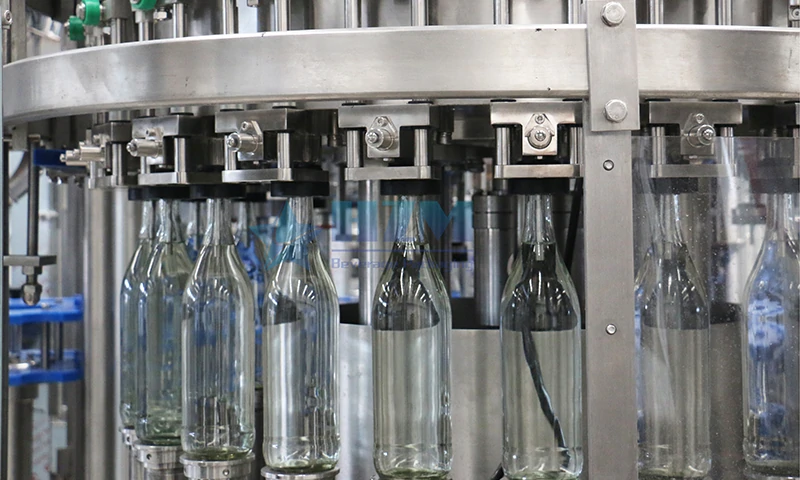
Equipment
Glass Bottle CSD & Water Drinks Filling Machine
DXGF24-24-8-8 glass bottle isobaric filling for carbonated drinks, with rinsing and two capping stations.
Learn more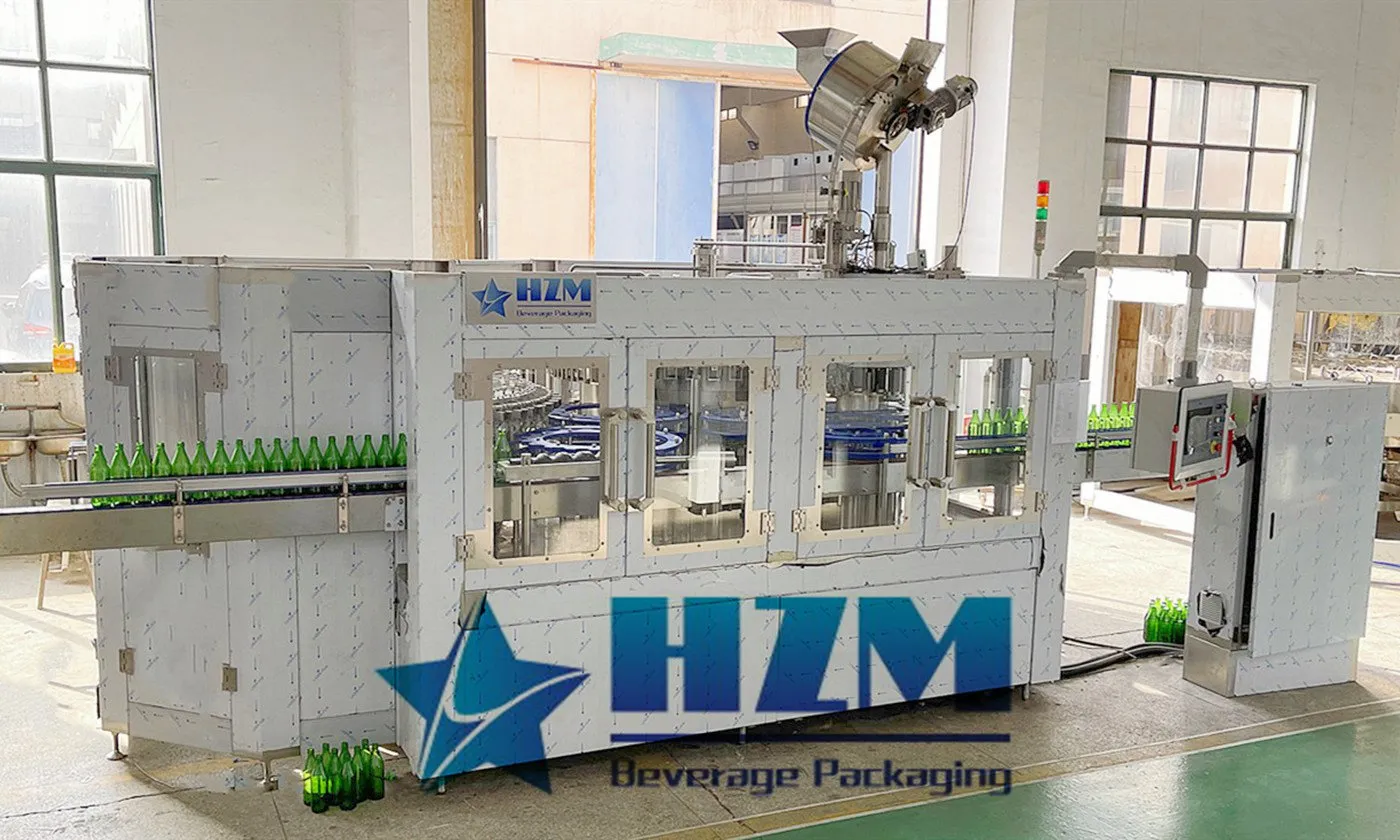
Equipment
Glass Bottle CSD Beverage Filling Machine
Glass bottle filling for carbonated beverages, with isobaric filling and capacities of 2,000–20,000 bottles/hour at 500 ml.
Learn more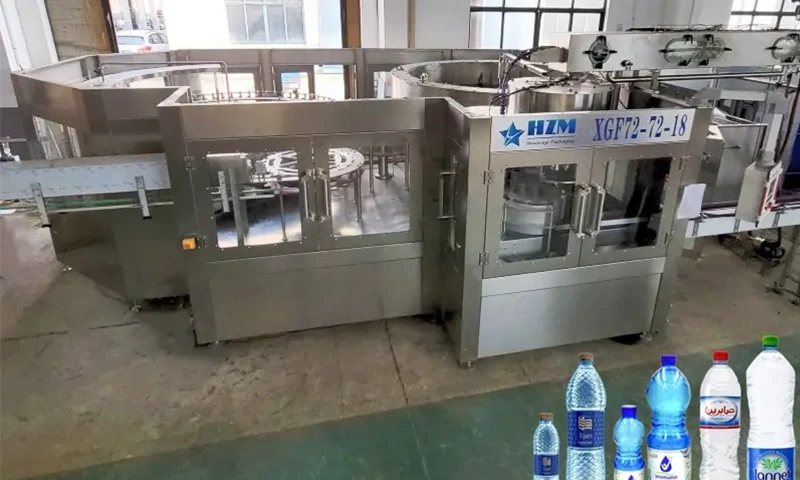
2026-07-27
How to Reduce Bottle Changeover Time on a Beverage Filling Line
Use SMED principles, prepared change parts and verified center settings to reduce bottle-format changeover time without sacrificing filling or packaging quality.
Learn more
2026-08-07
Edible Oil Filling Problems: How to Control Drips, Foam and Viscosity
Improve edible-oil filling accuracy and cleanliness by controlling product temperature, viscosity, flow profile, nozzle cutoff, bottle handling and calibration.
Learn more
2026-08-11
Filling Machine Spare Parts: Build a Risk-Based Inventory and PM Plan
Classify critical filling-line spares by failure impact, lead time and wear rate, then connect inventory with preventive maintenance and usage records.
Learn more
2026-08-08
Servo Piston Filling for Sauces: Nozzle, Particle Size and Accuracy Checklist
Specify a servo piston filler for ketchup, mayonnaise, soy sauce and particulate products by viscosity, particle size, nozzle, hopper, cleaning and accuracy.
Learn more
2023-08-16
Must-Know Technical Knowledge for Purchasing a Carbonated Drink Filling Machine
In the beverage industry, the Carbonated Drink Filling Machine serves as a core piece of equipment on the production line, directly impacting production efficiency and product quality
Learn more
2023-07-18
Carbonated drinks Filling Machine: A Comprehensive Solution
Beverage filling machine is a specialized device used for filling carbonated beverages into bottles in an efficient and accurate manner. In this article, we will provide an introduction to carbonated beverage filling machines and their features, discuss the applicable industries and beverage types, present the bottle types suitable for these machines in tabular form, offer a specific solution for carbonated beverage filling machines, and highlight important considerations while using them.
Learn more