
Insights & Updates
10,000 BPH Water and Beverage Filling Line Equipment List, Cost and Factory Layout Guide
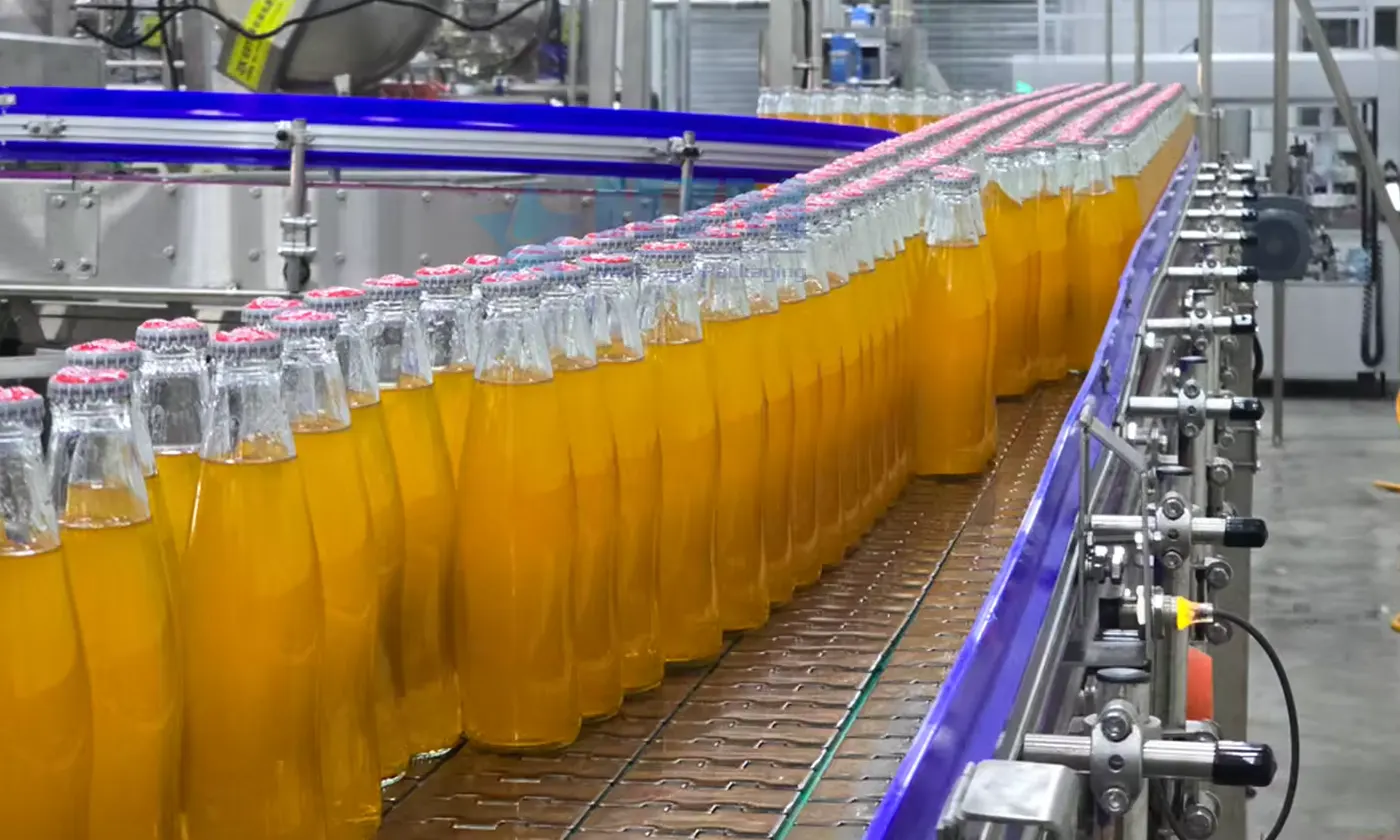
1. Project Overview (Baseline Assumptions)
To ensure practical engineering accuracy:
- Product: Bottled water / juice / low-sugar beverages (multi-purpose line)
- Bottle type: 500ml PET bottle
- Capacity: 10,000 bottles/hour (BPH)
- Operation: 20 hours/day
- Daily output: ~200,000 bottles
- Automation level: Medium-high fully automatic line
2. Complete Production Line Equipment Configuration
2.1 Water Treatment System (Front-end Processing)
Used to ensure drinking water compliance and product stability.
Main equipment:
- Raw water tank
- Multi-media filter
- Activated carbon filter
- Water softener (optional depending on source water)
- Precision filtration (5μ / 1μ)
- Reverse osmosis system (RO)
👉 Core system: RO Water treatment system
- Ozone sterilization system
- UV sterilizer
- Stainless steel purified water tank (SS304)
2.2 Bottle Production System (Optional but common)
If the factory produces PET bottles in-house:
- Fully automatic blow molding machine (6–8 cavity)
- High-pressure air compressor system (30–40 bar)
- Air dryer system
- Air storage tank
- Bottle molds (500ml / 1L formats)
👉 Core equipment: Blow molding machine
2.3 Filling System (Core Equipment)
For a 10,000 BPH line, the standard configuration is:
👉 Rotary 3-in-1 monoblock filling machine:
Functions:
- Bottle rinsing
- Filling (normal / hot / isobaric depending on product)
- Capping
Application types:
- Water: normal pressure filling
- Juice: hot filling
- Carbonated drinks: isobaric filling
👉 Core equipment: Beverage filling machine
2.4 Packaging System (End-of-line)
Labeling
- OPP hot melt labeling machine or self-adhesive labeling machine
👉 Automatic Labeling Machine
Coding system
- Inkjet printer or laser coding system (date / batch number)
Secondary packaging
- Shrink film packaging machine (PE film)
- Automatic carton packing machine
👉 cartoning machine
2.5 Conveying System
Used to connect the entire production line:
- Air conveyor for empty bottles
- Chain conveyor system
- Finished product conveyor
- Buffer accumulation tables
2.6 Auxiliary Systems
- Air compressor system (high & low pressure)
- Cooling tower system
- CIP cleaning system (Clean-In-Place)
- PLC centralized control system
- Electrical control cabinet system
3. Factory Layout Requirements
3.1 Minimum Factory Area
For a 10,000 BPH line:
- Production workshop: 800–1,200 m²
- Blow molding area: 300–500 m²
- Raw material warehouse: ~300 m²
- Finished goods warehouse: 500–1,000 m²
- Auxiliary areas: 200–400 m²
👉 Total: 2,000 – 3,000 m²
3.2 Building Requirements
- Minimum ceiling height: 4.5 meters
- Recommended height: 6 meters (for conveyors + maintenance access)
3.3 Production Flow Layout
Raw water → Water treatment → Bottle blowing → Filling → Labeling → Packaging → Warehouse
4. Workforce Requirements
Typical staffing per shift:
- Operators: 6–10
- Quality control: 1–2
- Maintenance engineers: 2–3
- Warehouse/logistics: 2–4
👉 Total: 10–18 people per shift
5. Utility Consumption Analysis
5.1 Electricity
- Installed capacity: 80–120 kW
- Operating load: 60–90 kW
5.2 Water consumption
- RO recovery rate: 60–75%
- Raw water input: ~1.2–1.5× product output
5.3 Compressed air
- High consumption for bottle blowing system
- Pressure range: 30–40 bar
6. Investment Cost Breakdown
6.1 Main Equipment Investment
| Module | Cost Range |
|---|---|
| RO Water Treatment System | $30,000 – $80,000 |
| Blow Molding System | $40,000 – $120,000 |
| Filling Machine | $120,000 – $300,000 |
| Packaging System | $60,000 – $180,000 |
| Conveying & Electrical Control | $30,000 – $80,000 |
👉 Total Equipment Cost: $280,000 – $760,000
6.2 Auxiliary Investment
- Factory construction: $100,000 – $400,000
- Installation & commissioning: $20,000 – $80,000
- Air compressor system: $20,000 – $50,000
- Working capital reserve: $50,000+
6.3 Total Project Investment
👉 $450,000 – $1,200,000
(Approx. 3.2M – 8.5M RMB equivalent)
7. Unit Production Cost (500ml Bottle Water)
| Cost Item | Estimated Cost |
|---|---|
| Water | $0.002 – $0.005 |
| Bottle | $0.02 – $0.04 |
| Cap | $0.005 – $0.01 |
| Label | $0.005 – $0.01 |
| Packaging film | $0.003 – $0.008 |
| Utilities (power, air, water) | $0.003 – $0.006 |
👉 Total unit cost:
$0.04 – $0.08 per bottle
8. Profitability Analysis
Selling Price Assumption
- Factory price: $0.10 – $0.15 per bottle
- Cost: $0.05 – $0.08
👉 Profit per bottle:
$0.03 – $0.07
Daily Profit (10,000 BPH)
- Output: 200,000 bottles/day
- Daily profit:
👉 $6,000 – $14,000/day
Annual Profit (300 operating days)
👉 $1.8M – $4.2M per year
9. ROI (Return on Investment)
- Typical payback period: 8 – 24 months
Depends heavily on:
- Sales channel strength
- Capacity utilization rate
- Market pricing power
10. Key Risks and Considerations
- PET bottle supply stability
- Raw water quality consistency
- Market distribution channels (critical success factor)
- Capacity utilization (<60% leads to losses)
- Compressed air energy consumption (major operating cost)
Talk to our engineering team
Need help planning your packaging line?
Share your product, bottle and capacity requirements for a practical equipment recommendation.
Equipment
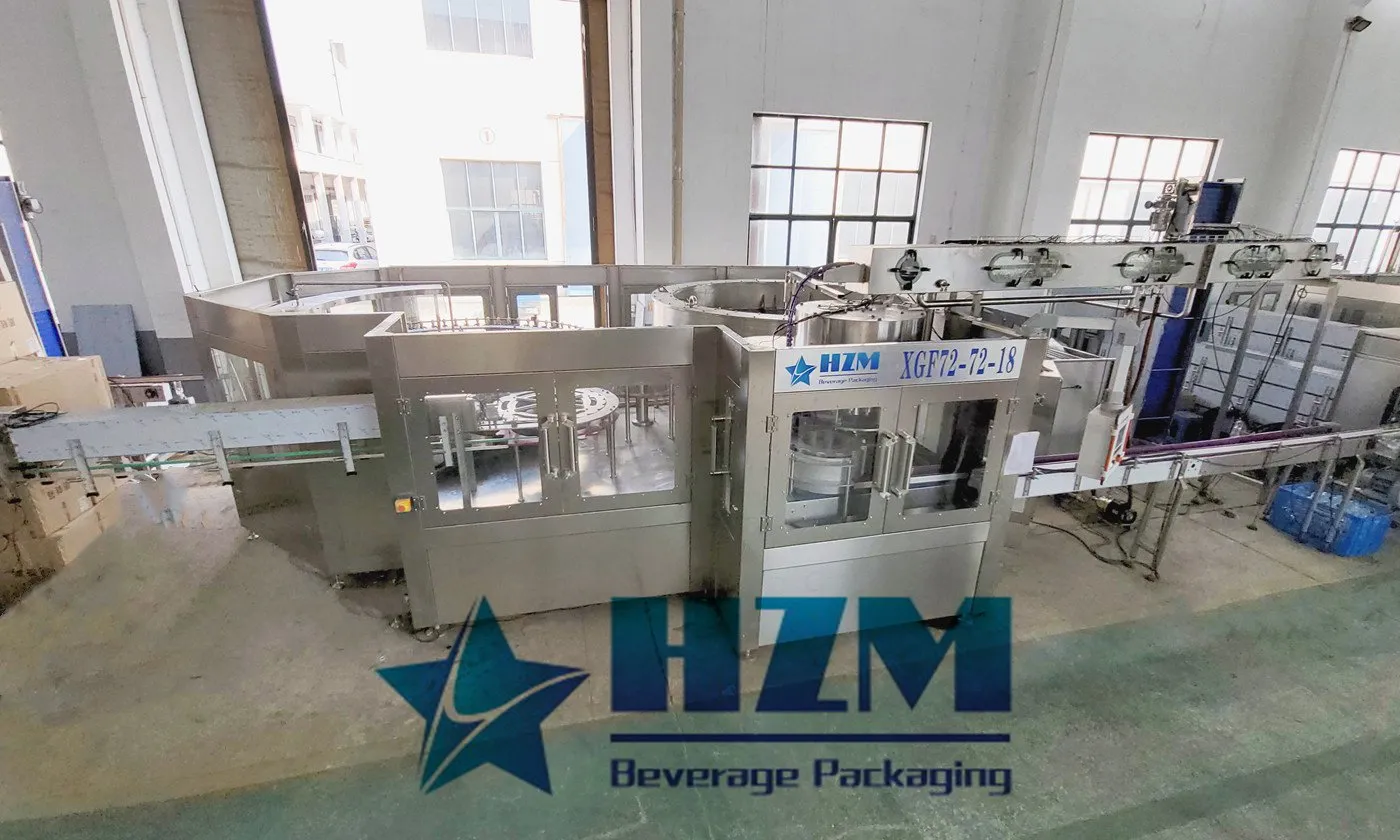
Automatic Water Bottle Filling Machine
Automatic rinsing, filling and capping for purified and mineral water in PET bottles, with capacities of 5,000–42,000 bottles/hour at 500 ml.
Learn more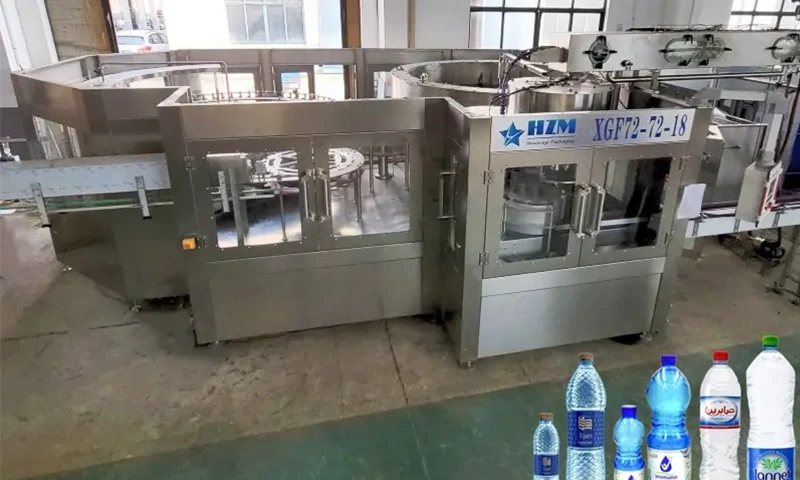
Equipment
3-In-1 Water Bottle Filling Machine
A 3-in-1 PET bottle rinsing, filling and capping machine for drinking water, from 5,000 to 18,000 bottles/hour at 500 ml.
Learn more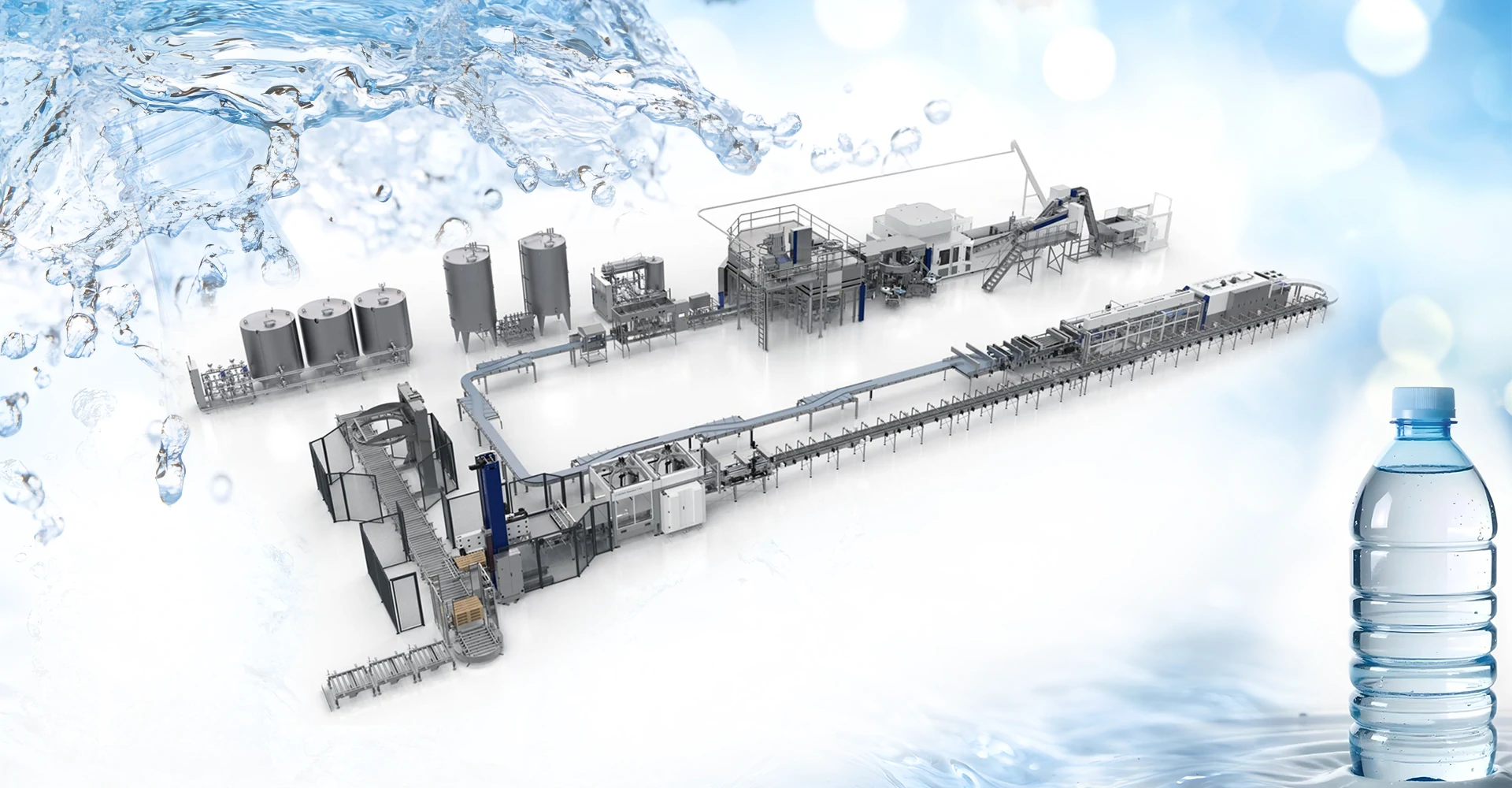
Equipment
Drinking water production line – Bottled Water Filling Machine Manufacturer
PET-bottled drinking-water production with automatic rinsing, filling and capping, plus water treatment and packaging equipment.
Learn more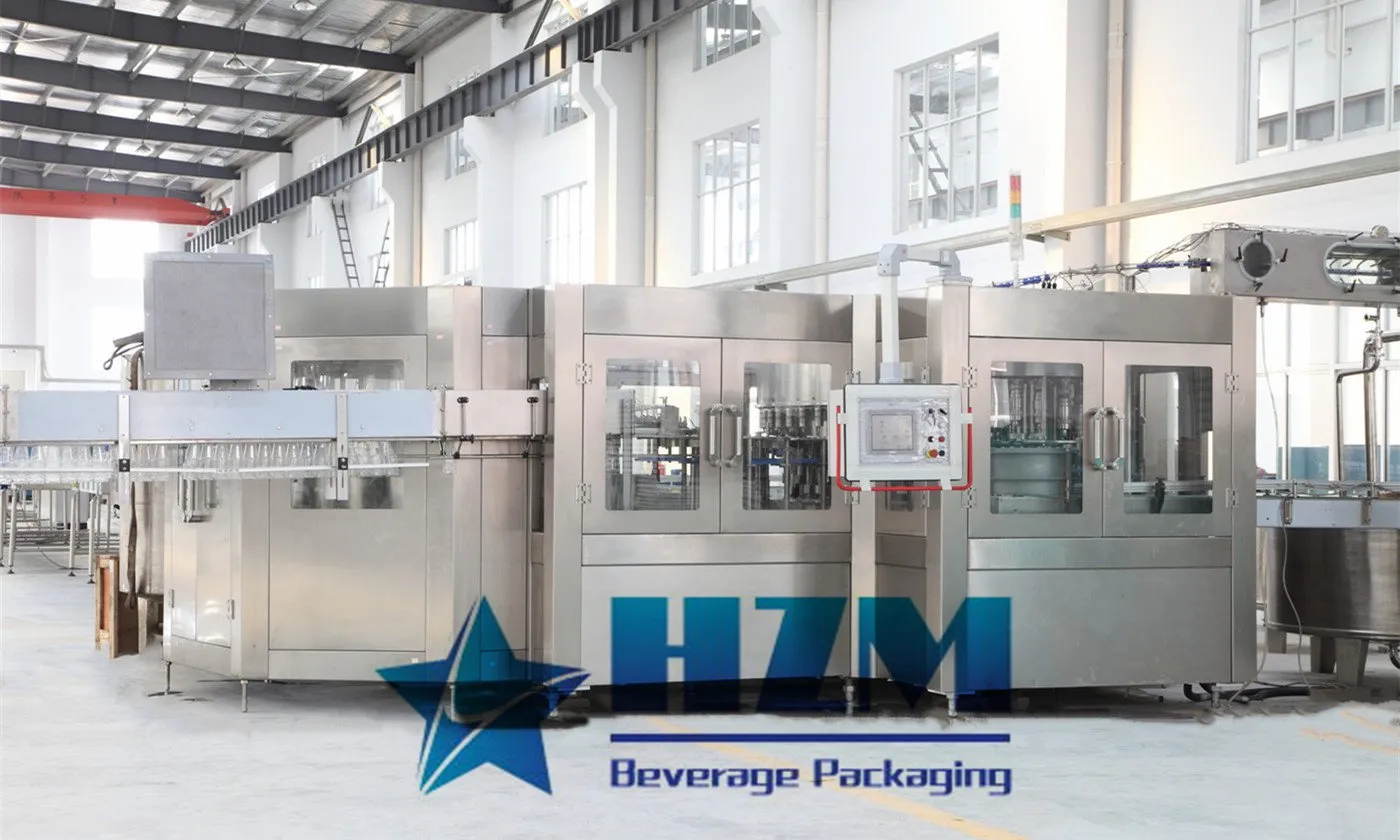
Equipment
PET Bottle Water Filling Machine
PET bottle water filling with automatic rinsing and capping, for purified water, mineral water and still drinking water.
Learn more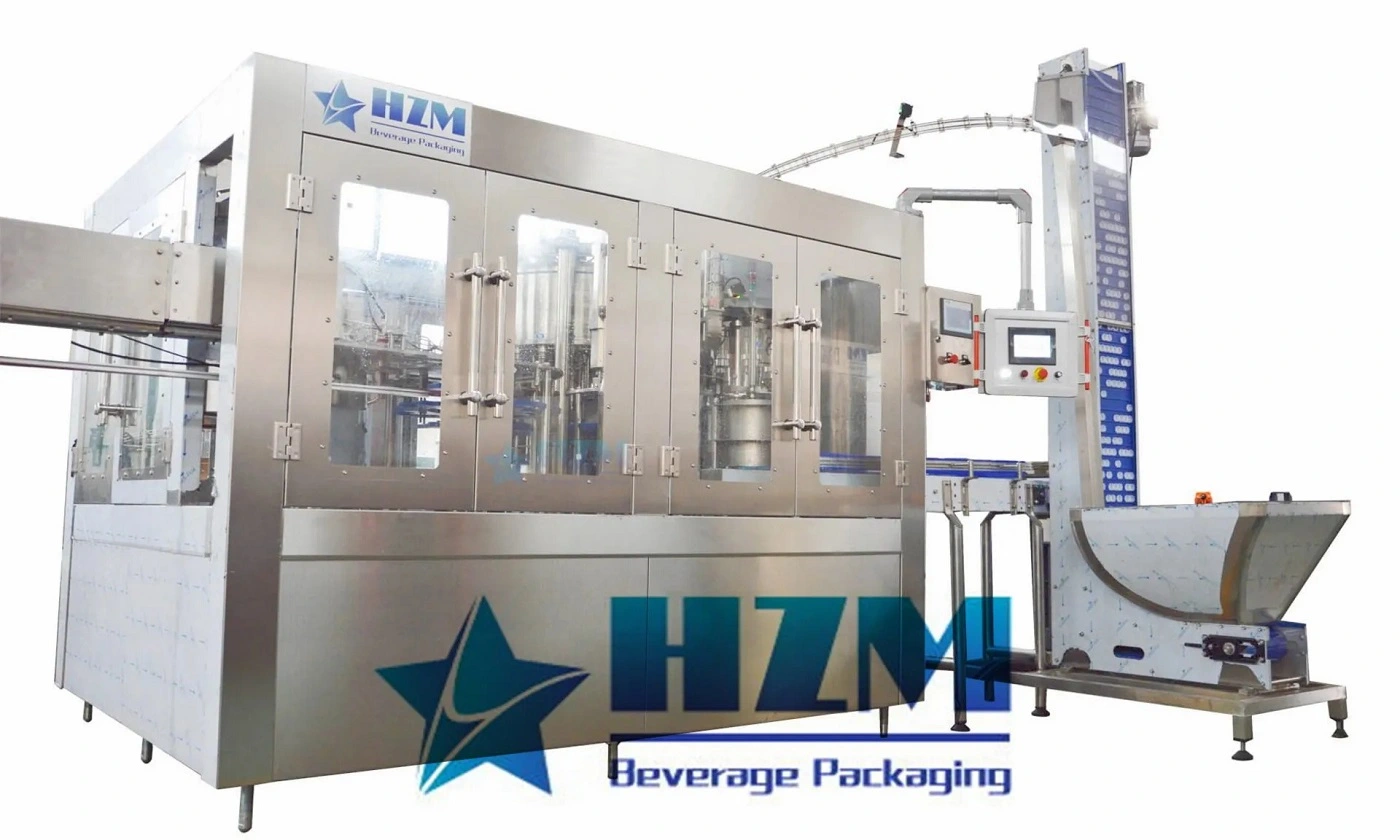
Equipment
Automatic Drinking Water Bottling Machine
Drinking-water bottling equipment with automatic rinsing, filling and capping, plus conveying, labelling and packing options.
Learn more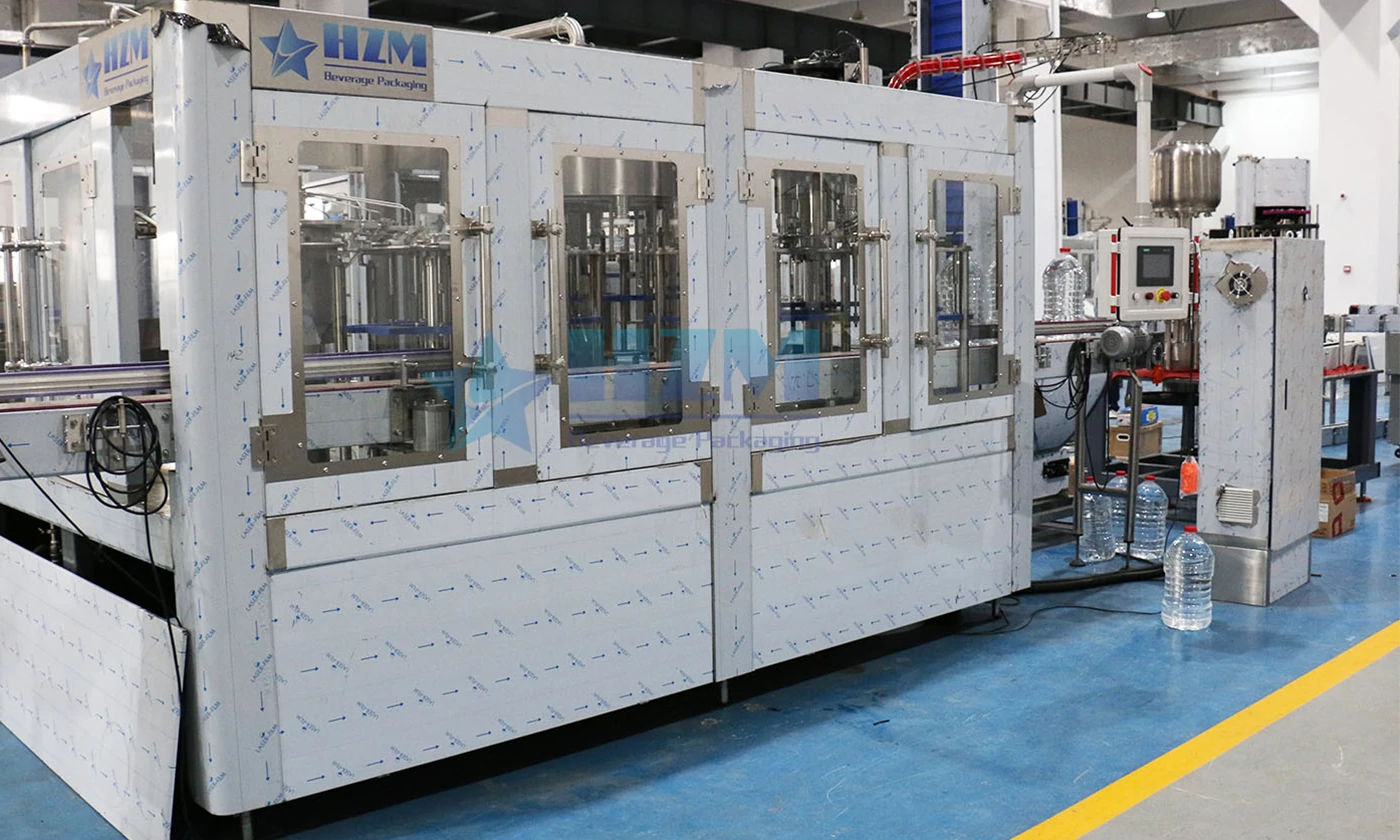
Equipment
5L-10L Large Bottle Drinking Water production line
XGF12-12-4 rinsing, filling and capping for 5 L and 10 L water bottles, with stable outputs of 1,200 and 700 bottles/hour respectively.
Learn more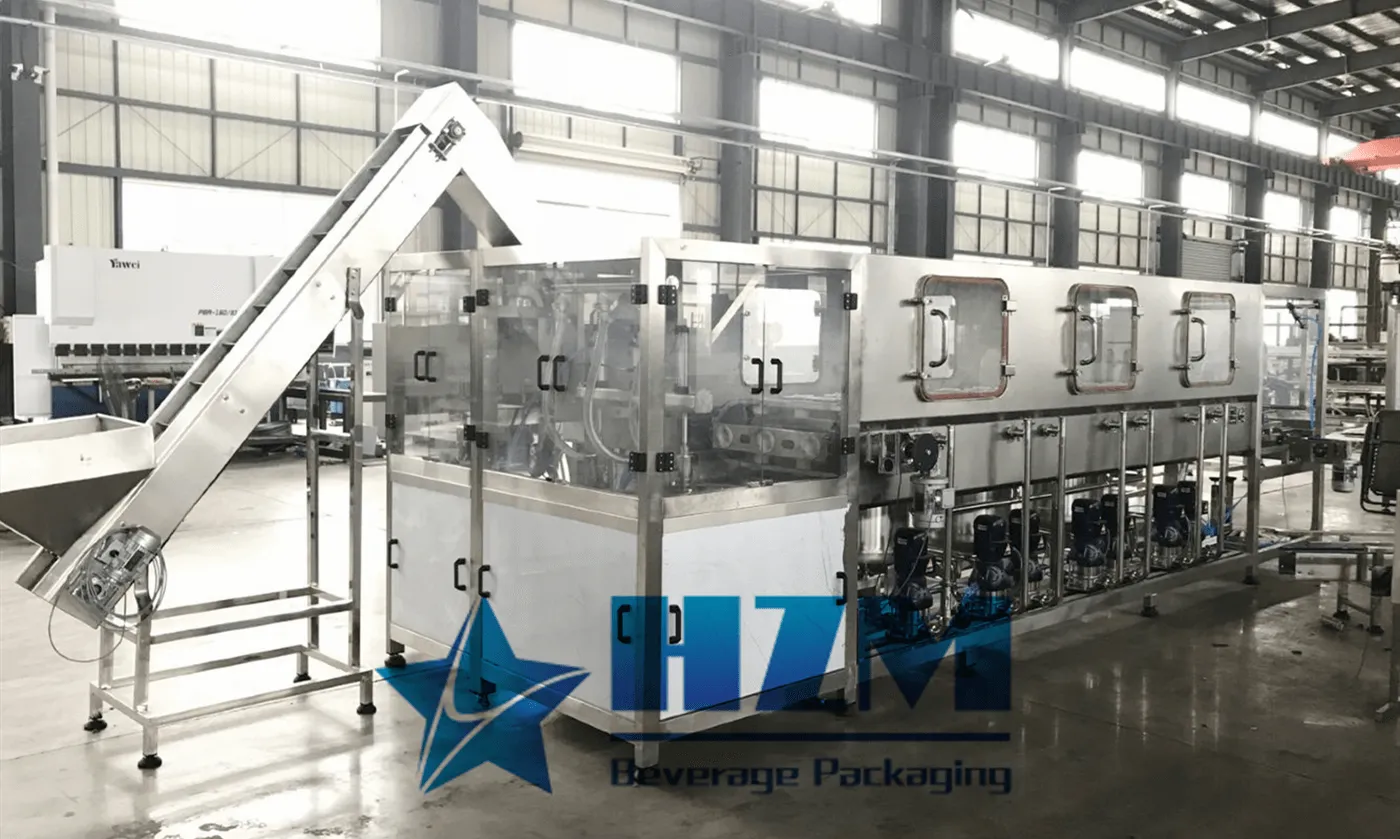
Equipment
3-5 Gallon Water Filling Line
Automatic washing, filling and capping for 3–5 gallon drinking-water jars, with QGF models from 120 to 900 jars/hour at 5 gallons.
Learn more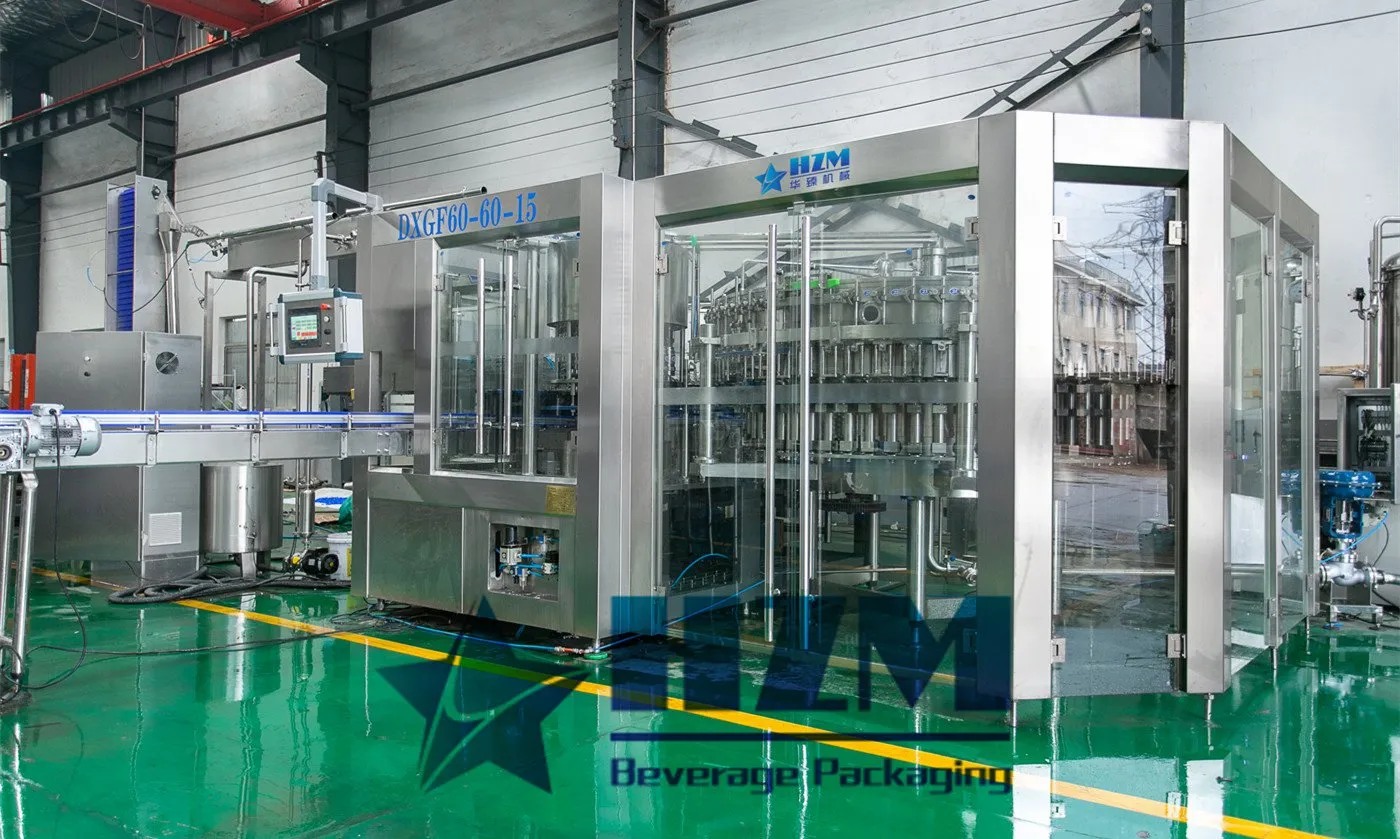
Equipment
Soda Water Filling Machine
Soda water filling equipment with bottle rinsing, isobaric filling and capping for PET-bottled sparkling water.
Learn more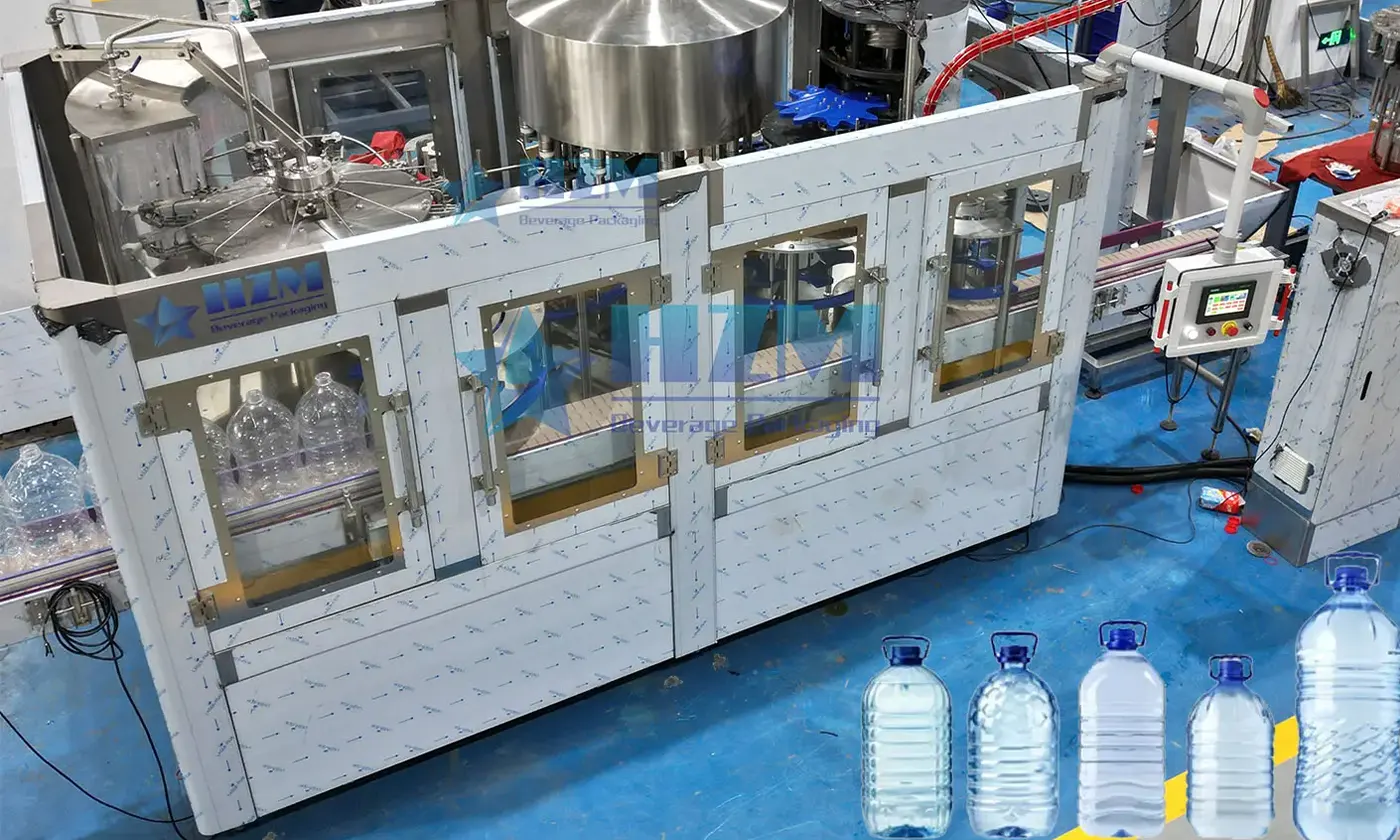
Equipment
Bottled Water Filling Machine & Turnkey Water Bottling Line
Bottled water filling machines and turnkey lines for purified and mineral water, with dedicated small-bottle, large-bottle and gallon-jar systems.
Learn more2023-06-09
Three In One 24000 BPH Bottled Water Filling Machines
High quality Three In One 24000 BPH Bottled Water Filling Machines from China, China's leading 24000Bph Bottled Water Filling Machines product, with strict quality control 1L Bottled Water Filling Machines factories, producing high quality 10L Washing Filling Capping Machines products.
Learn more2023-06-09
Five Gallon 1500 BPH Water Filling Machine
High quality Five Gallon 1500 BPH Water Filling Machine from China, China's leading 1500 bph 20 Ltr Water Jar Filling Machine product, with strict quality control 0.75kW 20 Ltr Water Jar Filling Machine factories, producing high quality 0.75kW Five Gallon Jar Filling Machine products.
Learn more2026-01-31
Water Bottling Line Guide: Utility Loads and Factory Layout
Practical HZM guidance on water bottling line, focused on utility loads and factory layout, line integration, RFQ data and measurable acceptance checks.
Learn more2023-06-09
Stainless Steel 20000 BPH PET Bottled Water Filling Machines
High quality Stainless Steel 20000 BPH PET Bottled Water Filling Machines from China, China's leading 20000bpm PET Bottled Water Filling Machines product, with strict quality control 20000bpm Bottled Water Filling Machines factories, producing high quality 20000bpm PET Bottle Water Filling Machines products.
Learn more2023-06-06
HZM Water Filling Line: Your Reliable Supplier for Complete Equipment Solutions
HZM Water Filling Line is dedicated to offering efficient and reliable equipment and services to water production enterprises.
Learn more
2023-03-24
What are the Advantages of Automatic Water Filling Machine?
The automatic water filling machine is a widely used packaging machine that offers a number of advantages to the packaging industry. Such a machine eliminates the manual work of filling bottles. When production reaches a certain level, it becomes necessary to use a filling machine. Below are the most common advantages of an automatic water […]
Learn more