
Insights & Updates
Can Double-Seam Quality: A Buyer and Operator Inspection Checklist
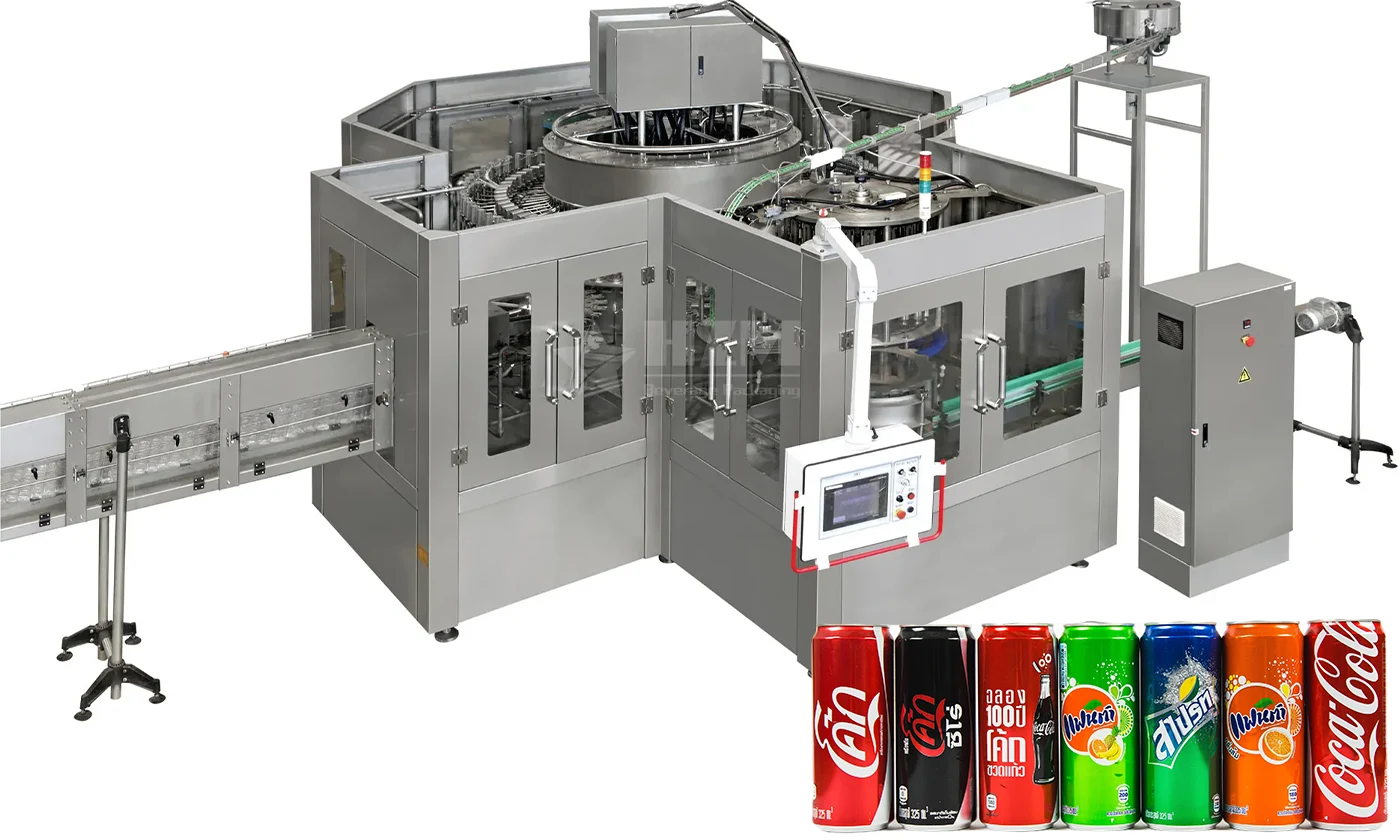
The double seam is the primary closure that protects a canned beverage. A seam may look acceptable from outside while internal overlap, body hook or tightness is outside the approved range. Small errors in end handling, chuck alignment, roll profile or lift pressure can therefore create leaks, loss of carbonation and shelf-life risk.
Seam control begins with compatible cans and ends, correct storage, disciplined seamer setup and destructive teardown measurements. This article is a practical framework, but acceptance limits must come from the can/end supplier and the seamer specification for the exact package.
Quick answer: Use matched cans and ends, protect flanges and curls from damage, verify end presence and seamer setup, measure external seam dimensions at defined intervals, perform teardown measurements with calibrated tools, trend results by seaming head and stop the line when critical limits are exceeded.
Control Cans and Ends Before the Seamer
Inspect incoming cans for dents, damaged flanges and contamination. Store ends dry, covered and protected from curl damage. Confirm the end code matches the can specification and do not mix visually similar components. Follow supplier guidance for handling and shelf life.
Depalletizing and conveying should prevent impacts that deform the flange. Open cans also need hygienic protection before filling and seaming.
Coordinate Filling and Headspace
Fill level, foam and product temperature influence headspace and seaming conditions. Excess foam can contaminate the seam area or cause inconsistent net content; too little foam in some processes may leave excessive oxygen. The approved target depends on beverage and process.
A carbonated beverage can filling machine should transfer filled cans to the seamer smoothly and quickly. Avoid splashing that wets the flange or displaces product.
Verify Chuck, Rolls and Lift Settings
The chuck supports the end while first- and second-operation rolls form and tighten the seam. Wear, incorrect profile, misalignment, contaminated surfaces or wrong lift pressure can change seam geometry. Use the component supplier’s approved setup procedure and gauges.
Track tool life by seaming head. Replacing all rolls on a calendar may waste good parts, while waiting for visible failure is too late. Condition and measurement trends provide stronger evidence.
Measure External Seam Dimensions
Common external checks include seam thickness, seam length or height and countersink depth, depending on the specification. Measure at defined positions around the can using calibrated instruments. Visual checks should also look for droops, vees, cutovers, false seams and damaged coating.
External measurements are fast process indicators but do not replace teardown. They cannot directly confirm the internal hooks and overlap.
Perform Destructive Teardown Checks
A teardown exposes internal seam formation. Measurements may include body hook, cover hook, overlap and tightness or wrinkle rating. The exact method and formula must follow the can/end supplier’s seam manual. Train operators and verify measurement repeatability between people.
| Control | Purpose |
|---|---|
| Seam thickness/height | Fast trend of formed seam |
| Body and cover hooks | Confirm material engagement |
| Overlap | Verify internal interlock |
| Tightness/wrinkle | Assess second-operation compression |
| Head identification | Trace defects to tooling position |
Set Sampling and Reaction Rules
Check seams at startup, after changeover or maintenance, at defined production intervals and whenever a jam or abnormal sound occurs. Sample every seaming head according to the quality plan. Results should be recorded by head, package code, time and operator.
Define stop, hold and investigation rules before a failure. When a critical dimension is out of limit, identify the last known good check and control potentially affected product. Do not adjust and release without assessing the production interval.
Include Seam Proof in Equipment Acceptance
- Run the commercial can and end at agreed minimum and maximum speeds.
- Demonstrate stable filling, end placement and seaming.
- Measure all heads using approved methods.
- Confirm changeover tools, gauges and recommended spares.
- Train plant personnel in setup, teardown and defect response.
When evaluating a can filling and sealing machine, treat seam quality as a contractual performance result, not a later plant problem.
Frequently Asked Questions
Can visual inspection prove a can seam is good?
No. Visual checks find obvious defects, but internal hook and overlap conditions require approved measurement and teardown methods.
How often should seams be measured?
Use a risk-based quality plan agreed with the package supplier, including startup, changeover, maintenance, defined intervals and abnormal events.
Why record the seaming head number?
A defect may follow one chuck and roll station. Head-level traceability allows targeted maintenance and more precise product control.
Plan the Next Step with HZM Machinery
Provide HZM with the can/end specifications, beverage, capacity and required quality checks. Review aluminum can filling and integrated seaming options using your commercial packaging.
Talk to our engineering team
Need help planning your packaging line?
Share your product, bottle and capacity requirements for a practical equipment recommendation.
Equipment
Beverage Can Packaging machine
Beverage can filling and seaming for carbonated drinks and beer, with conveying, packing and palletising line options.
Learn more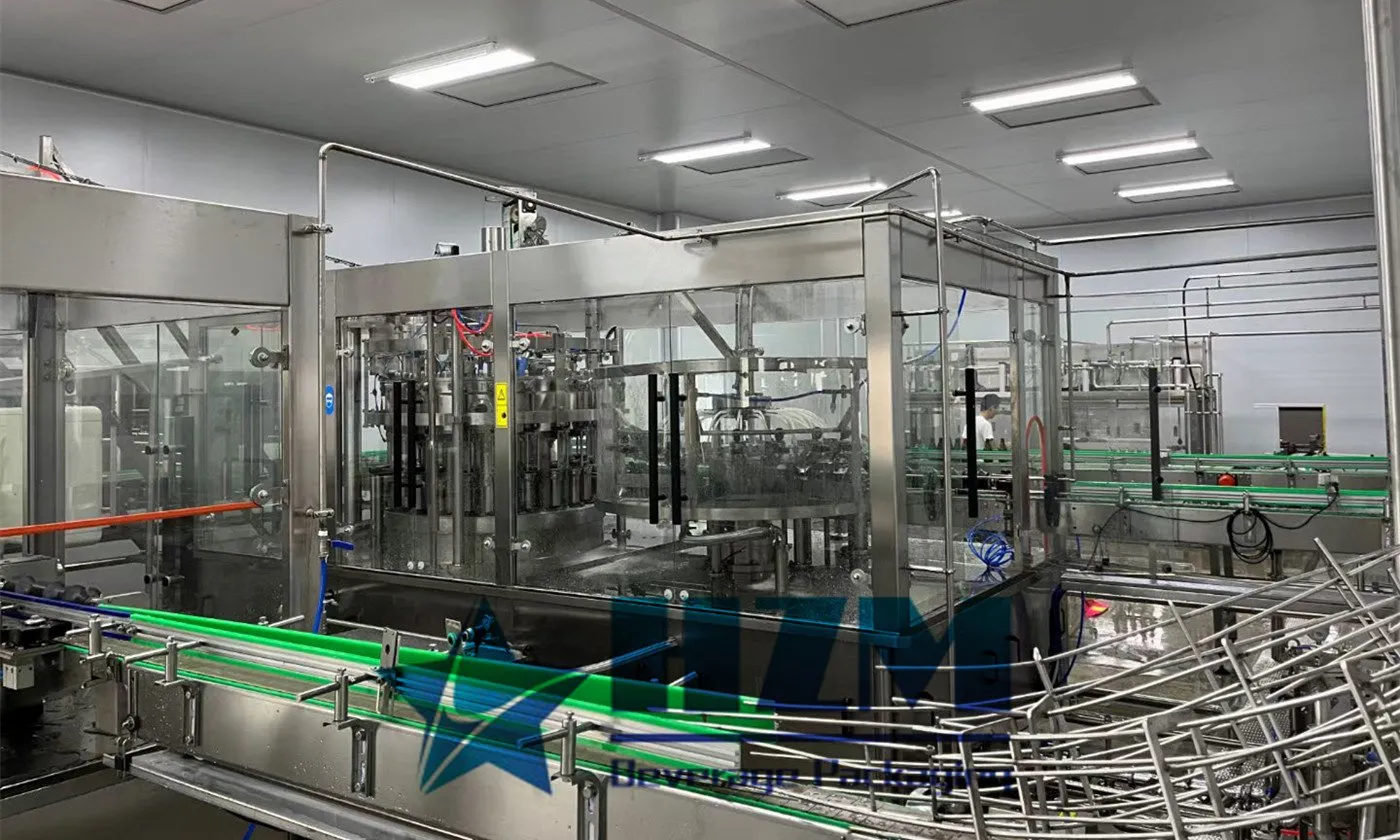
Equipment
CSD Beverage Can Filling Machine
CGS can filling and seaming for carbonated beverages, with capacities of 6,000–36,000 cans/hour at 330 ml.
Learn moreEquipment
Carbonated Beverage Can Filling Machine
Automatic carbonated beverage can filling and seaming, with CGS capacities of 6,000–36,000 cans/hour at 330 ml.
Learn more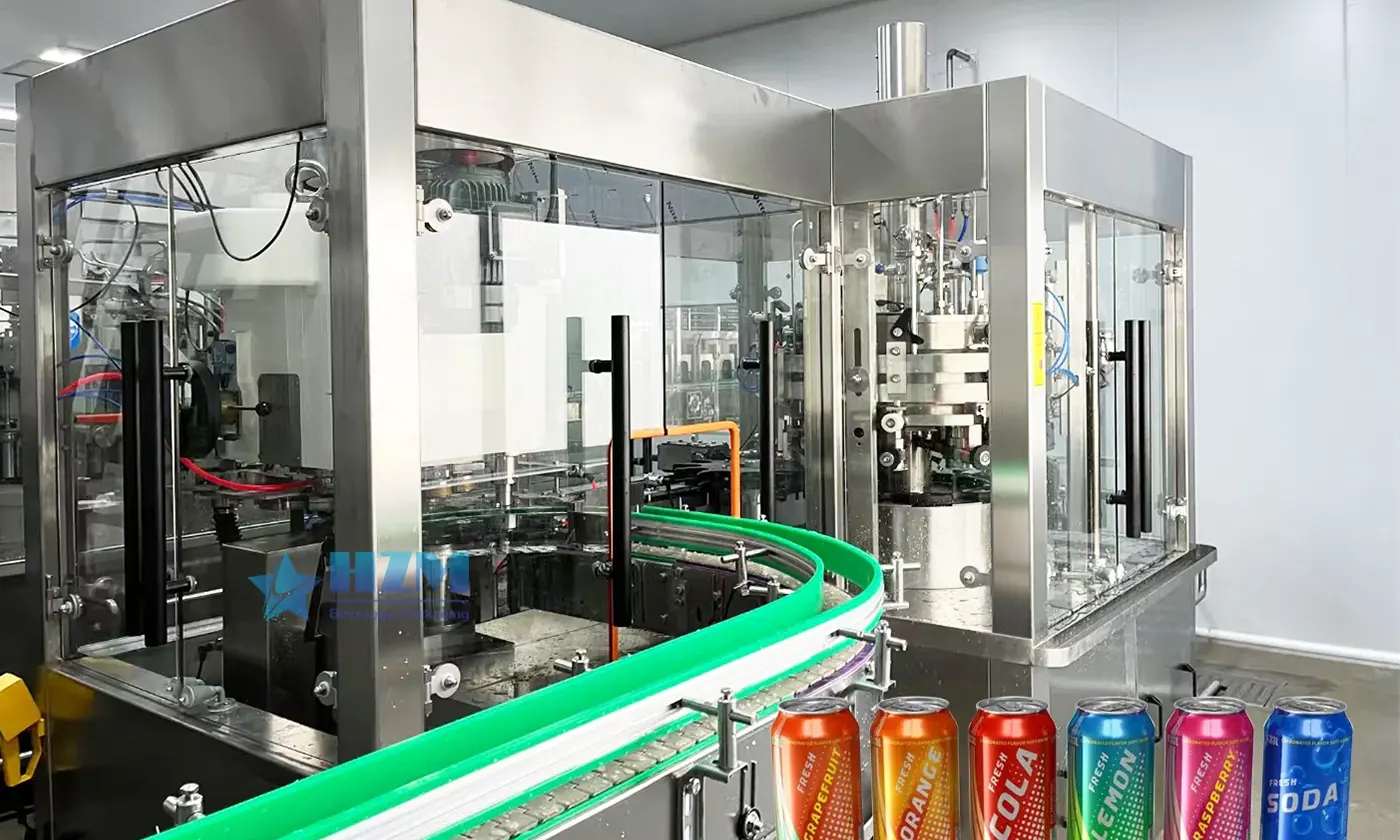
Equipment
Aluminum Can Filling Machine
Beer can filling and seaming equipment for beverage canning lines, with CGS models from 6,000 to 36,000 cans/hour at 330 ml.
Learn more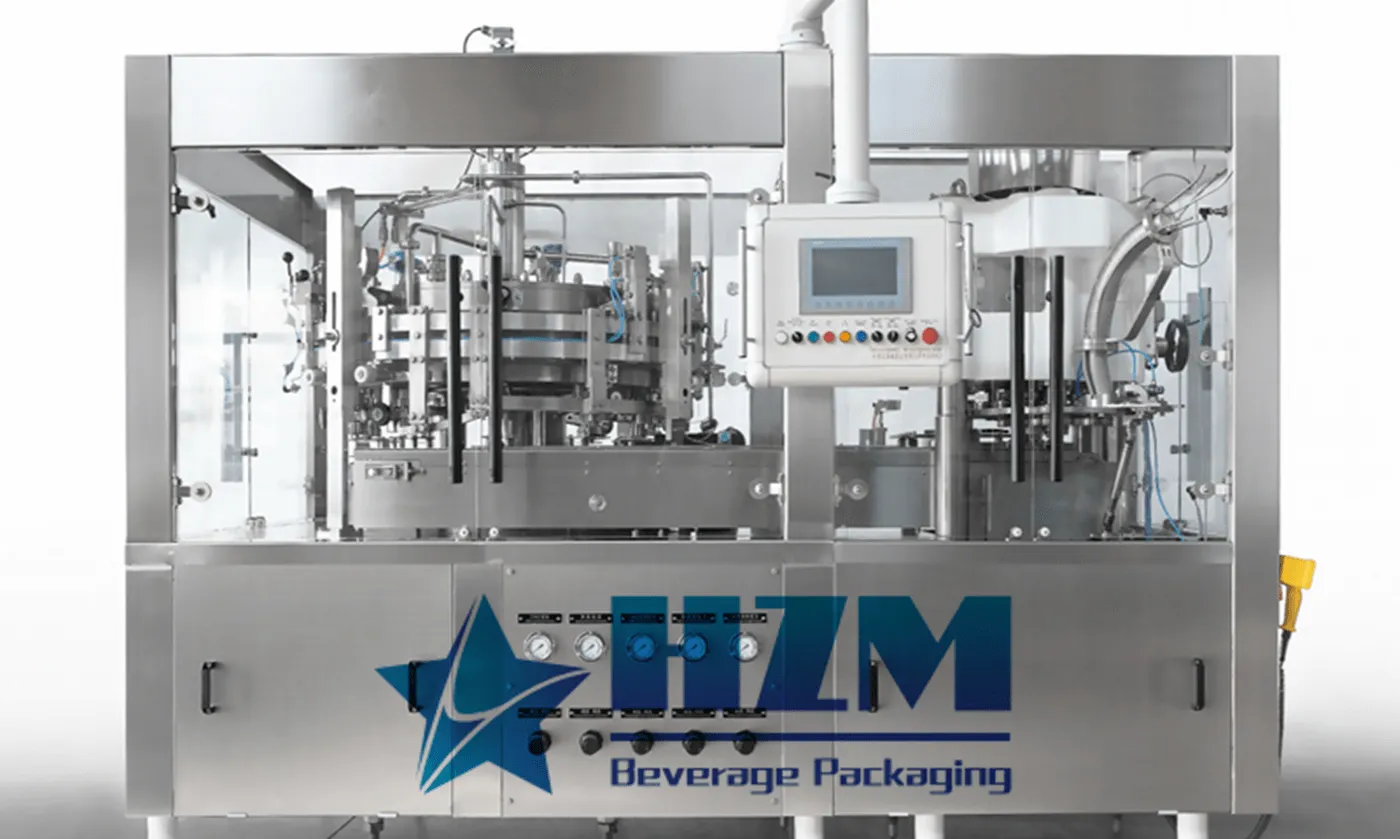
Equipment
Can Filling Sealing Machine
Automatic beverage can filling and seaming for carbonated soft drinks and beer, from 6,000 to 36,000 cans/hour at 330 ml.
Learn more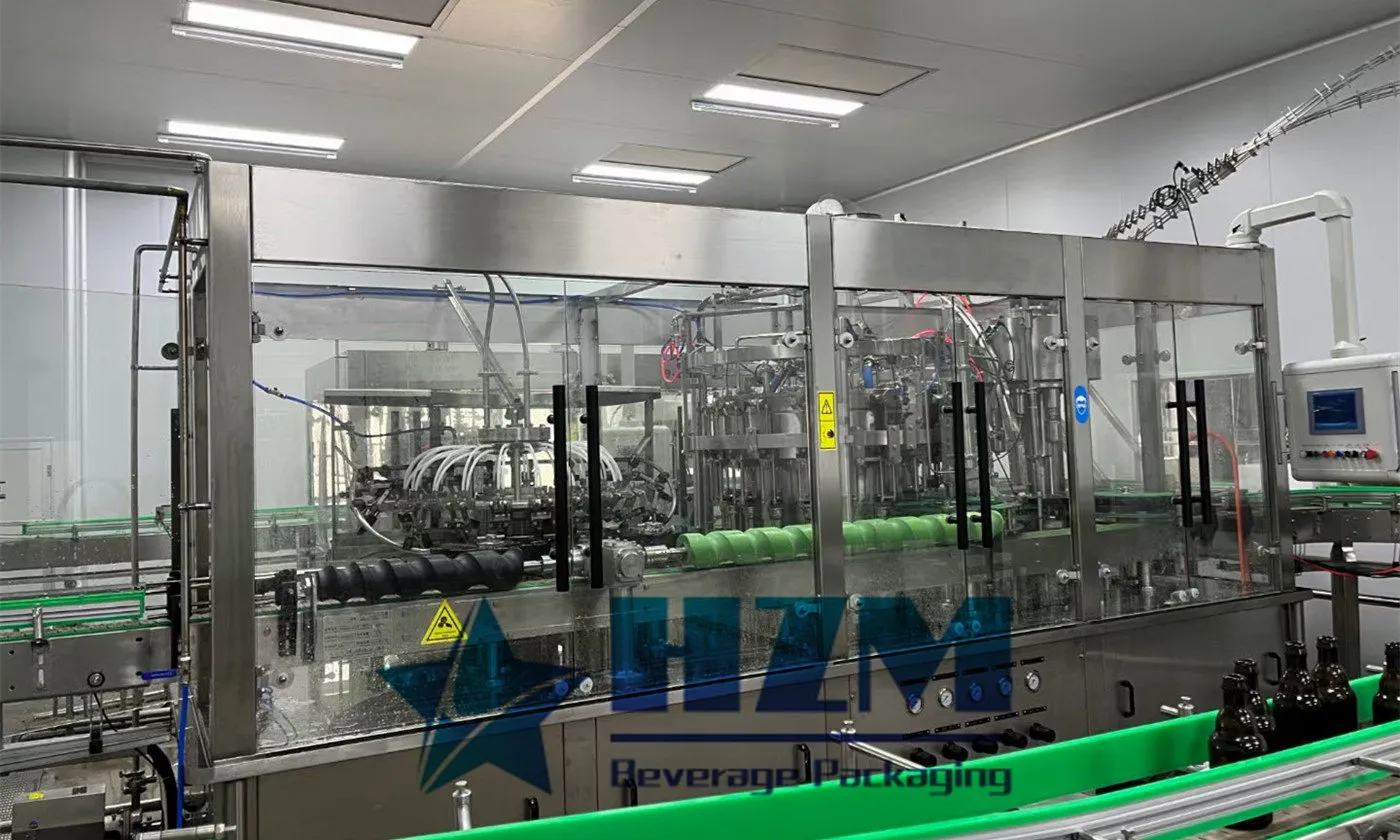
Equipment
Craft Beer Can Filling Machine
Craft beer can filling and seaming with CGS models from 6,000 to 36,000 cans/hour at 330 ml.
Learn more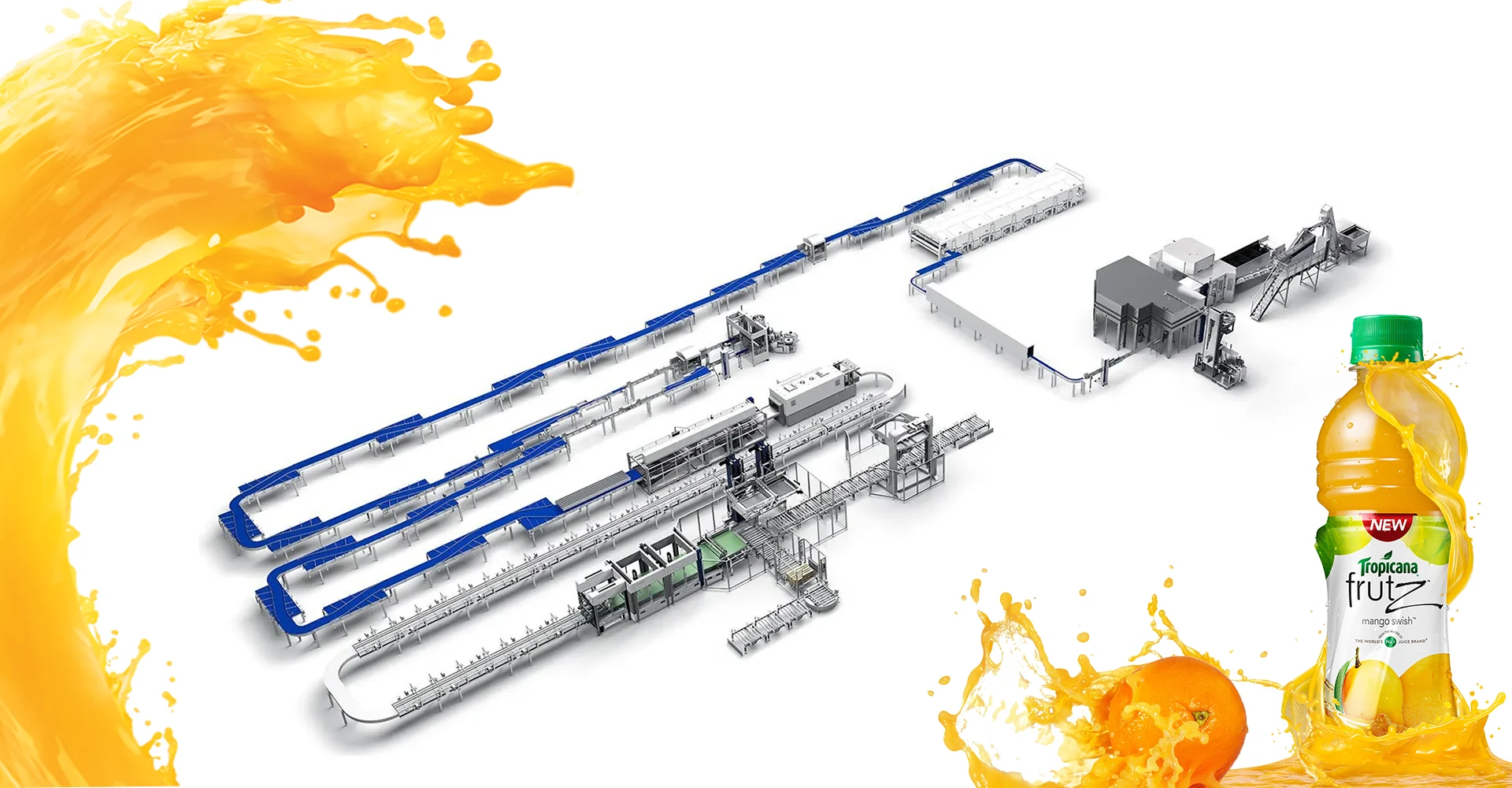
Equipment
Beverage Filling Machine & Turnkey Filling Line for Juice, Soft Drinks and Cans
Beverage filling machines and turnkey lines for juice, soft drinks, water and beer in PET bottles, glass bottles or cans.
Learn more2023-06-09
Beverage Can Filling Line Guide: Seamer Setup and Double-Seam Inspection
Practical HZM guidance on beverage can filling line, focused on seamer setup and double-seam inspection, line integration, RFQ data and measurable acceptance checks.
Learn more2024-03-24
Opening Inspection Checklist for Filling Machines
To ensure the smooth operation of purchased filling machines, a thorough inspection upon opening is essential to prevent potential issues later on.
Learn more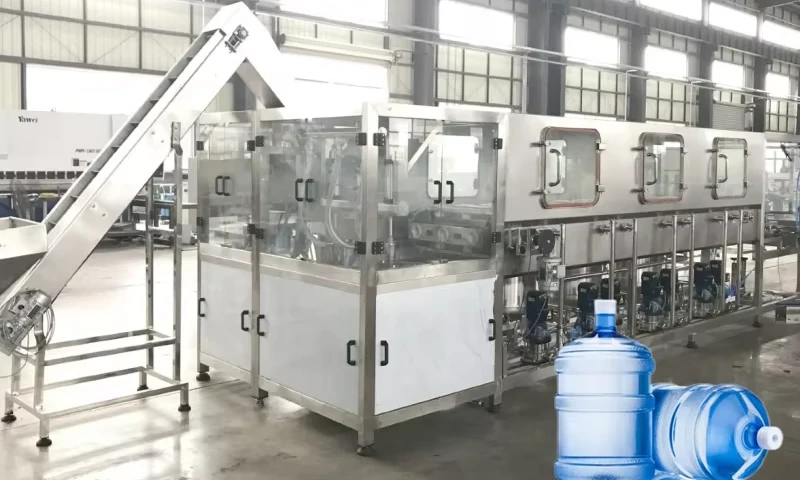
2026-08-01
5-Gallon Returnable Water Bottles: Washing and Inspection Checklist
A practical receiving, inspection, washing, rinsing and verification checklist for returnable 3–5 gallon bottled-water production.
Learn more2023-10-24
Automatic Can Packaging Machine
Automatic Can Packaging Machine are mainly used in industries such as food and beverage, dairy, brewery, condiments, etc., and are production equipment designed for efficient and precise filling and can sealing.
Learn more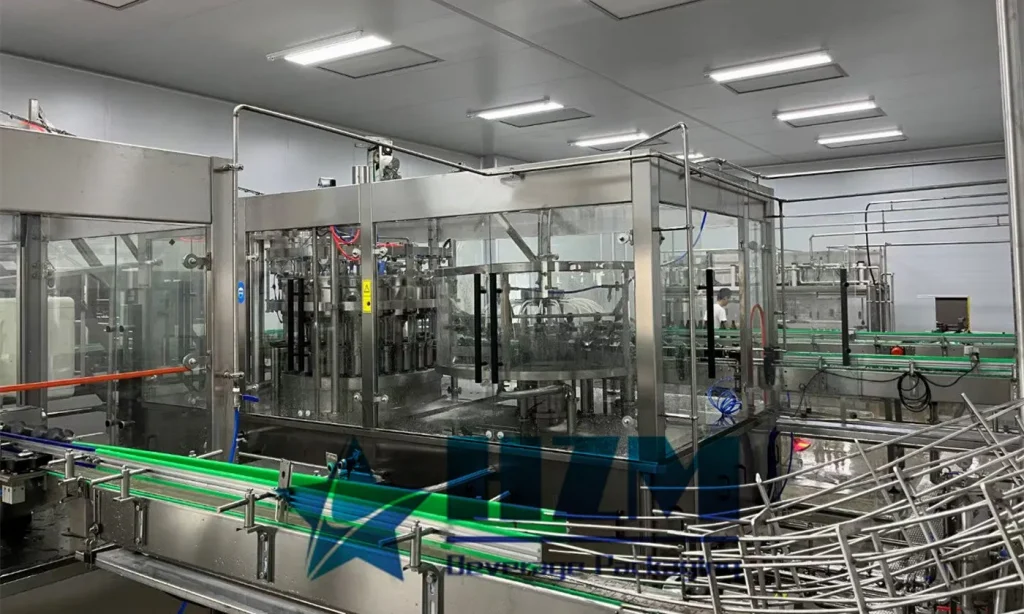
2023-09-20
Beverage Can Filling Machine Manufacturer Prices
Beverage can filling machines are automated systems engineered to fill liquid beverages into various can types, including aluminum, plastic, and glass. These machines accommodate a wide range of beverages, from carbonated drinks and juices to water and energy drinks.
Learn more
2023-10-09
Three Can Filling Methods and Their Characteristics in Beverage Filling Machines
A beverage filling machine is a subcategory of packaging machinery used for producing bottled and barrelled drinking water, including mineral water. It comprises processes such as cleaning, filling, and capping, making it an ideal equipment for the production of mineral water and purified water.
Learn more