
Insights & Updates
Three Can Filling Methods and Their Characteristics in Beverage Filling Machines
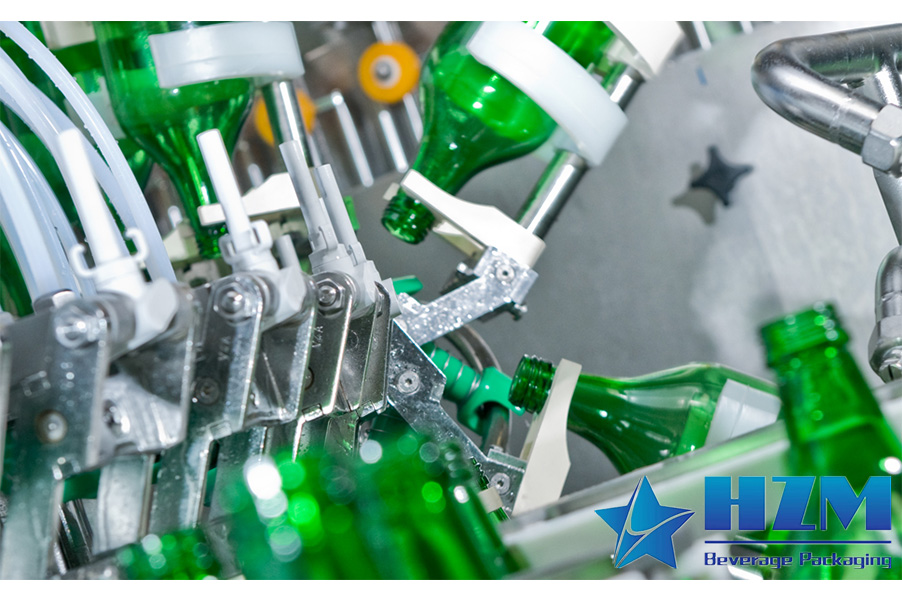
A beverage filling machine is a subcategory of packaging machinery used for producing bottled and barrelled drinking water, including mineral water. It comprises processes such as cleaning, filling, and capping, making it an ideal equipment for the production of mineral water and purified water. Let’s take a look at the three commonly used can filling methods.
- Atmospheric Pressure Filling
Atmospheric pressure filling, also known as pure gravity filling, involves the flow of liquid materials into packaging containers solely under atmospheric pressure, relying on the weight of the liquid itself. This method is suitable for most non-gaseous free-flowing liquid materials, such as white wine, fruit juice, milk, soy sauce, vinegar, etc.
- Isobaric Filling
Isobaric filling, also known as pressure-gravity filling, is carried out under relatively high atmospheric pressure. It involves first inflating the packaging containers to match the pressure inside the storage tank and then allowing the liquid to flow into the containers based on the weight. This method is commonly used for filling carbonated beverages, like beer. It reduces the loss of CO2 in such products, prevents excessive bubbles during filling, and ensures product quality and dosing accuracy.
- Vacuum Filling
Vacuum filling is performed at pressures lower than atmospheric pressure and can be executed in two ways:
a. Pressure Differential Vacuum: The storage tank remains at atmospheric pressure, and vacuum is applied only to the packaging containers. The filling is completed based on the pressure difference between the storage tank and the containers. This method is quite common in China.
b. Gravity Vacuum: In this method, the storage tank is placed inside a vacuum packaging container. The vacuum is created first to match the pressure inside the storage tank, and then the liquid material flows into the packaging container under its weight. Due to its complexity, this method is rarely used in China. Vacuum filling is widely applied and suitable for filling liquid materials with slightly higher viscosities, such as oil and syrup.
During the use of a beverage filling machine, continuous inspection and the addition of oil mist are necessary, and the oil level should be maintained at one-third of the position. If the discharge piston and the lower end sealing ring cylinder wear out, they should be replaced promptly. During cleaning, try to avoid being scratched by sharp or hard objects. If contamination occurs, it can be wiped with alcohol, and cleanliness should always be maintained.
Talk to our engineering team
Need help planning your packaging line?
Share your product, bottle and capacity requirements for a practical equipment recommendation.
Equipment
Beverage Can Packaging machine
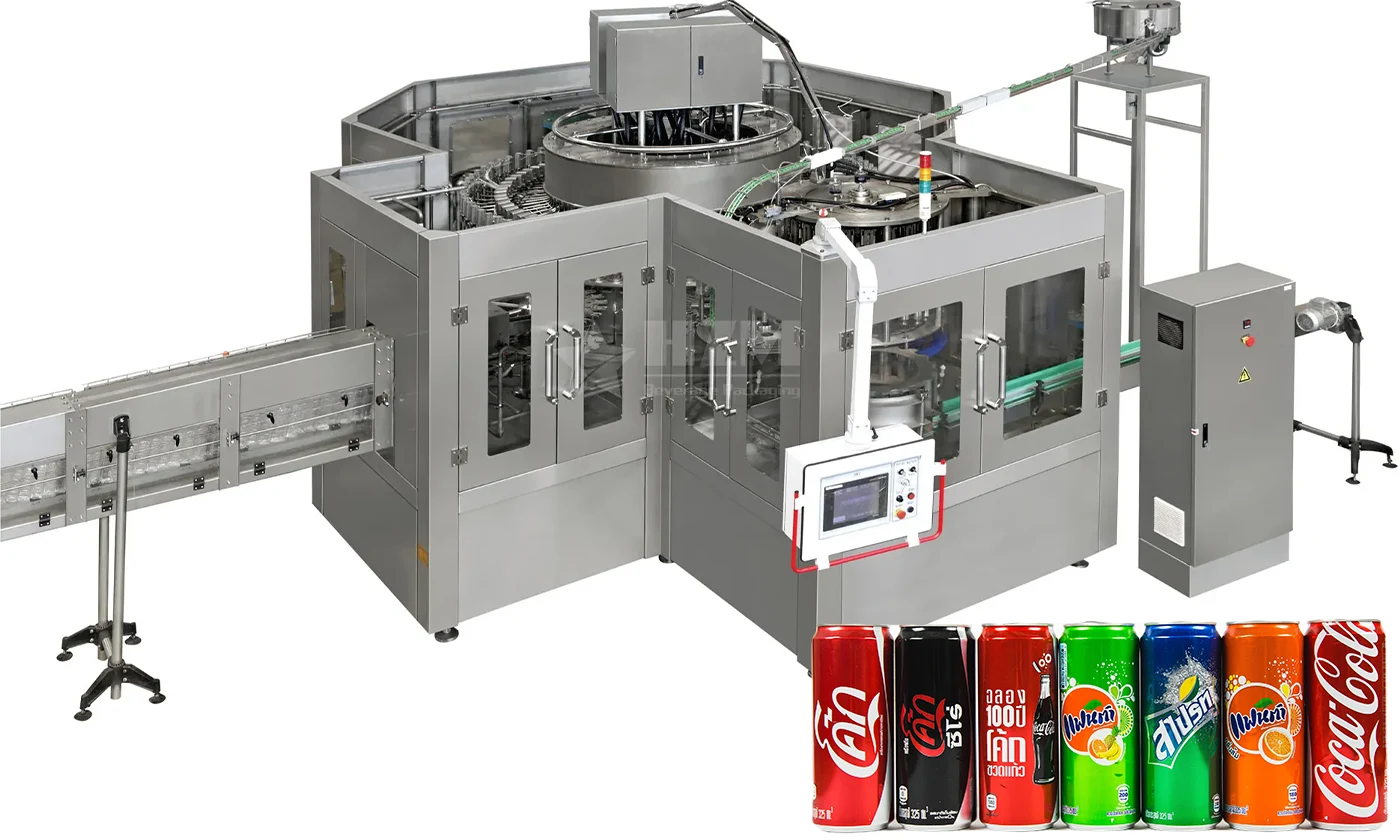
Beverage can filling and seaming for carbonated drinks and beer, with conveying, packing and palletising line options.
Learn more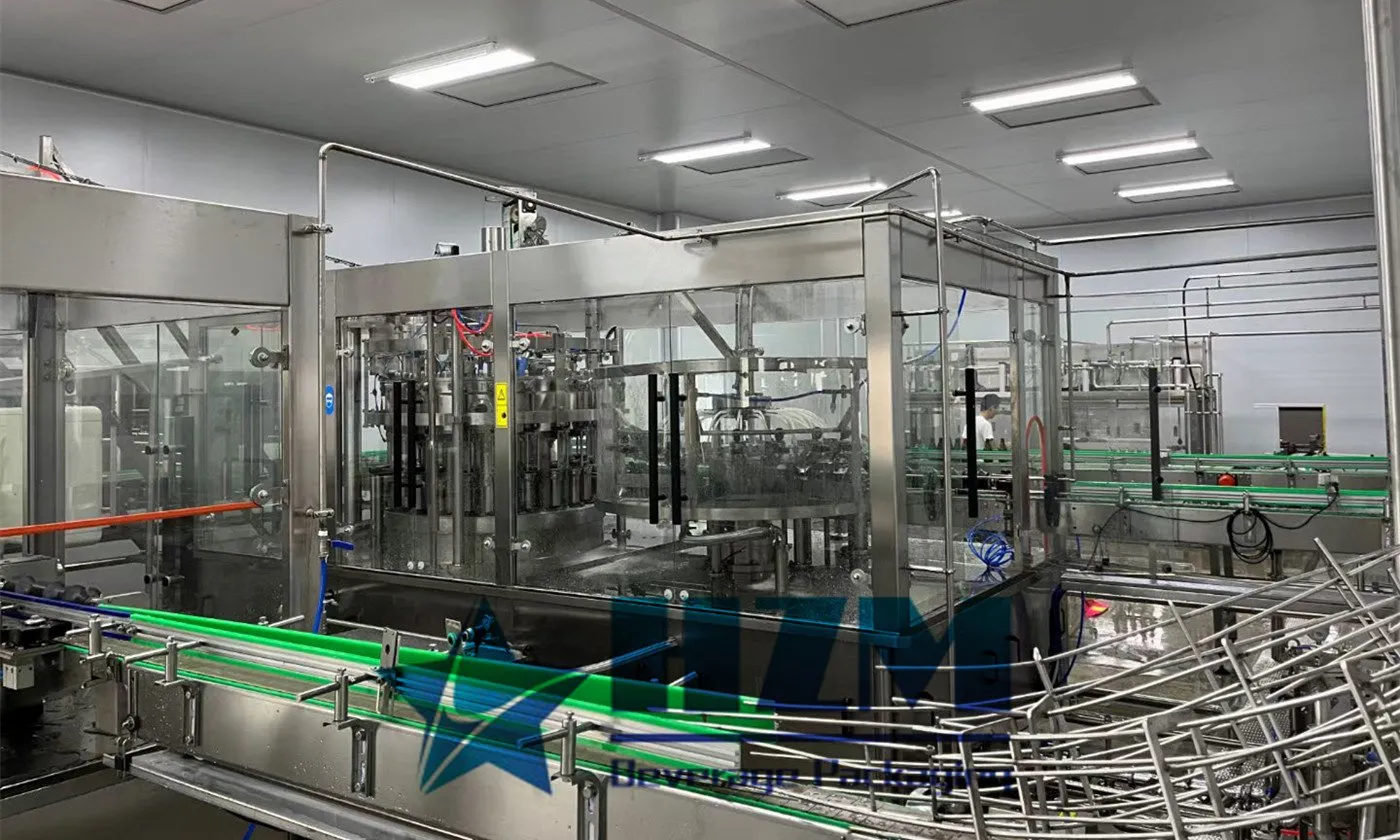
Equipment
CSD Beverage Can Filling Machine
CGS can filling and seaming for carbonated beverages, with capacities of 6,000–36,000 cans/hour at 330 ml.
Learn moreEquipment
Carbonated Beverage Can Filling Machine
Automatic carbonated beverage can filling and seaming, with CGS capacities of 6,000–36,000 cans/hour at 330 ml.
Learn more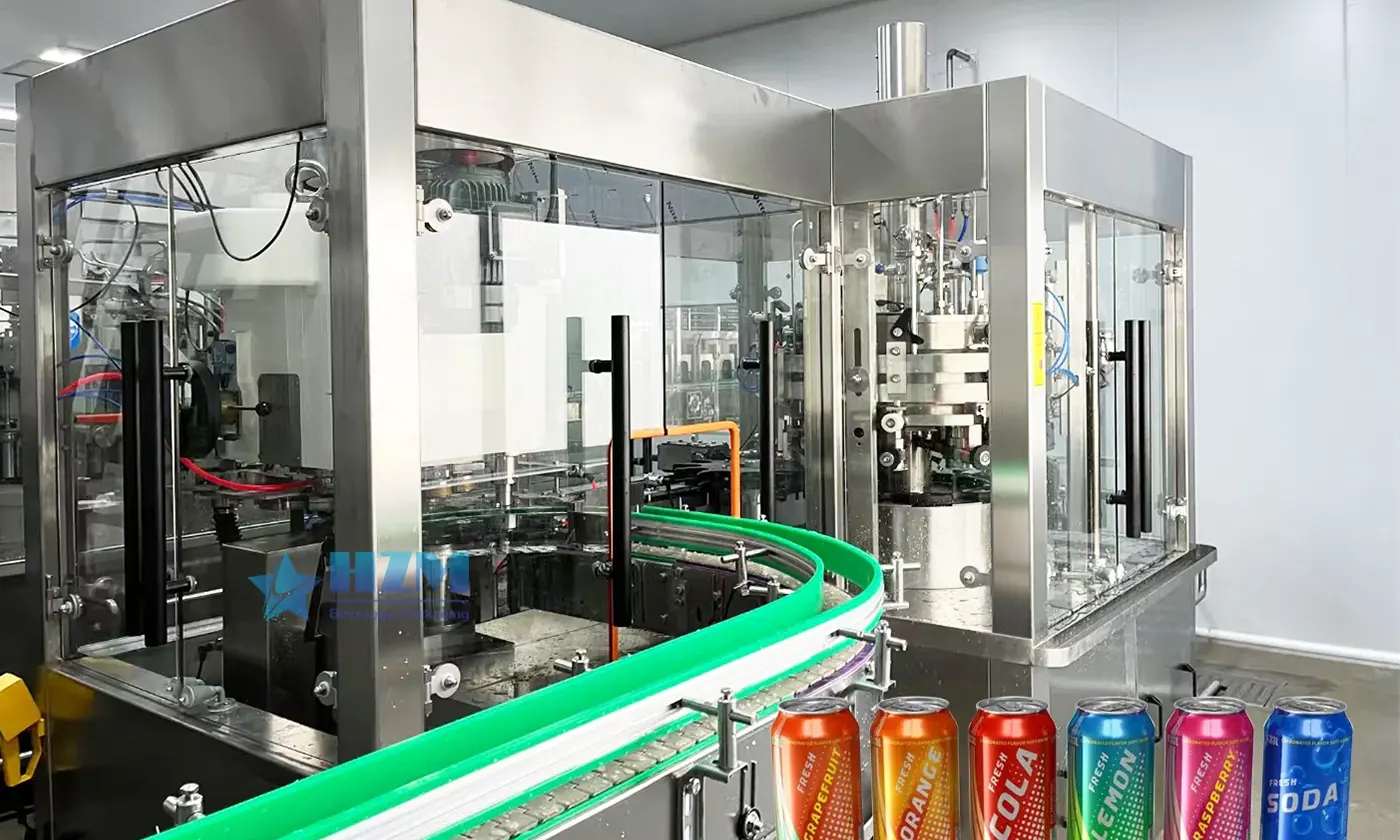
Equipment
Aluminum Can Filling Machine
Beer can filling and seaming equipment for beverage canning lines, with CGS models from 6,000 to 36,000 cans/hour at 330 ml.
Learn more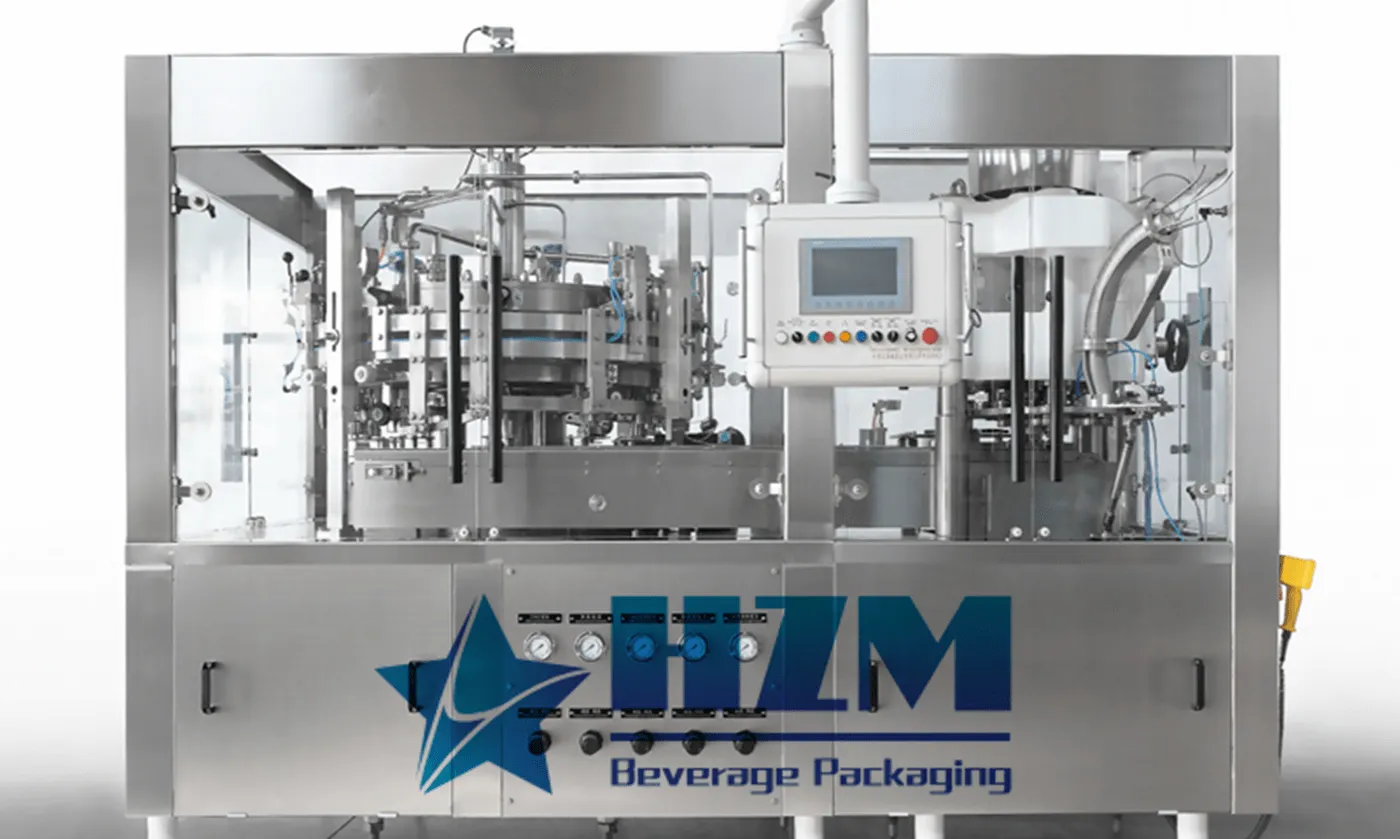
Equipment
Can Filling Sealing Machine
Automatic beverage can filling and seaming for carbonated soft drinks and beer, from 6,000 to 36,000 cans/hour at 330 ml.
Learn more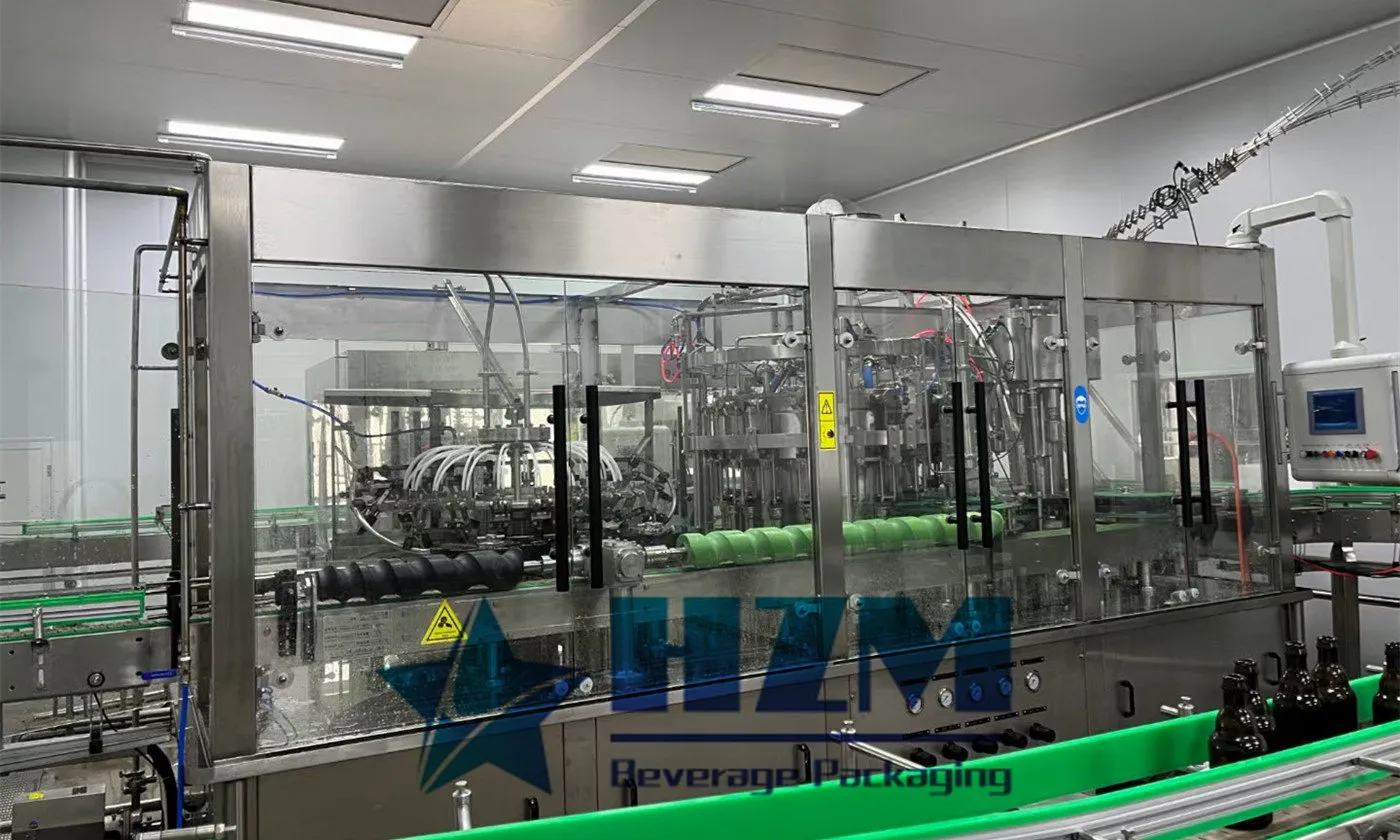
Equipment
Craft Beer Can Filling Machine
Craft beer can filling and seaming with CGS models from 6,000 to 36,000 cans/hour at 330 ml.
Learn more
Equipment
Beverage Filling Machine & Turnkey Filling Line for Juice, Soft Drinks and Cans
Beverage filling machines and turnkey lines for juice, soft drinks, water and beer in PET bottles, glass bottles or cans.
Learn more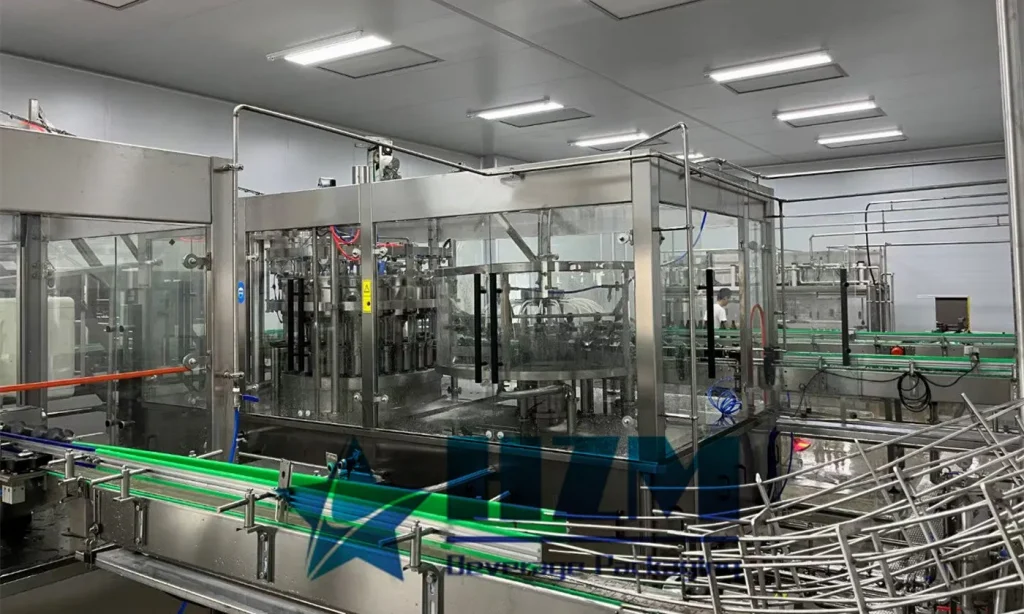
2023-09-20
Beverage Can Filling Machine Manufacturer Prices
Beverage can filling machines are automated systems engineered to fill liquid beverages into various can types, including aluminum, plastic, and glass. These machines accommodate a wide range of beverages, from carbonated drinks and juices to water and energy drinks.
Learn more2023-10-24
Automatic Can Packaging Machine
Automatic Can Packaging Machine are mainly used in industries such as food and beverage, dairy, brewery, condiments, etc., and are production equipment designed for efficient and precise filling and can sealing.
Learn more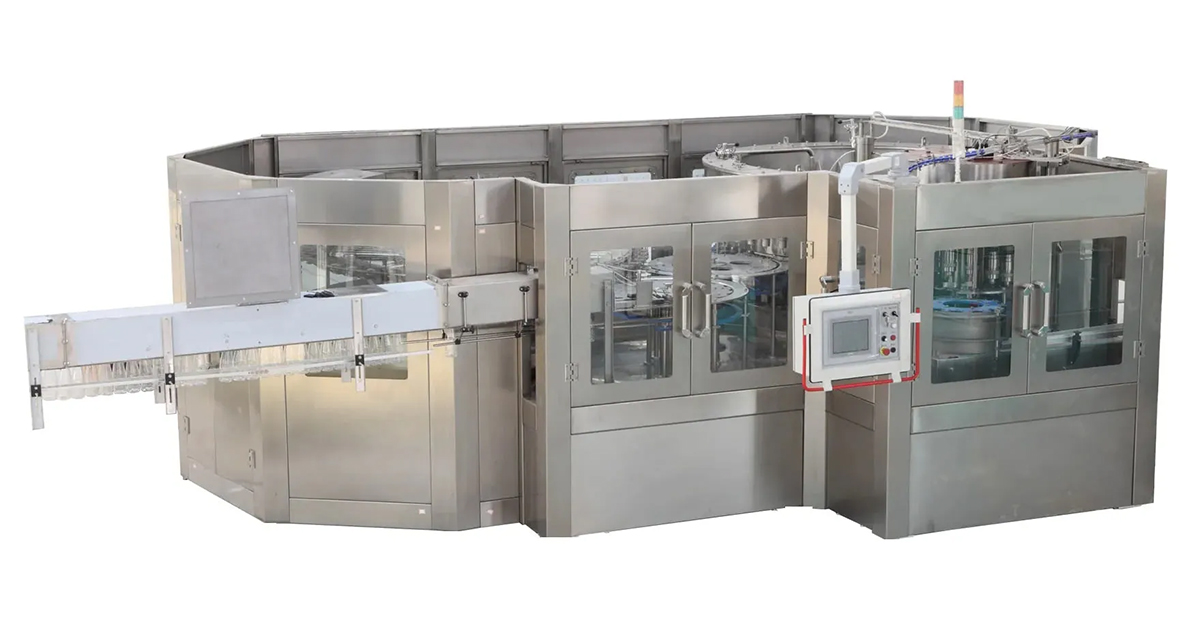
2023-07-08
Advanced Bottle and Can Filling Machines by HZM Machinery
In the ever-growing demand for bottle and can filling machines, HZM Machinery stands out as an excellent manufacturer committed to offering superior equipment and comprehensive pre-sale, in-sale, and after-sale services to drinking water manufacturers, mineral water producers, and 5-gallon drinking water suppliers.
Learn more2023-06-09
330ml Beverage Can Filling Machine For Carbonated Beverage
High quality 330ml Beverage Can Filling Machine For Carbonated Beverage from China, China's leading 330ml Beverage Can Filling Machine product, with strict quality control 330ml Beverage Can Filling Machine factories, producing high quality 330ml Carbonated Juice Can Filling Machine products.
Learn more2023-06-09
10000-36000BPM Carbonated Drink Beverage Can Filling Machine
High quality 10000-36000BPM Carbonated Drink Beverage Can Filling Machine from China, China's leading 1500bph Beverage Can Filling Machine product, with strict quality control 1500bph Carbonated Drink Filling Machine factories, producing high quality 200ml Beverage Can Filling Machine products.
Learn more2023-06-09
Multi Function 2 In 1 350ml Beverage Can Filling Machine
High quality Multi Function 2 In 1 350ml Beverage Can Filling Machine from China, China's leading 350ml Beverage Can Filling Machine product, with strict quality control 1000ml Beverage Can Filling Machine factories, producing high quality 1500ml Water Can Filling Machine products.
Learn more