
Insights & Updates
Switching from PET Bottles to Glass or Cans: What Must Change in the Filling Line?
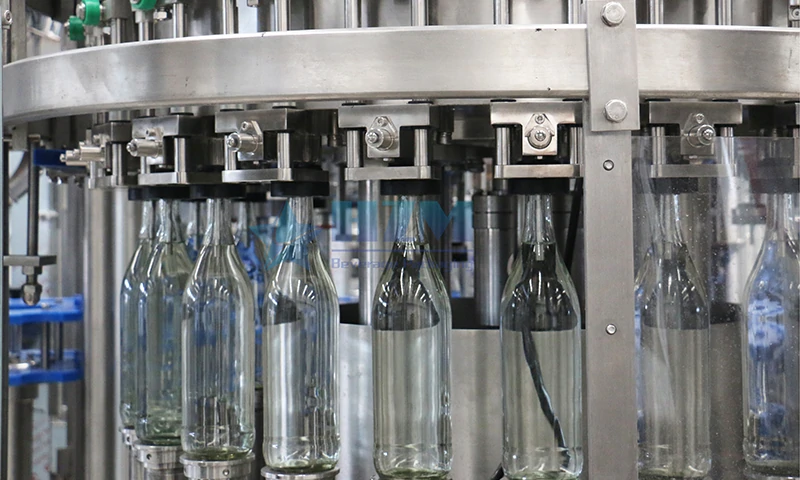
A new package can open a premium market, reduce shipping weight or improve recycling options, but changing from PET bottles to glass bottles or cans is not a simple container substitution. The container affects empty-package supply, conveying, rinsing, filling, closure, inspection, labeling, secondary packaging, pallet load and operator safety.
Before marketing commits to a launch date, operations should map every interface. Some equipment can be adapted with change parts; other stages require a fundamentally different machine. This guide highlights the main engineering questions so that project cost and commissioning time are visible early.
Quick answer: Expect changes in empty-container handling, transfer geometry, filling valve and pressure method, capper or seamer, inspection, labeling and pack design. Glass adds weight and breakage control; cans require depalletizing, rinsing and double-seam control; PET may require blow molding and air conveying. Validate the complete package and beverage combination through line trials.
Empty-Container Supply Is Different
PET bottles may arrive ready-made or be produced from preforms beside the line. Freshly blown PET containers are often carried by the neck through an air conveyor. Glass bottles usually arrive on pallets or in cases and require depalletizing plus careful low-pressure conveying. Empty cans typically arrive in layered pallets and need a depalletizer, mass conveyor and hygienic rinser.
These systems have different floor-space, dust-control and labor implications. A move away from PET may release blow-molding utilities but introduce warehouse volume and depalletizing equipment.
Container Handling and Line Pressure
Lightweight PET can deform under excessive side pressure, while glass is dimensionally stable but can chip or break at hard impacts. Cans are light and easily dented. Conveyor guide material, transfer heights, accumulation strategy and speed changes must suit the package.
Review every star wheel, screw, guide and inspection point against new container drawings and samples. A conveyor system for PET and glass bottles can be configured for multiple formats, but the operating window must be proven rather than assumed.
Filling Method and Product Conditions
Still water may use gravity or normal-pressure filling, while carbonated beverages generally require controlled counterpressure. Hot-filled juice requires a container designed for the fill temperature and cooling profile. The same beverage can behave differently because container rigidity, neck geometry and headspace change.
A glass bottle CSD and water filling machine is designed around glass handling and compatible closure equipment. For cans, filling and seaming are normally engineered as a connected process to protect carbonation and hygiene.
Closures: Capper Versus Can Seamer
PET bottles commonly use plastic screw caps; glass may use crown caps, aluminum screw caps or other closures; cans require ends applied by a seamer. These are not interchangeable modules. Closure supply, sorting, application and inspection must match the exact neck or end specification.
For cans, double-seam measurement is a critical quality activity. For bottles, application torque, tamper evidence and seal compatibility matter. Obtain closure drawings and samples early and include them in acceptance testing.
Inspection and Breakage Control
Glass introduces breakage risk and a need for documented cleanup and affected-product isolation. Empty-bottle inspection, pressure at transfers, shields and drainage deserve special attention. Cans need dent, flange and seam protection. PET lines may focus on neck, base, fill-level, cap and label inspection.
Quality plans should define defects, rejection methods and sampling frequency before the first commercial run. Avoid relying on operators to visually inspect at a speed that makes reliable detection impossible.
Labeling and Secondary Packaging
Container shape and surface determine label technology. PET water bottles often use OPP or sleeve labels; premium glass may use pressure-sensitive or cold-glue labels; printed cans may need no body label but still require coding and multipack presentation. Condensation can reduce label adhesion and must be considered.
Shipping weight and breakage resistance also change carton or shrink-pack design. Glass may need dividers or stronger corrugated cases, while cans often use trays, film or cartons. Pallet pattern and warehouse limits should be recalculated.
Utilities, Layout and Commercial Trial
- Compare electricity, compressed air, CO₂, steam, cooling water and process-water demand.
- Check floor load and pallet traffic for heavier glass packages.
- Confirm drain and breakage-cleanup provisions.
- Run representative containers, closures, labels and packs at the factory acceptance test.
- Include transport testing so a package that fills well also survives distribution.
The best decision combines market value with total conversion cost. A package launch should be based on the complete line and supply chain, not the price of the empty container alone.
Frequently Asked Questions
Can one filling machine run PET and glass bottles?
Some equipment can be engineered for both within defined ranges, but change parts, conveyors, closure equipment and speed may differ. Confirm the exact formats and products with the supplier.
Can a bottle capper be converted into a can seamer?
No simple changeover should be assumed. Can seaming is a distinct process with dedicated tooling, controls and quality measurement.
Which package is cheapest overall?
The answer depends on container cost, local supply, filling equipment, transport weight, breakage, secondary packaging, recycling system and brand positioning. Model total delivered cost for the target market.
Plan the Next Step with HZM Machinery
HZM supplies PET, glass and can solutions across filling, labeling, packing and conveying. Review the beverage packaging machine solution and share actual container samples for a format-conversion assessment.
Talk to our engineering team
Need help planning your packaging line?
Share your product, bottle and capacity requirements for a practical equipment recommendation.
Equipment
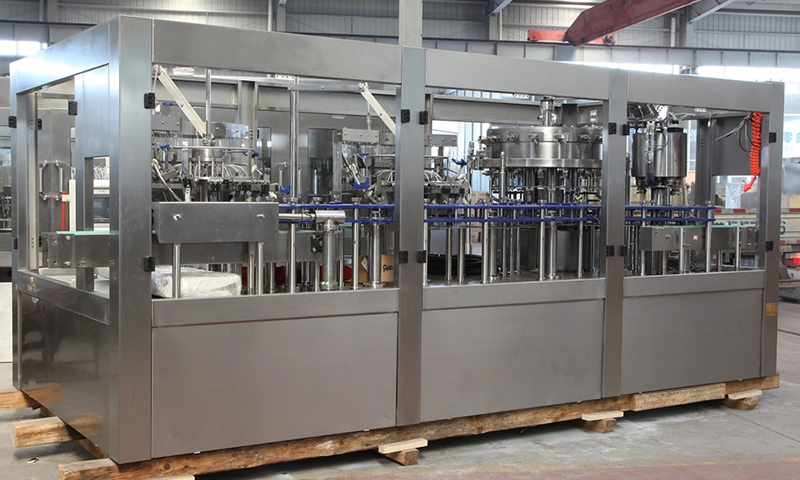
Glass Bottle Filling Machine – DXGF14-12-5
DXGF14-12-5 glass bottle rinsing, isobaric filling and capping for carbonated drinks, at 2,000–3,000 bottles/hour for 750 ml bottles.
Learn more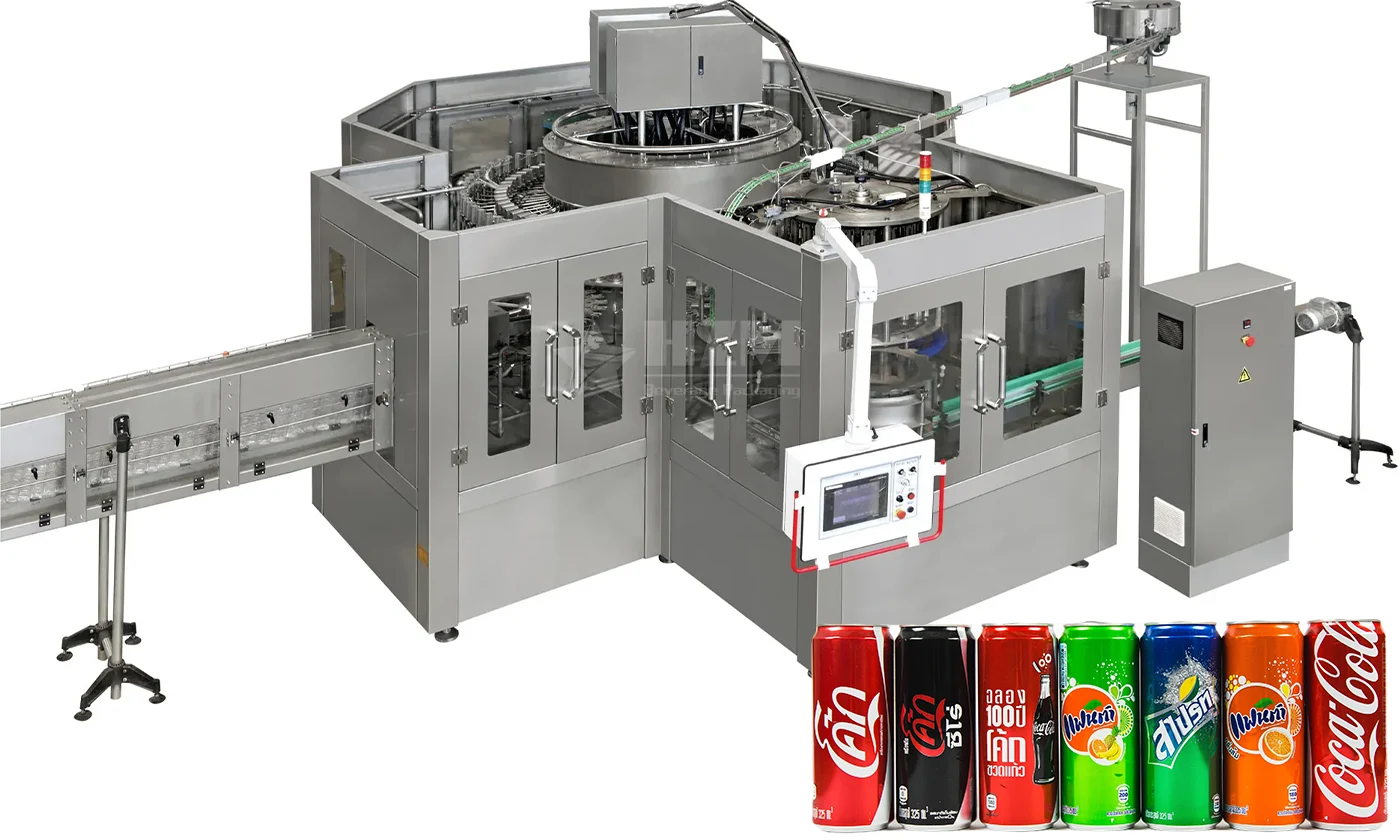
Equipment
Beverage Can Packaging machine
Beverage can filling and seaming for carbonated drinks and beer, with conveying, packing and palletising line options.
Learn more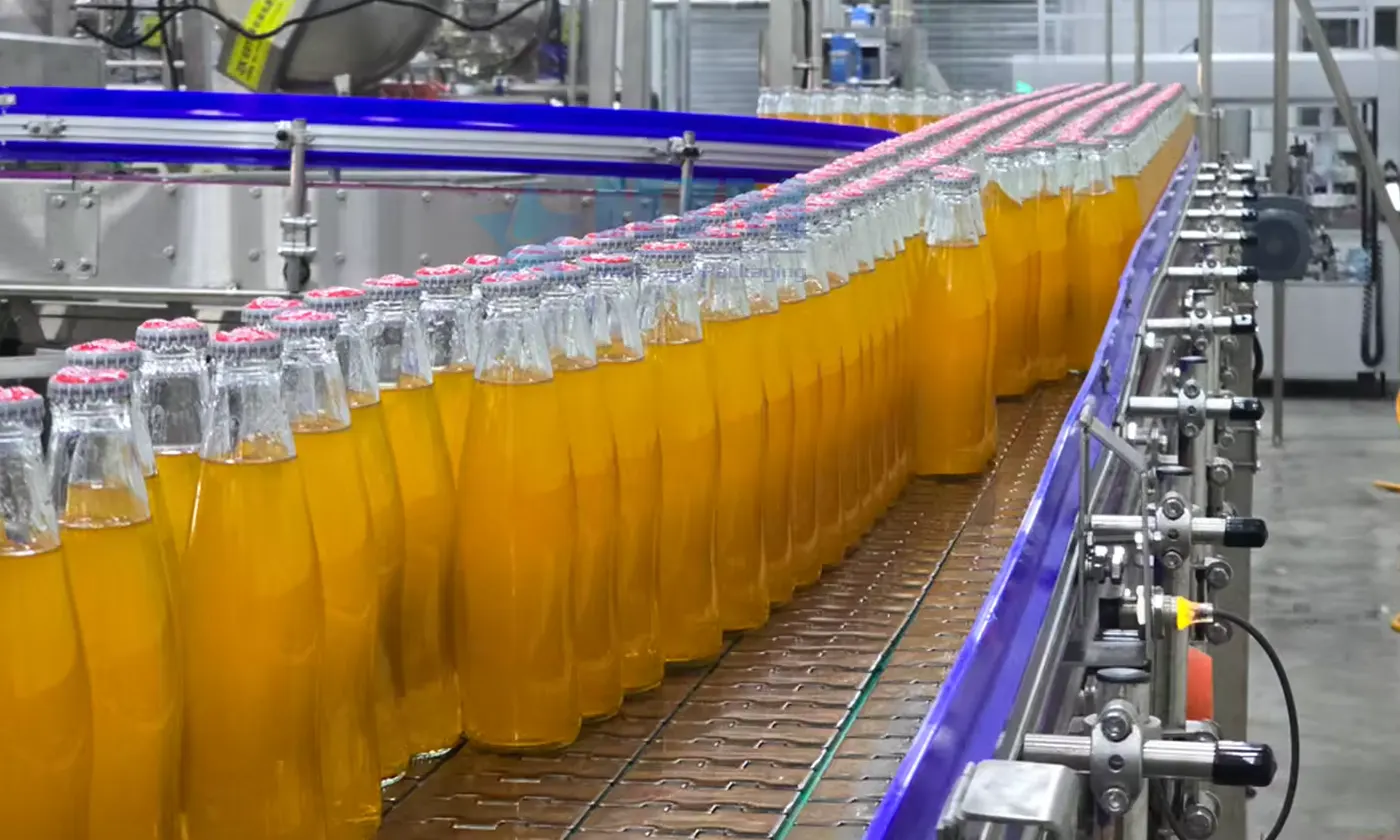
Equipment
Glass Bottle Carbonated Beverage Filling Bottling Line
This glass bottle carbonated beverage line combines bottle rinsing, isobaric filling and capping with conveying, labelling and packing.
Learn more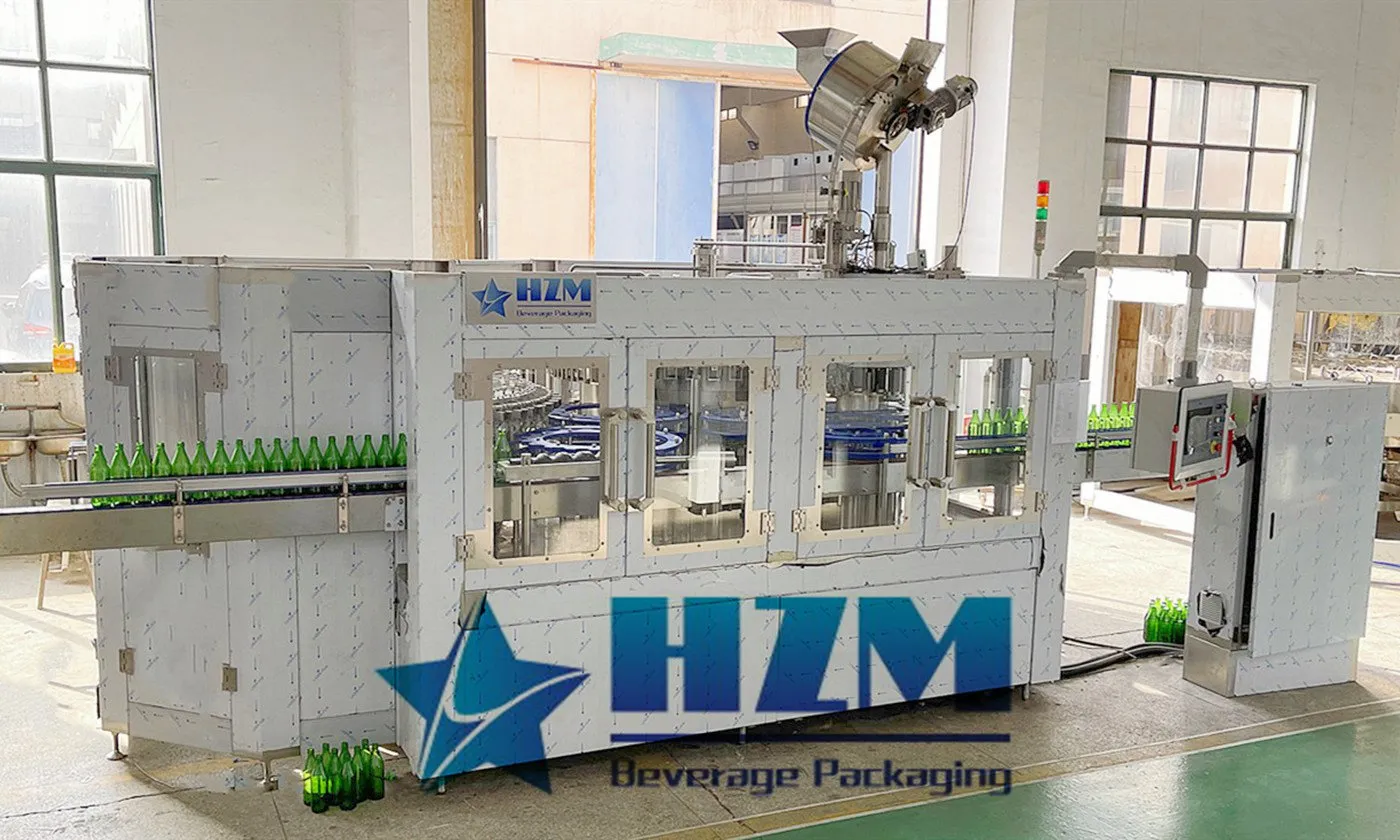
Equipment
Glass Bottle CSD Beverage Filling Machine
Glass bottle filling for carbonated beverages, with isobaric filling and capacities of 2,000–20,000 bottles/hour at 500 ml.
Learn more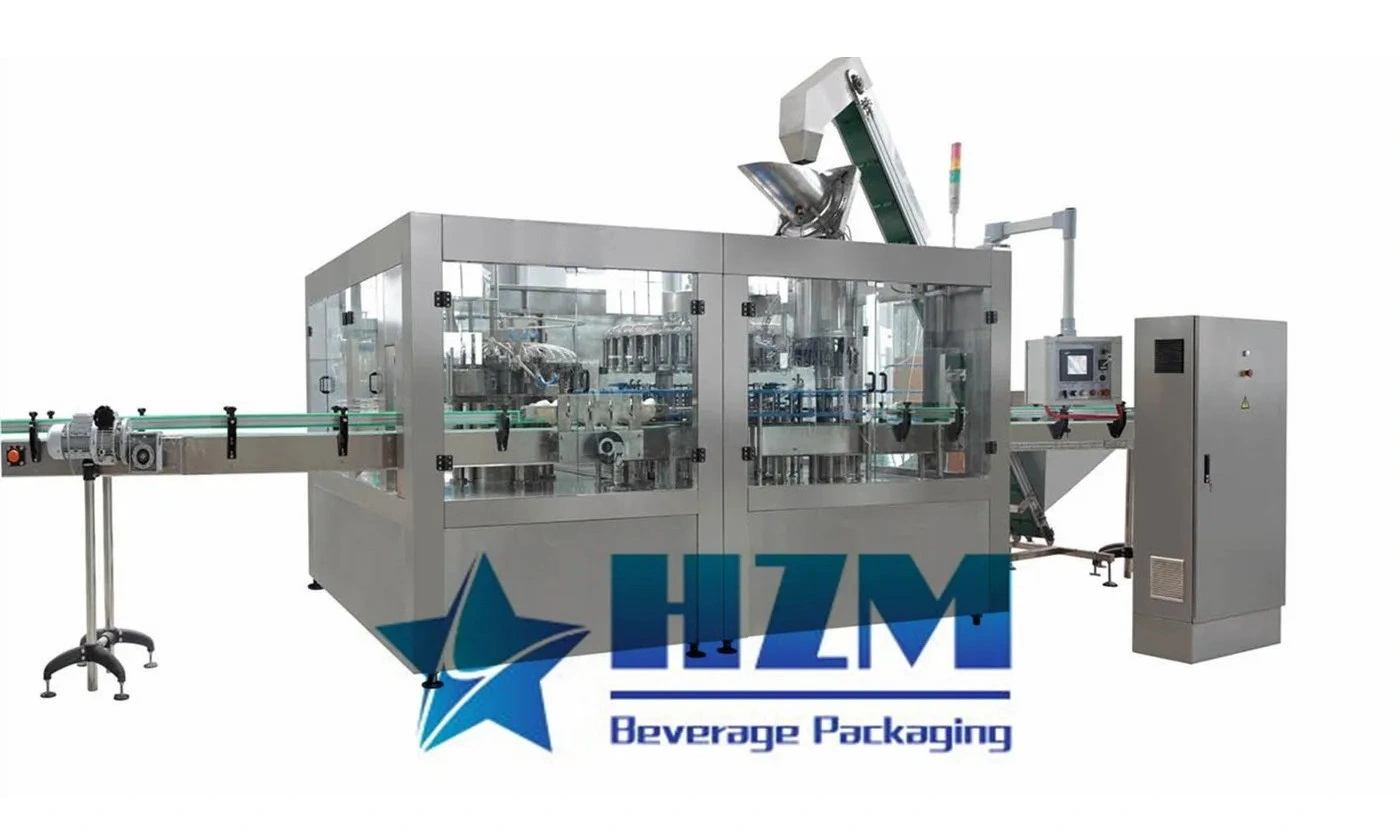
Equipment
Glass Bottle Juice Beverage Filling Machine
Glass bottle juice filling with rinsing and capping, for juice, tea and other still beverages.
Learn more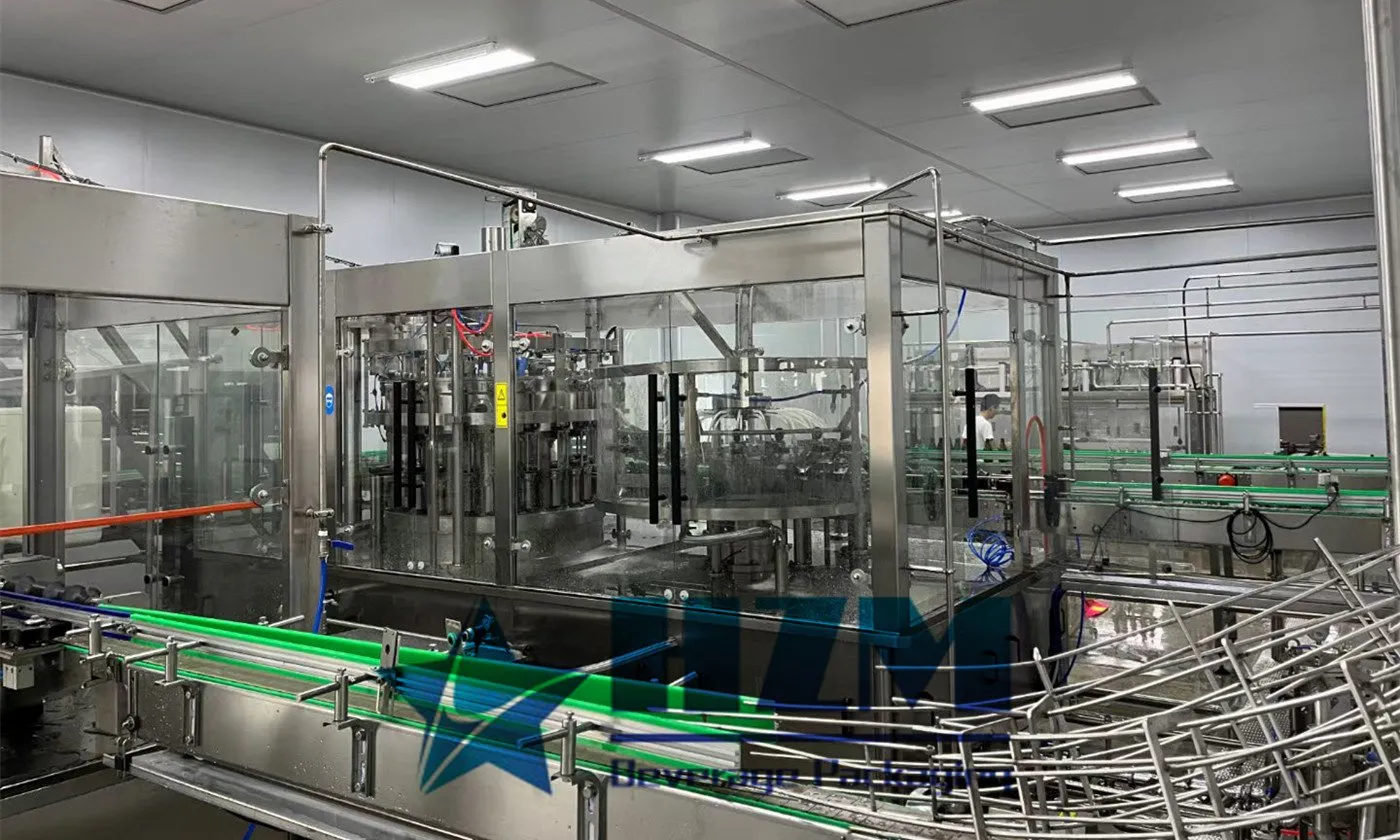
Equipment
CSD Beverage Can Filling Machine
CGS can filling and seaming for carbonated beverages, with capacities of 6,000–36,000 cans/hour at 330 ml.
Learn moreEquipment
Carbonated Beverage Can Filling Machine
Automatic carbonated beverage can filling and seaming, with CGS capacities of 6,000–36,000 cans/hour at 330 ml.
Learn more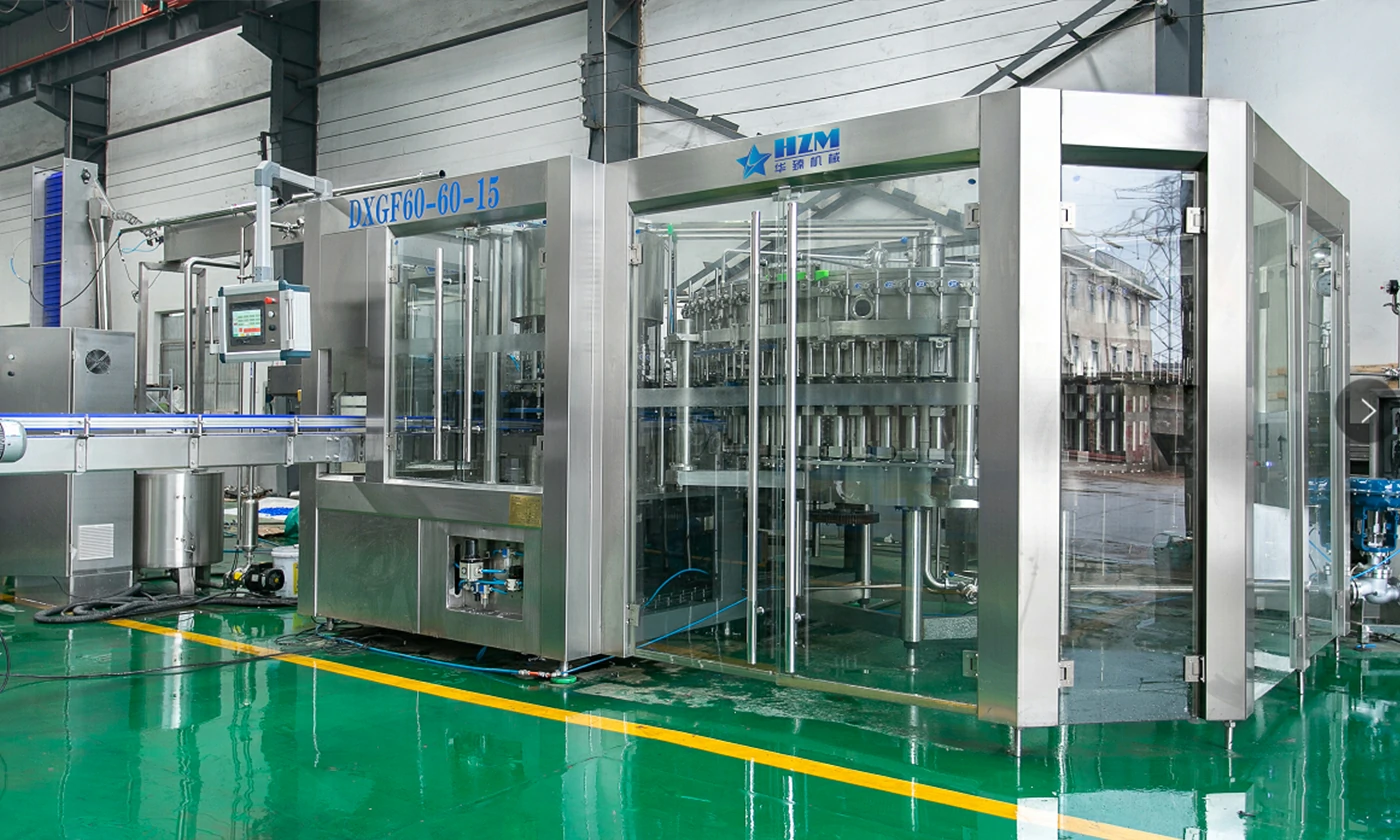
Equipment
Glass Bottle Beer & Beverage Filling Machine
DXGF60-60-15 glass bottle rinsing, isobaric filling and capping for beer and beverages, at 18,000 bottles/hour for 500 ml bottles.
Learn moreEquipment
Glass Bottle CSD & Water Drinks Filling Machine
DXGF24-24-8-8 glass bottle isobaric filling for carbonated drinks, with rinsing and two capping stations.
Learn more2023-06-09
Glass Bottle Filling Line Guide: Format Change Parts and Line Flexibility
Practical HZM guidance on glass bottle filling line, focused on format change parts and line flexibility, line integration, RFQ data and measurable acceptance checks.
Learn more2023-06-07
Glass Bottle Packaging Equipment
What’s timeless, classic, and beautiful to look at? The answer is Water, Juice, Dairy, Liquor, CSD, Beer, Wine, Pharma, Cosmetic etc products in glass packaging.
Learn more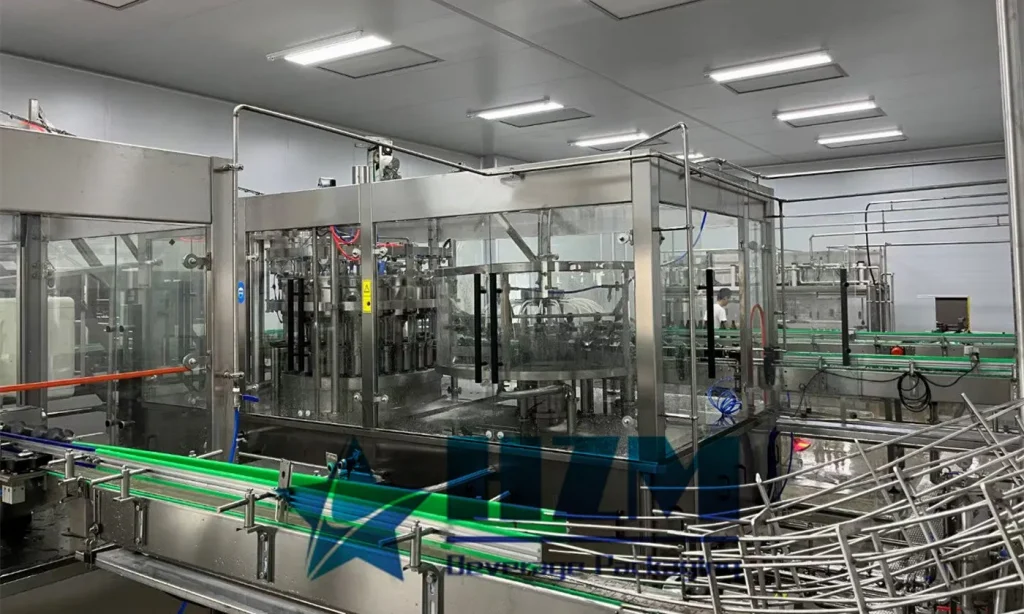
2023-09-20
Beverage Can Filling Machine Manufacturer Prices
Beverage can filling machines are automated systems engineered to fill liquid beverages into various can types, including aluminum, plastic, and glass. These machines accommodate a wide range of beverages, from carbonated drinks and juices to water and energy drinks.
Learn more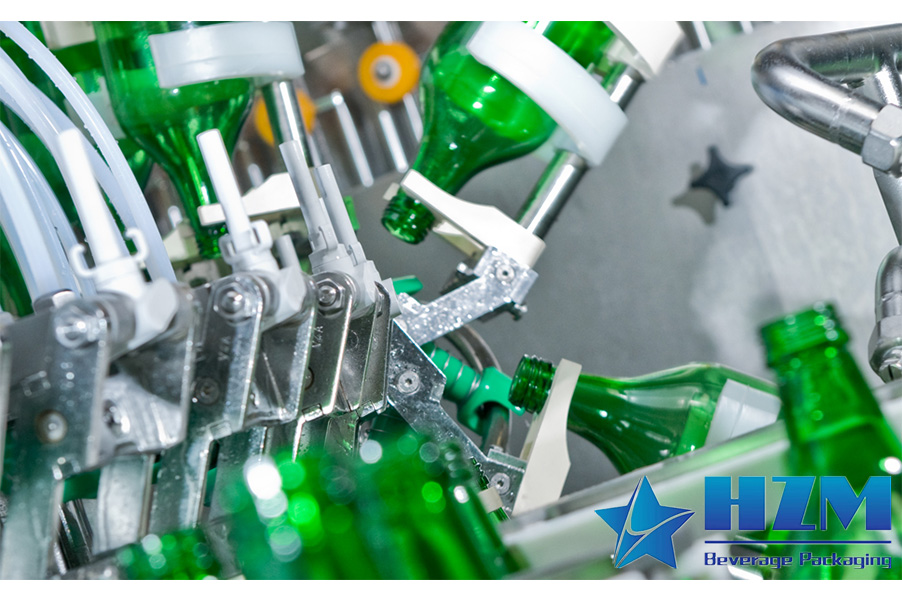
2023-10-09
Three Can Filling Methods and Their Characteristics in Beverage Filling Machines
A beverage filling machine is a subcategory of packaging machinery used for producing bottled and barrelled drinking water, including mineral water. It comprises processes such as cleaning, filling, and capping, making it an ideal equipment for the production of mineral water and purified water.
Learn more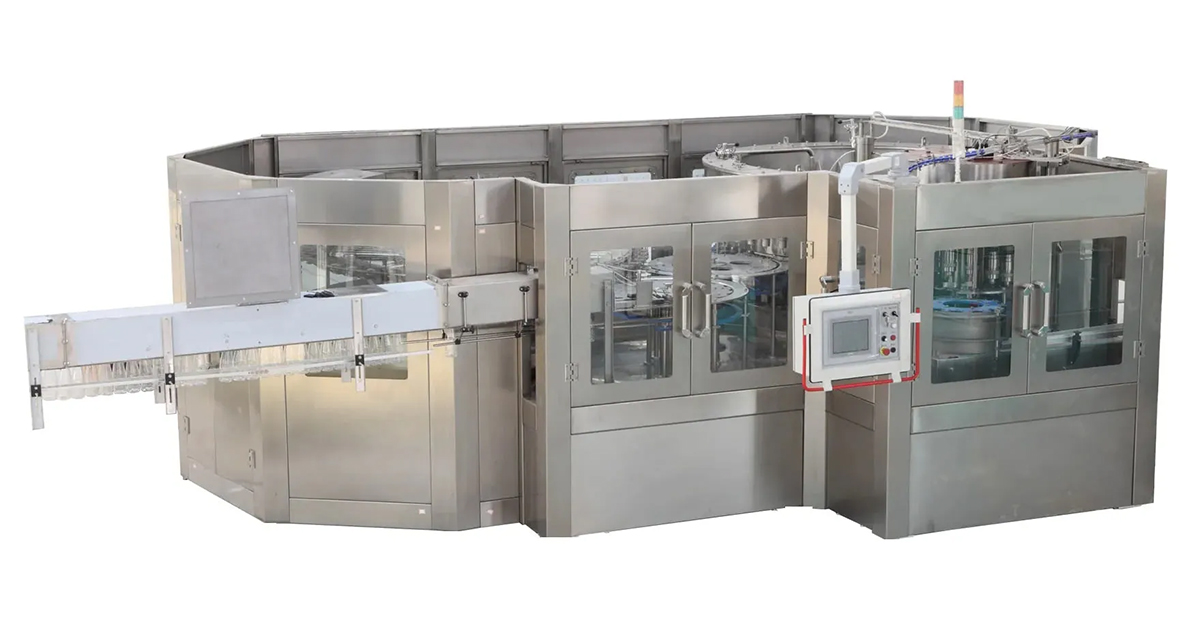
2023-07-08
Advanced Bottle and Can Filling Machines by HZM Machinery
In the ever-growing demand for bottle and can filling machines, HZM Machinery stands out as an excellent manufacturer committed to offering superior equipment and comprehensive pre-sale, in-sale, and after-sale services to drinking water manufacturers, mineral water producers, and 5-gallon drinking water suppliers.
Learn more2023-10-24
Automatic Can Packaging Machine
Automatic Can Packaging Machine are mainly used in industries such as food and beverage, dairy, brewery, condiments, etc., and are production equipment designed for efficient and precise filling and can sealing.
Learn more