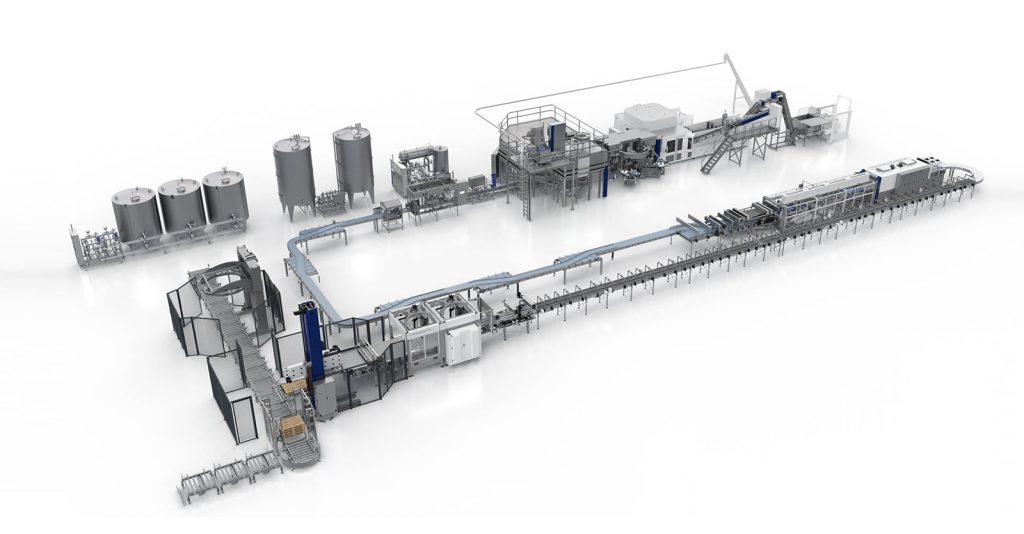
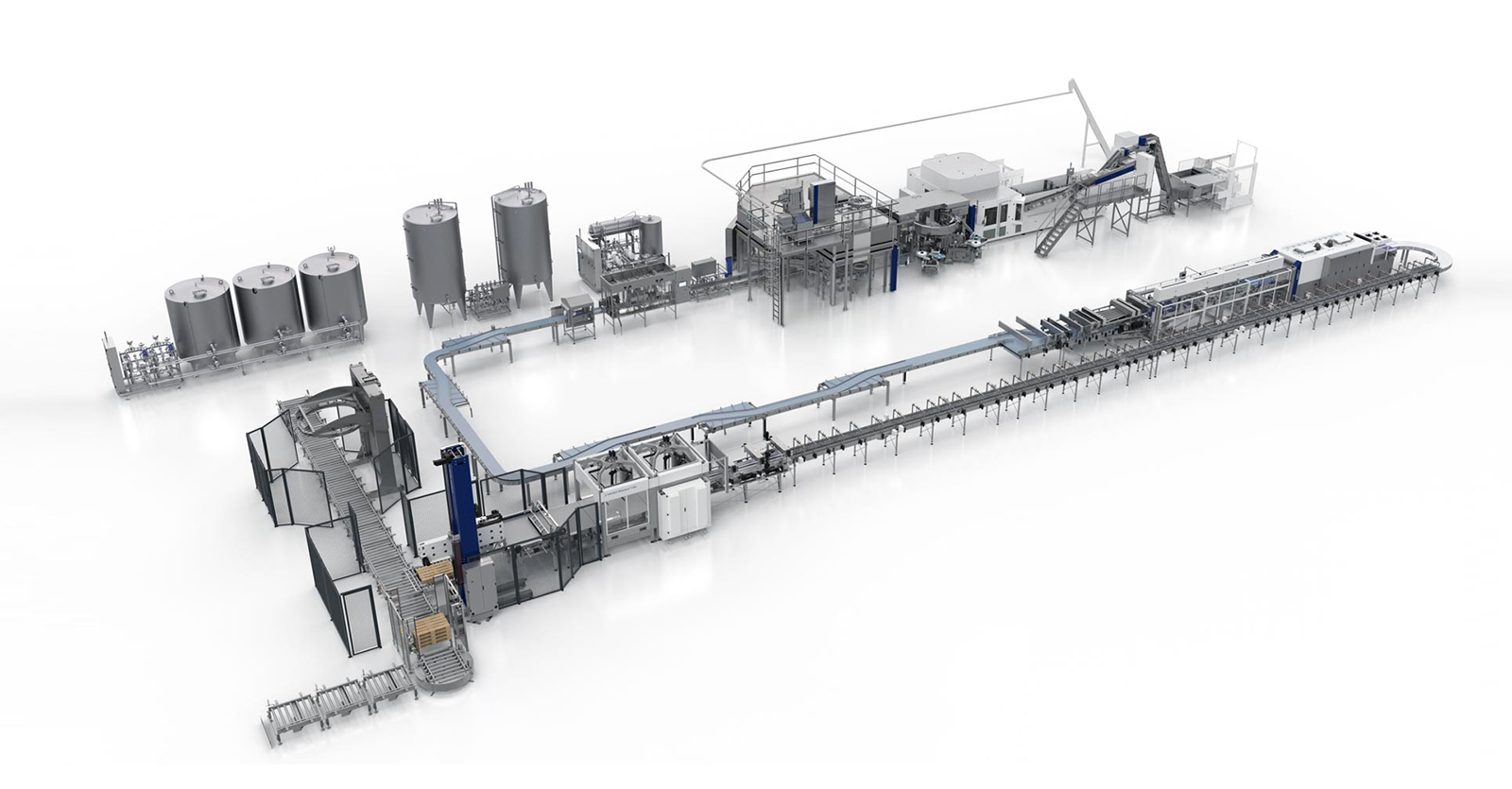
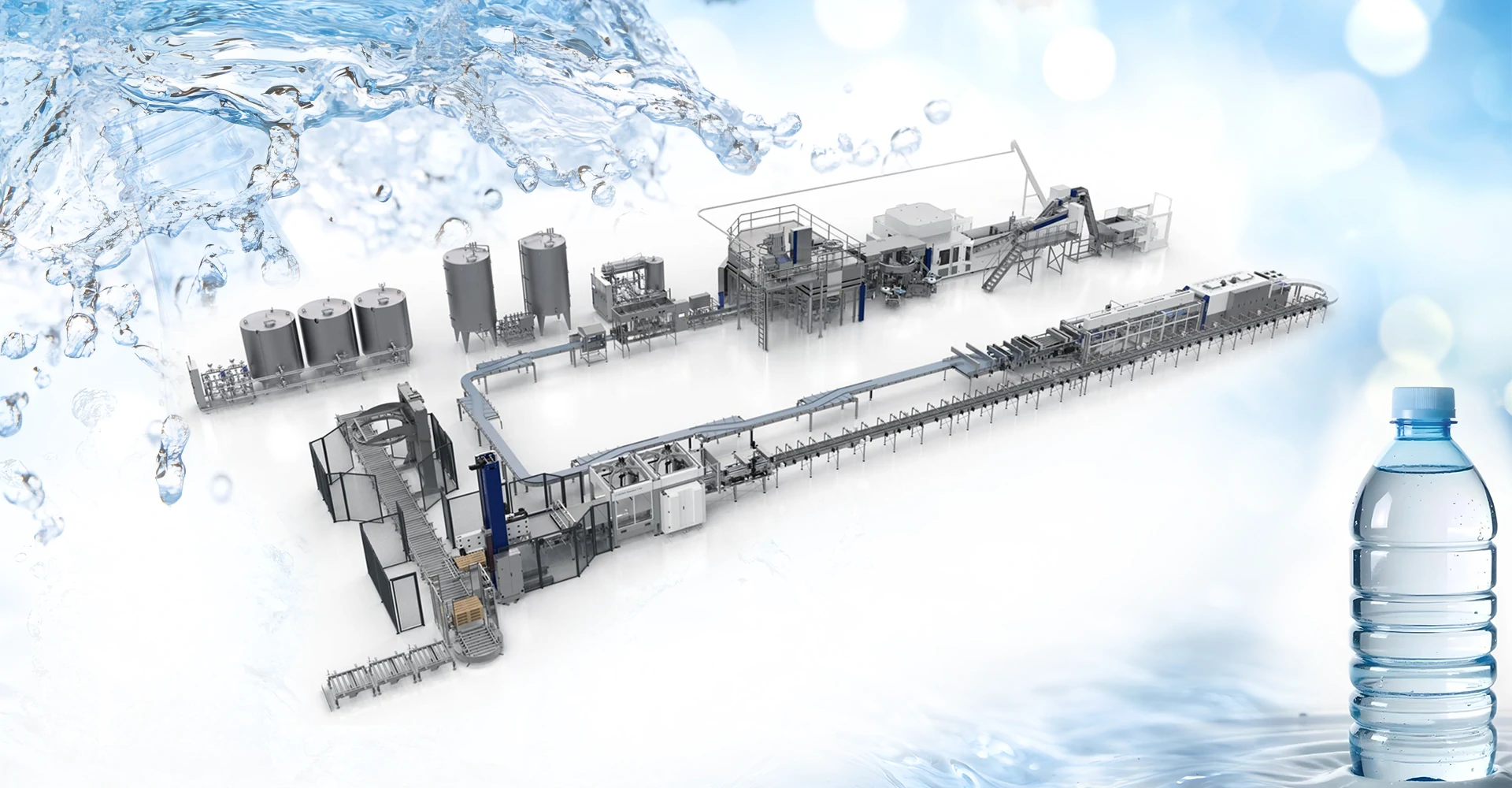
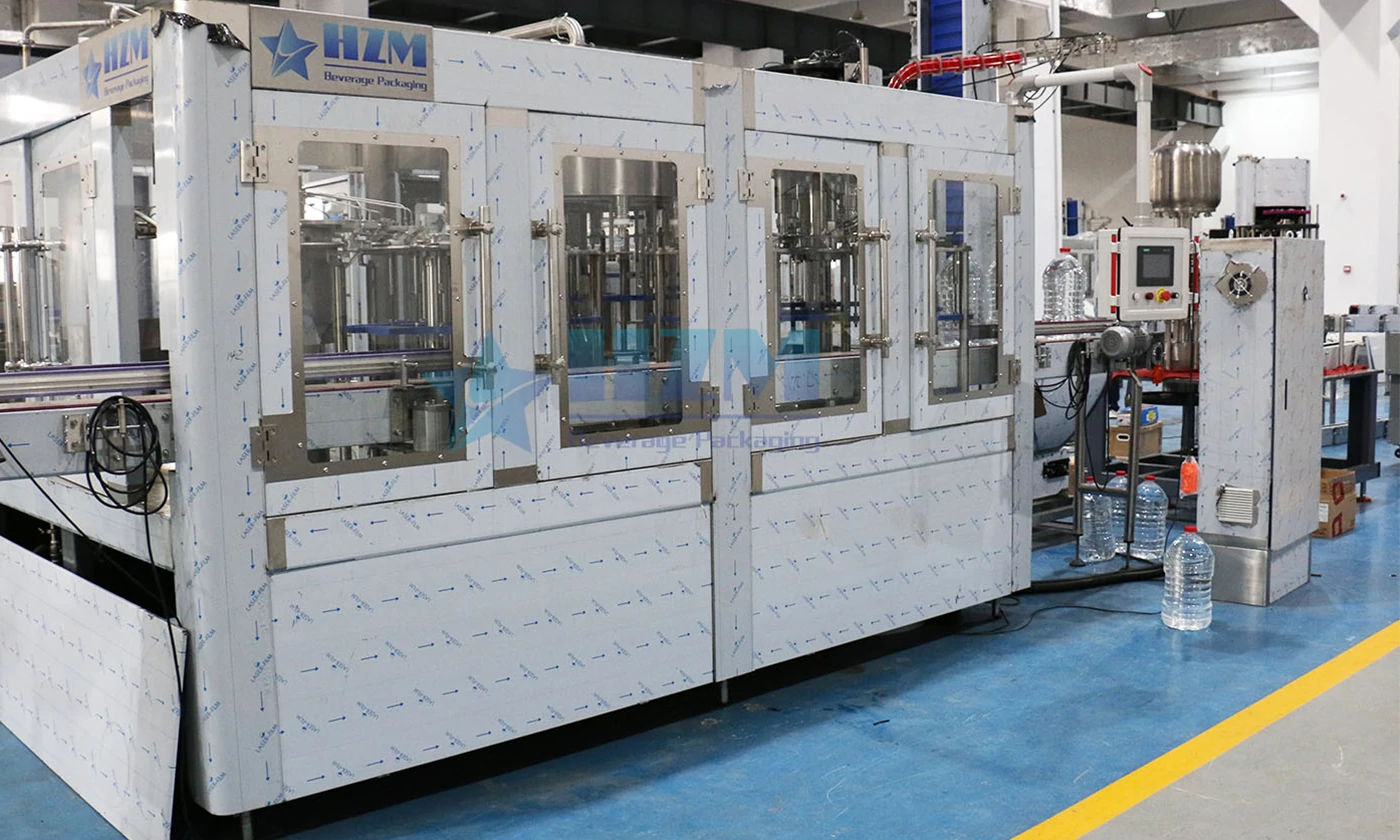
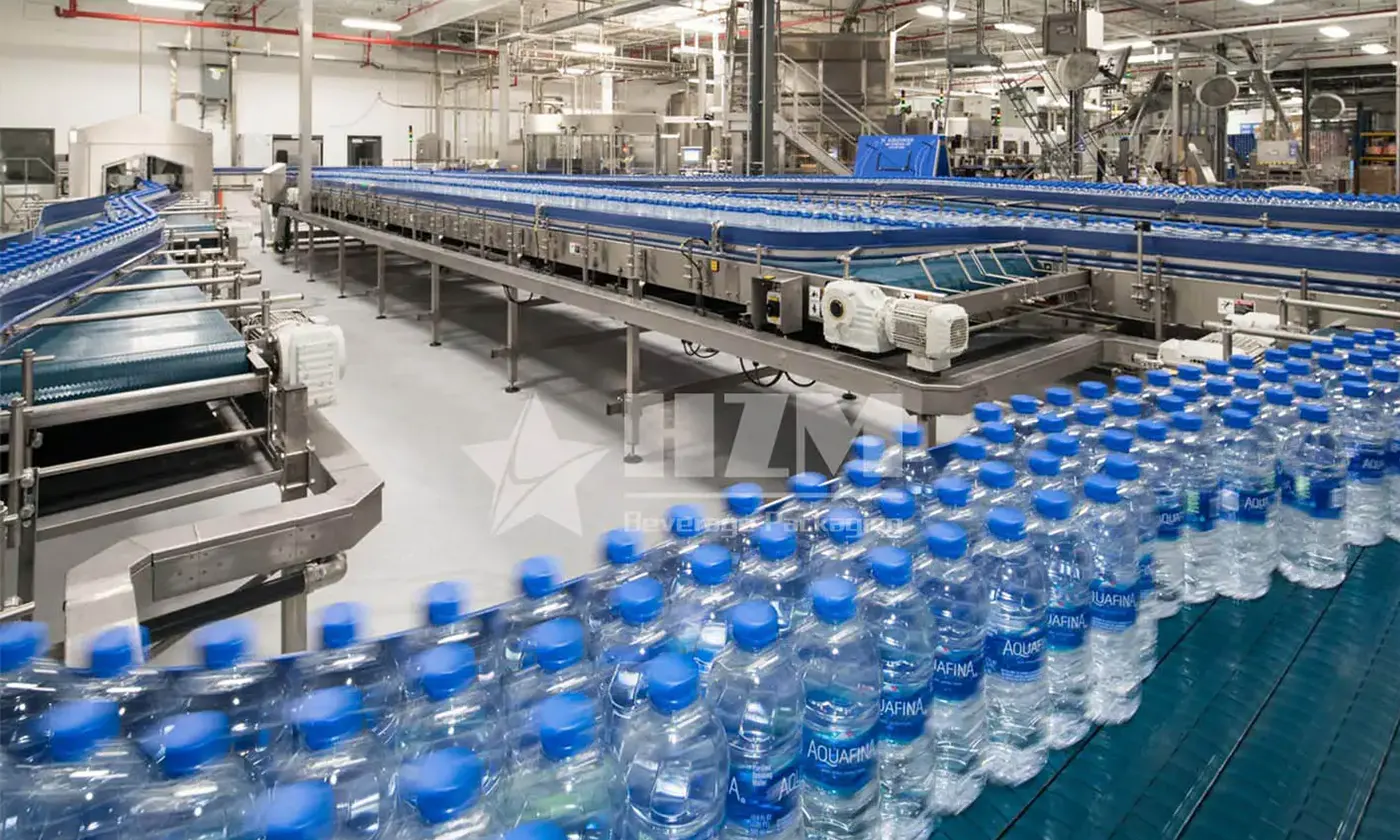
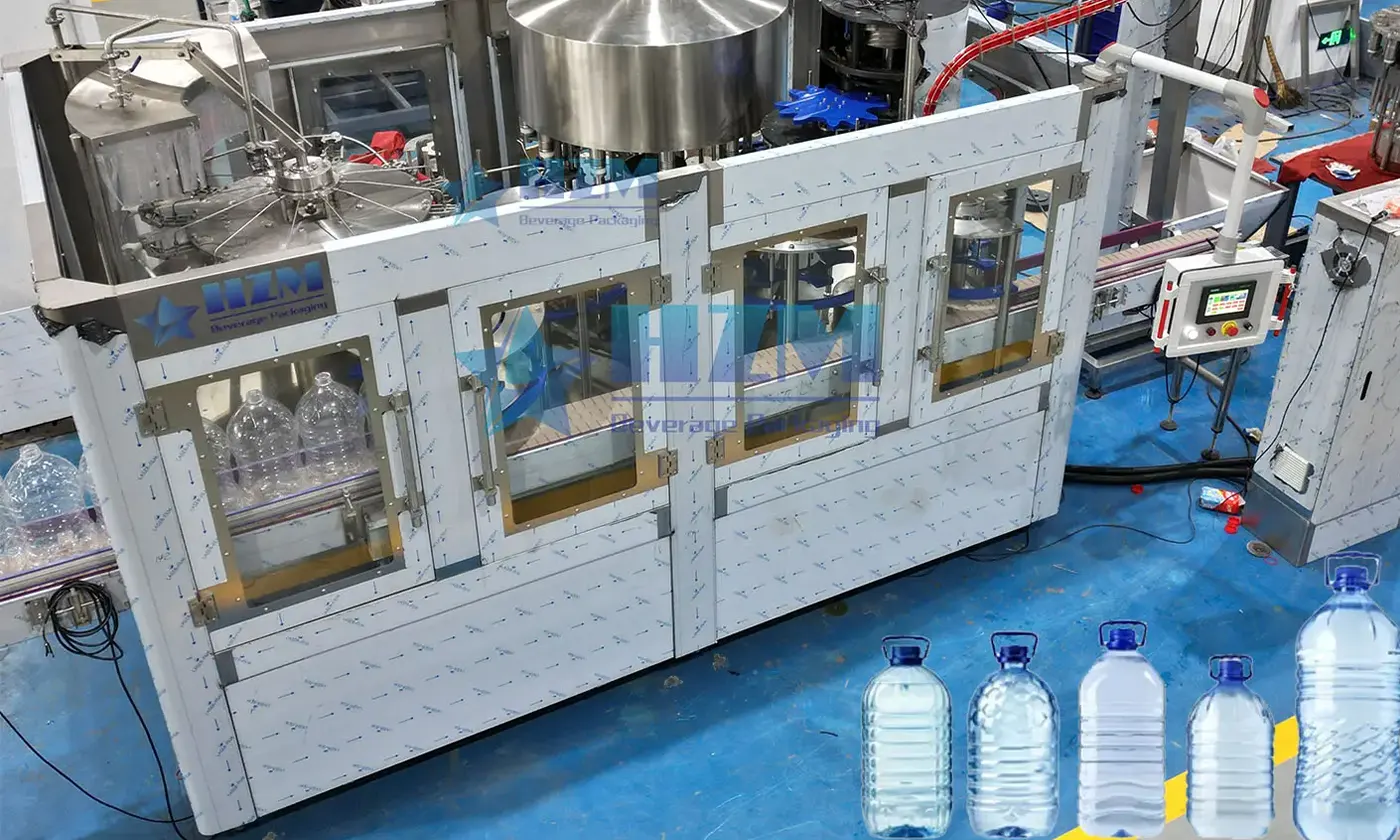
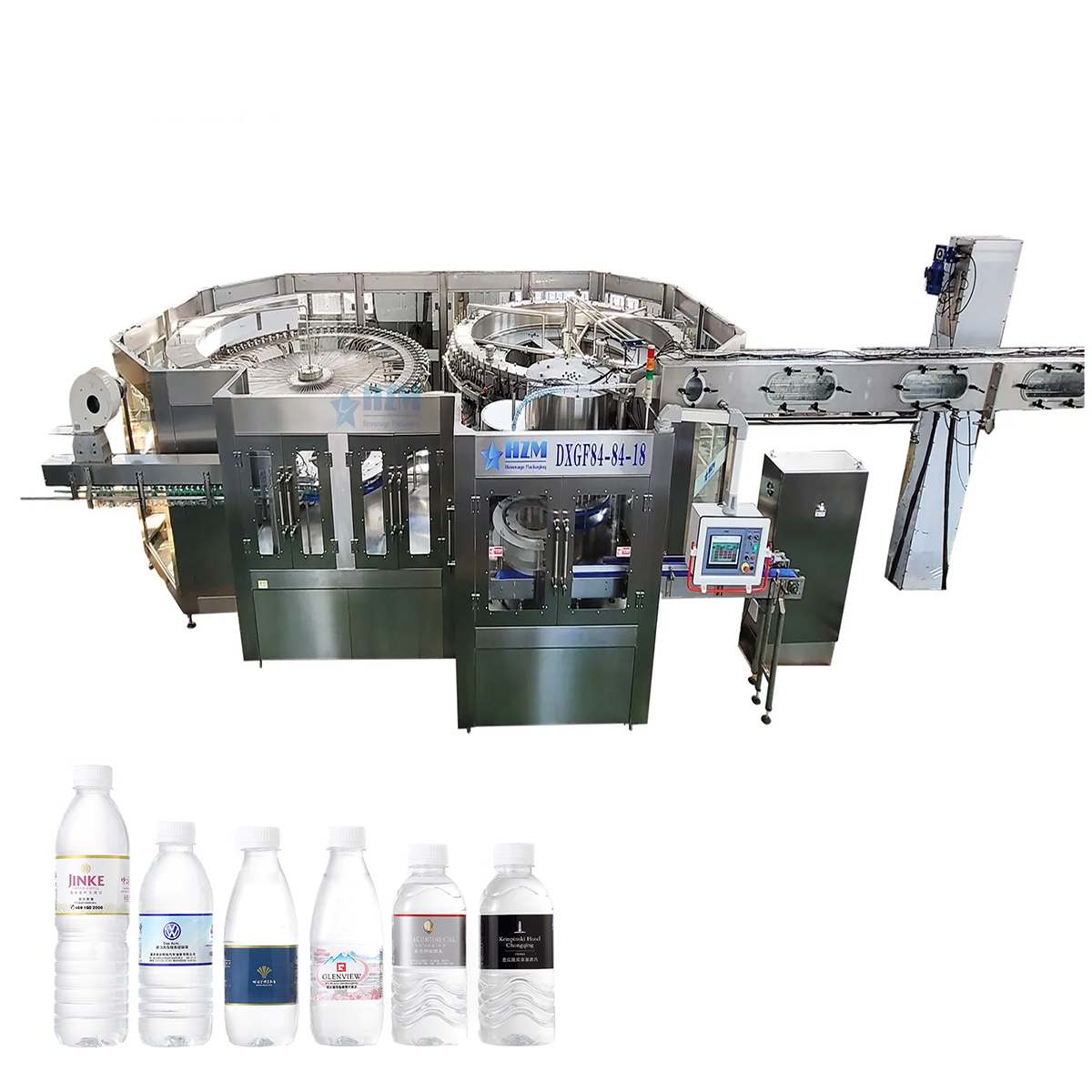
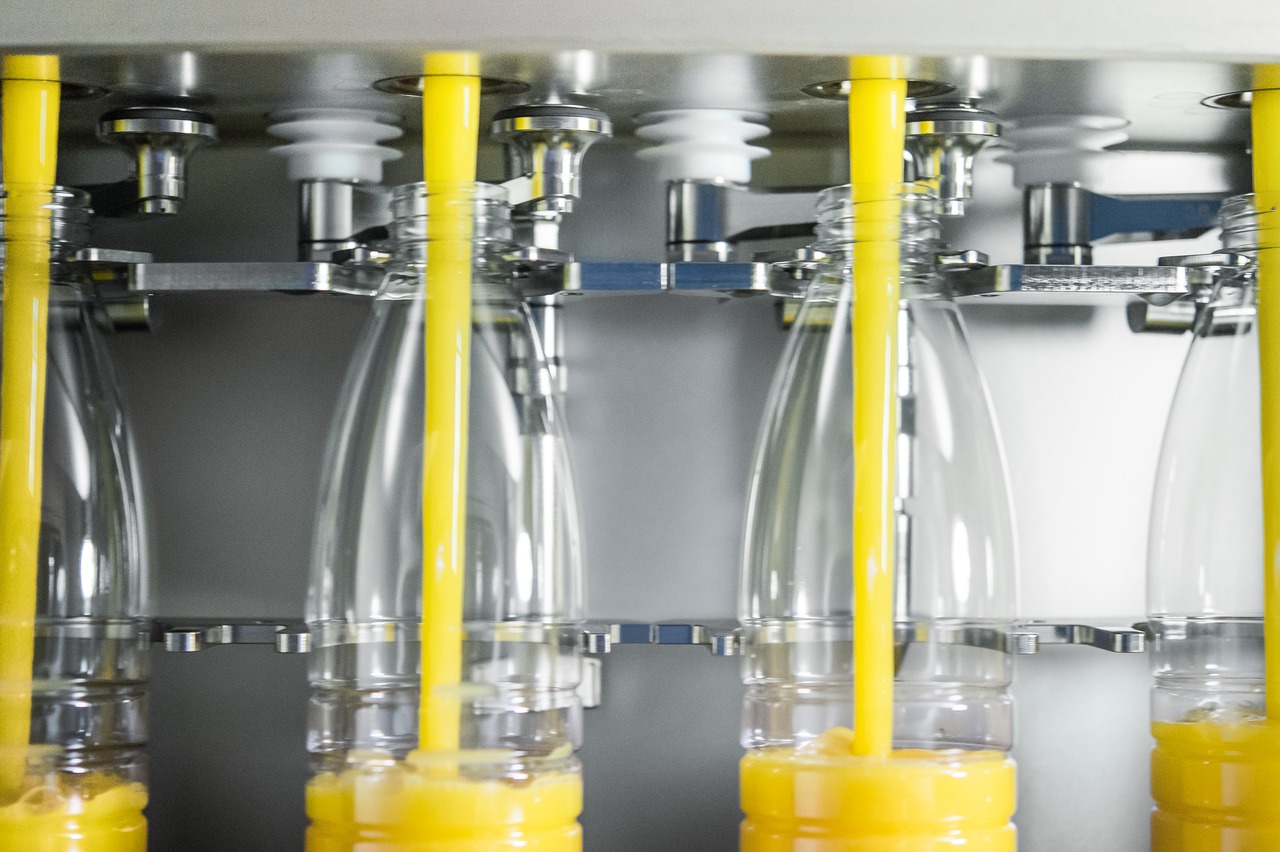
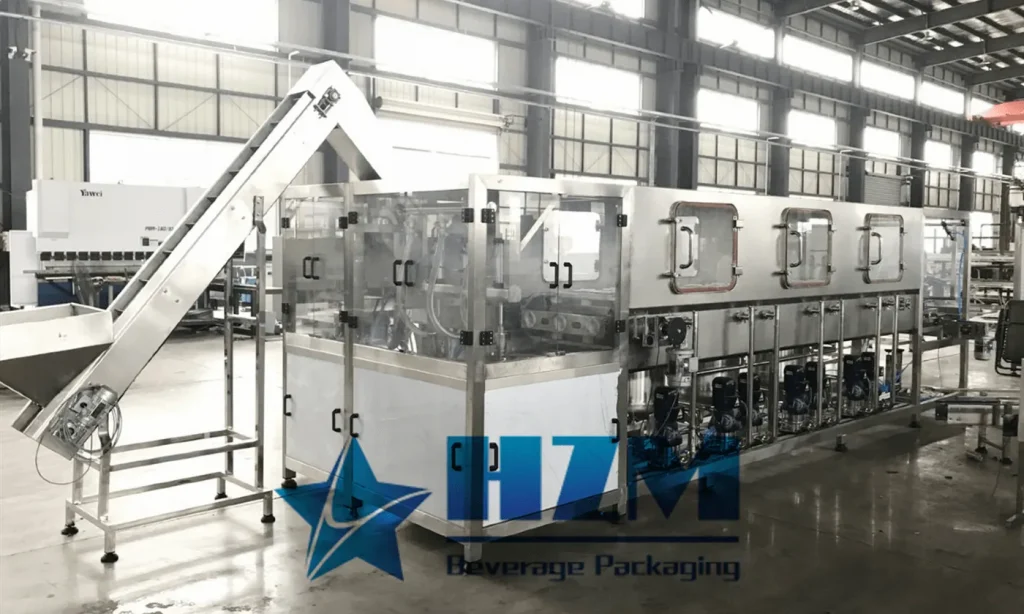
The global beverage industry is evolving at a rapid pace, driven by changing consumer preferences, increasing demand for diversity, and the pursuit of operational efficiency. For beverage manufacturers—whether startups or established enterprises—investing in a high-quality filling production line is a decisive factor in ensuring product quality, reducing operational costs, and maintaining competitive advantage. However, with a wide range of options available in the market, from semi-automated small-scale lines to fully automated industrial systems, choosing a good beverage filling production line can be a daunting task. Equipment selection should compare the beverage process, bottle and closure formats, sustained output, cleaning requirements and downstream packaging capacity.
What Defines a Good Beverage Filling Production Line? Core Principles
A good beverage filling production line is not just a collection of machinery; it is a integrated system that aligns with your production needs, ensures consistent quality, and delivers long-term value. Unlike low-quality lines that may cause frequent downtime, high waste rates, or compliance issues, a reliable filling line adheres to three core principles: stability, efficiency, and flexibility. These principles are supported by industry trends showing that modern beverage filling equipment is increasingly moving towards high speed, full automation, and multi-functionality to meet the demands of large-scale production and product diversification[1]. Below is a detailed breakdown of what makes a beverage filling production line “good” for your business.
Key Selection Criteria for a Good Beverage Filling Production Line
To identify a high-quality beverage filling production line, you need to evaluate it against actionable, industry-proven criteria. These criteria cover equipment performance, adaptability, compliance, cost-effectiveness, and after-sales support—all of which directly impact your long-term operational success. HZM Machinery, with years of industrial experience in developing and supplying beverage packaging machinery, recommends focusing on the following 7 key criteria:
1. Stable Performance & High Production Efficiency
Stability is the foundation of any good filling line—frequent breakdowns or malfunctions can lead to costly downtime, wasted raw materials, and delayed deliveries. A high-quality line should operate continuously for long hours with minimal interruptions, ensuring consistent output. Efficiency, meanwhile, is critical for reducing unit costs and meeting market demand, especially as the industry increasingly prioritizes high-speed production[1].
Key indicators to evaluate include: Production Speed: Align the line’s speed (bottles/cans per hour) with your current and future demand. High-end industrial lines can achieve speeds of up to 1,500 cans per minute for non-carbonated beverages and 2,000 cans per minute for carbonated drinks, with filling valve heads ranging from 50 to 178 heads[1]. For example, HZM Machinery offers filling lines with adjustable speeds, from 500 bottles per hour for small startups to 5,000+ bottles per hour for large-scale manufacturers, ensuring you don’t overpay for unnecessary speed or face bottlenecks.Downtime Rate: A good line should have a downtime rate of less than 5% under normal operating conditions. HZM’s filling machines are engineered with high-quality components and precise calibration, minimizing mechanical failures and reducing unplanned downtime.Fill Accuracy: Consistent fill levels are essential for product quality, customer trust, and regulatory compliance. High-quality lines (like those from HZM) offer fill accuracy within ±1% for most beverage types, avoiding underfilling (which damages brand reputation) or overfilling (which wastes raw materials).
2. Flexibility & Versatility to Adapt to Market Changes
The beverage market is characterized by frequent product innovations—new flavors, packaging sizes, and beverage types (e.g., still water, carbonated drinks, juices, plant-based beverages, dairy drinks) are constantly emerging. A good filling production line should have strong flexibility to adapt to these changes without requiring expensive equipment replacements, as product lifecycles are often much shorter than equipment service lives[1]. This versatility is particularly valuable for manufacturers looking to expand their product portfolios, such as the 9-line production facility launched by Sichuan Yangpu Biotechnology, which produces five categories of beverages including plant protein drinks and fruit juices[2].
Key flexibility features to look for: Compatibility with Multiple Beverage Types: The line should handle different viscosities and properties—from water (low viscosity) to juices, dairy drinks, and carbonated beverages (high viscosity or pressurized). HZM’s filling lines are customizable to support various beverage types, with specialized systems for carbonated filling, juice filling, and water filling.Adjustable for Different Packaging Sizes: It should easily switch between bottle/can sizes (e.g., 330ml, 500ml, 1L, 5-gallon barrels) with minimal downtime. HZM’s conveyor systems, filling nozzles, and capping machines are adjustable, allowing quick transitions between packaging formats.Easy Upgradeability: The line should support future upgrades (e.g., adding automation, expanding capacity) as your business grows. HZM’s modular design ensures that you can add components (e.g., blow molding machines, additional filling heads) without replacing the entire line.
3. Compliance with Global Quality & Regulatory Standards
Beverage safety is non-negotiable, and non-compliance with global regulations (e.g., FDA, EU Directive 2009/54/EC, ISO, GMP) can result in fines, product recalls, and irreversible brand damage. A good beverage filling production line must be designed to meet or exceed these standards, with built-in features to ensure product purity and safety.
Critical compliance features include: Hygienic Design: All parts in contact with the beverage should be made of food-grade materials (e.g., 304/316 stainless steel) that are corrosion-resistant, easy to clean, and free of harmful substances. HZM’s filling machines, water treatment systems, and conveyor systems adhere to strict hygienic standards, with smooth surfaces and sealed components to prevent contamination.Quality Control Integration: Built-in QC features (e.g., automatic fill level checks, leak detection, water purity monitoring) help identify non-compliant products before they reach the market. HZM’s lines integrate advanced QC systems, including AI-driven visual inspection for some high-end models, to ensure consistent quality[4].Traceability: The line should support batch tracking and traceability, allowing you to monitor every stage of production (from raw materials to finished products) in case of recalls. HZM’s PLC control systems record production data, enabling easy traceability and compliance reporting.
4. Energy Efficiency & Low Operational Costs
A good beverage filling production line should not only have a reasonable upfront cost but also minimize long-term operational expenses—including energy consumption, labor, maintenance, and waste. Energy efficiency is a key trend in the industry, as manufacturers seek to reduce carbon footprints and lower utility bills[1]. For example, fully automated lines can significantly reduce labor costs compared to semi-automated systems, while energy-efficient components cut electricity usage.
Key cost-saving features to evaluate: Energy-Saving Design: Look for machines with low-power motors, energy recovery systems, and efficient heating/cooling components. HZM’s filling machines and blow molding machines are engineered for energy efficiency, reducing energy consumption by 10–15% compared to standard equipment.Low Waste Rates: A good line should minimize waste of raw materials (beverage, packaging) and consumables. HZM’s precise filling technology and leak-proof capping systems reduce beverage waste to less than 1%, while on-site blow molding machines (supplied by HZM) cut packaging waste and transportation costs.Minimal Maintenance Requirements: High-quality components and easy access for maintenance reduce repair costs and downtime. HZM provides professional maintenance guidance and genuine spare parts, extending equipment lifespan by 20–30% and lowering long-term maintenance expenses.
5. Advanced Automation & Intelligent Control
Automation is no longer a luxury but a necessity for modern beverage manufacturers, as it reduces human error, cuts labor costs, and improves production consistency. The industry is moving towards fully intelligent, unmanned production lines, with features like multi-robot collaborative operations and full-process AI quality control[4]. Even small to mid-scale manufacturers can benefit from partial automation to streamline operations.
Key automation features to consider: PLC/SCADA Control System: A user-friendly, intelligent control system allows operators to monitor and adjust production parameters (speed, fill level, temperature) in real time, with automatic error alerts. HZM’s lines are equipped with advanced PLC touchscreen controls, enabling one-person operation for most small-scale systems.Automated Auxiliary Processes: Features like automatic bottle loading/unloading, capping, labeling, and packing reduce labor needs by 60–80%. For example, HZM’s fully automated lines integrate conveyor systems, packing machines, and palletizing equipment to create a seamless, unmanned production flow.Data Monitoring & Analysis: Intelligent lines can collect and analyze production data (output, efficiency, waste) to identify optimization opportunities. HZM’s control systems offer data logging and reporting functions, helping you make data-driven decisions to improve productivity.
6. Reliable Equipment Quality & Durability
A beverage filling production line is a long-term investment, typically with a service life of 10–15 years. A good line should be built with high-quality materials and components to withstand the rigors of continuous industrial use. Inferior equipment may have a lower upfront cost but will require frequent repairs and replacements, increasing total cost of ownership (TCO) over time. Even established brands rely on high-quality equipment—for example,太古可口可乐’s supply chain previously used KRONES sterile production lines, known for their durability and reliability[3].
How to evaluate equipment quality: Component Quality: Check the brand and quality of key components (motors, pumps, valves, sensors). HZM uses world-class components from trusted suppliers, ensuring stability and durability.Manufacturing Standards: Choose a supplier with strict quality control processes during manufacturing. HZM integrates development, manufacture, and sales, with rigorous testing of every machine before delivery to ensure it meets performance standards.Service Life: A good line should have a service life of at least 10 years with proper maintenance. HZM’s equipment is engineered for durability, with many customers reporting 15+ years of reliable operation.
7. Comprehensive After-Sales Support & Technical Expertise
Even the highest-quality filling line will require maintenance, repairs, and technical support over its lifespan. A good supplier should offer comprehensive after-sales services to minimize downtime and ensure your line operates at peak efficiency. This is particularly critical for international manufacturers, who may face challenges with equipment installation and maintenance in foreign markets.
Key after-sales support services to look for: Installation & Commissioning: Professional on-site installation and commissioning to ensure the line is set up correctly and integrated seamlessly. HZM provides end-to-end installation services, with a team of experienced technicians to guide you through startup.Technical Training: Training for your operators and maintenance staff to ensure they can operate and maintain the line efficiently. HZM offers customized training programs, both on-site and online, to meet your team’s needs.Spare Parts Supply: Timely supply of genuine spare parts to avoid long downtime. HZM maintains a global inventory of spare parts, ensuring fast delivery to any location.24/7 Technical Support: Responsive technical assistance to resolve issues quickly. HZM’s support team is available 24/7 via phone, email, or video call, providing expert guidance to minimize disruptions.
How to Match a Good Beverage Filling Line to Your Business Needs
A “good” filling line is not a one-size-fits-all solution—it must align with your specific business needs, including production scale, product type, budget, and growth plans. Below are tailored recommendations for different types of manufacturers, based on HZM Machinery’s industry expertise:
1. For Startups & Small-Scale Manufacturers (500–2,000 Bottles/Cans Per Hour)
Focus on cost-effectiveness, simplicity, and scalability. A semi-automated line with basic filling, capping, and labeling functions is ideal, as it minimizes upfront investment while allowing for future upgrades. HZM’s small-scale lines are customizable, supporting 1–2 beverage types and multiple bottle sizes, with a low TCO and easy operation. Key features to prioritize: semi-automated filling, manual bottle loading (to reduce cost), and basic QC functions.
2. For Mid-Scale Manufacturers (2,000–5,000 Bottles/Cans Per Hour)
Prioritize flexibility, partial automation, and efficiency. A partially automated line with integrated conveyor systems, automated capping/labeling, and multi-beverage compatibility will help you expand your product portfolio and increase output. HZM’s mid-scale lines support 3–4 beverage types, with adjustable speeds and easy upgrades to full automation. Key features to prioritize: adjustable filling speeds, automated auxiliary processes, and modular design for scalability.
3. For Large-Scale & Industrial Manufacturers (5,000+ Bottles/Cans Per Hour)
Invest in full automation, high speed, and intelligent control. A fully automated line with PLC control, on-site blow molding, integrated packing/palletizing, and advanced QC systems is essential to meet large-scale demand and maintain competitiveness. HZM’s industrial lines are designed for high-speed production (up to 10,000+ bottles per hour), supporting multiple beverage types and packaging formats, with AI-driven data monitoring and analysis. Key features to prioritize: high-speed filling, full automation, intelligent control, and compliance with global standards.
Why HZM Machinery’s Beverage Filling Lines Are a Reliable Choice
HZM Machinery stands out as a trusted supplier of high-quality beverage filling production lines, thanks to its commitment to quality, customization, and customer support. As a comprehensive professional supplier integrating development, manufacture, and sales of liquid beverage packaging machinery, HZM’s lines meet all the key criteria of a good filling system—and more:
-
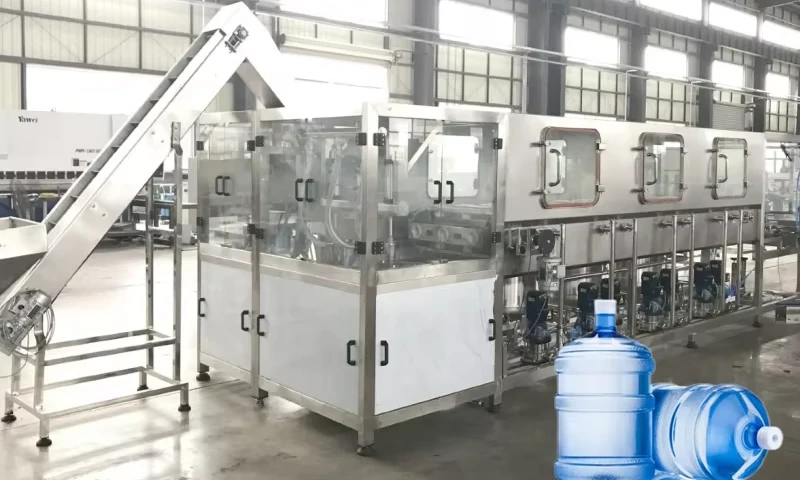
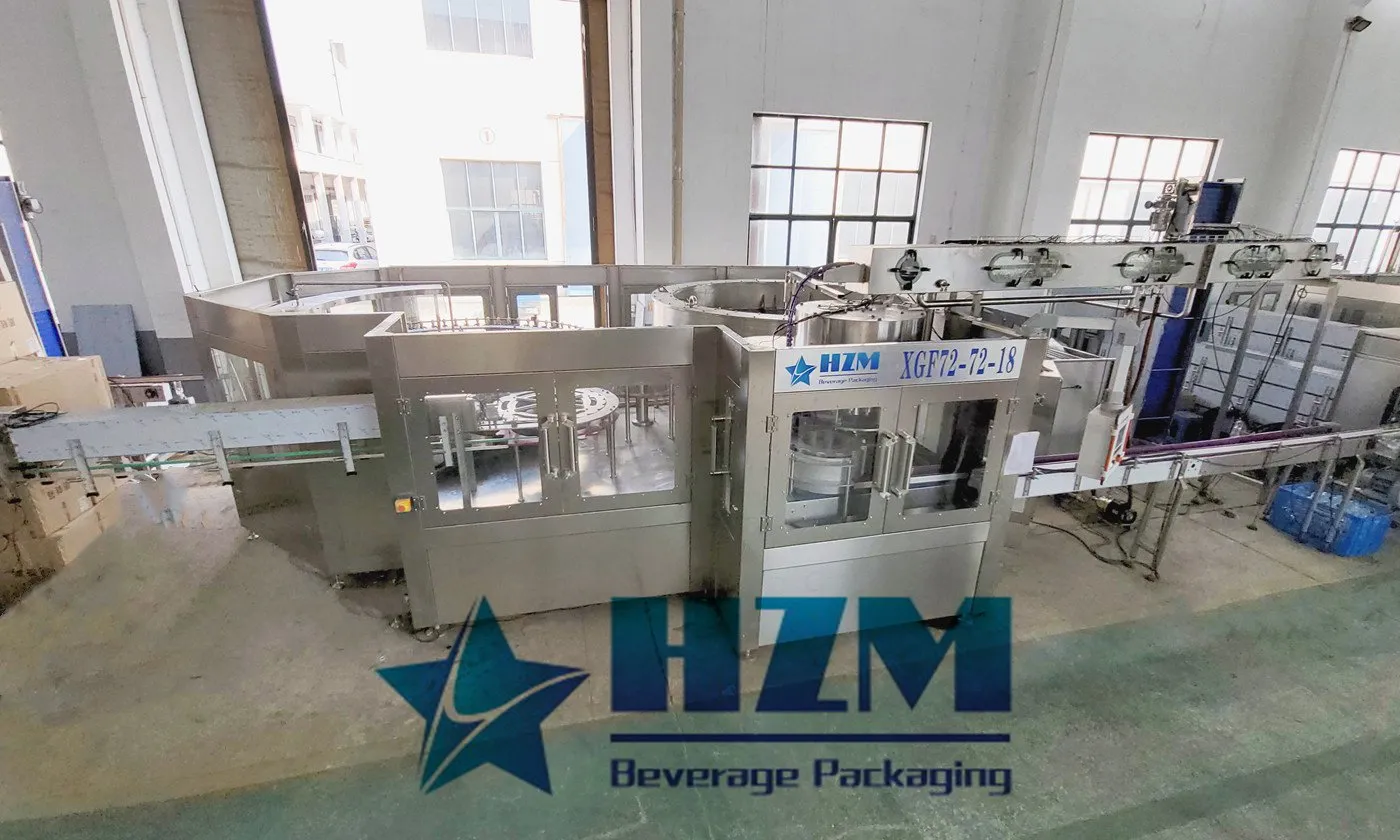
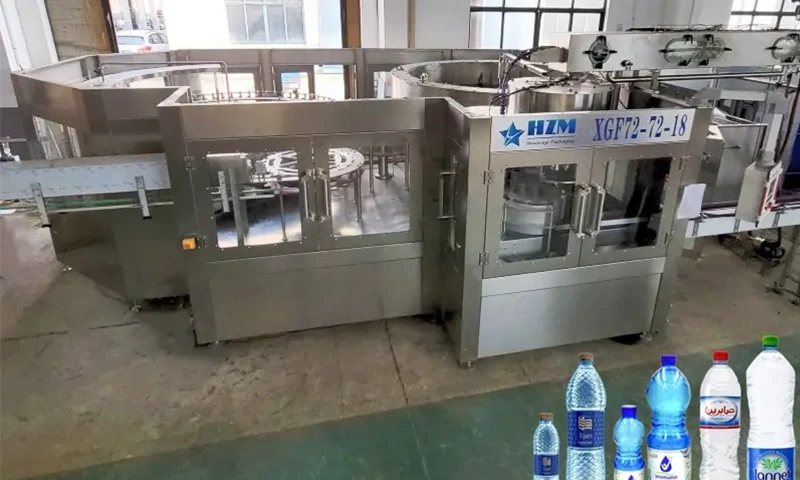
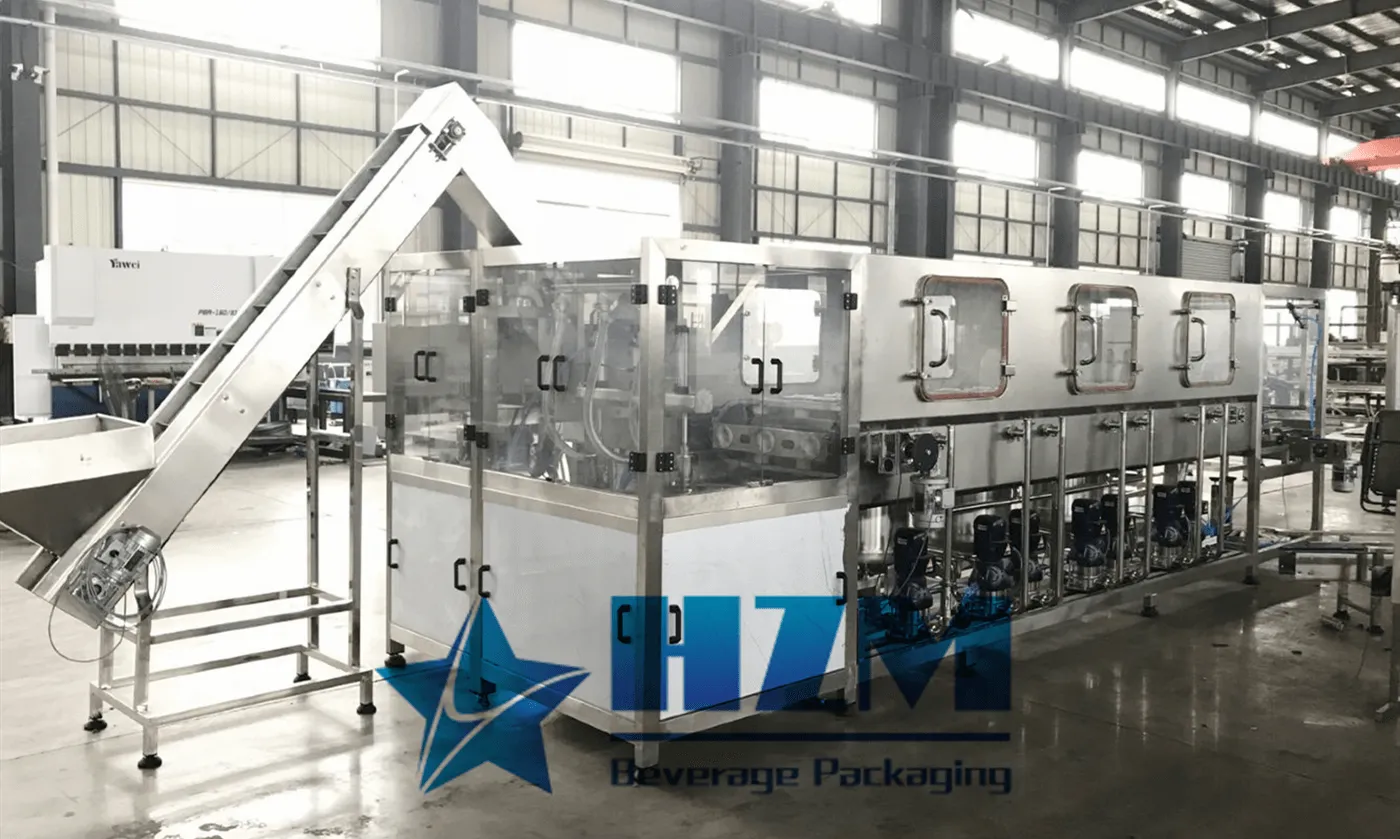
Comprehensive Product Range: HZM offers a full range of filling lines for all beverage types, including water filling machines, carbonated filling machines, juice filling machines, cans filling machines, oil filling machines, and 5-gallon filling lines. Whether you produce still water, soda, juice, or dairy drinks, HZM has a tailored solution.
-
Customized Design: HZM designs each line according to your specific requirements—material, power, filling type, bottle/can size, production speed, and budget. Our team uses years of industrial experience to provide professional suggestions, ensuring the line aligns with your needs and avoids overinvestment.
-
High-Quality, Durable Equipment: HZM’s lines are built with food-grade materials and world-class components, adhering to strict manufacturing standards. Our equipment is engineered for stability, efficiency, and durability, with a service life of 10–15 years.
-
Turnkey Project Solutions: For manufacturers seeking a seamless experience, HZM provides complete turnkey projects—from PET preform and cap making machines to full line installation and commissioning. This one-stop approach eliminates the need to coordinate with multiple suppliers, saving time and money.
-
Comprehensive After-Sales Support: HZM offers end-to-end after-sales services, including installation, training, spare parts supply, and 24/7 technical support. Our goal is to ensure your line operates smoothly, minimizing downtime and maximizing productivity.
Conclusion: Choose Wisely for Long-Term Success
A good beverage filling production line is an investment in your business’s future—it ensures consistent product quality, reduces operational costs, and supports growth in a competitive market. By evaluating lines against the 7 key criteria outlined above—stability, flexibility, compliance, cost-effectiveness, automation, durability, and after-sales support—and matching the line to your specific business needs, you can select a system that delivers long-term value.
HZM Machinery’s beverage filling production lines are designed to meet the highest industry standards, with customized solutions for every scale and product type. With our expertise, high-quality equipment, and comprehensive support, you can trust that HZM will help you find the “good” beverage filling line that drives your business forward—whether you’re a startup launching your first product or an industrial manufacturer scaling to meet global demand.