Equipment
Packaged Drinking Water Filling machine – Water Packaging Machine
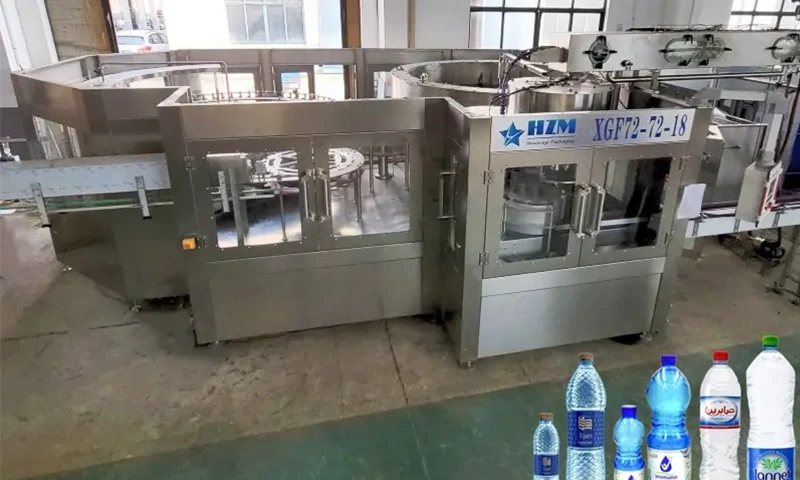
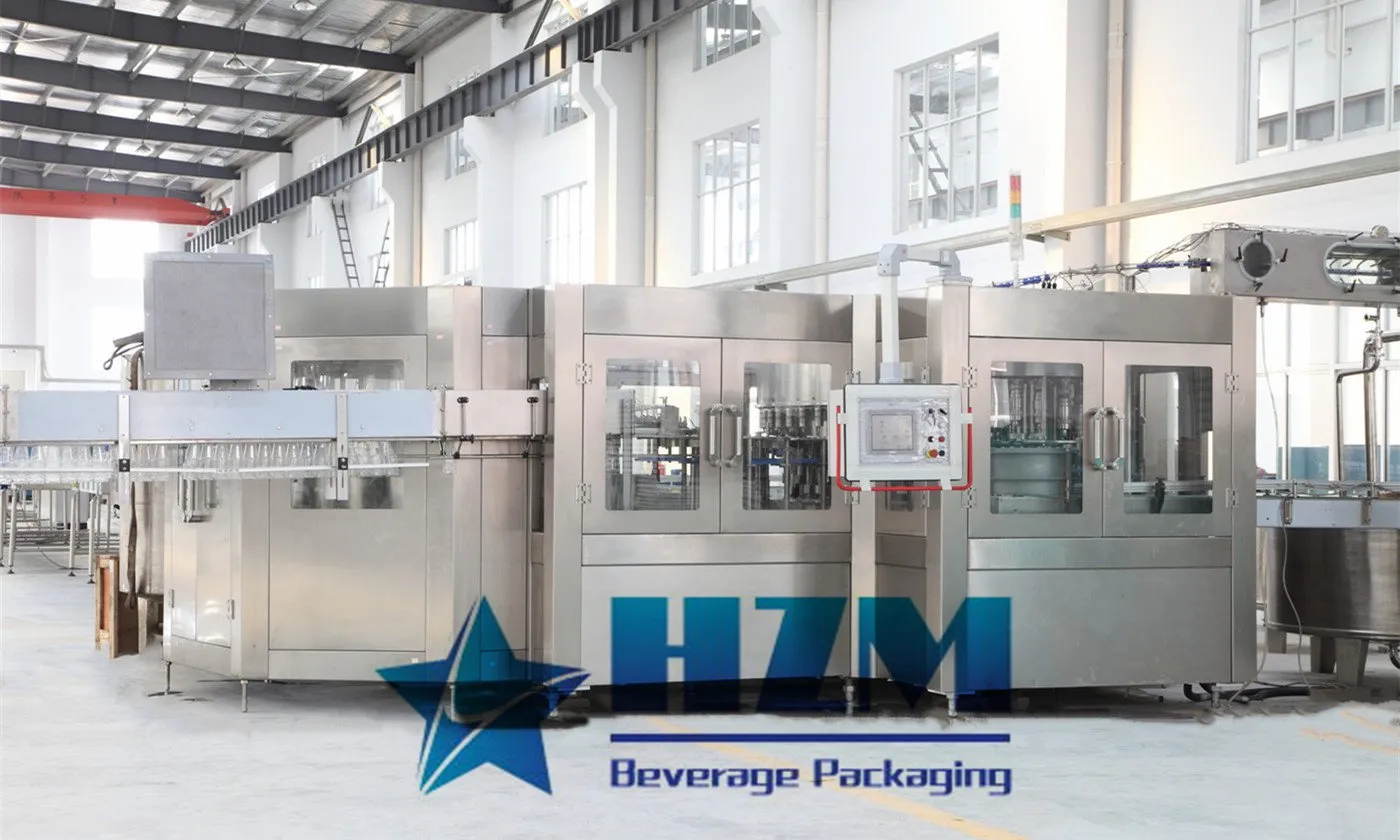
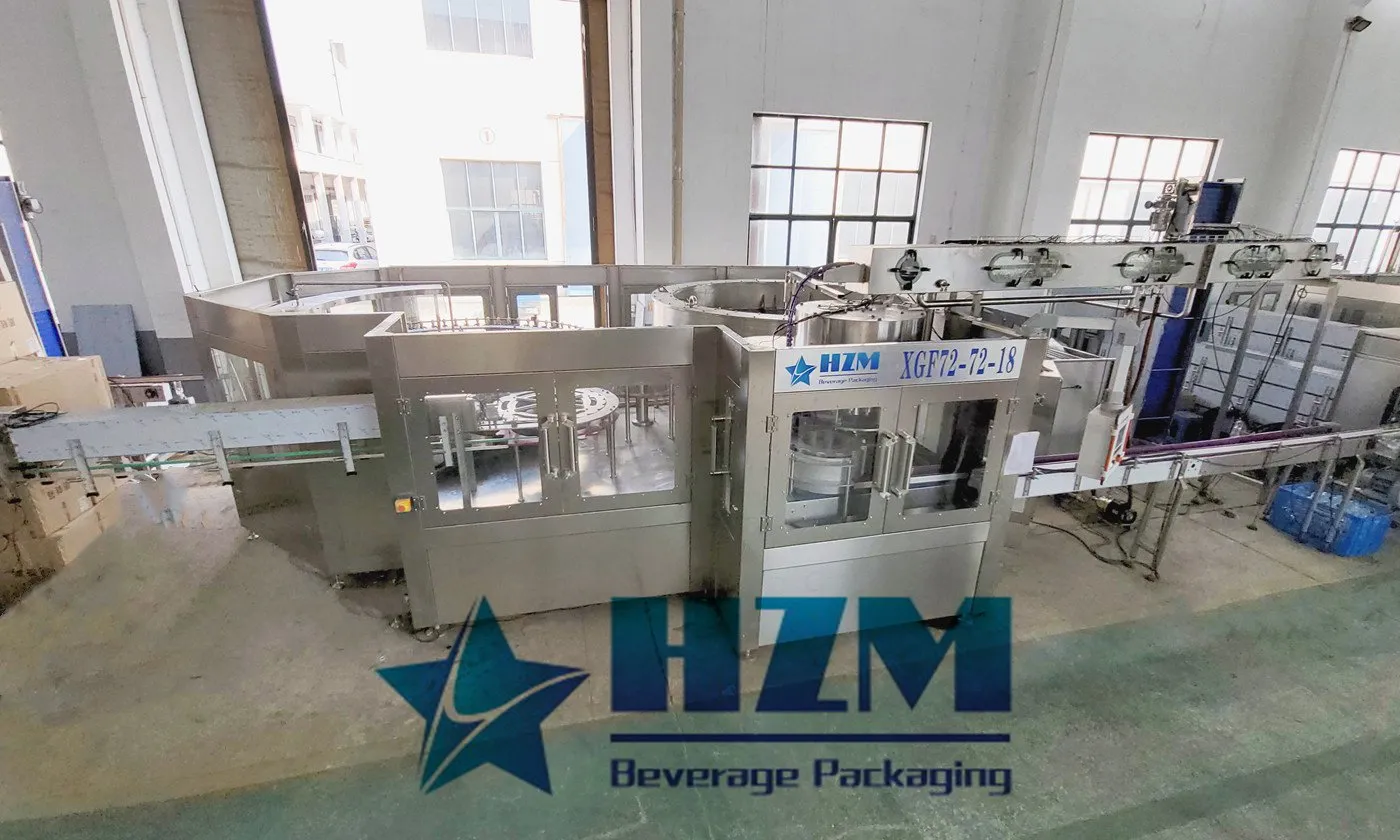
Packaged drinking-water filling with automatic rinsing and capping, from 5,000 to 42,000 bottles/hour at 500 ml.
Learn more
Tip: You can request pricing for individual machines or a complete production line solution.
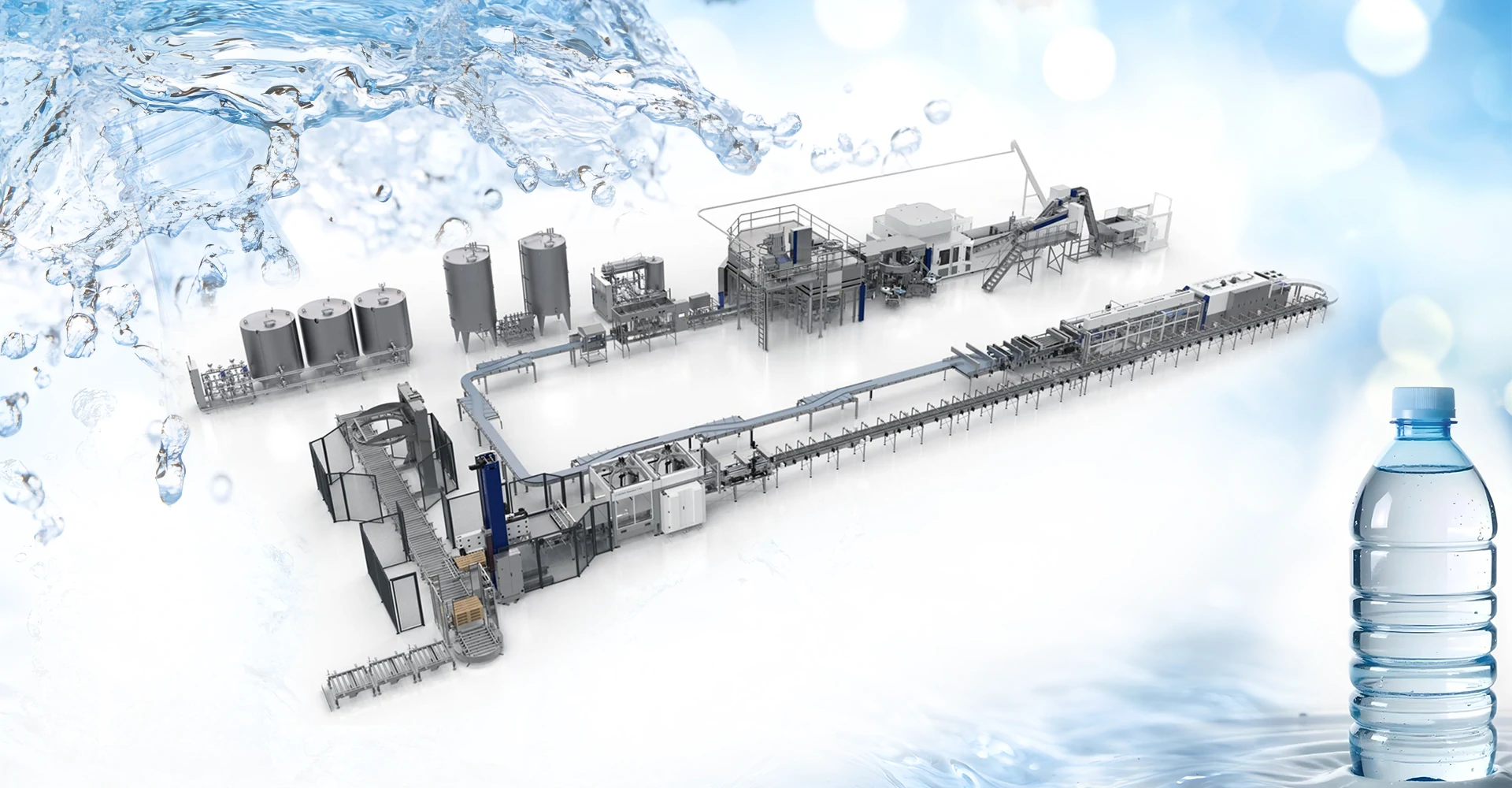
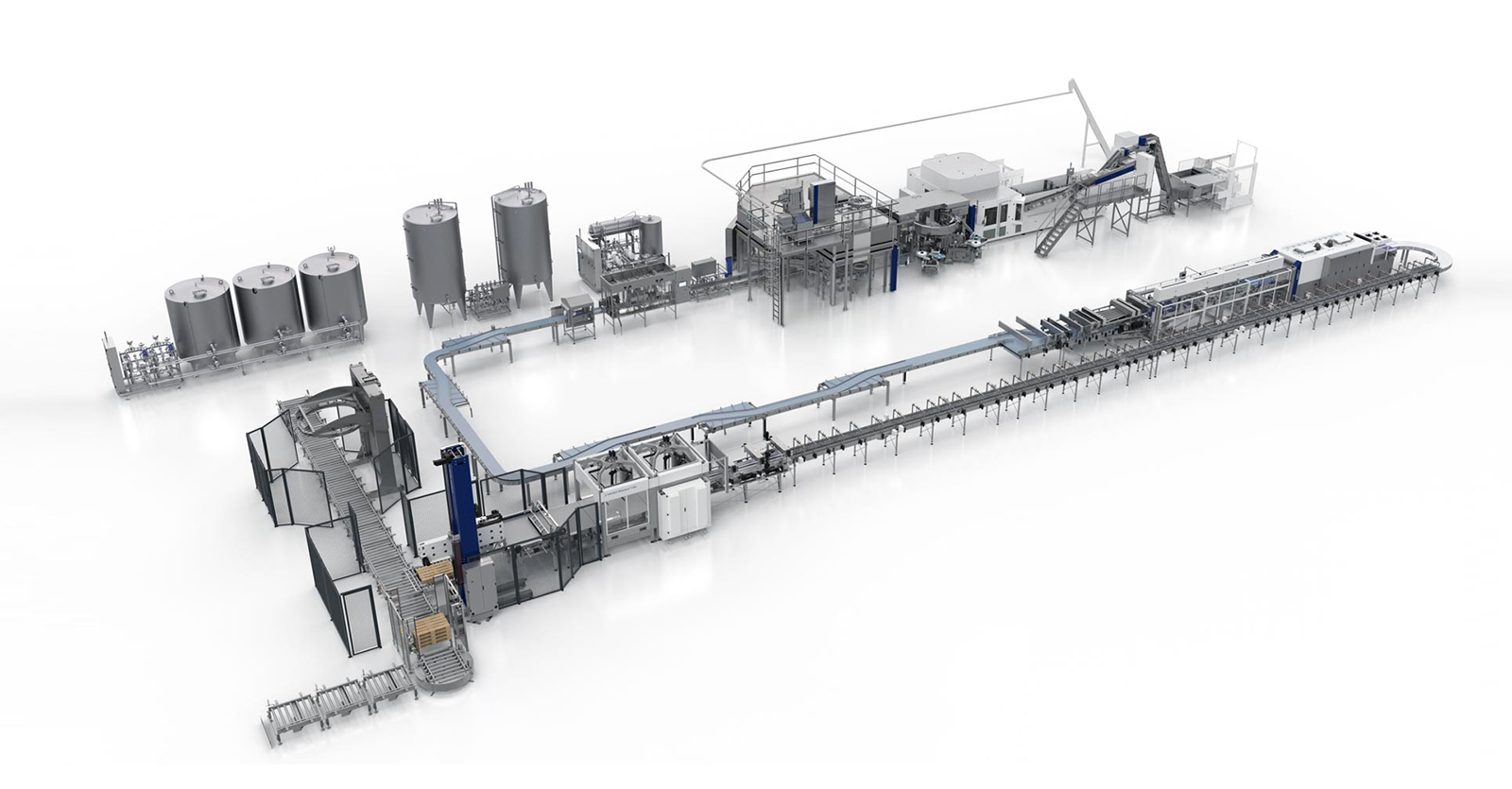
HZM configures a packaged drinking water production line from the water source through to finished packs. The proposal connects the treatment duty, bottle supply and filling rate with the selected labels, pack pattern and dispatch requirement. Equipment and auxiliaries are defined in the project scope.
A packaged drinking water production line must deliver closed, labelled and transportable bottles at a dependable rate. HZM configures the water treatment, bottle supply, rinsing, filling, capping and packing stages around the water source, bottle format and daily dispatch plan. The line packages still drinking water in PET bottles. Returnable large containers and carbonated water use dedicated handling and filling configurations.
Start with the bottle and the pack that will leave the warehouse. Bottle diameter, height, neck finish and weight affect the blower, conveyor guides, filler star wheels and label application. The number of bottles in each pack determines the wrapper or carton packer duty. A compact bottle may run easily through the filler yet become unstable when several lanes merge at the packing machine.
A useful specification lists every planned bottle size, the expected sales share of each size, cap drawings, label type and pack pattern. Identify the principal format and the most difficult format separately. The smallest bottle often creates the highest handling speed, while the largest creates the highest water demand.
| Production stage | Equipment scope | What determines the selection |
|---|---|---|
| Water preparation | Feed storage, selected pretreatment, purification and final treatment | Water analysis, finished-water specification and simultaneous demand |
| Bottle supply | Purchased-bottle feeding or PET preform heating and stretch blowing | Annual bottle demand, preform design, air supply and available floor area |
| Rinsing, filling and capping | Automatic monoblock for approved still-water packages | Required output, bottle geometry, neck finish and closure |
| Inspection and identification | Agreed fill/closure checks, coding and label application | Release criteria, code position, label material and traceability requirements |
| Secondary packaging | Shrink packing or carton packing, conveyors and optional palletising | Pack pattern, distribution conditions and finished-pack output |
HZM supplies a drinking water production line with the machines, conveyors, tanks and pipework selected for your plant. The proposal defines equipment supply, installation work and the connections to your site utilities.
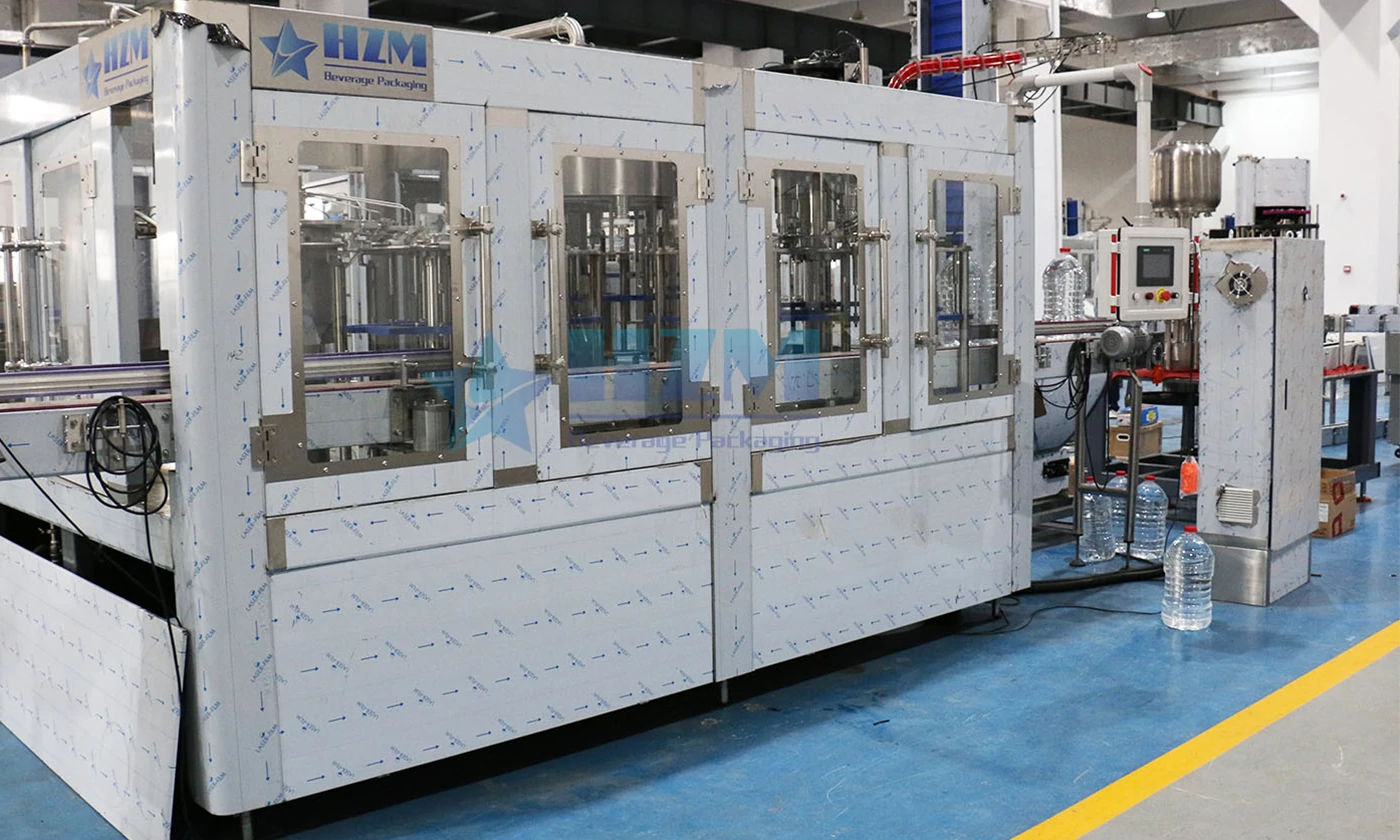
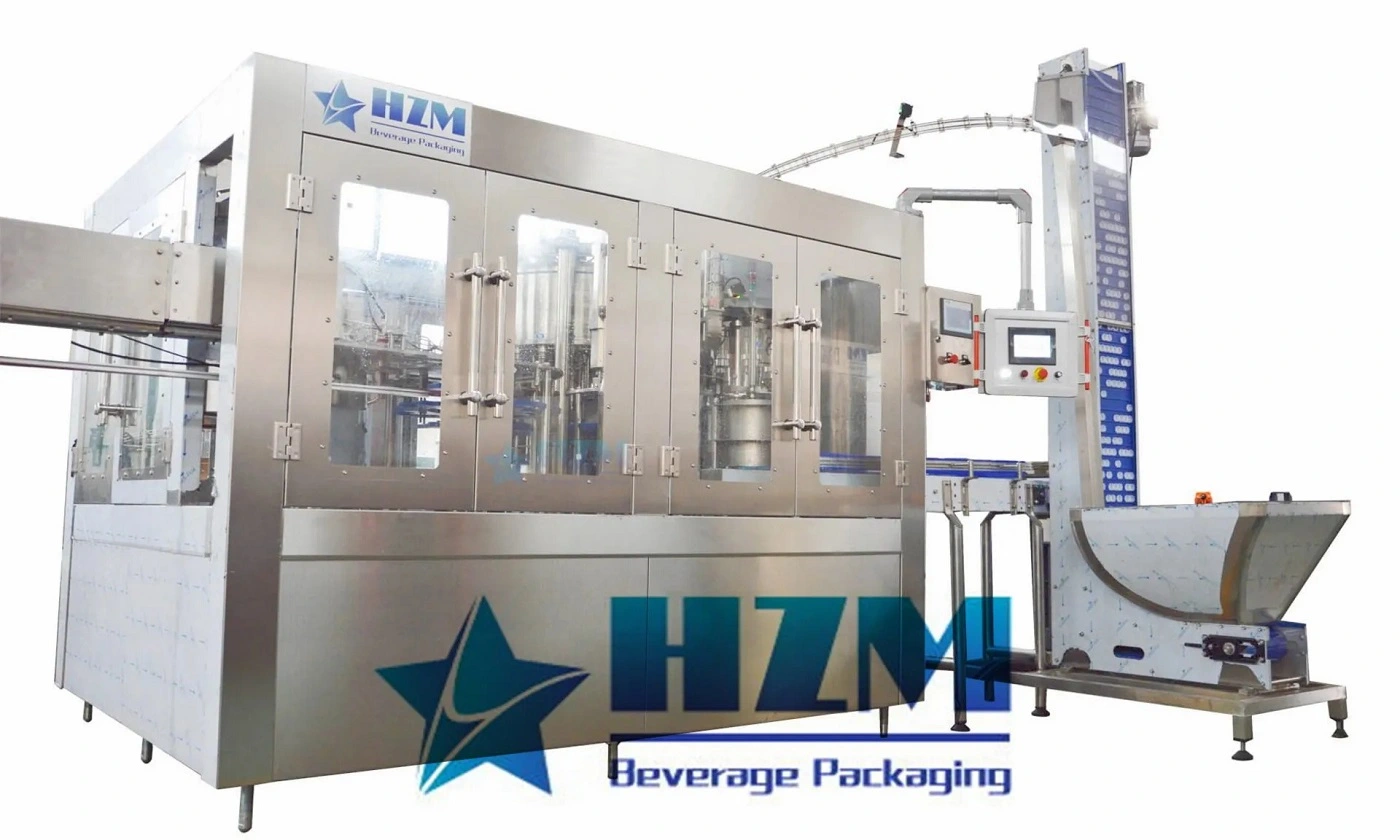
The XGF water filling machine combines rinsing, filling and capping. Capacities below are based on 500 ml bottles. Output for other bottle sizes and the complete line depends on the selected equipment and production conditions.
| Model | Rinsing / filling / capping heads | Capacity at 500 ml |
|---|---|---|
| XGF14/12/5 | 14 / 12 / 5 | 5,000 bottles/hour |
| XGF16/16/5 | 16 / 16 / 5 | 8,000 bottles/hour |
| XGF24/24/8 | 24 / 24 / 8 | 12,000 bottles/hour |
| XGF32/32/8 | 32 / 32 / 8 | 15,000 bottles/hour |
| XGF40/40/10 | 40 / 40 / 10 | 18,000 bottles/hour |
For example, producing 12,000 bottles/hour at 500 ml requires 6,000 litres/hour of water in the saleable bottles alone. Bottle rinsing, cleaning, treatment losses and other users must be calculated separately. The treatment plant should therefore be sized from a water balance, not by assigning the same numerical capacity as the filler.
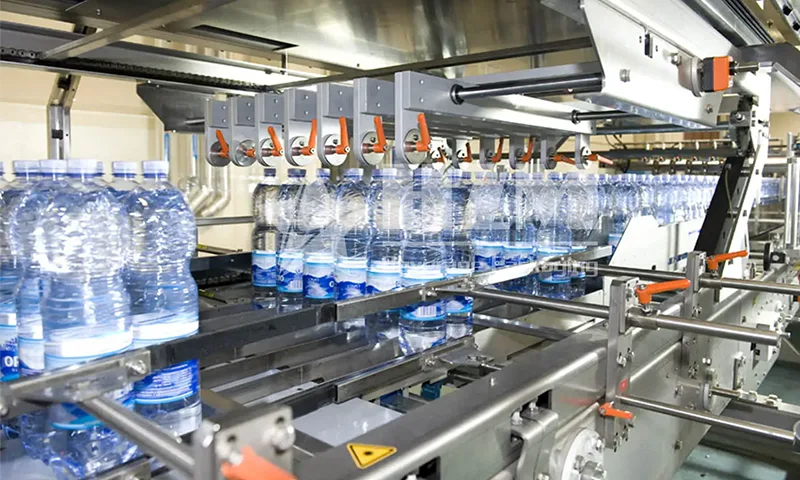
Packaging machines are commonly specified in packs per minute. To compare them with the filler, multiply packs/minute by bottles/pack and by 60. As a planning example, 20 packs/minute containing 12 bottles corresponds to 14,400 bottles/hour before interruptions. Changing to six-bottle packs at the same packer speed halves that bottle-equivalent capacity.
The shrink packing machine range and carton packing machine range should be evaluated using the actual bottle grouping and packaging material. Include film or carton replenishment, pack cooling, manual handling and pallet removal in the assessment. Conveyor accumulation can absorb brief interruptions; it cannot compensate for a packer that is consistently slower than the required production rate.
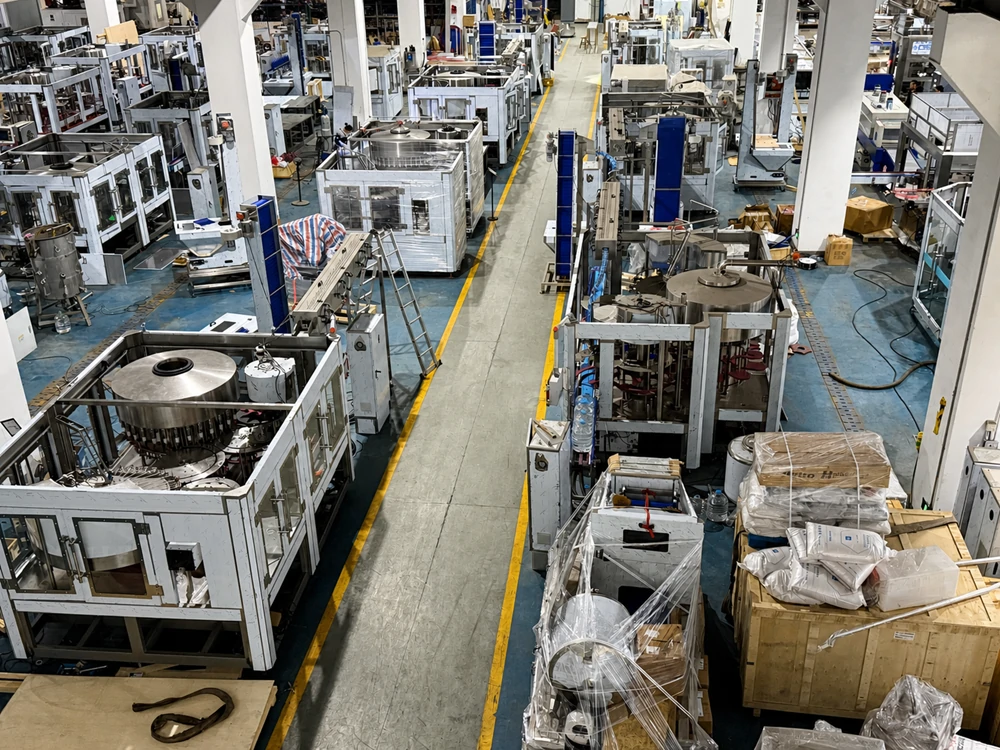
A practical layout separates raw materials, open bottles and finished packs while allowing operators to replenish caps, labels and film without crossing the clean filling area. Reserve access for filter service, mould changes, filler maintenance and movement of the largest replaceable component. A drawing of machine footprints alone is insufficient.
Specify electrical supply, high-pressure blowing air if bottles are produced on site, instrument air, cooling water, drainage and the water-treatment concentrate discharge. Request utility figures for the chosen configuration and production format. A main motor rating is not the total connected load of a complete water plant.
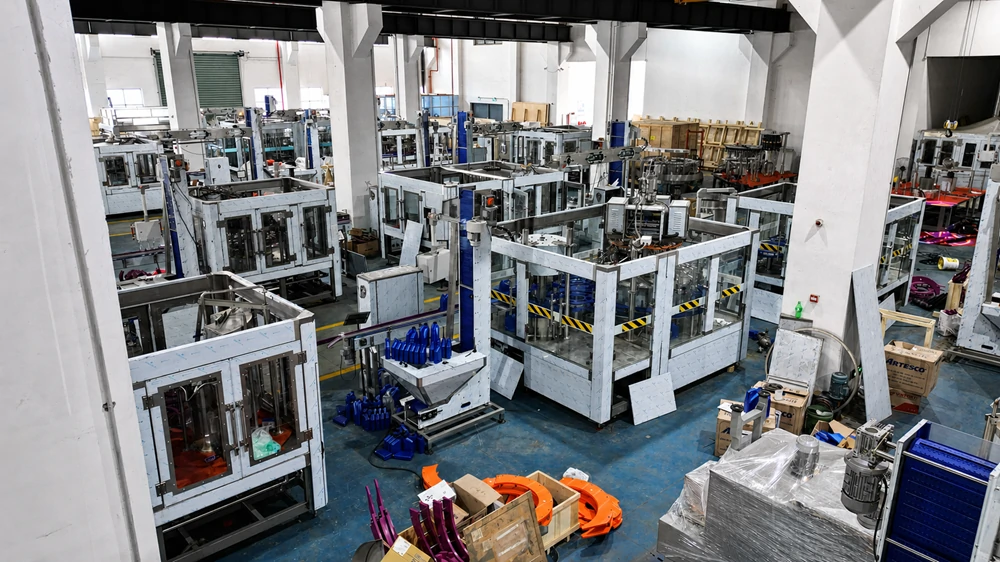
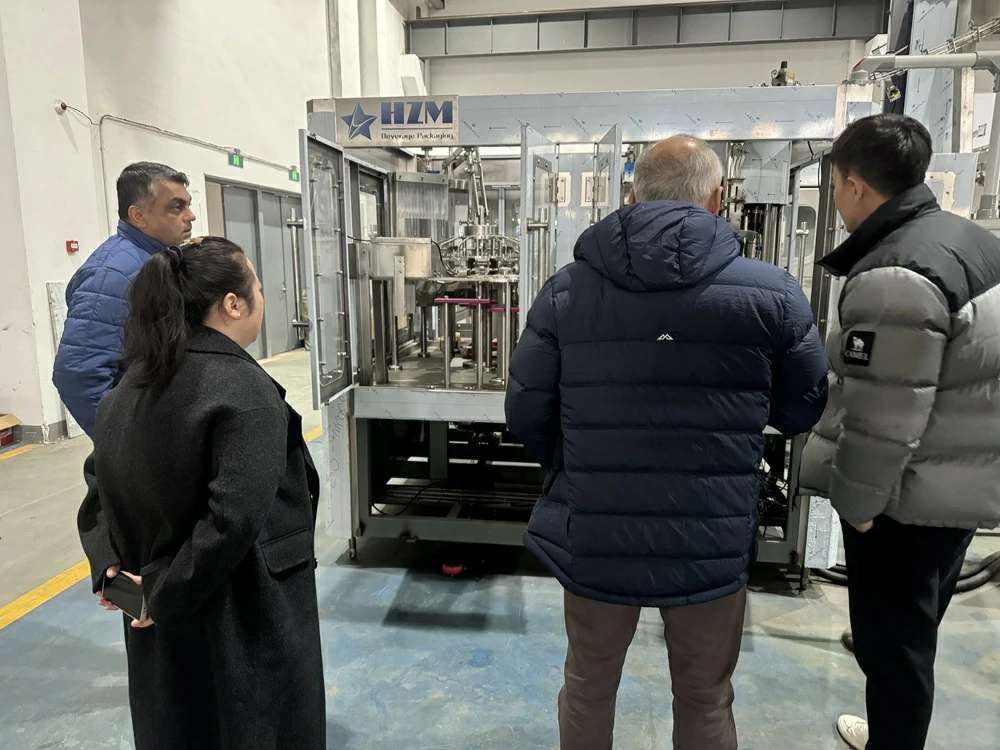
Agree the trial bottle, cap, label and pack material before factory testing. During the test, record good bottles and good packs over a defined run, inspect fill quantity and closure quality, and document stoppages. Include a representative format change and a controlled stop/restart. For the treatment stage, assess the approved water-quality criteria under the stated feed-water conditions.
Yes, a separate bottle-feeding arrangement can be evaluated. If future in-house blowing is planned, reserve the physical connection, utilities and bottle-handling interface from the beginning.
The agreed scope controls what is included. Ask for a list covering compressors, air treatment, cooling, tanks, piping, coding, inspection and pallet handling, alongside the main production machines.
Send a recent water analysis, bottle and cap samples or drawings, required good bottles per shift, bottle-size mix, label and pack specifications, building plan and utility conditions. These details allow HZM to propose a balanced packaged drinking water line and identify the items that require product trials.
Talk to an engineer
Send your capacity, bottle specification and beverage type for a complete proposal.
Equipment
Packaged drinking-water filling with automatic rinsing and capping, from 5,000 to 42,000 bottles/hour at 500 ml.
Learn moreEquipment
PET-bottled drinking-water production with automatic rinsing, filling and capping, plus water treatment and packaging equipment.
Learn moreEquipment
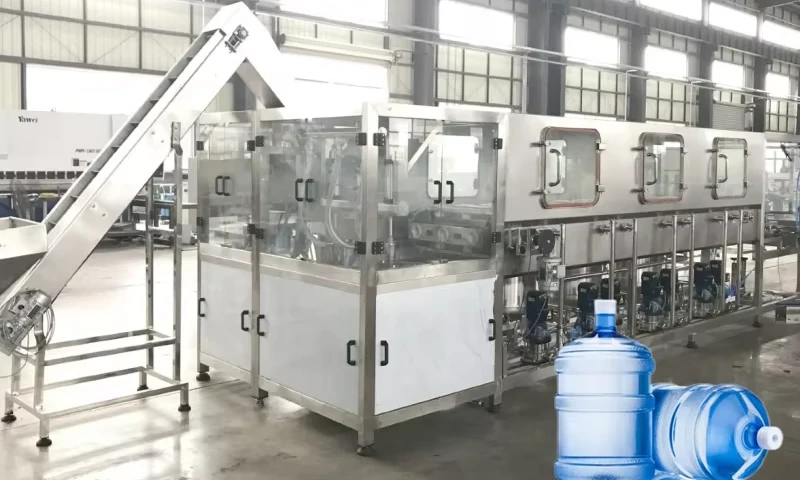
XGF12-12-4 rinsing, filling and capping for 5 L and 10 L water bottles, with stable outputs of 1,200 and 700 bottles/hour respectively.
Learn moreEquipment
Drinking-water bottling equipment with automatic rinsing, filling and capping, plus conveying, labelling and packing options.
Learn moreEquipment
Automatic drinking-water production equipment with PET bottle rinsing, filling and capping, plus downstream packaging options.
Learn moreEquipment
Automatic rinsing, filling and capping for purified and mineral water in PET bottles, with capacities of 5,000–42,000 bottles/hour at 500 ml.
Learn moreEquipment
A 3-in-1 PET bottle rinsing, filling and capping machine for drinking water, from 5,000 to 18,000 bottles/hour at 500 ml.
Learn moreEquipment
PET bottle water filling with automatic rinsing and capping, for purified water, mineral water and still drinking water.
Learn moreEquipment
The automatic 3–5 gallon water filling line washes, fills and caps returnable jars for purified-water and mineral-water production.
Learn moreSolution & application
 Complete production line
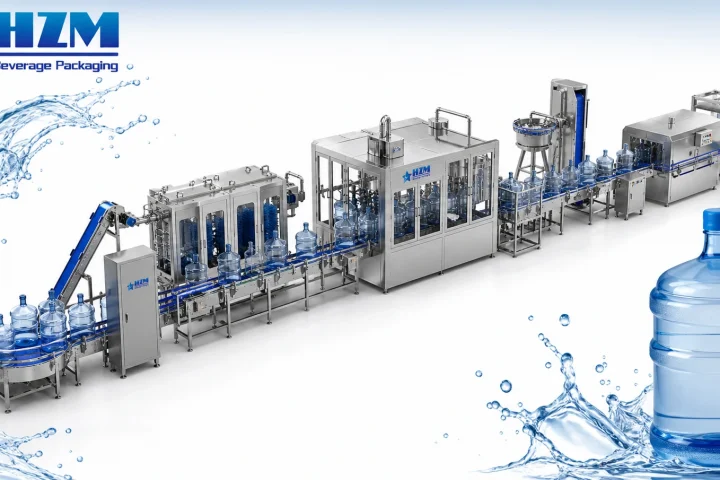
3-5 Gallon Water Production Line
Explore solution →
Complete production line
3-5 Gallon Water Production Line
Explore solution →
 Complete production line
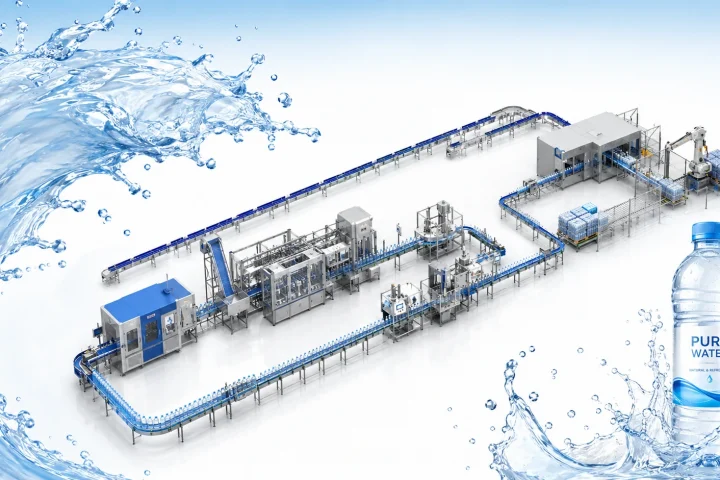
Bottled Water Production Line
Explore solution →
Complete production line
Bottled Water Production Line
Explore solution →
 Complete production line
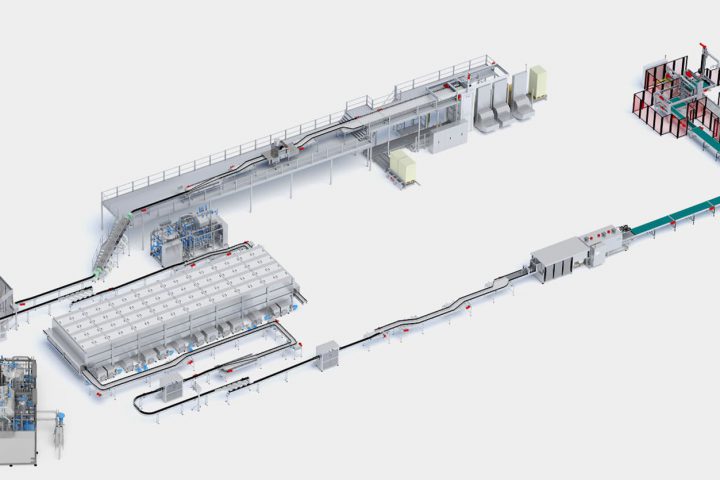
Cans Filling Production Line
Explore solution →
Complete production line
Cans Filling Production Line
Explore solution →
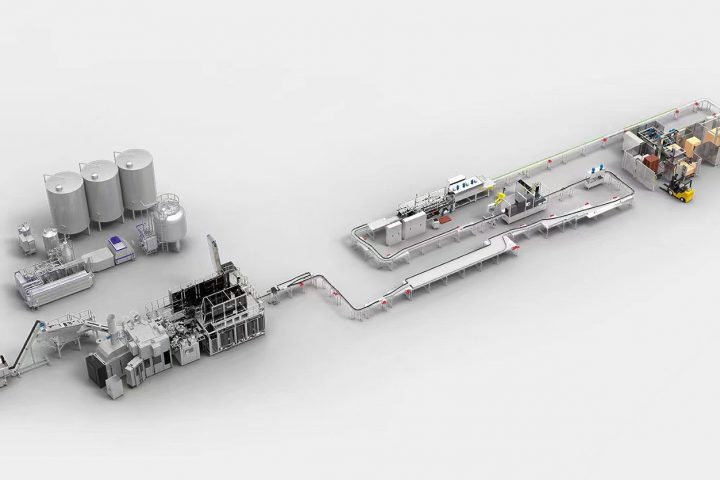 Complete production line
CSD Filling Production Line
Explore solution →
Complete production line
CSD Filling Production Line
Explore solution →
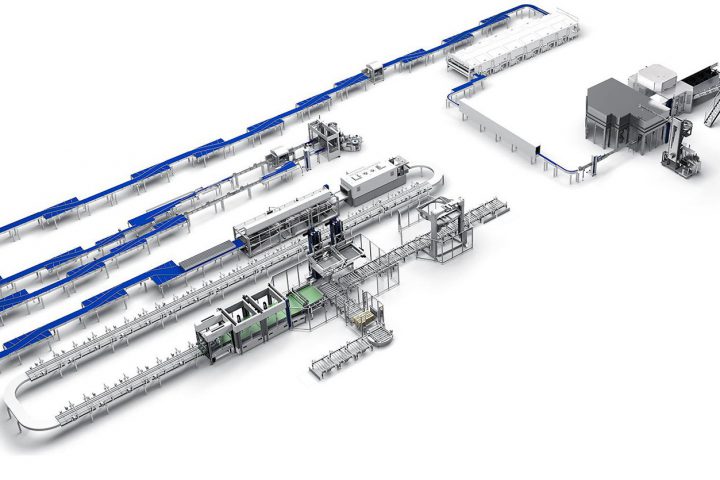 Complete production line
Juice Filling Production Line
Explore solution →
Complete production line
Juice Filling Production Line
Explore solution →
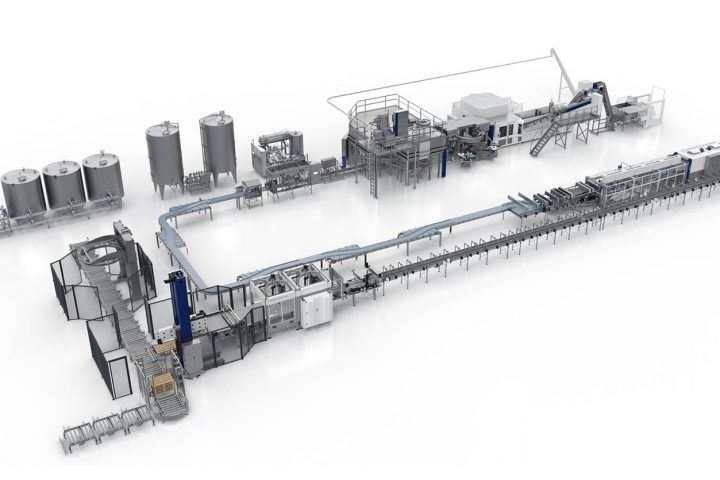 Complete production line
Water Filling Production Line
Explore solution →
Complete production line
Water Filling Production Line
Explore solution →
Build your production line
Tell us your beverage, container, capacity and target market. Our engineering team will prepare a practical line proposal.