Equipment
Packaged Drinking Water Production Line
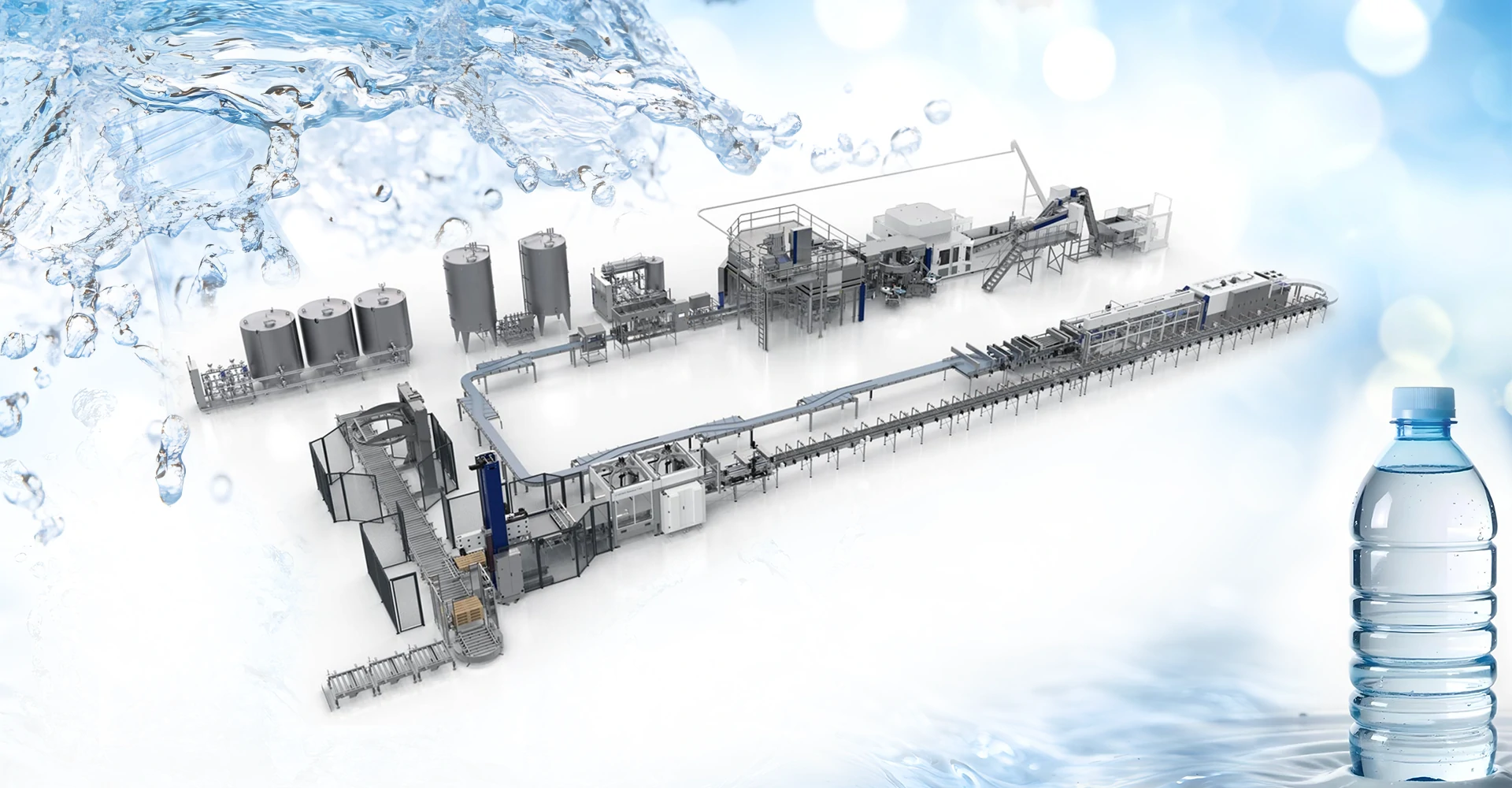
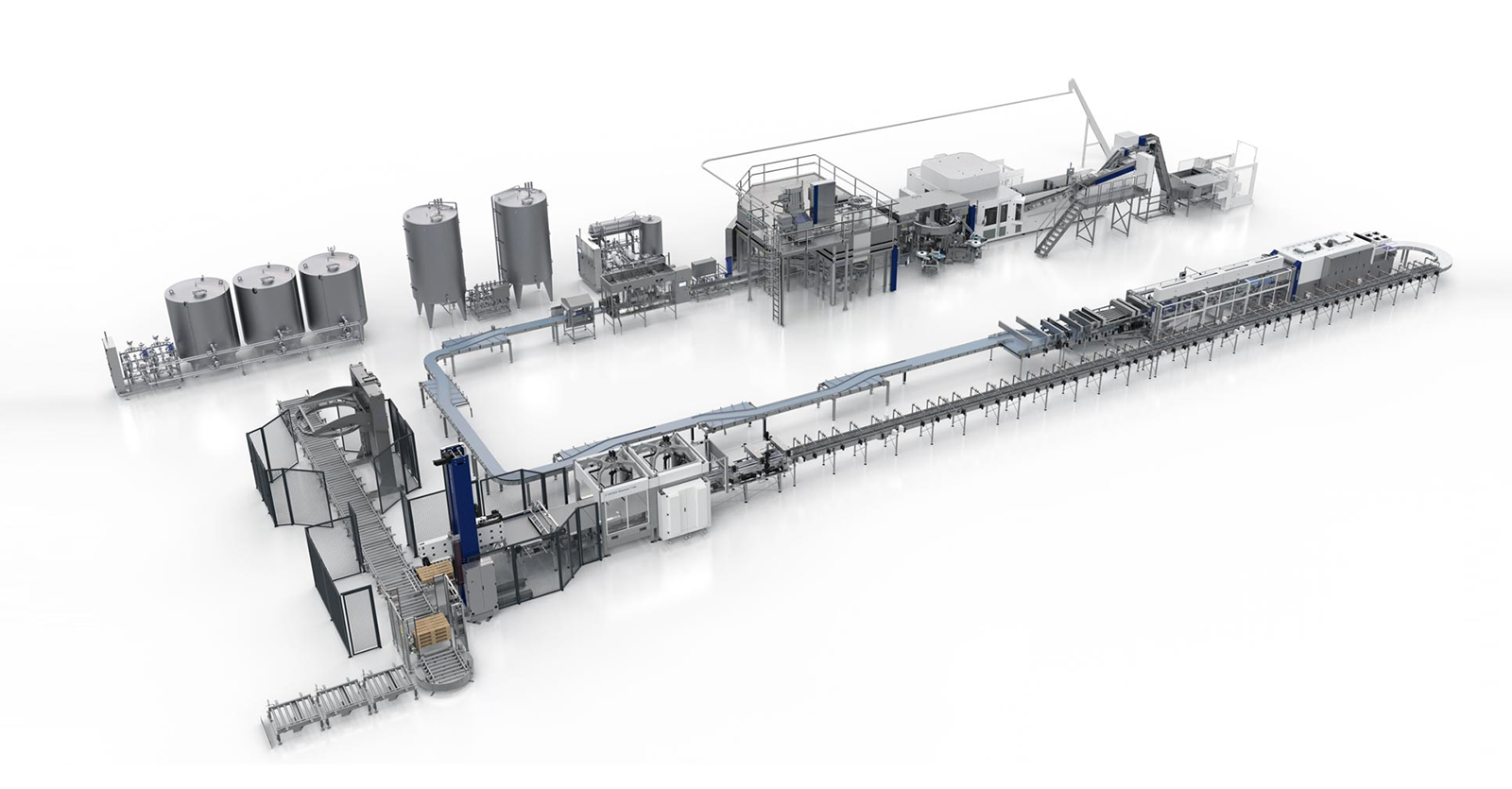
Complete packaged drinking-water production with treatment, bottle supply, rinsing, filling, capping and finished-bottle packing.
Learn more
Tip: You can request pricing for individual machines or a complete production line solution.
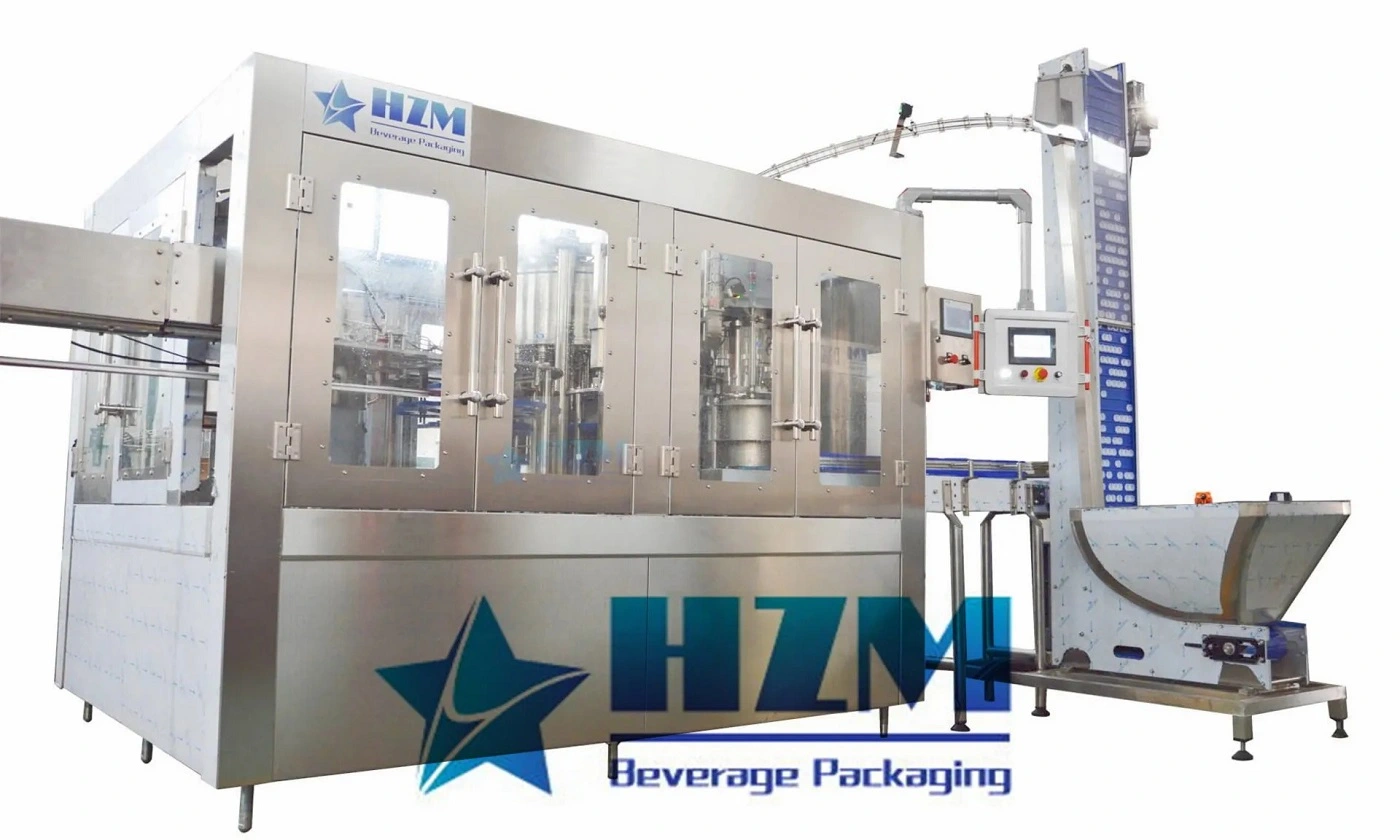
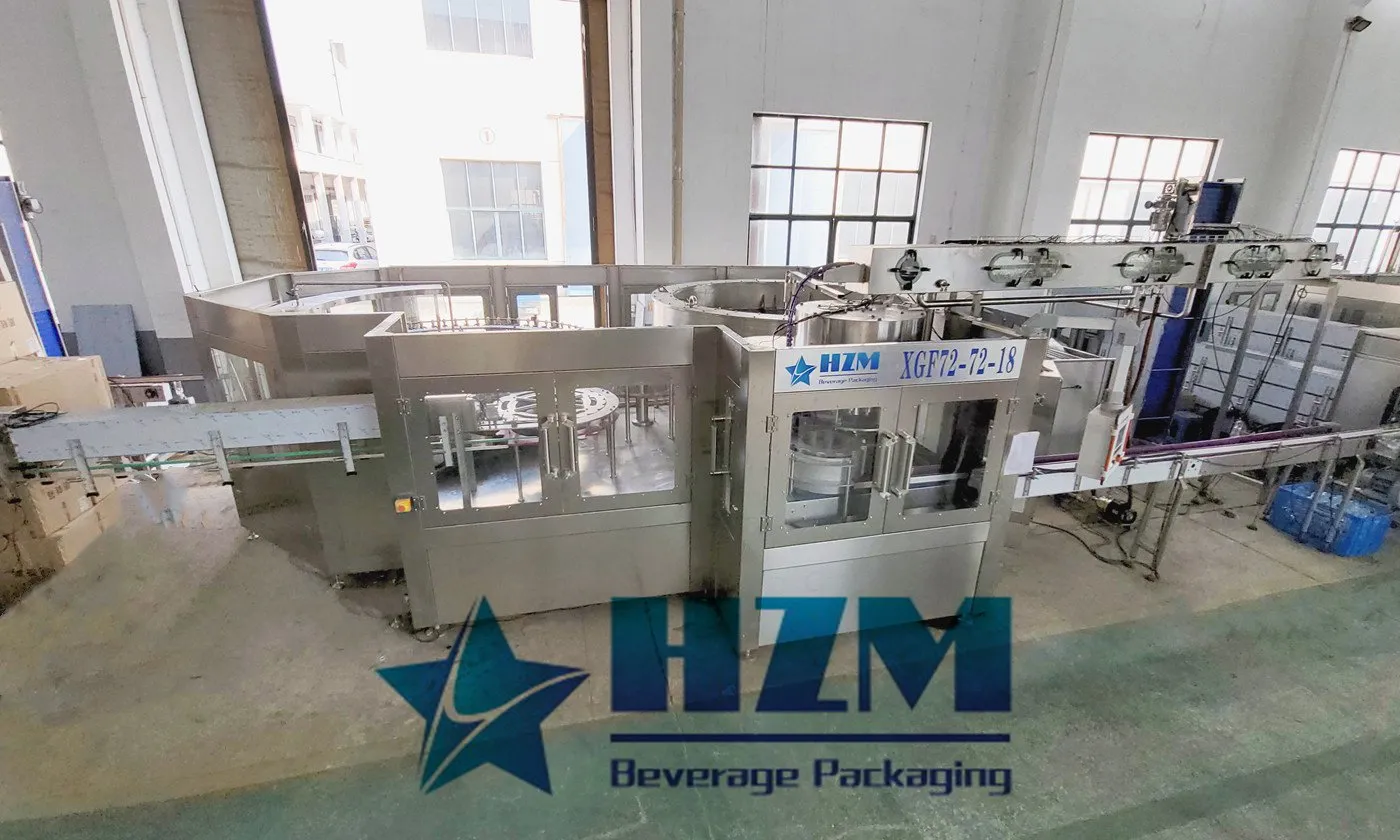
HZM water-filling monoblocks are selected for the required PET bottle, closure and output. A standalone filler or connected packaging section can be proposed after checking treated-water supply, bottle feeding, format changes and the required finished-pack rate.
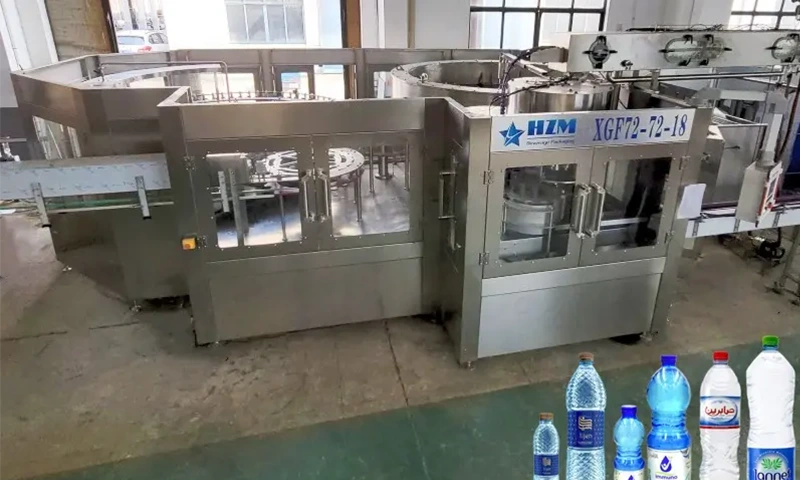
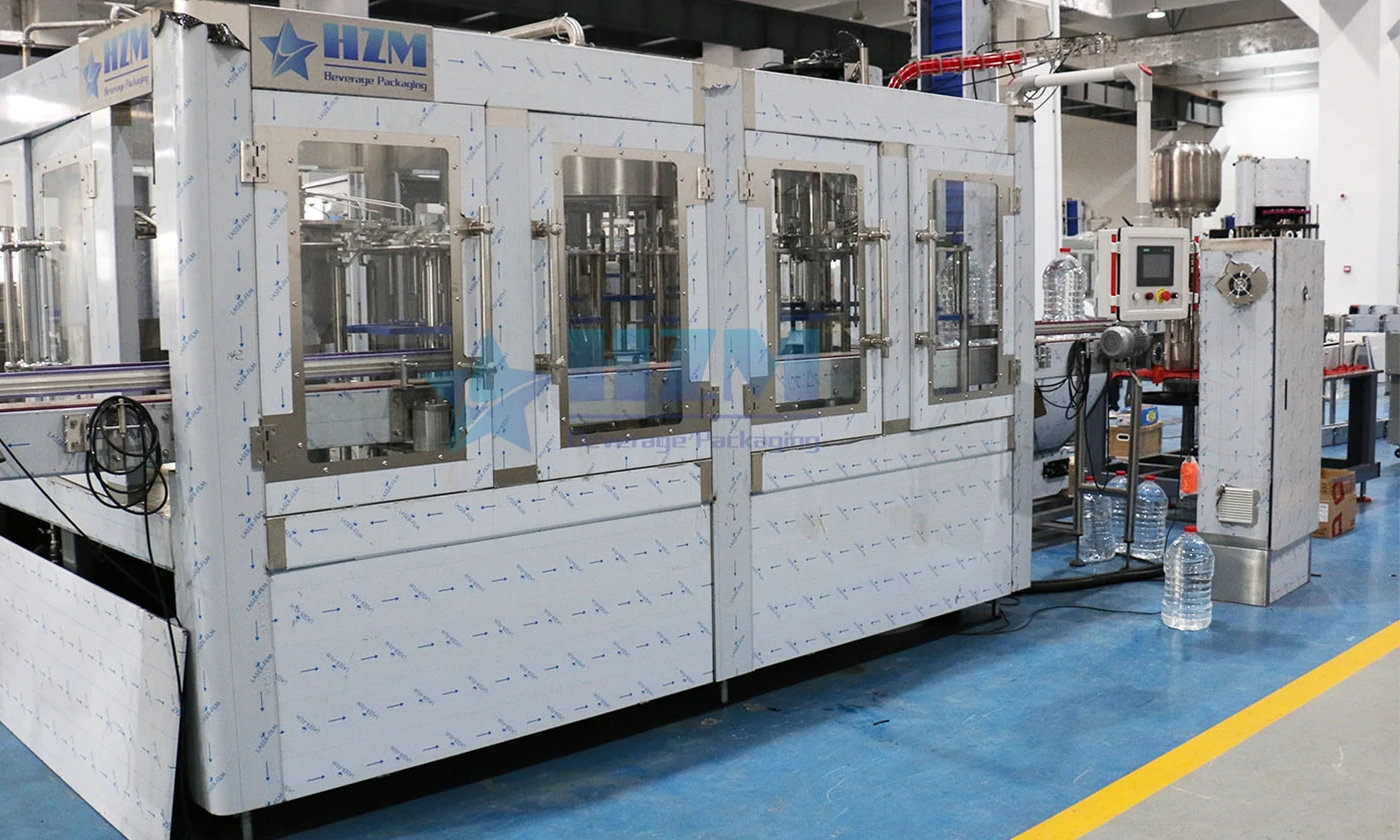
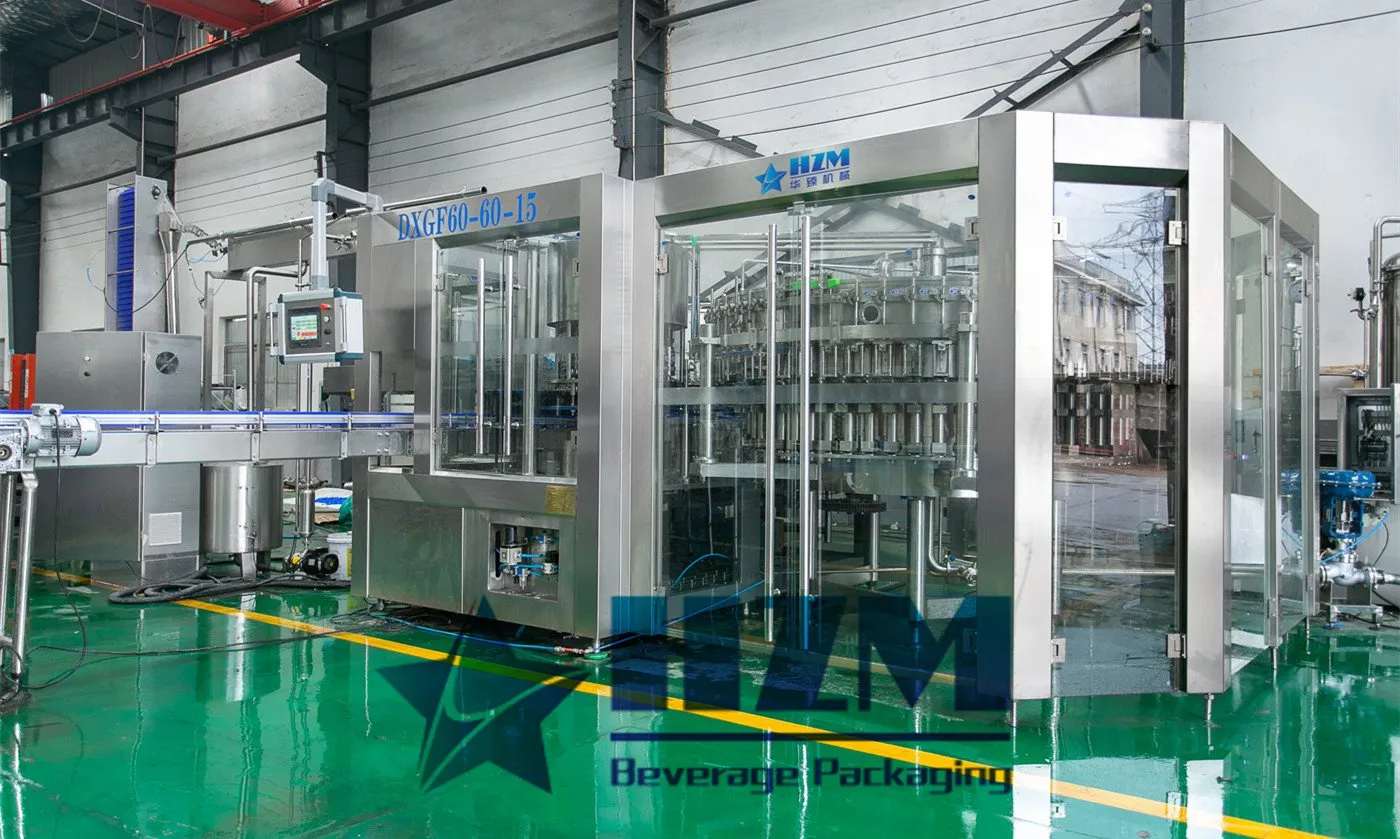
This packaged drinking water filling machine combines bottle rinsing, still-water filling and screw capping in an automatic rotary monoblock. It is intended for projects producing approved PET-bottled purified water, mineral water or other still drinking water. HZM can supply the filling section as an individual machine or coordinate it with bottle supply, labelling and secondary packaging.
At the rinsing stage, bottles are transferred through the machine and inverted for the specified rinse. The bottle then moves to filling, where the water supply and filling valves must maintain a consistent operating condition. The capping section receives oriented caps and applies the closure using the selected capping heads.
Putting these operations on one coordinated machine reduces the number of transfers between open-bottle operations. The result still depends on bottle quality, clean utilities, an appropriate sanitation procedure and a reliable cap supply. A monoblock does not replace the upstream water-treatment process.
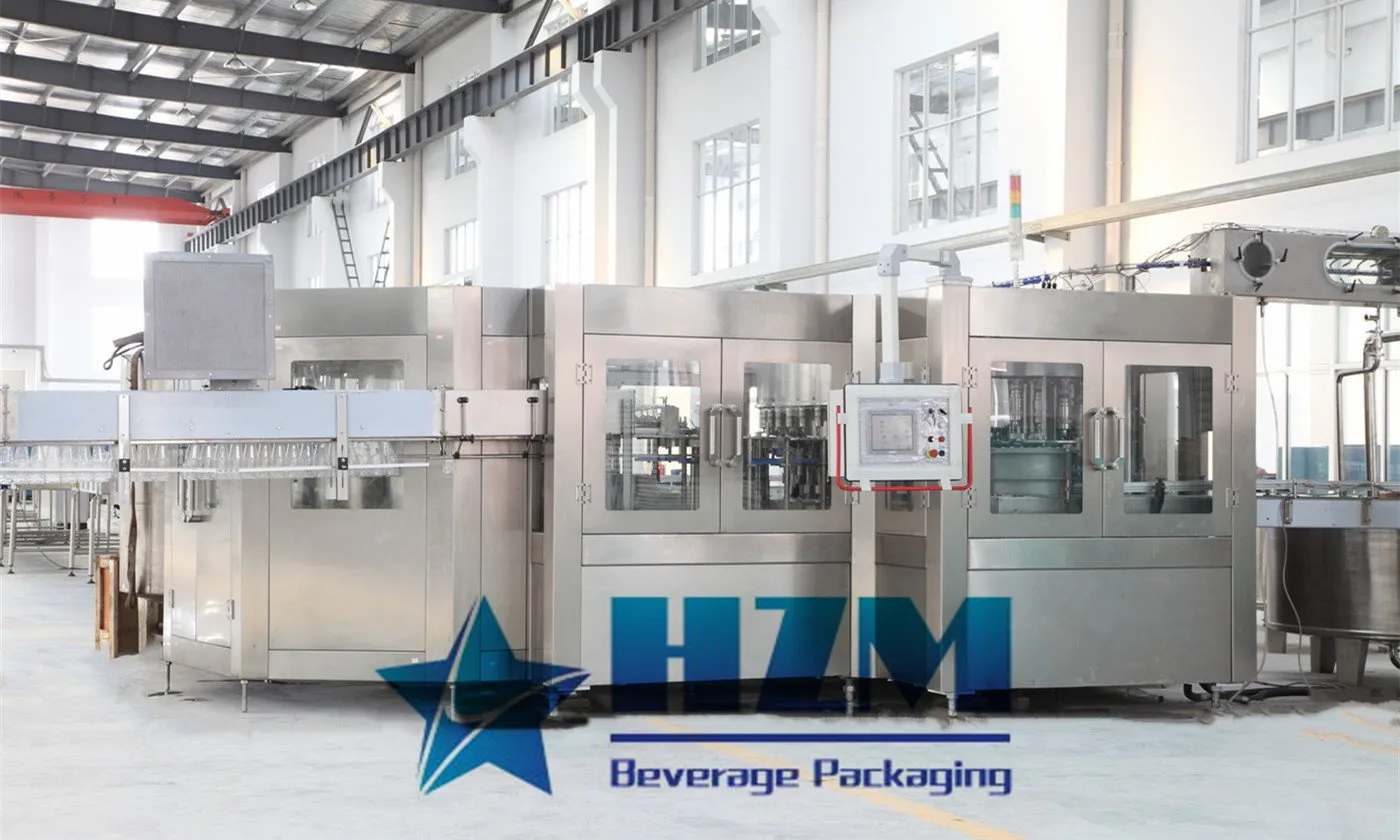
The XGF automatic water filling machine is available with different rinsing, filling and capping head combinations. Capacities below are based on 500 ml bottles; output for other formats is specified with the bottle and closure configuration.
| Model | Rinsing heads | Filling heads | Capping heads | Capacity at 500 ml (bottles/hour) |
|---|---|---|---|---|
| XGF14/12/5 | 14 | 12 | 5 | 5,000 |
| XGF16/16/5 | 16 | 16 | 5 | 8,000 |
| XGF24/24/8 | 24 | 24 | 8 | 12,000 |
| XGF32/32/8 | 32 | 32 | 8 | 15,000 |
| XGF40/40/10 | 40 | 40 | 10 | 18,000 |
| XGF50/50/15 | 50 | 50 | 15 | 24,000 |
| XGF60/60/15 | 60 | 60 | 15 | 30,000 |
| XGF72/72/18 | 72 | 72 | 18 | 36,000 |
| XGF80/80/22 | 80 | 80 | 22 | 42,000 |
Bottle size range: 50–110 mm in diameter and 186–350 mm in height. Handling parts are selected for the neck, shoulder profile, cap and bottle stiffness. Glass bottles, large water containers and sparkling water require dedicated equipment configurations.
The machine includes touch-screen controls, production counting, cap-shortage detection and automatic stopping when bottles are blocked. Magnetic constant-torque capping heads apply the closure at the setting required for the cap and bottle combination.
Product-contact parts are available in SUS304 or SUS316 stainless steel. The quotation should identify which grade is used for each wetted component and which seals are installed. Water chemistry and the chosen cleaning agents affect the final material selection.
A bottle-volume change may require star wheels, guides and other handling parts as well as control adjustments. Send drawings for all intended formats at the quotation stage. Ask which parts are shared, which must be changed and where the removed parts will be stored.
During a trial, examine the first bottles after restart as well as bottles produced once the machine is stable. Check neck damage, fill quantity, cap seating, tamper-band condition and downstream stability. A successful run on one round bottle does not demonstrate that a lightweight square bottle will transfer equally well.
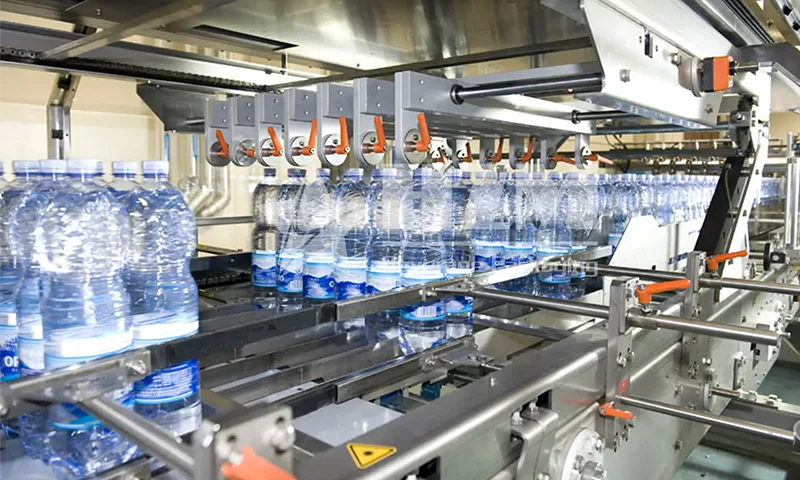
The water machine needs a stable treated-water supply, dependable empty-bottle feeding and sufficient downstream capacity. The complete drinking water line can incorporate label application, coding, shrink packing or carton packing. Select the packer in packs per minute using the actual number of bottles per pack.
Include a defined response to water shortage, missing caps and downstream blockage. Operators should be able to identify the cause of a stop from the control system and follow the approved restart procedure. Cleaning access, drain locations and safe service space belong in the layout before the equipment is built.
A still-water filling configuration should not be assumed suitable for either application. Carbonated beverages require pressure and gas management; hot juice requires a compatible thermal process and heat-resistant package. HZM evaluates these through the appropriate beverage equipment range.
Use an agreed sampling plan and calibrated measurement equipment to check the required net quantity or fill-level criterion. Record the bottle type, water conditions and operating speed so the result can be reproduced.
Provide the water type, bottle and closure drawings, requested output for each bottle, upstream and downstream equipment, utilities and site plan. HZM can then identify the XGF configuration, format parts and connected packaging equipment for the actual production duty.
Talk to an engineer
Send your capacity, bottle specification and beverage type for a complete proposal.
Equipment
Complete packaged drinking-water production with treatment, bottle supply, rinsing, filling, capping and finished-bottle packing.
Learn moreEquipment
Drinking-water bottling equipment with automatic rinsing, filling and capping, plus conveying, labelling and packing options.
Learn moreEquipment
Automatic rinsing, filling and capping for purified and mineral water in PET bottles, with capacities of 5,000–42,000 bottles/hour at 500 ml.
Learn moreEquipment
A 3-in-1 PET bottle rinsing, filling and capping machine for drinking water, from 5,000 to 18,000 bottles/hour at 500 ml.
Learn moreEquipment
PET-bottled drinking-water production with automatic rinsing, filling and capping, plus water treatment and packaging equipment.
Learn moreEquipment
PET bottle water filling with automatic rinsing and capping, for purified water, mineral water and still drinking water.
Learn moreEquipment
XGF12-12-4 rinsing, filling and capping for 5 L and 10 L water bottles, with stable outputs of 1,200 and 700 bottles/hour respectively.
Learn moreEquipment
Soda water filling equipment with bottle rinsing, isobaric filling and capping for PET-bottled sparkling water.
Learn moreEquipment
Automatic drinking-water production equipment with PET bottle rinsing, filling and capping, plus downstream packaging options.
Learn moreSolution & application
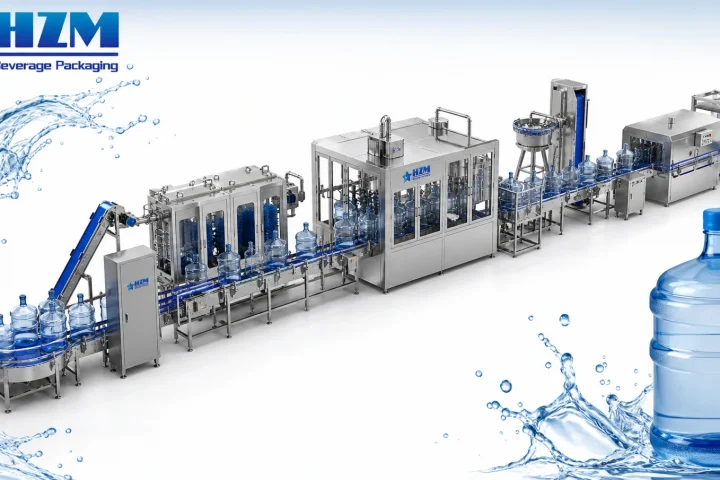 Complete production line
3-5 Gallon Water Production Line
Explore solution →
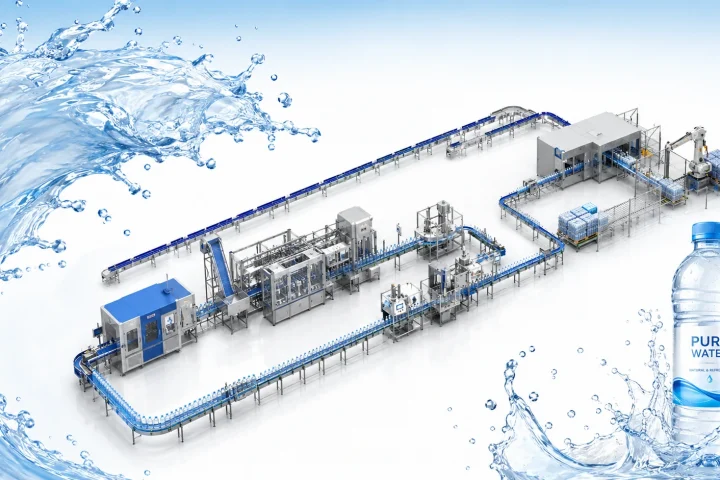 Complete production line
Bottled Water Production Line
Explore solution →
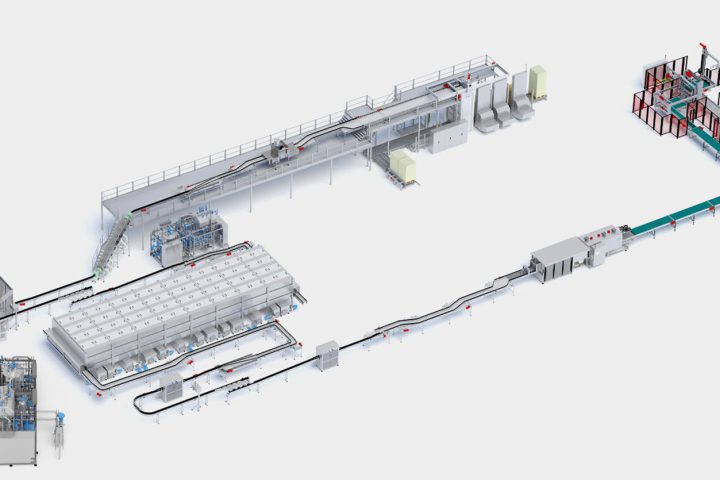 Complete production line
Cans Filling Production Line
Explore solution →
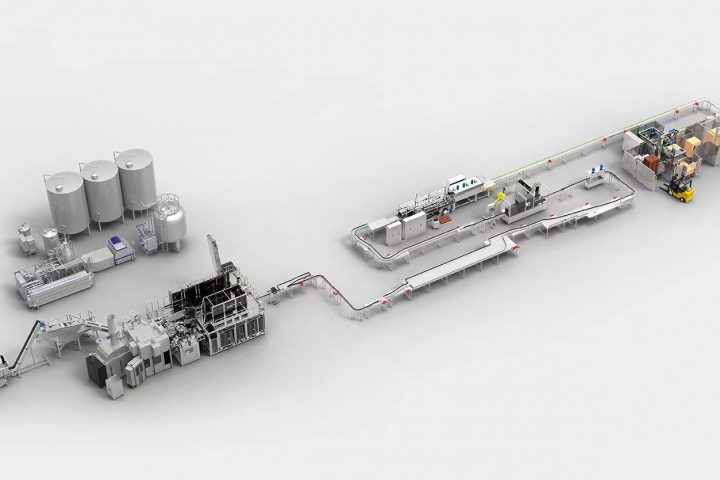 Complete production line
CSD Filling Production Line
Explore solution →
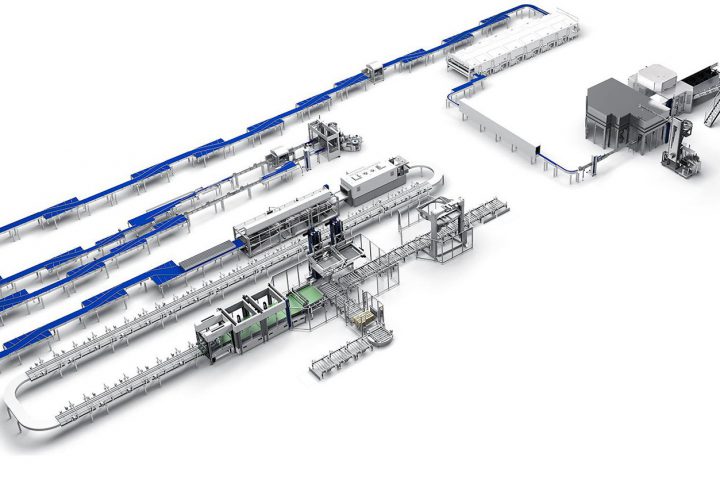 Complete production line
Juice Filling Production Line
Explore solution →
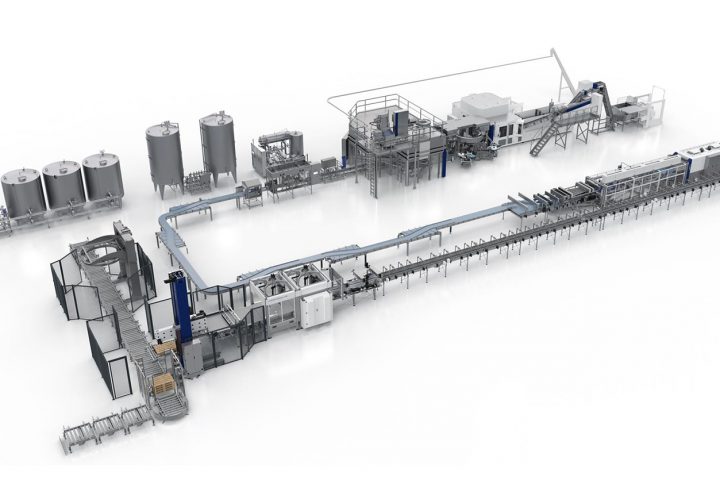 Complete production line
Water Filling Production Line
Explore solution →
Build your production line
Tell us your beverage, container, capacity and target market. Our engineering team will prepare a practical line proposal.