
Insights & Updates
Custom Beverage Filling System: Configuration and RFQ Guide
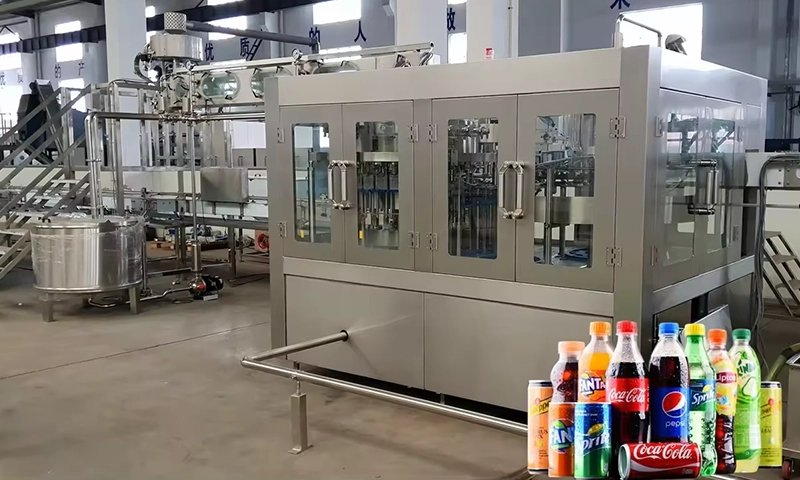
A custom beverage filling system is not one machine adjusted to every possible drink and container. It is a coordinated configuration chosen for a defined product range, packaging format, output and operating environment. Real customization happens at the interfaces: product preparation to filler, bottle to transfer parts, cap to closing head, and filler speed to downstream packaging.
The most effective projects begin with a configuration matrix and acceptance criteria. This prevents an attractive list of options from becoming an expensive line that cannot run the customer’s most important SKU.
Customization starts with the beverage
Define the products to be filled during the first phase and likely future additions. Important properties include viscosity, temperature, carbonation, pulp or particle size, foaming tendency, acidity, oxygen sensitivity and cleaning requirements.
Still water, carbonated soft drink, hot-filled juice and edible oil use different filling principles. Trying to force them into one universal configuration can add complexity or compromise performance. Group products with genuinely compatible processes and identify when a separate circuit or machine is the better choice.
Select the filling method
- Gravity or normal-pressure filling: commonly applied to suitable still, low-viscosity liquids.
- Isobaric filling: manages pressure for carbonated beverages to control foam and carbon-dioxide loss.
- Hot filling: combines a suitable thermally processed beverage with heat-resistant package and controlled cooling.
- Flowmeter, piston or weight-based filling: considered where product properties or accuracy needs support those methods.
The final choice comes from trials and process requirements. Filling technology alone cannot correct unstable temperature, carbonation or upstream product supply.
Build a container and closure matrix
List every bottle or can with material, volume, dimensions, neck finish or end type, weight and required output. Add the closure, label and final pack. Mark which formats share parts and which require separate star wheels, guides, grippers or capping heads.
PET, glass and cans behave differently through the line. Even two PET bottles with the same volume may need different handling because of base geometry or stiffness. Production samples should be used during factory testing.
Size capacity from the SKU schedule
Do not request one maximum BPH without explaining the bottle size and production mix. State the required saleable output for each high-volume SKU, campaign length, cleaning frequency and available shifts.
The system should be balanced from container supply through packing. A filler designed for 18,000 BPH adds no value if the commercial label and pack can sustain only 12,000. Include justified speed margin and accumulation based on the complete-line model.
Choose the appropriate automation level
Automation should address a real constraint. Automatic bottle loading, cap feeding, recipe control, inspection and packing can reduce repetitive labor and variation. They also require stable materials, trained maintenance and dependable utilities.
A smaller producer may automate product-contact and closure operations first, then add packaging modules later. Plan communication signals, floor space and utilities so future equipment can be integrated instead of creating an isolated second project.
Design for repeatable changeovers
For every format, define:
- Change parts to remove and install.
- Height, guide, sensor and control adjustments.
- Tools, lifting aids and storage locations.
- Expected changeover time with a trained team.
- First-piece quality checks before release.
Quick changeover is a system property. Include the filler, capper, labeler, coder and packer in the demonstration.
Specify hygiene and cleaning by product risk
Product-contact design, tank and pipe drainage, valve cleaning, elastomer compatibility and environmental controls should match the beverage and validated sanitation plan. Identify CIP circuits, manual-cleaning points, chemical conditions and verification method.
A CIP system can make cleaning sequences repeatable, but it needs adequate flow, correct routing and measurable return conditions. Aseptic or ultra-clean claims require much more than adding a sterilization option; the complete validated process and environment matter.
Integrate upstream processing
The filler needs product at stable temperature, pressure, flow and composition. Water treatment, syrup preparation, mixing, carbonation, thermal processing, cooling and buffer tanks should be sized around filler demand and line stops.
Define what happens when the filler stops: whether product recirculates, remains in a controlled tank or must be diverted. This is particularly important for hot or carbonated beverages.
Integrate downstream packaging
After closing, containers may need inspection, coding, labeling, shrink or carton packing and palletizing. Each module should receive containers at a stable pitch and communicate with adjacent controls.
Use actual labels, film, cartons and bundle patterns during testing. Downstream material variation can create more micro-stops than the filler itself.
Customize controls and useful data
The HMI should provide clear alarms, production counts, machine states and controlled recipe settings. Decide which data will be used: downtime reasons, valve or head trends, rejects, speed loss and changeover time may be more actionable than a large unstructured data set.
Agree on network interfaces, remote-support method, access levels and program backups. Cybersecurity and change authorization should follow the plant’s own rules.
Utilities and layout are part of the system
Provide available electrical supply, compressed-air pressure and quality, treated-water flow, drainage, steam, cooling and environmental limits. Layout drawings should include operator access, maintenance removal space, packaging-material staging, change-part storage and safe traffic routes.
Acceptance criteria make customization testable
- Saleable output for named product and package combinations.
- Fill quantity, closure integrity and relevant product-quality measurements.
- Changeover time and first-good-package verification.
- Normal stop, restart, low-product and downstream-block conditions.
- Cleaning sequence, safety devices, documents and training.
Agree on materials, duration and pass criteria before manufacturing is complete.
RFQ information for a custom filling system
- Product list with key physical and process properties.
- Container, closure, label and finished-pack drawings or samples.
- Required BPH by SKU and annual production schedule.
- Cleaning and product-change expectations.
- Factory layout, utilities and future expansion plan.
- Required automation, inspection, coding and traceability.
- Acceptance tests, documentation and service scope.
HZM can configure a custom beverage filling line across processing, rinsing, filling, capping, conveying and packaging. A useful custom solution is not assembled from copied competitor specifications; it is engineered from the customer’s real product and package data, then proven against agreed results.
Talk to our engineering team
Need help planning your packaging line?
Share your product, bottle and capacity requirements for a practical equipment recommendation.
2023-09-18
Custom Beverage Packaging Machines,Key to Innovative Packaging Solutions
Custom beverage packaging machines have become an indispensable tool in achieving this goal. This article will delve into the significance of custom beverage packaging machines and their pivotal role in today's beverage industry.
Learn more
2023-06-09
Aseptic Beverage Filling Project Guide: Preparing a Complete Technical RFQ
Practical HZM guidance on aseptic beverage filling project, focused on preparing a complete technical rfq, line integration, RFQ data and measurable acceptance checks.
Learn more
2026-09-02
Custom Plastic and Hardware Components Used in Beverage Packaging Machinery
Learn how plastic injection molded parts and custom hardware components are selected, manufactured and inspected for beverage filling and packaging machinery.
Learn more