
Insights & Updates
5L–10L Water Filling: How to Prevent Splashing, Drips and Inaccurate Fill
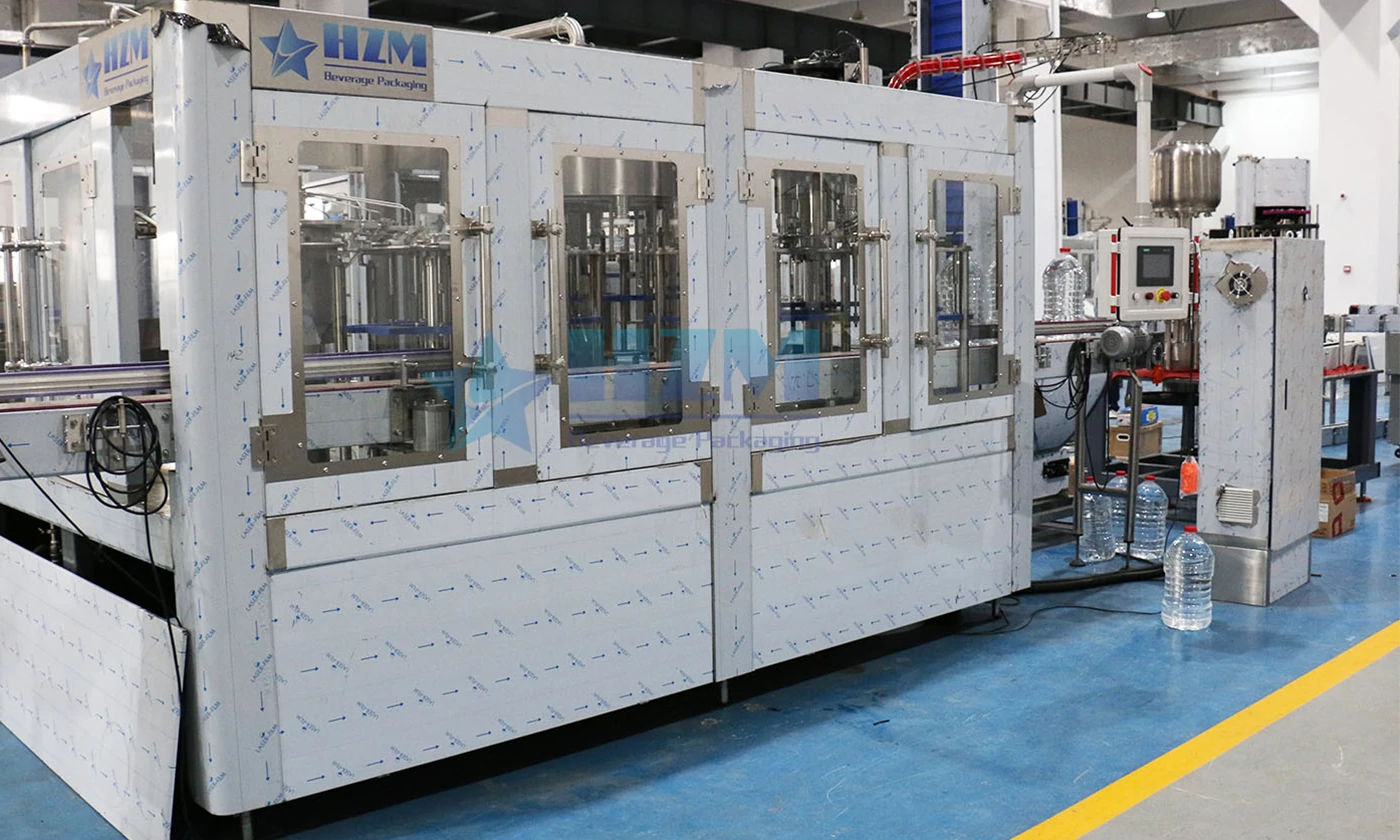
Large PET water bottles create a different filling challenge from 500 ml containers. A high flow rate can trap air and cause splashing, while a slow setting extends cycle time. Long fill nozzles may drip during transfer, lightweight bottles can flex under guides, and small net-content errors become expensive at 5–10 liters per unit.
The solution is a coordinated filling profile, correct nozzle and venting design, stable bottle support and an objective net-content control plan.
Quick answer: Match nozzle diameter and filling method to the bottle neck, use a controlled fast/slow flow profile where appropriate, allow displaced air to escape, stop flow cleanly before transfer, stabilize the bottle at the neck and body, and verify net content with calibrated weighing across every filling position.
Start with the Bottle and Neck Drawing
Provide bottle volume, neck finish, height, diameter, handle geometry and material weight. The nozzle must enter or align without touching critical surfaces, while leaving enough area for air to escape. A narrow neck can become the limiting factor even when the pump can supply much more flow.
Test minimum and maximum bottle dimensional variation. Large lightweight bottles may arrive slightly oval and need guides that center without crushing them.
Control the Filling Flow Profile
Beginning at full flow can make water strike the base and splash upward. A controlled initial stage, fast main fill and slower final stage can reduce turbulence and improve cutoff accuracy. The exact profile depends on filling technology, nozzle position and bottle geometry.
A 5L PET bottle flowmeter filling machine can manage recipe-based volume and flow, but flowmeters, valves and timing must be calibrated for the actual water and line conditions.
Give Displaced Air a Reliable Escape Path
As several liters of water enter the container, the same volume of air must leave. If the nozzle blocks the neck or flow creates a liquid seal, air may burp through the product and cause surging. Nozzle position, annular clearance and filling speed should support smooth venting.
Observe transparent test bottles during development. Pulsing level or repeated bubbles around the nozzle are signs that venting and flow need review.
Prevent Drips and Wet Bottle Necks
A clean shutoff protects labels, conveyors and caps. Inspect nozzle seals, valve response and product pressure. Anti-drip or suck-back features may help with suitable products, but settings should not introduce air or hygiene risk. Allow the final column of water to settle before the bottle moves.
Wet necks can affect cap application and create visible water inside secondary packs. Track the defect to specific nozzles and replace wear parts before all stations are adjusted to compensate for one problem.
Stabilize the Container Through Filling and Capping
Large bottles have higher inertia when full. Transfers must accelerate smoothly and support the container at suitable points. Handles, ribs and body taper can interfere with guides. Capper infeed spacing and torque should be verified at full bottle weight.
The 5L–10L drinking water production line should be reviewed as a complete path from empty bottle to packed product, including conveyor turns and accumulation.
Verify Net Content by Filling Position
Use a calibrated scale and an approved sampling plan. Convert mass to volume only with the correct density and reference conditions. Record filler position, recipe, line speed and time. If one station drifts, investigate its valve or meter rather than changing the global target.
| Pattern | Possible cause |
|---|---|
| All bottles gradually underfill | Supply pressure, calibration, recipe or temperature change |
| One position is consistently low | Valve, meter, air or nozzle restriction |
| Wide random variation | Unstable bottle positioning, flow or cutoff |
| Correct weight but poor visual level | Bottle volume variation or deformation |
Specify Acceptance Tests Before Purchase
- Run the actual 5L and 10L bottles, caps and handles.
- Measure output, fill accuracy, drips and cap performance at agreed speed.
- Test restart after a normal production stop.
- Check changeover parts and time between formats.
- Confirm cleaning access, calibration method and recommended spares.
A witnessed trial with commercial packaging is more valuable than a speed demonstration using an easier reference bottle.
Frequently Asked Questions
Why do large bottles splash more than small bottles?
They require higher total flow and displace more air through the neck. Poor venting, excessive initial flow or incorrect nozzle position can create turbulence and surging.
Should fill accuracy be checked by level or weight?
Use calibrated net-content measurement as the primary control. Visual level is useful for appearance but can change with bottle volume and shape variation.
Can one machine fill both 5L and 10L bottles?
It can be engineered for a defined range, but confirm bottle dimensions, neck finish, speed, change parts and stable handling for every commercial format.
Plan the Next Step with HZM Machinery
Send HZM the large-bottle drawings, target accuracy, cap specification and required bottles per hour. The team can recommend a 3–10L PET bottle water filling machine and matching downstream handling.
Talk to our engineering team
Need help planning your packaging line?
Share your product, bottle and capacity requirements for a practical equipment recommendation.
Equipment
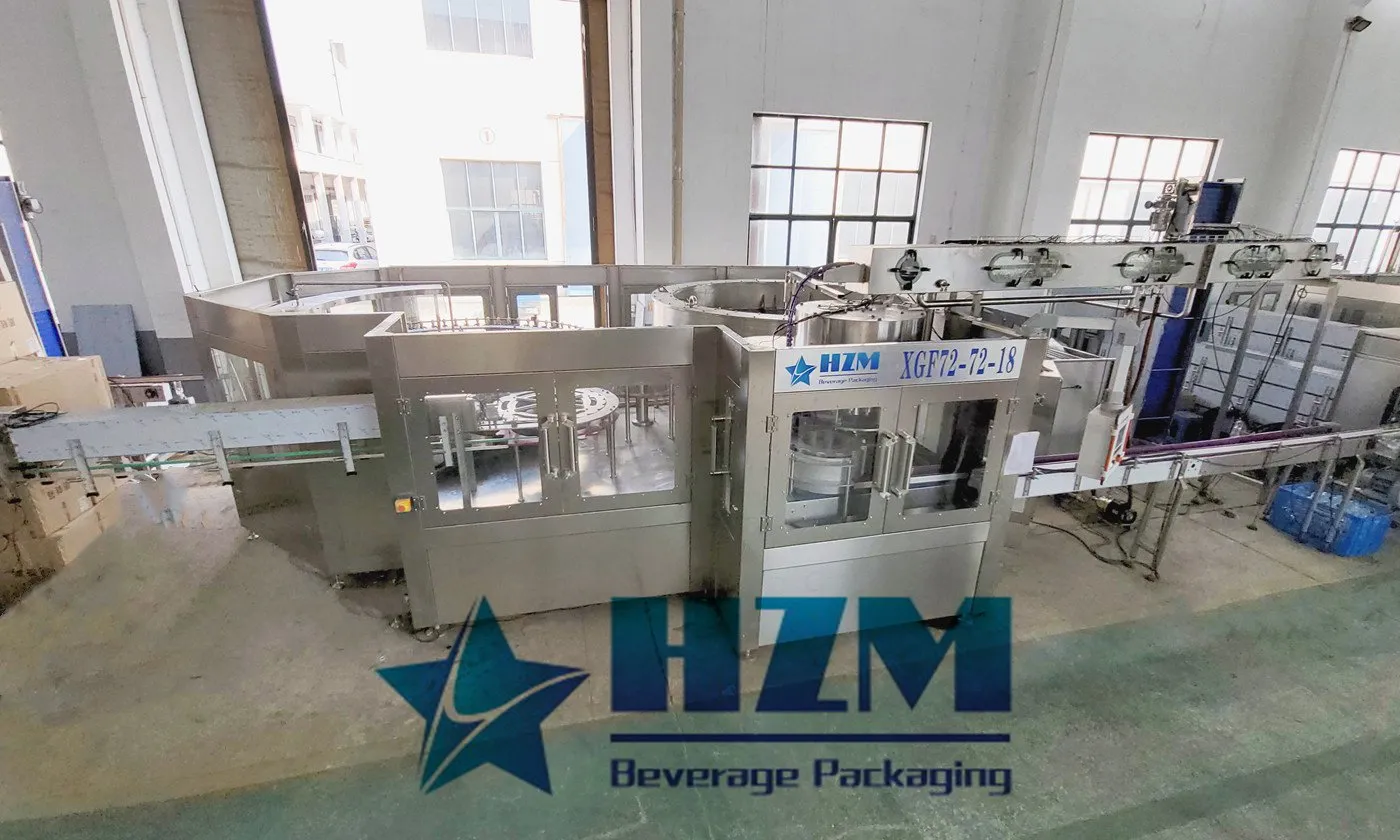
Automatic Water Bottle Filling Machine
Automatic rinsing, filling and capping for purified and mineral water in PET bottles, with capacities of 5,000–42,000 bottles/hour at 500 ml.
Learn more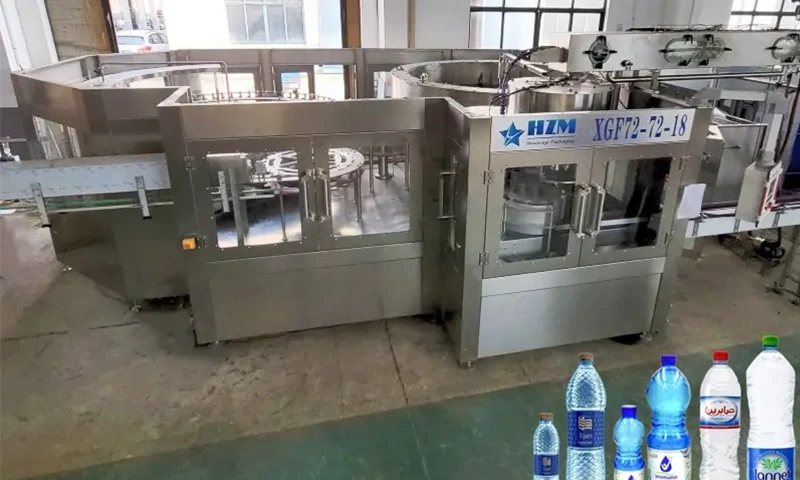
Equipment
3-In-1 Water Bottle Filling Machine
A 3-in-1 PET bottle rinsing, filling and capping machine for drinking water, from 5,000 to 18,000 bottles/hour at 500 ml.
Learn more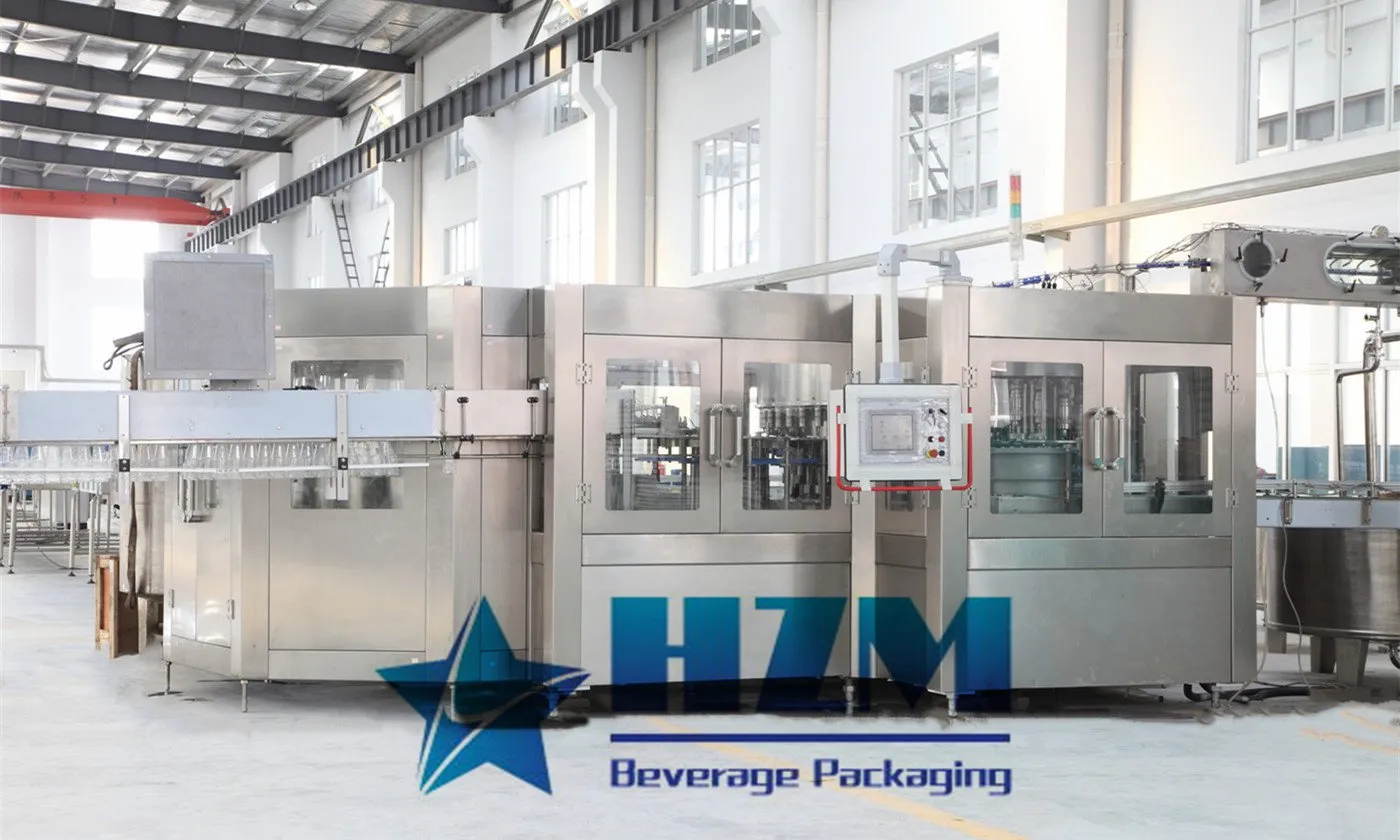
Equipment
PET Bottle Water Filling Machine
PET bottle water filling with automatic rinsing and capping, for purified water, mineral water and still drinking water.
Learn more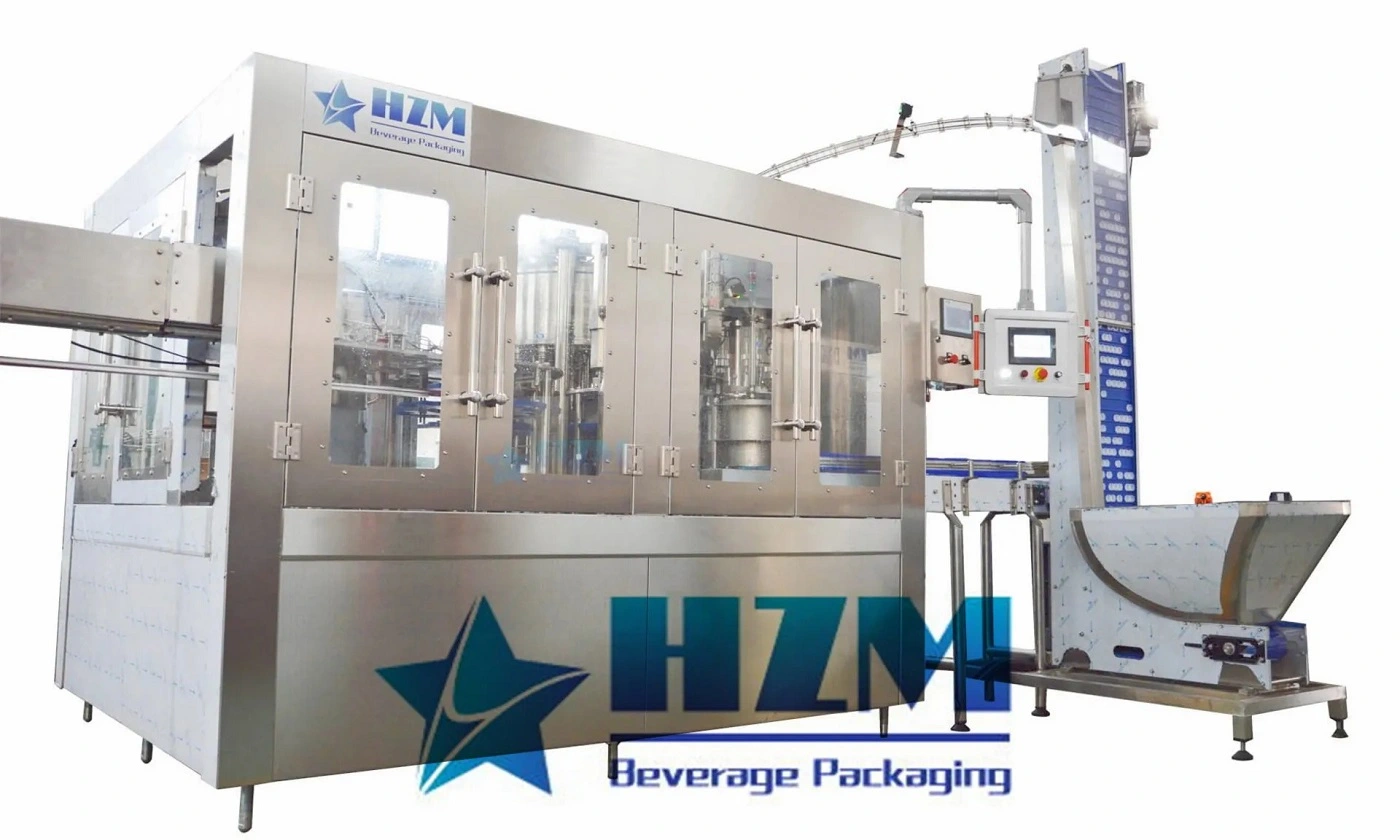
Equipment
Automatic Drinking Water Bottling Machine
Drinking-water bottling equipment with automatic rinsing, filling and capping, plus conveying, labelling and packing options.
Learn more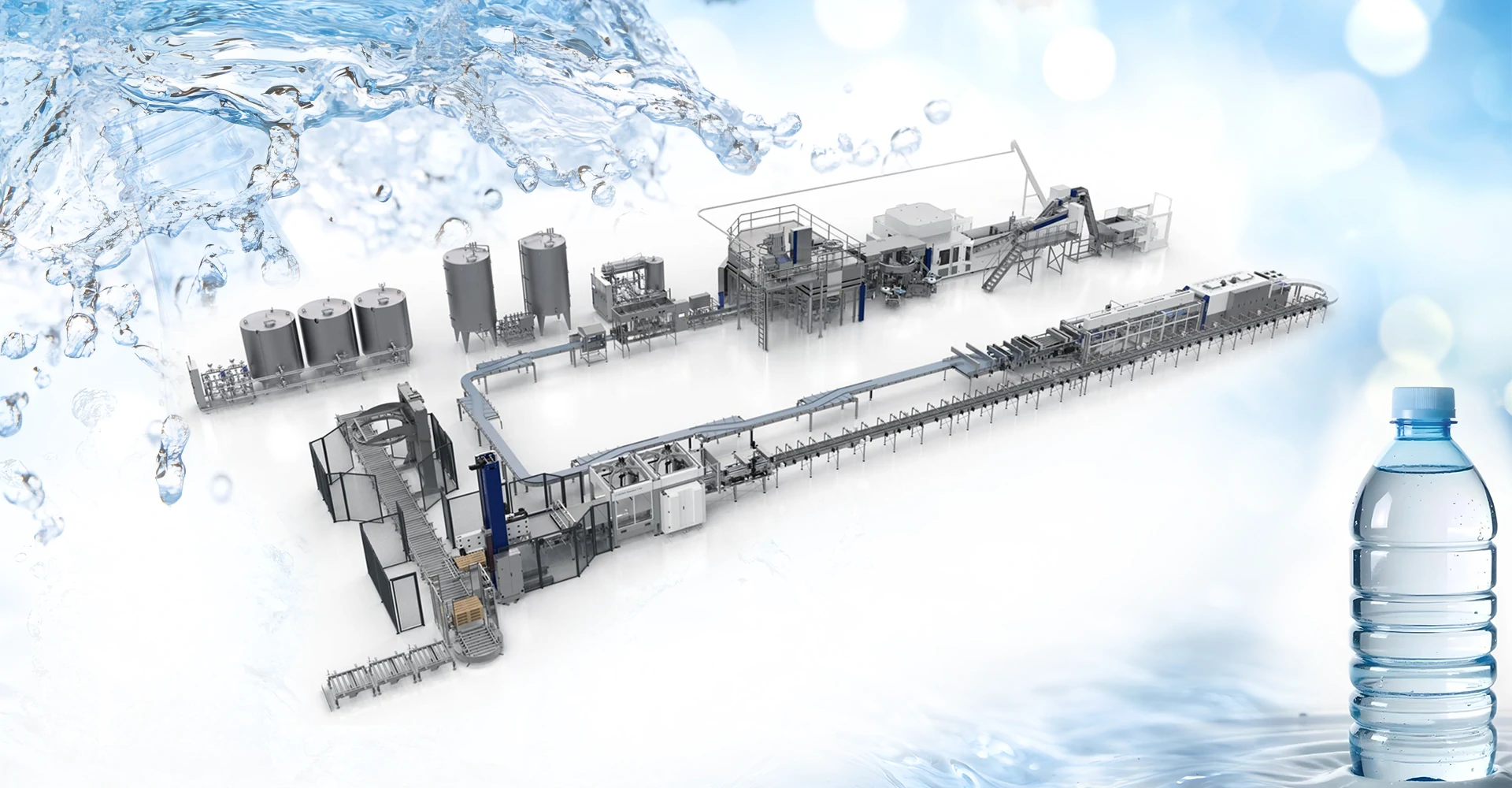
Equipment
Drinking water production line – Bottled Water Filling Machine Manufacturer
PET-bottled drinking-water production with automatic rinsing, filling and capping, plus water treatment and packaging equipment.
Learn moreEquipment
5L-10L Large Bottle Drinking Water production line
XGF12-12-4 rinsing, filling and capping for 5 L and 10 L water bottles, with stable outputs of 1,200 and 700 bottles/hour respectively.
Learn more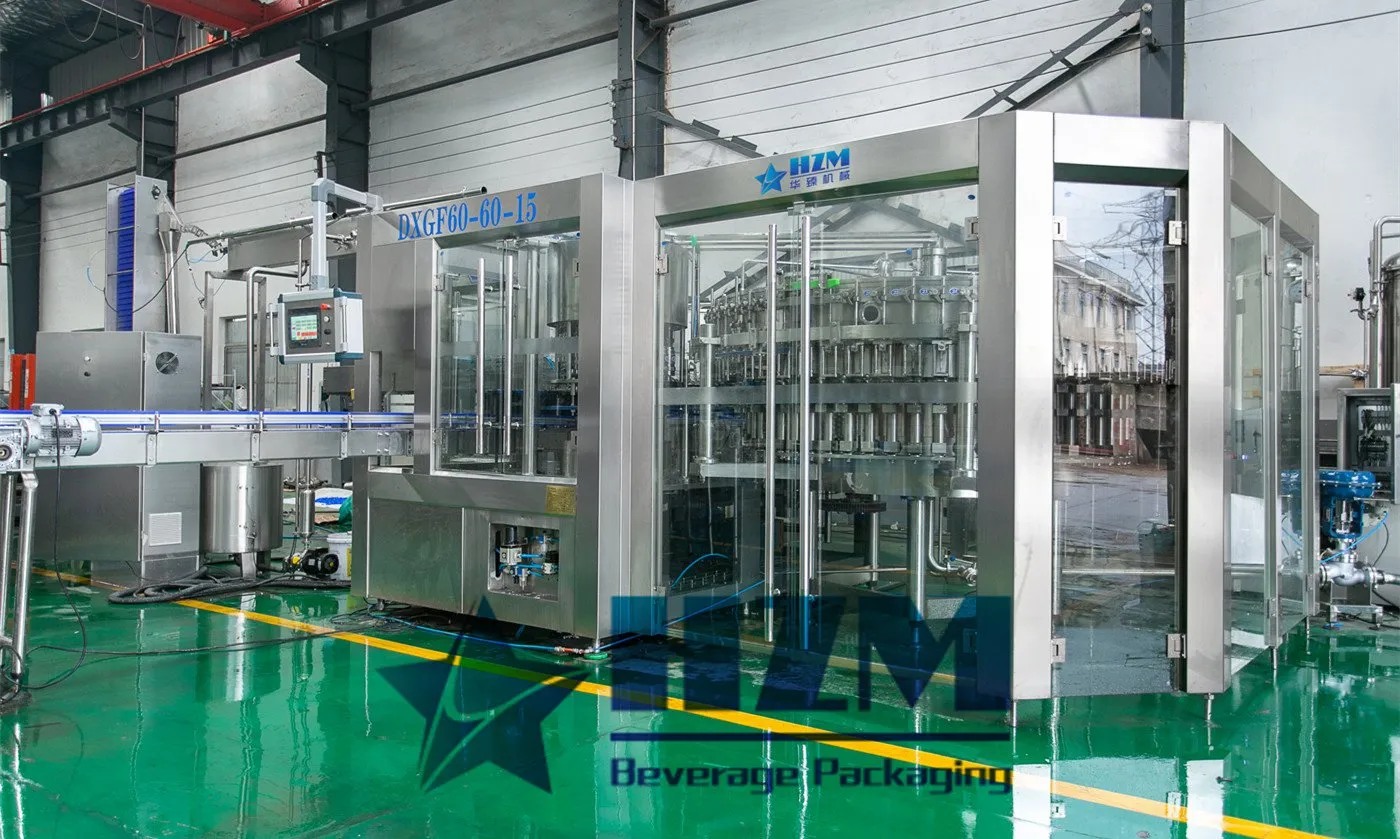
Equipment
Soda Water Filling Machine
Soda water filling equipment with bottle rinsing, isobaric filling and capping for PET-bottled sparkling water.
Learn more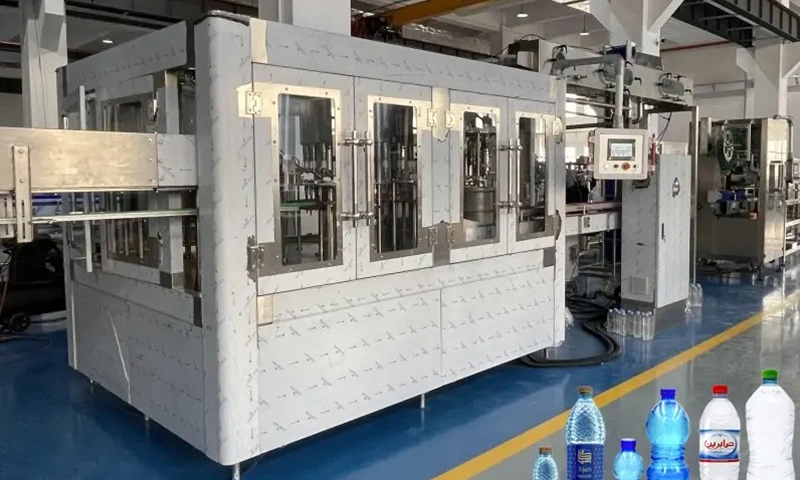
Equipment
Automatic Mineral Water Bottle Filling Machine
Automatic mineral-water bottling with rinsing, filling and capping, from 5,000 to 18,000 bottles/hour at 500 ml.
Learn more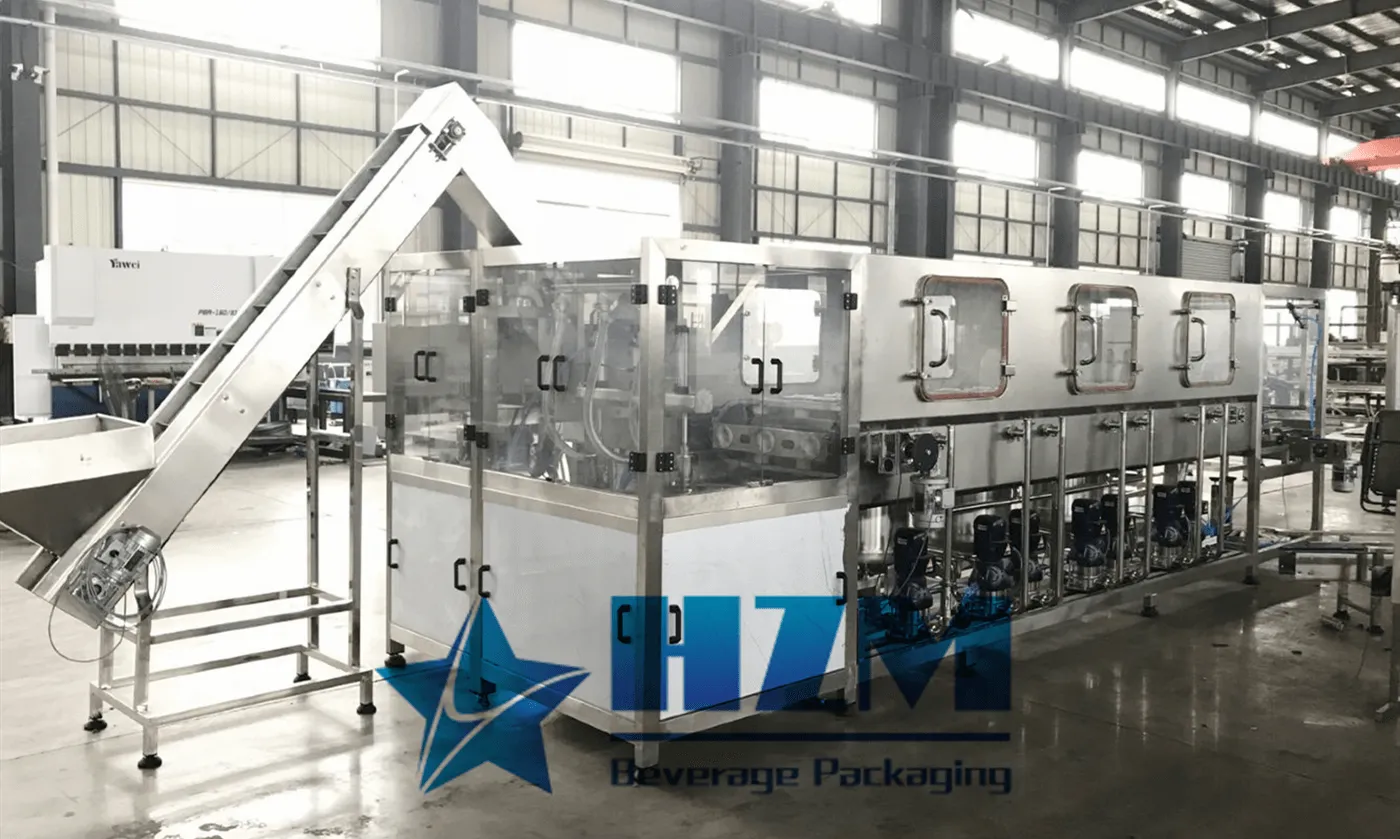
Equipment
3-5 Gallon Water Filling Line
Automatic washing, filling and capping for 3–5 gallon drinking-water jars, with QGF models from 120 to 900 jars/hour at 5 gallons.
Learn more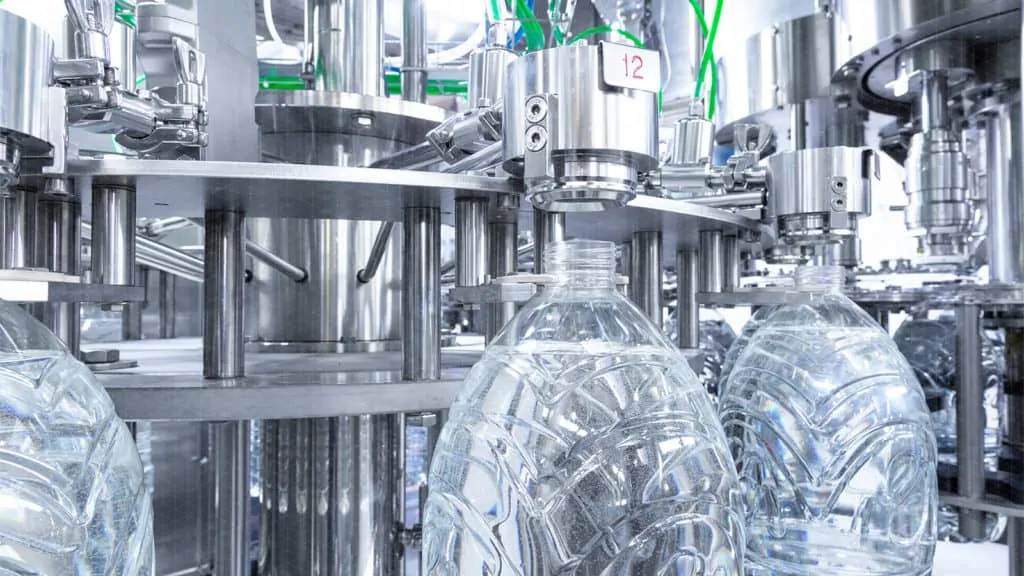
2023-11-10
Inaccurate Filling or Overflow in Automatic Water Bottle Filling Machine
When using the automatic quantitative water bottle filling machine for an extended period, issues such as inaccurate filling, failure to discharge, or overflow may occur. This doesn't necessarily indicate a problem with the manufacturer's product quality, as any equipment used for an extended period can develop minor faults.
Learn more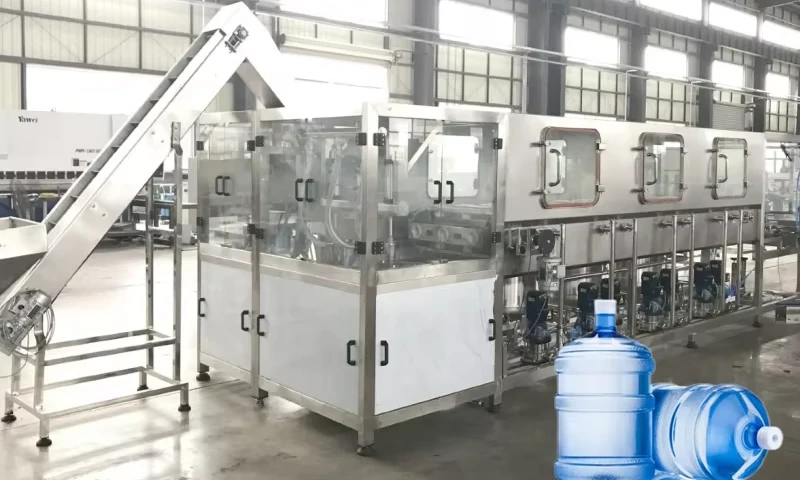
2026-08-01
5-Gallon Returnable Water Bottles: Washing and Inspection Checklist
A practical receiving, inspection, washing, rinsing and verification checklist for returnable 3–5 gallon bottled-water production.
Learn more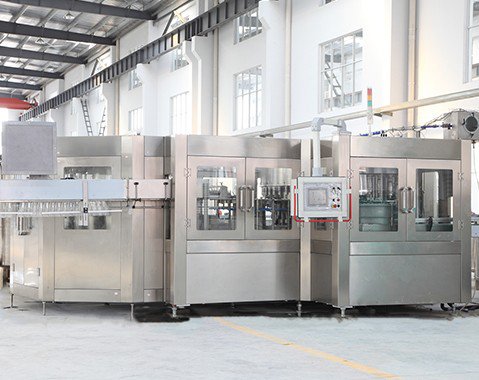
2023-03-24
What are the Advantages of Automatic Water Filling Machine?
The automatic water filling machine is a widely used packaging machine that offers a number of advantages to the packaging industry. Such a machine eliminates the manual work of filling bottles. When production reaches a certain level, it becomes necessary to use a filling machine. Below are the most common advantages of an automatic water […]
Learn more
2023-03-24
What is the Working Principle of 3 in 1 Water Filling Machine?
Water filling machines are used by perse beverage companies. In the 1990s, the companies were using manual machines. Several labors were needed to handle and use the machine. After that, the semi-automatic filling machines took over the market. Since 2000, the technology has been evolved. The manufacturers include advanced technological innovation into the equipment. Every […]
Learn more
2023-06-27
What is the Working Principle of 3 in 1 Water Filling Machine?
Do you want to set up a unit where you will be manufacturing non-carbonated drinks and filling them into bottles? Now you must decide whether you want to get different machines with different functions like one for cleaning, filling and one for capping or you would like to get 3 in 1 water filling machine?
Learn more
2023-12-24
Water Filling Machine for Sale
If you are interested in purchasing a water filling machine, please contact us today. We would be happy to discuss your needs and recommend the best machine for your application.
Learn more