
Insights & Updates
What are the Advantages of Automatic Water Filling Machine?
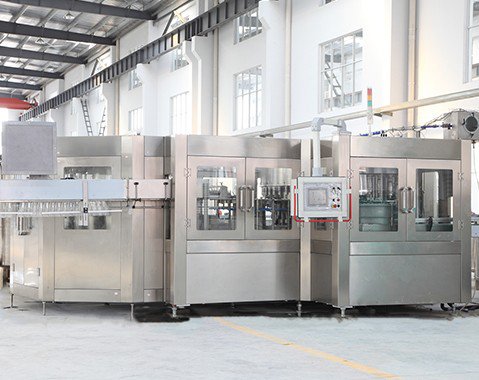
The automatic water filling machine is a widely used packaging machine that offers a number of advantages to the packaging industry. Such a machine eliminates the manual work of filling bottles. When production reaches a certain level, it becomes necessary to use a filling machine. Below are the most common advantages of an automatic water filling machine.
1. Higher production rate
The use of an automatic filling machine allows packaging companies to increase the speed of production. Whether high viscosity products or free-flowing products, the automatic filling machine can fill several containers at each cycle. These machines are equipped with turntables for loading empty bottles and volumetric doses for filling bottles. The production or filling rat can reach the filling speed of up to 130 bottles in one minute with sixteen filling heads.
2. Better production with versatility
Automatic water bottling machines are not always designed to fill a single product or a single type of container. Rather, it can handle containers of various shapes and sizes. In addition, some machines are capable of filling thin and thick liquids. The versatility of these machines makes it easier for companies who have to fill and pack several products in different containers.

3. Maintaining consistency
When containers are manually filled with products, the amount of product is likely to vary. Filling machines that contain dosing devices reduce the risk of quantity variations. In addition to speed, the filling machines ensure constant and reliable filling during each cycle. No matter the weight, volume, level or any other measure, the fillers maintain reliability during filling.
4. Machine customization
The filling machines are customizable and scalable according to the needs of the packaging company. Automatic filling machines are equipped with four, six or eight filling heads and their number can be increased according to the increasing production demand. A maximum of sixteen filling heads can be placed on the nozzle bar. The limits and maximum speed of different machines can vary depending on factors such as the shape and size of the bottles and the type of product.
5. No operator requirement
Automatic filling machines eliminate the need for operator interaction. Although setting up the operation seems long, it only takes a simple manual adjustment to switch from one bottle to another. A central touch screen interface allows you to adjust the filling time, the pump speed and the indexing time. When these are set, an operator need not manage the function. With these potential benefits, a packaging company can improve production based on growing market needs.
Talk to our engineering team
Need help planning your packaging line?
Share your product, bottle and capacity requirements for a practical equipment recommendation.
Equipment
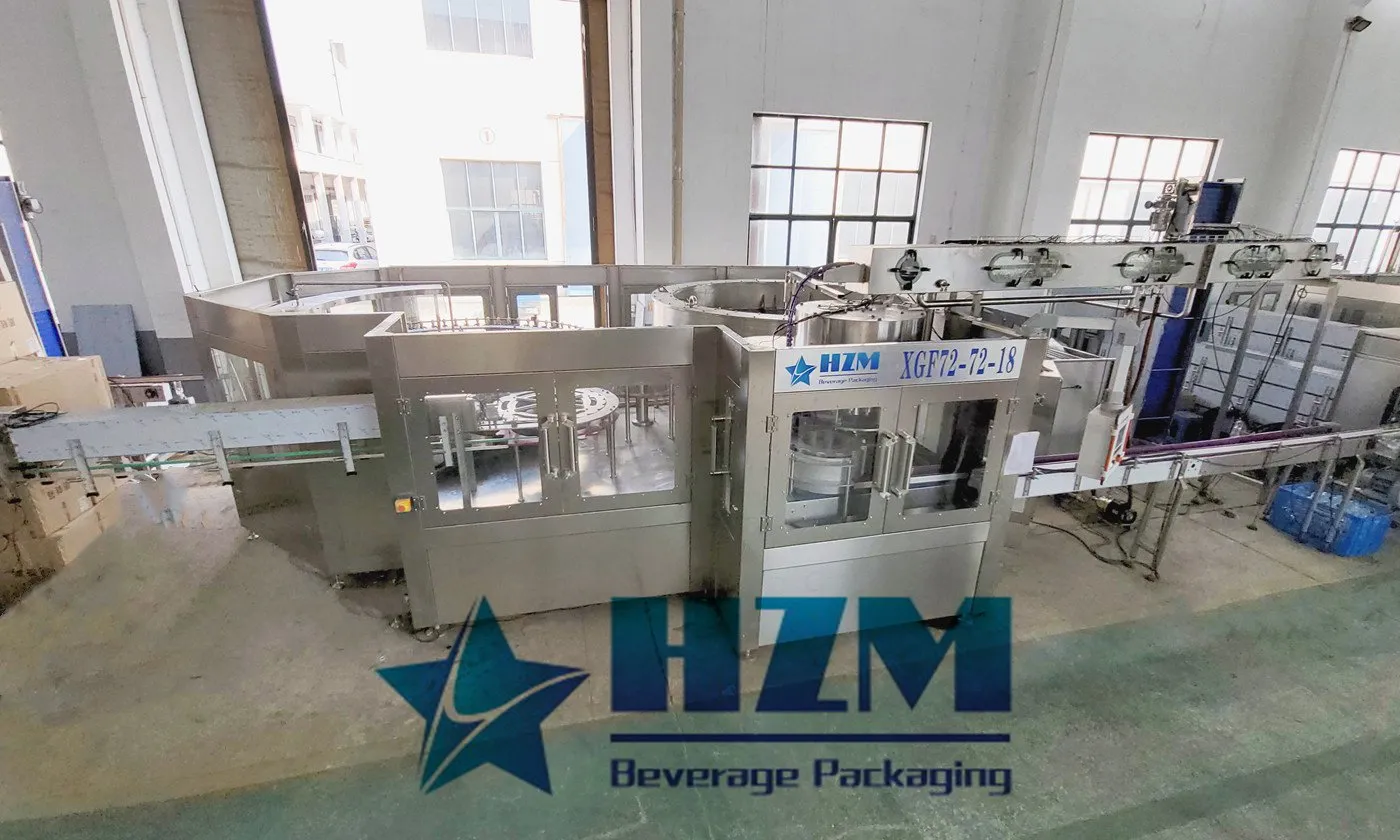
Automatic Water Bottle Filling Machine
Automatic rinsing, filling and capping for purified and mineral water in PET bottles, with capacities of 5,000–42,000 bottles/hour at 500 ml.
Learn more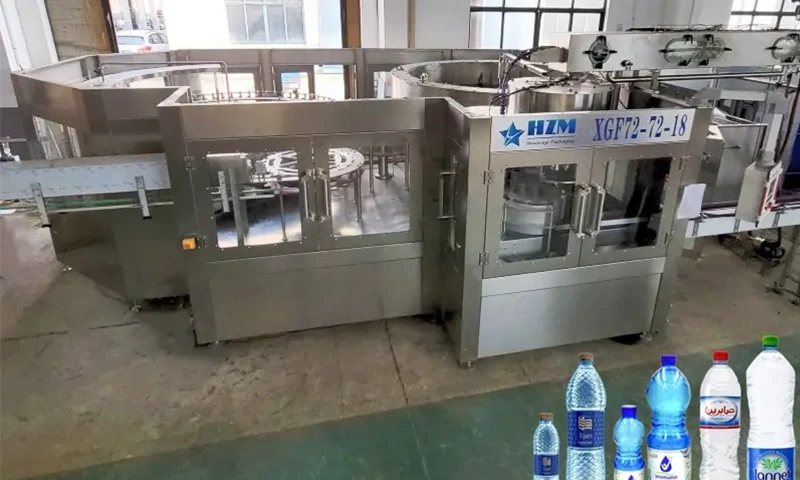
Equipment
3-In-1 Water Bottle Filling Machine
A 3-in-1 PET bottle rinsing, filling and capping machine for drinking water, from 5,000 to 18,000 bottles/hour at 500 ml.
Learn more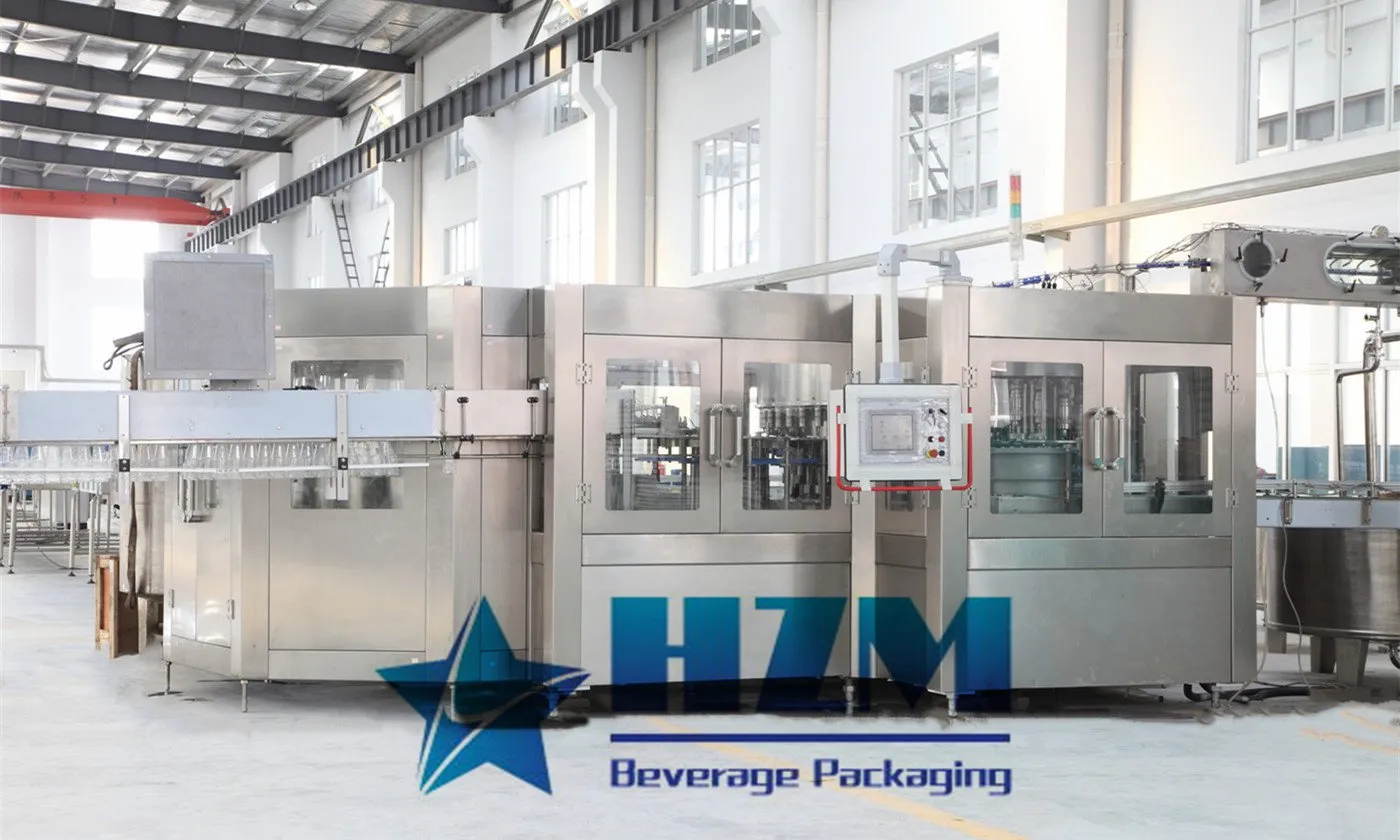
Equipment
PET Bottle Water Filling Machine
PET bottle water filling with automatic rinsing and capping, for purified water, mineral water and still drinking water.
Learn more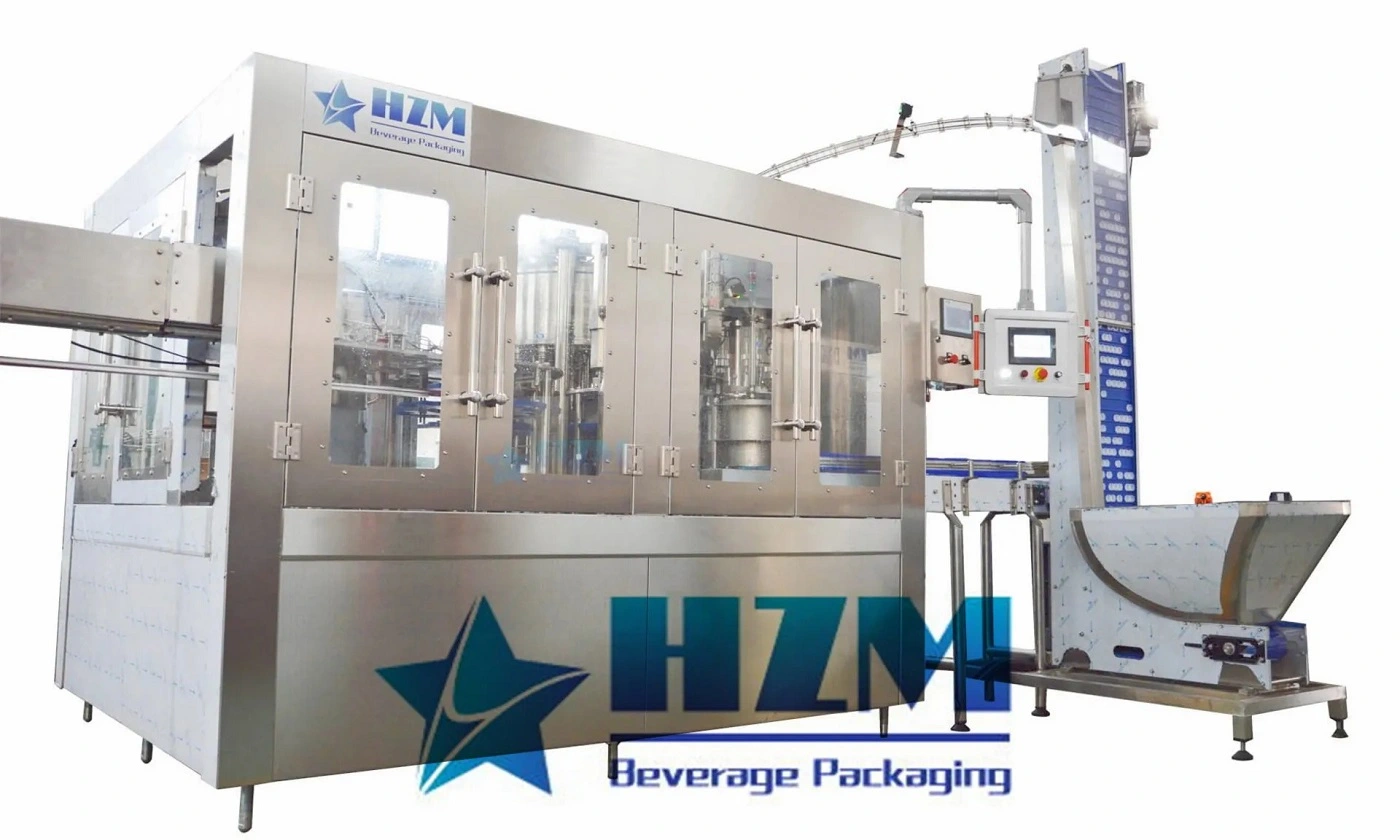
Equipment
Automatic Drinking Water Bottling Machine
Drinking-water bottling equipment with automatic rinsing, filling and capping, plus conveying, labelling and packing options.
Learn more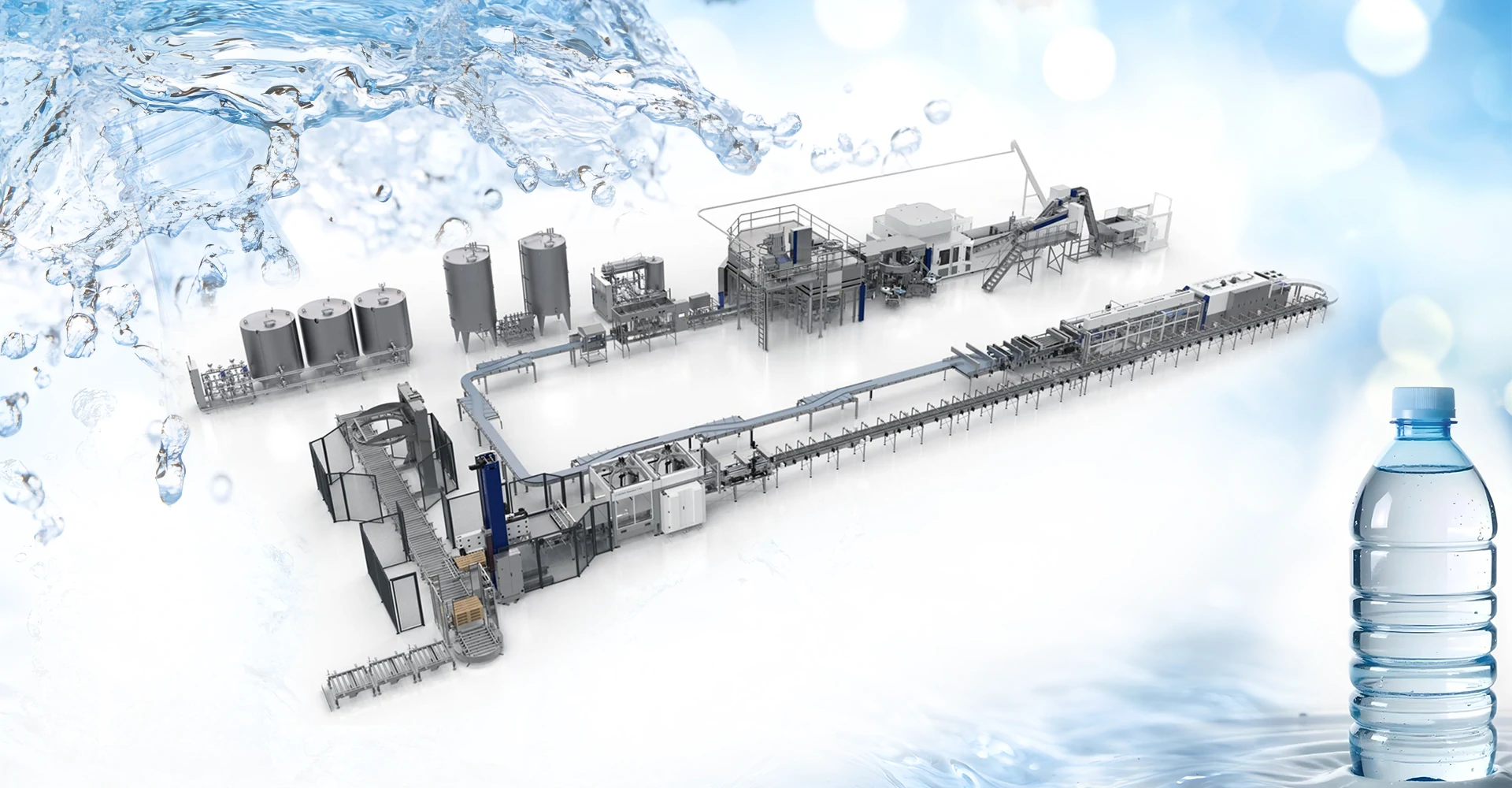
Equipment
Drinking water production line – Bottled Water Filling Machine Manufacturer
PET-bottled drinking-water production with automatic rinsing, filling and capping, plus water treatment and packaging equipment.
Learn more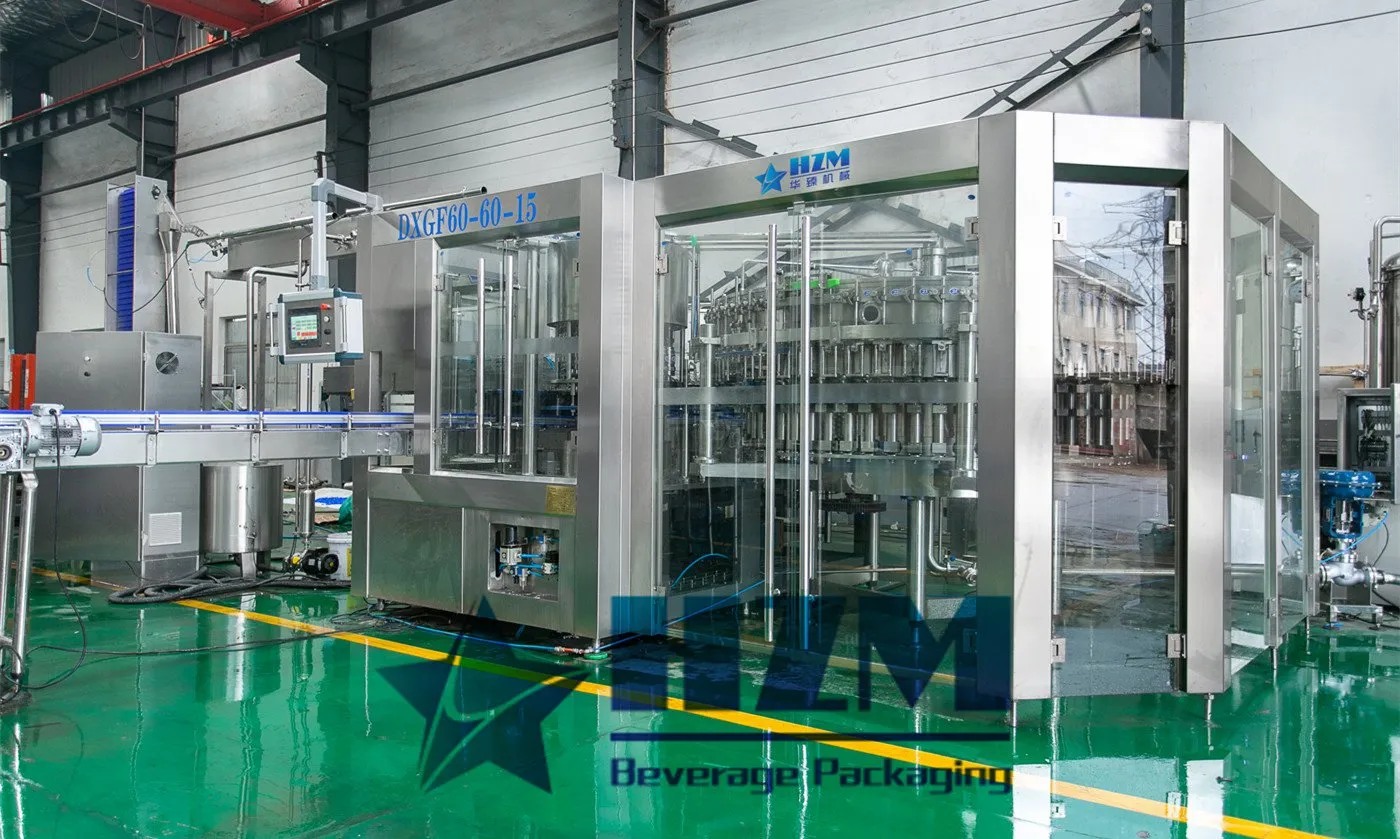
Equipment
Soda Water Filling Machine
Soda water filling equipment with bottle rinsing, isobaric filling and capping for PET-bottled sparkling water.
Learn more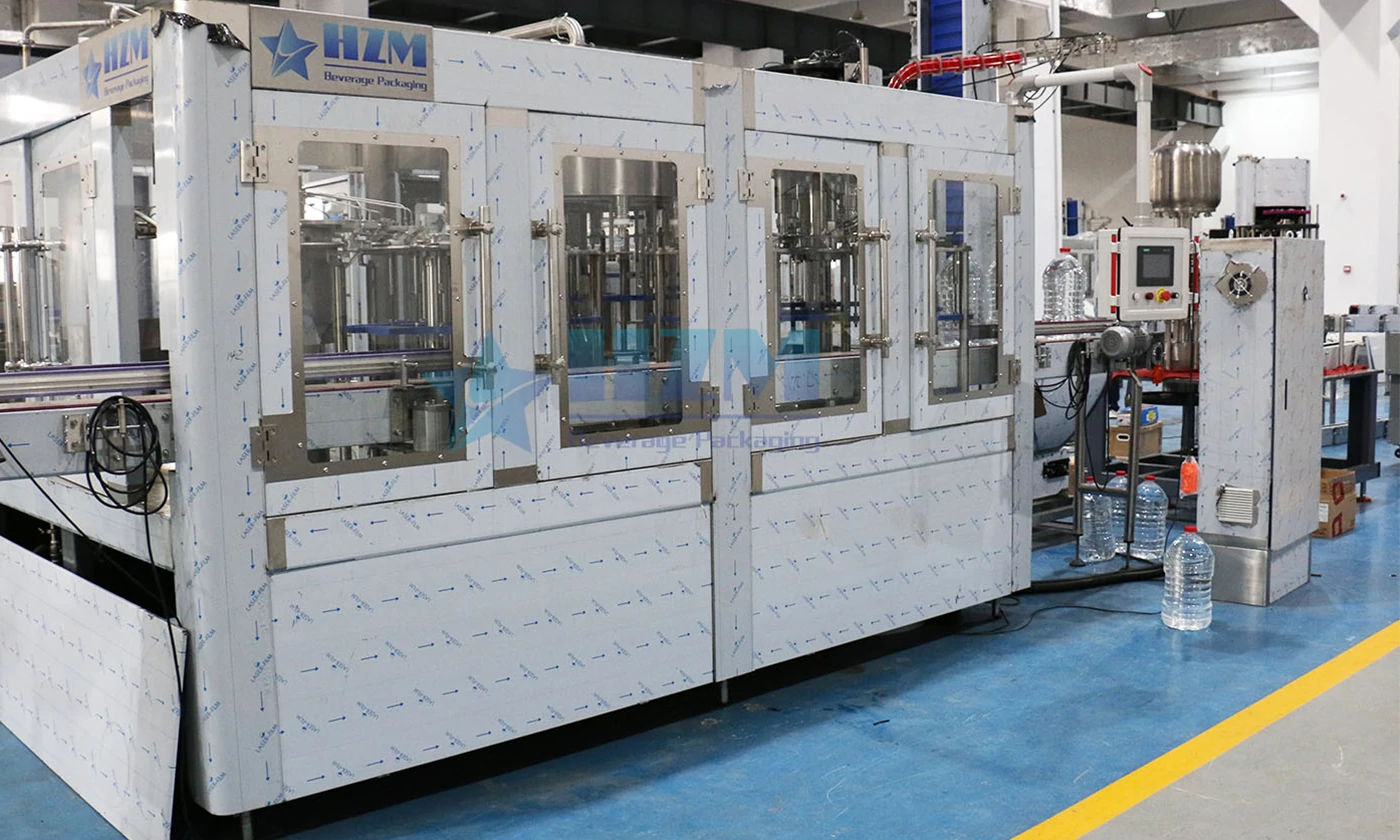
Equipment
5L-10L Large Bottle Drinking Water production line
XGF12-12-4 rinsing, filling and capping for 5 L and 10 L water bottles, with stable outputs of 1,200 and 700 bottles/hour respectively.
Learn more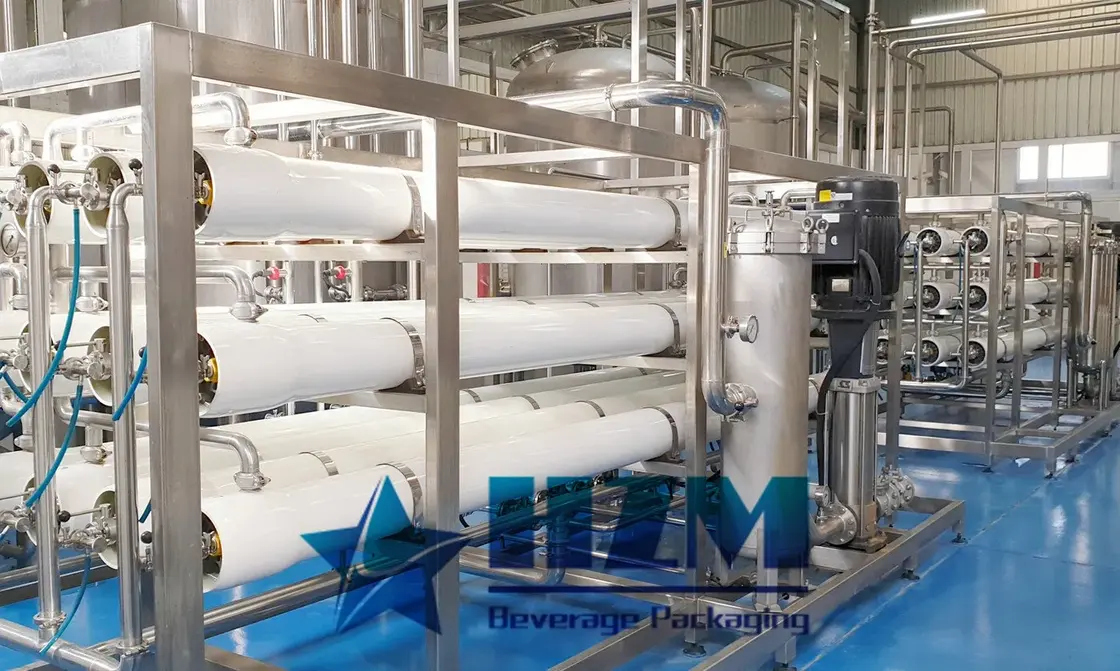
Equipment
Water Treatment System
HZM water treatment systems prepare process water for bottled water, beverages and brewing.
Learn more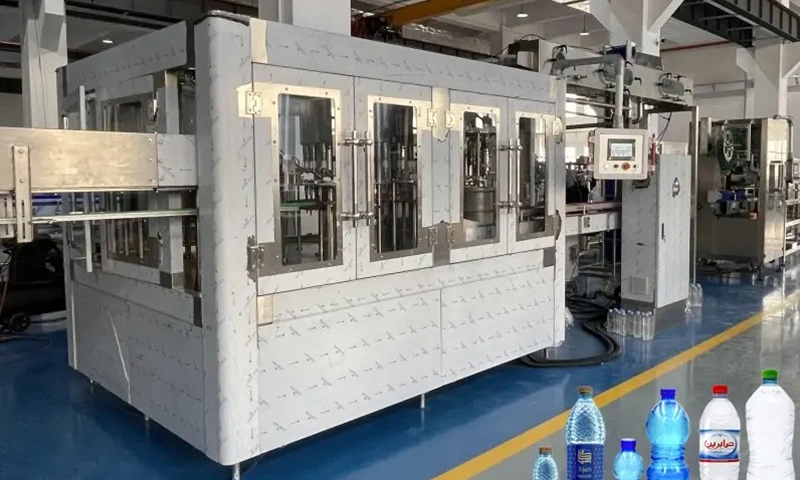
Equipment
Automatic Mineral Water Bottle Filling Machine
Automatic mineral-water bottling with rinsing, filling and capping, from 5,000 to 18,000 bottles/hour at 500 ml.
Learn more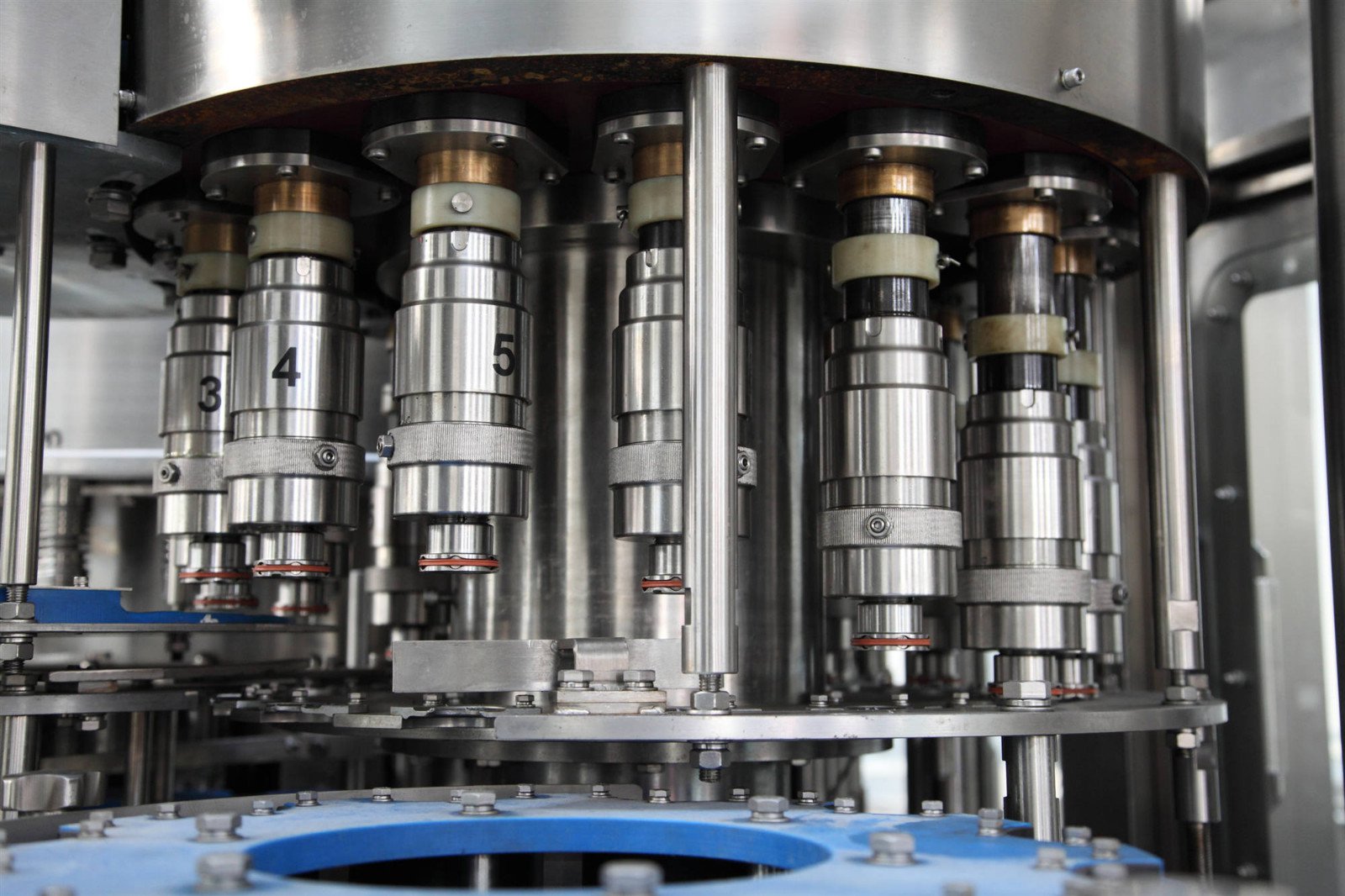
2023-03-24
What is the Working Principle of 3 in 1 Water Filling Machine?
Water filling machines are used by perse beverage companies. In the 1990s, the companies were using manual machines. Several labors were needed to handle and use the machine. After that, the semi-automatic filling machines took over the market. Since 2000, the technology has been evolved. The manufacturers include advanced technological innovation into the equipment. Every […]
Learn more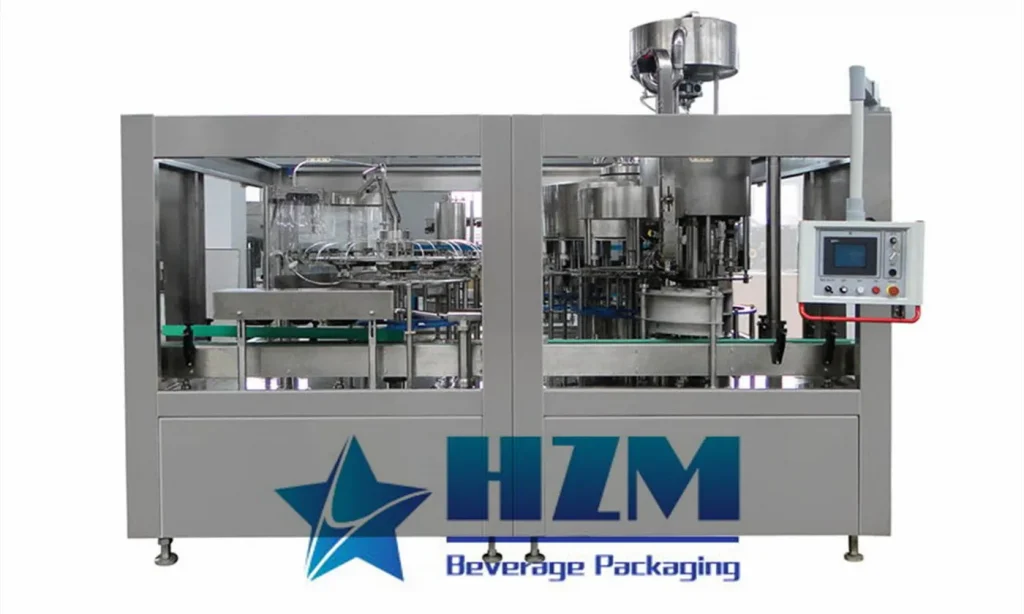
2023-06-27
What is the Working Principle of 3 in 1 Water Filling Machine?
Do you want to set up a unit where you will be manufacturing non-carbonated drinks and filling them into bottles? Now you must decide whether you want to get different machines with different functions like one for cleaning, filling and one for capping or you would like to get 3 in 1 water filling machine?
Learn more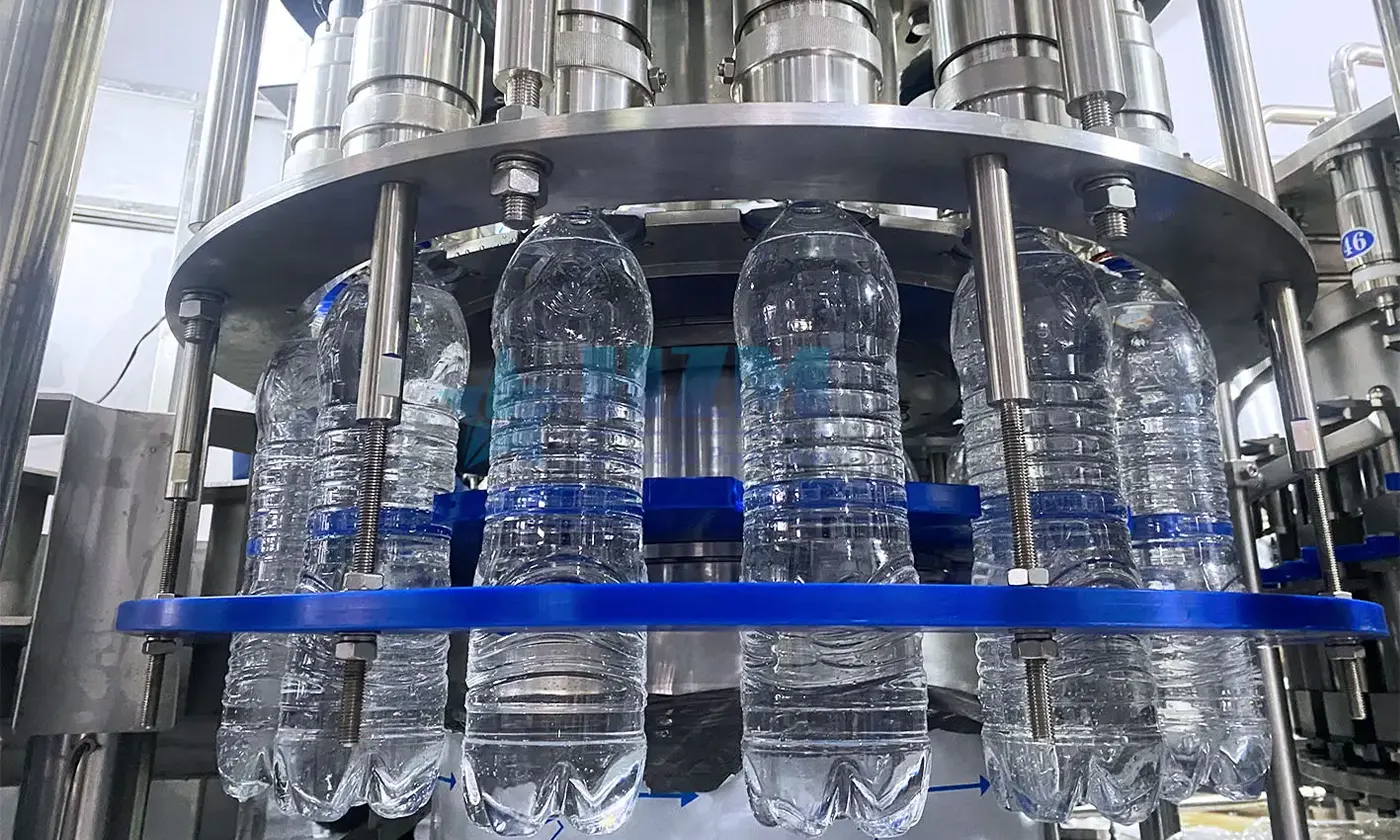
2023-12-24
Water Filling Machine for Sale
If you are interested in purchasing a water filling machine, please contact us today. We would be happy to discuss your needs and recommend the best machine for your application.
Learn more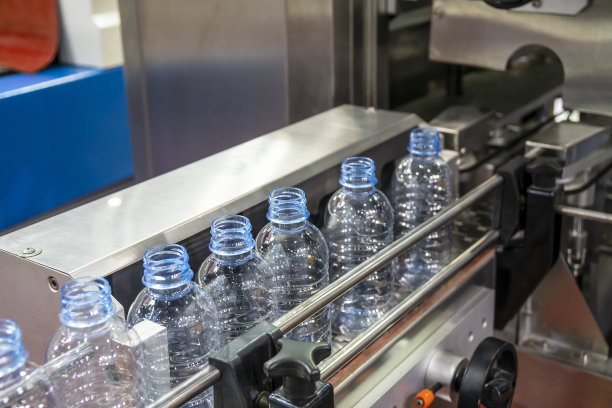
2023-09-14
Water Bottle Filling Machine Prices
Water bottle filling machines are highly automated filling equipment used for various containers, including water bottles, beverage bottles, and wine bottles. The application of this equipment is incredibly diverse, spanning across industries such as food, beverages, and household products
Learn more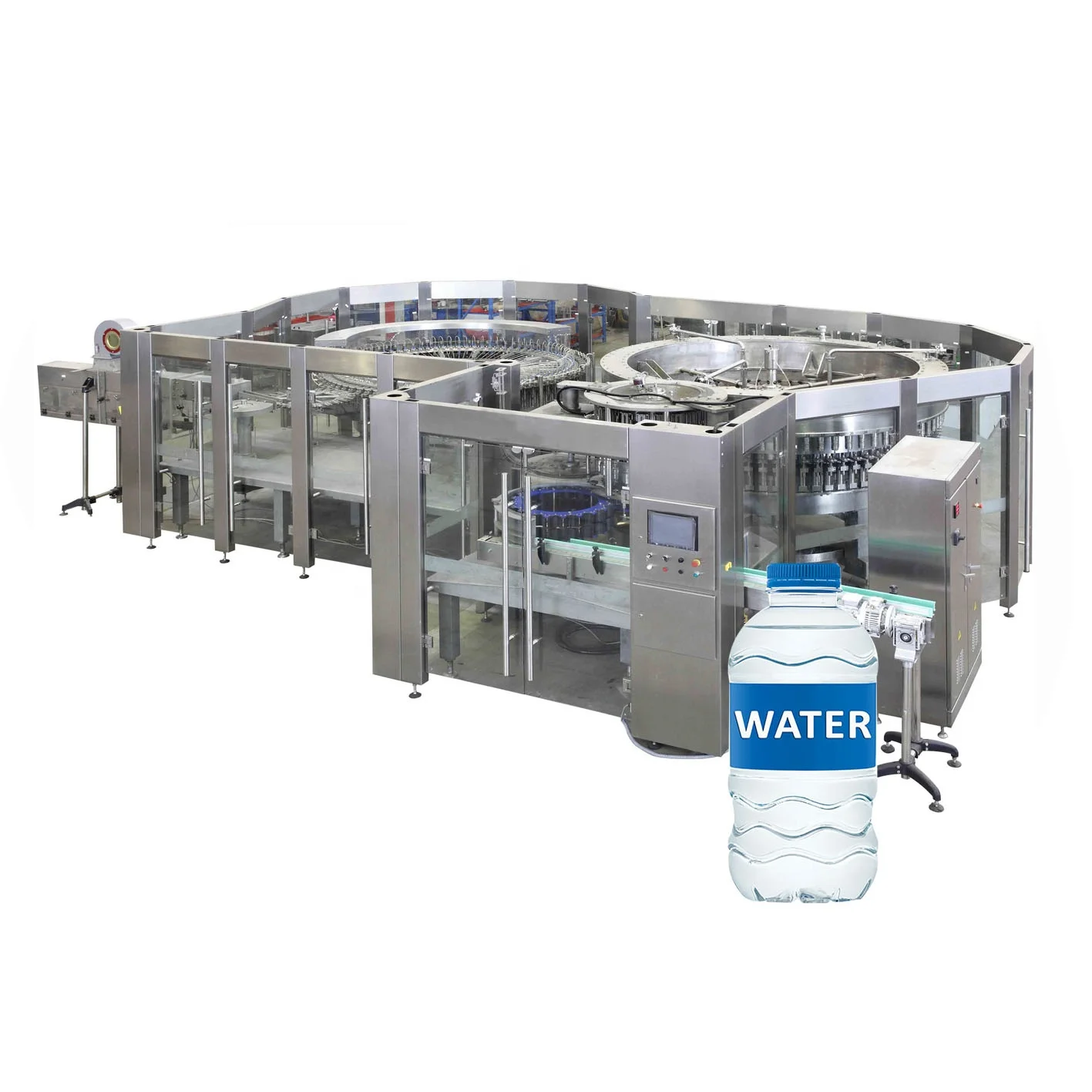
2023-11-24
Water Bottle Filling Machine Solutions
Water bottle filling machines come in various configurations, from small-scale, semi-automatic machines suitable for small businesses to fully automated, high-speed machines used in large-scale production facilities. They play a crucial role in ensuring the efficiency and quality of the water bottling process.
Learn more2023-06-06
HZM Water Filling Line: Your Reliable Supplier for Complete Equipment Solutions
HZM Water Filling Line is dedicated to offering efficient and reliable equipment and services to water production enterprises.
Learn more