
Insights & Updates
Carbonated Beverage Filling Machine: Achieving Efficient Production and Diverse Packaging
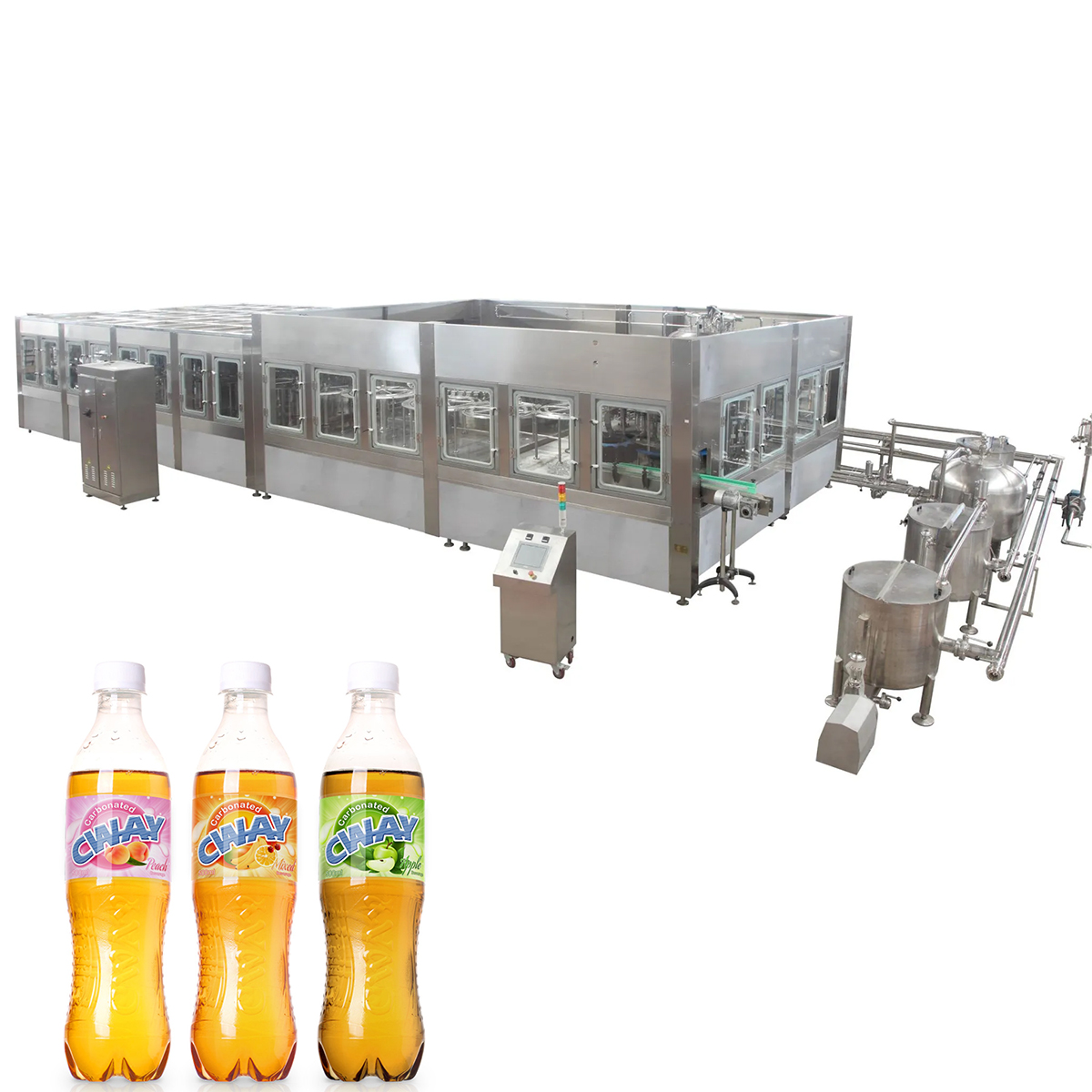
The carbonated beverage filling machine is an indispensable key equipment in modern beverage production lines. Its main function is to fill carbonated beverages into different types of containers, including glass bottles, PET bottles, and cans. The flexibility and efficiency of the carbonated beverage filling machine make it widely used in the beverage industry.
Suitability of Container Types
The carbonated beverage filling machine is suitable for various container types, including glass bottles, PET bottles, and cans. Each type of container has its unique features and advantages.
- Glass Bottles:
Glass bottles, as a traditional packaging choice, offer a high-quality and elegant appearance. The carbonated beverage filling machine can easily handle various sizes and shapes of glass bottles, including standard bottle necks and caps. Glass bottles have the advantages of high temperature resistance and excellent airtightness, which can maintain the freshness and carbonation of the beverages. - PET Bottles:
PET bottles are lightweight and recyclable packaging choices. The carbonated beverage filling machine can accommodate different capacities and shapes of PET bottles, such as common 500ml and 1-liter bottles. PET bottles have excellent transparency and impact resistance, while also preserving the carbonation and taste of the beverages. - Cans:
Cans are a common packaging choice for carbonated beverages, suitable for filling and sealing. The carbonated beverage filling machine can efficiently handle various sizes and shapes of cans, such as standard 250ml and 355ml cans. Cans have good sealing and freshness-preserving properties, effectively protecting the quality and taste of the beverages.
Container Capacity and Hourly Output:
The design and configuration of the carbonated beverage filling machine can adapt to different container capacities and hourly outputs according to specific needs. Here are some examples of common container capacities and hourly outputs:
| Container Capacity (ml) | Hourly Output (Number of Containers) |
|---|---|
| 250 | 2000 |
| 355 | 3000 |
| 500 | 4000 |
| 1000 | 6000 |
The above data is for reference only, and the actual container capacity and hourly output may vary depending on specific equipment and production line configurations. The design and technological level of the filling machine are crucial for achieving efficient production and stable output.
The carbonated beverage filling machine is an essential equipment in modern beverage production lines, capable of accommodating different types of containers, including glass bottles, PET bottles, and cans. Depending on the requirements, the filling machine can handle containers of different capacities and achieve high hourly outputs. Through its flexibility and efficiency, the carbonated beverage filling machine provides vital support for production efficiency and diverse packaging in the beverage industry.
Talk to our engineering team
Need help planning your packaging line?
Share your product, bottle and capacity requirements for a practical equipment recommendation.
Equipment
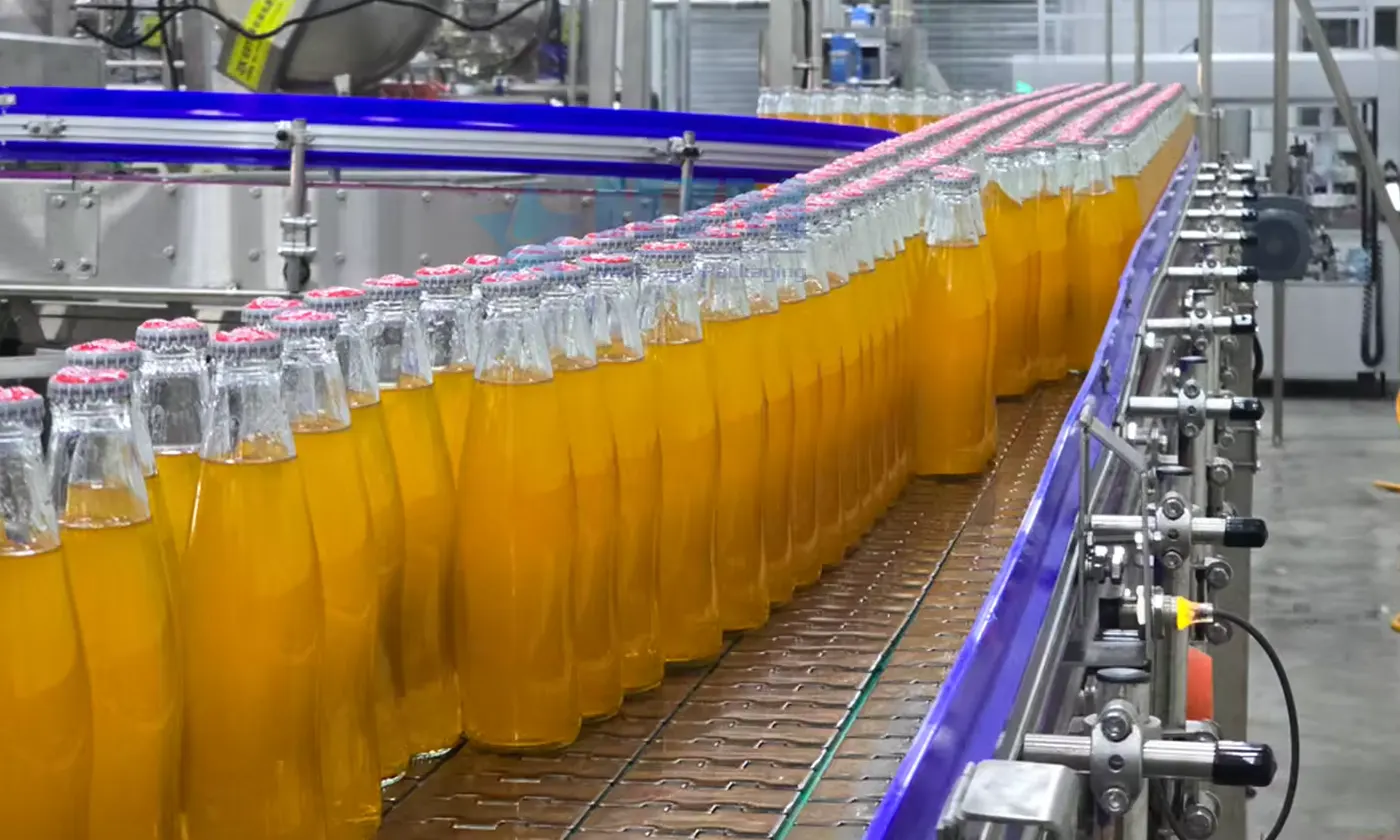
Glass Bottle Carbonated Beverage Filling Bottling Line
This glass bottle carbonated beverage line combines bottle rinsing, isobaric filling and capping with conveying, labelling and packing.
Learn more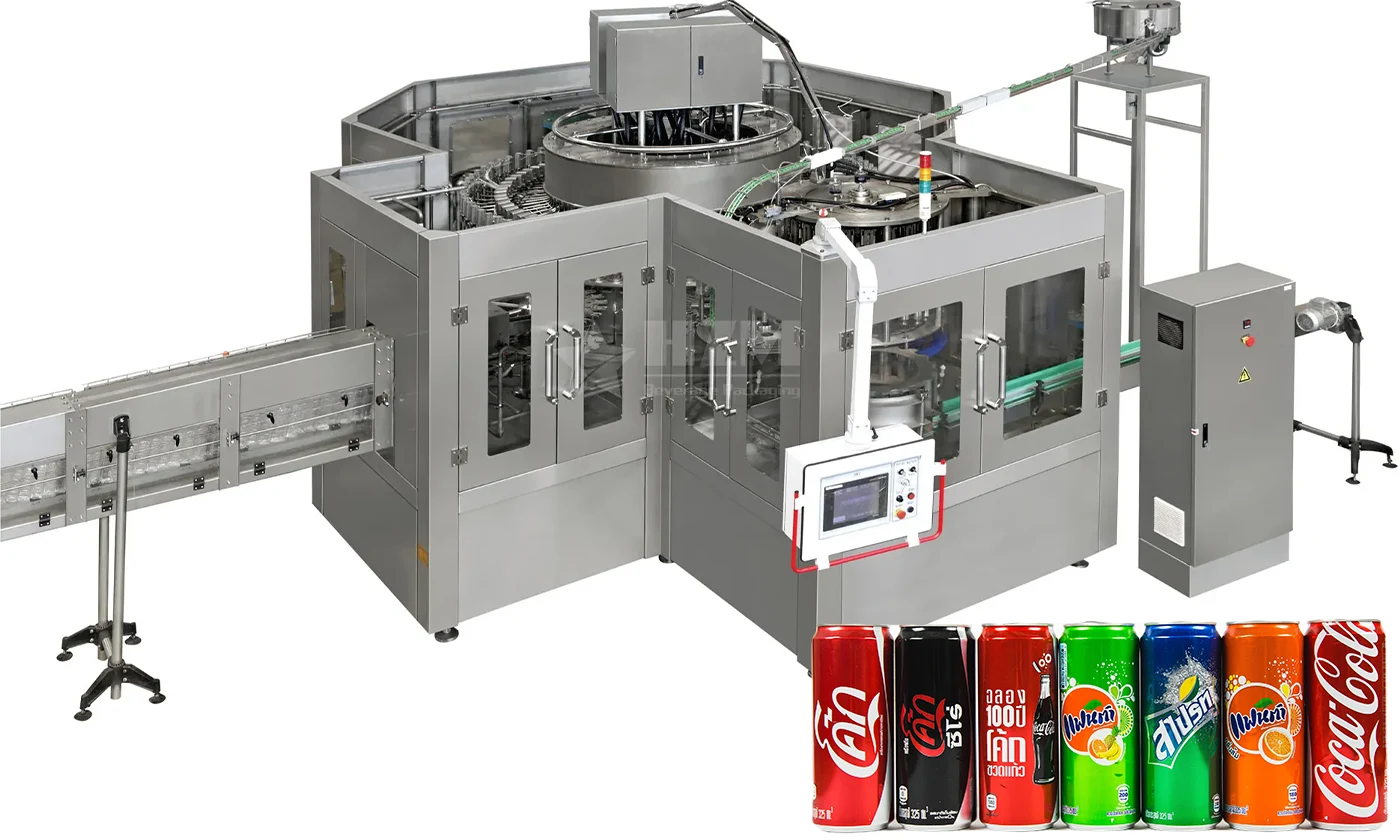
Equipment
Carbonated Beverage Can Filling Machine
Automatic carbonated beverage can filling and seaming, with CGS capacities of 6,000–36,000 cans/hour at 330 ml.
Learn more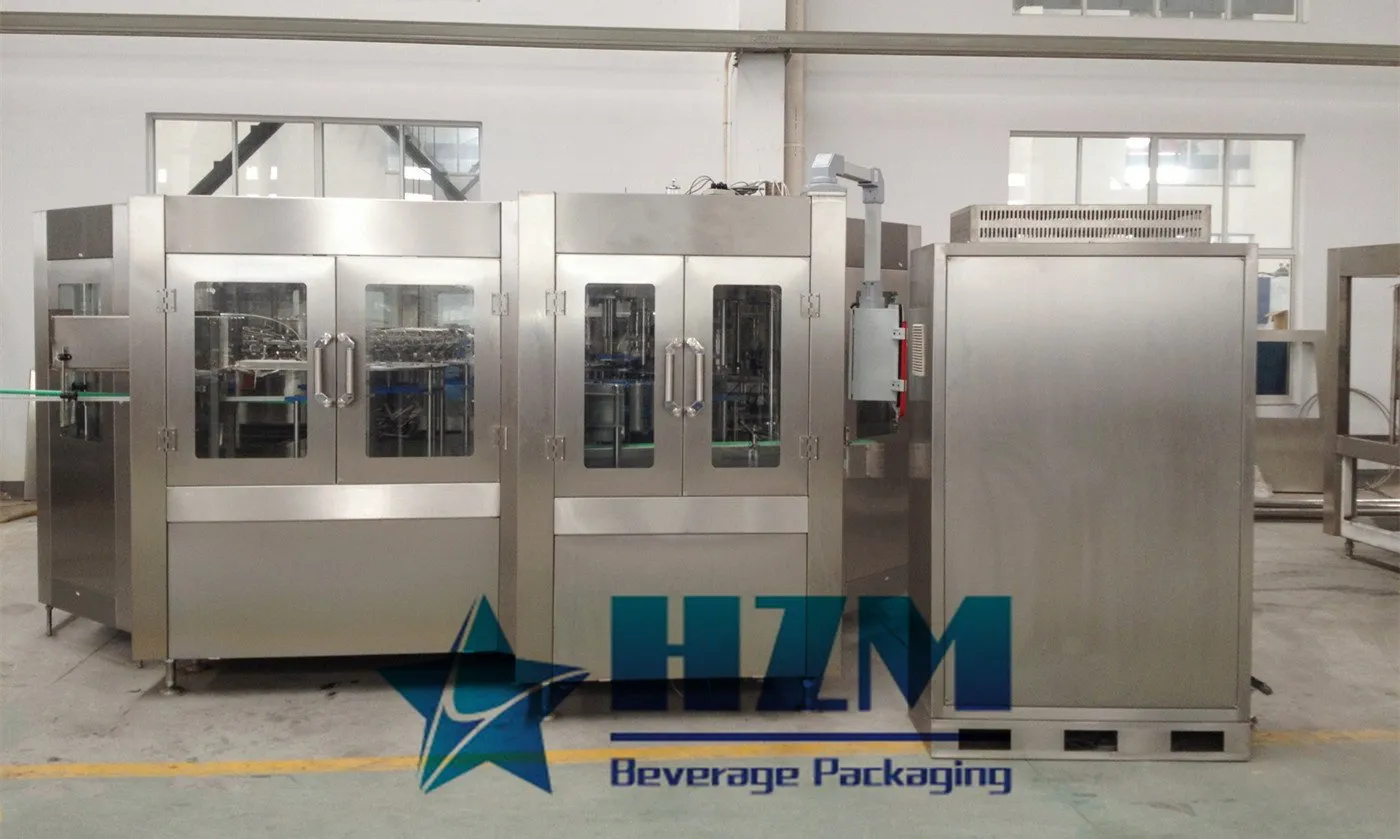
Equipment
PET Bottle CSD Beverage Filling Machine
Automatic PET bottle rinsing, isobaric filling and capping for cola, soda water and other carbonated soft drinks.
Learn more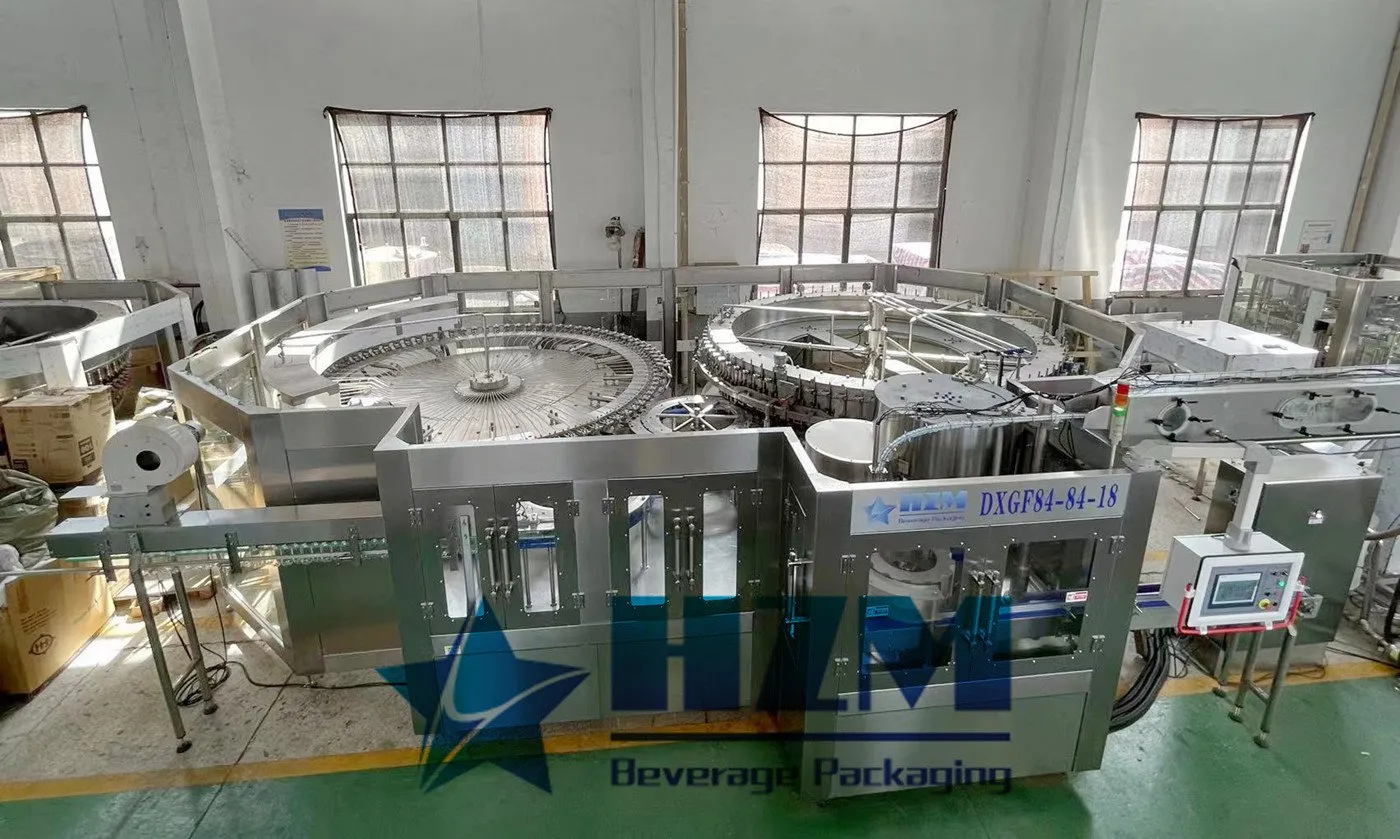
Equipment
Carbonated Drinks Filling Machine
Carbonated drink rinsing, isobaric filling and capping for PET bottles, with capacities of 4,000–36,000 bottles/hour at 500 ml.
Learn more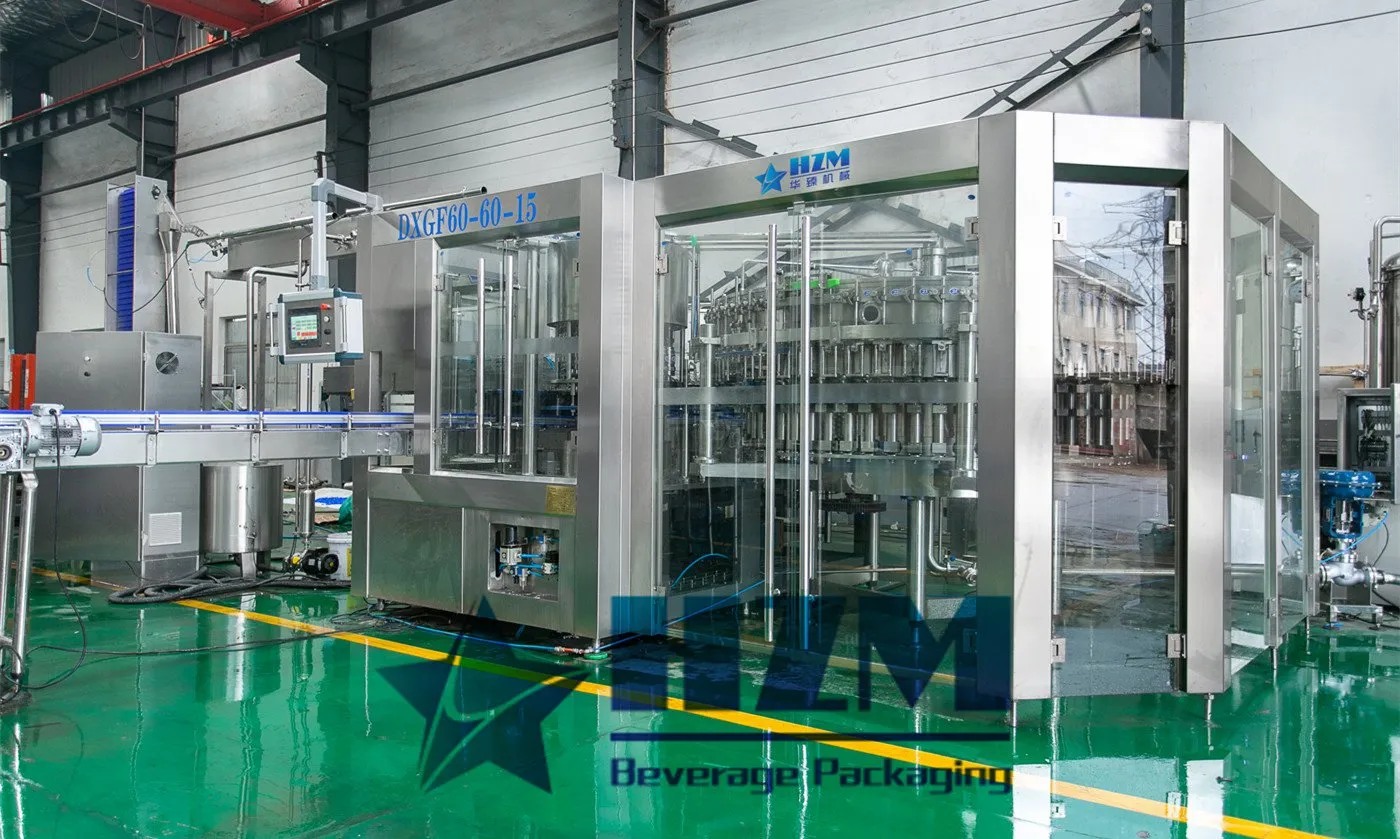
Equipment
Soda Water Filling Machine
Soda water filling equipment with bottle rinsing, isobaric filling and capping for PET-bottled sparkling water.
Learn more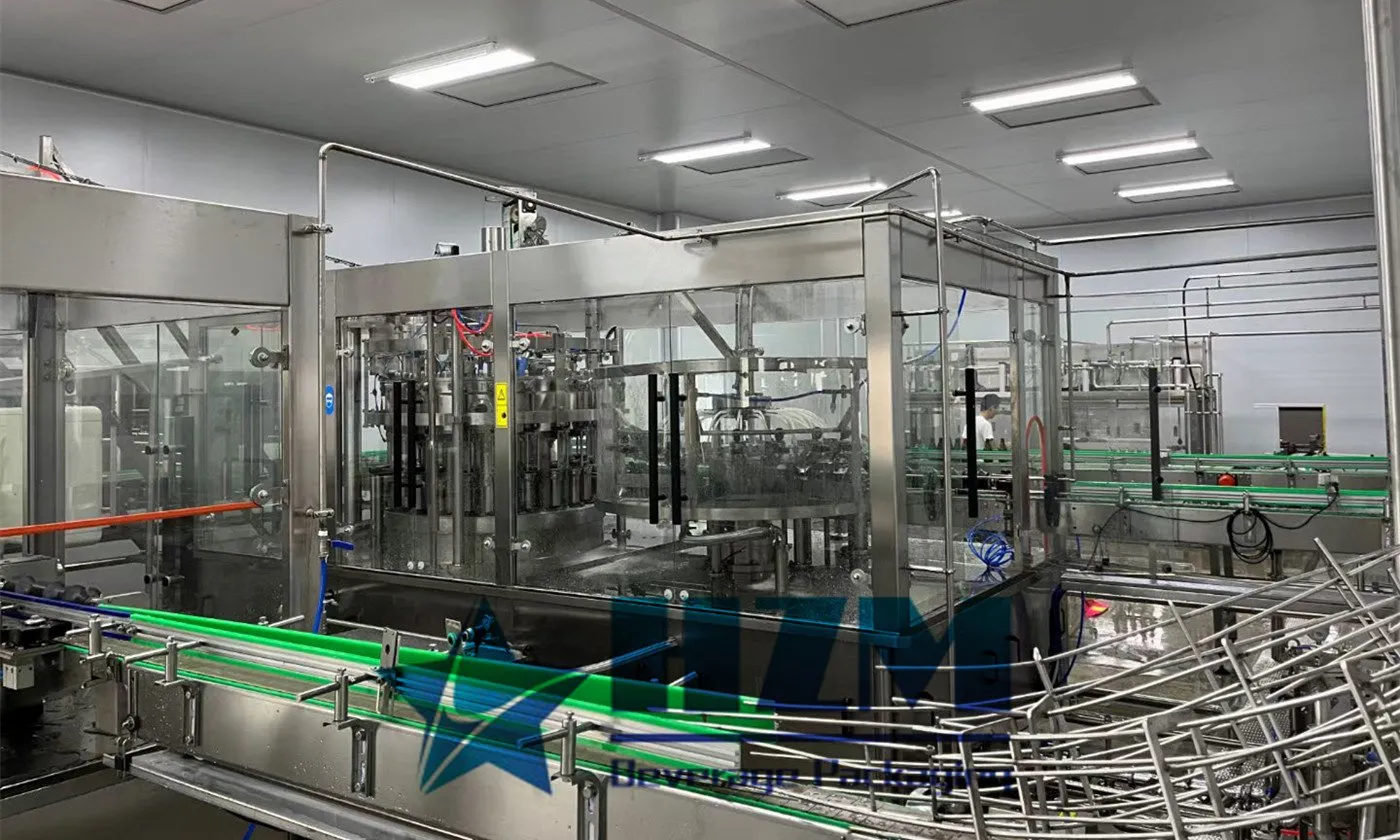
Equipment
CSD Beverage Can Filling Machine
CGS can filling and seaming for carbonated beverages, with capacities of 6,000–36,000 cans/hour at 330 ml.
Learn more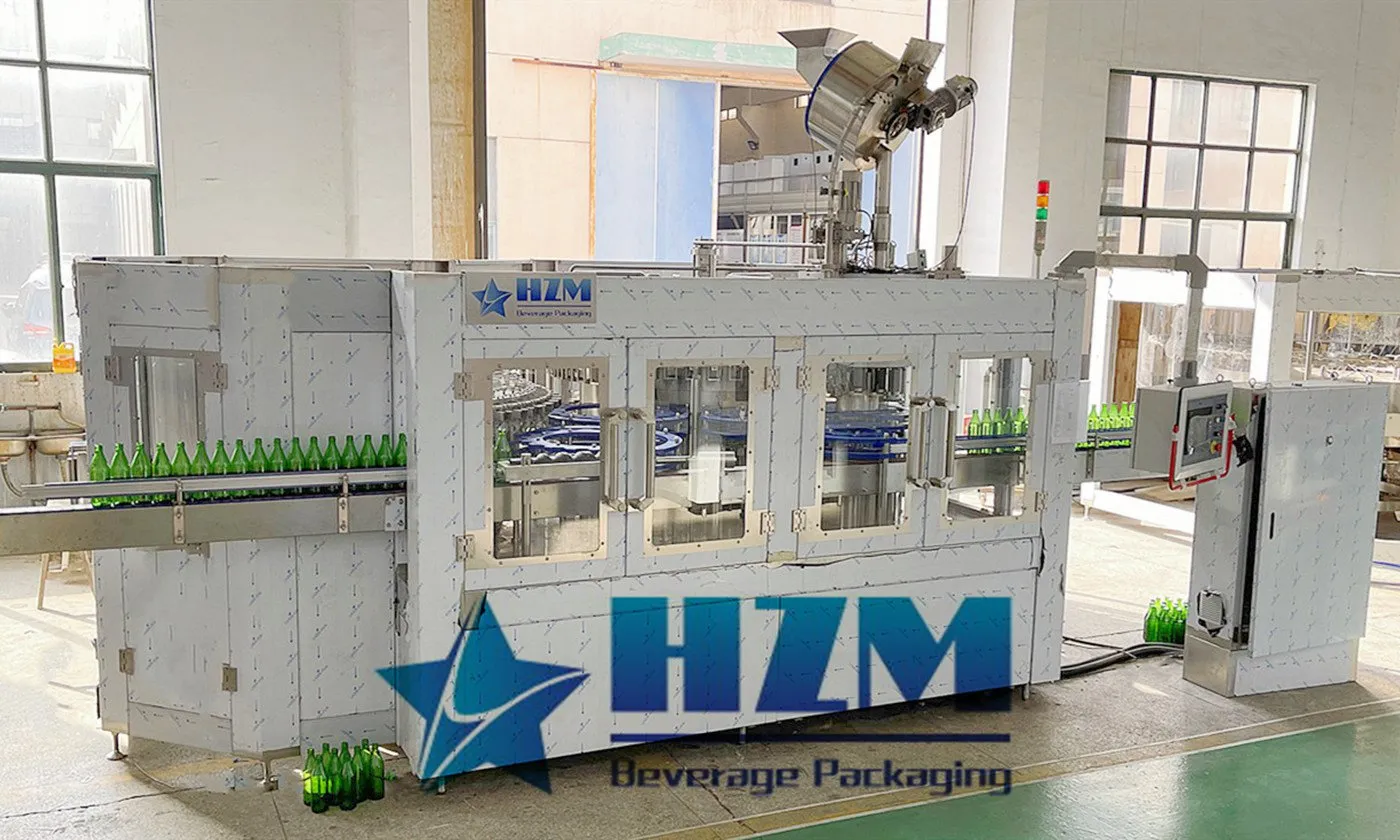
Equipment
Glass Bottle CSD Beverage Filling Machine
Glass bottle filling for carbonated beverages, with isobaric filling and capacities of 2,000–20,000 bottles/hour at 500 ml.
Learn more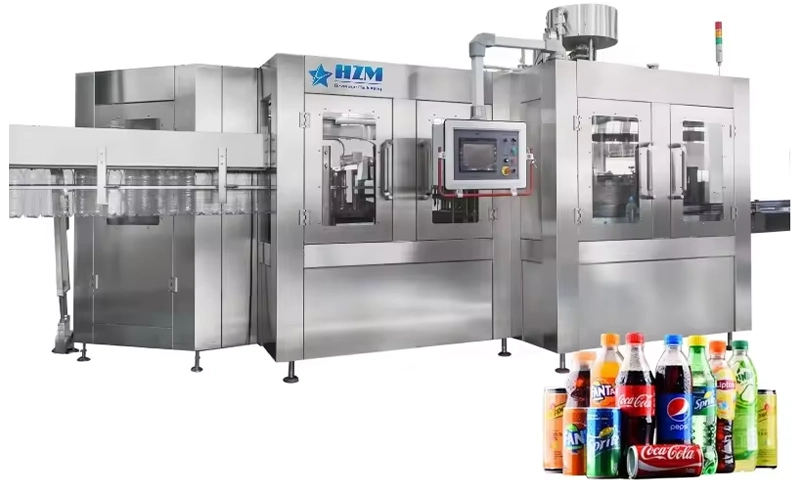
Equipment
Carbonated Soft Drink Filling Machine
Carbonated soft drink rinsing, isobaric filling and capping, with DXGF models from 3,000 to 15,000 bottles/hour at 500 ml.
Learn more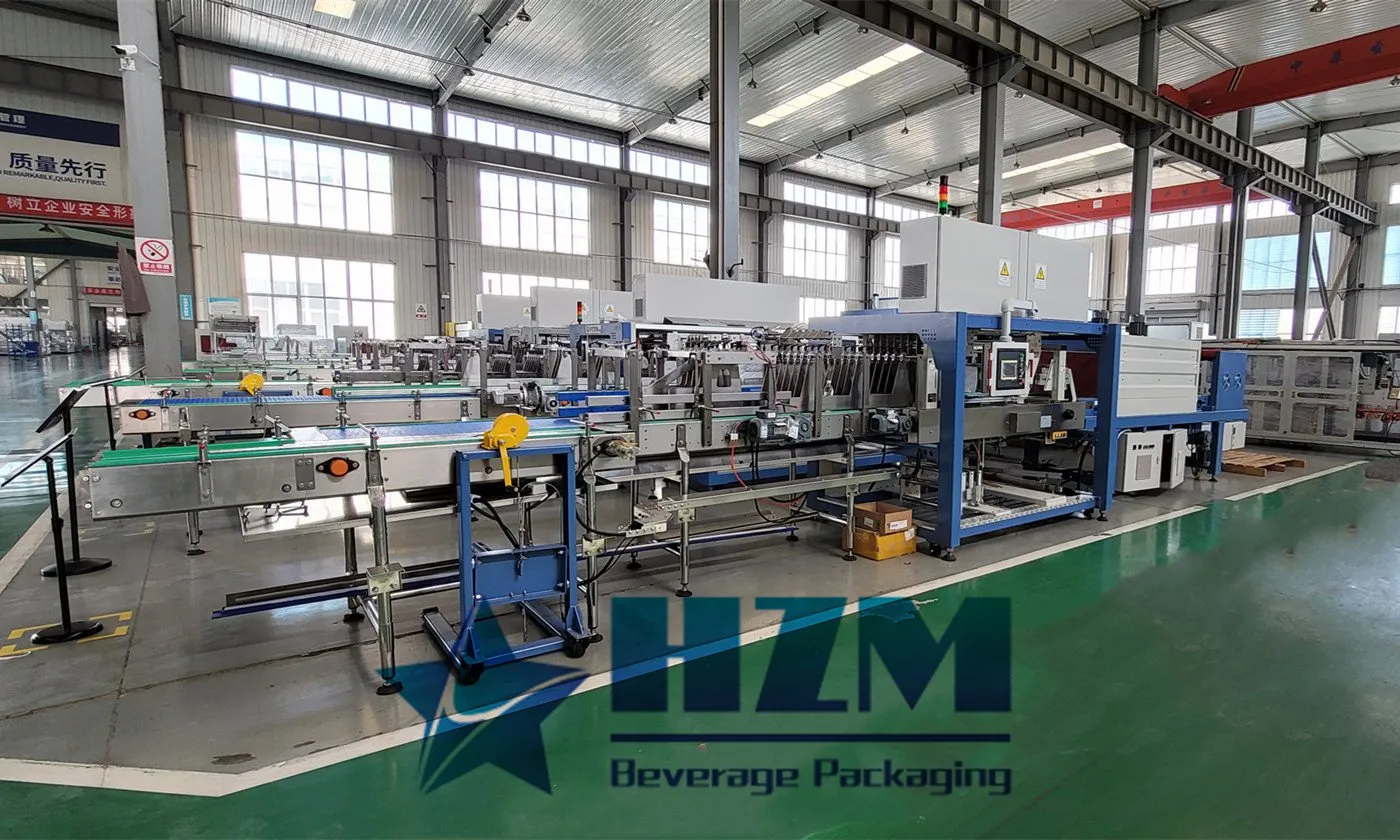
Equipment
Automatic Beverage Packaging Machines – Juice, Soda & Soft Drinks
HZM beverage packaging equipment connects juice, soda and soft drink filling with labelling, coding and secondary packaging.
Learn more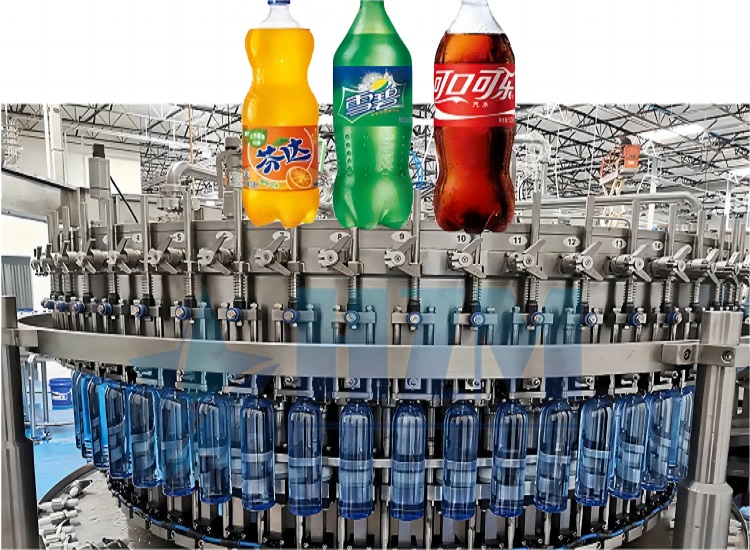
2023-08-18
carbonated beverage production equipment solutions
Carbonated beverage production equipment is commonly utilized for the production of carbonated sweetened drinks, commonly known as carbonated beverages or carbonated drinks.
Learn more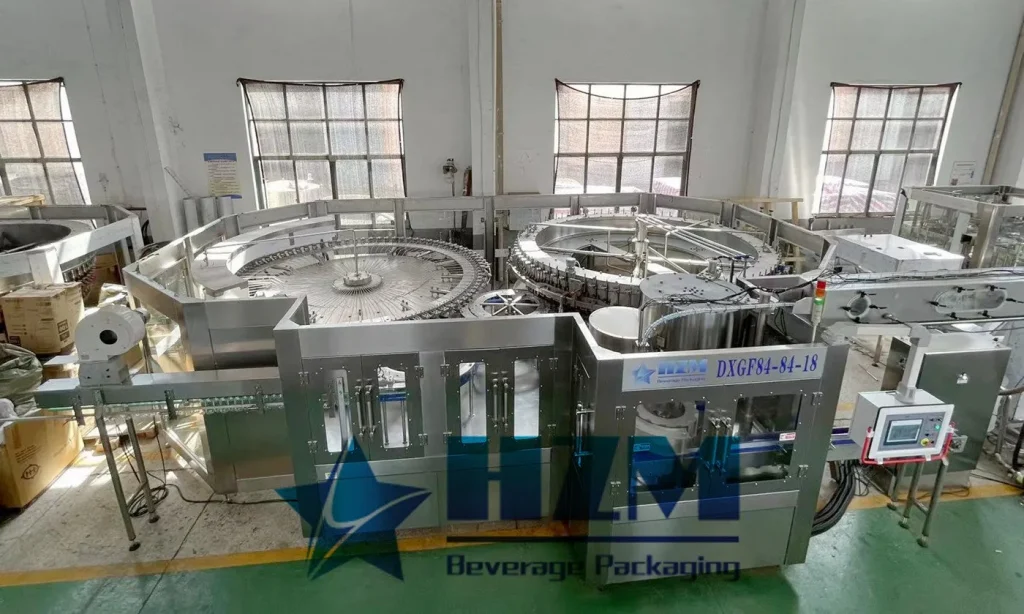
2023-09-25
what is carbonated beverage filling machine
A carbonated beverage filling machine is a kind of equipment used for filling carbonated beverages into bottles or other containers. It is typically composed of a number of different components, including a carbon dioxide cylinder, a pressure reducer, a filling valve, a pressure sensor, and a cleaning system.
Learn more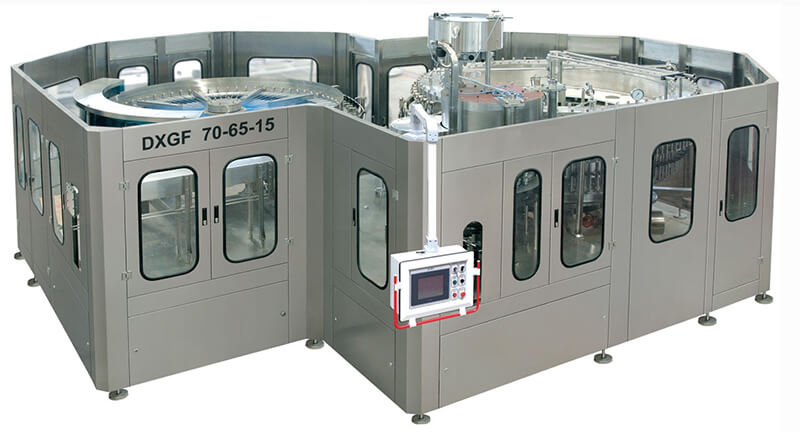
2023-02-19
Important Questions To Consider Before Purchasing Carbonated Filling Machine
When it comes to purchasing a carbonated beverage filling machine, making an informed decision is crucial for efficient production. With various options available in the market, considering specific questions can guide you towards selecting the most suitable machine for your needs.
Learn more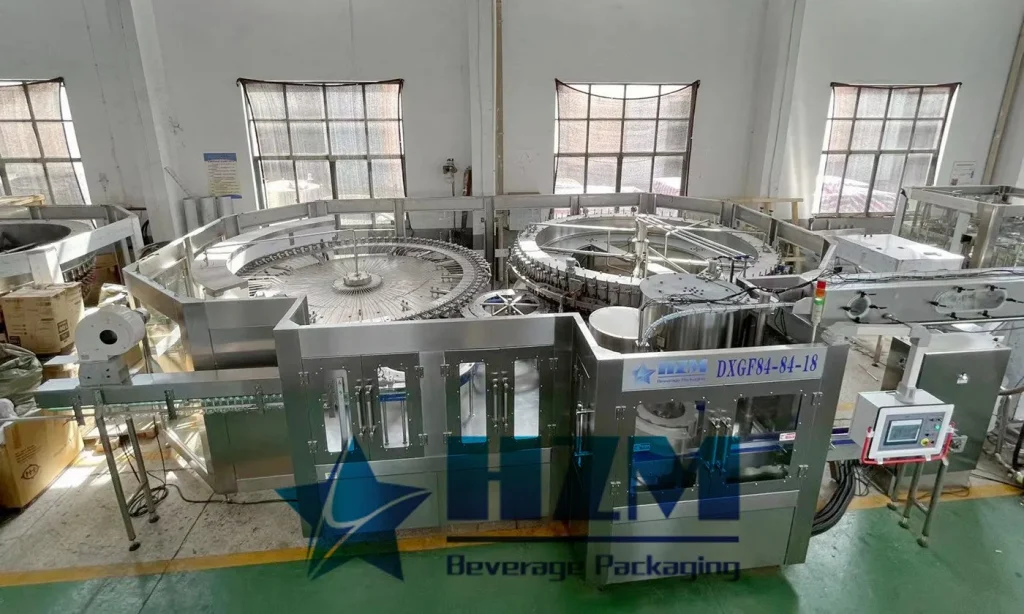
2023-07-18
Carbonated drinks Filling Machine: A Comprehensive Solution
Beverage filling machine is a specialized device used for filling carbonated beverages into bottles in an efficient and accurate manner. In this article, we will provide an introduction to carbonated beverage filling machines and their features, discuss the applicable industries and beverage types, present the bottle types suitable for these machines in tabular form, offer a specific solution for carbonated beverage filling machines, and highlight important considerations while using them.
Learn more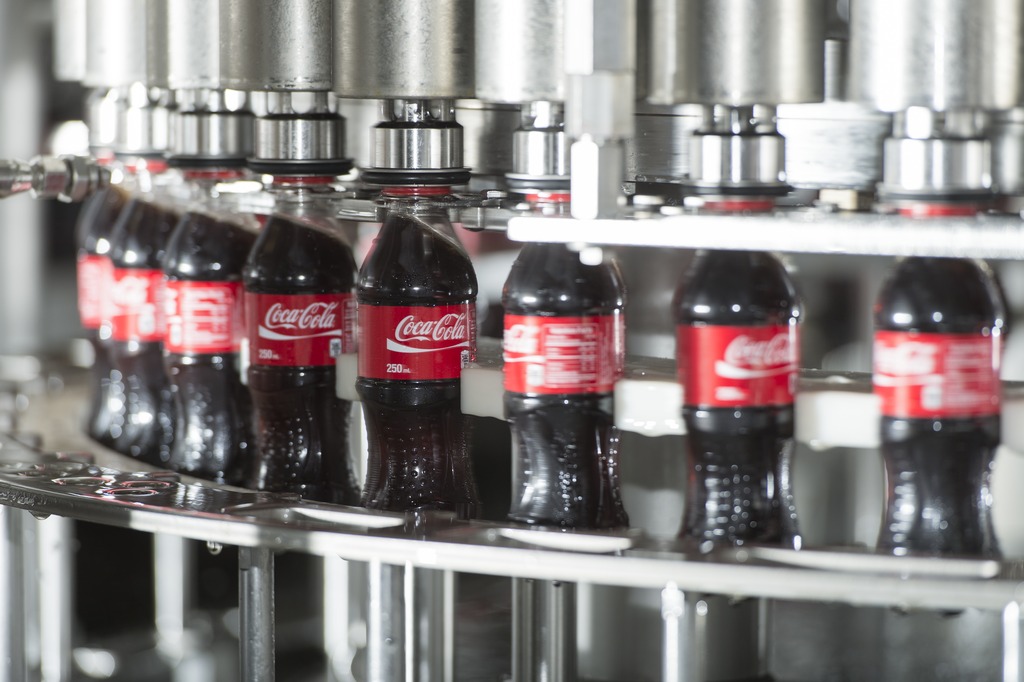
2023-04-22
Carbonated Beverage Filling Machine Solution
Carbonated beverage filling equipment is used for filling sweetened drinks containing carbon dioxide, commonly known as carbonated drinks or carbonated beverages. They typically consist of water
Learn more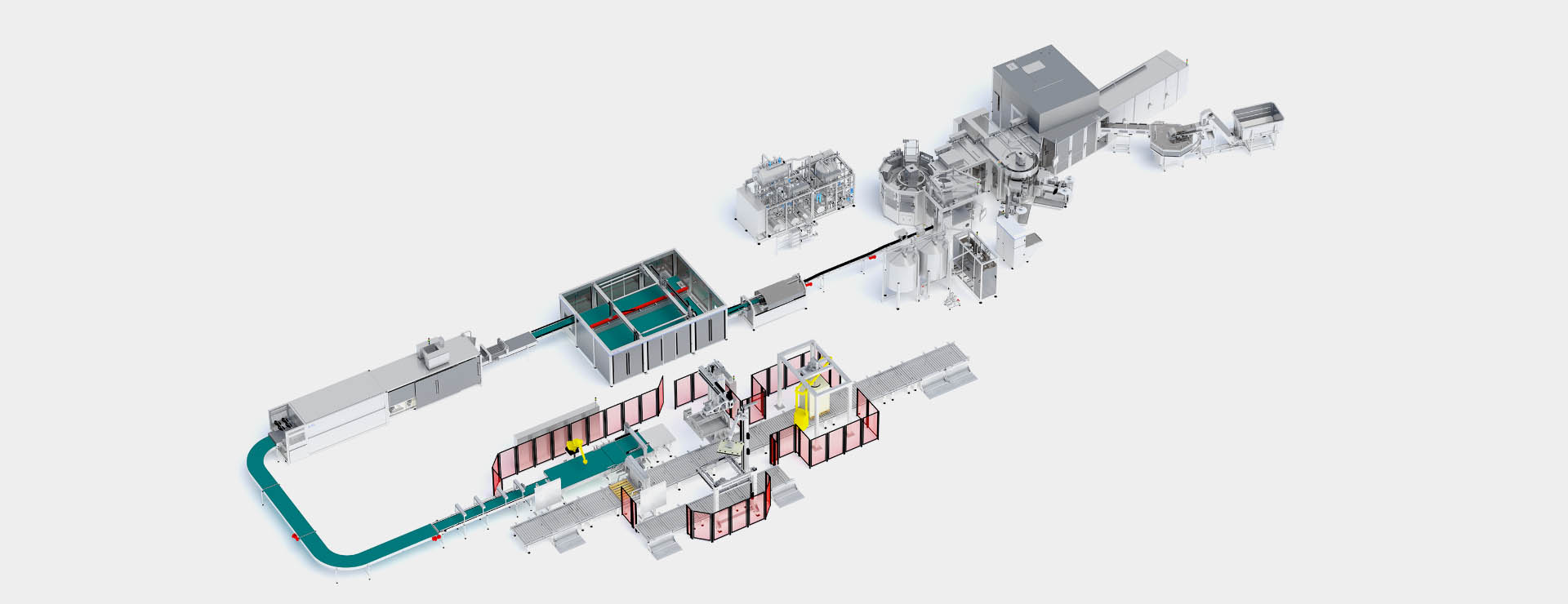
2023-10-19
Carbonated Beverage Packaging Machine Solutions
the specific configuration and capabilities of a carbonated beverage packaging machine solution will depend on production scale, packaging type, container size, and other specific requirements. In general, these machines should be carefully selected, configured, and maintained to ensure an efficient carbonated beverage packaging production process.
Learn more