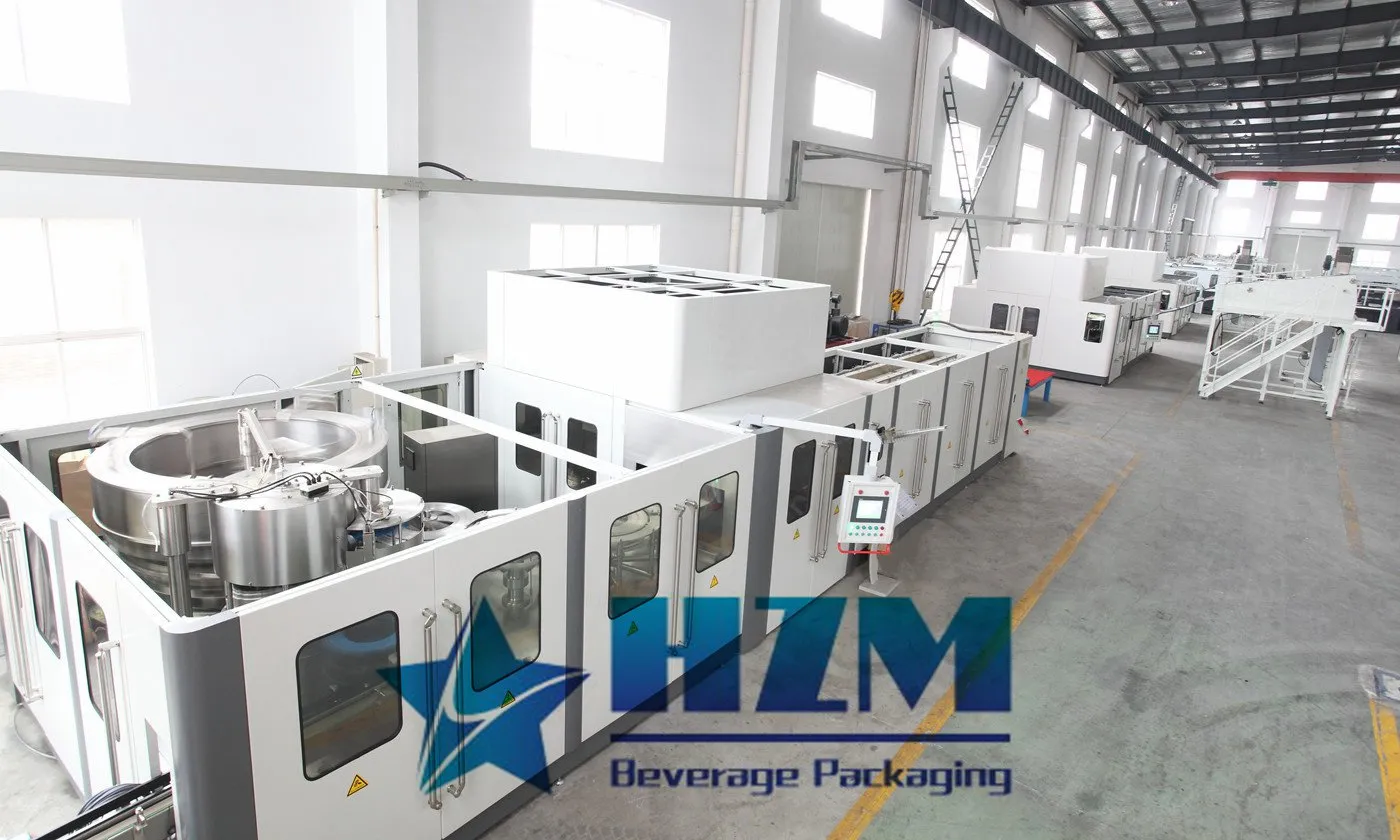
Equipment
Blowing-Filling-Capping Machine
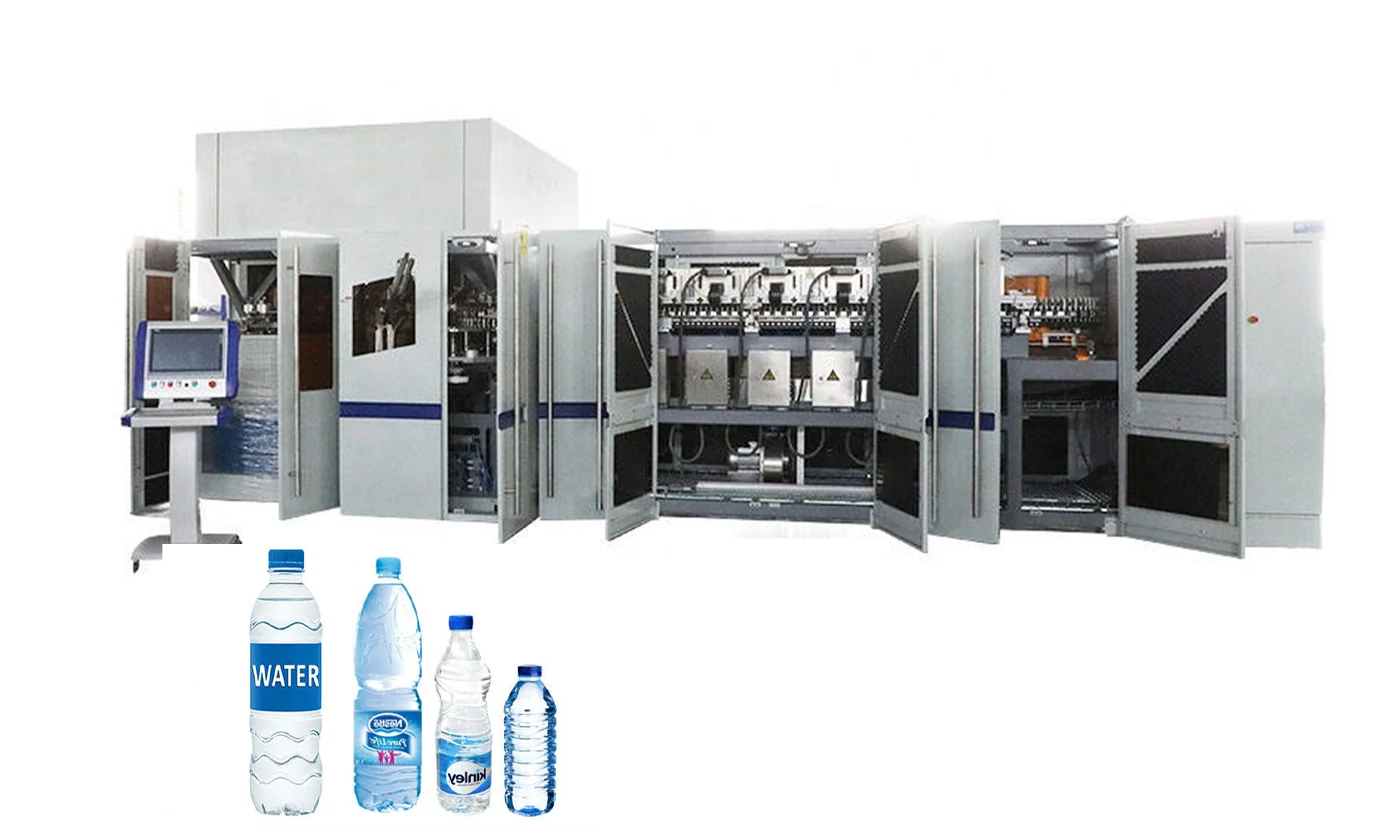
A PET combiblock that combines preform heating, bottle blowing, filling and capping at 12,000–48,000 bottles/hour at 500 ml.
Learn more
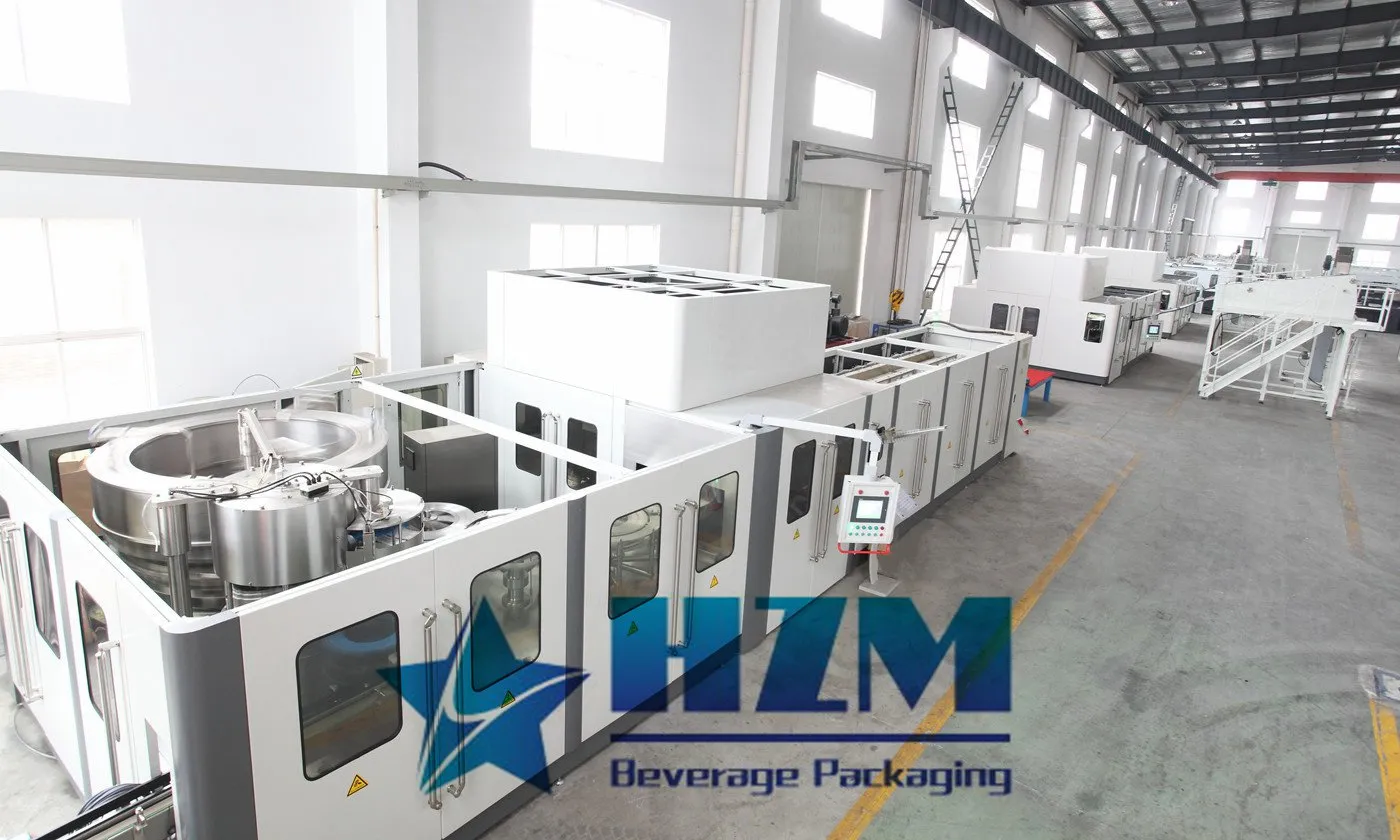
Tip: You can request pricing for individual machines or a complete production line solution.
A combiblock coordinates bottle production and liquid packaging in one system. HZM evaluates the blowing, filling and capping sections together with preform supply, utilities and downstream equipment. Still water, carbonated drinks and thermally processed beverages need application-specific filling and package configurations.
A blowing filling capping combiblock takes PET preforms through bottle formation, filling and closure application in one coordinated system. Its main purchasing advantage is the controlled connection between bottle making and filling: the newly formed bottle passes directly into the next operation instead of travelling through a separate empty-bottle storage and conveyor arrangement.
For a water or beverage producer, that integration must be considered alongside the production schedule. A combiblock suits a stable, well-defined package family and sustained demand. Frequent changes in bottle neck, beverage process or container material can make a separate blower and filler more practical.
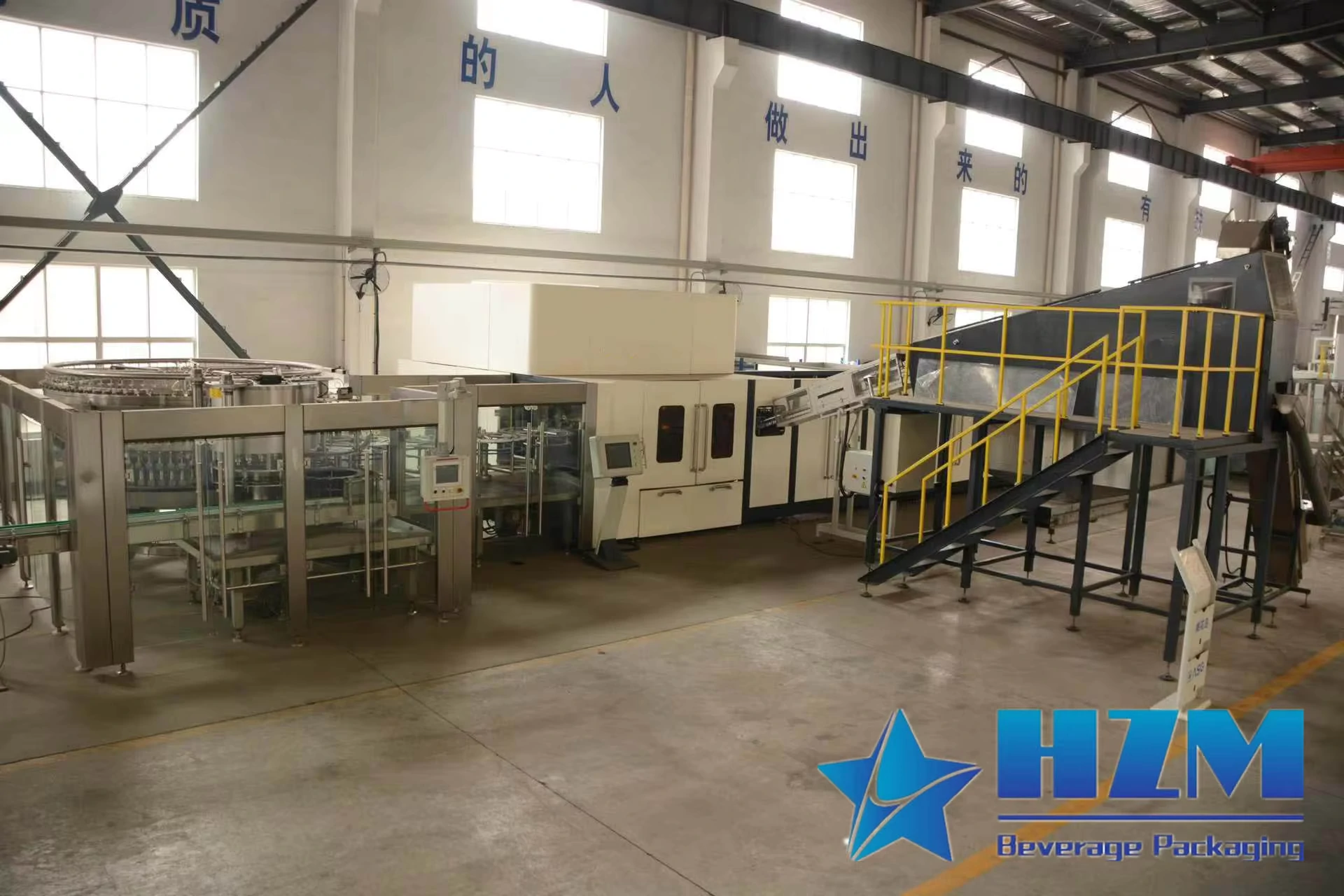
The HZM combiblock has a capacity range of 12,000–48,000 bottles/hour at 500 ml. Blowing cavities, filling heads and capping heads are matched to the required output and bottle format. Maximum bottle dimensions depend on the selected configuration.
| Parameter | Specification |
|---|---|
| Nominal capacity, based on 500 ml | 12,000–48,000 bottles/hour |
| Blowing mould cavities | 6–24 |
| Filling heads | 24–80 |
| Capping heads | 8–22 |
| Maximum bottle volume | 2,000 ml |
| Maximum bottle diameter / height | 110 mm / 340 mm |
| Maximum bottle mouth diameter | 38 mm |
| Maximum preform height | 135 mm |
The cavity count, filling-head count and capping-head count are selected together. Provide the bottle drawing and expected output for every format so the proposed combination can be checked. A high nominal rate on a 500 ml bottle should not be carried over to a larger container without a separate performance assessment.
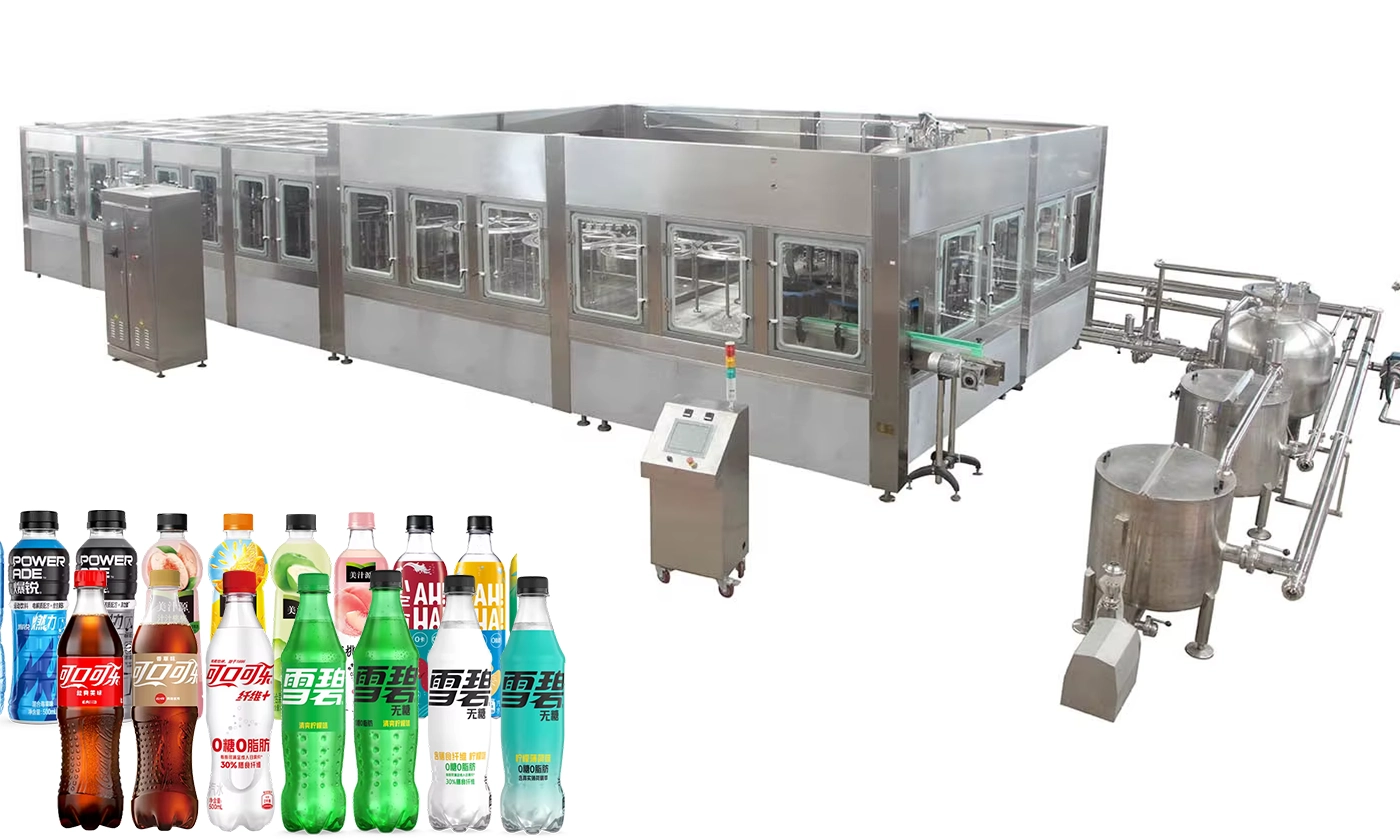
Still drinking water can be evaluated with the appropriate normal-pressure filling arrangement. Carbonated soft drinks require controlled pressure, gas management and a pressure-compatible package. Juice and tea may require a thermal process, compatible bottle construction and a different cleaning arrangement. A machine described as a beverage combiblock is not automatically an aseptic system.
HZM configures PET bottle blowing, filling and capping equipment for the beverage formulation, carbonation level, filling temperature and preservation process. Bottle and preform trials confirm forming quality and reliable transfer through the integrated system.
Direct transfer reduces the need for a separate empty-bottle conveyor between blowing and filling. It also couples the operations: a stop in one section can interrupt the others. Evaluate how the system handles a cap shortage, rejected preform, bottle-transfer fault or downstream blockage, and how operators recover production without accumulating out-of-condition material.
Maintenance access needs particular attention. The approved layout should leave space for mould handling, heating-section service, valve maintenance and capping-head work. The compact production path should not force technicians to remove unrelated equipment to reach a routine service item.
Request the high-pressure air demand, lower-pressure control-air demand, cooling duty and electrical load for the selected bottle and operating rate. These are separate from filler water or beverage demand. Compressor performance must be evaluated at the required delivery pressure with the intended air treatment installed.
After capping, the line still requires suitable inspection, labelling, coding and packing. Match these stages to the number of good bottles per hour and to the pack pattern. Avoid selecting a wrapper from its pack rate alone without converting that rate into the equivalent number of bottles.
Run the agreed preforms, closures and bottle design through the complete integrated sequence. Sample bottles by mould cavity, inspect material distribution and package dimensions, and test the agreed filling and closure criteria. Record rejected preforms and bottles separately from accepted output.
Include an agreed format change, a controlled stop and a restart. Demonstrate bottle-transfer reliability and the recovery procedure after a downstream interruption. A short demonstration of empty bottles moving through the system cannot establish filling performance for the intended beverage.
Only if the filling, controls, cleaning system and package range are engineered for both duties. State this requirement at the start; it should not be treated as a later recipe change.
Consider the separate arrangement when independent production, bottle storage, substantial format diversity or a phased investment is important. Compare the complete layout, staffing and operating schedule as well as the machine price.
Provide bottle and preform drawings, preform weight and material, closure details, beverage properties, required output by format, factory layout and utilities. The proposal can then define the approved bottle range, equipment combination and acceptance conditions.
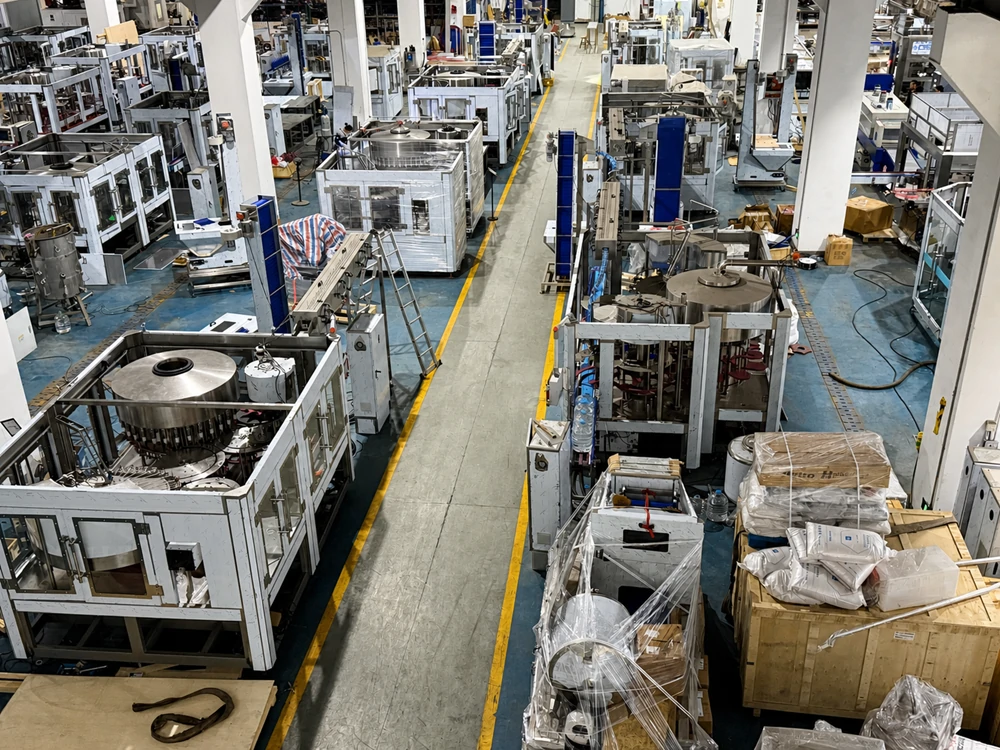
Talk to an engineer
Send your capacity, bottle specification and beverage type for a complete proposal.
Equipment
A PET combiblock that combines preform heating, bottle blowing, filling and capping at 12,000–48,000 bottles/hour at 500 ml.
Learn moreEquipment
Automatic PET bottle blowing, filling and capping, with capacities of 12,000–48,000 bottles/hour at 500 ml and bottle volumes up to 2 L.
Learn moreEquipment
HZM monoblock machines combine bottle rinsing, filling and capping in a continuous operation.
Learn moreEquipment
The monoblock filling machine brings bottle rinsing, filling and capping together in one continuous operation.
Learn moreEquipment
3-in-1 PET water bottle rinsing, filling and capping at 20,000 bottles/hour for 500 ml bottles with PCO3025 necks.
Learn moreEquipment
RSXGF12-12-5(110Π) automatic rinsing, filling and capping for 10 L water bottles at 1,100–1,200 bottles/hour.
Learn moreEquipment
The 2-in-1 monoblock fills and caps bottles of edible cooking oil in a continuous operation.
Learn moreEquipment
Large-bottle water rinsing, filling and capping with design outputs of 1,500 bottles/hour at 5 L, 1,000 at 7 L and 700 at 10 L.
Learn moreEquipment
Automatic rinsing, filling and capping for purified and mineral water in PET bottles, with capacities of 5,000–42,000 bottles/hour at 500 ml.
Learn moreSolution & application
 Complete production line
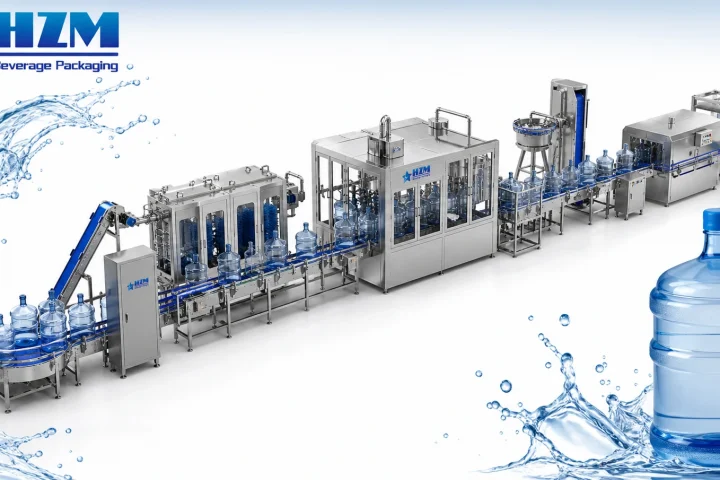
3-5 Gallon Water Production Line
Explore solution →
Complete production line
3-5 Gallon Water Production Line
Explore solution →
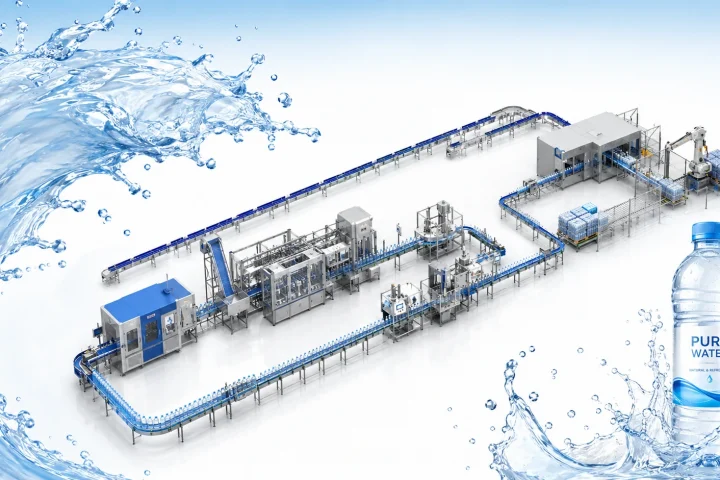 Complete production line
Bottled Water Production Line
Explore solution →
Complete production line
Bottled Water Production Line
Explore solution →
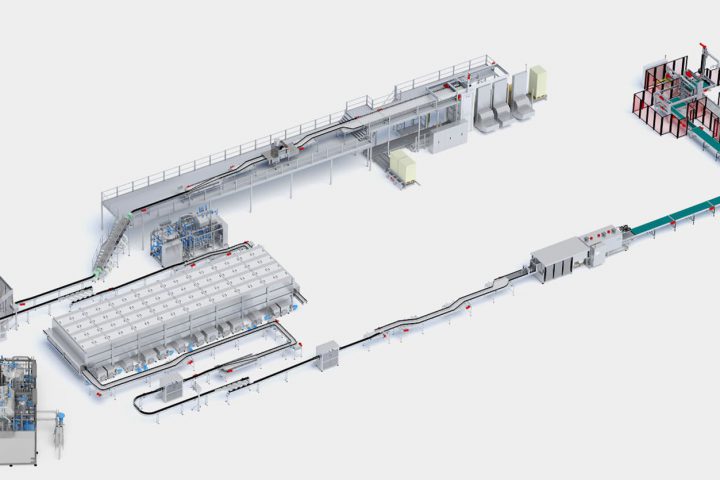 Complete production line
Cans Filling Production Line
Explore solution →
Complete production line
Cans Filling Production Line
Explore solution →
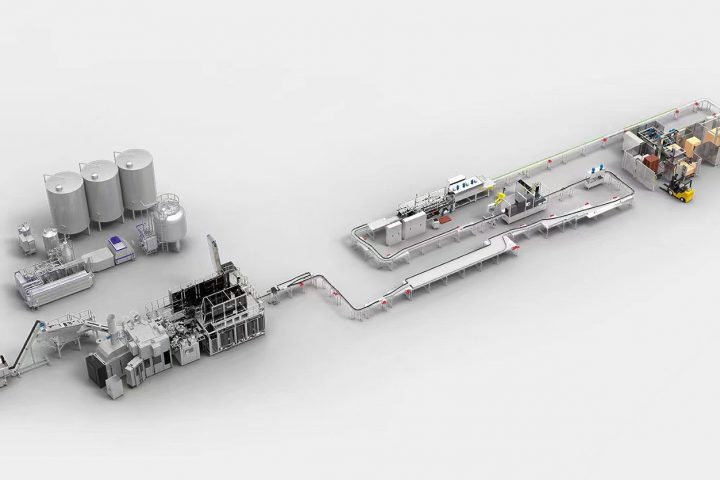 Complete production line
CSD Filling Production Line
Explore solution →
Complete production line
CSD Filling Production Line
Explore solution →
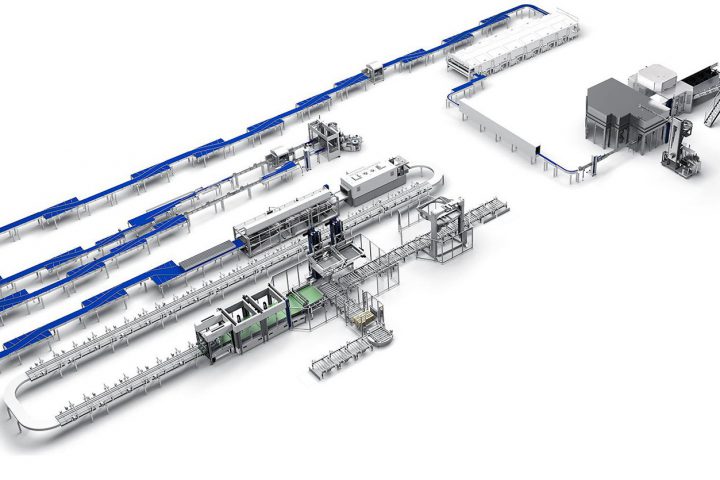 Complete production line
Juice Filling Production Line
Explore solution →
Complete production line
Juice Filling Production Line
Explore solution →
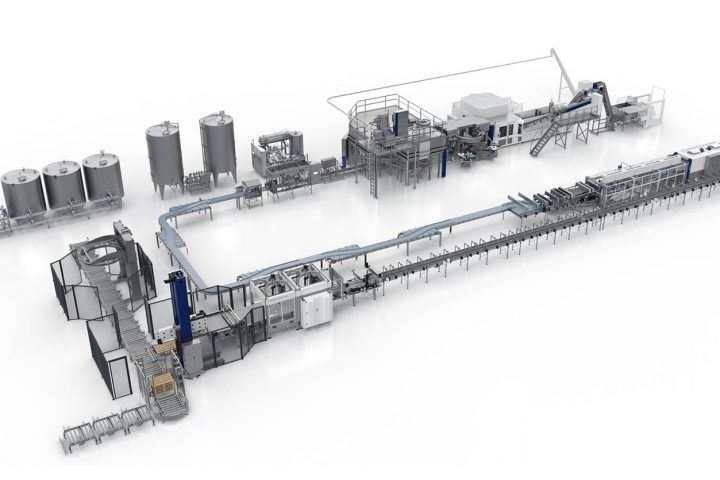 Complete production line
Water Filling Production Line
Explore solution →
Complete production line
Water Filling Production Line
Explore solution →
Build your production line
Tell us your beverage, container, capacity and target market. Our engineering team will prepare a practical line proposal.