Equipment
Automatic Cooking Oil Filling Machine
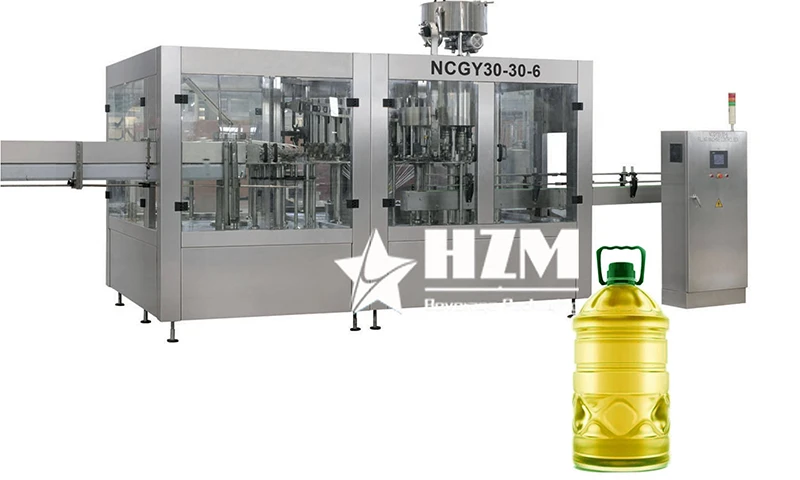
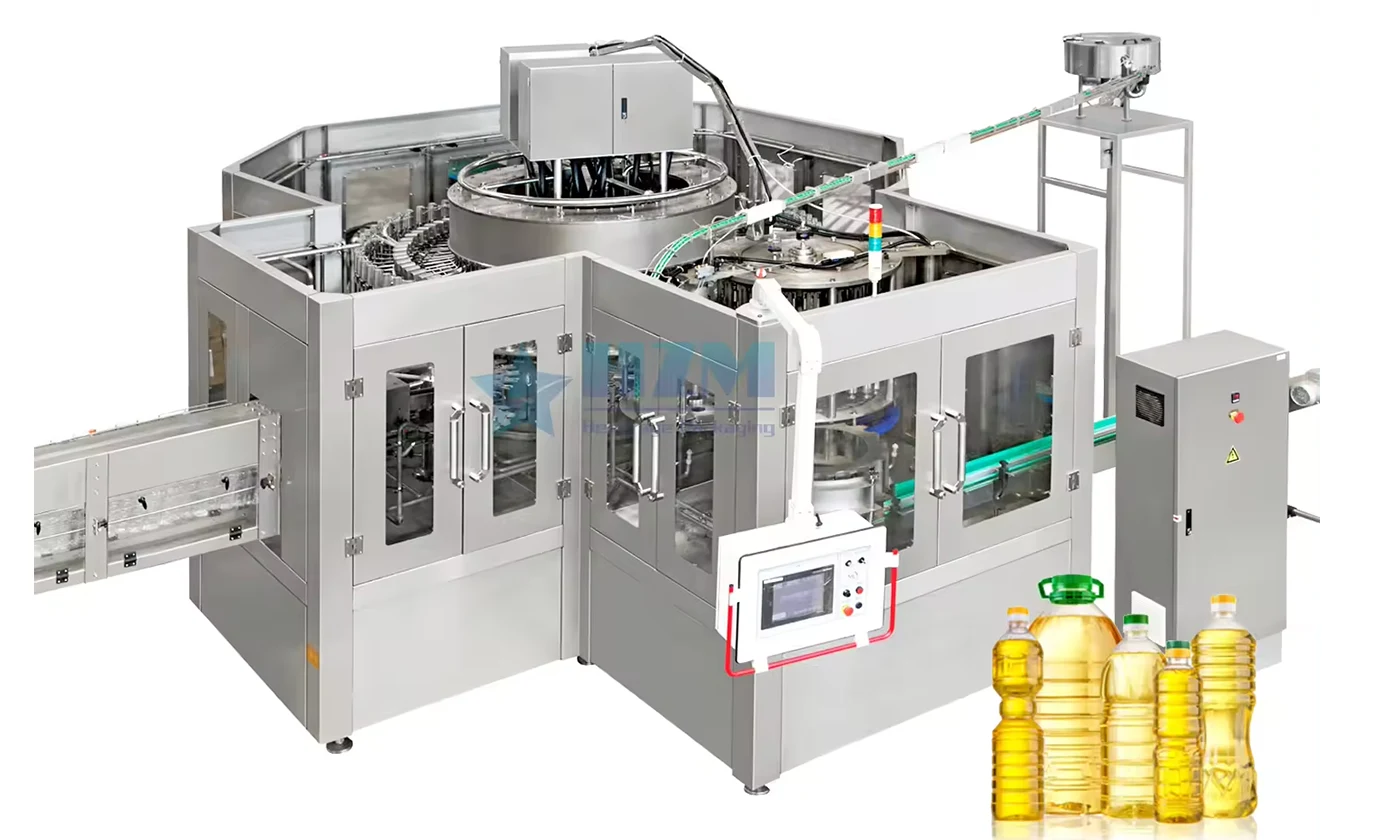
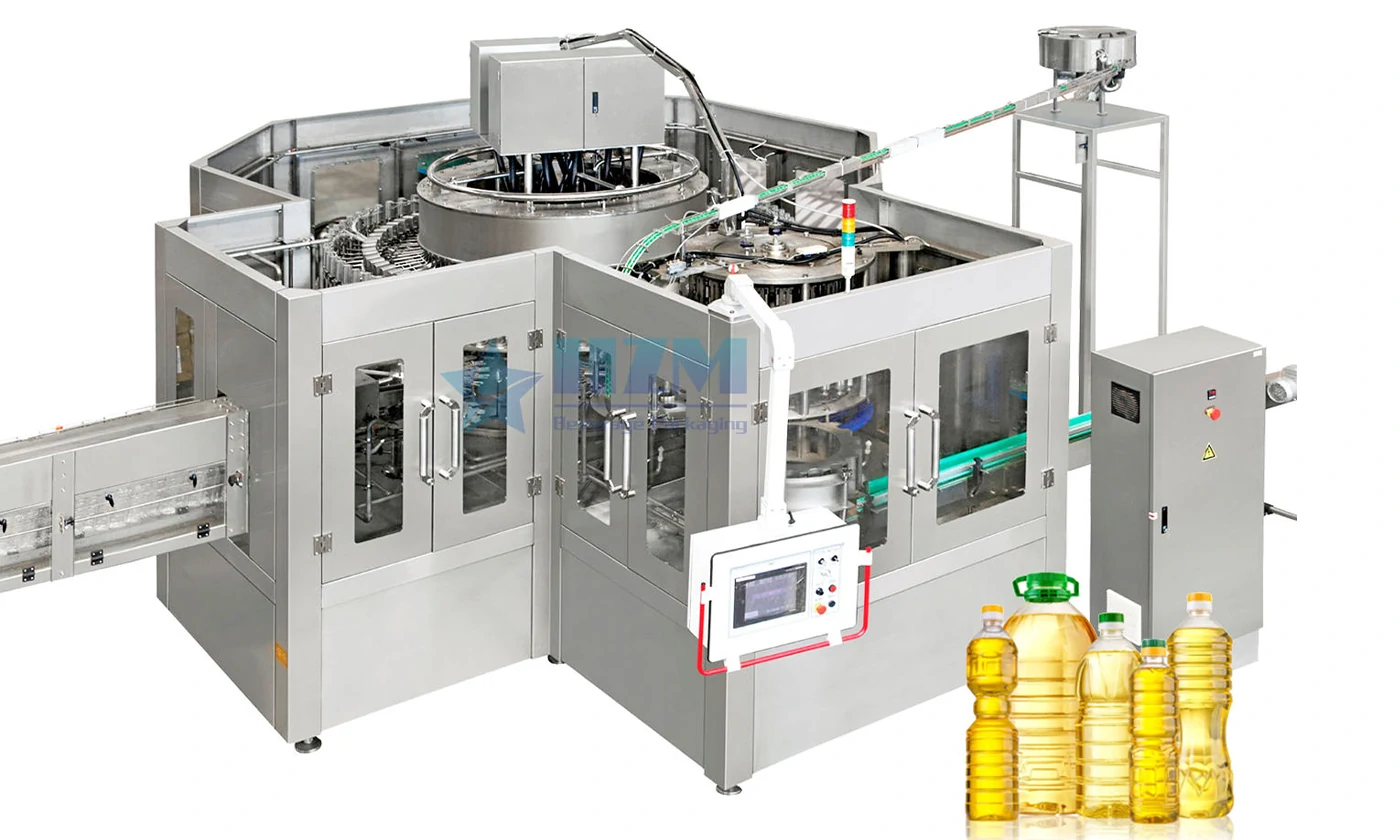
The automatic cooking oil filling machine fills and caps bottles of edible oil.
Learn more
Tip: You can request pricing for individual machines or a complete production line solution.
HZM evaluates the oil, bottle and quantity-control requirement before selecting a filling method. A cooking oil bottling line can connect filling and capping with inspection, labelling, coding and packing. The specification includes the actual oil temperature range, drip-control requirement and cleaning method.
An automatic edible oil filling machine should control the amount of oil in each bottle while keeping bottle necks, closures and the packing area clean. HZM evaluates the oil, container and production schedule to select a filling and capping arrangement, then coordinates labelling and packing where a complete cooking oil bottling line is required.
This equipment application covers liquid edible oils such as cooking, sunflower, soybean, corn and olive oil, subject to product review. Viscosity and temperature matter: a liquid that flows readily during a warm trial may fill more slowly in a cooler plant. State the expected operating range instead of describing the product only as “oil.”
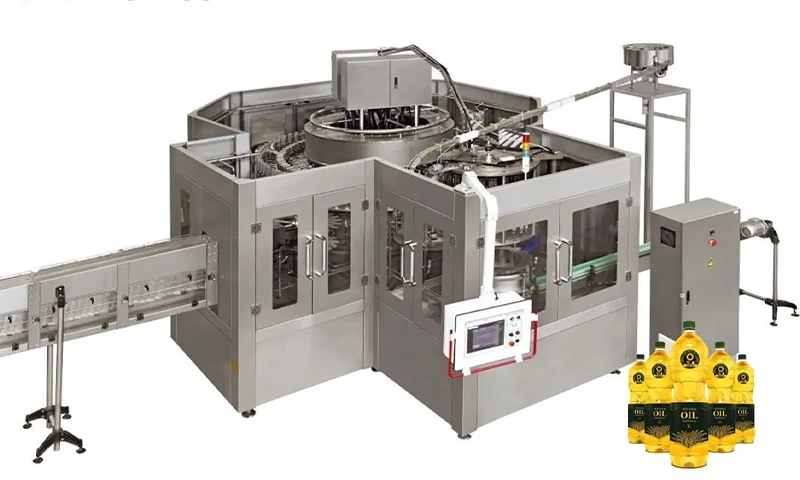
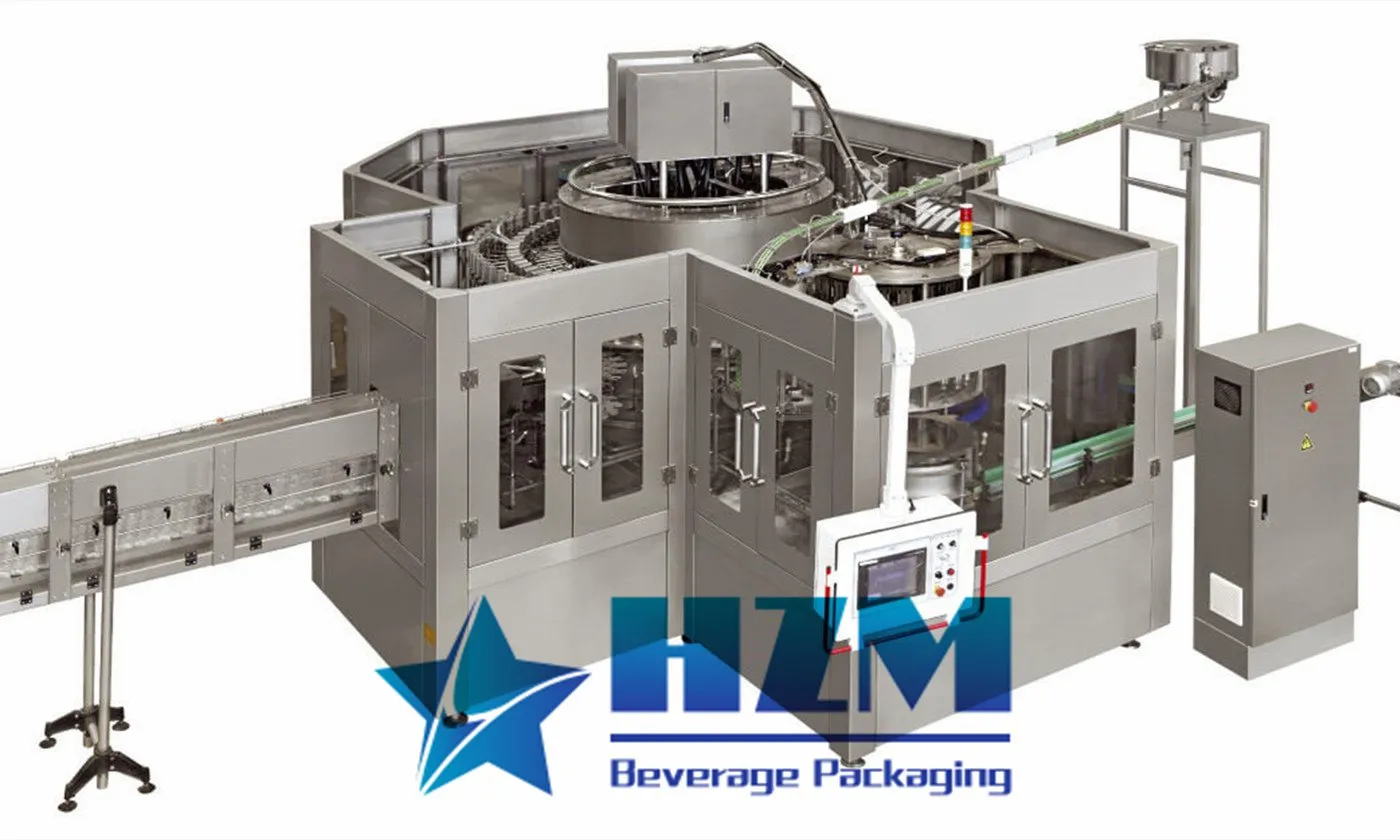
The GYH edible oil filling machine combines rotary filling and capping. Capacities below are based on 500 ml bottles. Output for larger containers depends on fill volume, oil viscosity, temperature and bottle handling.
| Model | Filling heads | Capping heads | Capacity at 500 ml (bottles/hour) | Dimensions, L × W × H |
|---|---|---|---|---|
| GYH12/5 | 12 | 5 | 3,500 | 1,980 × 1,760 × 2,700 mm |
| GYH20/5 | 20 | 5 | 6,000 | 2,200 × 2,700 × 2,700 mm |
| GYH32/6 | 32 | 6 | 10,000 | 2,950 × 3,000 × 2,700 mm |
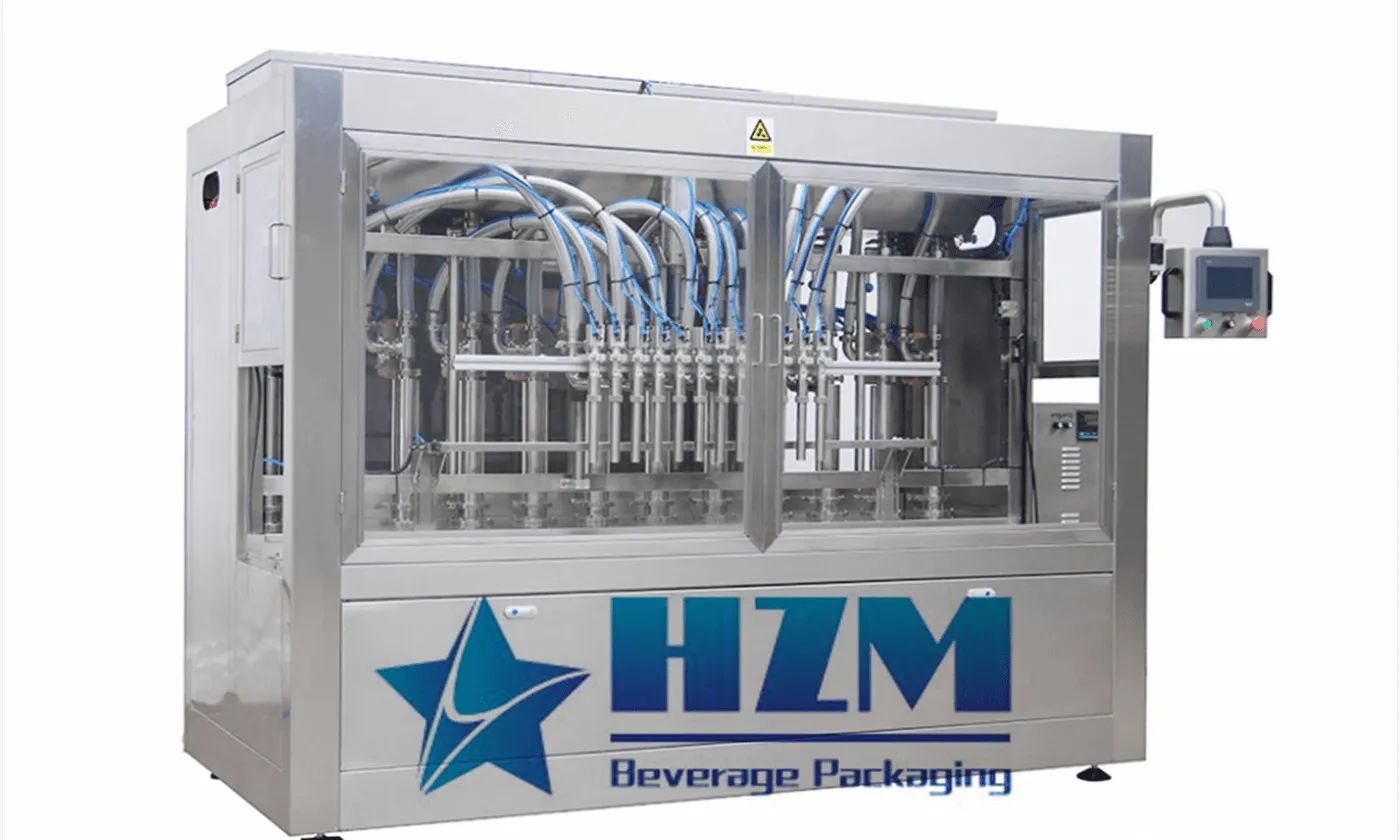
Machine dimensions exclude the space required for the rest of the bottling line. Bottle feeding, cap supply, access, conveyors and packing equipment need additional space. HZM’s Linear Type Oil Filling Machine provides a different layout option for projects where bottle variety or filling strategy favours a linear arrangement.
Flowmeter, weighing and volumetric approaches each need to be evaluated against oil properties and the acceptance requirement. Specify whether the declared pack quantity is controlled by mass or volume, the operating temperature and the required test method. The quotation identifies the metering method and its operating conditions.
For volume-based control, temperature-related density changes matter when weight is used to check a sample. For weighing, the tare and stability of the bottle need attention. A claim of filling accuracy is meaningful only when its basis, target quantity, measurement method and operating conditions are stated.
Oil on a bottle neck can affect closure application, while oil on the outside of the bottle can interfere with labels and create housekeeping problems. Review nozzle shut-off, product supply stability, bottle position and the movement of the nozzle or bottle through the filling sequence.
Test the actual oil at both normal running and after a stop. Observe whether residual oil drips as bottles leave, whether the stream creates foam or entrained air, and whether the neck remains clean for capping. Specify the required drip-control arrangement in the offer and verify it during acceptance.
Round, square and handled containers behave differently on conveyors and transfer wheels. Provide full container drawings, including the base and neck, and identify the lightest bottle. The handling system must position the opening consistently without distorting the container.
Closures may include screw caps, tamper-evident features and other components that need their own feeding or application equipment. If an induction seal or a separate insert is required, state it as a defined line stage. A capping machine alone does not imply that every closure accessory is included.
Product-contact parts are available in SUS304 or SUS316 stainless steel. Confirm the selected grade, seals and cleaning method against the oil and cleaning chemicals. The design should provide access to the product circuit and a defined way to remove residual product when changing oils.
Do not copy a water-bottle rinsing arrangement into an edible-oil project without review. Bottle preparation must be selected for the package and product, including control of residual moisture. For different oils or formulations, the plant should define carryover limits and the method used to verify a successful changeover.
A cooking oil bottling and packing line can include bottle supply, filling, capping, inspection, labelling, coding, case or shrink packing and pallet handling. Select each stage from the filled-bottle weight, container stiffness and pack pattern. A large handled bottle may make case loading or manual palletising the practical constraint even when the filler is capable of a higher rate.
The automatic carton packing range can be reviewed for the required case design. Establish the filled-case weight and stacking arrangement before approving the packer and palletising interface.
Agree a trial using the oil, containers and closures intended for production. Check net quantity with the approved method, cap application, leakage, bottle cleanliness and finished-pack stability. Count good bottles over the test period and record rejected or reworked packs separately. Include a controlled stop/restart and a representative bottle change.
Not without a detailed suitability review. Oil flow, metering, cleaning and drip control differ from still-water filling. Select the machine from the oil specification and required quantity control.
No. Filling time, package handling and closure operations must be assessed for the larger bottle. Request a confirmed output for each container size in the production schedule.
Send the oil type and temperature range, bottle and cap drawings, target quantities, output per format, quantity-acceptance criteria, cleaning requirements and site layout. HZM can then propose the filling method, handling parts and packing equipment for the actual duty.
Talk to an engineer
Send your capacity, bottle specification and beverage type for a complete proposal.
Equipment
The automatic cooking oil filling machine fills and caps bottles of edible oil.
Learn moreEquipment
Rotary edible oil filling and capping with GYH models from 3,500 to 10,000 bottles/hour at 500 ml.
Learn moreEquipment
The 2-in-1 monoblock fills and caps bottles of edible cooking oil in a continuous operation.
Learn moreEquipment
The PET bottle edible oil bottling line combines rotary oil filling and capping with bottle conveying and downstream packaging.
Learn moreEquipment
The linear oil filling machine fills bottled edible oils and compatible liquid food products.
Learn moreEquipment
Olive oil bottle filling and capping with GYH models from 3,500 to 10,000 bottles/hour at 500 ml.
Learn moreEquipment
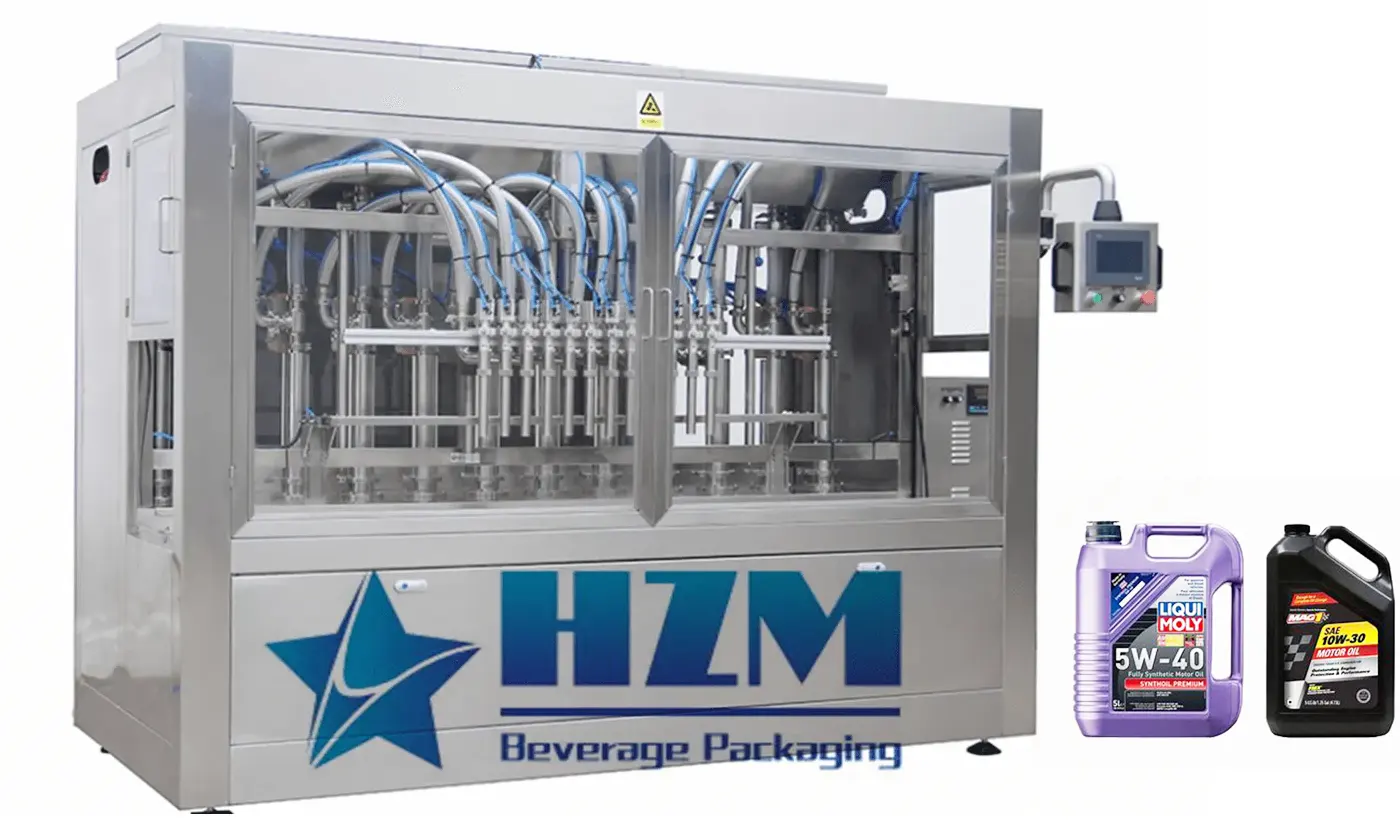
This automotive lubricating-oil filling machine doses oil into bottles and containers on a linear filling line.
Learn moreEquipment
PET-bottled drinking-water production with automatic rinsing, filling and capping, plus water treatment and packaging equipment.
Learn moreEquipment
PET bottle blowing, filling and capping for water and beverages, with capacities of 12,000–48,000 bottles/hour at 500 ml.
Learn moreSolution & application
 Complete production line
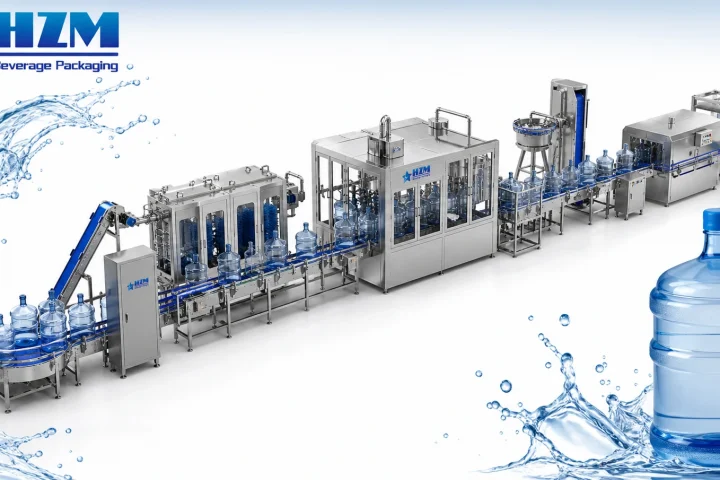
3-5 Gallon Water Production Line
Explore solution →
Complete production line
3-5 Gallon Water Production Line
Explore solution →
 Complete production line
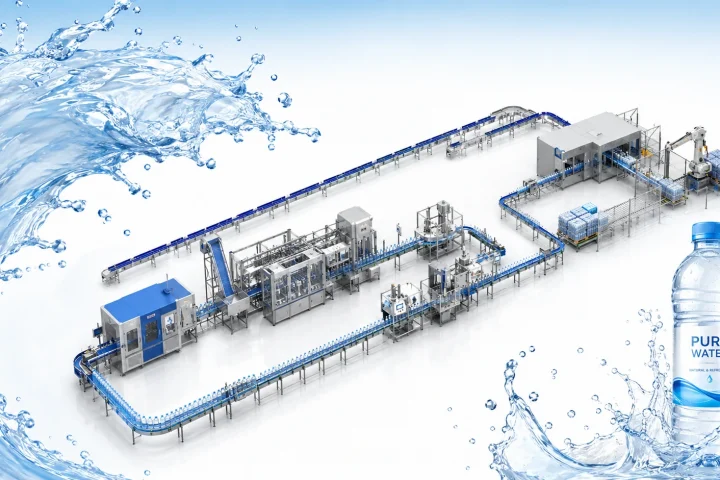
Bottled Water Production Line
Explore solution →
Complete production line
Bottled Water Production Line
Explore solution →
 Complete production line
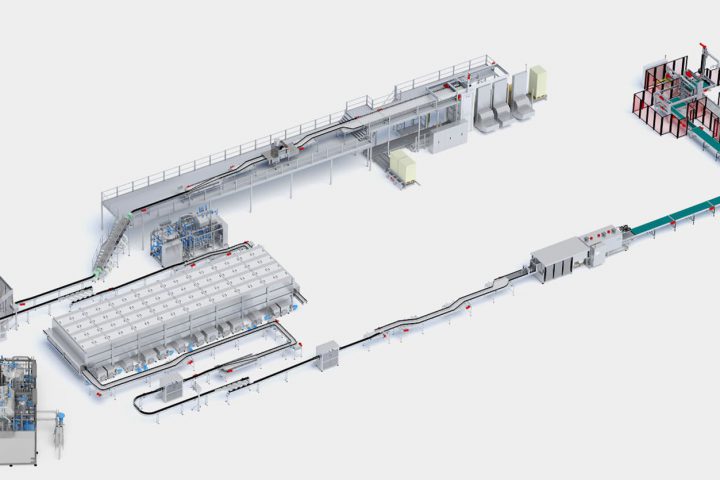
Cans Filling Production Line
Explore solution →
Complete production line
Cans Filling Production Line
Explore solution →
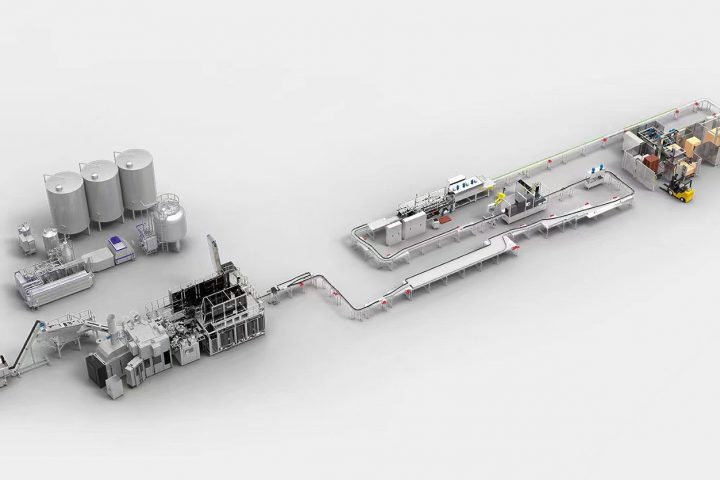 Complete production line
CSD Filling Production Line
Explore solution →
Complete production line
CSD Filling Production Line
Explore solution →
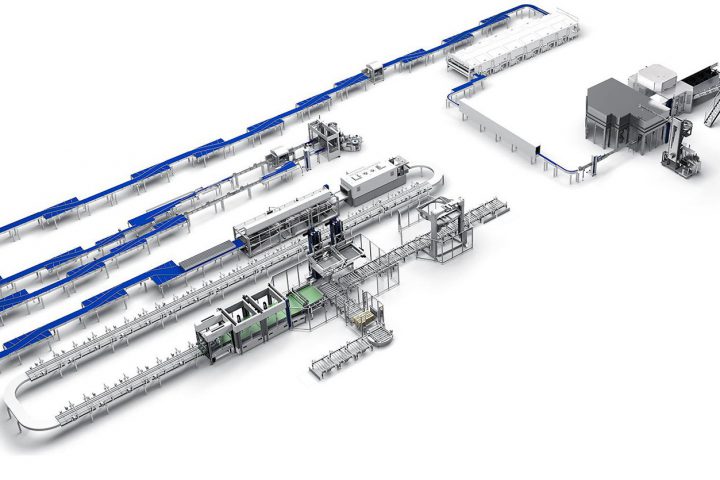 Complete production line
Juice Filling Production Line
Explore solution →
Complete production line
Juice Filling Production Line
Explore solution →
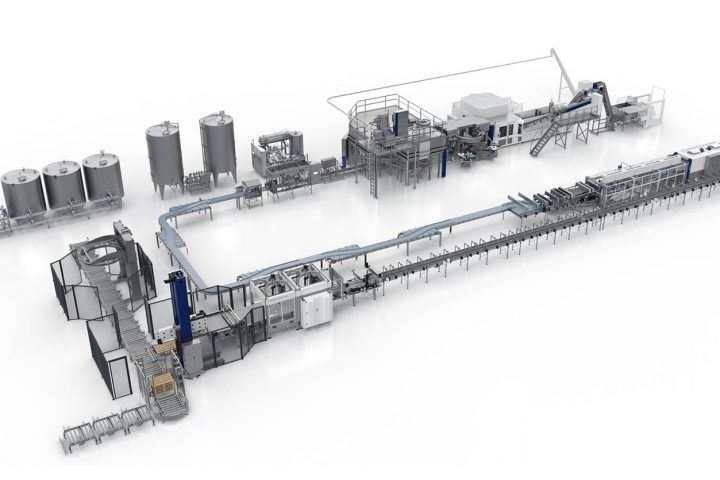 Complete production line
Water Filling Production Line
Explore solution →
Complete production line
Water Filling Production Line
Explore solution →
Build your production line
Tell us your beverage, container, capacity and target market. Our engineering team will prepare a practical line proposal.