
Insights & Updates
How to Choose an Industrial Filling Machine Supplier
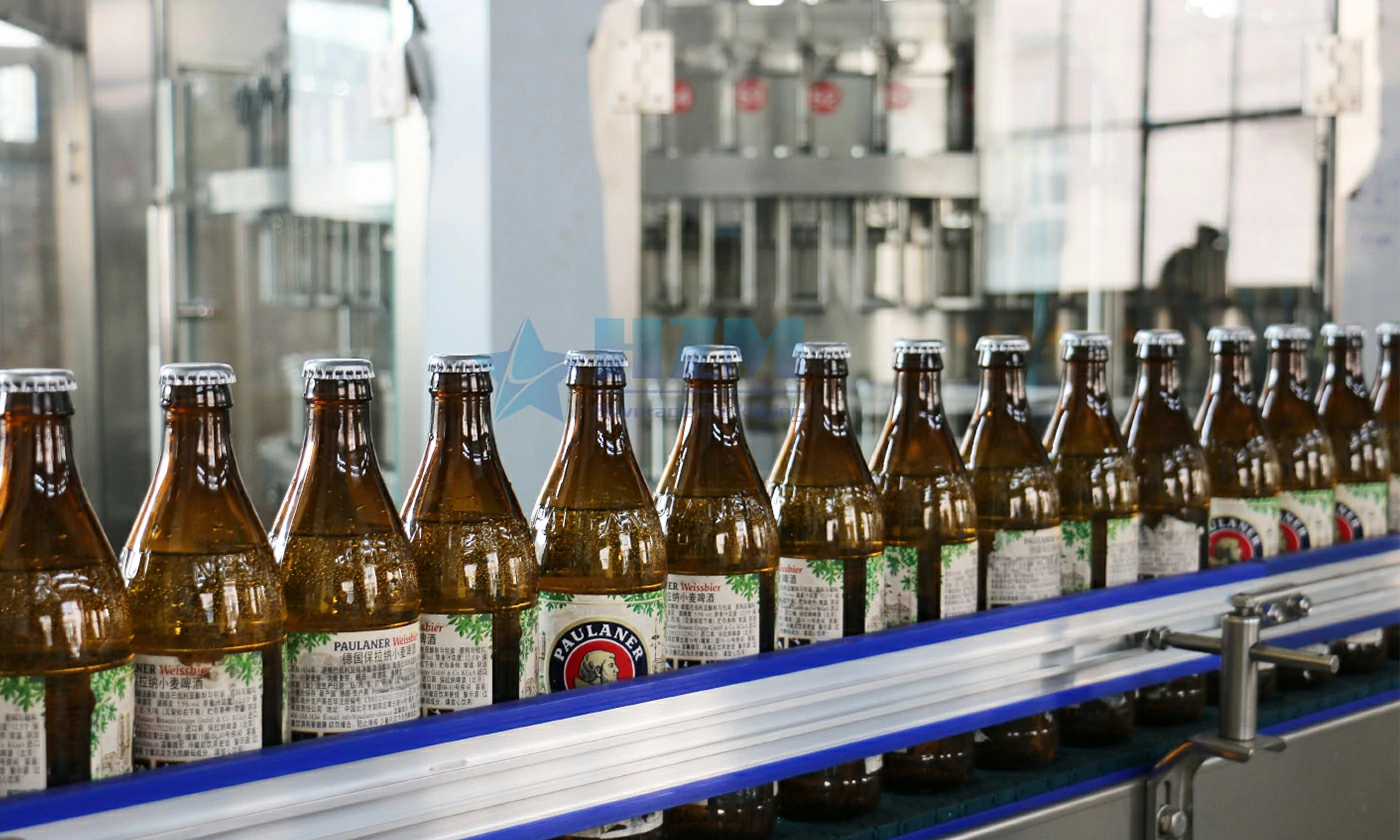
The best industrial filling machine supplier is not necessarily the company with the lowest quotation or the highest advertised speed. It is the supplier that can turn your beverage, package, output and factory constraints into a testable equipment specification—and then support that equipment after installation.
A filling project affects product safety, packaging quality and years of operating cost. Comparing suppliers with the same structured checklist makes marketing claims easier to separate from engineering evidence.
1. Does the supplier understand the product?
A serious supplier asks about viscosity, temperature, carbonation, particles, foaming, product sensitivity and cleaning method. These properties determine the filling technology and product-contact design. A quotation based only on bottle volume and BPH is incomplete.
Where a thermal or aseptic process is involved, responsibilities for process validation must be clear. The machine supplier can provide equipment capability, but the product owner and qualified process specialists define the safe process for the actual formulation.
2. Can the machine handle the real package?
Provide controlled drawings and samples for bottles or cans, closures, labels and finished packs. Ask which formats are included, which need change parts and which lie outside the proposed range.
Production trials should use representative materials. A generic round PET bottle cannot prove performance for a lightweight custom bottle, a difficult closure or a foaming beverage.
3. Is the capacity claim defined?
Confirm whether quoted speed refers to the filler carousel, correctly filled and capped containers, or the complete packed line. Define product, bottle size, fill quantity and test duration. Exclude no stop from the calculation unless the acceptance protocol explicitly allows it.
Ask for the expected output of every important SKU. The largest bottle, longest label or most difficult pack may set the practical limit.
4. Is the complete project scope visible?
The proposal should show equipment boundaries, conveyors, utilities, controls, platforms, piping, installation work and customer-supplied items. A line layout helps reveal missing accumulation, poor maintenance access or conflicting material flow.
For a turnkey project, map water treatment, beverage processing, container supply, filling, closing, inspection, labeling, packing and palletizing. “Complete line” should be an equipment list, not a slogan.
5. How is hygiene designed and verified?
Review product-contact materials, surface condition, drainage, seals, connections and cleaning access. Identify which circuits use CIP and which parts require manual cleaning. The supplier should describe cleaning sequences and operating limits without making unsupported claims that one design automatically satisfies every market’s rules.
6. Are changeovers practical?
Request a format matrix with parts, adjustments, tools and expected time. Recipe storage is useful, but it does not replace mechanical conversion and verification. A representative changeover during factory testing gives better evidence than an estimate.
7. What controls and components are used?
Ask for the proposed electrical, pneumatic, drive and instrumentation list. Consider local availability, technician familiarity and replacement lead time. A well-known component brand does not by itself prove line quality; panel design, program structure, guarding and diagnostics also matter.
The HMI should present actionable alarms and protect critical parameters through appropriate access levels. Require backups of approved programs and electrical documentation.
8. What will happen during FAT and SAT?
The factory acceptance test (FAT) should define materials, test duration, output, quality checks, changeover demonstrations, safety checks and required documents. Record open issues and retest significant corrections.
The site acceptance test (SAT) confirms installed performance with site utilities and trained operators. Agree in advance how problems caused by utilities, packaging materials or equipment will be separated and resolved.
9. What documentation is included?
- Operating, cleaning and preventive-maintenance manuals.
- Electrical drawings, pneumatic diagrams and equipment layout.
- Change-part list and format settings.
- Recommended spare and wear parts with identification.
- Certificates and material records required by the agreed contract.
- FAT results, calibration information and training records.
Confirm language, format and delivery date. Documentation supplied months after startup cannot support commissioning.
10. Is after-sales support specific?
Replace promises such as “best service” with response channels, working hours, remote-diagnostic method, technician availability, travel terms and spare-part lead times. Clarify which support is included and which is charged.
Ask who will manage the project from drawing approval through commissioning. A named technical contact reduces information loss between sales, engineering and service.
11. Does the supplier manage changes?
Bottle, recipe and layout changes after order can affect cost and delivery. The supplier should use a documented change process showing technical impact, price, schedule and approval. Informal messages are a poor substitute for controlled specifications.
12. Compare total risk and total cost
Include installation, utilities, freight, commissioning, spares, training, cleaning time, product giveaway, energy and expected downtime. A lower machine price may create a higher project cost if interfaces or services are omitted.
Red flags during supplier selection
- Guaranteed performance without receiving product and package details.
- Unclear exclusions or major items described only as “optional.”
- No agreed acceptance method before the deposit.
- Claims of zero waste, zero maintenance or universal product suitability.
- Pressure to approve drawings without a complete technical review.
- No clear path for spare parts, software backup or service escalation.
Build a better request for quotation
Send the beverage specification, container and closure drawings, output by SKU, cleaning method, final pack, utilities, factory layout and target schedule. Ask every shortlisted supplier to respond to the same requirement table.
HZM supplies industrial filling machines and complete beverage filling lines. The strongest way to evaluate HZM—or any supplier—is through a clear specification, a production-representative trial and documented acceptance results. That process protects both buyer and supplier and creates a more reliable project.
Talk to our engineering team
Need help planning your packaging line?
Share your product, bottle and capacity requirements for a practical equipment recommendation.