
Chemical Dosing Pump Loses Prime: Causes and Repair Steps
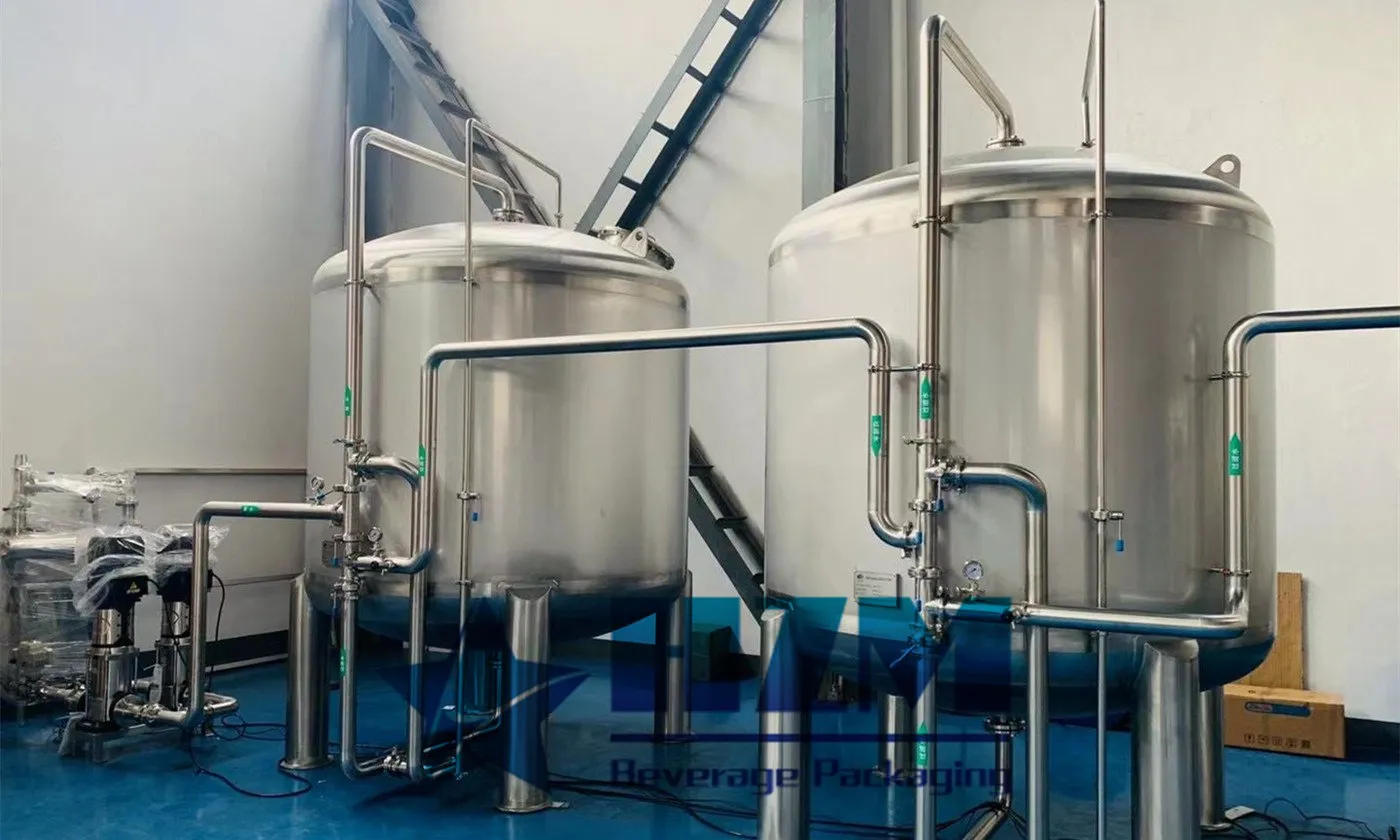
A water-treatment dosing pump repeatedly losing prime can turn a stable production run into a cycle of resets, rejects and unplanned adjustment. The useful evidence is in the pattern: which station, product, format, speed and time window changed first.
Water-treatment performance must be evaluated with normalized operating data. Raw-water changes, temperature, recovery, pressure, flow and conductivity interact; a single gauge reading is not enough to identify membrane damage or fouling. In this case, pump strokes but chemical level does not fall is the key observation to preserve. Use the guide to rank likely causes and document the restored condition.
Quick answer: Check chemical level, suction lift, foot valve, tubing leaks, gas formation, diaphragm condition, discharge pressure and injection check valve. A transparent suction line can look full while gas pockets prevent accurate dosing.
What operators usually see
Before opening the machine, compare the visible and measured symptoms. Note whether each one is continuous, intermittent or tied to a specific station: For this case, preserve evidence that shows whether pump strokes but chemical level does not fall.
- Pump strokes but chemical level does not fall
- Air bubbles return through the suction line
- Dose rate changes as the tank empties
- The pump loses prime after long shutdowns
Make the equipment safe and protect the product
Use the plant chemical-handling procedure, suitable PPE and lockout/tagout. Depressurize housings and verify that cleaning chemicals have been displaced before opening a pump, filter or membrane vessel.
Trend feed, concentrate and permeate flows; stage pressures; differential pressure; conductivity; temperature; pH; oxidant residual; and recovery. Compare normalized values with the accepted commissioning baseline. Explicitly record whether pump strokes but chemical level does not fall.
Most likely causes, in practical checking order
1. Suction-side air leak
Loose fittings, cracked tubing or a poor foot valve admits air without necessarily leaking liquid outward To test this explanation without guessing, verify chemical compatibility and apply the site chemical-safety procedure Record the result before moving to the next cause.
2. Chemical outgassing
Temperature or chemistry releases gas in the pump head A practical confirmation step is to check tank level, suction lift and tubing route for high points. Compare the finding with a known-good run.
3. Blocked injection or excess backpressure
The diaphragm cannot displace chemical into the pressurized line Do not compensate for this condition in the recipe. First, perform an approved vacuum or leak test on suction connections Keep the original setting and measured result in the fault record.
4. Worn diaphragm or check valves
Deposits and damaged balls or seats prevent directional pumping Separate this cause from the others with one controlled check: prime to a safe return and observe whether bubbles continuously reform Use the same product, format and speed for the comparison.
Step-by-step diagnostic procedure
Use the last known-good run as the baseline. If a check needs energized access or pressure exposure, use the manufacturer’s approved specialist procedure.
- Verify chemical compatibility and apply the site chemical-safety procedure
- Check tank level, suction lift and tubing route for high points
- Perform an approved vacuum or leak test on suction connections
- Prime to a safe return and observe whether bubbles continuously reform
- Measure discharge pressure and inspect the injection check valve after isolation
- Compare delivered mass or volume over timed strokes with the pump calibration
Corrective actions that address the root cause
Apply a correction only to the cause demonstrated by the checks. Save the old parameter, removed part and measured condition for review.
- Reseal or replace incompatible suction tubing, foot valve and fittings
- Use an approved degassing head, flooded suction or temperature control where required
- Clean or replace the injection valve and correct excessive backpressure
- Rebuild diaphragm and check valves with the correct chemical-compatible kit
How to verify the repair before full-speed production
Before releasing full-speed production, reproduce the operating condition that originally exposed the fault. Then complete this acceptance check: Confirm that a water-treatment dosing pump repeatedly losing prime is absent for multiple consecutive cycles, not only for one sample. Review the alarm history and keep diagnostic product segregated until the site’s quality procedure releases it.
- Confirm that a water-treatment dosing pump repeatedly losing prime is absent for multiple consecutive cycles, not only for one sample.
- Compare the repaired result for “Pump strokes but chemical level does not fall” with the approved quality limit and the last known-good baseline.
- Check adjacent stations and downstream package quality for side effects associated with suction-side air leak.
- For “Chemical Dosing Pump Loses Prime: Causes and Repair Steps”, record the final settings, measurements, parts used and restart authorization.
Prevent the problem from returning
Add the checks below to the operator, sanitation or preventive-maintenance standard and assign a measurable acceptance condition.
- Calibrate delivered dose gravimetrically at defined intervals
- Keep suction lines short and continuously rising
- Alarm low chemical level before air enters
- Flush chemicals only by an approved compatibility procedure
- Stock model- and chemical-specific wet-end kits
When to stop troubleshooting and call a specialist
Stop and contact the machine or component supplier when a water-treatment dosing pump repeatedly losing prime cannot be isolated with non-invasive checks, when it returns after an approved repair, or when calibration requires protected service tools. Stop local work when safe diagnosis requires protected service tools, energized access or a change to a validated process. Send the service engineer the fault history, photos, samples, trend data, recipe revision and work already completed.
Relevant equipment for this application
Where a water-treatment dosing pump repeatedly losing prime reveals an application mismatch rather than a maintenance fault, review the RO System Water Treatment Plant. A useful technical discussion includes the real bottle, closure, product properties, pack format and site conditions.
Frequently asked questions
What should be checked first when a water-treatment dosing pump repeatedly losing prime?
Check chemical level, suction lift, foot valve, tubing leaks, gas formation, diaphragm condition, discharge pressure and injection check valve. A transparent suction line can look full while gas pockets prevent accurate dosing. Preserve the original settings and take representative samples before repair work begins.
How can we distinguish suction-side air leak from chemical outgassing?
Loose fittings, cracked tubing or a poor foot valve admits air without necessarily leaking liquid outward In contrast, temperature or chemistry releases gas in the pump head Compare the two mechanisms under the same operating condition by completing these checks: verify chemical compatibility and apply the site chemical-safety procedure Then check tank level, suction lift and tubing route for high points
Can production continue while a water-treatment dosing pump repeatedly losing prime?
Only when the plant’s documented risk assessment and quality procedure allow it. For a water-treatment dosing pump repeatedly losing prime, stop and segregate production when package integrity, sanitation, validated processing, pressure safety, electrical protection or an uncontrolled reject trend is involved.
What evidence will help the equipment supplier respond faster?
Provide the model and serial number, product and format, target speed, first fault, timestamps, photos or video, affected station pattern and maintenance history. For this issue, also include pump strokes but chemical level does not fall and the measured result from this check: compare delivered mass or volume over timed strokes with the pump calibration
Need help planning your packaging line?
Share your product, bottle and capacity requirements for a practical equipment recommendation.
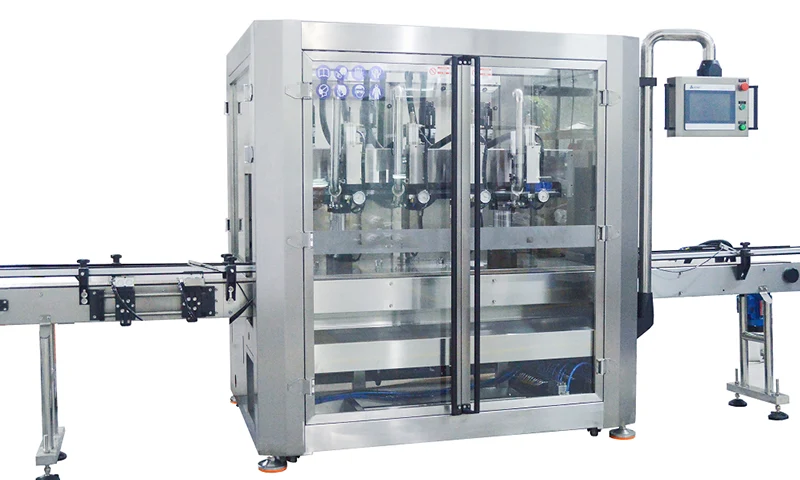
Linear Laundry Detergent Filling Machine
The linear laundry detergent filling machine uses servo-driven pistons to fill household liquids such as laundry detergent, fabric softener and hand soap.
Learn more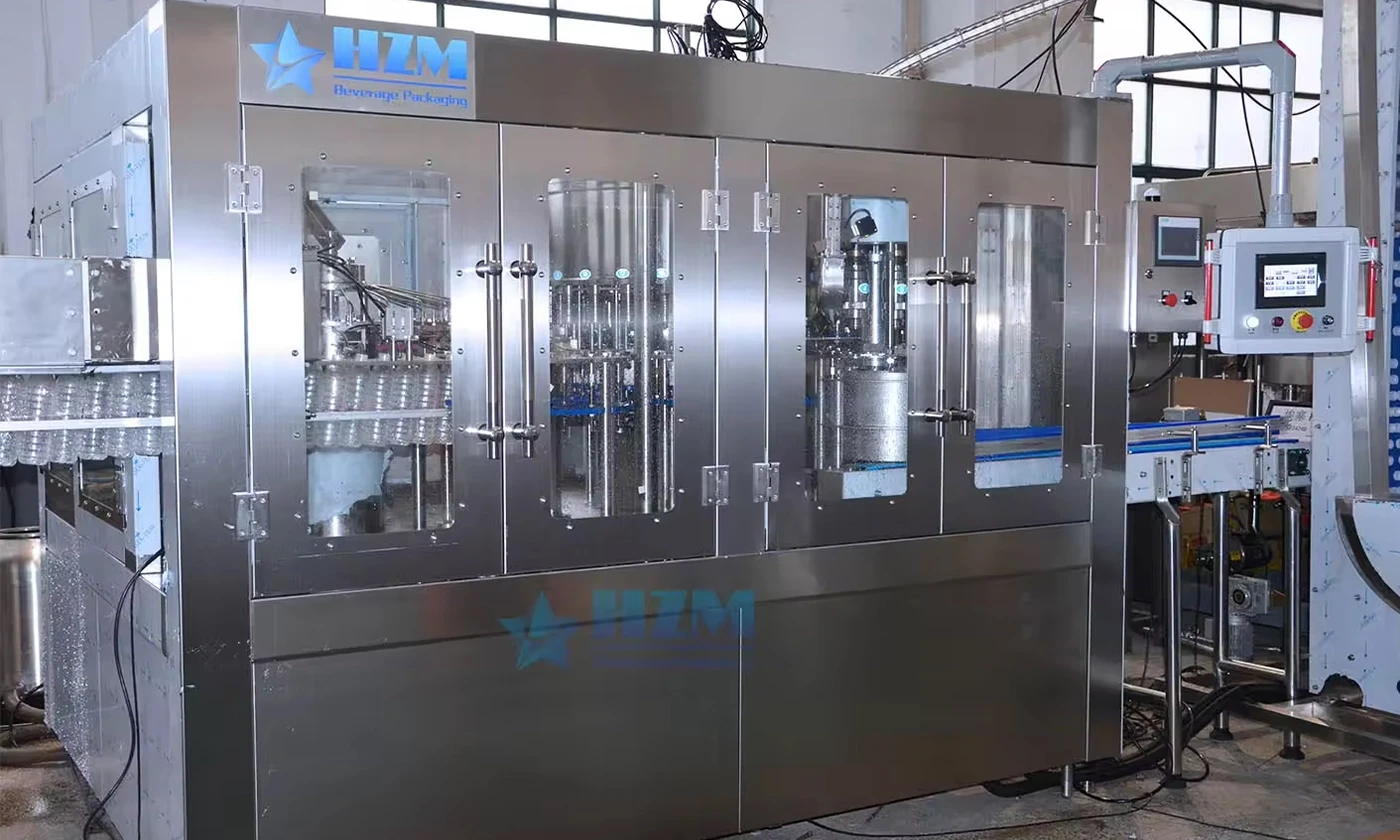
Bottle Rinser Has Low Spray Pressure: Causes and Repair Steps
Check whether the loss affects the entire rinser or only several nozzles. System-wide loss points to supply, pump, filter or valve problems; a local pattern points to blocked nozzles, damaged tubing or a misaligned bottle. Follow this practical fault-isolation, repair and prevention guide for bottling-line operators and maintenance teams.
Learn more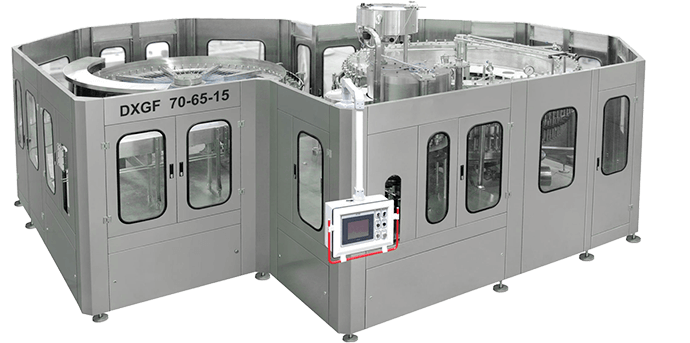
Working steps of carbonated drink filling machine
The carbonated drink filling machine is an essential equipment for the beverage industry. It plays a crucial role in filling and sealing carbonated drinks in bottles or cans. This article will discuss the working steps of a carbonated drink filling machine, providing insights into the process and highlighting its importance in the production of carbonated beverages.
Learn more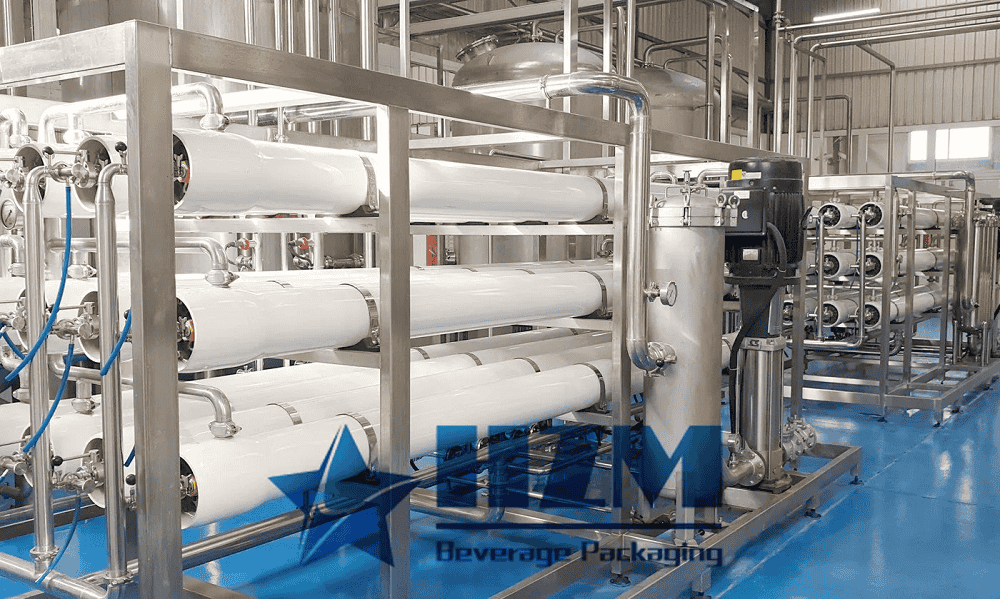
What Are The Steps Of A Water Treatment
Water treatment plants are critical for a municipality so that clean water can be supplied to the local community. The process of water purification in water plants requires specialists to ensure safe and effective operation. The whole procedure occurs in stages and involves a combination of technical processes. Screening The first water treatment step is […]
Learn more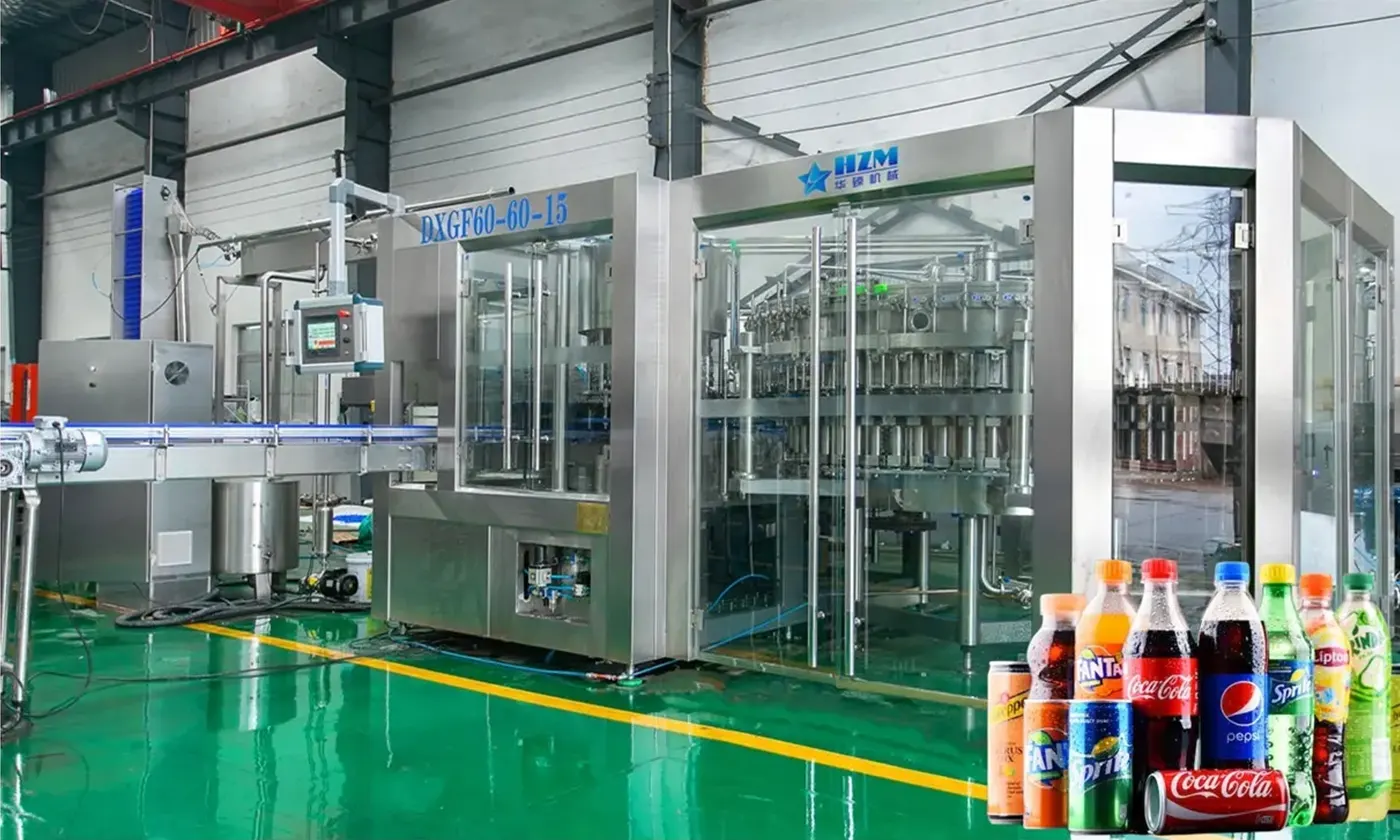
What are the causes and solutions for filling errors in beverage filling machines?
the beverage filling machine may encounter filling errors, affecting both product quality and production efficiency. So, what are the reasons behind the occurrence of filling errors in beverage filling machines?
Learn moreCauses of Error in Liquid Filling Machines
Liquid filling machines equipped with advanced automatic temperature control technology, convenient operation, and stable sealing quality are widely used in packaging pharmaceuticals, various beverages, soy sauce, and other liquid mediums.
Learn more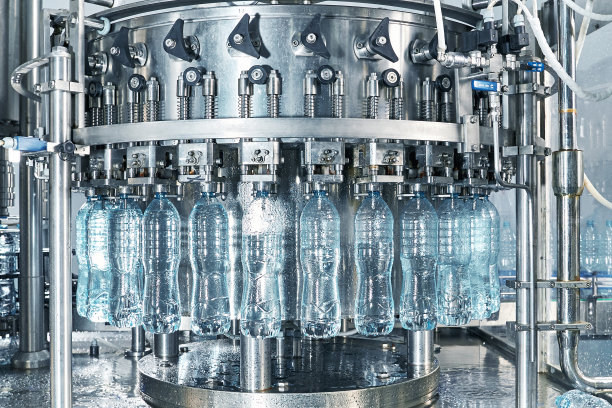
Water Bottling Process Steps: Ensuring Quality and Purity
Bottled water has become a ubiquitous commodity worldwide, and its production involves a meticulous and highly controlled process to ensure its safety and quality. In this article, we will explore the comprehensive steps involved in the water bottling process, from source selection to packaging.
Learn more