
Insights & Updates
The 10 Most Common Questions Customers Have About Beverage Packaging Machines
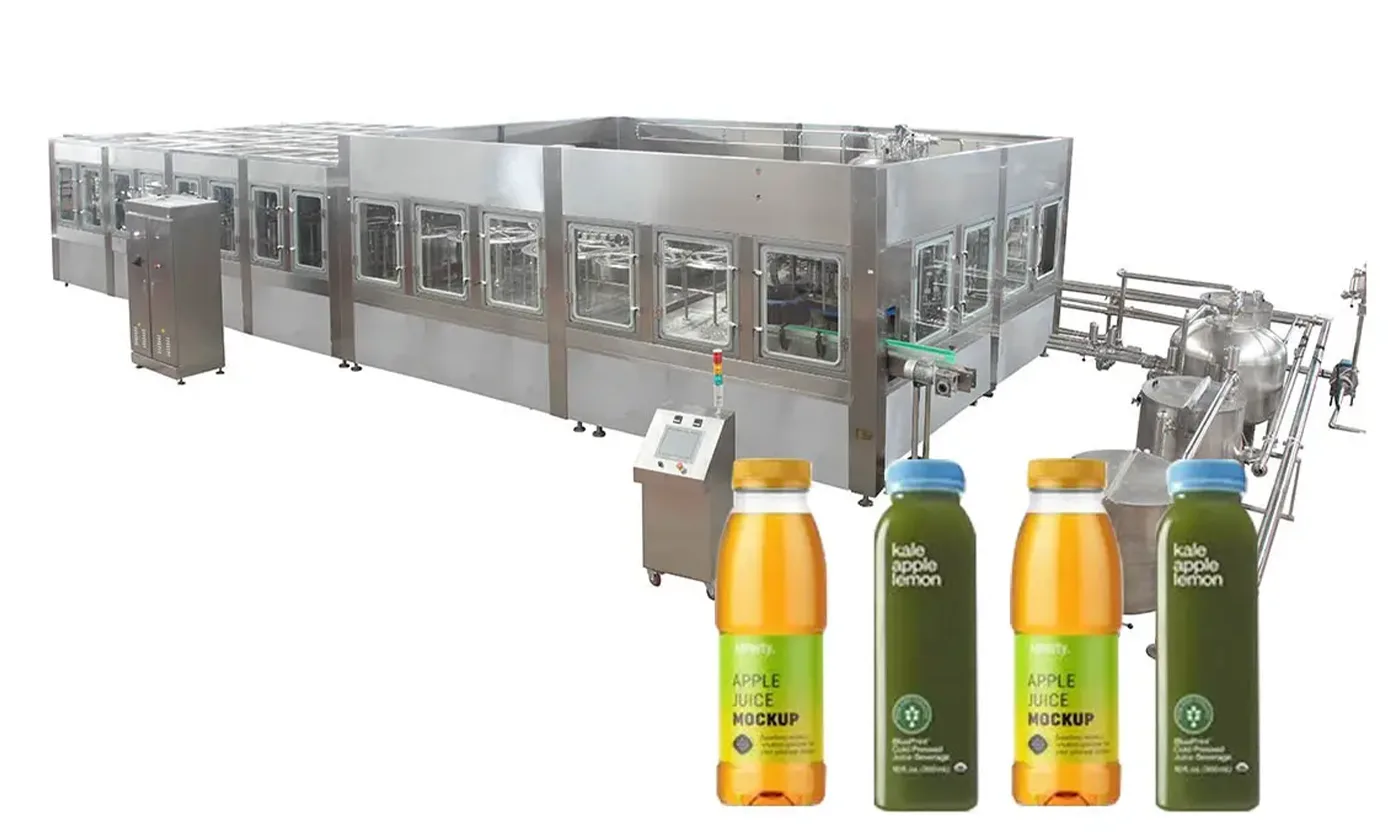
1.What is the production capacity of the machine?
One of the primary concerns for customers is the machine’s production capacity. They want to know how many bottles, cans, or cartons the machine can process per hour or day. This is crucial in determining whether the machine can meet their production demands.
2.What types of beverages can the machine handle?
Beverage packaging machines come in different models designed for various types of drinks. Customers need to know if the machine is suitable for their specific products, such as carbonated drinks, fruit juices, mineral water, energy drinks, or dairy-based beverages.
3.What is the level of automation?
Automation is key in modern production lines. Customers often inquire about how automated the packaging process is. They may want machines that can automatically fill, seal, and label bottles or cans without requiring much manual intervention.
4.How energy-efficient is the machine?
With growing concerns about sustainability and rising energy costs, customers are increasingly looking for energy-efficient machines. They want to know if the machine is designed to minimize power consumption while maintaining high productivity.
5.How easy is the maintenance and cleaning process?
Packaging machines must be cleaned regularly to comply with food safety regulations. Customers are interested in whether the machine’s design allows for easy maintenance and cleaning, and if special tools or expertise are needed to carry out these tasks.
6.How reliable is the machine, and what is its expected lifespan?
Reliability is a critical factor in the purchase decision. Customers want to know about the durability of the machine, how often it is likely to break down, and what kind of warranty or service guarantees are offered by the manufacturer.
7.Can the machine be customized to suit specific needs?
Flexibility is often a priority for customers, especially if they have specific requirements for packaging sizes or types of products. They want to know if the machine can be customized to handle different bottle sizes, shapes, or packaging materials.
8.Does the machine comply with food safety standards?
Since beverage packaging directly involves food products, customers are highly concerned with food safety. They want to ensure that the packaging machine adheres to international safety and hygiene standards to prevent contamination during the packaging process.
9.Is the machine easy to operate?
Customers want to ensure that the machine is user-friendly and doesn’t require extensive training. An intuitive control interface and straightforward operation can greatly improve the overall efficiency of the production line and reduce downtime due to human error.
10.What is the price and what after-sales services are included?
Price is always a key factor when purchasing machinery. Customers want to know if the price of the beverage packaging machine fits within their budget. They also ask about the availability of after-sales services, such as technical support, spare parts, and repair services, which are essential for long-term operation.
Talk to our engineering team
Need help planning your packaging line?
Share your product, bottle and capacity requirements for a practical equipment recommendation.
2023-12-04
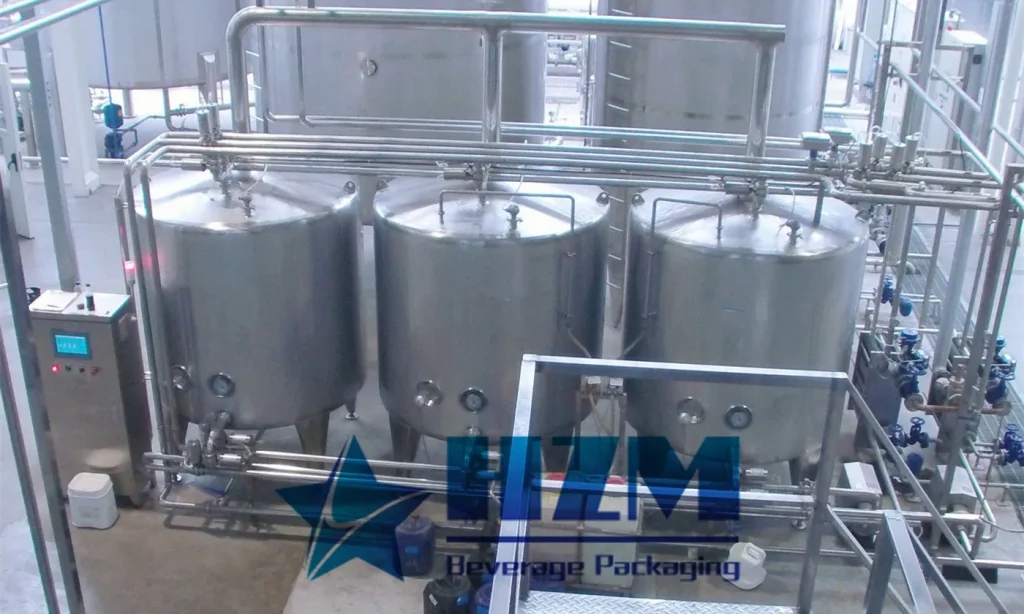
Why Beverage Filling Machines Must Have CIP Cleaning Systems?
CIP (Cleaning In Place) cleaning systems are essential in the realm of food and beverage production, particularly for dairy processing equipment and pipelines. Over time, these components accumulate deposits that, if not cleaned thoroughly and promptly, can directly impact product quality and result in various issues such as substandard packaged foods.
Learn more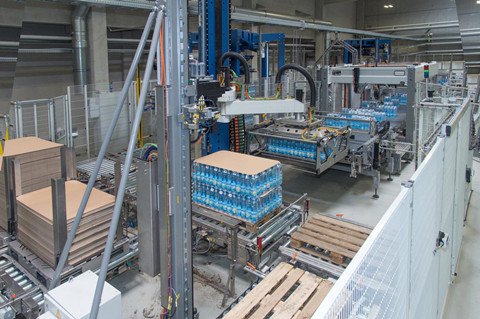
2023-03-24
Automatic Palletizing Machine: A Must Have For Every Manufacturing Firm
In every manufacturing site or factory, there is always a need for the movement of materials from point to another. Some of such materials could be finished products, raw materials, or even day-to-day materials needed for the smooth running of the production process. Yes, as you would rightly guess, moving these materials from […]
Learn more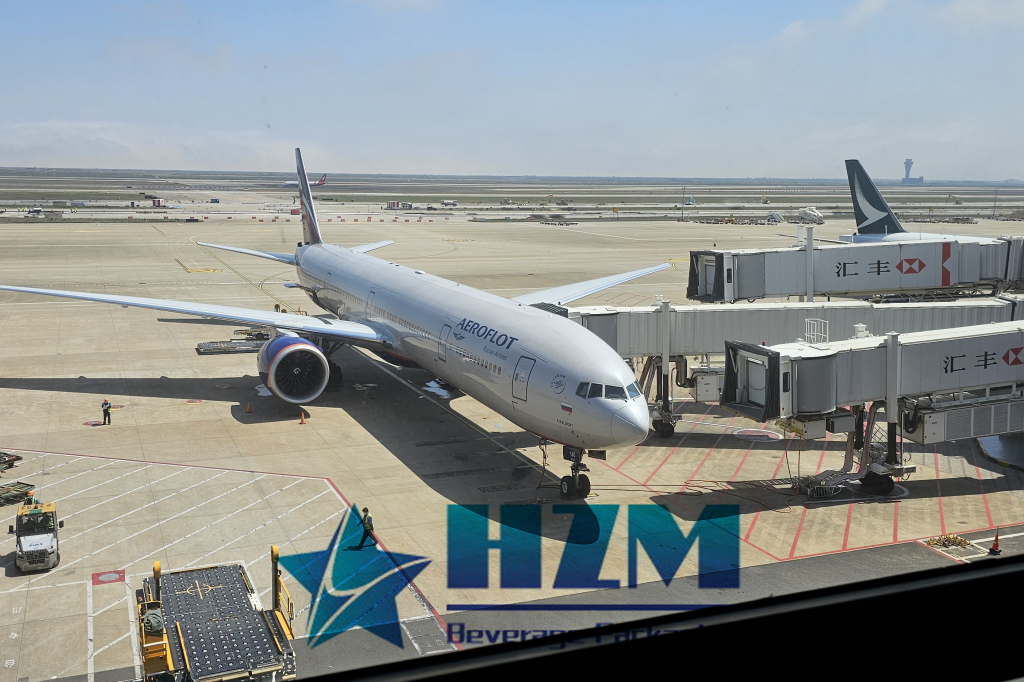
2023-04-18
Quickly Respond and Solve Problems for Customers
The customer’s equipment encountered an unexpected situation and they were unable to handle it. We immediately arranged for two people visas to purchase flight tickets to fly to the customer’s country.
Learn more