
Insights & Updates
Why Beverage Filling Machines Must Have CIP Cleaning Systems?
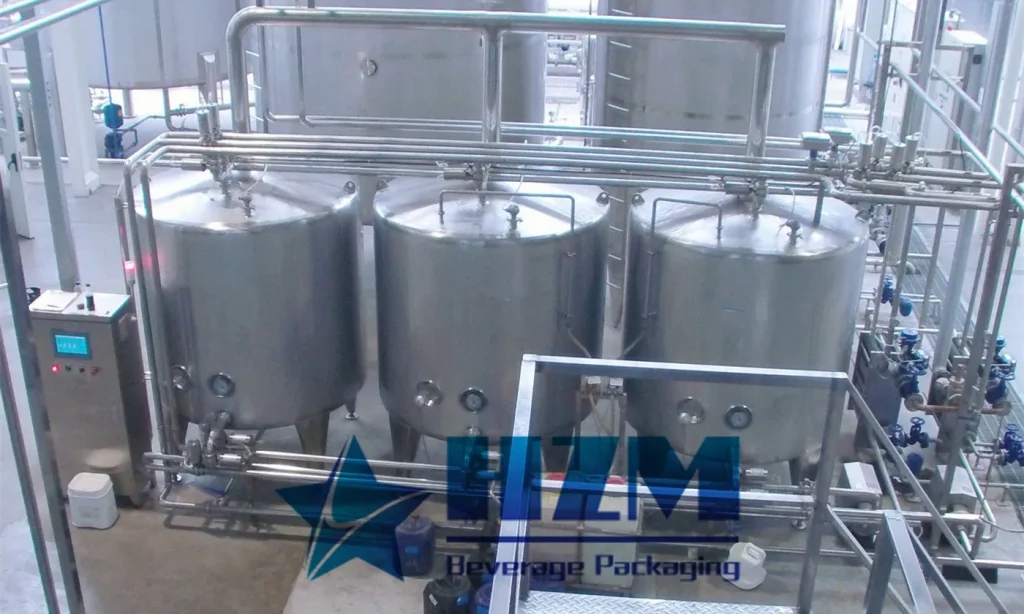
CIP (Cleaning In Place) cleaning systems are essential in the realm of food and beverage production, particularly for dairy processing equipment and pipelines. Over time, these components accumulate deposits that, if not cleaned thoroughly and promptly, can directly impact product quality and result in various issues such as substandard packaged foods.
Overview of CIP Cleaning Systems
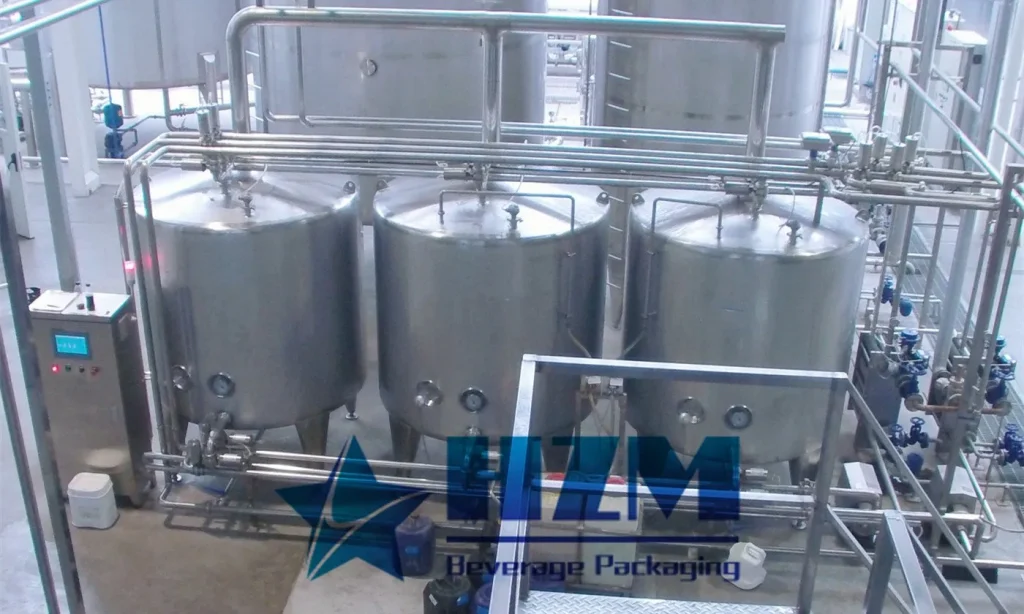
CIP cleaning systems are in-situ cleaning systems used in food and beverage factories. They operate without the need for manual disassembly or opening of the production line, allowing for cyclic cleaning and disinfection within a closed loop. This method, known as CIP (Cleaning In Place), has gained widespread application and automation, especially in the food industry and, notably, the dairy sector. Given the nutritional nature of dairy products and their susceptibility to contamination and spoilage, cleaning becomes a crucial step in ensuring product quality.
Advantages of CIP Cleaning Systems
- Rationalized Production Plans and Increased Capacity: CIP systems contribute to more rationalized production plans and increased production capacity.
- Consistent Cleaning Results: Unlike manual cleaning, CIP systems deliver consistent cleaning results, minimizing variations due to operator differences and contributing to improved product quality.
- Hazard Prevention and Labor Savings: CIP systems prevent hazards during cleaning operations and simultaneously save on labor costs significantly.
- Resource Conservation and Reduced Production Costs: CIP systems achieve resource conservation by reducing the consumption of cleaning agents, water, steam, and overall production costs.
- Increased Lifespan of Equipment Components: Regular CIP cleaning enhances the lifespan of equipment components, extending the overall operational life of machinery.
During the operation of CIP systems, a predefined program guides the delivery of the cleaning solution through a conveying pump to the pipelines and equipment being cleaned. Subsequently, a self-priming pump is employed to draw back the post-cleaning solution into the cleaning solution tank. The dilution of the cleaning solution during the cleaning process can be compensated by adding high-concentration media using a replenishment device, thereby adjusting the cleaning solution concentration. CIP systems can be fully automated, featuring functions for automatic fluid distribution (concentration control) and heating (temperature control).
In conclusion, CIP cleaning systems are indispensable for ensuring the hygiene and efficient operation of beverage filling machines, particularly in the demanding landscape of the food and beverage industry.
Talk to our engineering team
Need help planning your packaging line?
Share your product, bottle and capacity requirements for a practical equipment recommendation.
Equipment
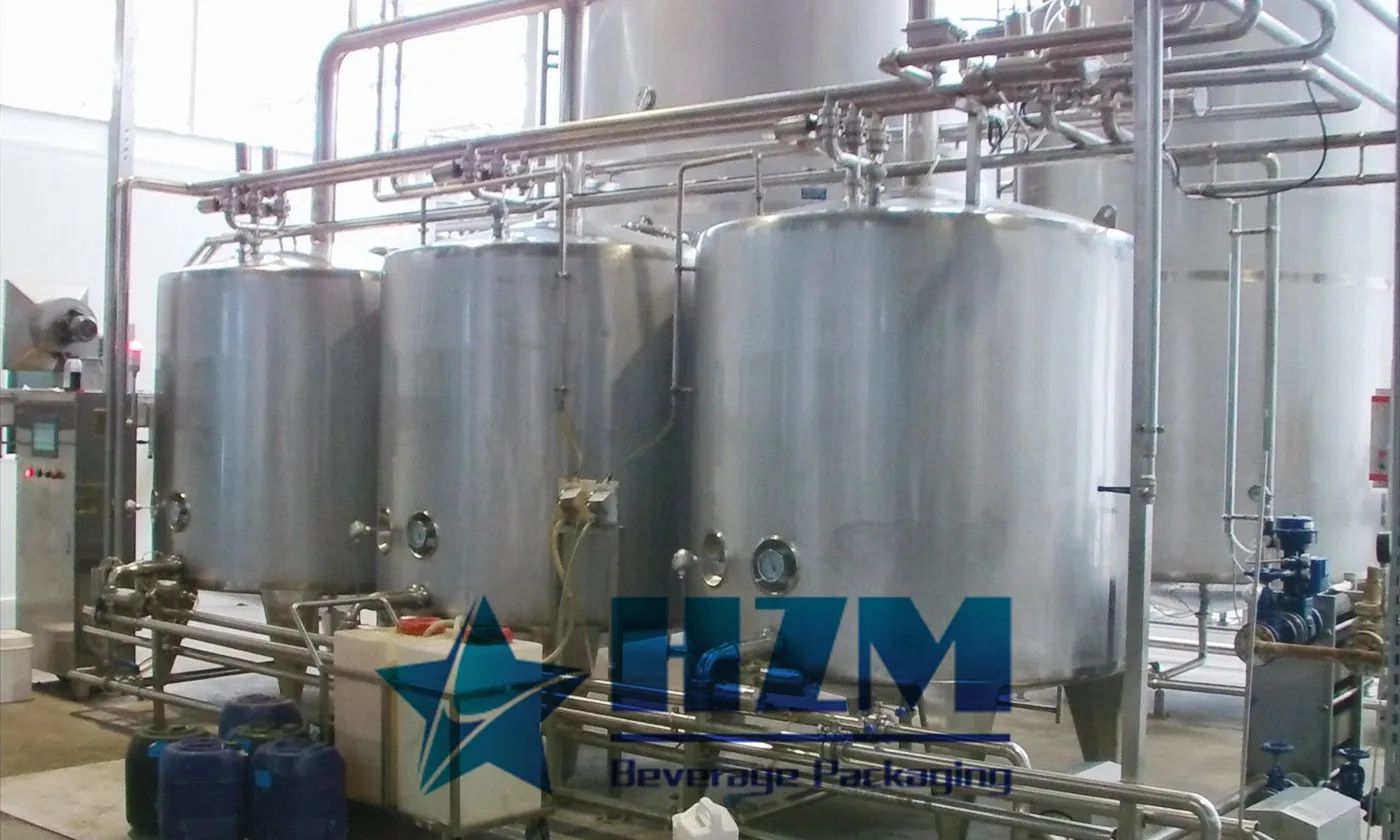
CIP System
The CIP system cleans the internal surfaces of beverage tanks, pipelines and filling equipment without routine disassembly.
Learn more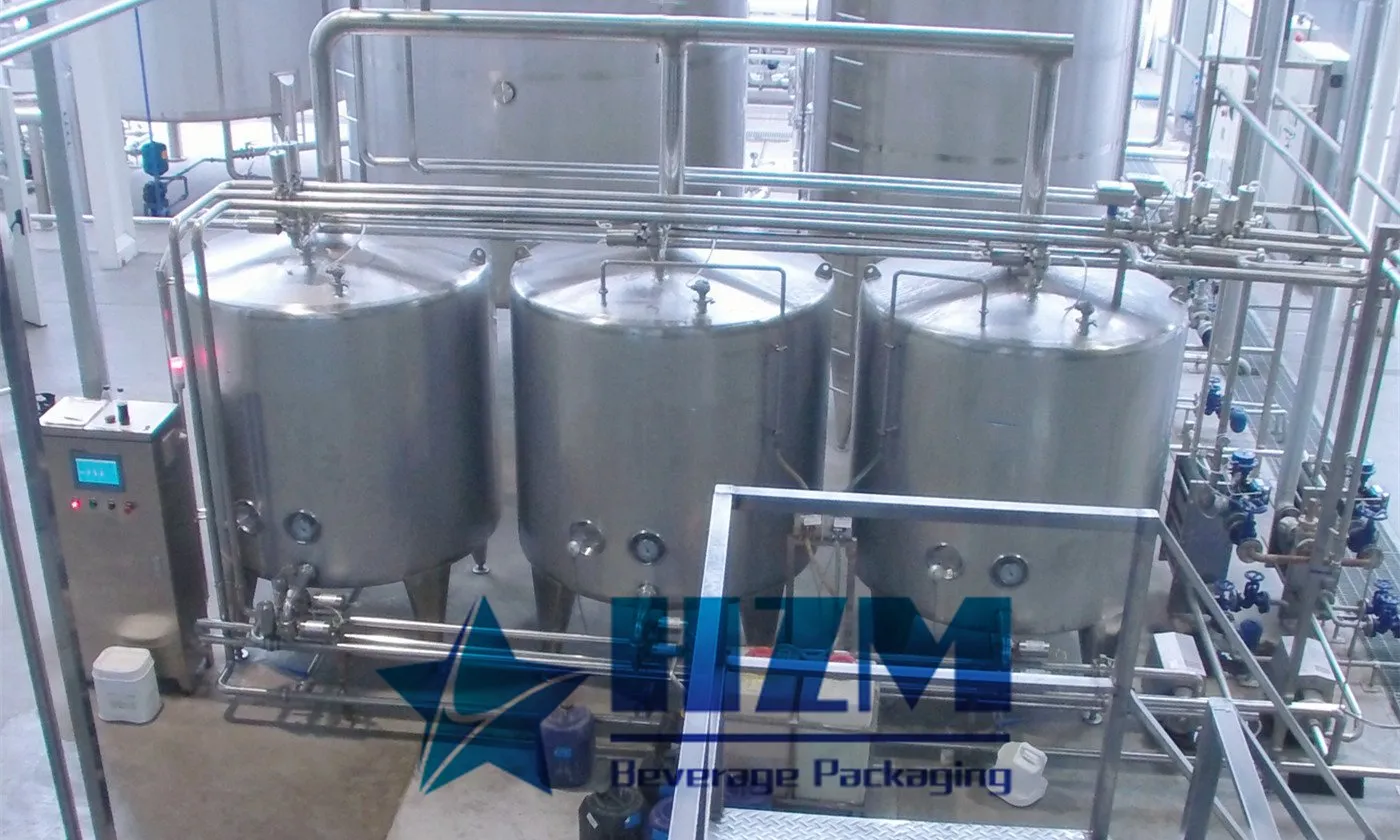
2024-05-14
What is a CIP cleaning system?
CIP cleaning system, also known as Clean In Place system, refers to a safe and automatic cleaning system that can be achieved through simple operation methods without dismantling production equipment.
Learn more2025-03-28
Principle and Application of CIP Cleaning System
The CIP cleaning system is an essential hygiene solution in water and beverage production. By providing an efficient and convenient cleaning process, it ensures equipment sanitation, improves production efficiency, extends equipment lifespan, and reduces energy consumption
Learn more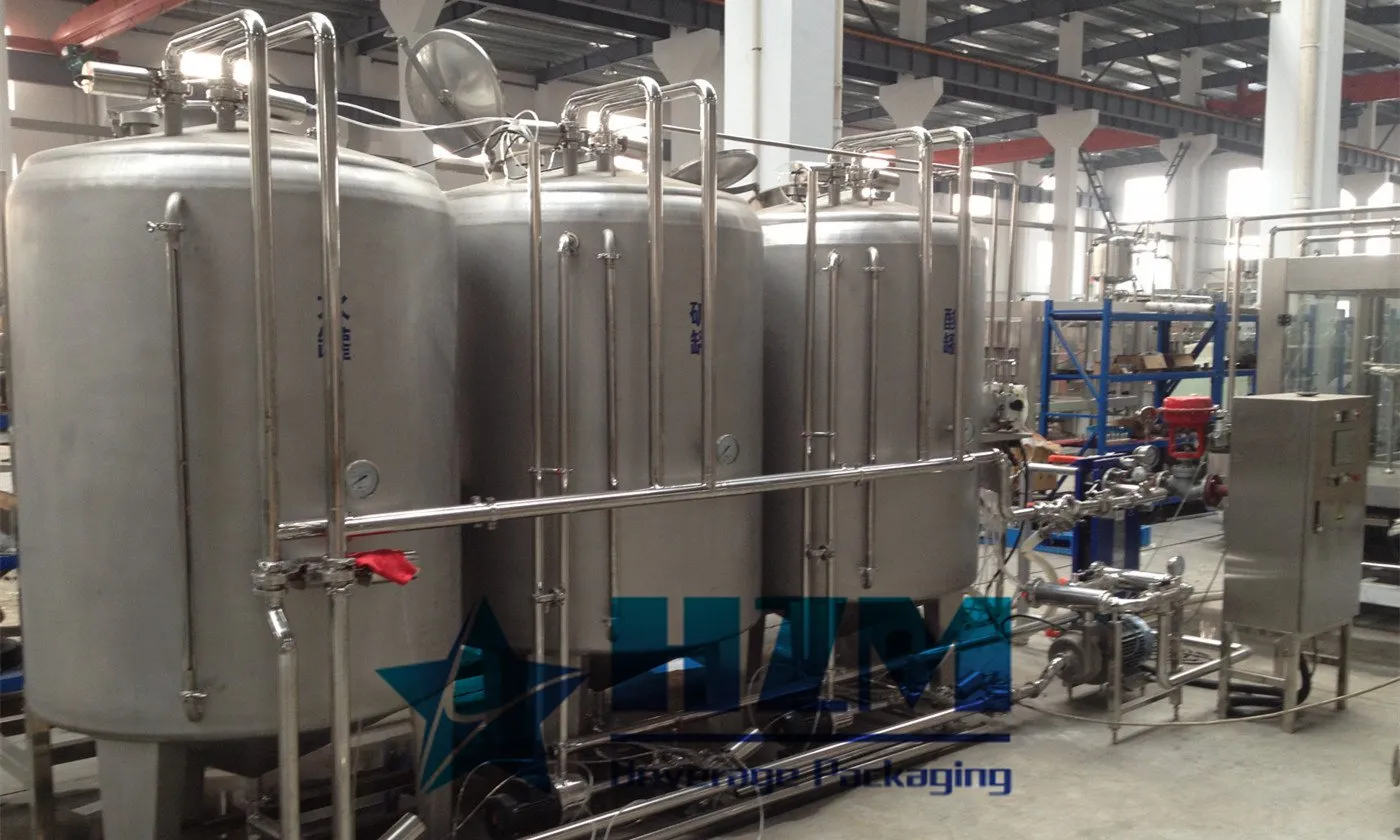
2025-03-02
The Role of the CIP Cleaning System in Water and Beverage Production Lines
The CIP system effectively removes these residues from the inner walls of pipelines, tanks, valves, and other equipment through powerful cleaning and sterilization, preventing microbial contamination and ensuring that products meet hygiene standards.
Learn more2023-06-09
CIP Cleaning for Juice Filling Machines: Process and System Selection
A practical guide to planning CIP cleaning for juice tanks, pipelines and filling machines, including circuit design, cycle control and verification.
Learn more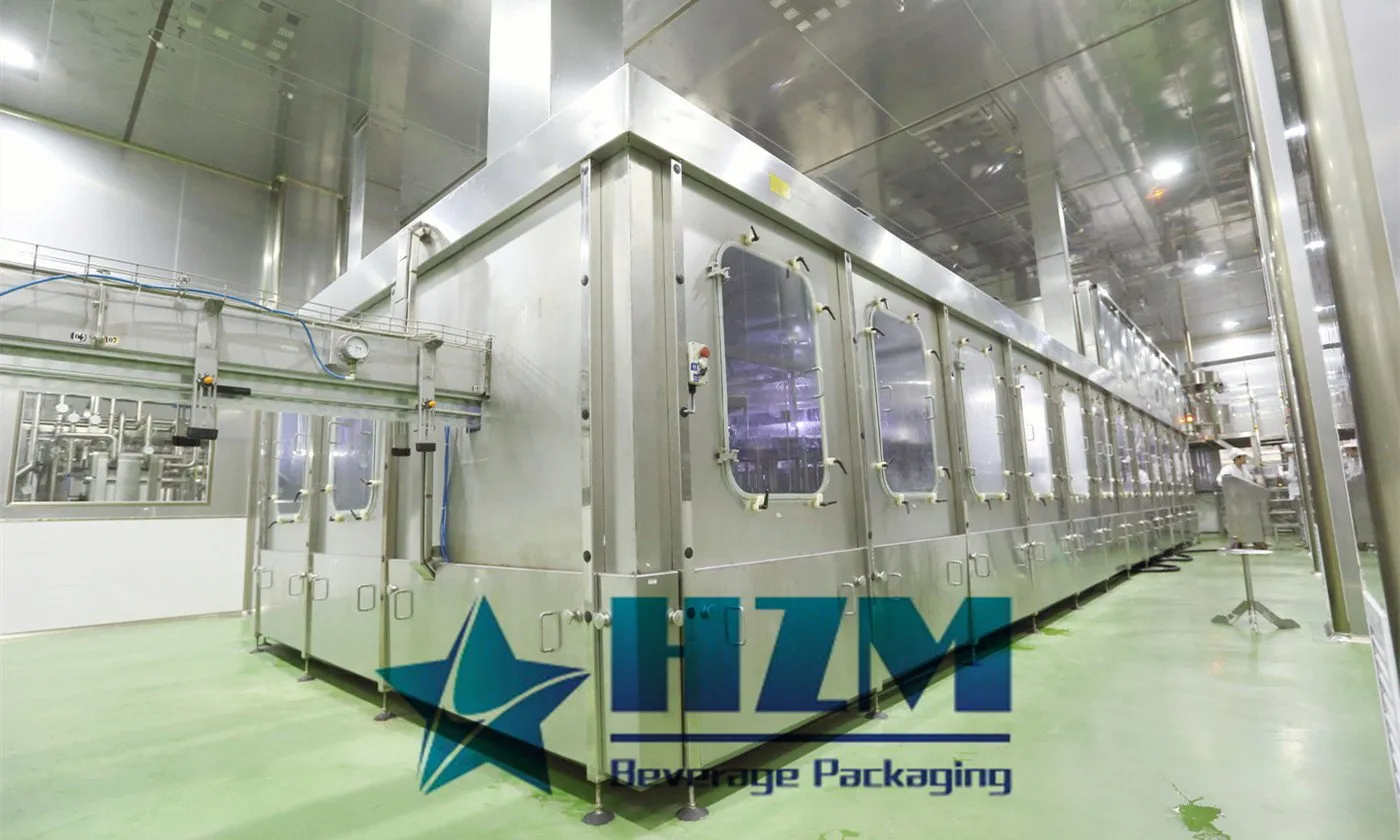
2023-06-09
Juice and Tea Filling Line Guide: CIP Coverage and Cleaning Validation
Practical HZM guidance on juice and tea filling line, focused on cip coverage and cleaning validation, line integration, RFQ data and measurable acceptance checks.
Learn more2023-06-09
Cip Cleaning 4.5t/H Co2 Mixer Plc Beverage Processing System
High quality Cip Cleaning 4.5t/H Co2 Mixer Plc Beverage Processing System from China, China's leading cip cleaning co2 mixer product, with strict quality control plc beverage processing system factories, producing high quality 4.5t/h beverage processing system products.
Learn more