
Detergent Filler Foams and Drips: How to Correct the Process
Control return turbulence and air entrainment, verify bottom-up nozzle motion and fill profile, then check shutoff seals and suck-back. Do not use extra defoamer unless the product formulation authorizes it.
Stop automatic operation, isolate electrical and pneumatic energy, close and depressurize product circuits, and follow the machine lockout/tagout procedure before opening guards or removing a valve. Quarantine product made since the last confirmed good check.
Locate the fault
- Foam reaches the bottle neck before target volume
- Product strings from the nozzle to the container
- Labels or caps become contaminated
- Fill result changes with detergent temperature
Inspection sequence
- Inspect the supply tank and return for visible aeration before filling
- Record nozzle position and flow phase through the cycle
- Collect foam-height and net-weight data at several product temperatures
- Check for suction leaks and excessive pump recirculation
- Inspect shutoff seals and time the zero-flow response
- Evaluate suck-back only after proving the nozzle mechanically seals
Corrective work
- Reduce product aeration with suitable tank entry, agitation and pump operation
- Restore bottom-up nozzle tracking and the validated rise profile
- Use a controlled multi-stage flow profile matched to the detergent
- Rebuild the shutoff and set minimal effective suck-back
Operating records and follow-up
- Keep agitation and return settings in the product recipe
- Trend product temperature and foam height
- Inspect nozzle seals for chemical compatibility
- Use drip trays as containment, not as a substitute for repair
- Validate new detergent formulations with real production tests
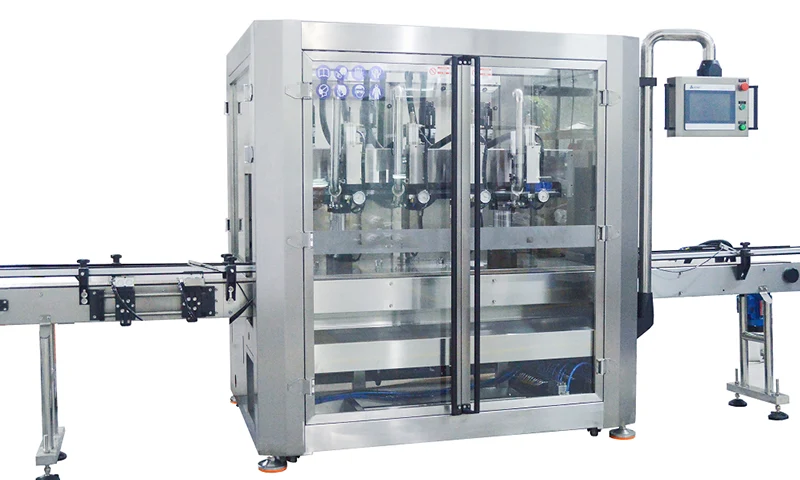
Equipment details: Linear Laundry Detergent Filling Machine.
Need help planning your packaging line?
Share your product, bottle and capacity requirements for a practical equipment recommendation.
Linear Laundry Detergent Filling Machine
The linear laundry detergent filling machine uses servo-driven pistons to fill household liquids such as laundry detergent, fabric softener and hand soap.
Learn more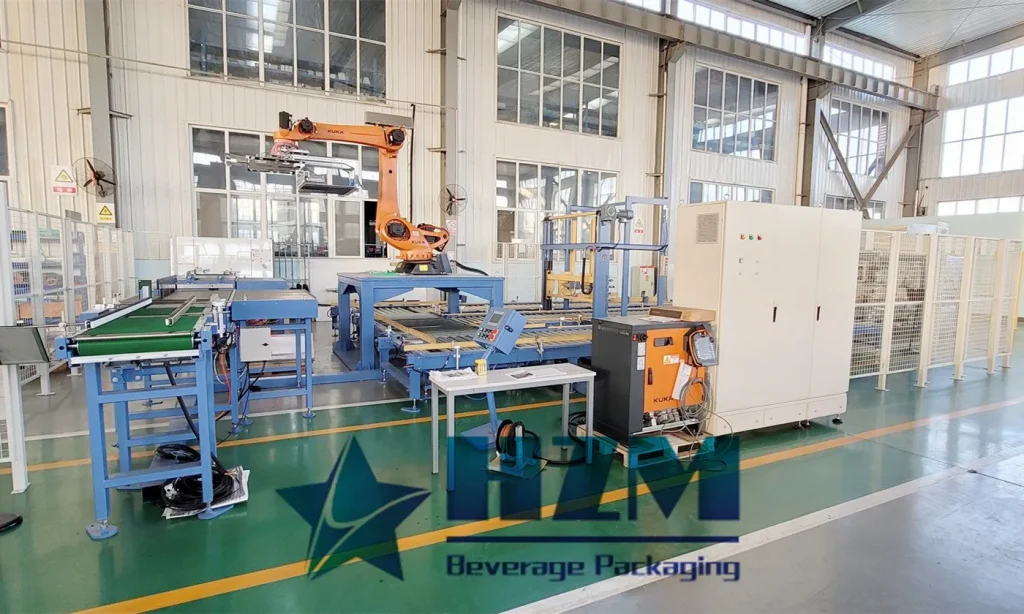
Starting a Palletizer with the Correct Pack and Pattern
Before a palletizer starts, the pack dimensions, gross weight, pallet and selected pattern must match the production order.
Learn more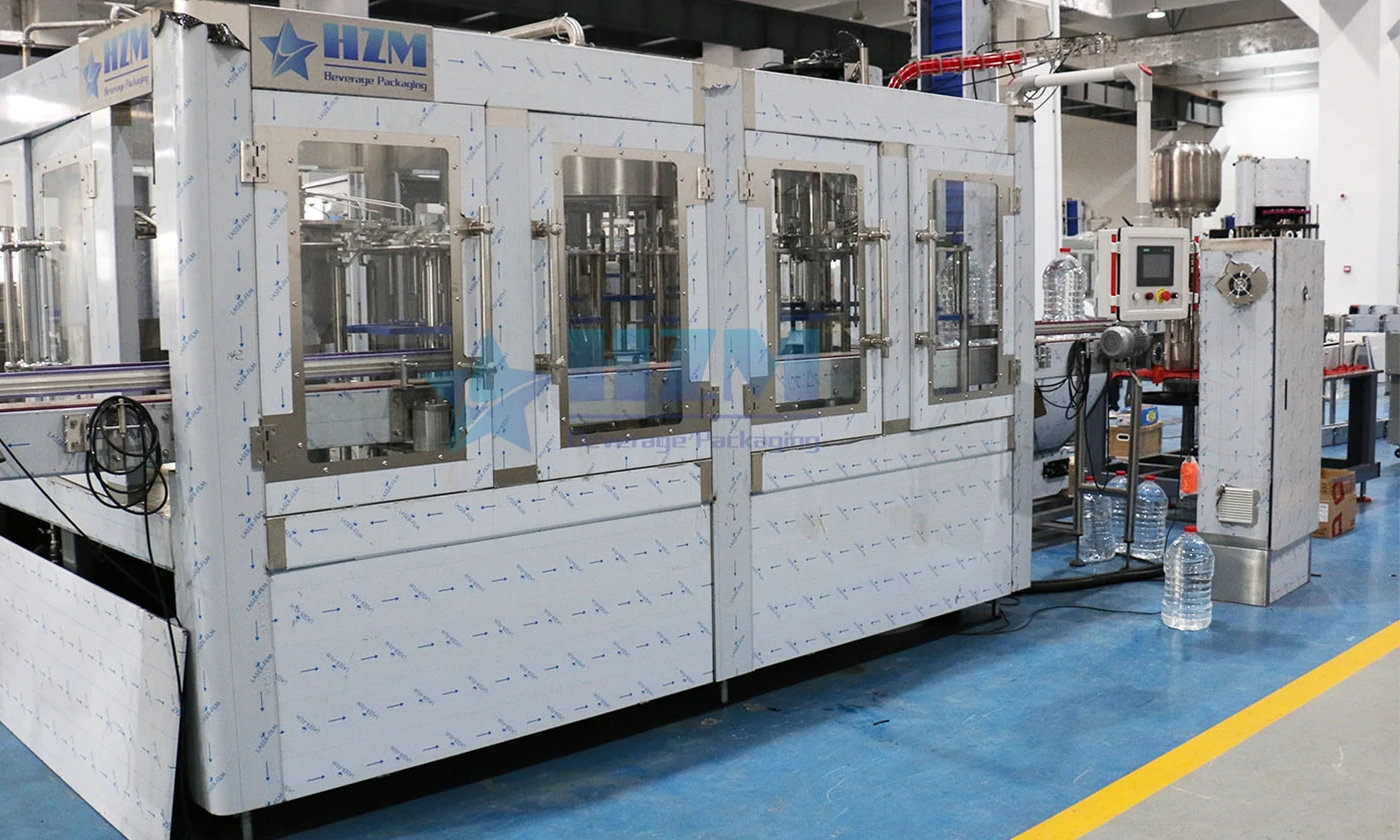
5L–10L Water Filling: How to Prevent Splashing, Drips and Inaccurate Fill
Improve large-bottle water filling with correct nozzle selection, flow profile, venting, bottle control, anti-drip design and net-content verification.
Learn more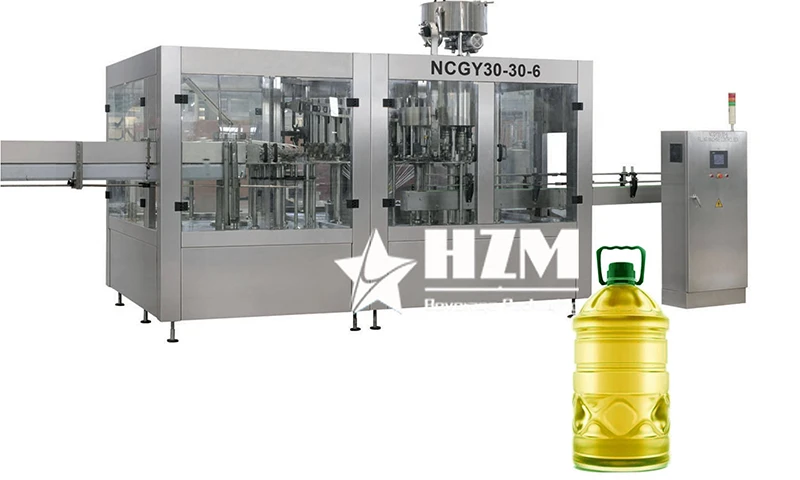
Edible Oil Filling Problems: How to Control Drips, Foam and Viscosity
Improve edible-oil filling accuracy and cleanliness by controlling product temperature, viscosity, flow profile, nozzle cutoff, bottle handling and calibration.
Learn more