
Insights & Updates
High-speed beverage filling equipment
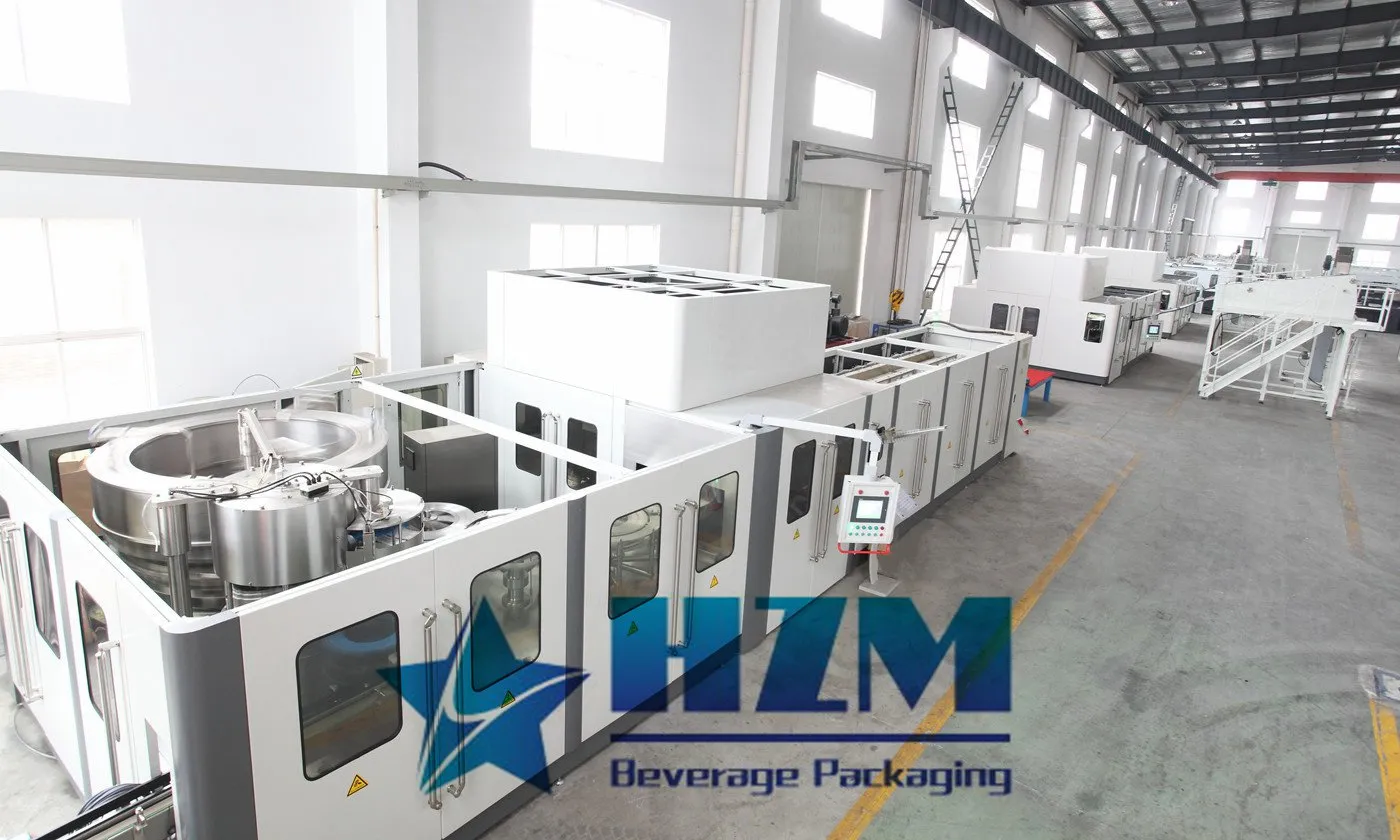
High-speed beverage filling equipment is useful only when it increases the number of acceptable, closed and packed containers leaving the plant. A filler can reach its advertised mechanical speed while the factory still misses orders because the product supply, bottle feed or packer cannot keep up. The right comparison is therefore sustained output on the intended beverage and package, with losses and changeovers included.
For a new line, define the duty before asking for a speed: drink formulation, carbonation, filling temperature, bottle and cap drawings, required good bottles per shift and the planned product mix. For an existing line, collect stop and output data before deciding that the filler is the limiting machine.
Read a capacity figure as a set of conditions
Capacity stated for 500 ml still water does not predict the output for a larger bottle, a foaming soft drink or a hot-filled juice. The liquid flow, available filling time, pressure sequence and bottle handling all change with the duty. Ask suppliers to state the conditions associated with every capacity figure.
Filling technology affects output even when machines have the same number of rinsing, filling and capping heads:
| Model | Product family | Rinsing / filling / capping heads | Capacity at 500 ml |
|---|---|---|---|
| XGF32/32/8 | Still-water filling | 32 / 32 / 8 | 15,000 bottles/hour |
| DXGF32/32/8 | Carbonated-drink filling | 32 / 32 / 8 | 12,000 bottles/hour |
| RXGF32/32/8 | Juice hot-filling equipment | 32 / 32 / 8 | 12,000 bottles/hour |
Select the water filler, carbonated-drink filler or hot-filling machine according to the beverage process. The capacities above apply to 500 ml bottles; larger formats and different product conditions require a separate output specification.
Find the constraint before increasing the speed
Walk the process while it is producing the problem format. Is the filler waiting for bottles, waiting for product, stopped by a downstream signal or stopping on its own fault? Those conditions call for different actions. A total downtime figure without a reason code cannot separate them.
| Observed condition | Data to collect | Likely area for investigation |
|---|---|---|
| Filler repeatedly runs short of bottles | Blower good output, preform interruptions, transfer stops | Bottle supply and handling |
| Filler stops as the product tank level falls | Process flow, batch availability, tank level trend | Water treatment or beverage preparation |
| Filled bottles accumulate at the discharge | Labeller, coder, packer and pallet-removal stops | Downstream capacity and buffers |
| Foaming or inconsistent filling increases at higher speed | Product condition, pressure trend, valve-specific samples | Filling process and product supply stability |
| Stops concentrate after format changes | Change-part list, setup time and first-pass quality | Changeover method and package compatibility |
Record good output at the end of the line as well as at the filler. A bottle rejected later because of a cap, label or pack defect is not useful finished production. Include the reason for rejection so improvements do not merely transfer losses between stages.
Calculate the shift output you can actually sell
For example, consider a line rated at 12,000 bottles/hour over an eight-hour production window. With assumed availability of 85%, running-speed performance of 90% and a 99% quality yield, output is 12,000 × 8 × 0.85 × 0.90 × 0.99 = about 72,700 good bottles. Replace these example percentages with the plant’s measured values when preparing a production forecast.
The calculation explains why buying a larger filler may be less effective than reducing repeated interruptions. Use the site’s measured values and a consistent definition of planned production time. Avoid counting a cleaning period twice, once as excluded time and again as an availability loss.
High speed increases the importance of product control
For carbonated drinks, the pressure sequence and product temperature must maintain controlled filling and gas retention. If foaming appears as the speed rises, increasing conveyor speed or capper speed will not correct the product condition. Compare stable and unstable periods using the actual beverage and approved operating settings.
For hot-filled drinks, the process must maintain the approved temperature and holding conditions while using a compatible bottle and cap. For pulpy or viscous beverages, valve suitability and product flow need separate review. A machine-family name cannot replace the formulation-specific assessment.
Downstream packaging can set the real limit
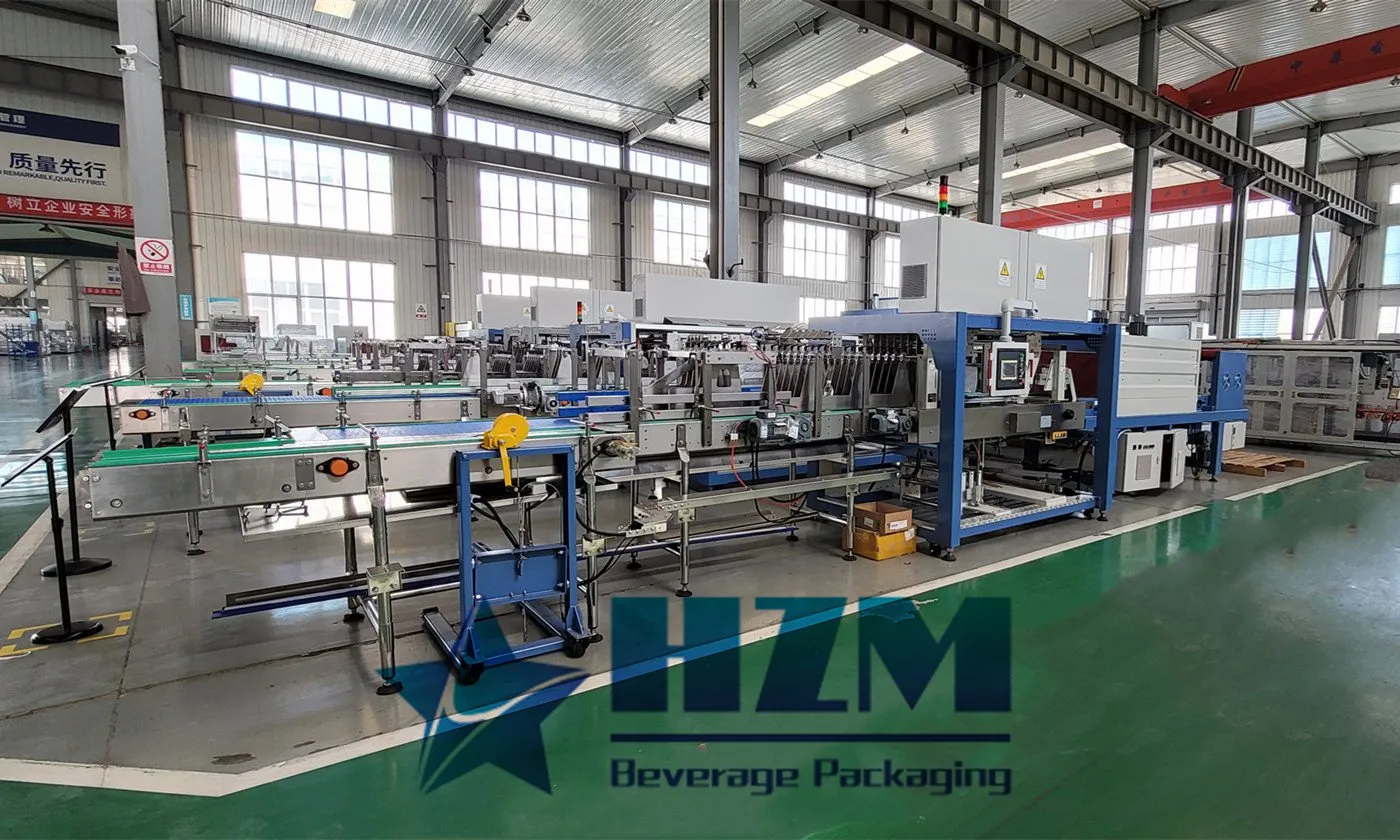
A nominal 30-pack/minute wrapper handling six bottles per pack corresponds to 10,800 bottles/hour. The same nominal pack rate with twelve bottles per pack corresponds to 21,600 bottles/hour. Both values are arithmetic conversions before losses. A change in pack pattern can therefore expose a bottleneck without any change to the filler.
Include replenishment, rejects and pallet removal when comparing the packing equipment with the filling section. Provide controlled accumulation for short stops, but do not design an indefinitely growing bottle queue as the solution to an average capacity mismatch.
Specify a meaningful acceptance run
Agree the test beverage or representative medium, bottle, cap, label and pack before the equipment is built. State the run duration, good-output target, quality sampling plan and how stops will be counted. Include production at the principal format and a format that challenges the machine’s handling or filling envelope.
Ask for a controlled stop/restart and a documented changeover. Inspect samples by filling valve where appropriate so an overall average does not hide a persistent local defect. The handover should preserve the approved settings, test conditions and corrective actions.
When a faster filler is the right investment
A larger filler becomes a defensible choice when the present filling section is the measured constraint, the upstream process can supply it, the packer can receive it and demand justifies the additional output. If the loss is primarily changeover time, utilities or repeated downstream stops, address those limits first.
Send HZM the product and package specification together with actual shift output and the main stop reasons. That supports a proposal for the required filling technology and capacity, whether the project calls for one machine, a targeted upgrade or an integrated line.
Talk to our engineering team
Need help planning your packaging line?
Share your product, bottle and capacity requirements for a practical equipment recommendation.
Equipment
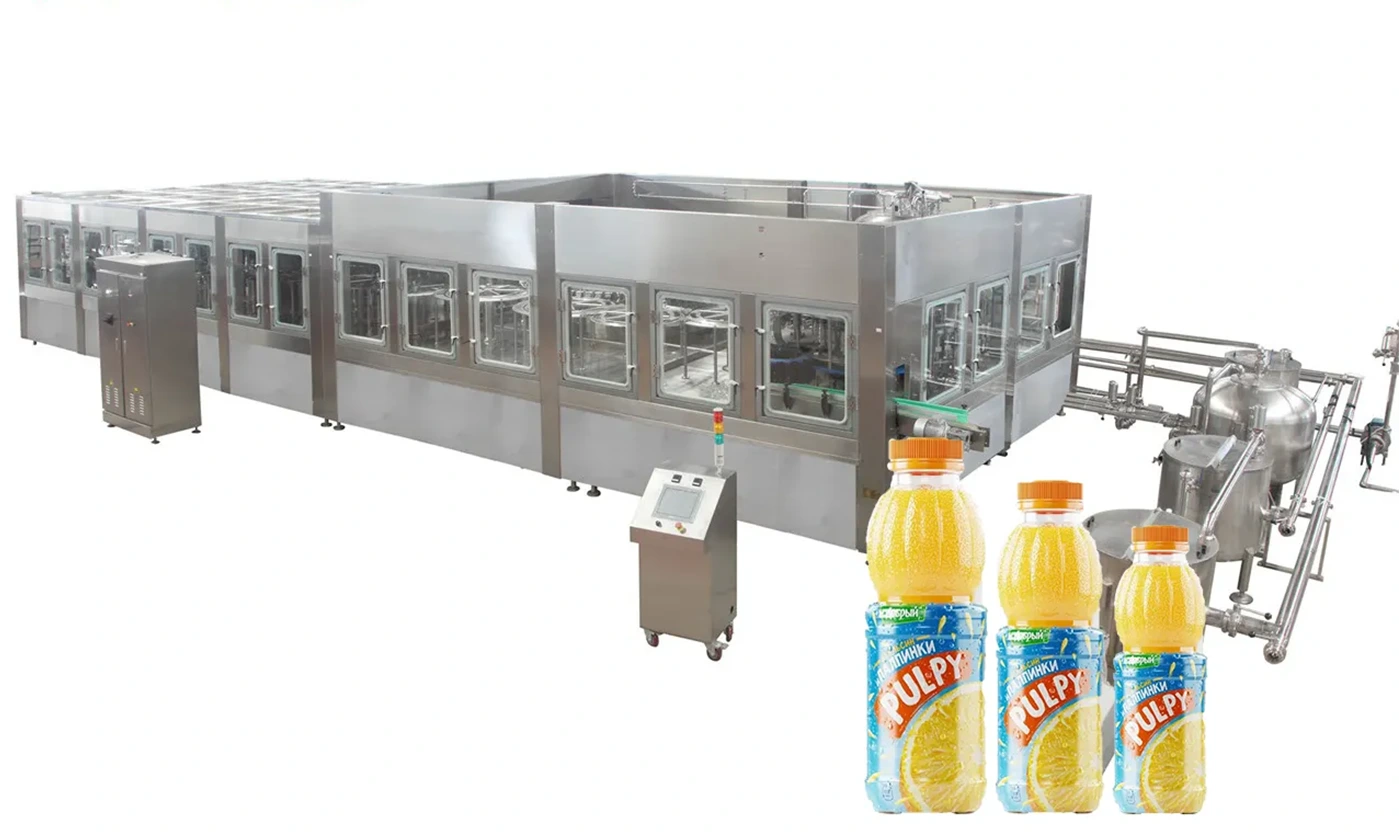
Fully Automatic Beverage Filling Machine
The fully automatic beverage filling machine combines bottle rinsing, filling and capping.
Learn more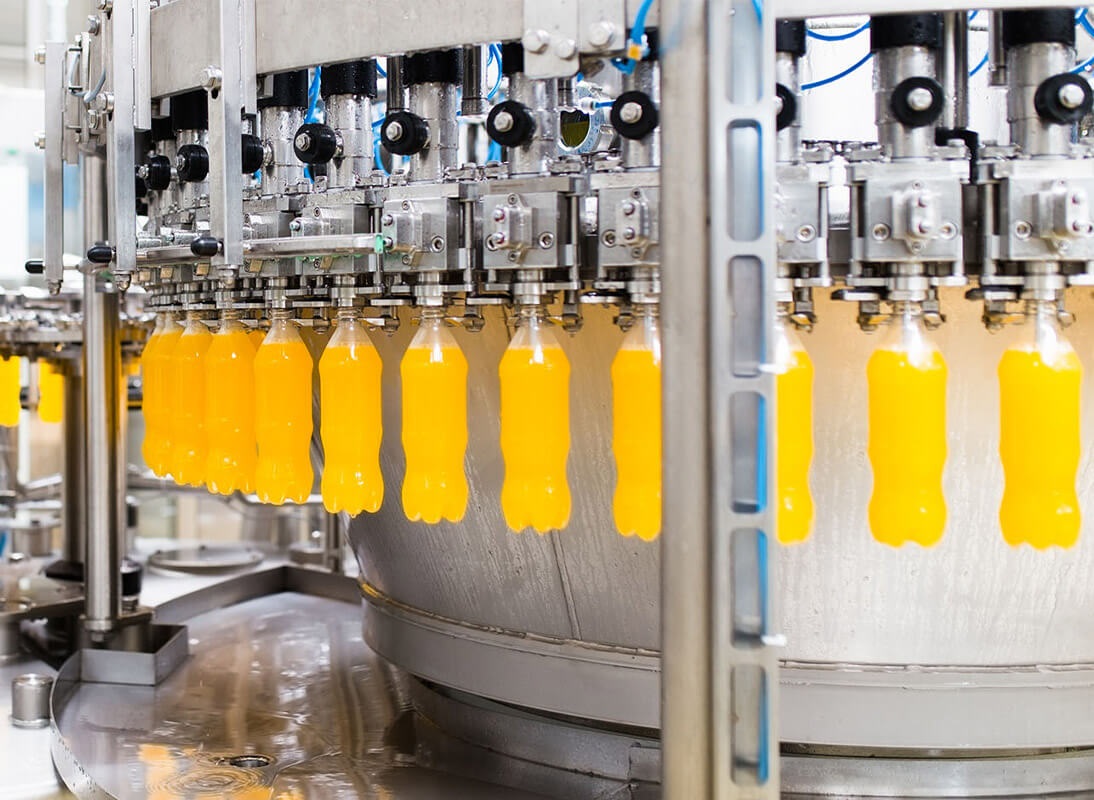
2023-05-10
The Principle and Characteristics of Beverage Filling Machine
It is a multifunctional beverage filling machine. It is used for filling carbonated drinks, soda water, salt soda water and other carbonated drinks. It can also be used for filling juice drinks, pure water and other non-carbonated drinks. It is a new type of practical filling machinery with high practicality.
Learn more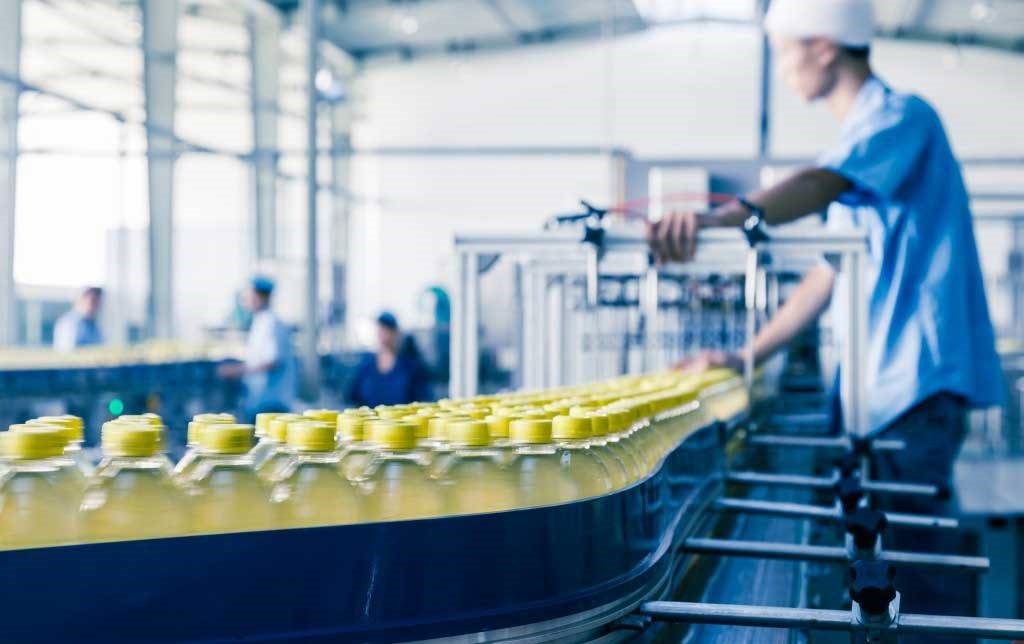
2023-04-26
HZM Machinery: Your Reliable Beverage Filling Machine Supplier
HZM Machinery is a professional supplier of beverage filling machines, dedicated to providing high-quality filling equipment and services to customers worldwide. With years of experience in the industry, we have become a trusted partner for many beverage manufacturers, helping them to improve their production efficiency, reduce costs, and enhance product quality
Learn more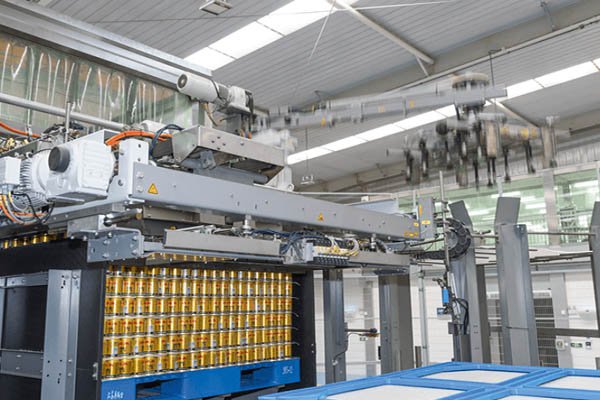
2023-05-10
The common faults of a fully automatic beverage filling machine.
The common faults of a fully automatic beverage filling machine:1.Insufficient or excessive filling amount . 2.Bottles falling or caps not tightened. 3.Conveyor belt jams 4.Control system failure
Learn more2023-05-30
Factors to Consider When Purchasing Beverage Filling Machine Equipment
When it comes to the production stage of a product, for beverage manufacturing companies, selecting a versatile, efficient, and low-consumption filling machine is exceptionally crucial. So, how do you choose a beverage filling machine that is both up-to-date and cost-effective?
Learn more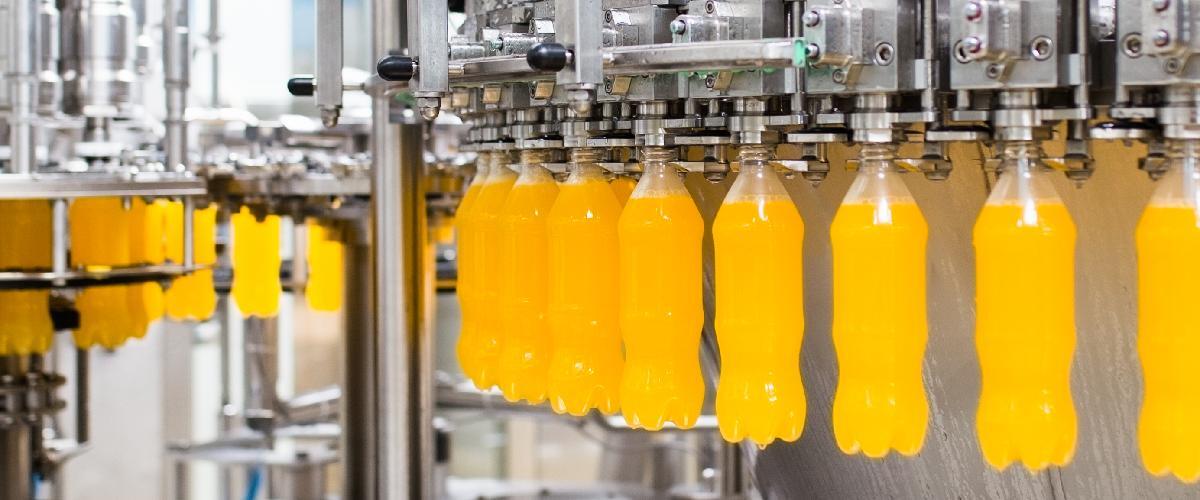
2023-07-12
Key Features of Fully Automatic Beverage Filling Machines
Fully automatic beverage filling machines have gained increasing popularity and trust in various industries. As the demand for these machines grows, businesses face greater pressure to invest in them. In this article, we will explore the key features of fully automatic beverage filling machines that make them a valuable asset for companies.
Learn more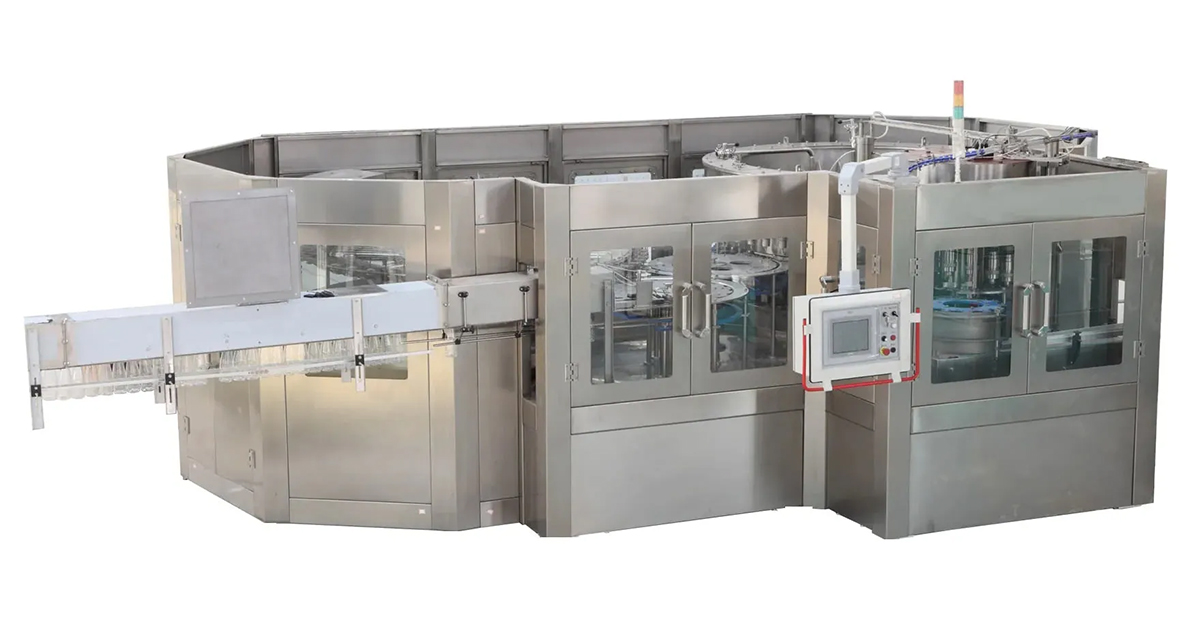
2023-07-20
How much does an automatic beverage filling machine cost?
the price range for an automatic beverage filling machine is wide, ranging from a few thousand dollars to hundreds of thousands of dollars. The price difference is primarily influenced by the following factors
Learn more